
Hotel Review: Dusit Thani Kyoto | Premier Room
Introduction
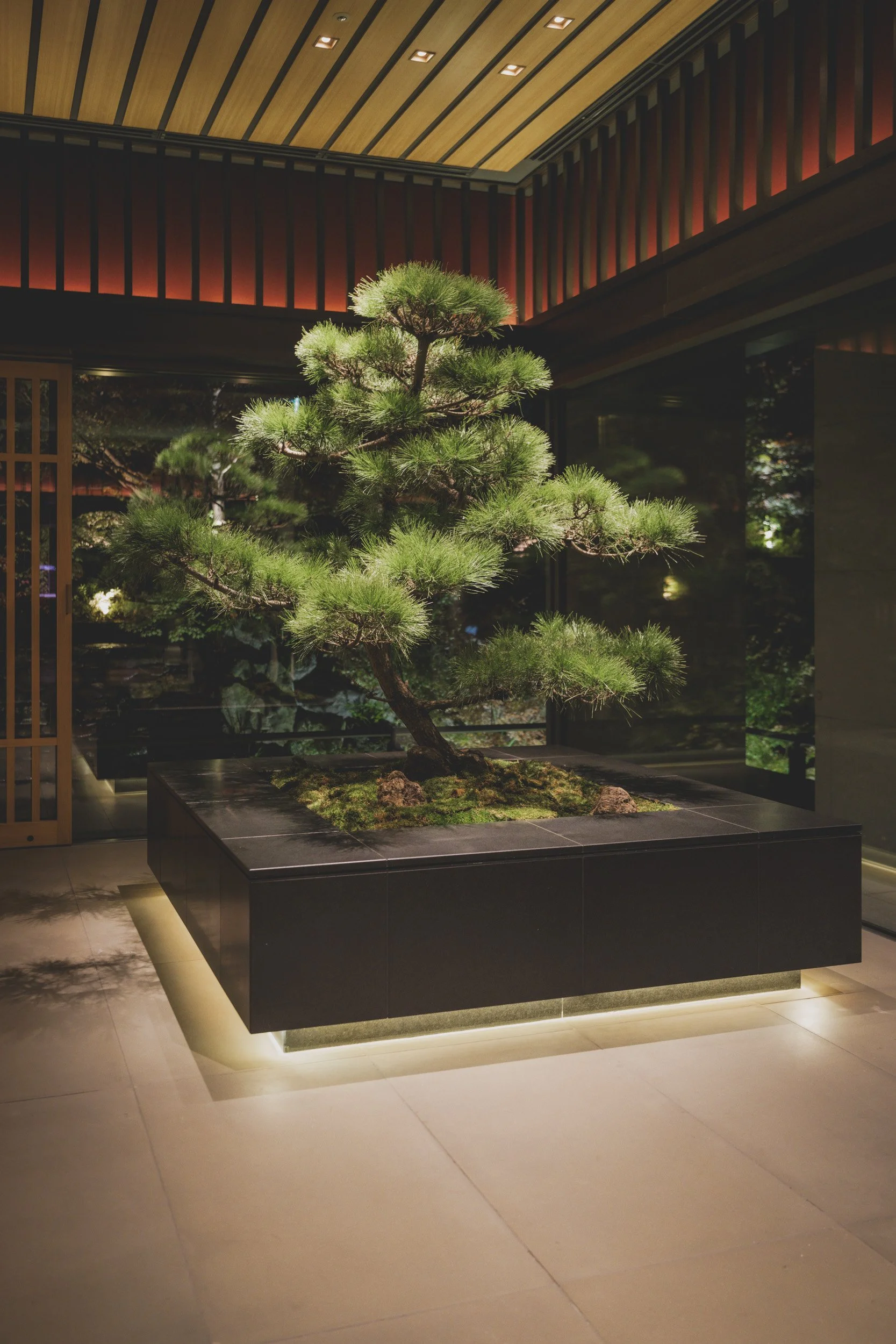
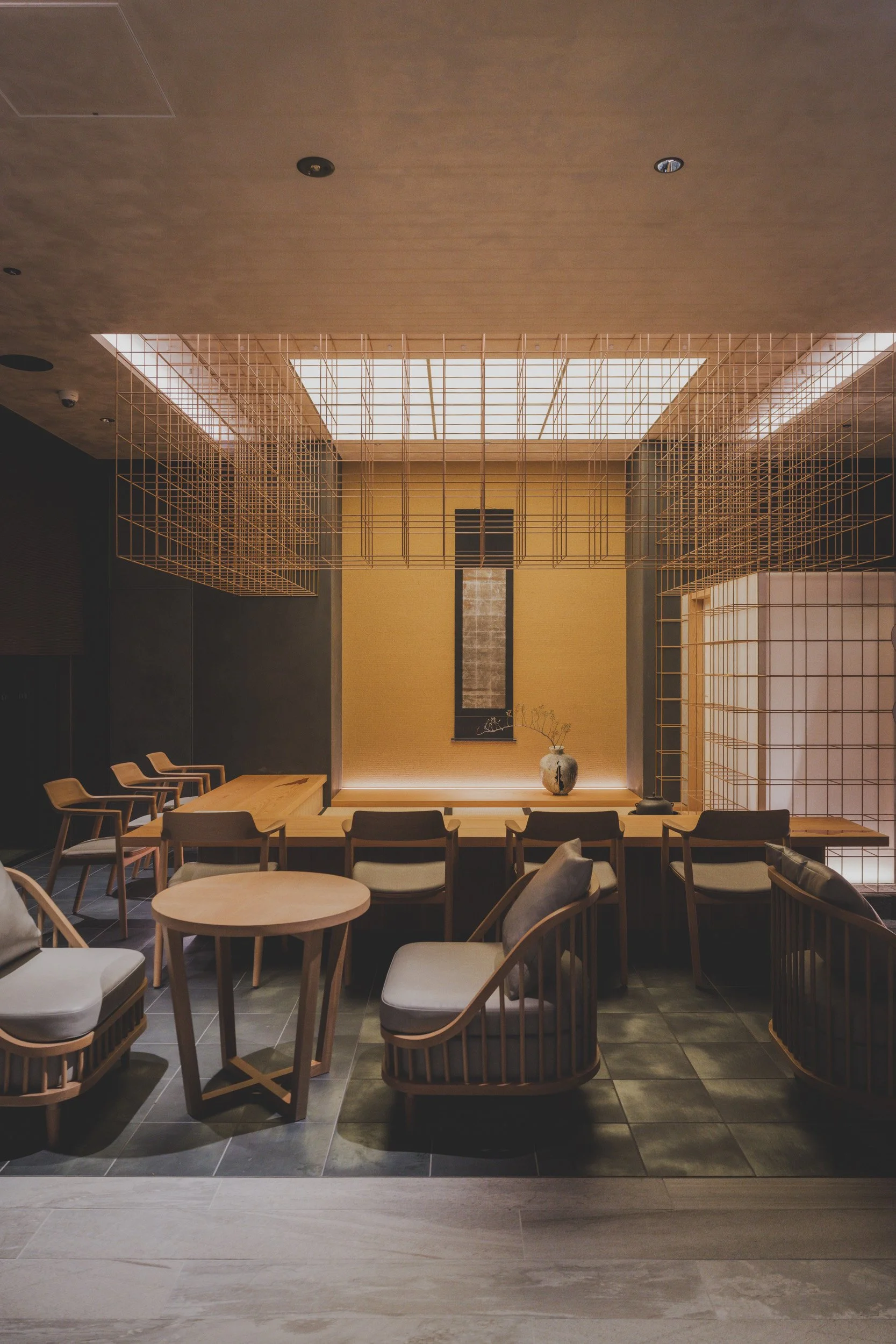
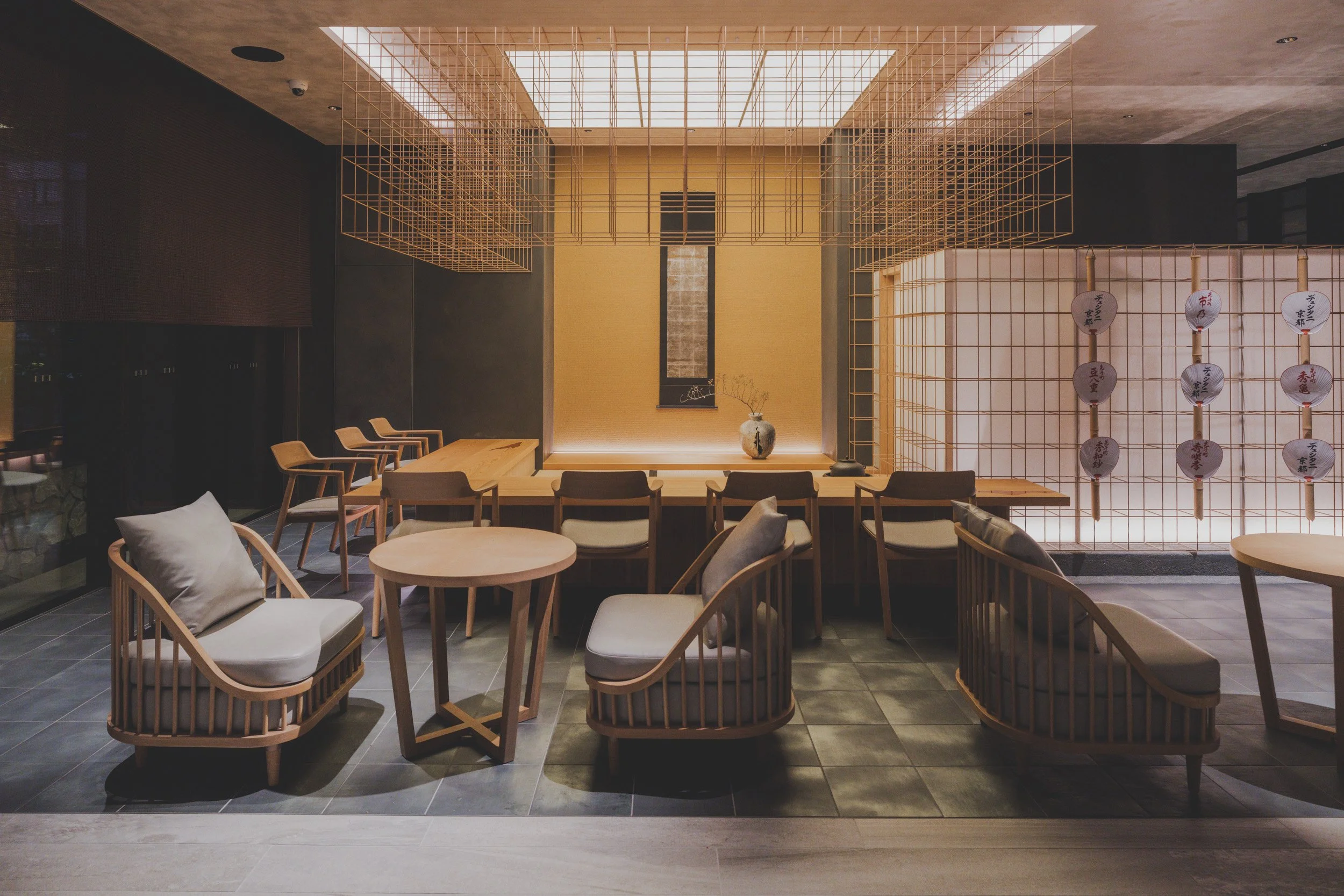
In a city where luxury hotels often compete to see who can be the most "quietly invisible," the Dusit Thani Kyoto arrives not with a shout, but with a warm, saffron-scented embrace. The hotel is a success in cultural alchemy, where the scent of Thai lemongrass dances through the air of a Japanese courtyard, proving that the most interesting experiences are told when two distinct worlds stop competing and start collaborating.
To the untrained eye, the Dusit Thani Kyoto is simply a beautiful, if almost underrated hotel building near Kyoto Station.
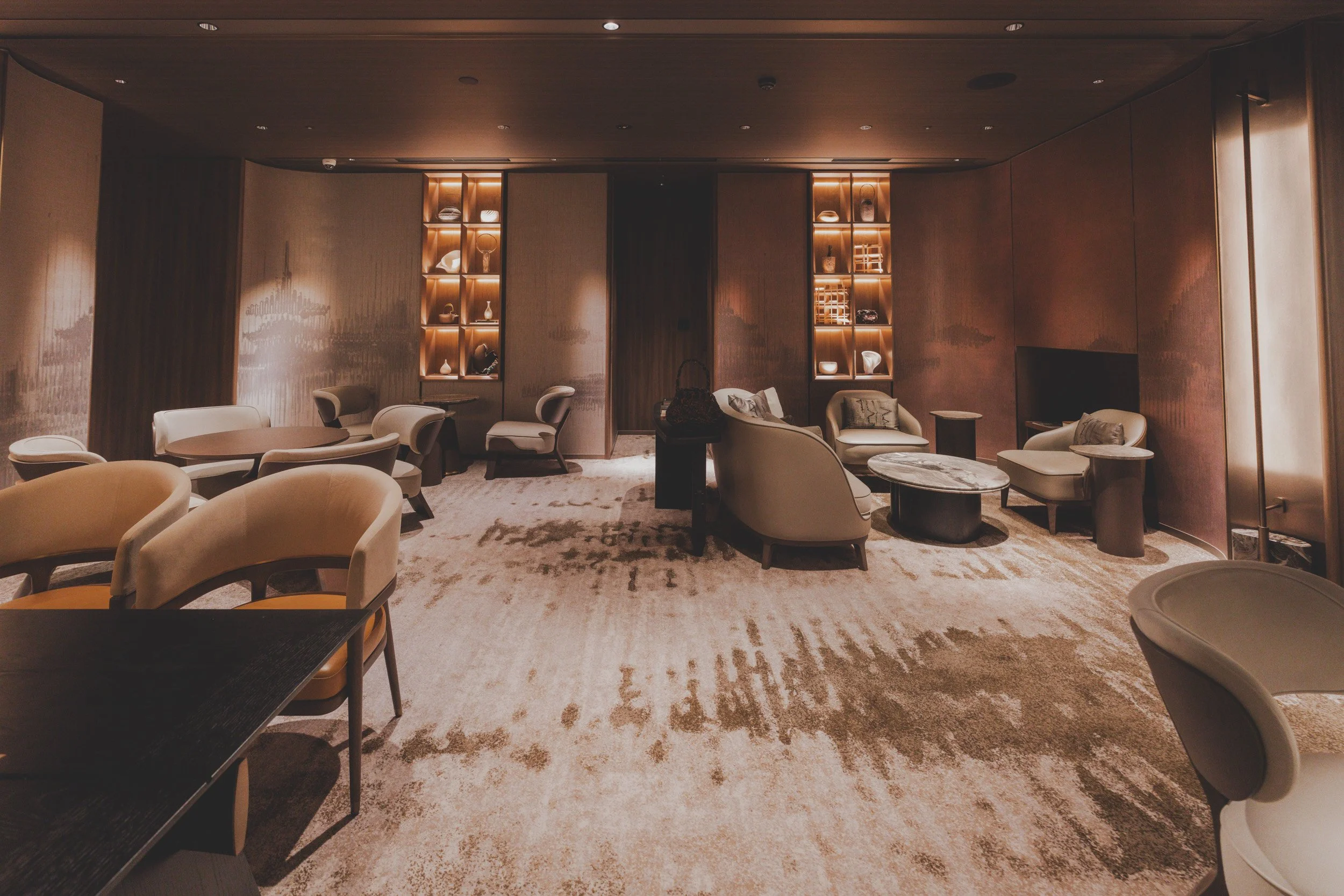
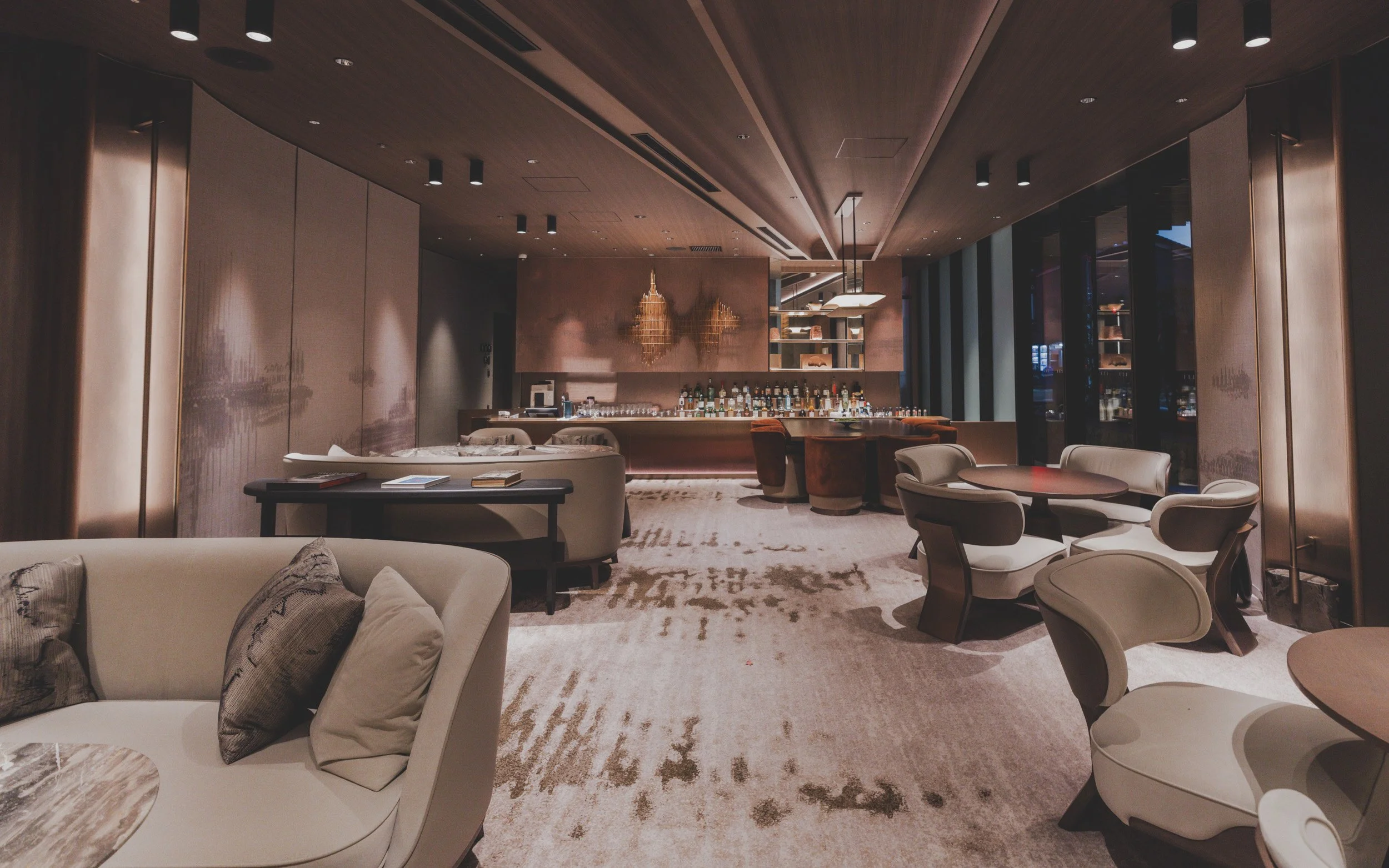
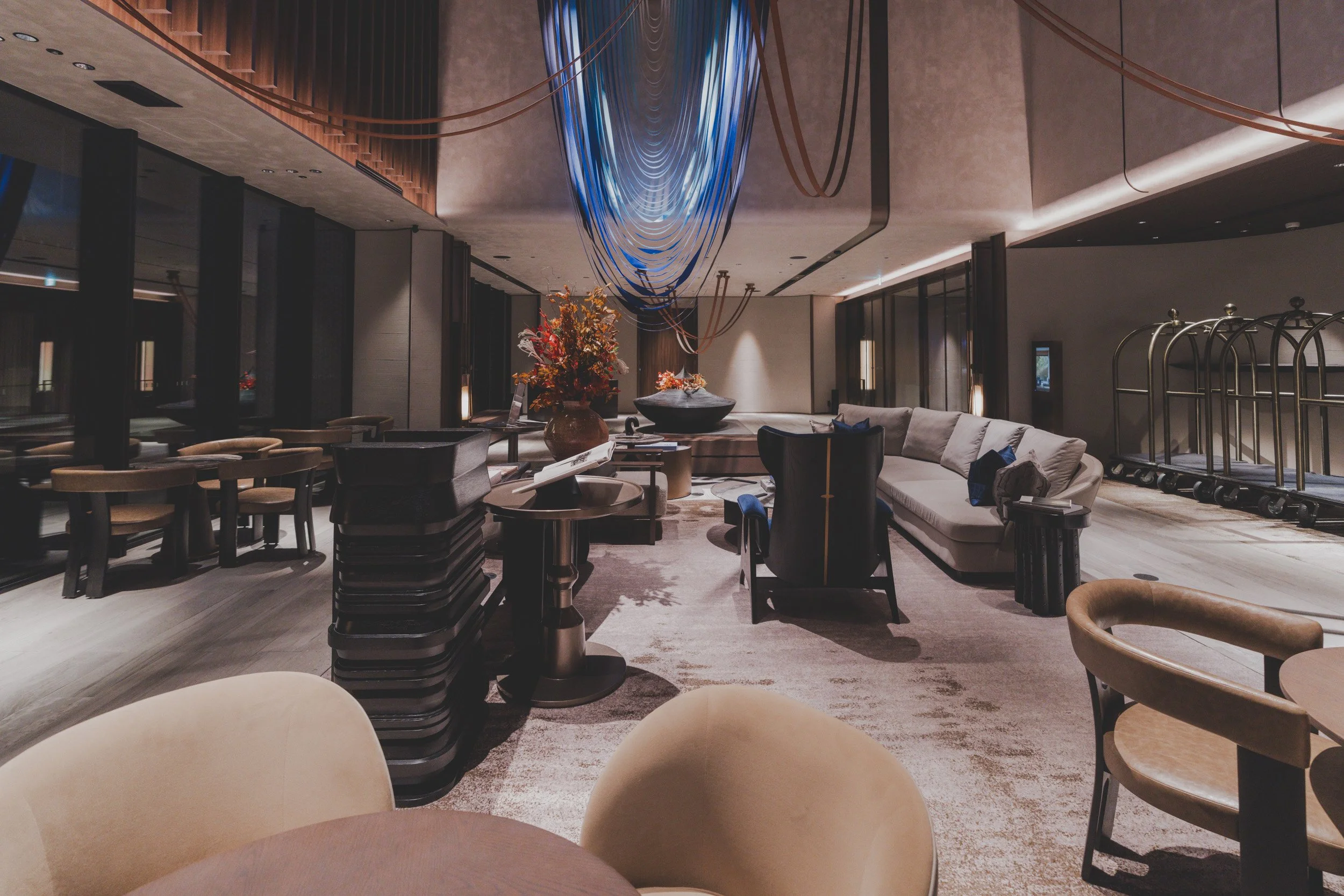
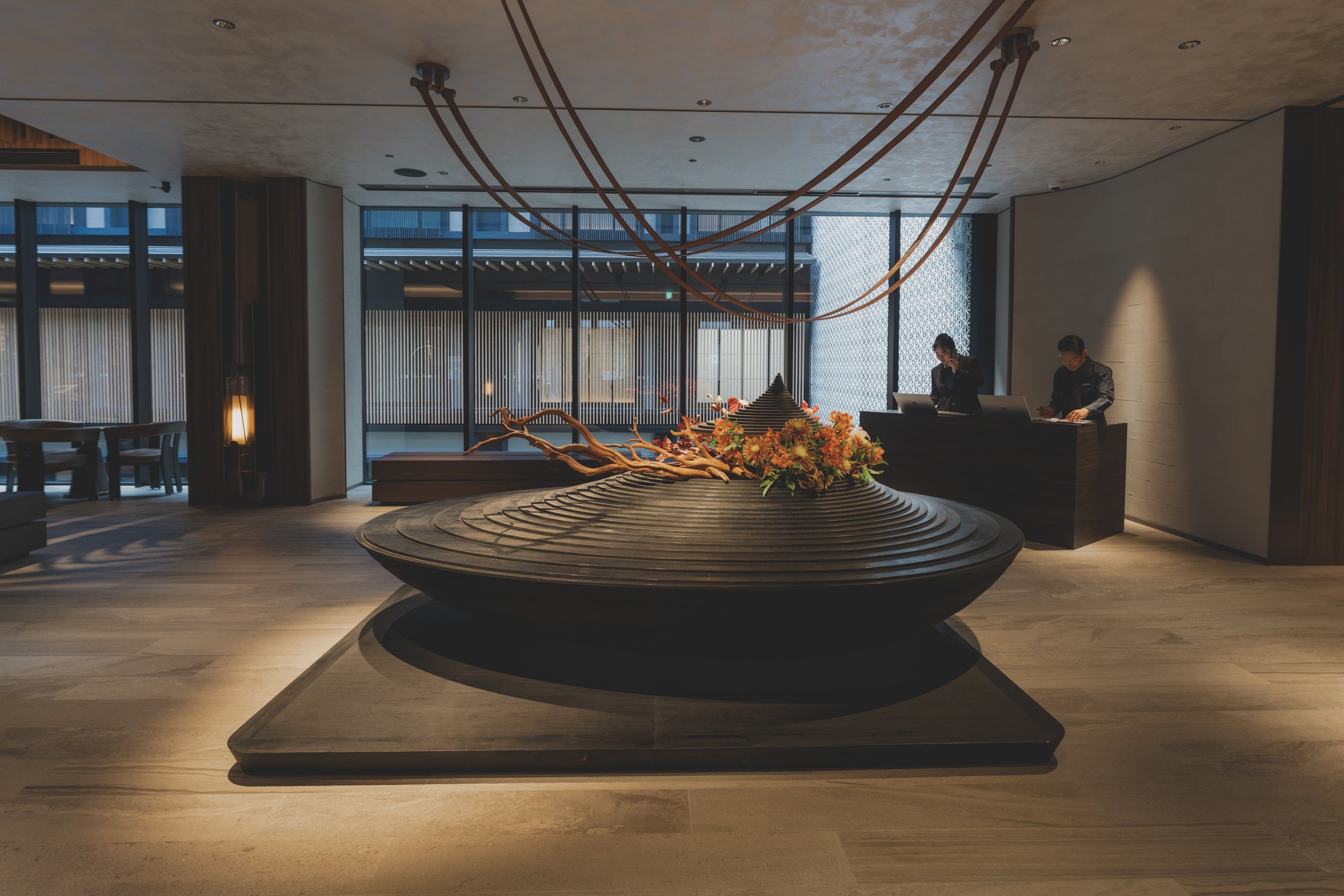
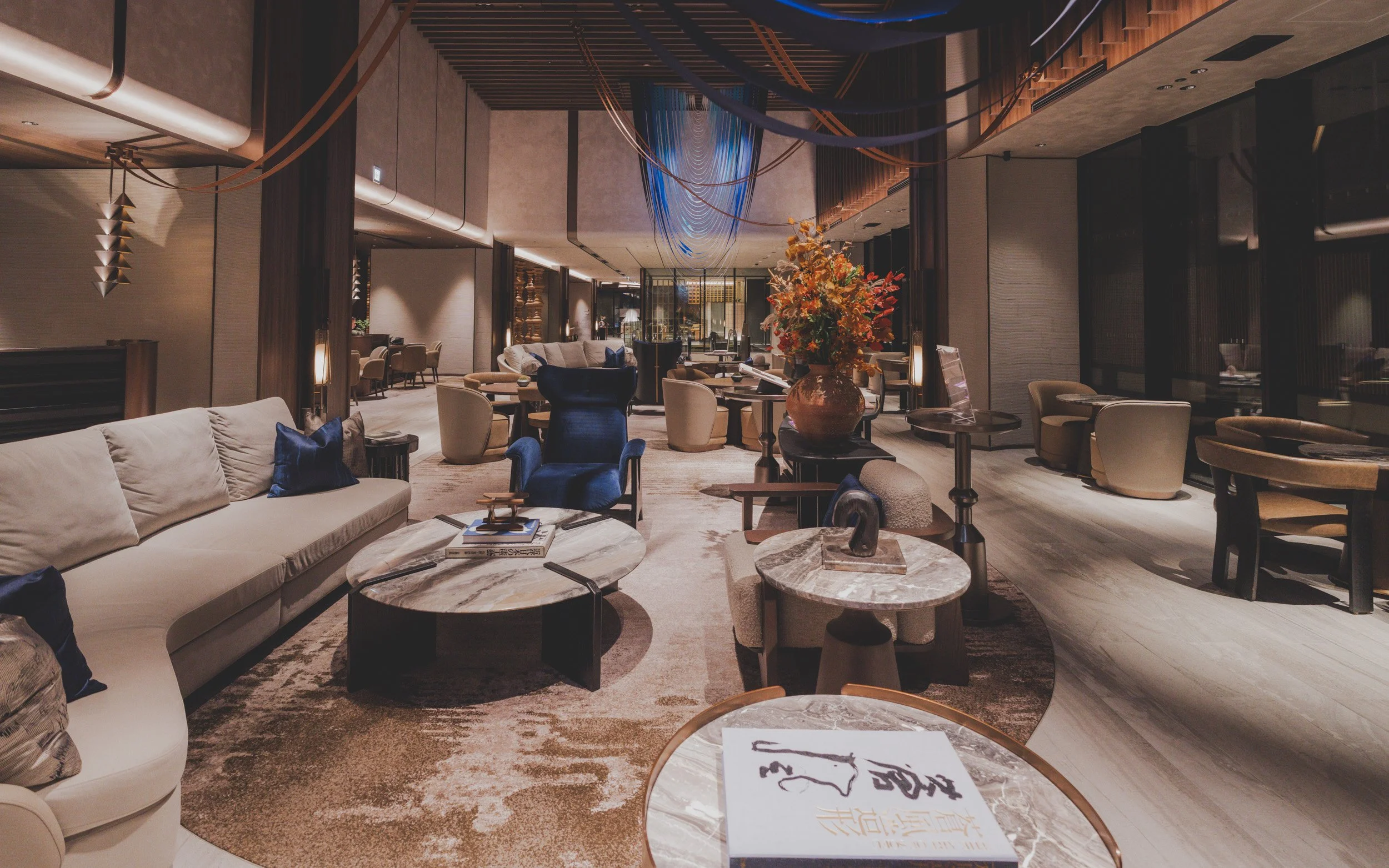
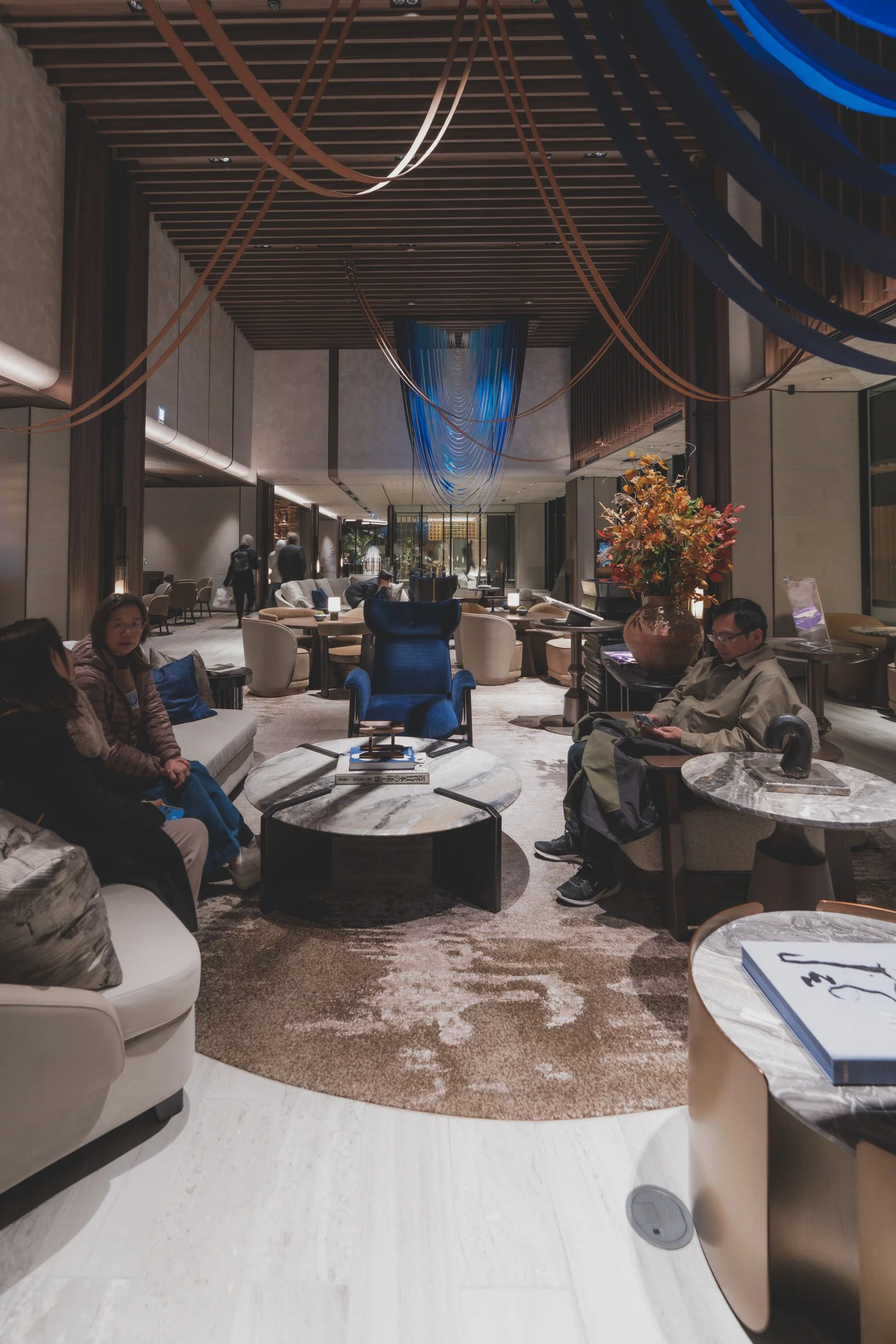
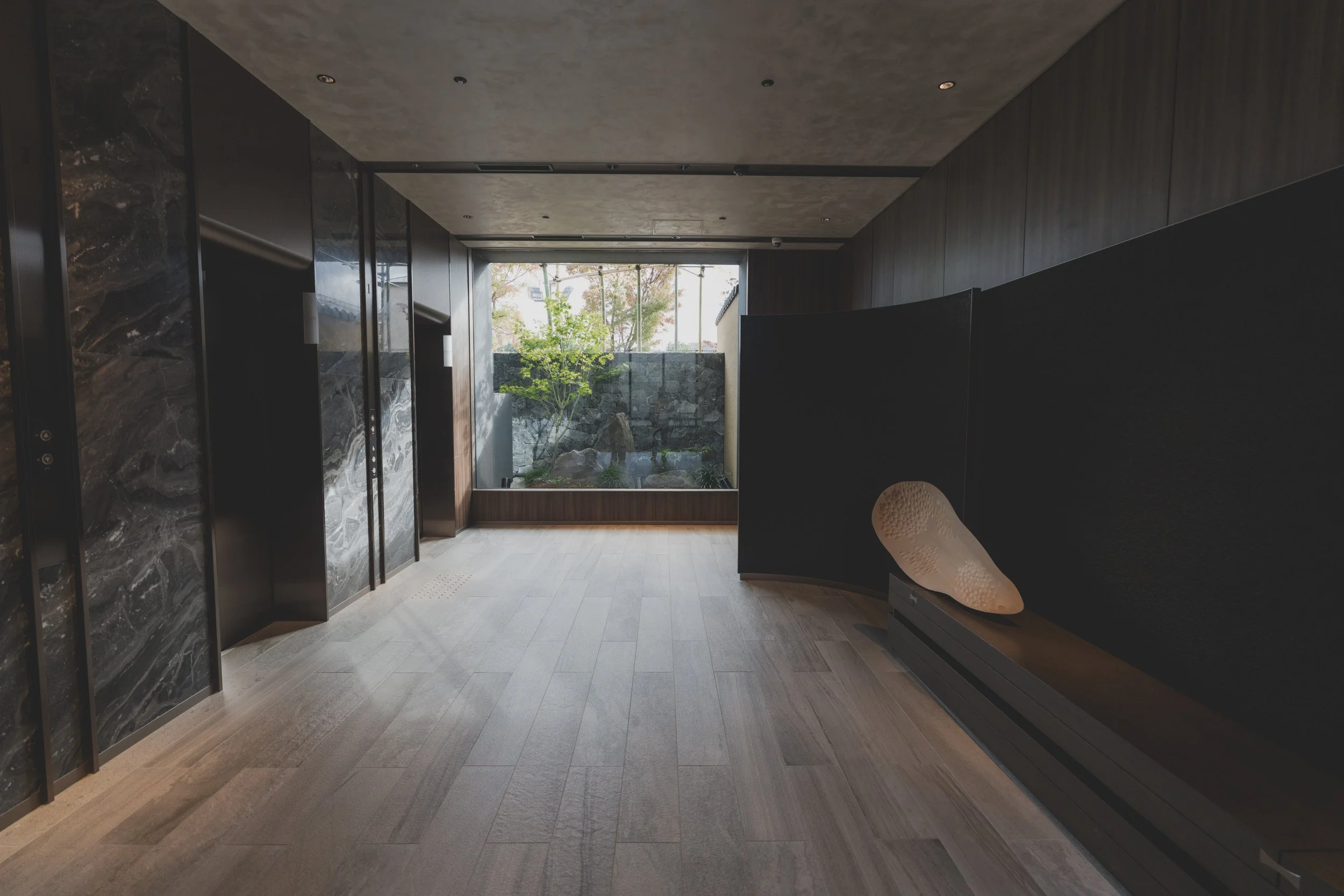
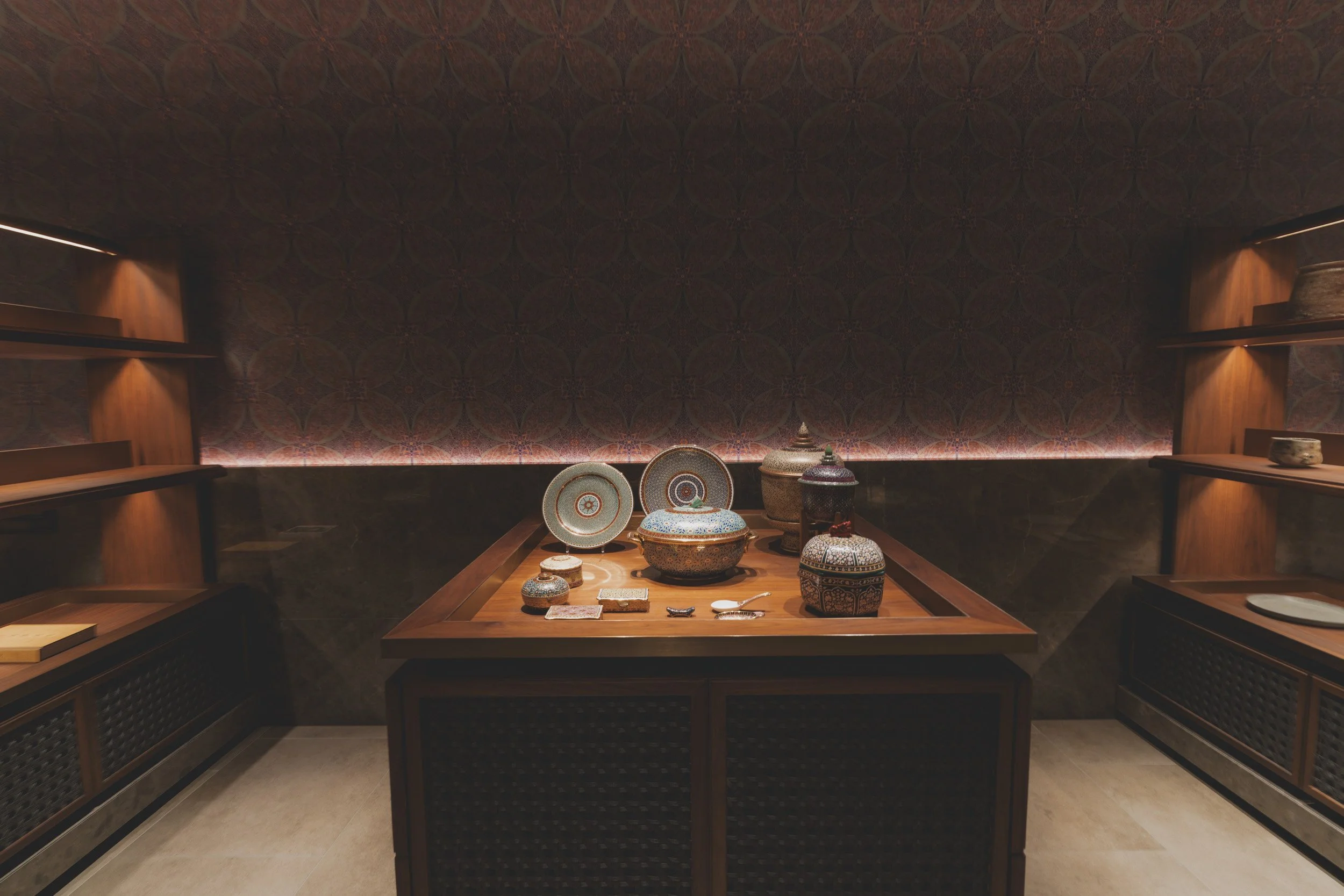
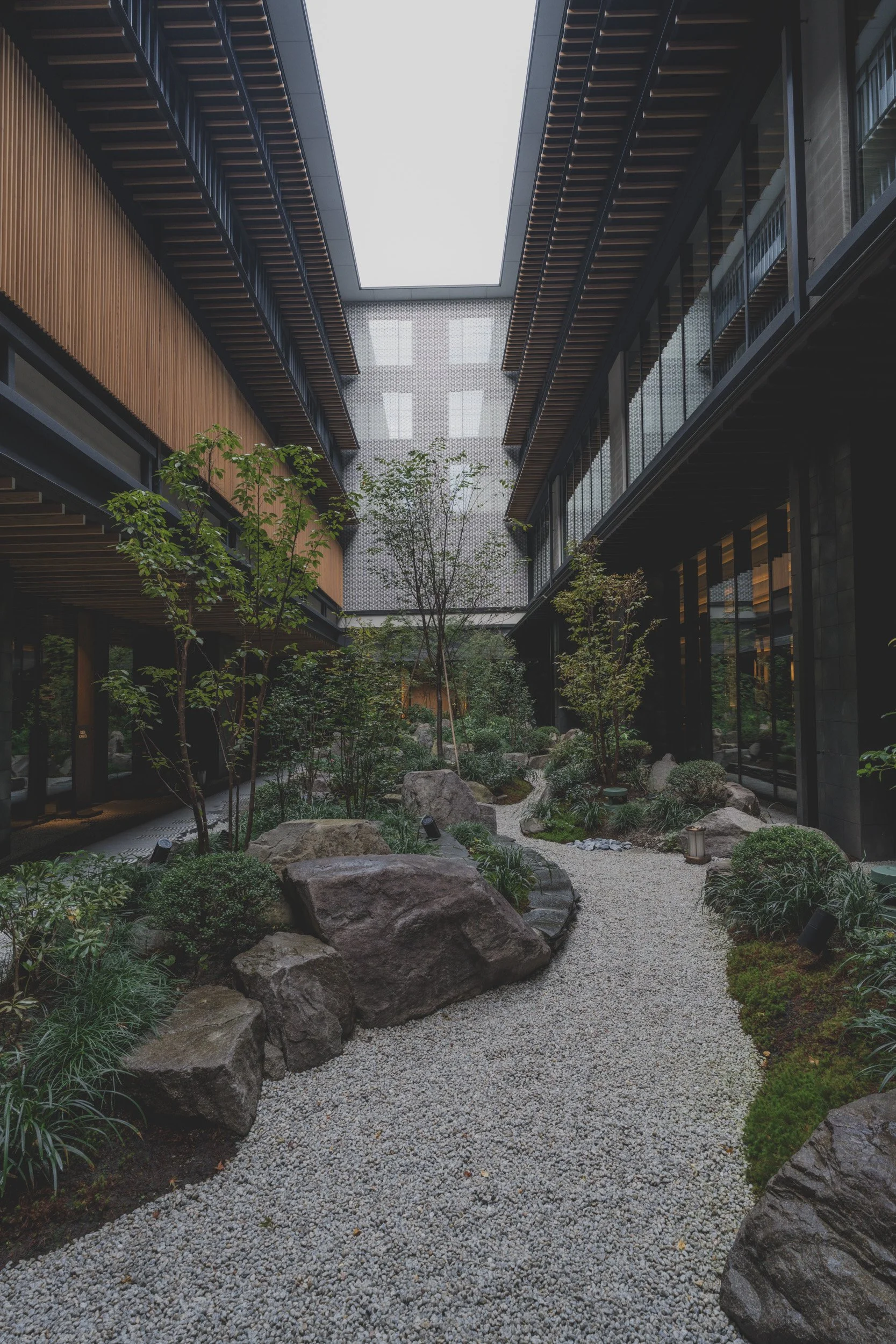
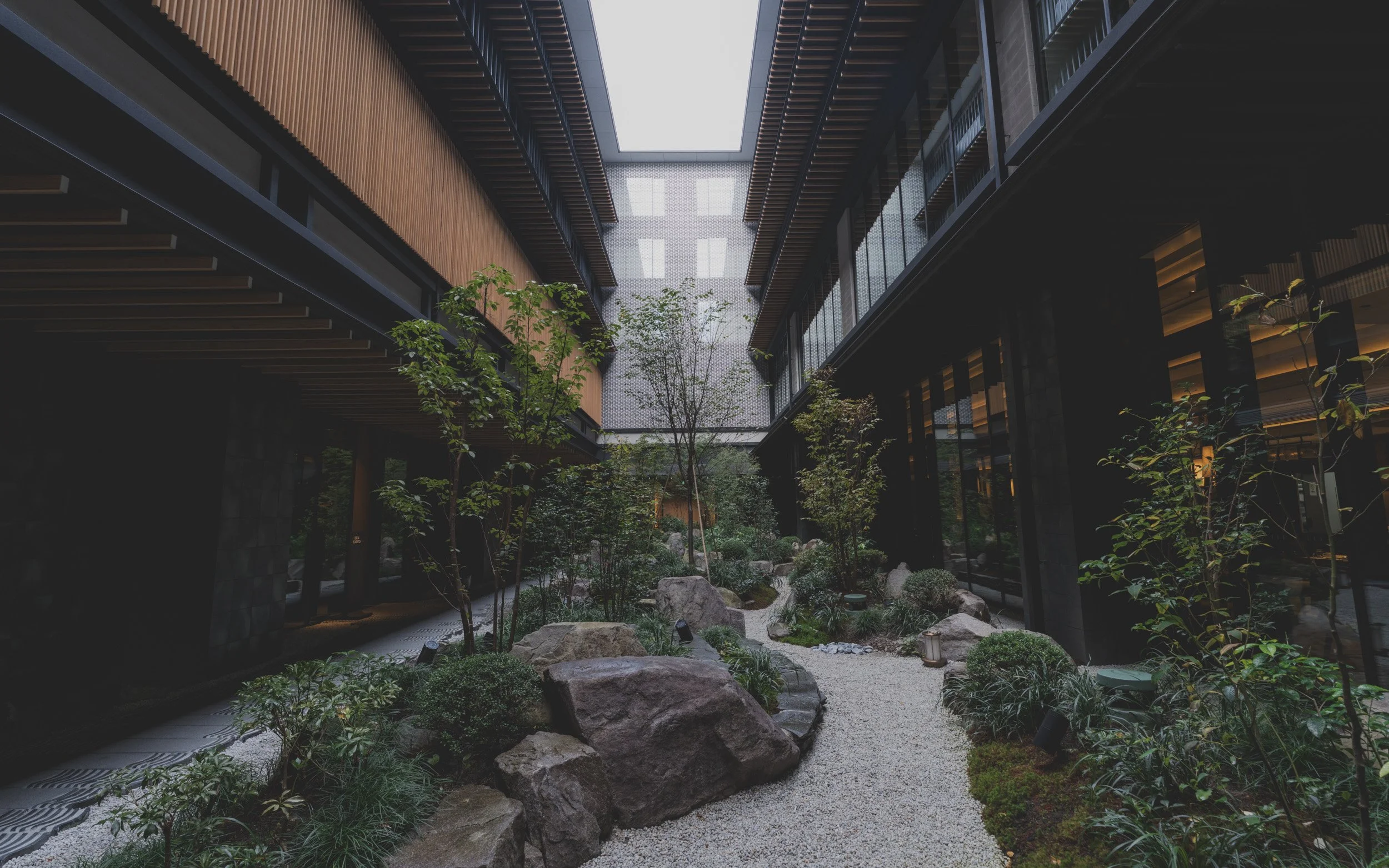
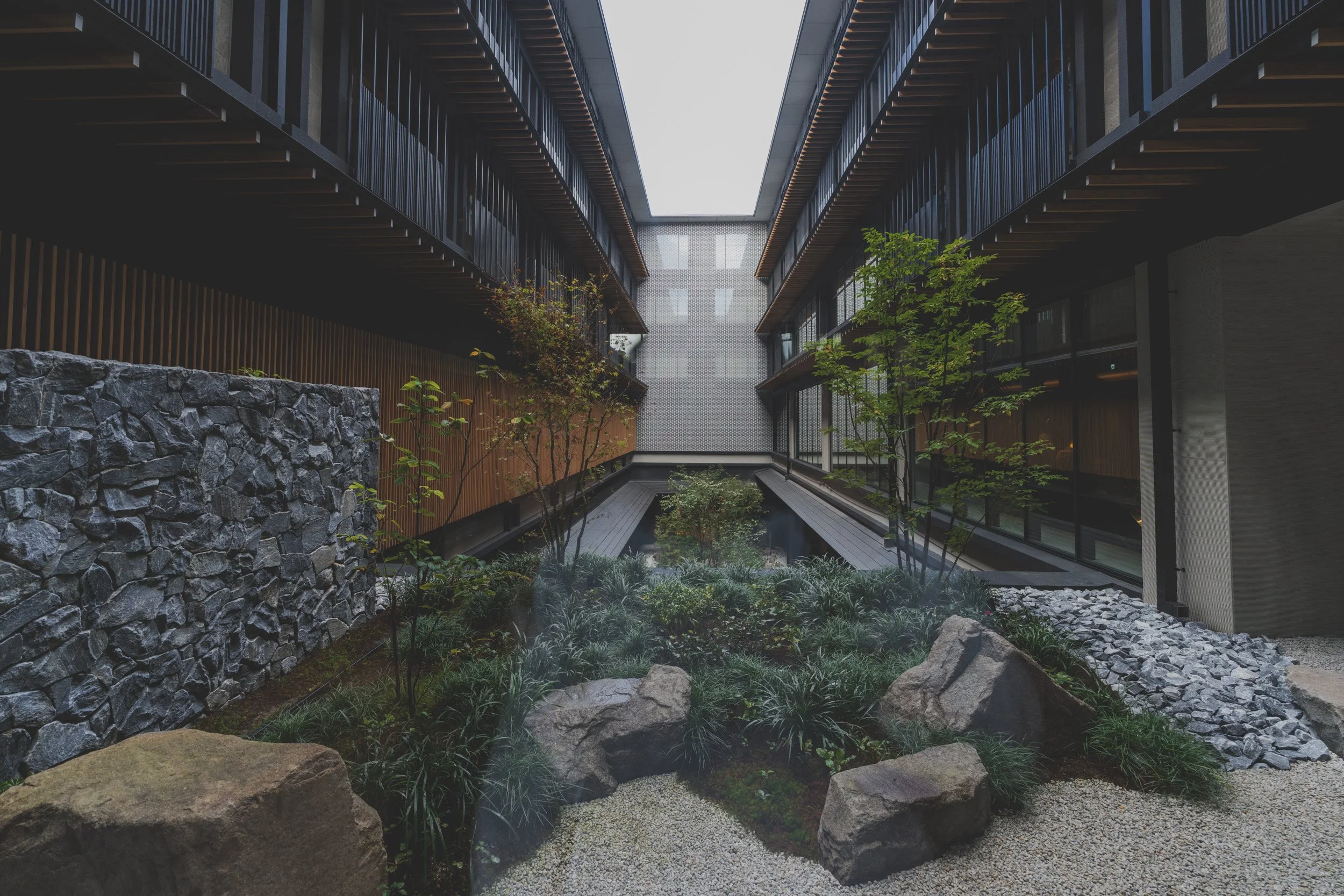
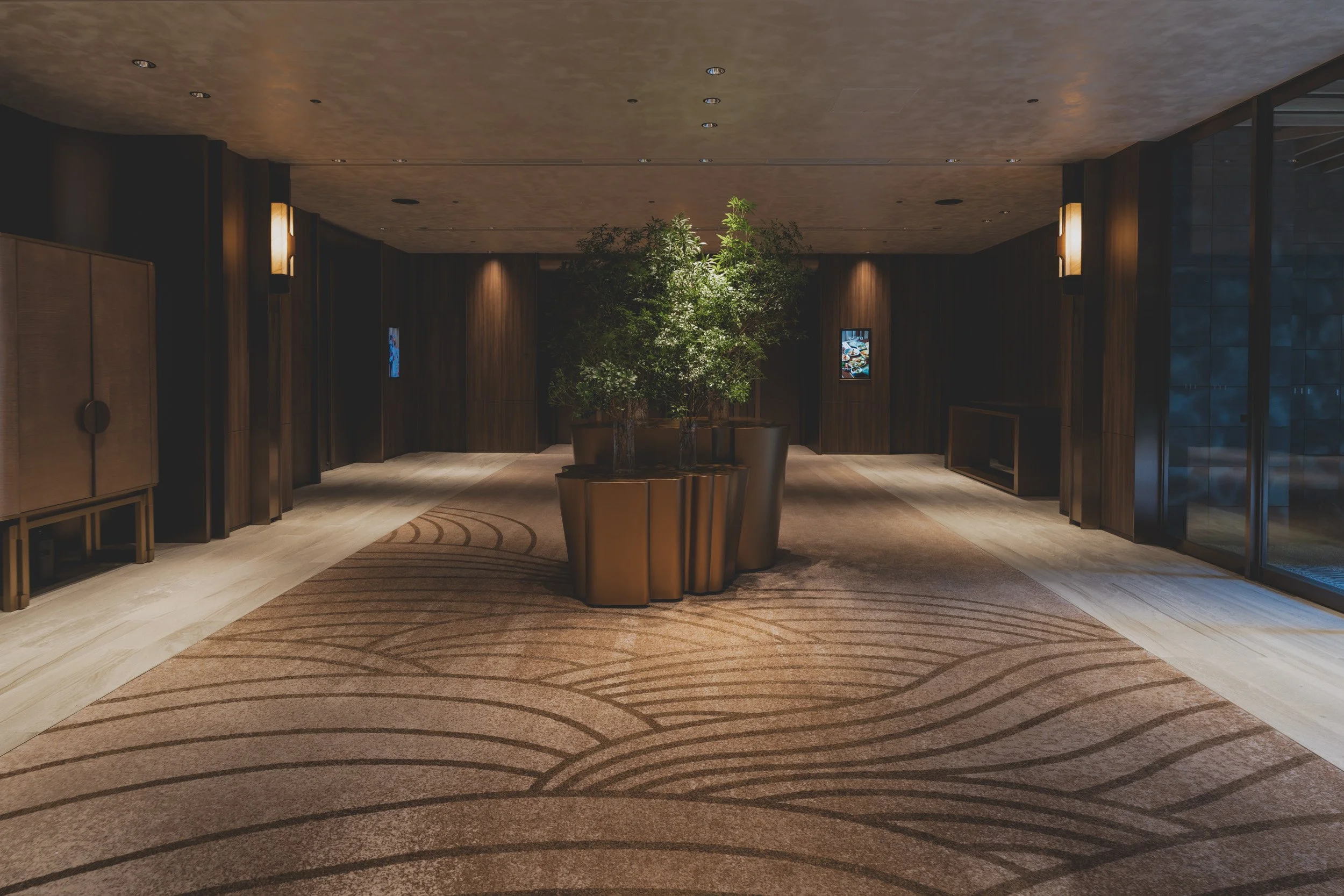
The hotel doesn’t just sit in the shadow of the monumental Nishi Honganji temple; it absorbs its gravity, offering a residential intimacy that feels more like a private manor than a commercial venture. From the lobby’s architectural nod to the swirling patterns of Thai silk and Japanese indigo, to the way the sunlight hits the central garden—a space that breathes with the rhythm of the seasons—the property feels less like an export and more like a discovery. This is the "inside scoop" that only a few properties ever truly grasp: luxury isn’t found in the thickness of the marble, but in the emotional resonance of the arrival. At the Dusit Thani Kyoto, that resonance is immediate, whispering that you haven't just checked into a room, but into a rare, cross-continental heritage.
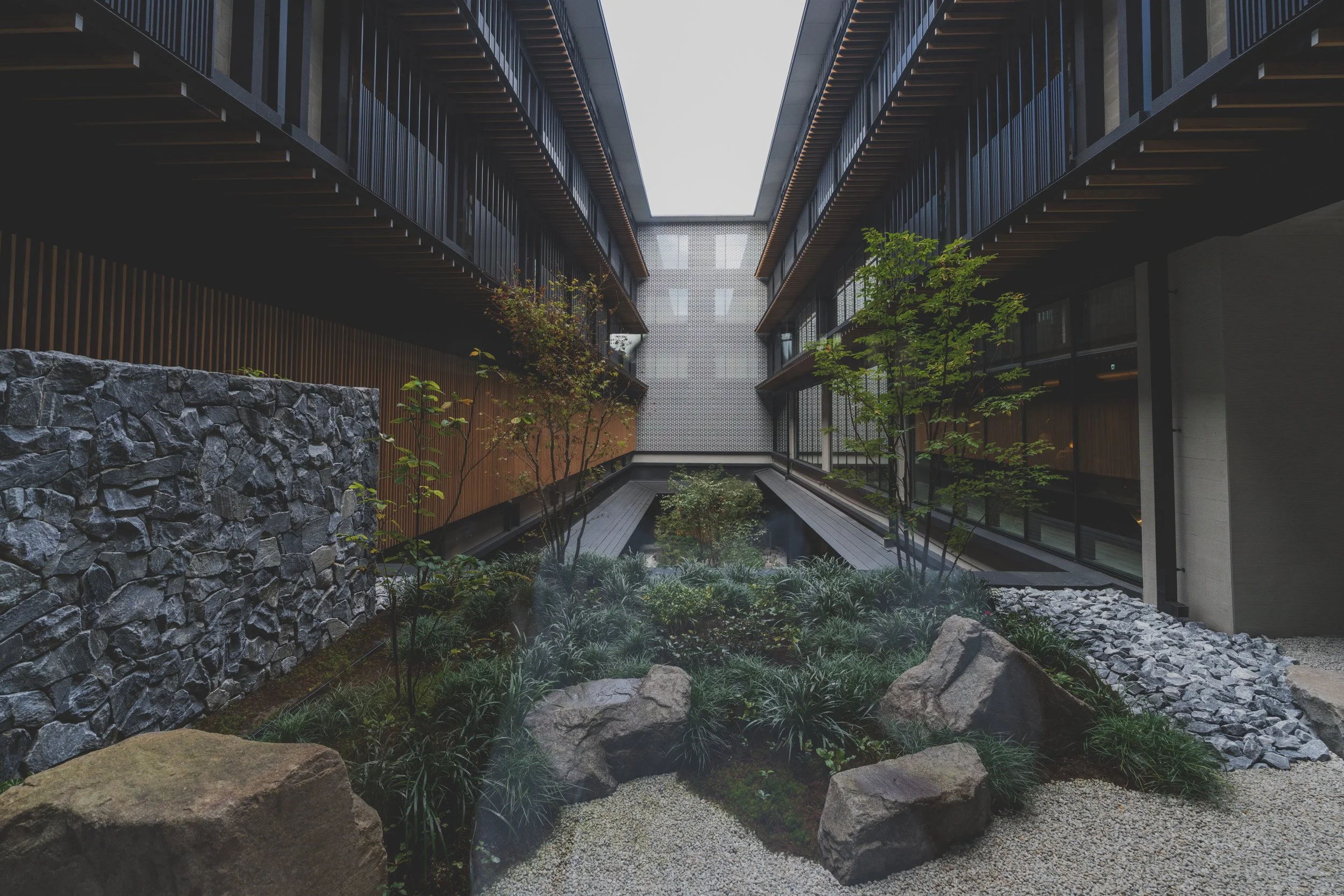
The Dusit Thani Kyoto is such an unique 5-star property - a blend of Thai hospitality and Japanese tradition.
Location
Close to the Kyoto Train Station, Lawsons and historical UNESCO sites. This is easily one of the best highlights of the hotel.
Situated in the quiet, residential Shimogyo-ku district, the Dusit Thani Kyoto occupies a space that feels worlds away from the neon-soaked bustle of Gion, yet remains remarkably accessible. For those that love to walk around, the ten-minute stroll from Kyoto Station is a welcome sight, allowing the urban noise to fade into the hushed tones of a neighborhood defined by its proximity to monumental temples. It strikes that delicate balance I always sought during my travels - being close enough to the action for convenience, but secluded enough to offer a genuine sense of privacy and place.
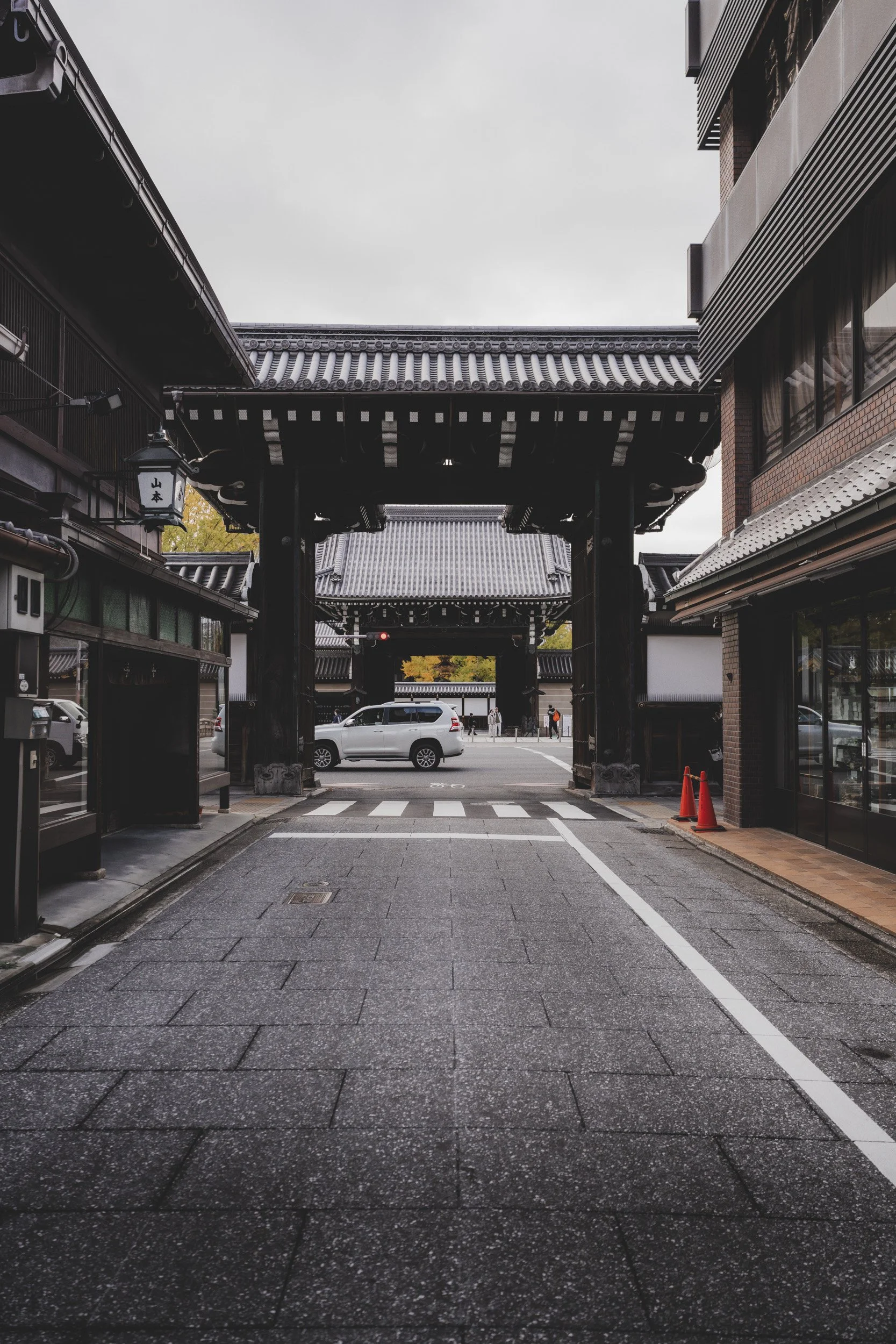
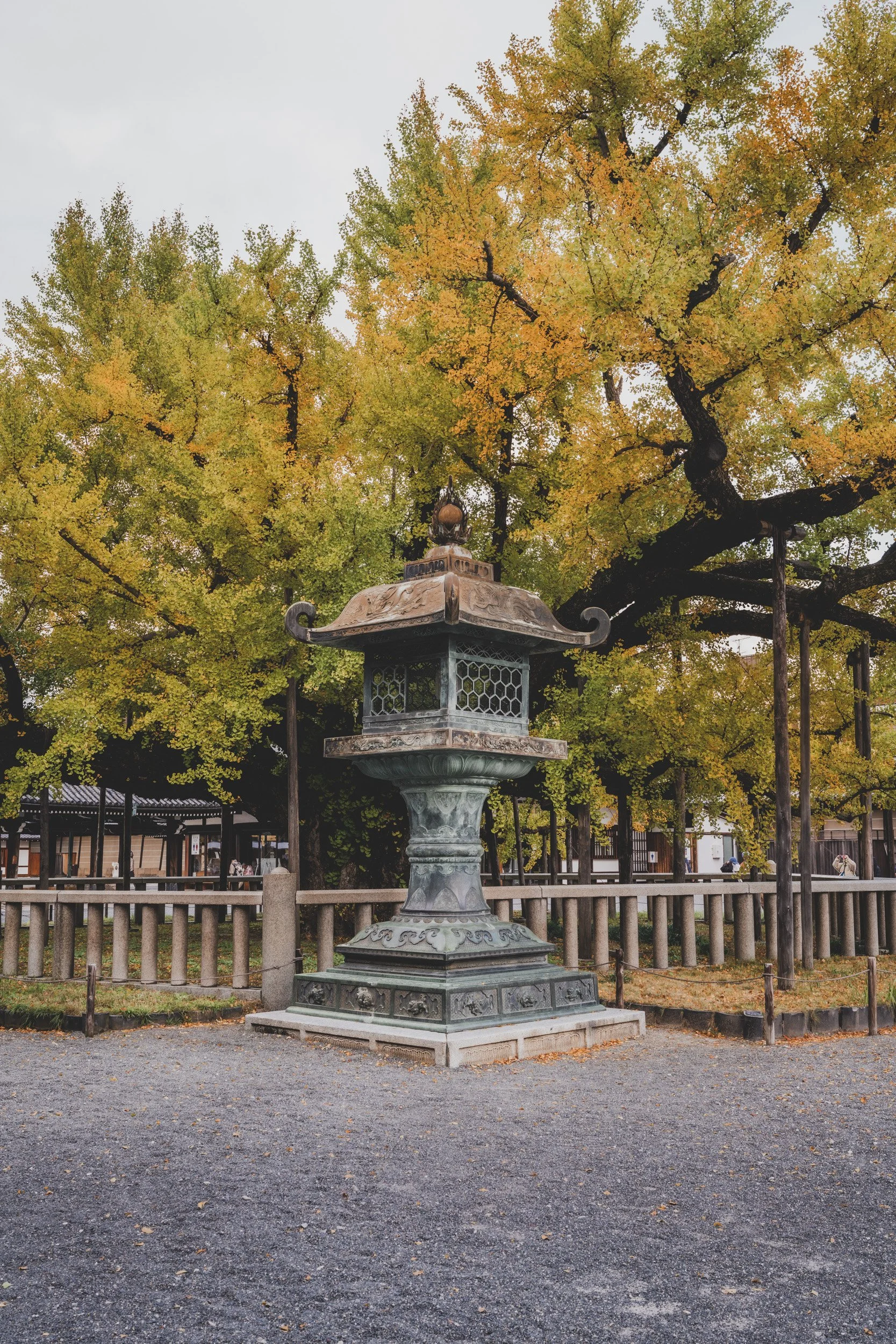
The hotel is flanked by the UNESCO World Heritage giants of Nishi Honganji and Higashi Honganji, placing it firmly within a scenic preservation area. This means the surrounding skyline is low, the streets are clean and traversable, and the air carries the faint scent of incense and old wood. Staying here provides a rare opportunity to experience Kyoto as a local would—walking past traditional machiya townhouses and small, family-run craft shops—while knowing that the high-speed transit of the Shinkansen is just a brief taxi ride away for your next departure.
AMEX FHR Points vs. Cash
Please note, I am not paid by AMEX regarding Fine Hotels and Resorts. My review of the Dusit Thani Kyoto was paid through the FHR program via our own expense, allowing me to be fully transparent with the hotel review.
As a Fine Hotels + Resorts (FHR) property, the value proposition at Dusit Thani Kyoto is exceptionally compelling, particularly for those looking to maximize their Membership Rewards. When booking through the Amex portal, the "guaranteed" perks—such as the 4:00 PM late checkout and the US$100 property credit—frequently outweigh the slightly higher cash rate compared to direct booking. From my perspective, the FHR rate is a great recommendation for a superior stay, as it often triggers a higher priority for room upgrades, moving you from a standard view to a serene garden outlook upon arrival.
Choosing between points and cash focuses primarily on the net value you get during your stay. Generally, if the cash rate is hovering around ¥65,000 to ¥80,000, using points can yield a solid redemption value, especially if you have the budget for it. However, I often advise my prospective clients to pay the cash rate via FHR to earn the 5x points on the purchase while still enjoying the complimentary daily breakfast for two, which is a significant value add here. The $100 credit is best utilized at the signature Ayatana restaurant or for a specialized treatment at the spa, effectively subsidizing a world-class experience that would otherwise be a premium out-of-pocket expense.
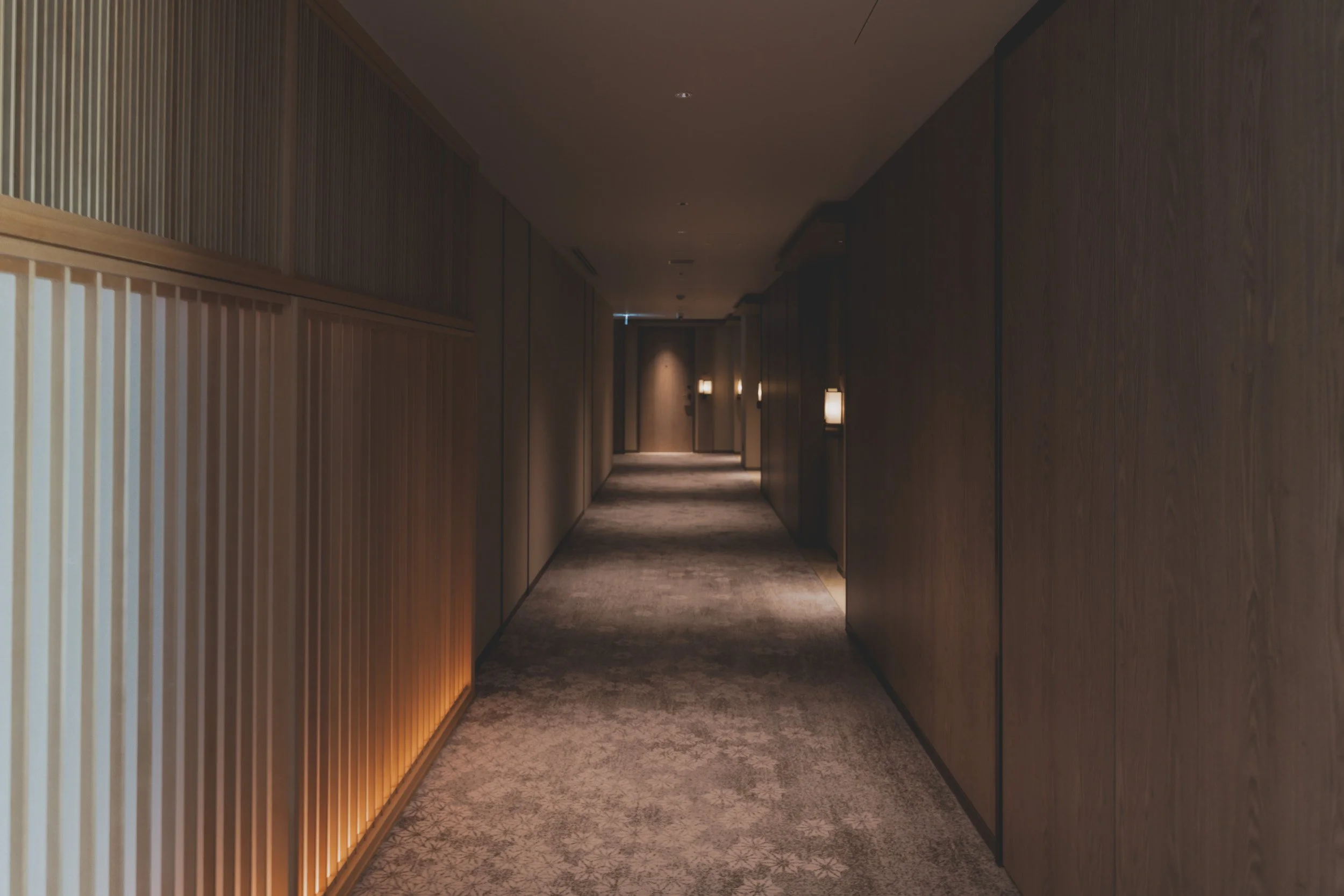

Premier Room
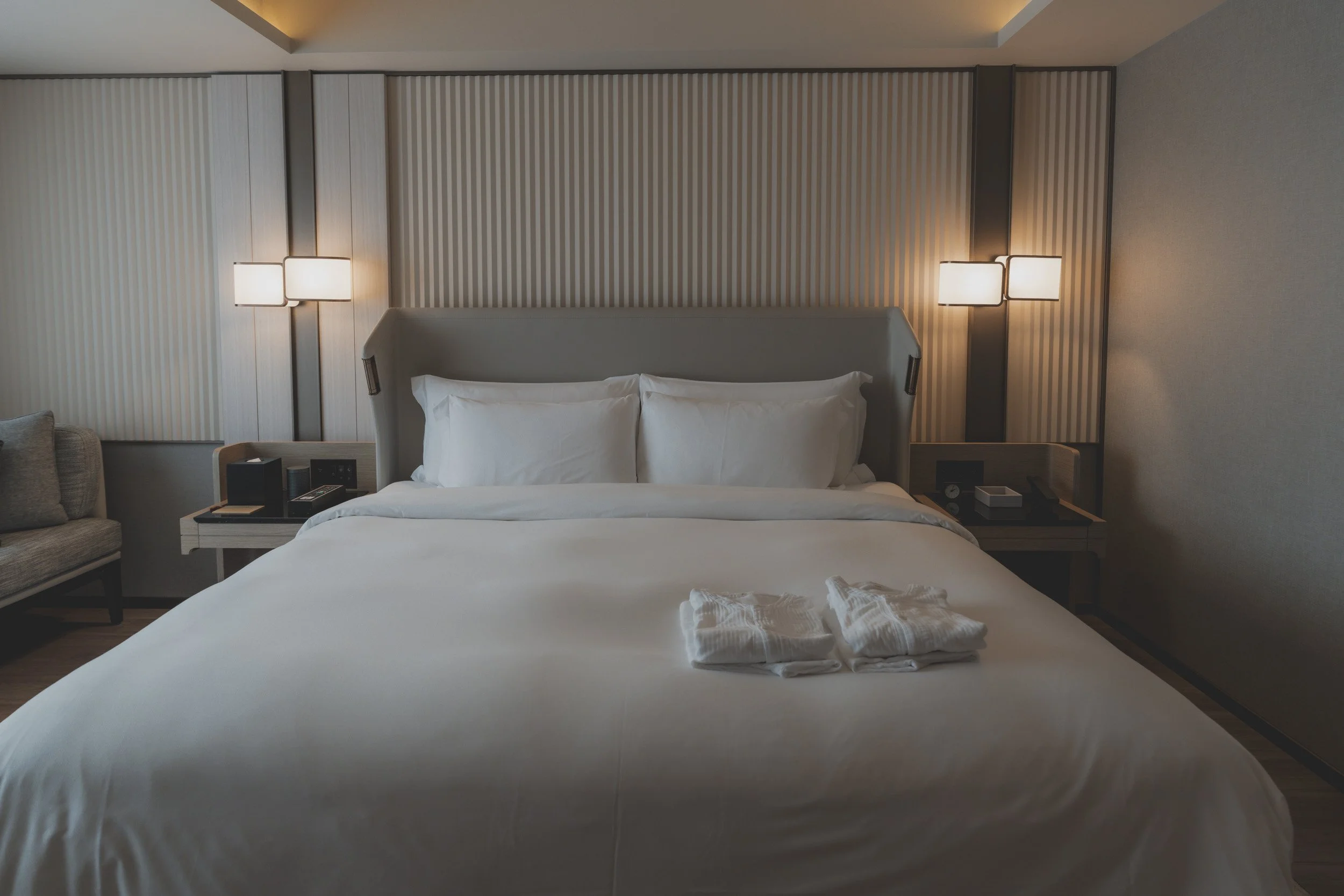
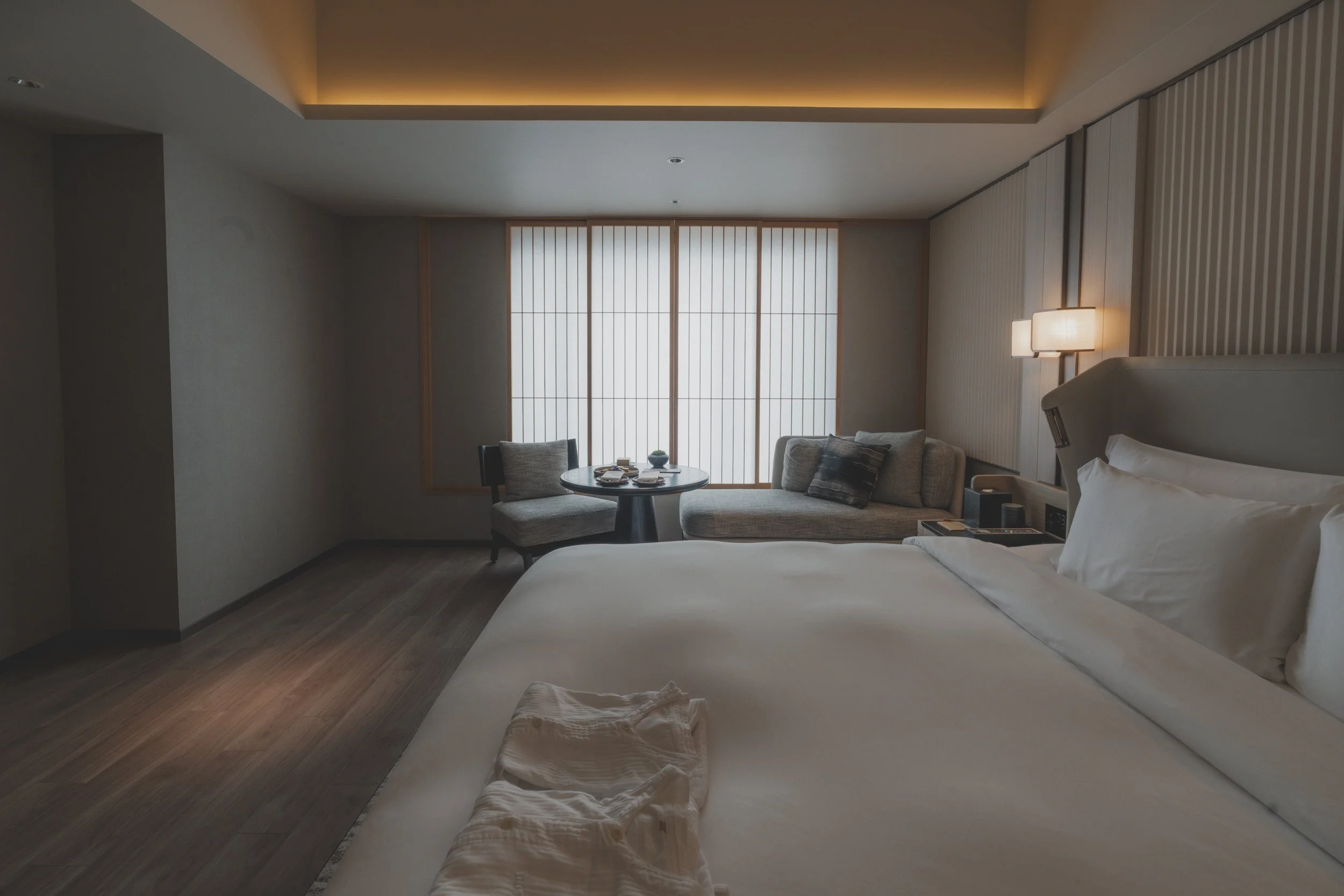
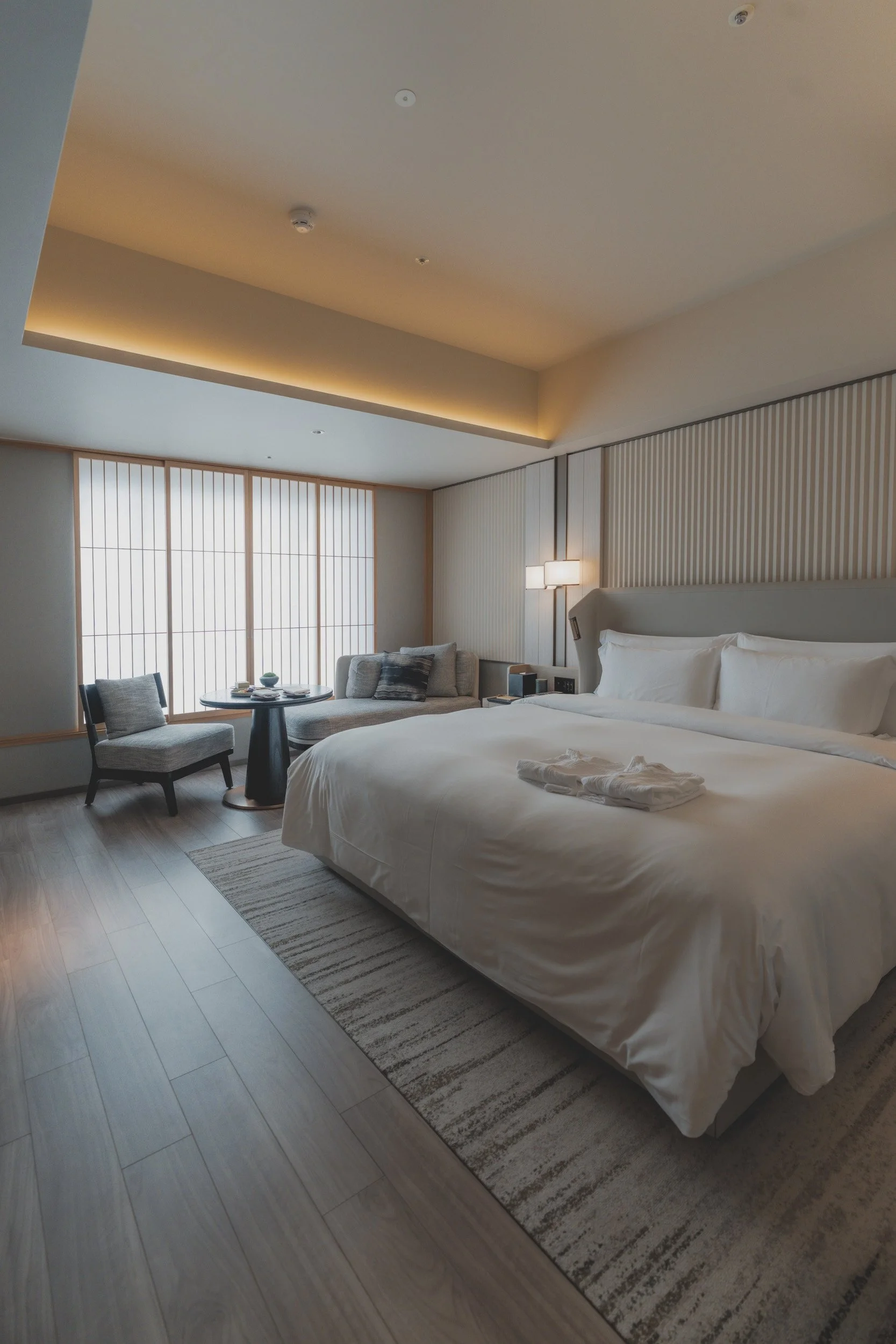
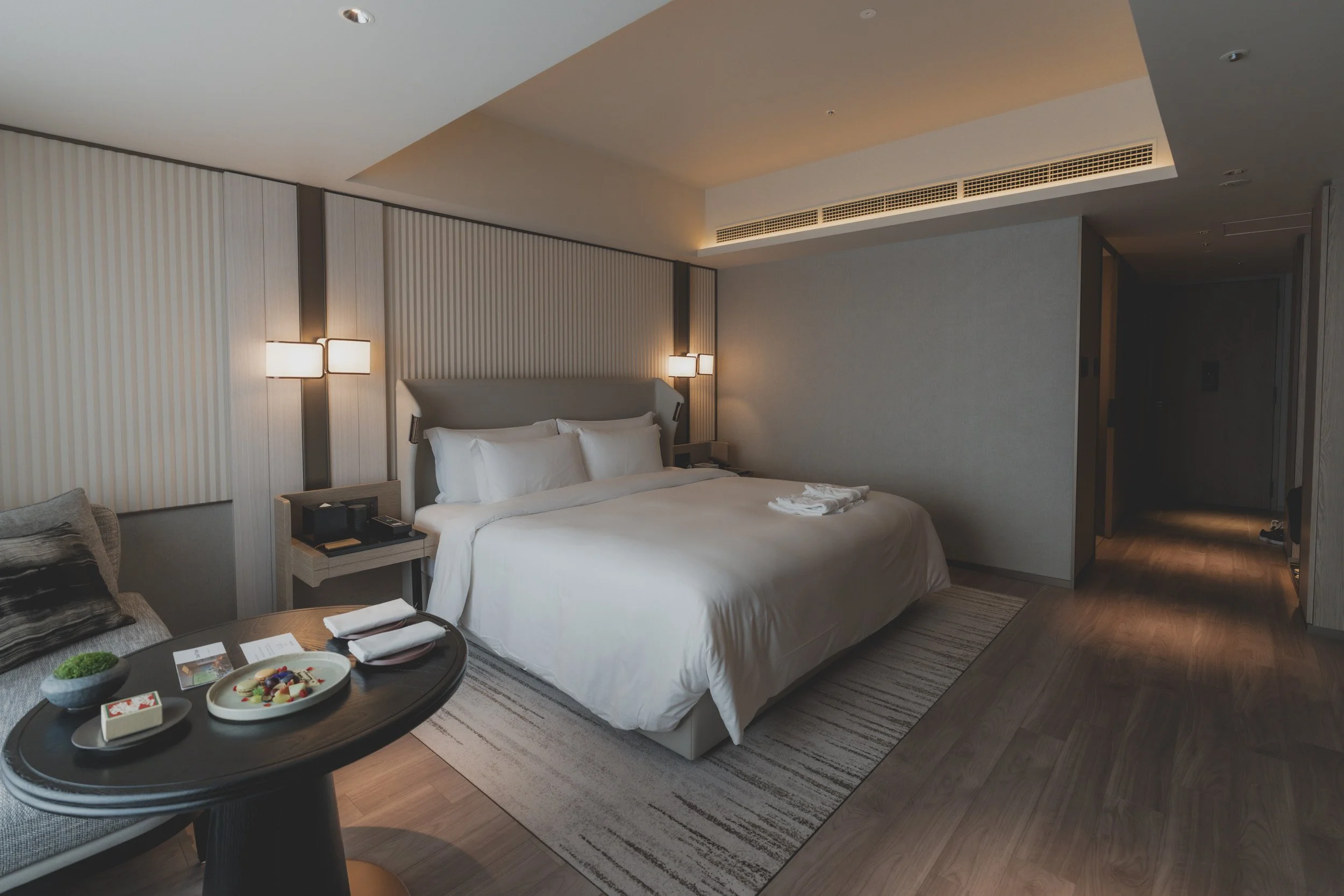
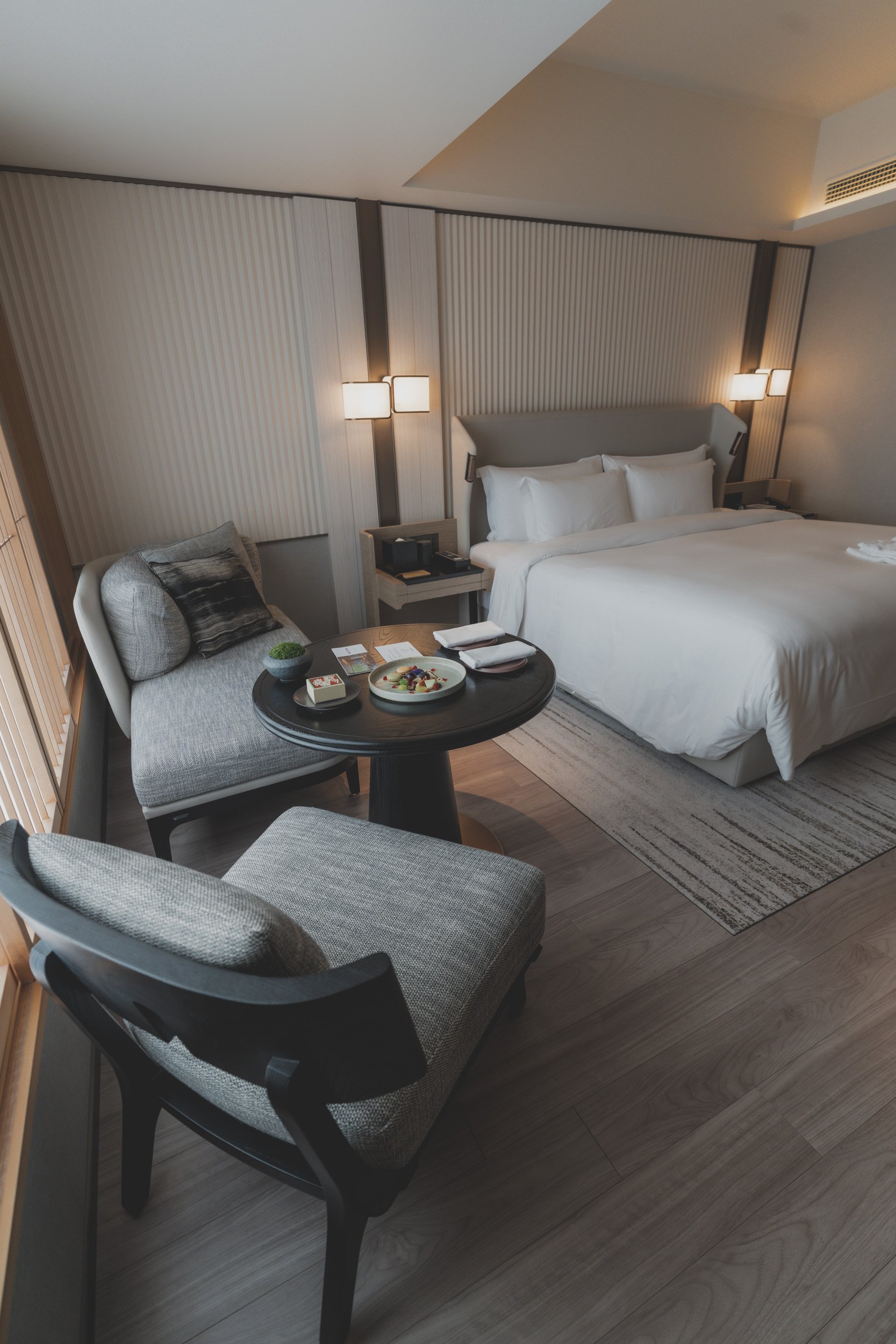
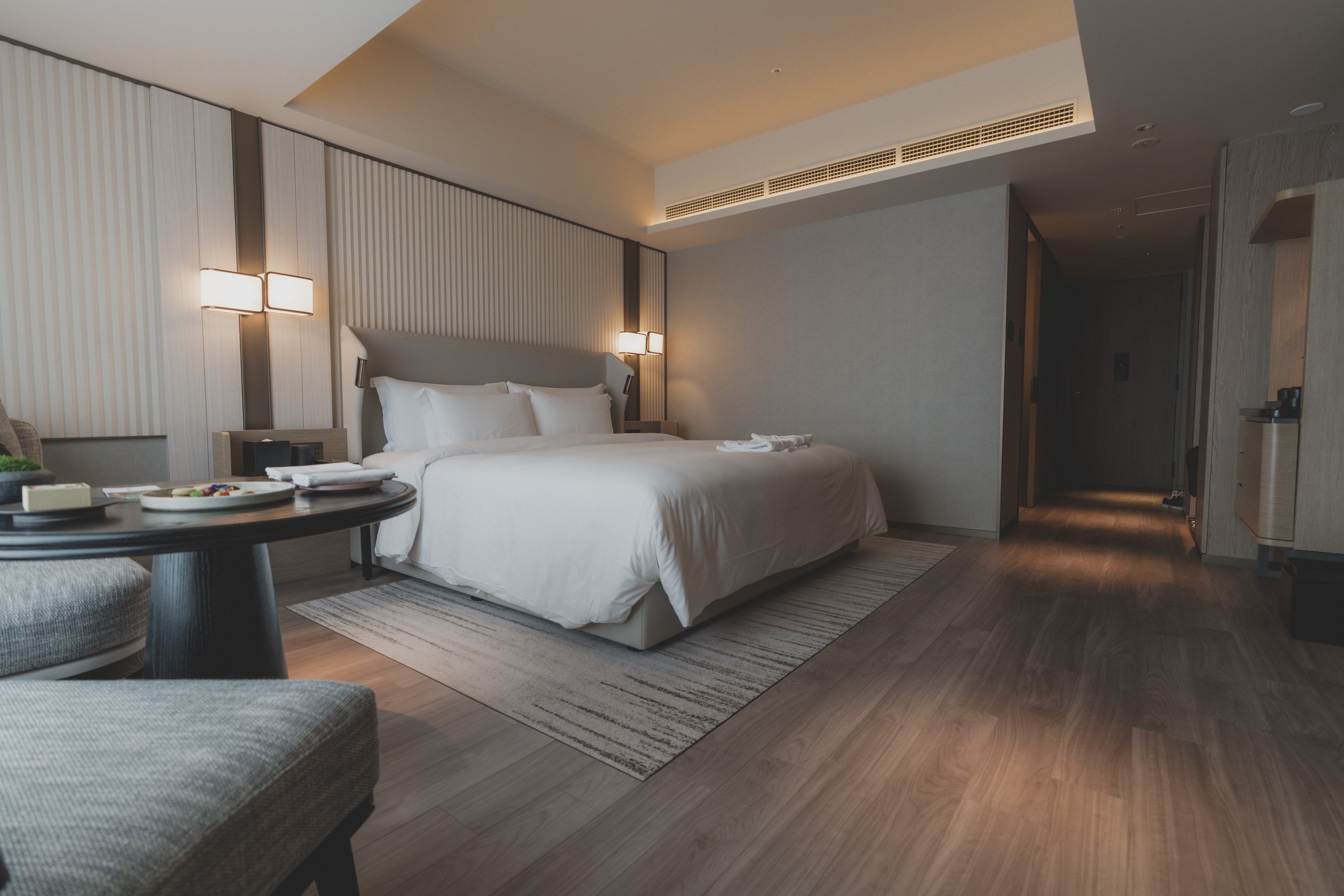
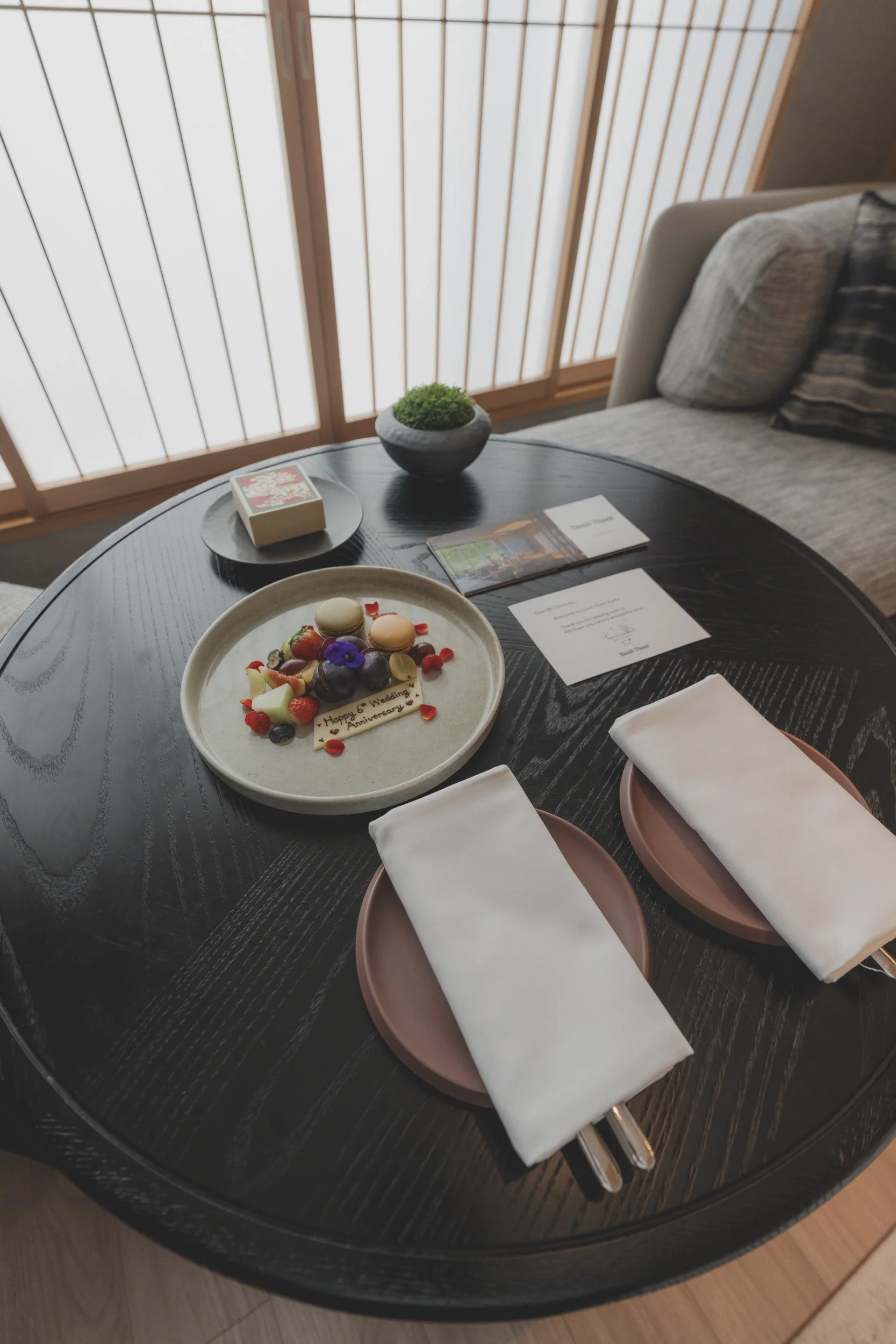
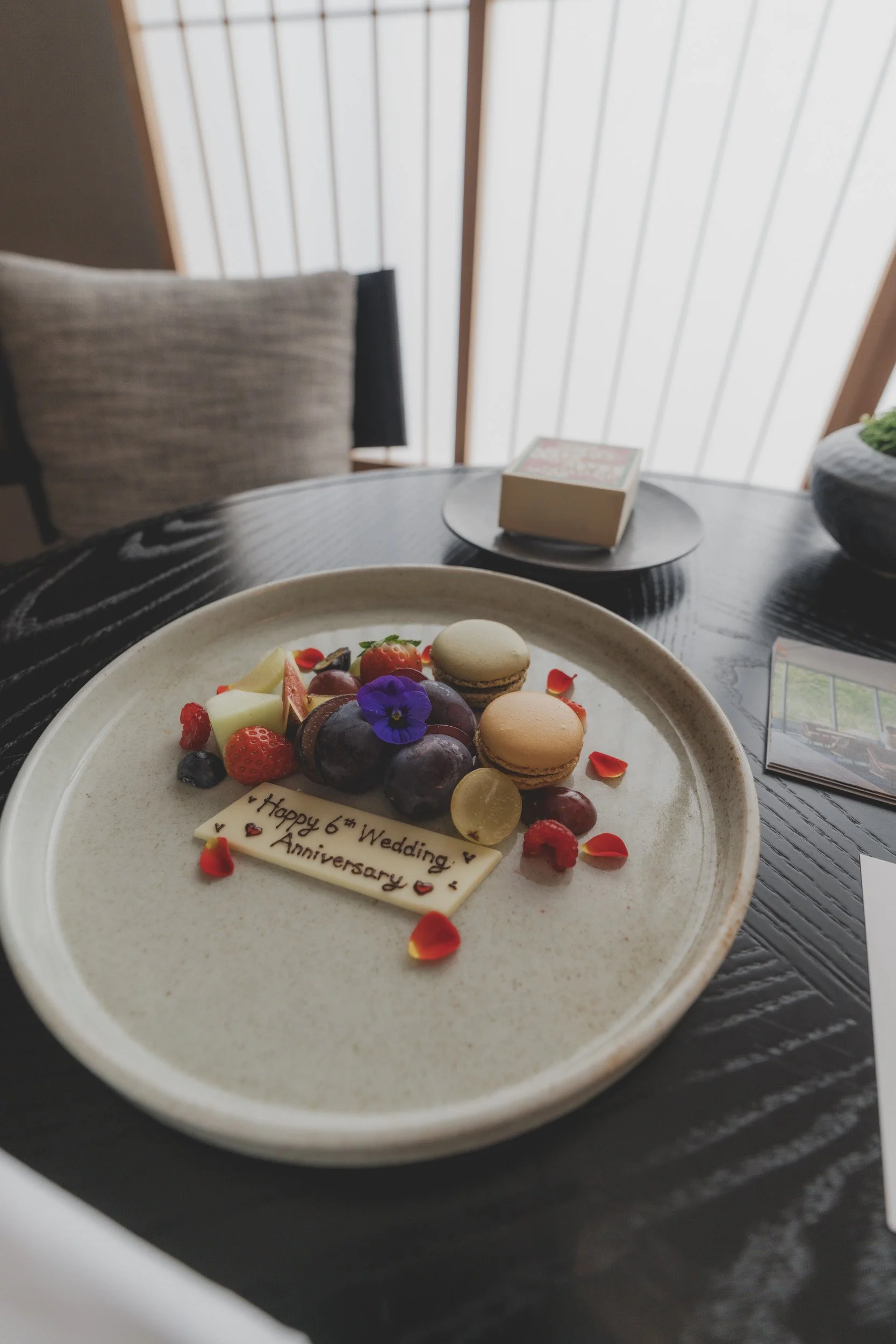
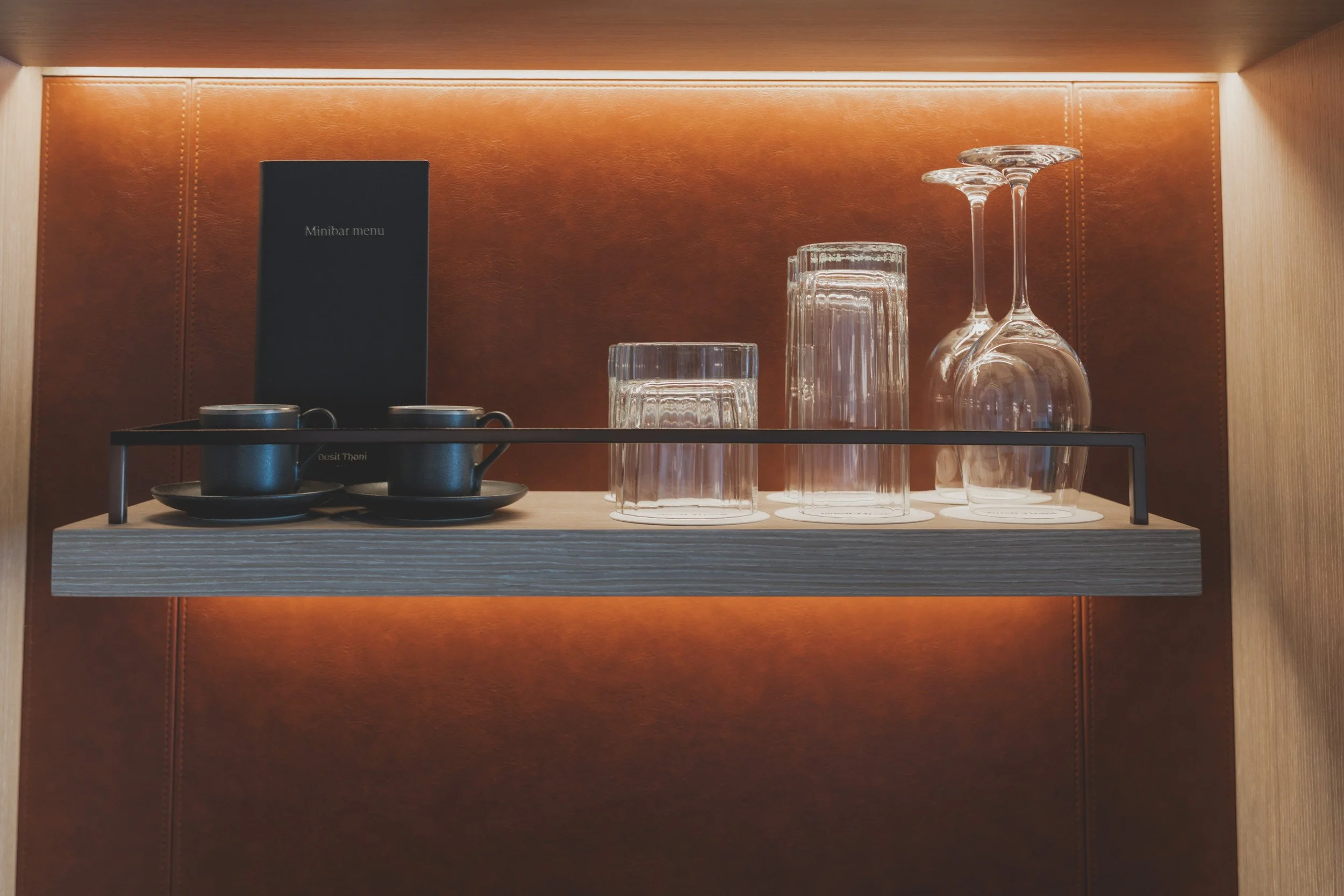
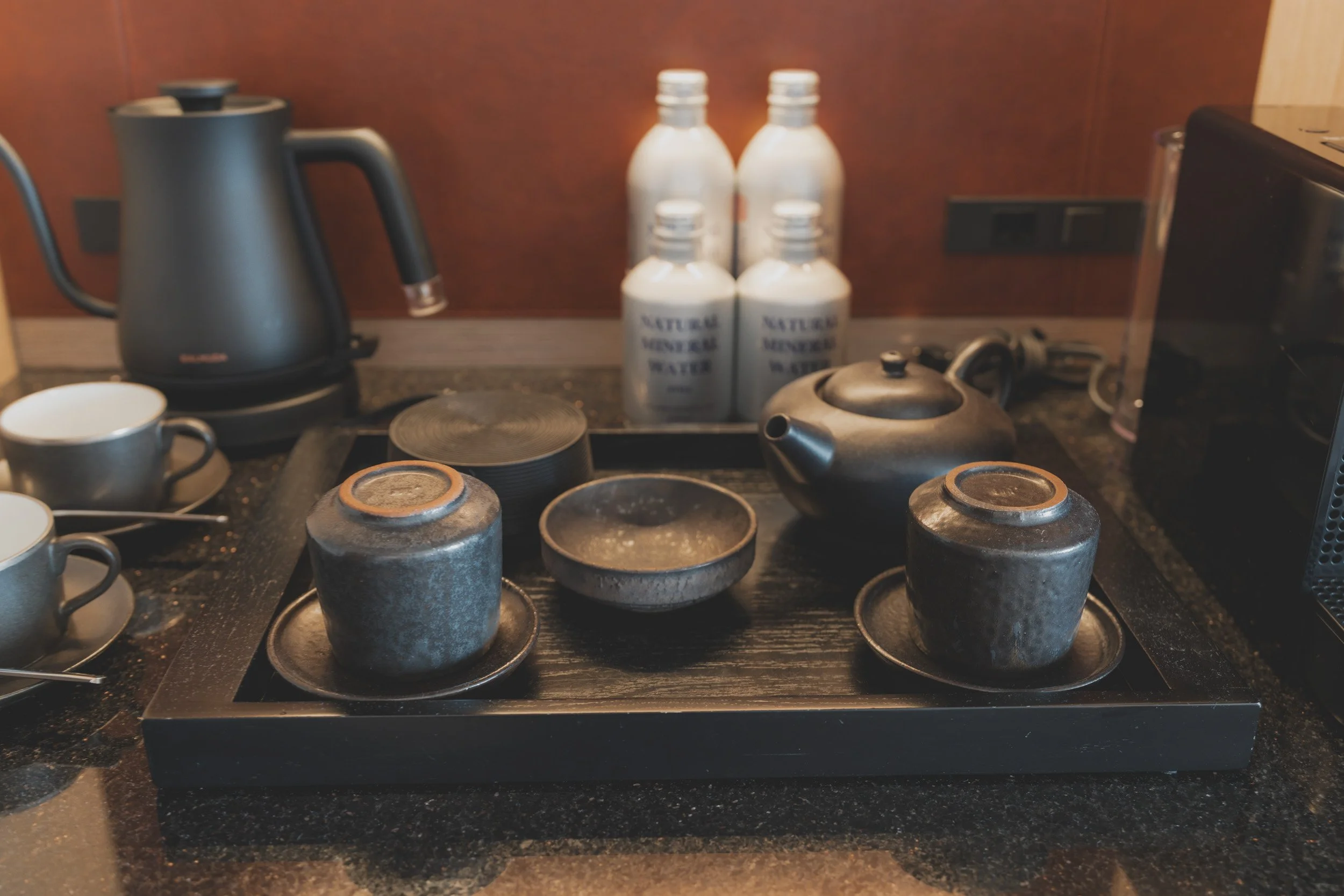
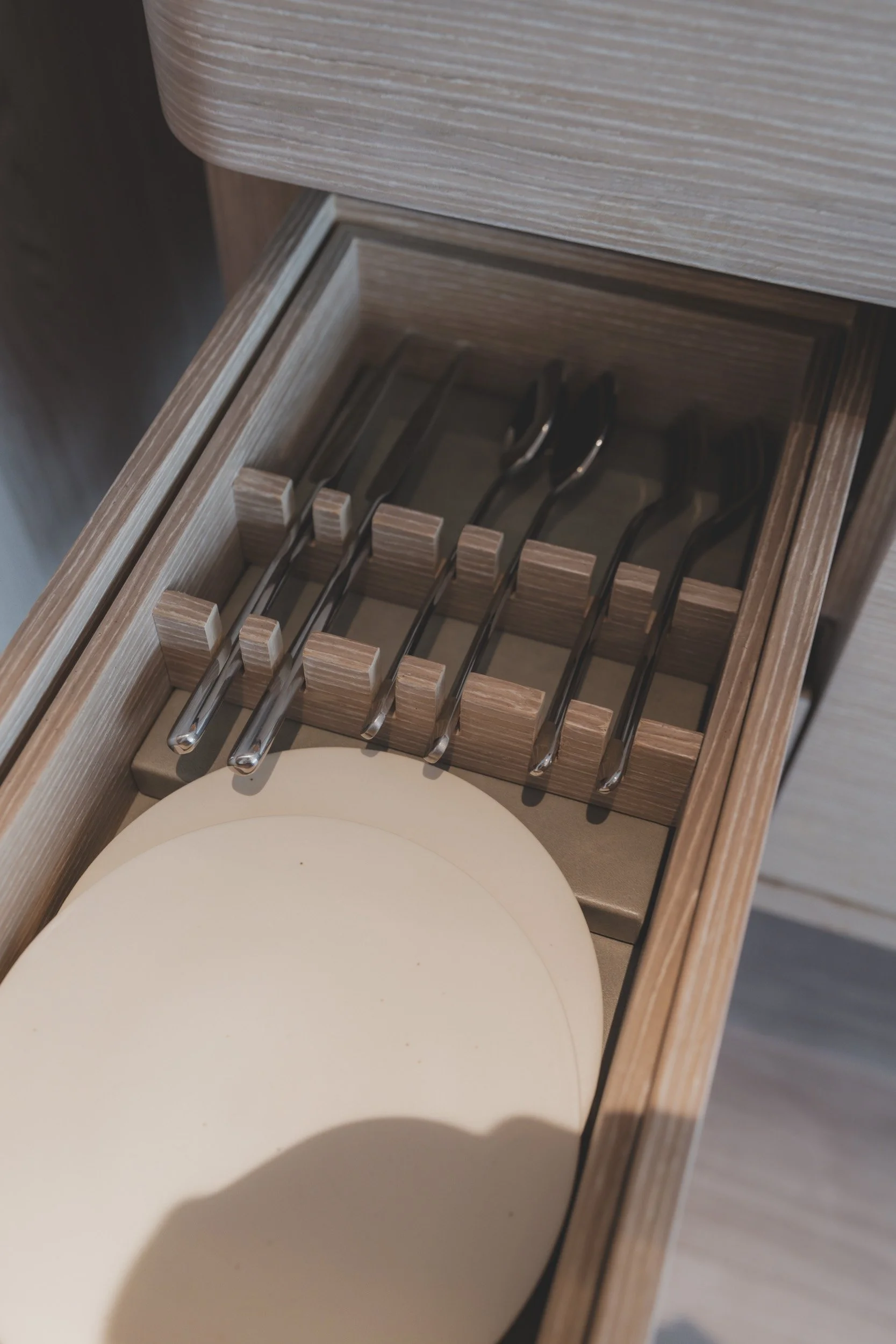
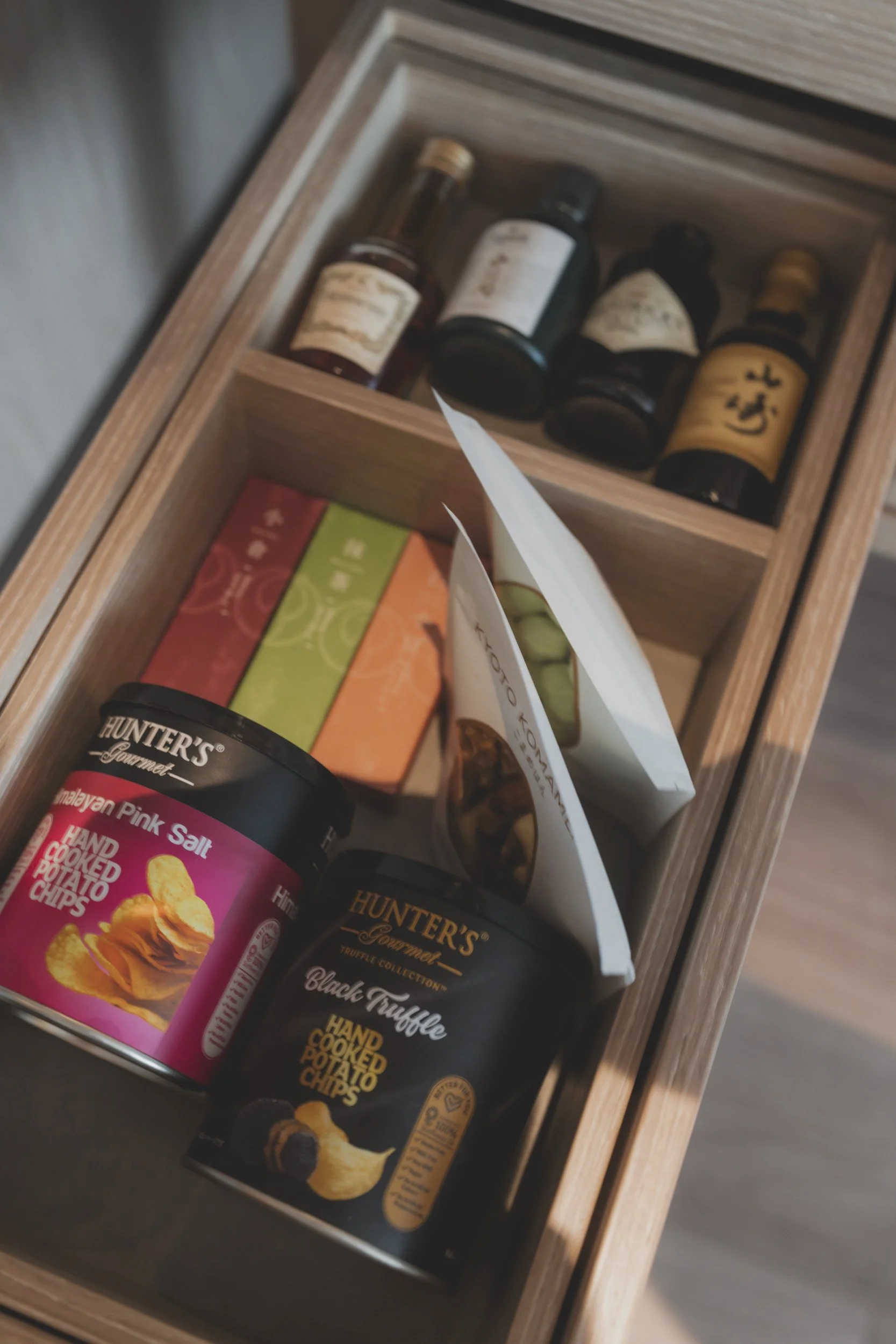
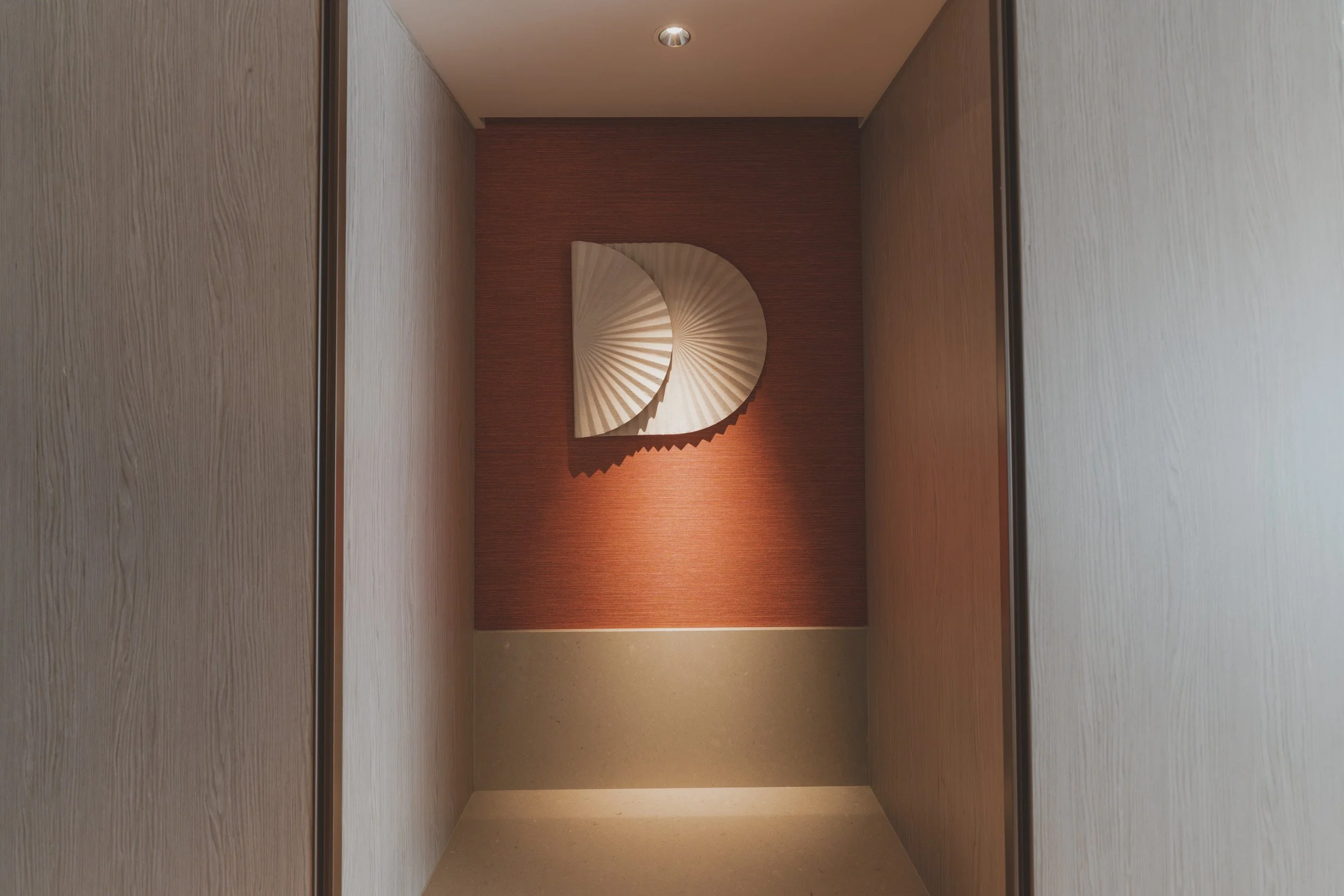
Understated. Fantastic bed and the fusion of Thai x Japanese cultural motifs makes this room incredibly welcoming.
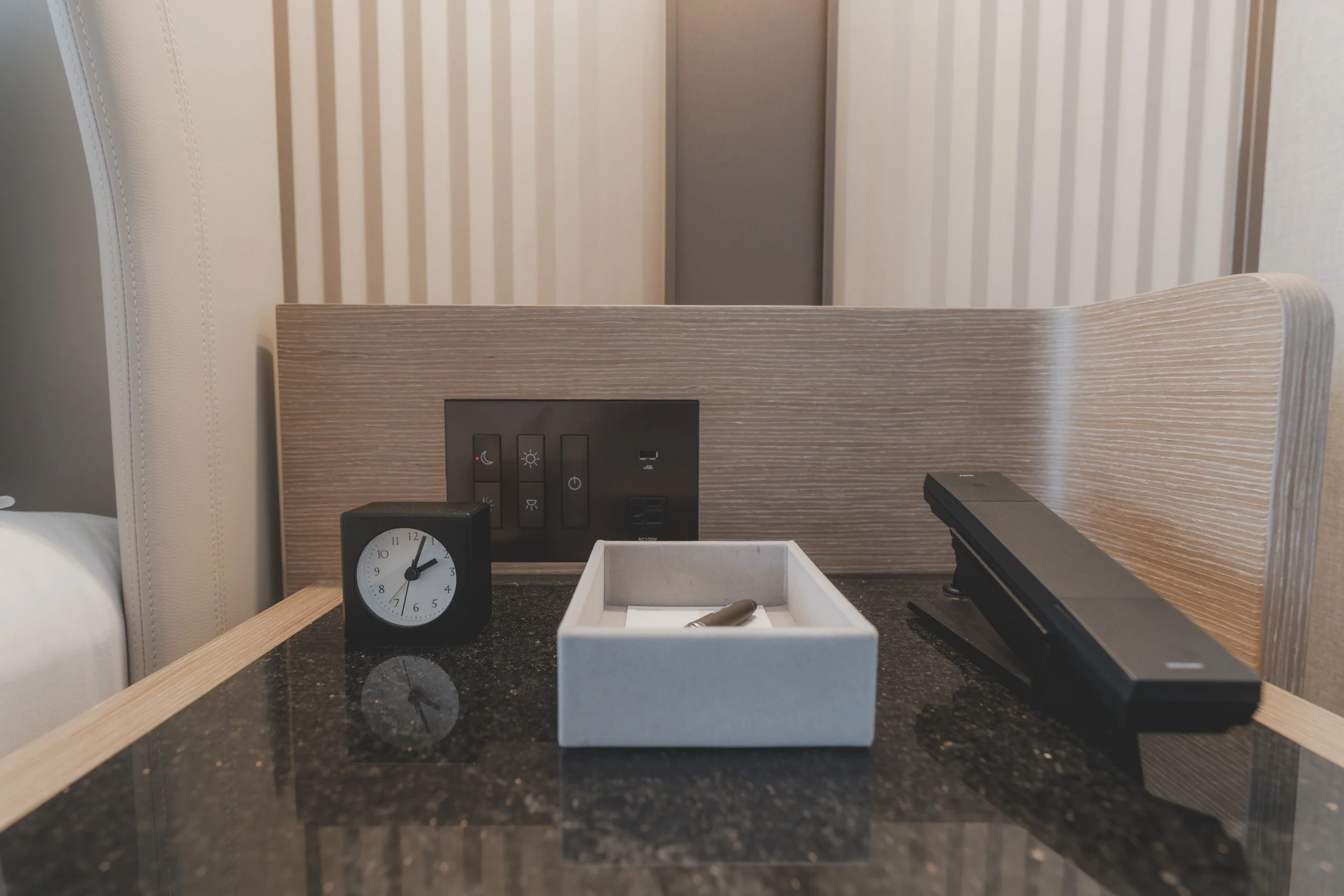
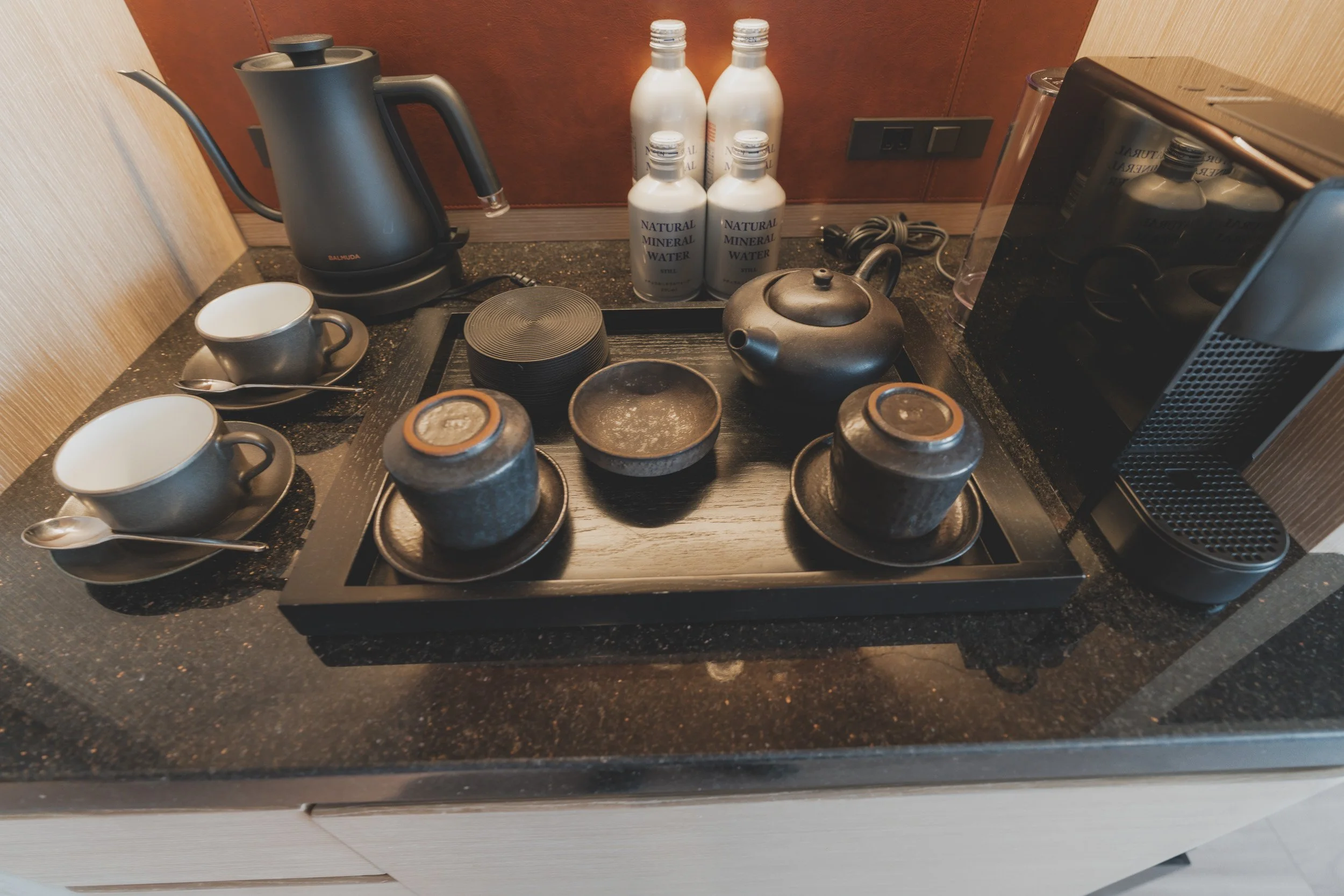
The Premier Room at Dusit Thani, like the hotel itself is very underrated. Occupying just 40-square-meter efficiency, the room utilizes a minimalist Japanese aesthetic punctuated by rich Thai accents. The design language avoids the typical beige earth tones by incorporating warm hinoki wood textures, organic materials, and shoji screens that frame sweeping views of the Kyoto city skyline. The beds are notably plush—a standard I demand in any five-star environment—and come with a personalized pillow menu that ensures the transition from a long flight to a deep sleep is as seamless as possible.
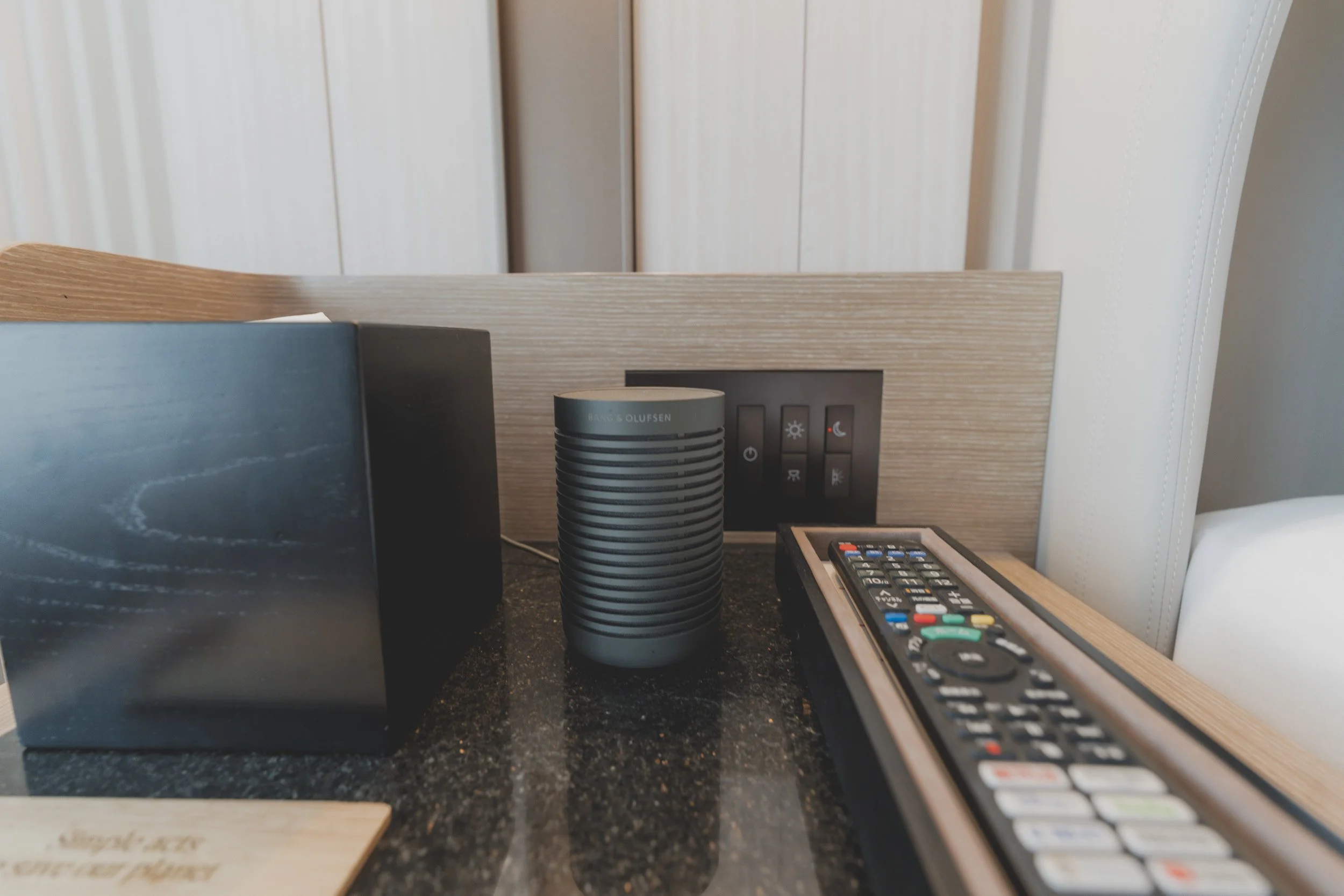
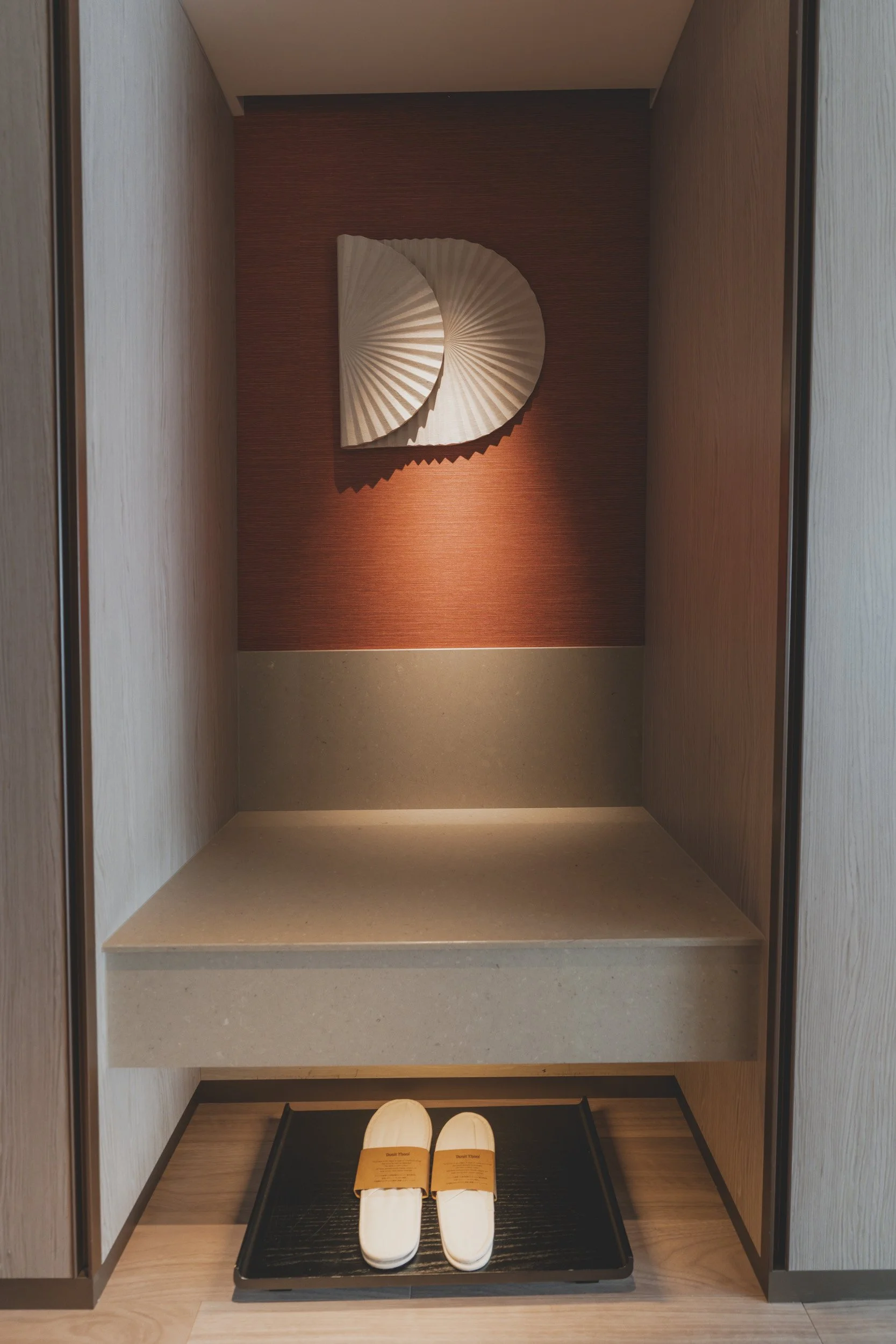
The room feels elegant everywhere. Integration of modern technology without it feeling intrusive. The room features a 55-inch LCD television with full streaming capabilities and a sophisticated smart speaker system, yet these are tucked away so they don't detract from the zen-like atmosphere. The inclusion of traditional Yukata robes and high-quality slippers invites you to immediately shed the outside world. It is the kind of room that feels curated rather than just furnished, echoing the residential luxury hotels like the Auberge Collection or the Aman.
Bathroom
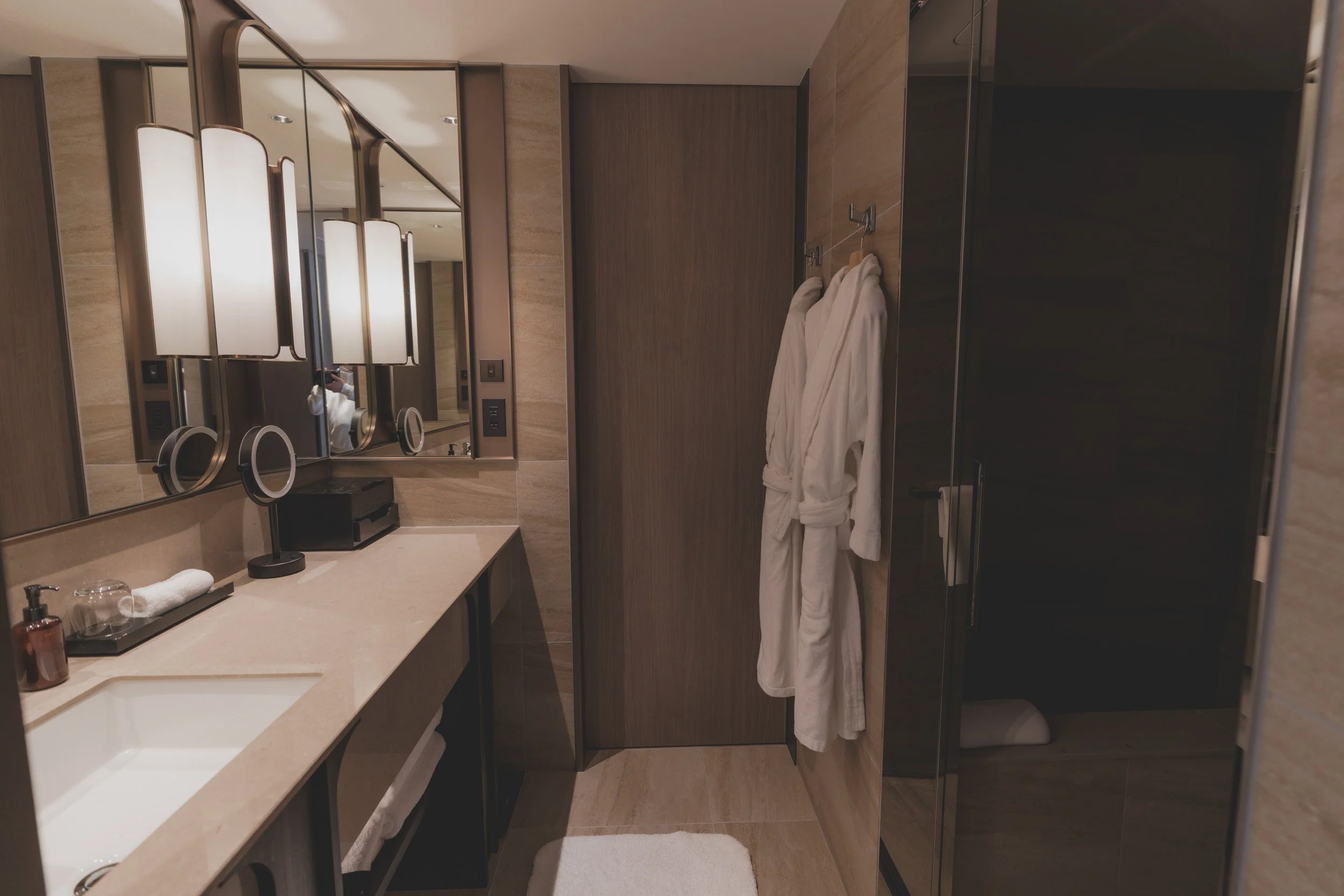
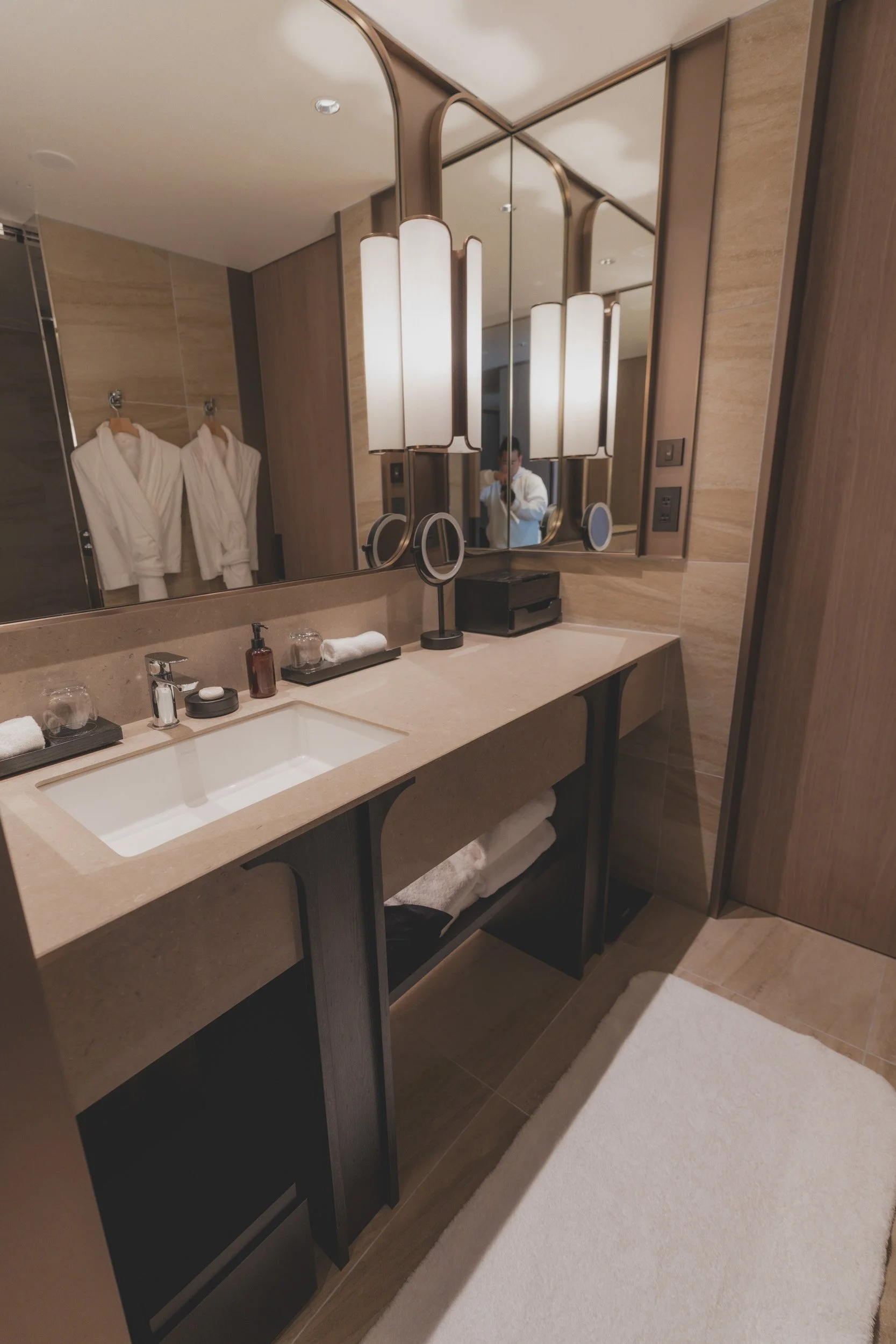
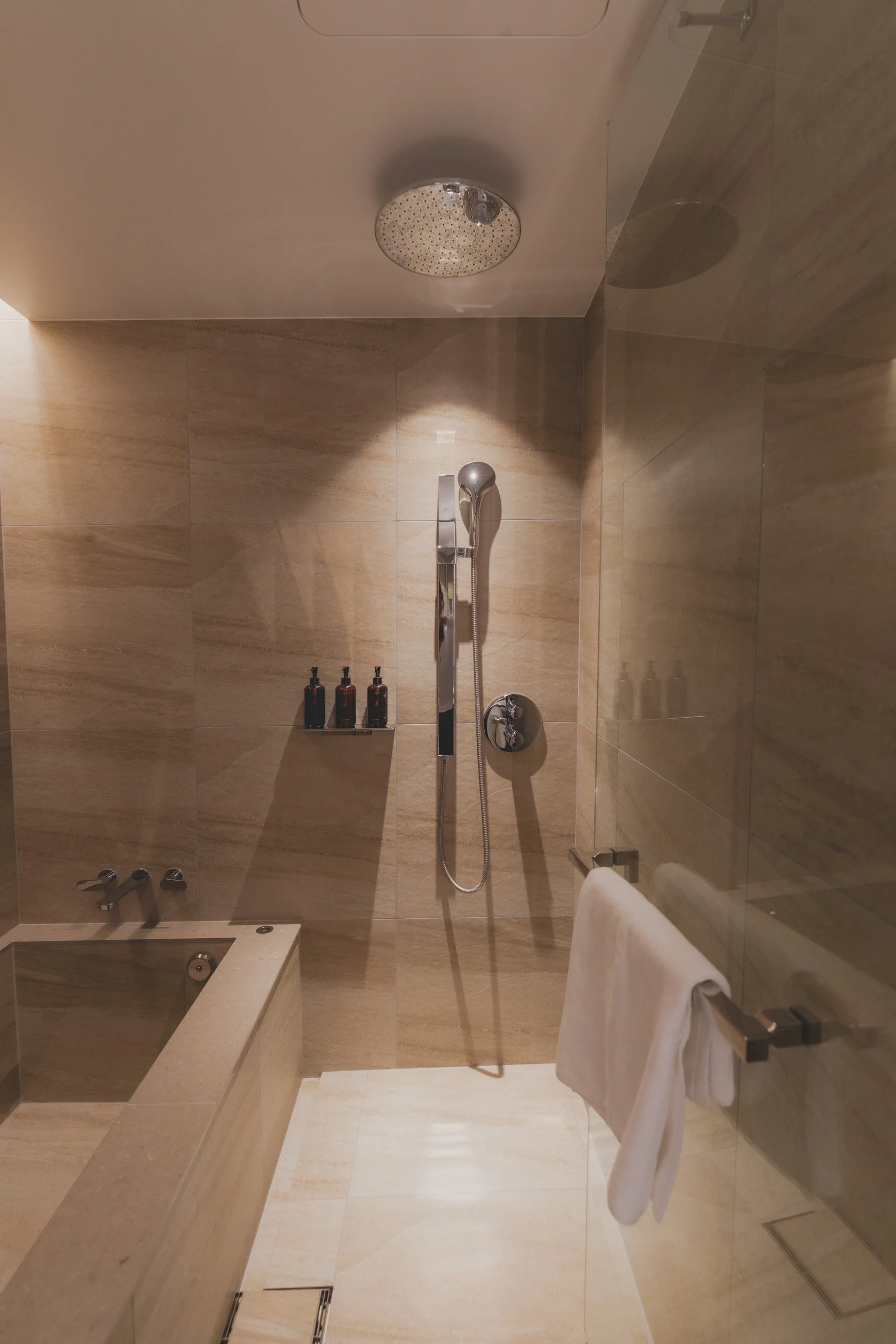
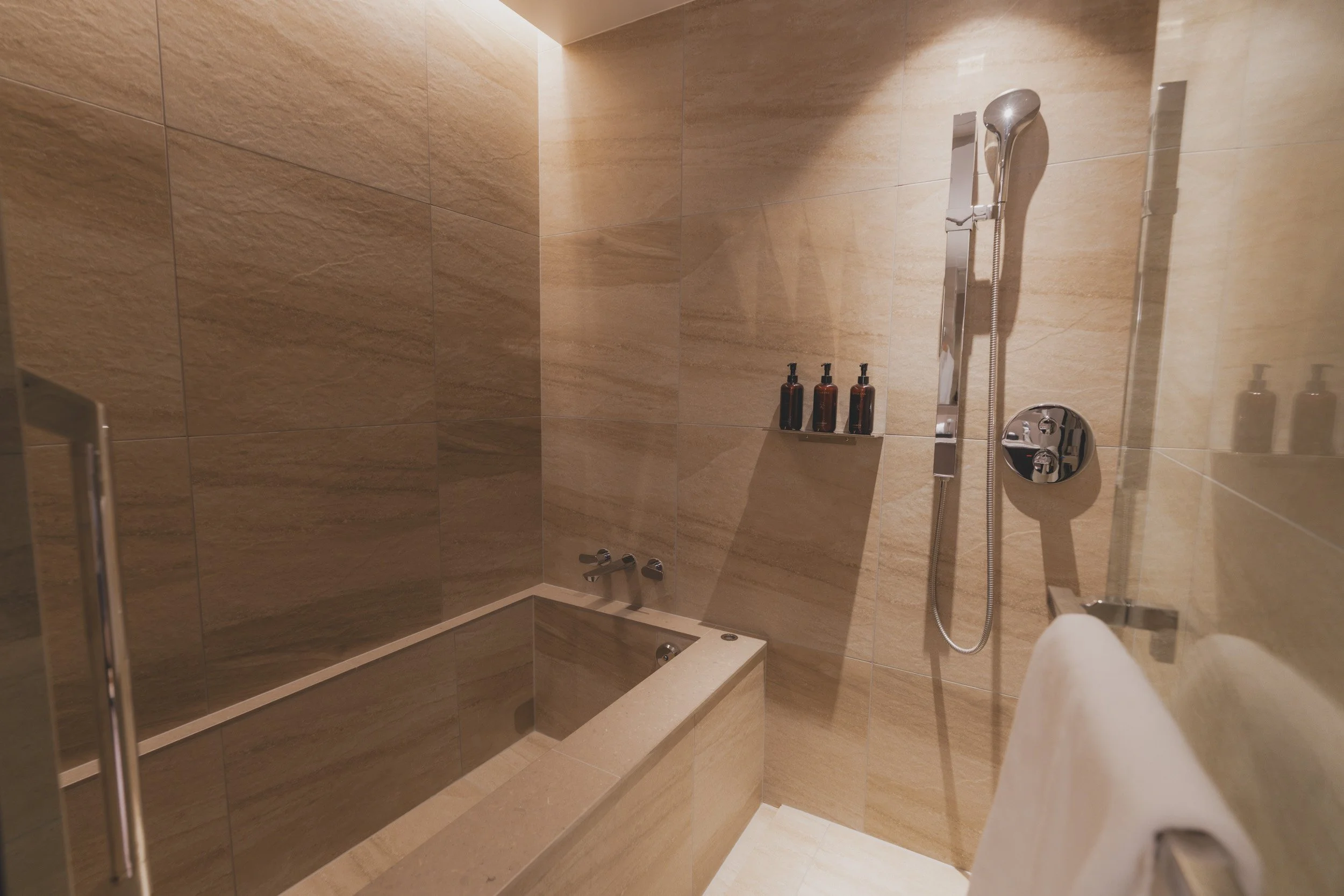
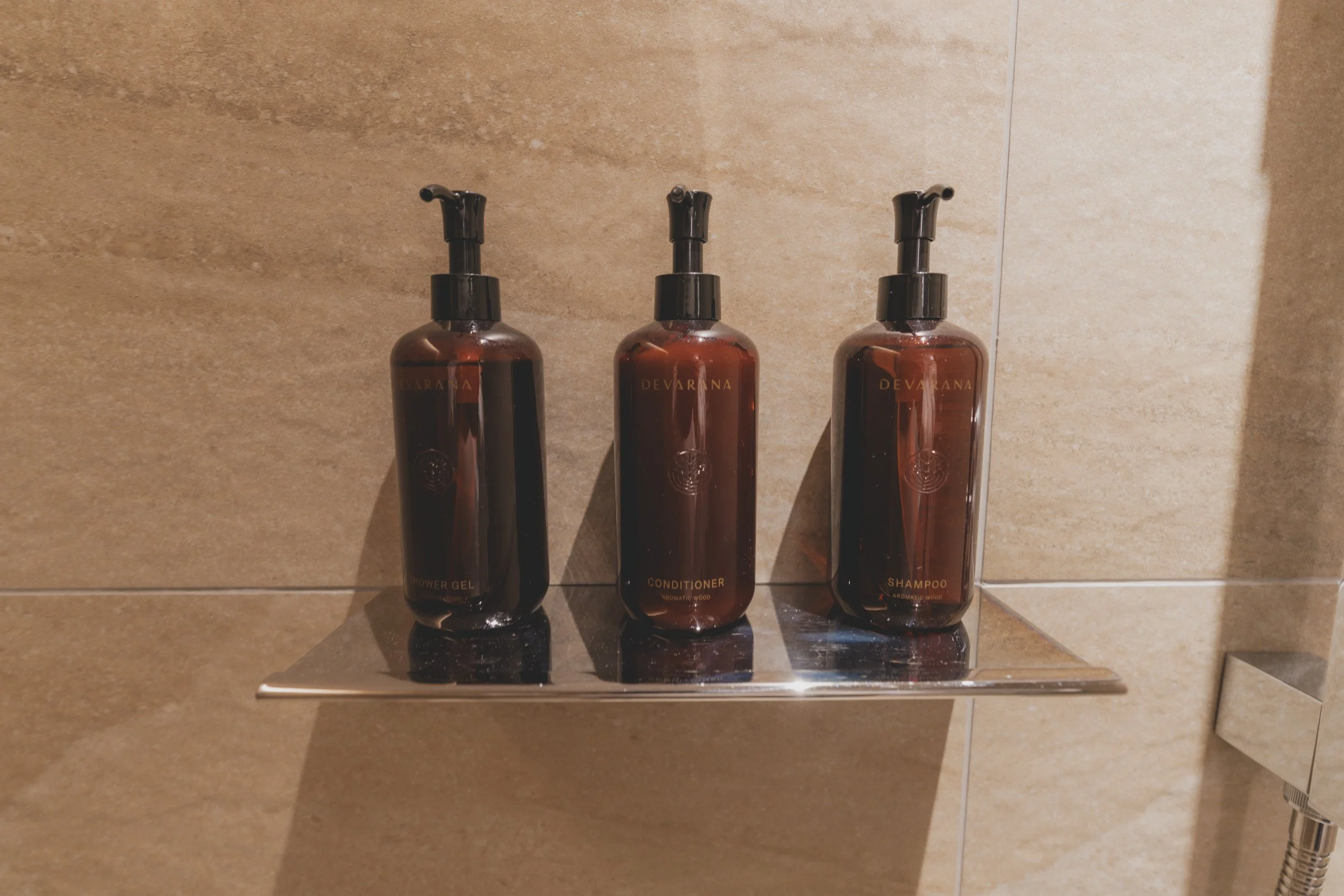
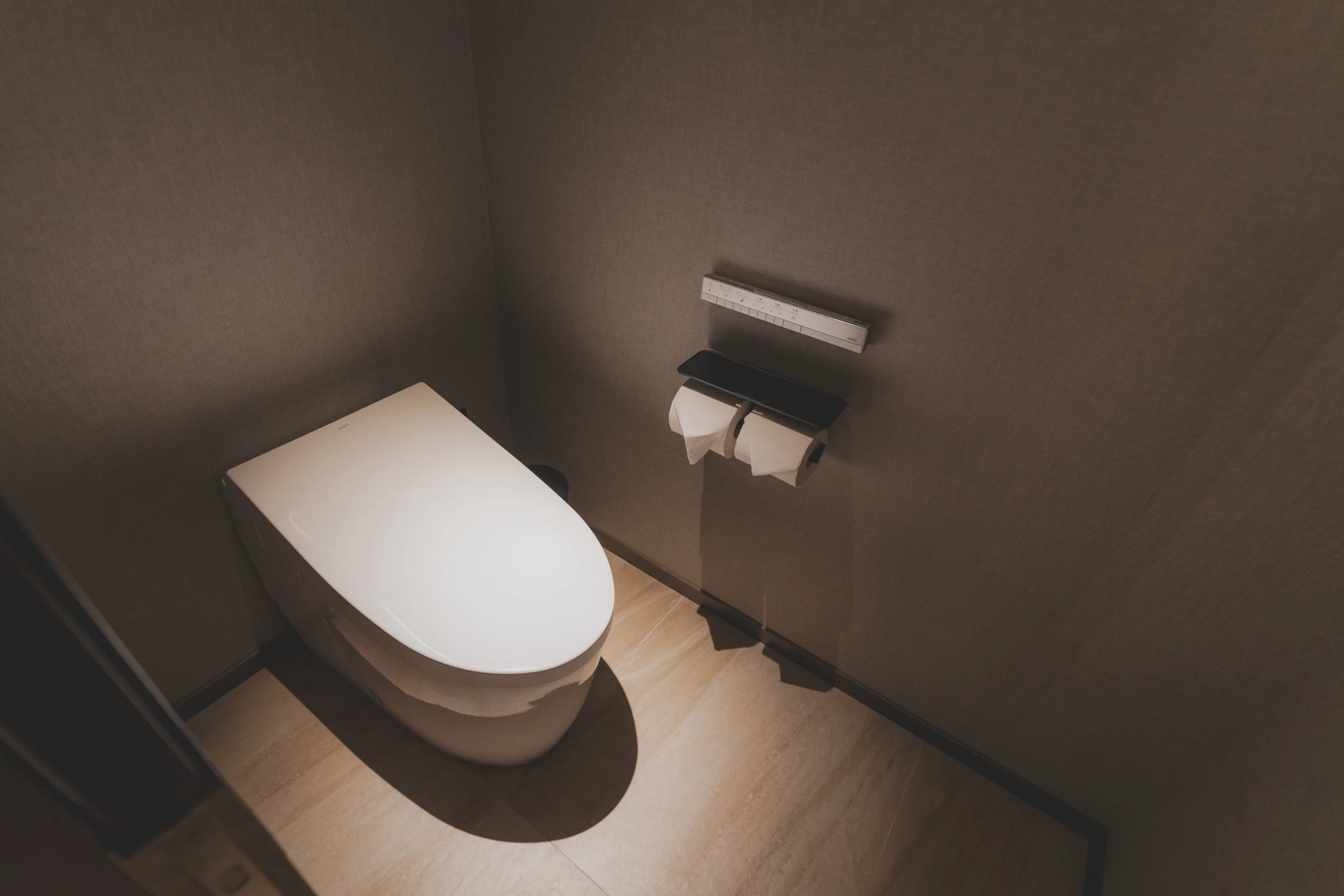
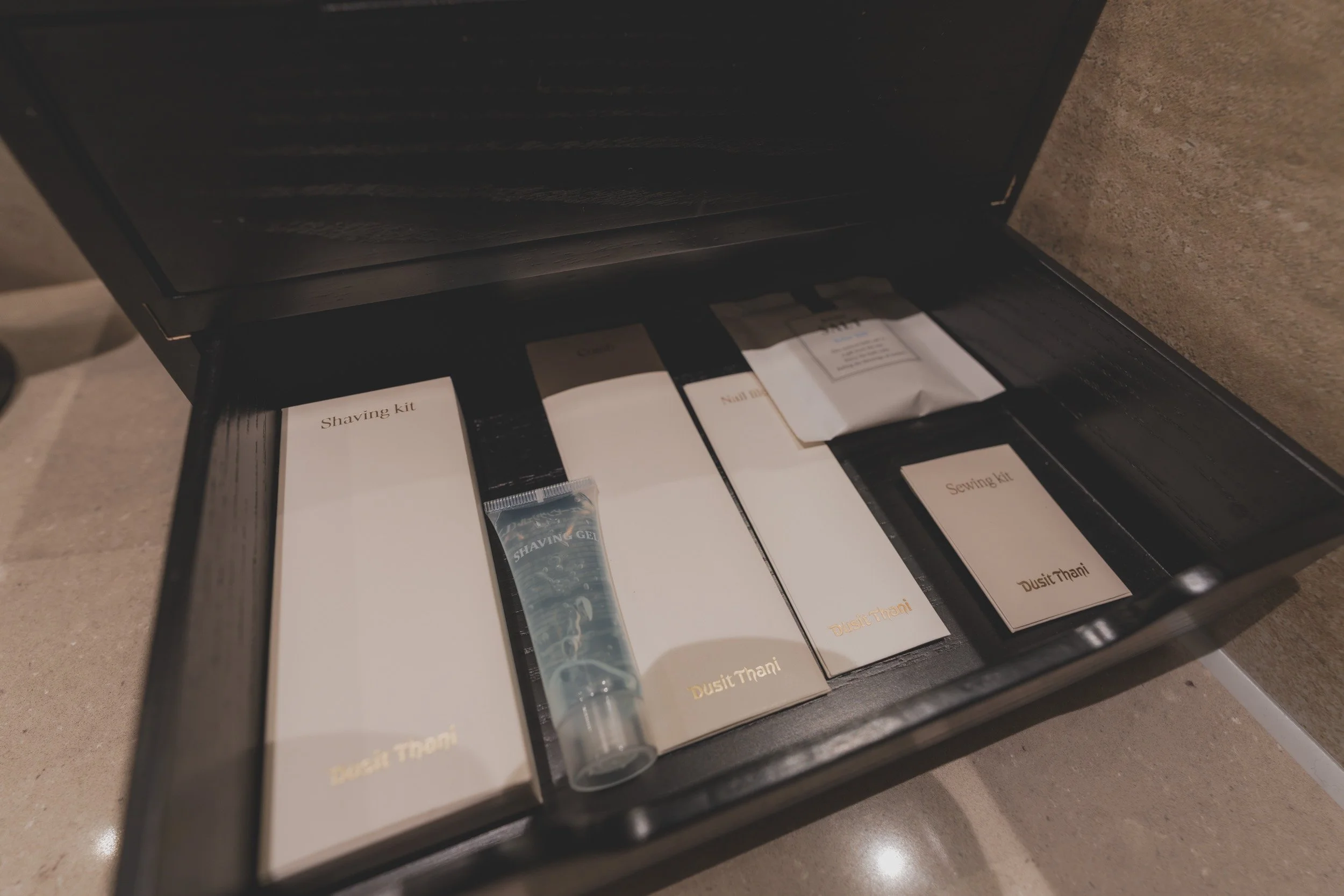
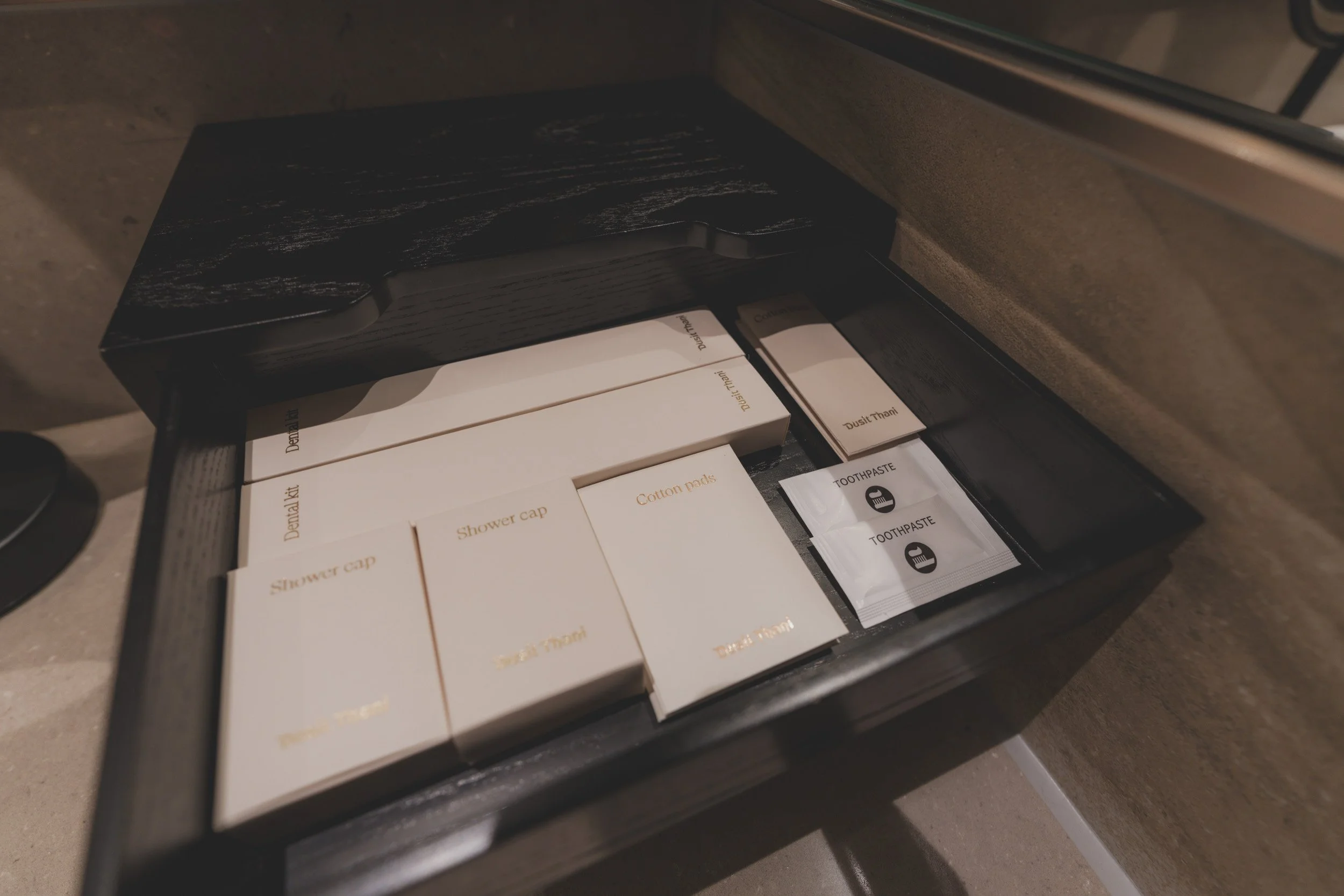
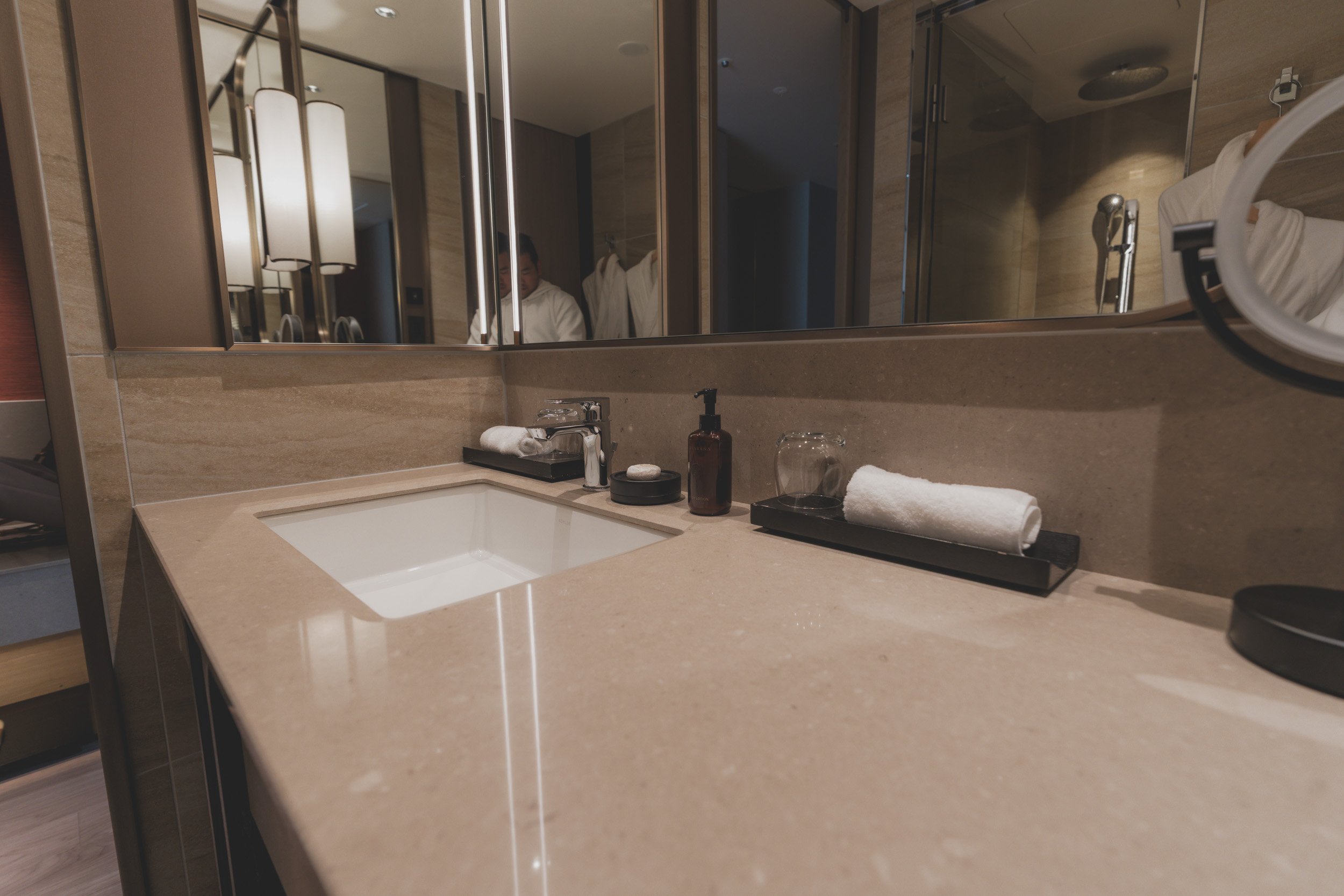
If the bedroom is about serenity, the bathroom is where the Dusit Thani leans into pure indulgence. Clad in sleek stone and warm wood, the space features a deep, square soaking bathtub that pays homage to the Japanese ofuro tradition, perfectly paired with a separate rainfall shower. The water pressure is exemplary—a detail often overlooked by lesser hotels but critical for a luxury reviewer—and the drainage is silent and efficient. It is a private sanctuary designed for the ritual of washing away the day's travel fatigue. The bathroom amenities were more in-house and utilized the brand Devarana Wellness for its body and hair wash. Lovely scent, again like the hotel - underrated.
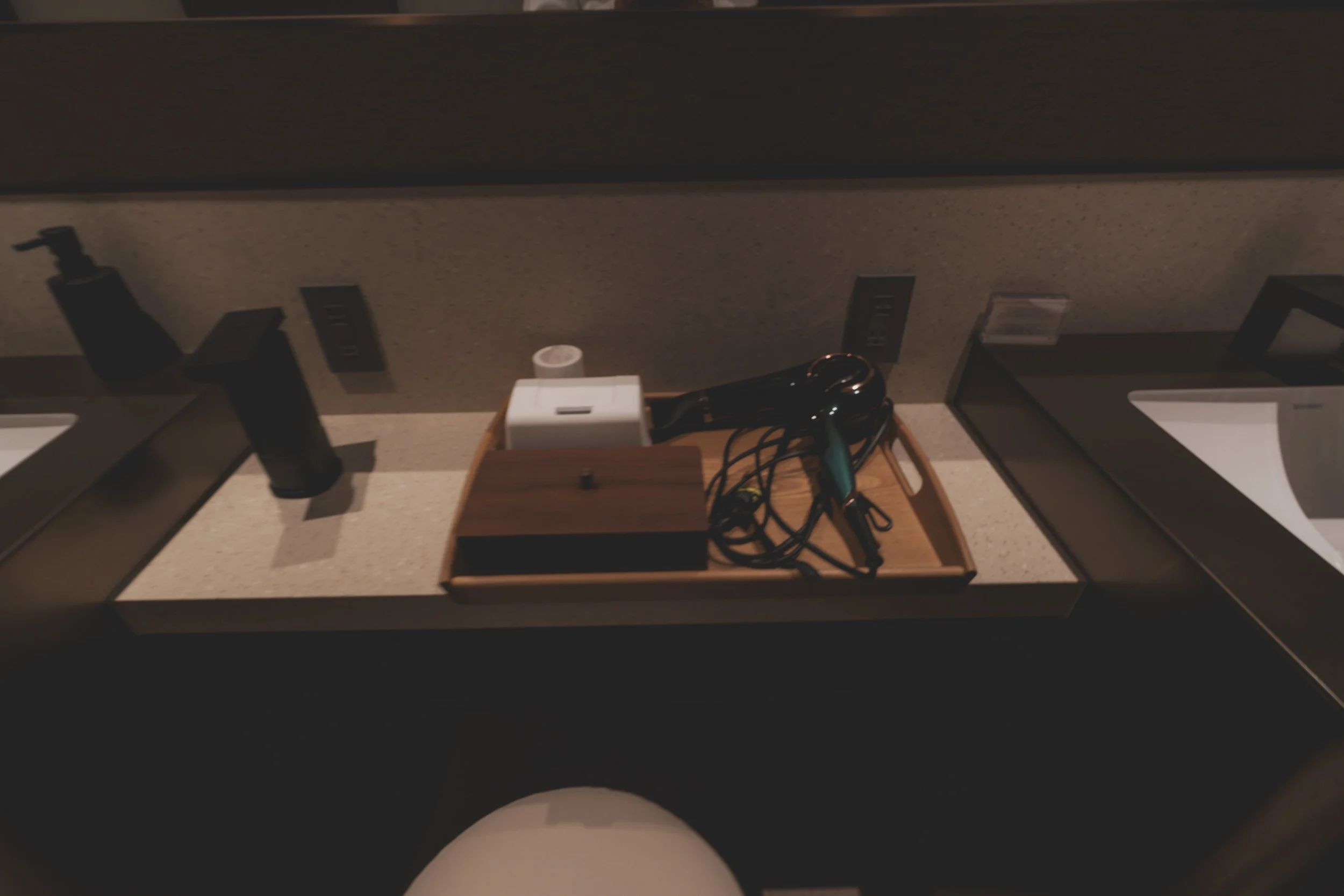
A standout highlight for any couples is the inclusion of the Repronizer hairdryer, a cult-favorite Japanese beauty tool that far surpasses the standard Dyson in terms of hair health and finish. This is complemented by a suite of designer toiletries and a meticulous amenities kit that includes everything from bath salts to silk-textured cotton pads. The separate powder room style toilet, equipped with the latest TOTO Washlet technology, ensures that the main bathroom remains a steam-filled haven of relaxation, rather than a shared utilitarian space.
Spa and Fitness Center
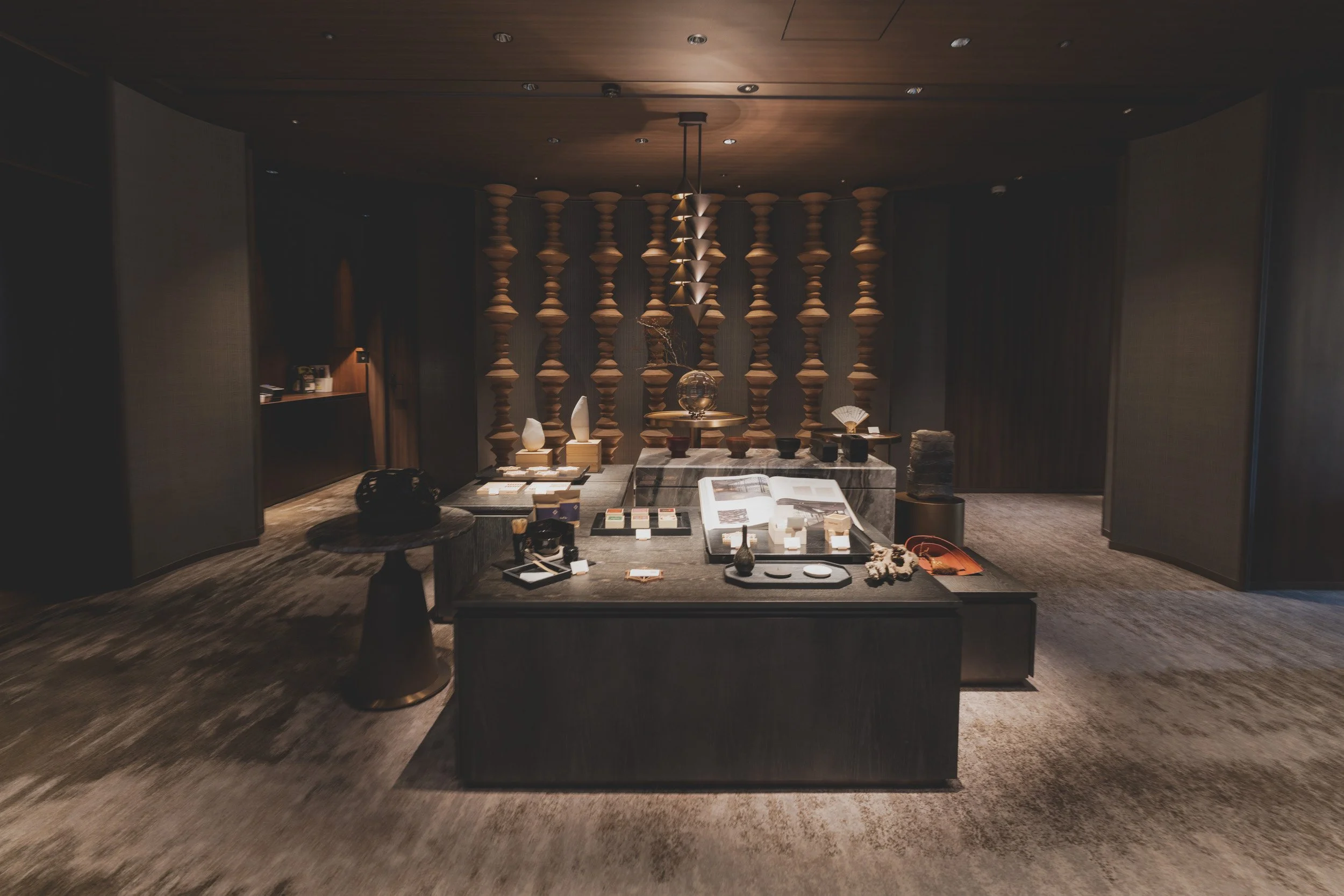
The Devarana Wellness center, located on the hotel’s sub-level, is perhaps the most authentic expression of the Dusit brand’s Thai heritage. It is a subterranean oasis that smells of lemongrass and kaffir lime, offering treatments that blend ancient Thai massage techniques with Japanese mindfulness rituals. The signature Ancient Thai Massage is a must; the therapists here are trained to a level of precision that rivals the best spas in Bangkok, using rhythmic pressure and stretching to realign the body’s energy lines in a way that feels both therapeutic and spiritual.
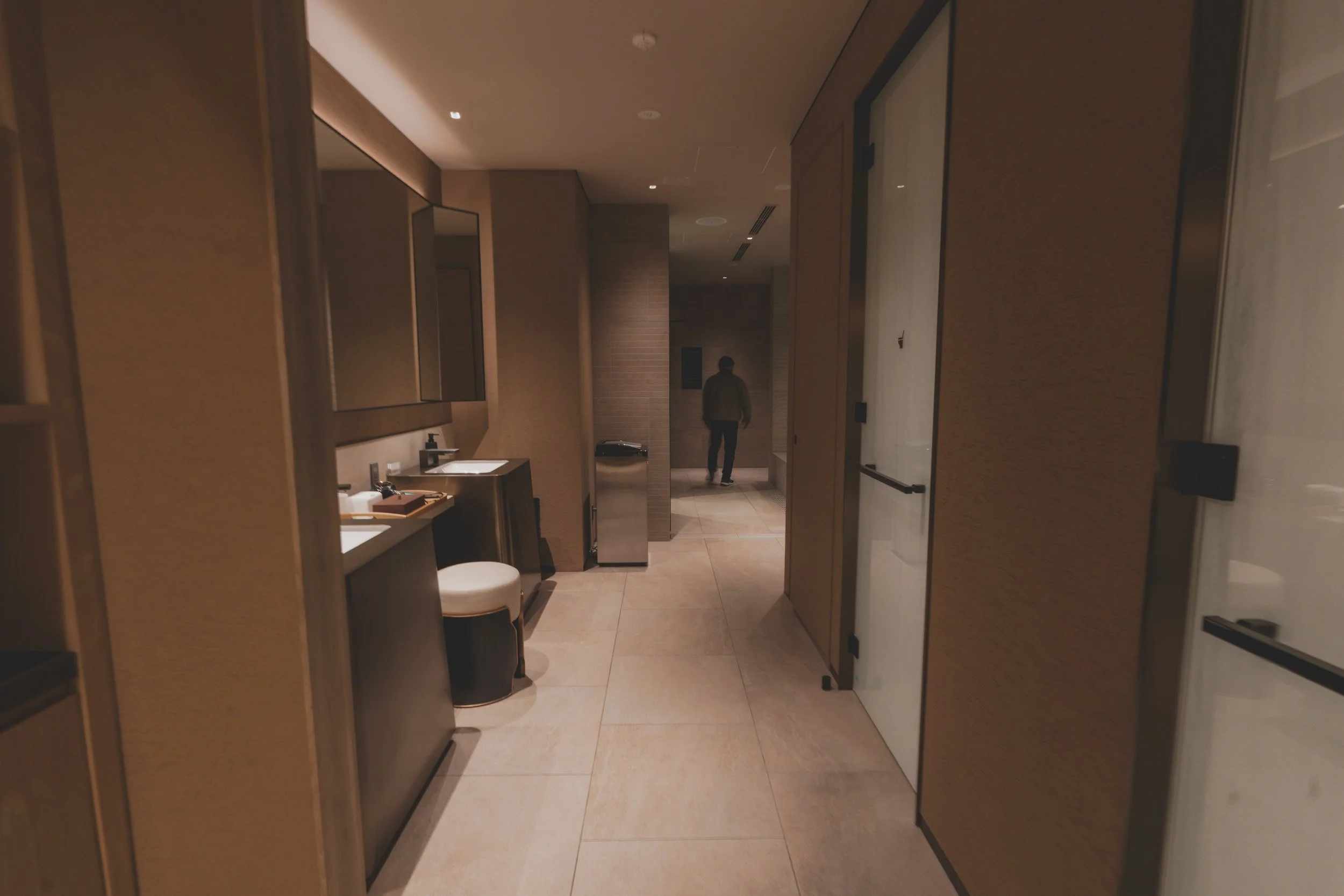
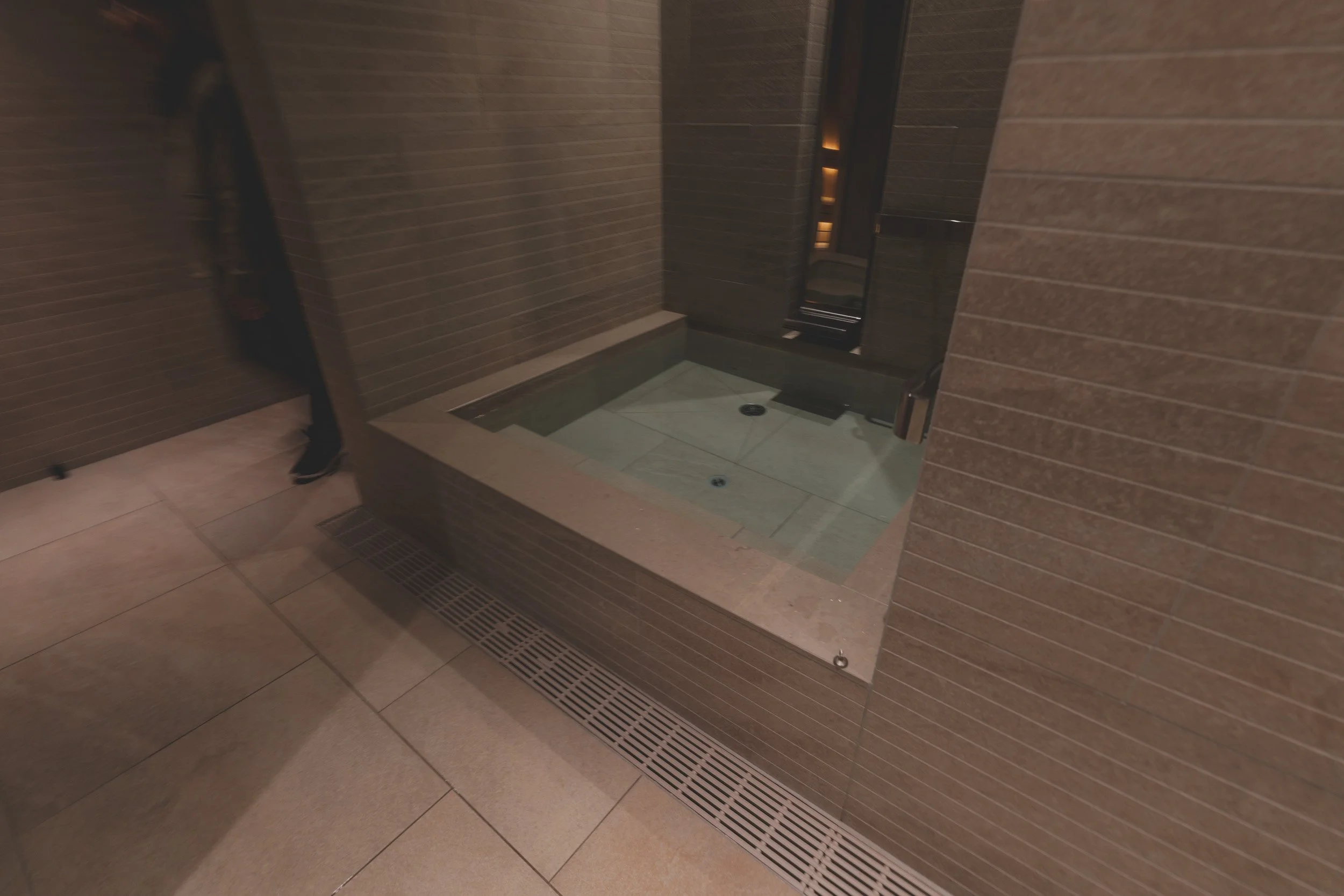
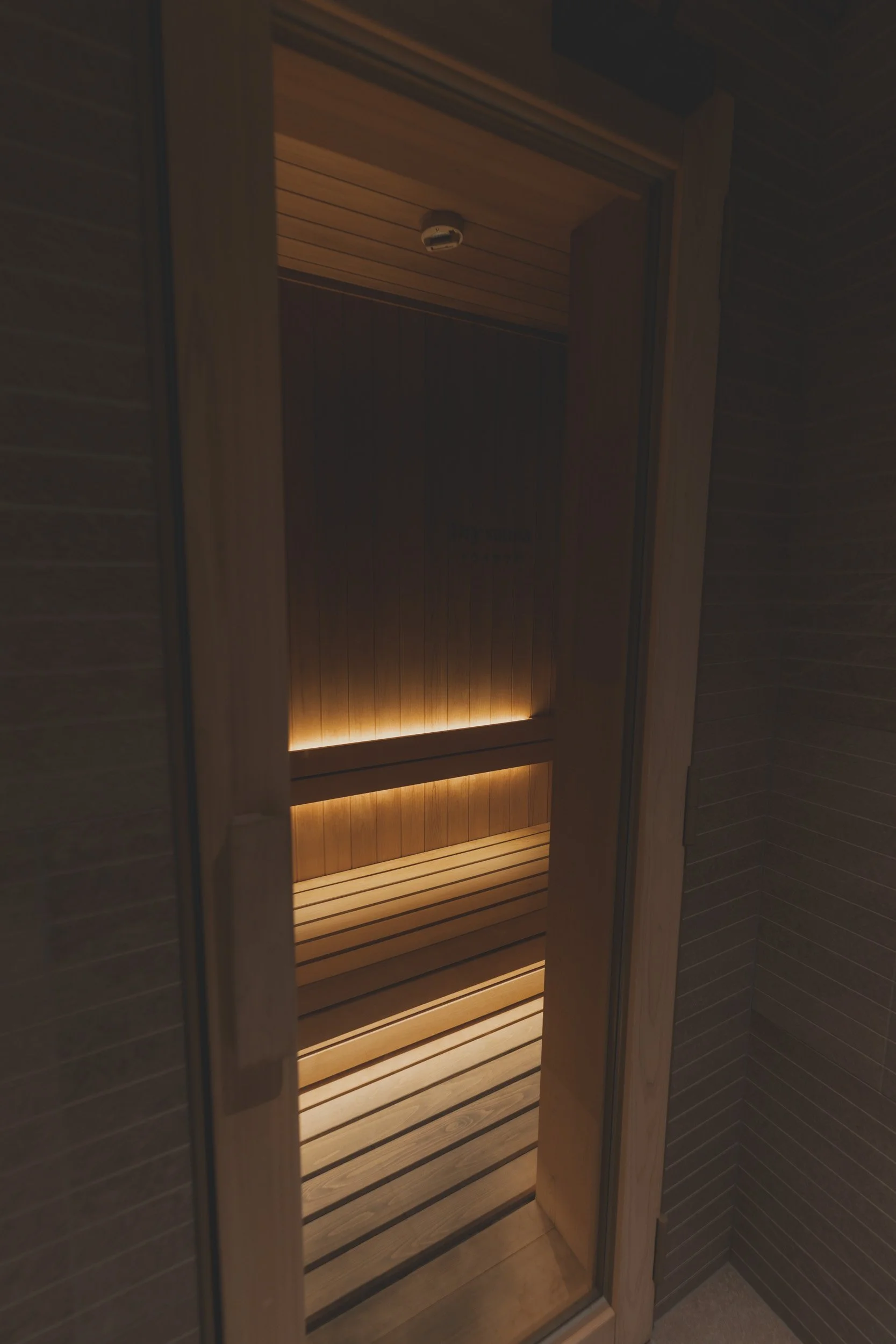
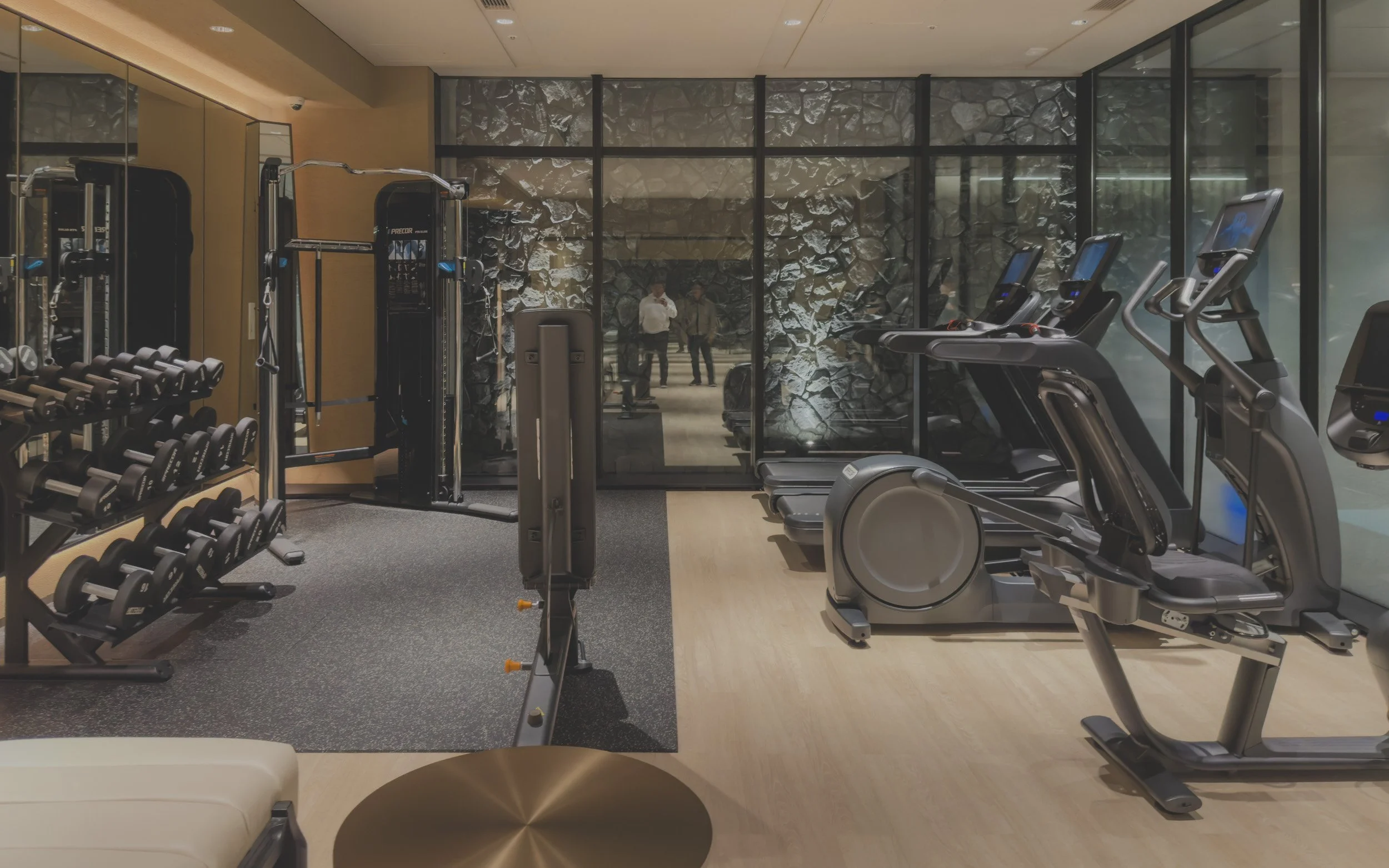
Beyond the treatment rooms, the fitness facilities are state-of-the-art and accessible 24 hours a day, featuring the latest Technogym equipment for those who refuse to let travel disrupt their regime. However, the true gem is the indoor swimming pool, a moody, atmospheric space perfect for a few laps or a quiet moment on a plush lounger. The changing areas are equally impressive, housing a sauna and a small hot tub that provide a "social bath" experience in a more intimate, private setting than a public Sento, making it an ideal retreat during Kyoto’s colder months.
Dining Options
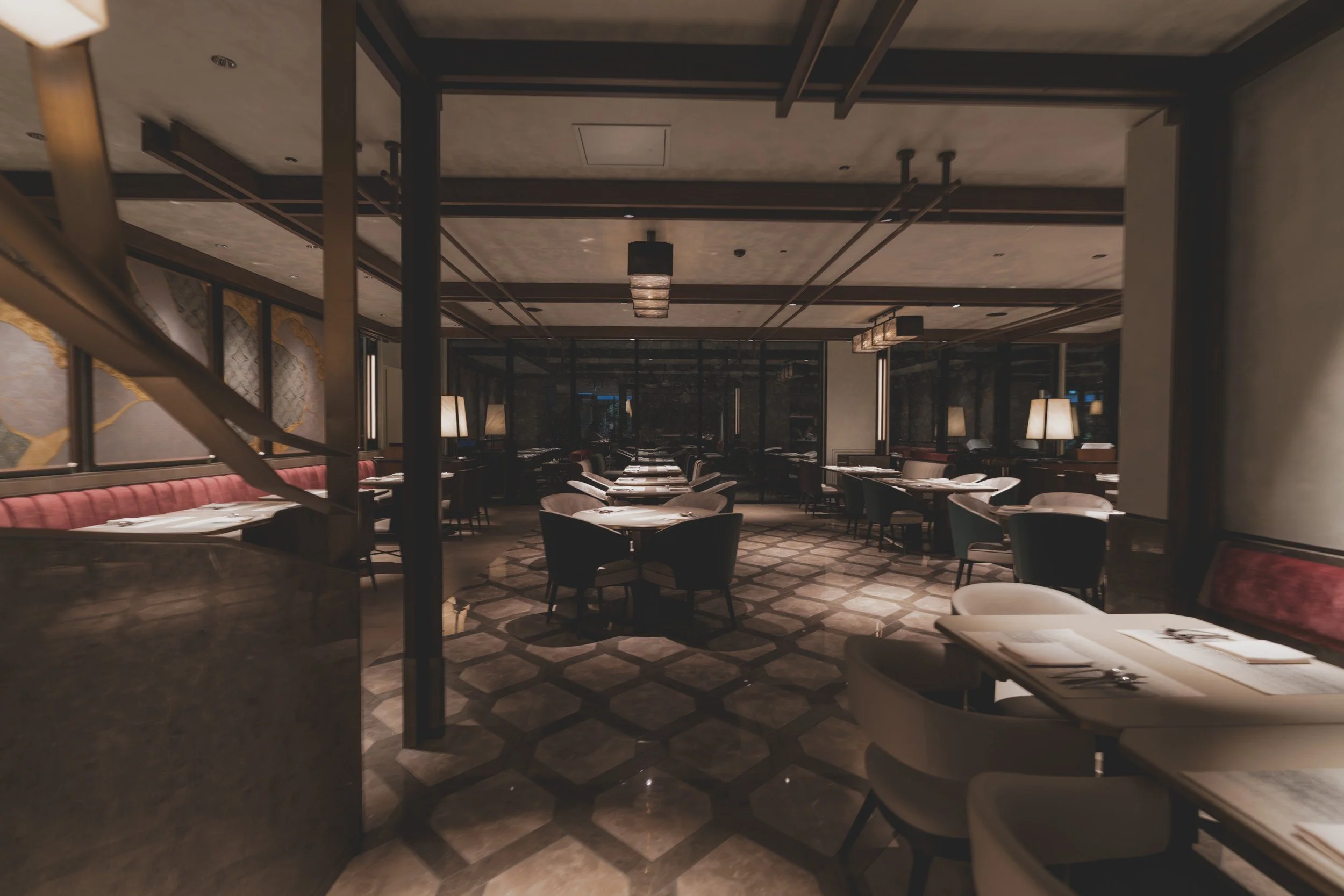
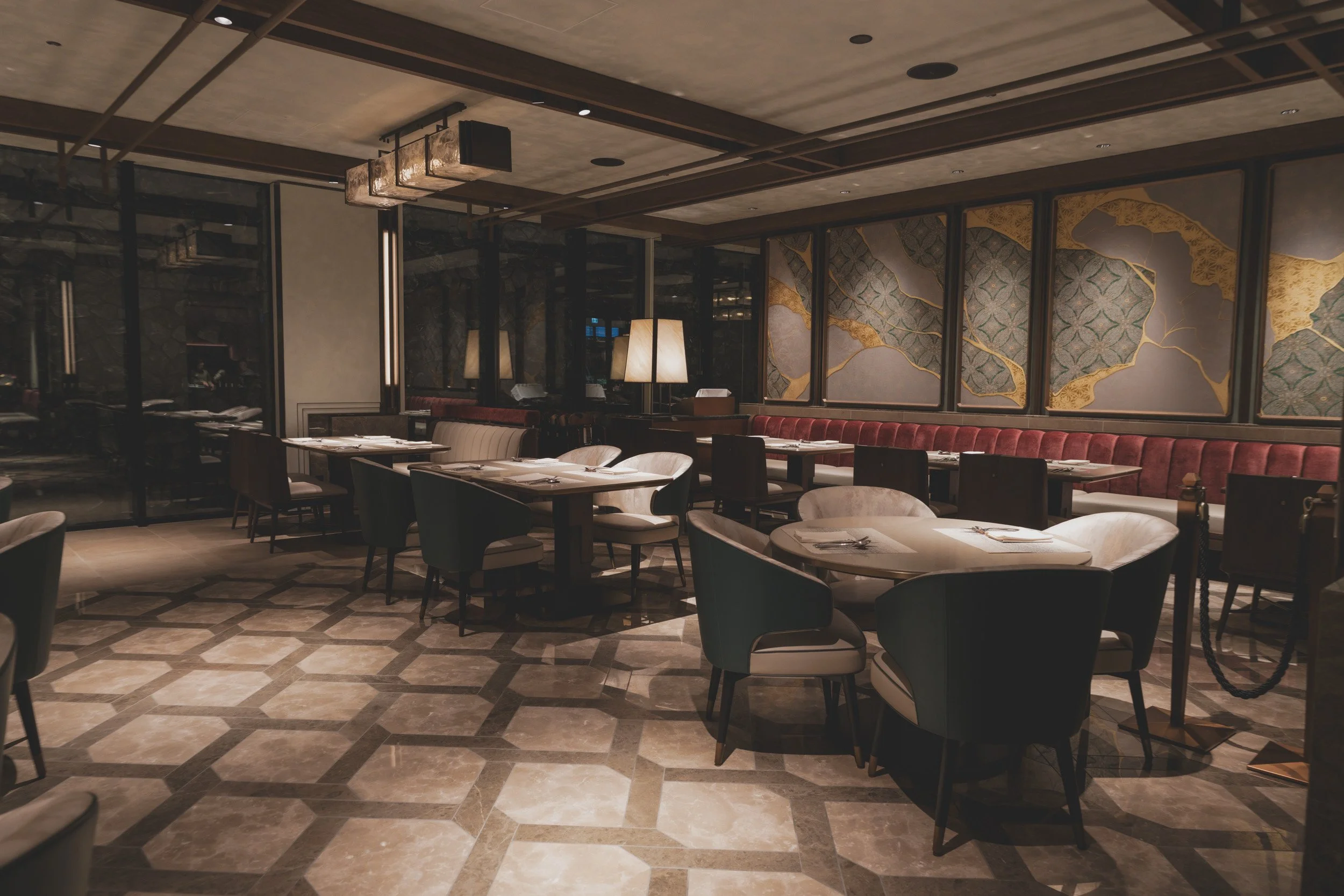
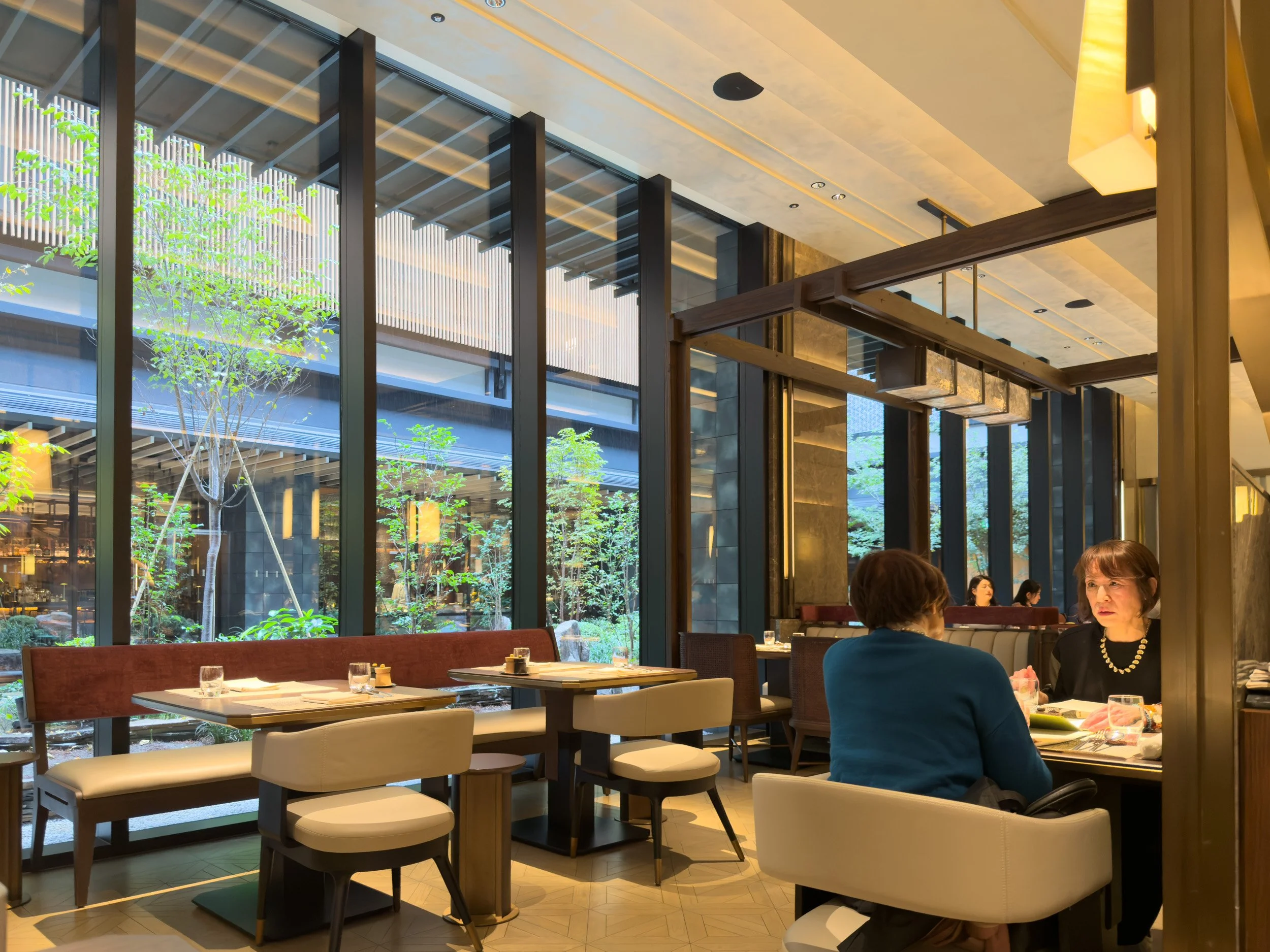
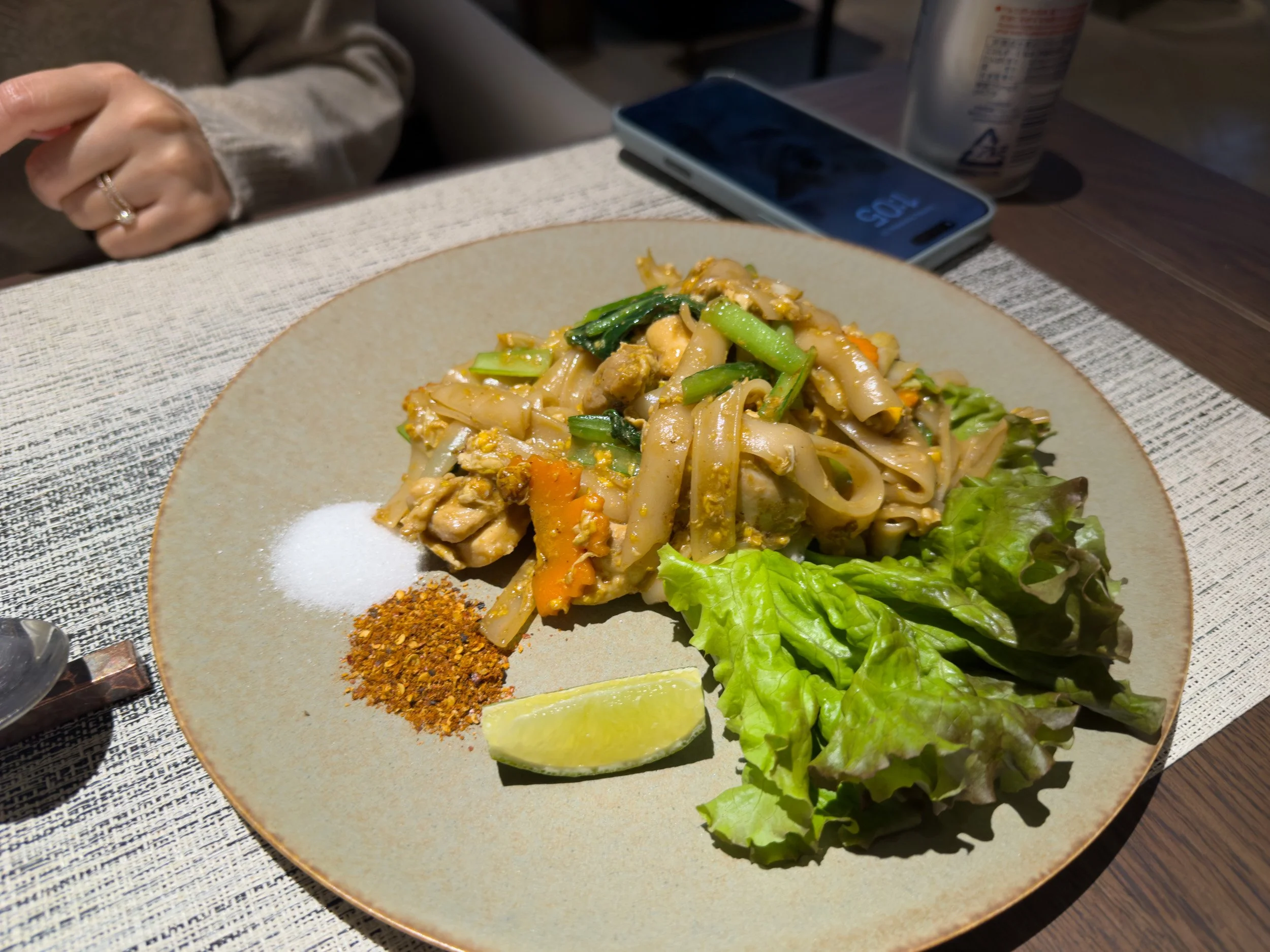
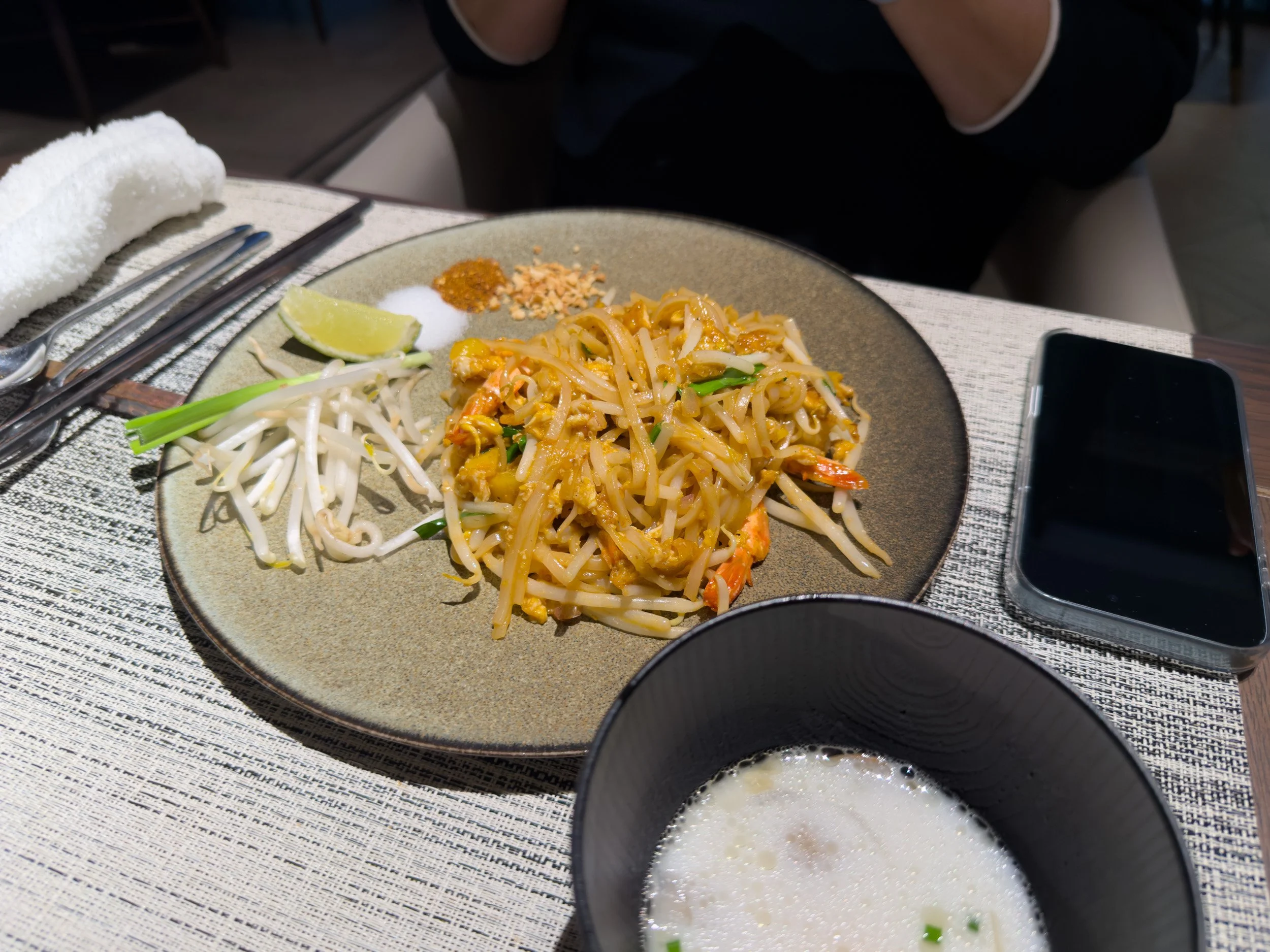
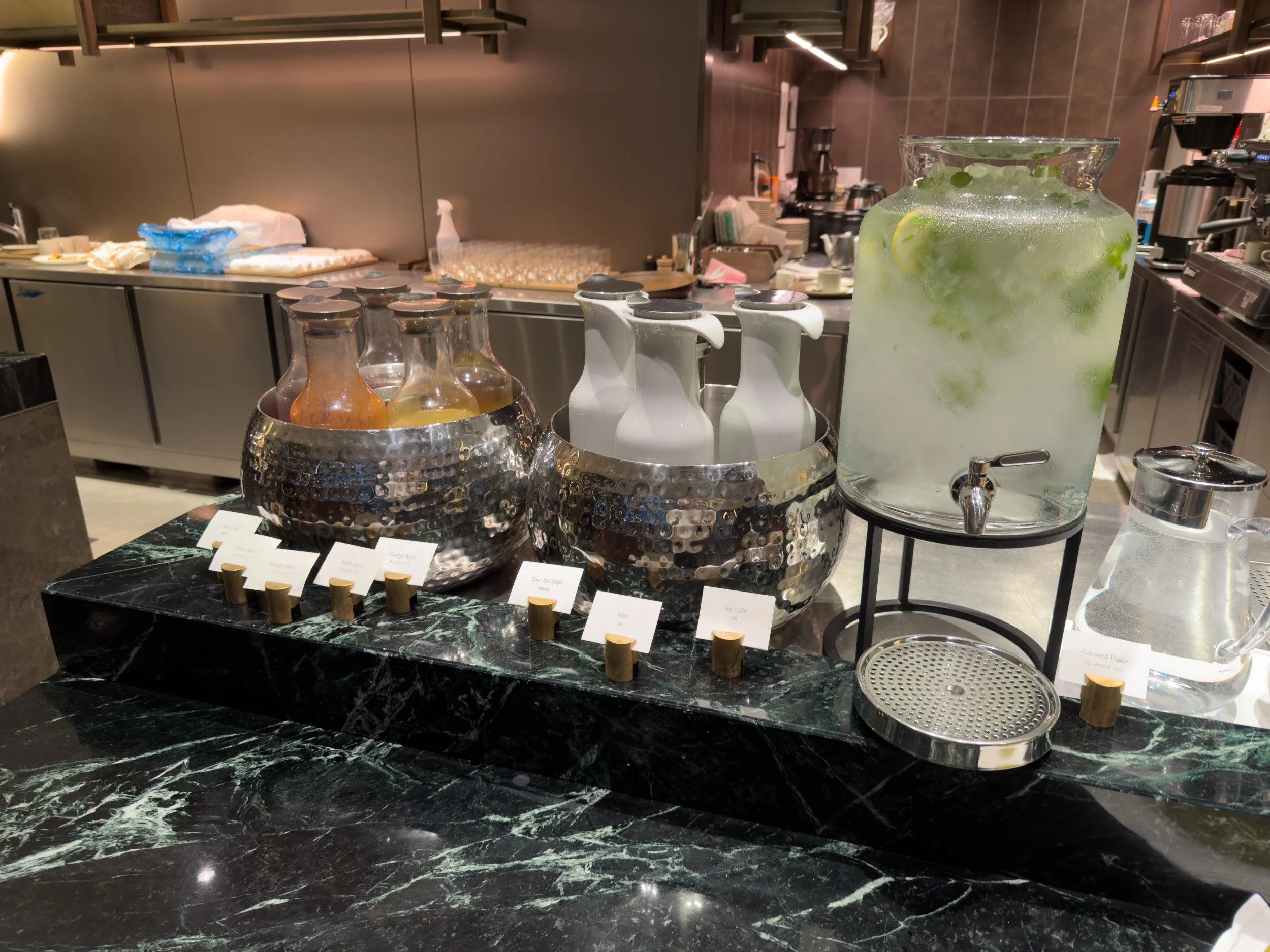
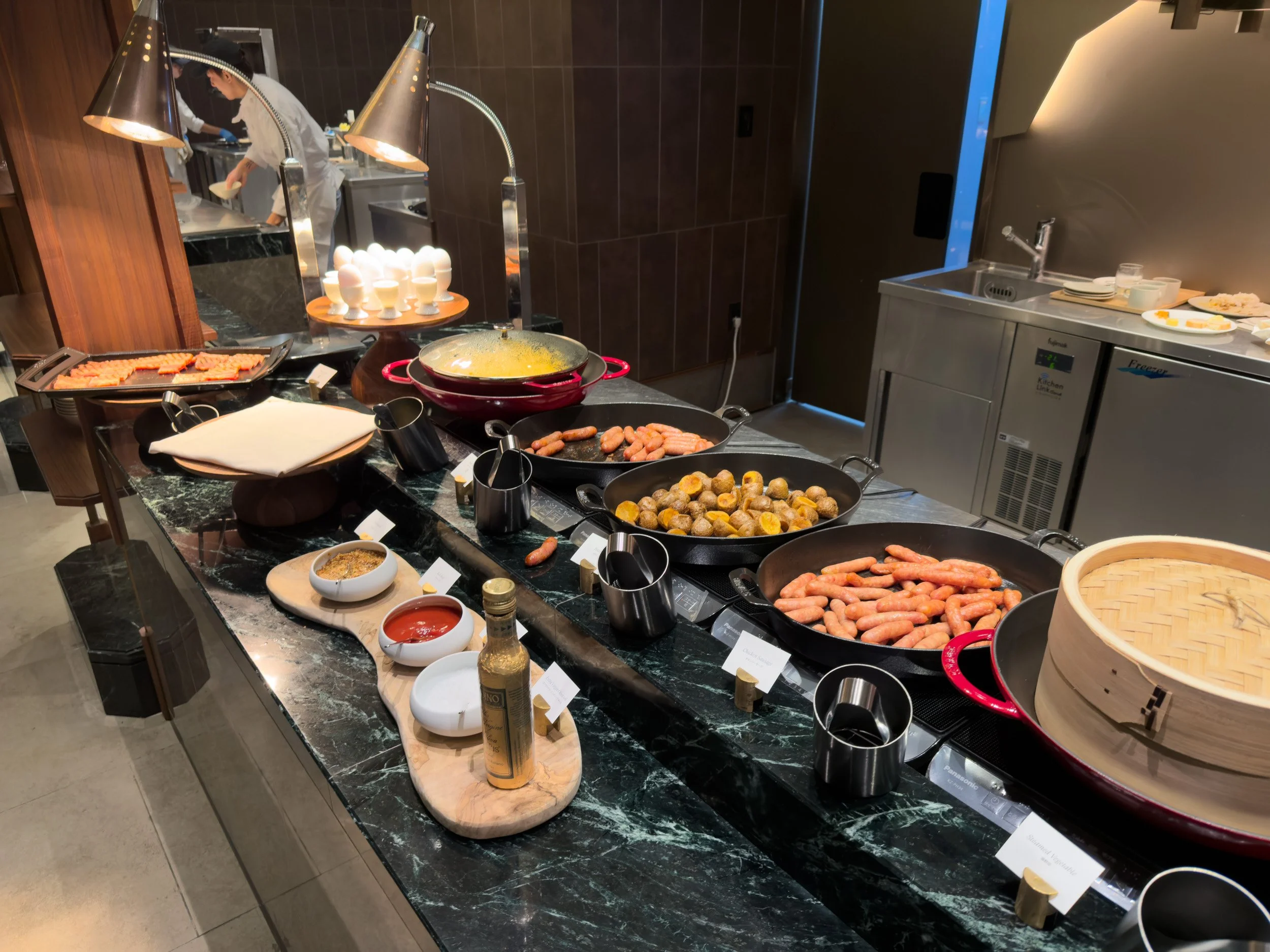
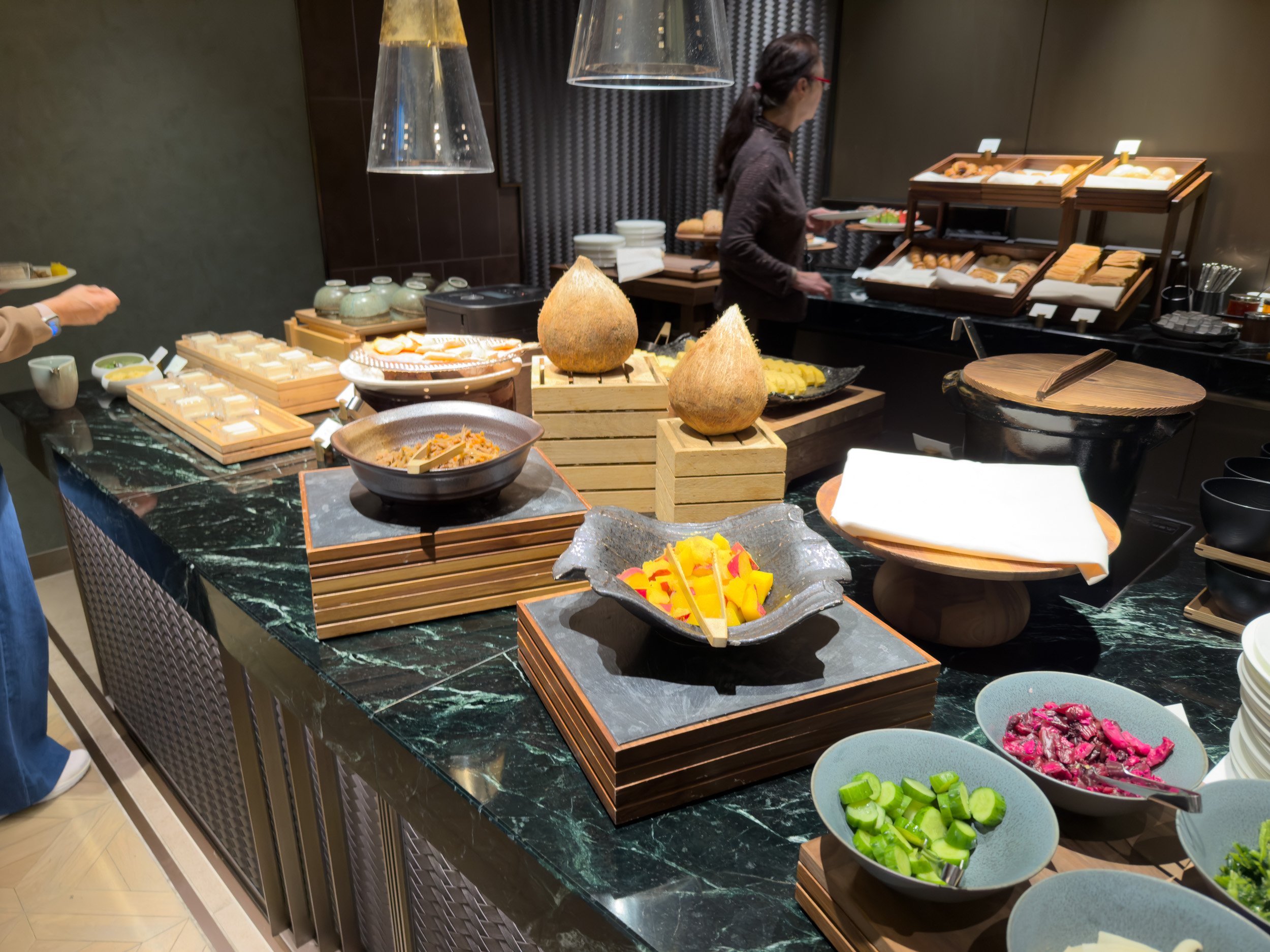
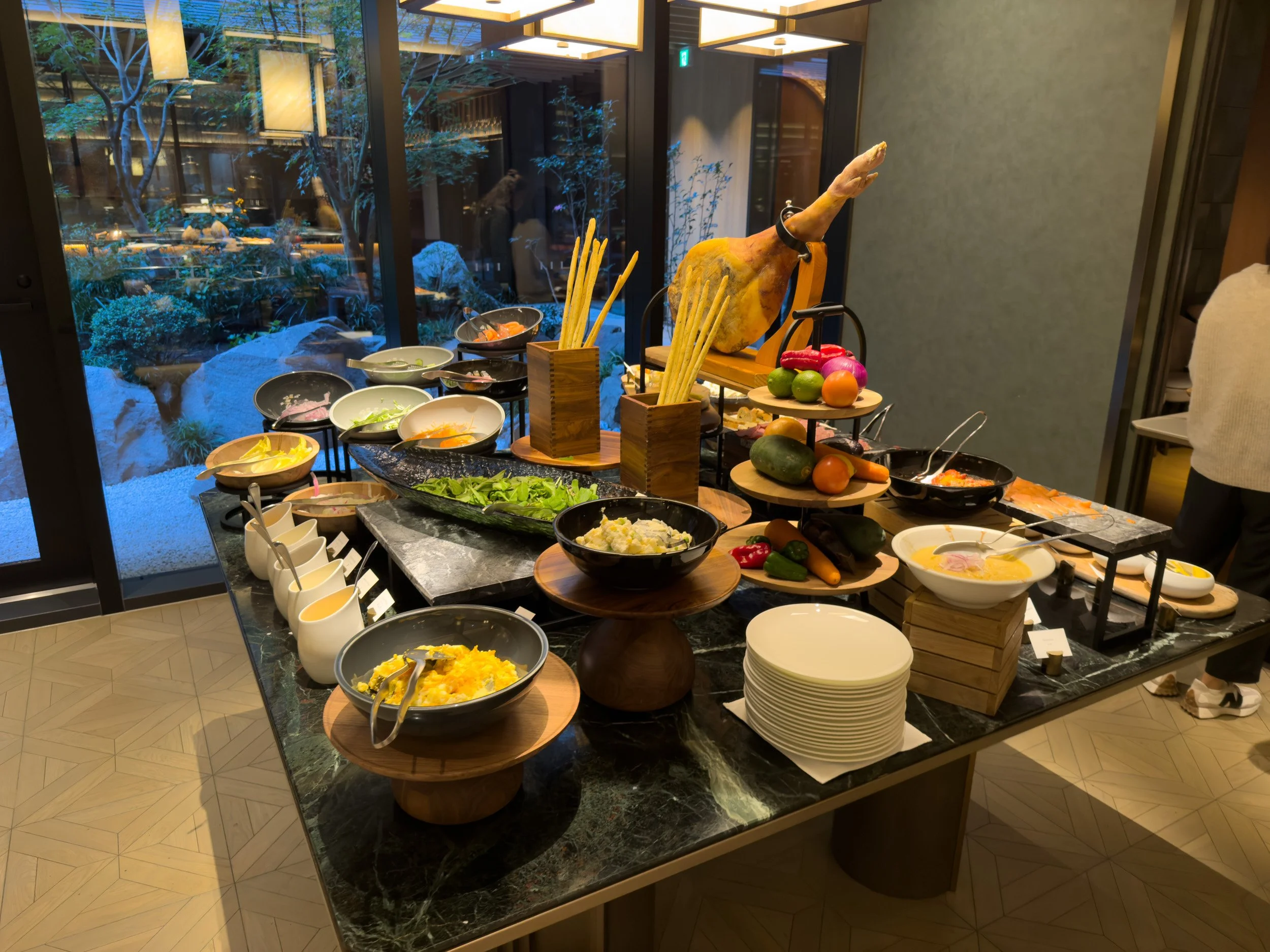
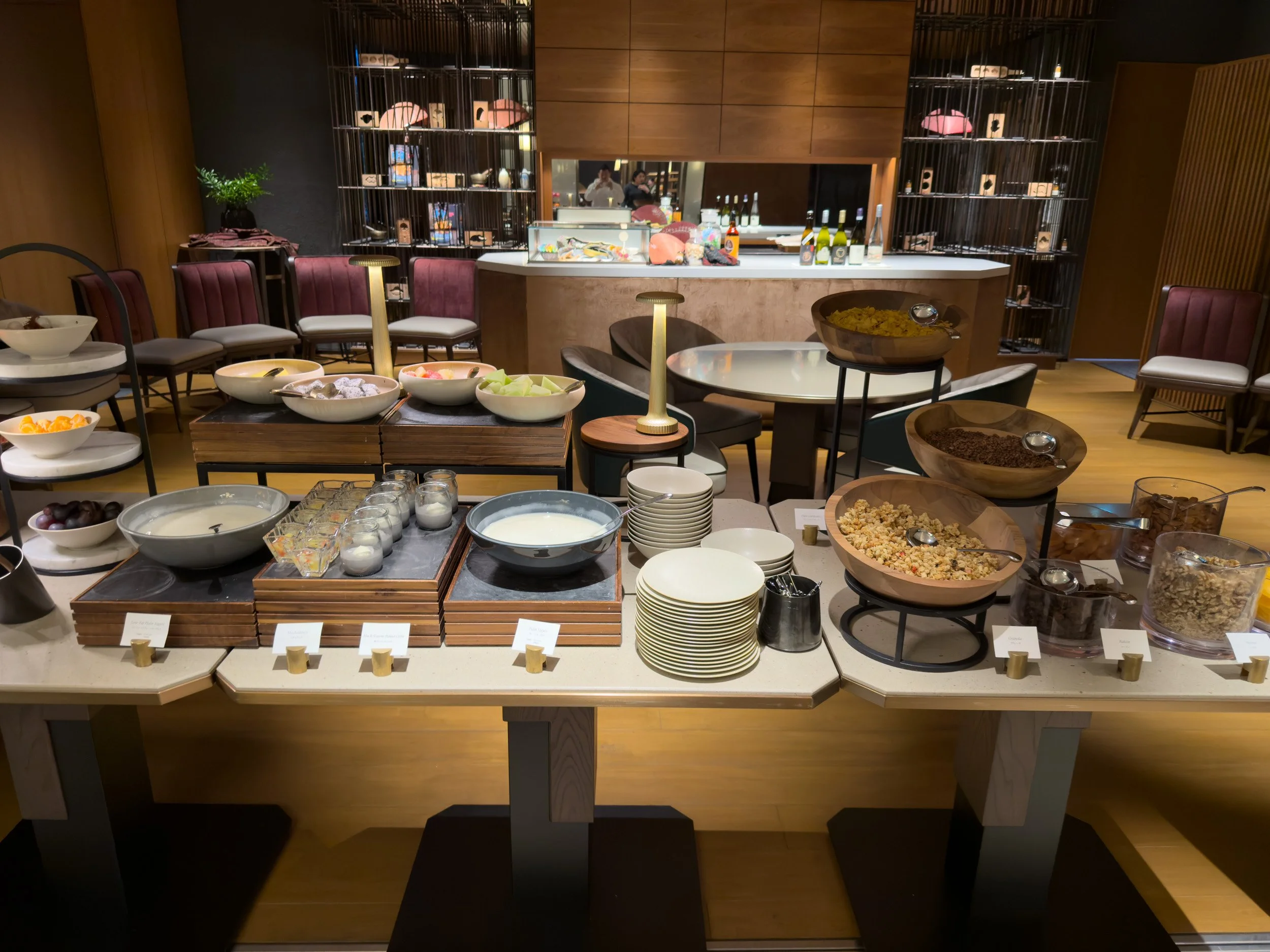
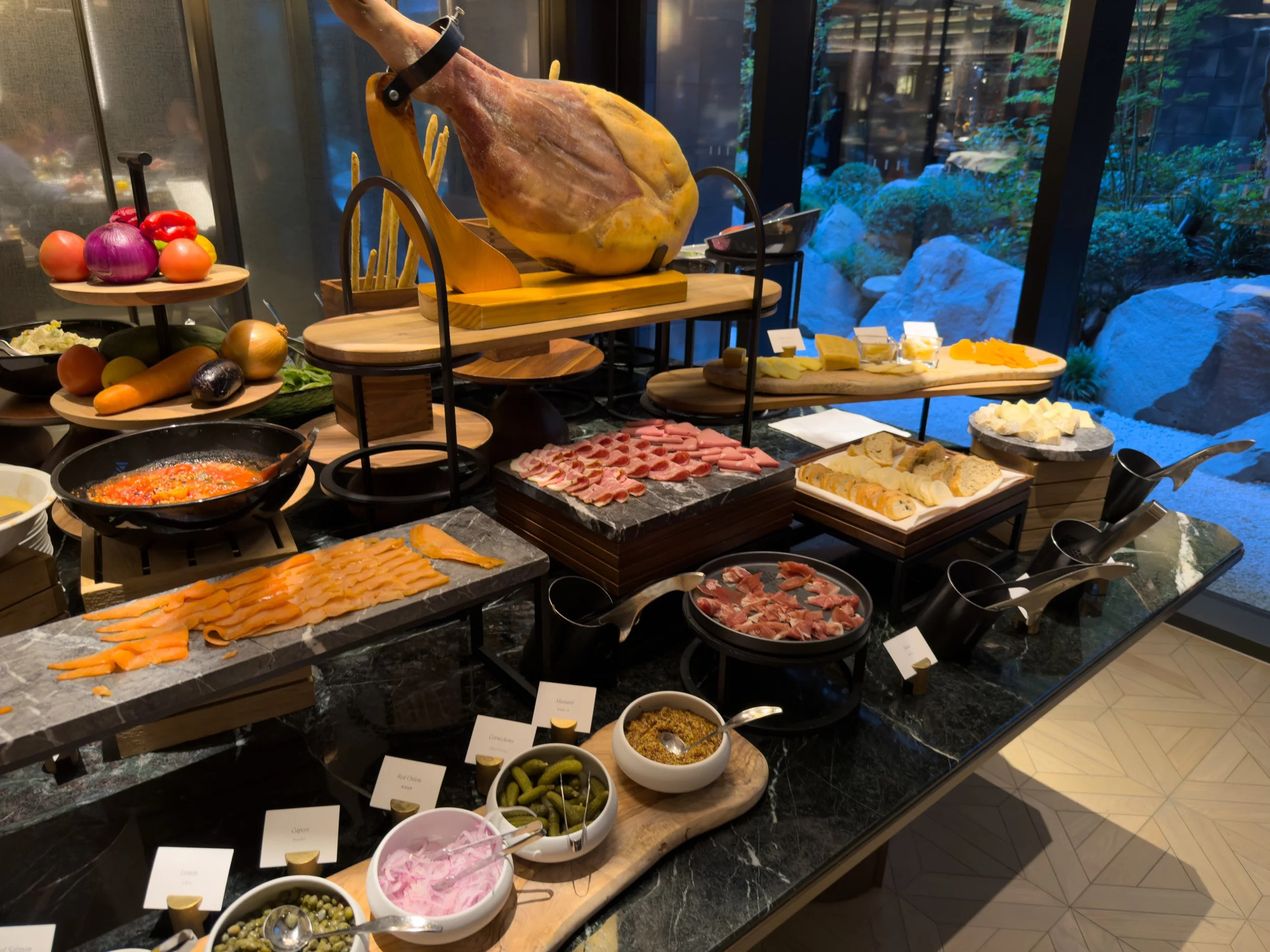
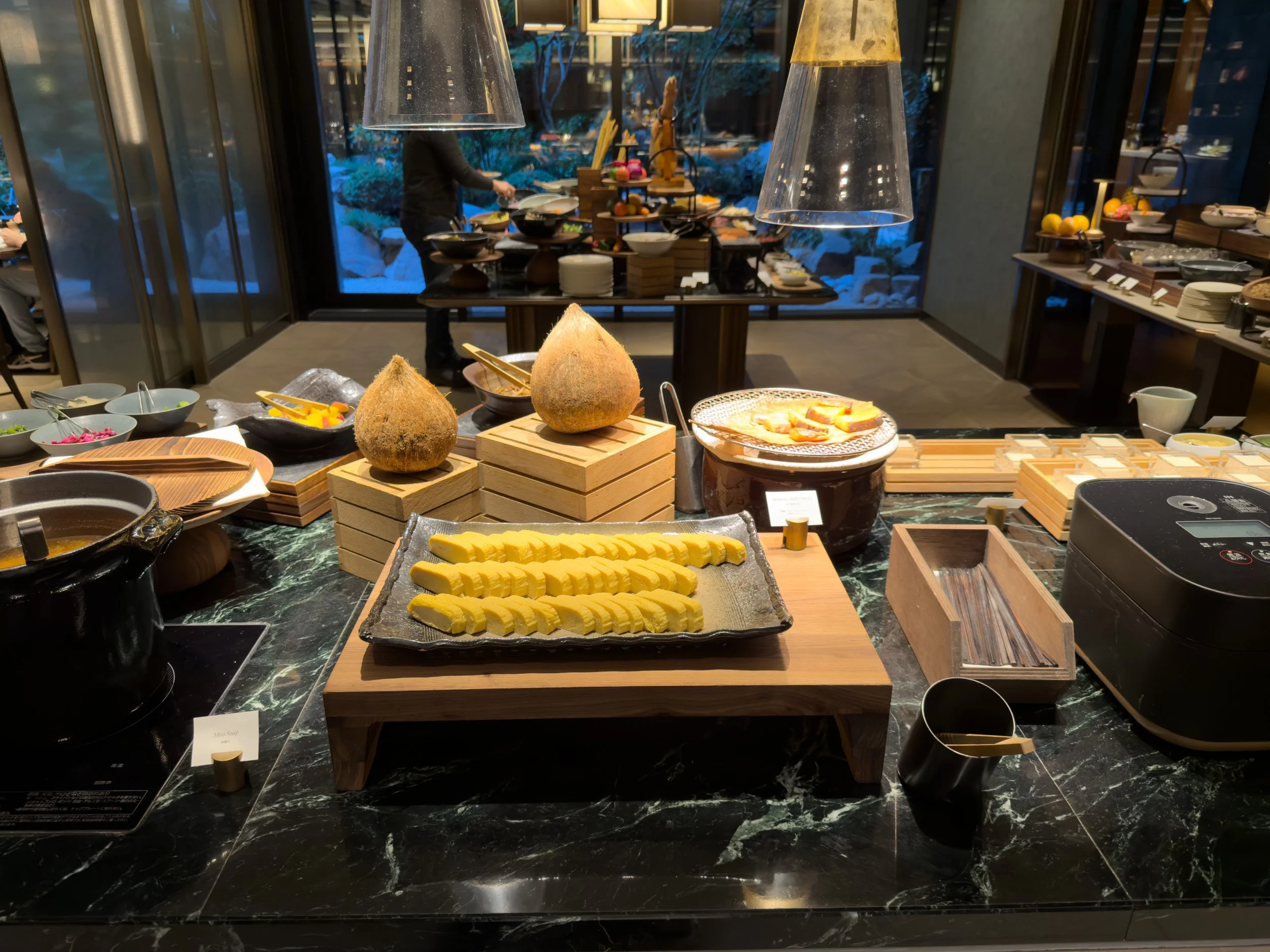
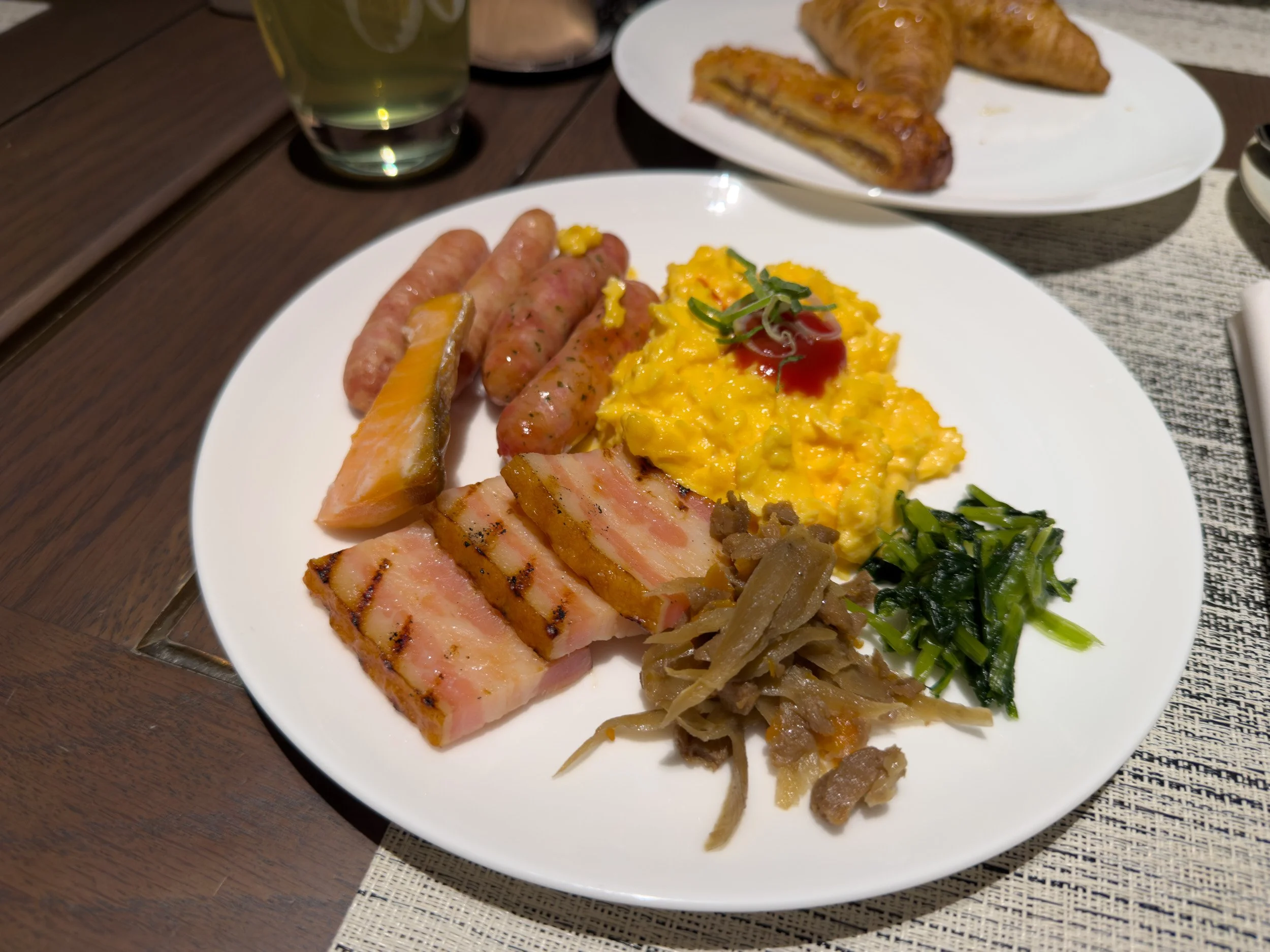
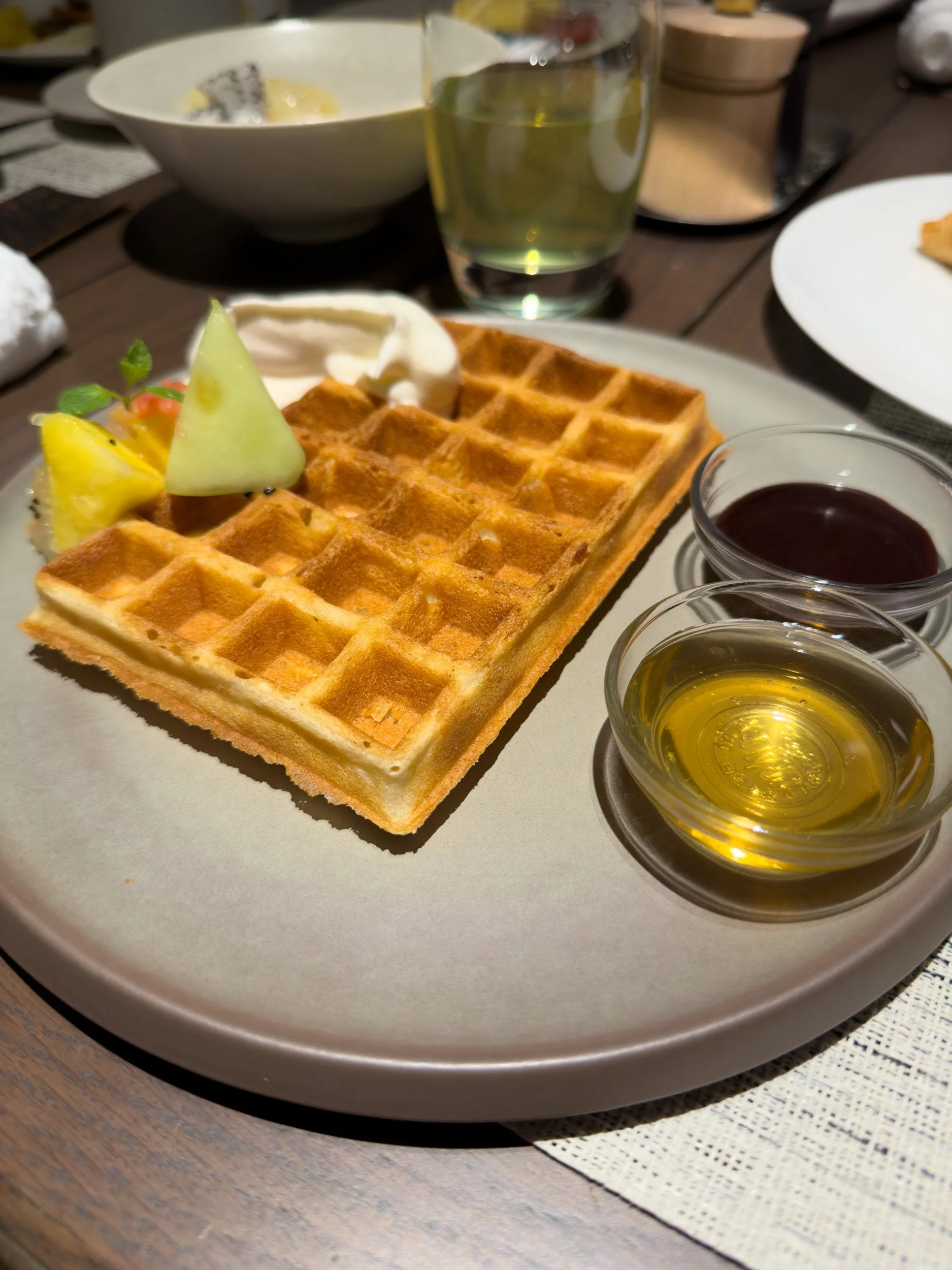
Breakfast at the Dusit Thani Kyoto is served at Kati, and it is a delightful departure from the standard hotel buffet. While there is a refined selection of high-quality continental items, the star of the show is the a-la-carte menu, which features everything from traditional Japanese breakfast sets to Thai-inspired egg dishes and fluffy pancakes. The quality of the ingredients is palpable; the eggs are vibrantly orange, the fish is expertly grilled, and the service is attentive without being hovering—a balance that is difficult to strike during the morning rush.
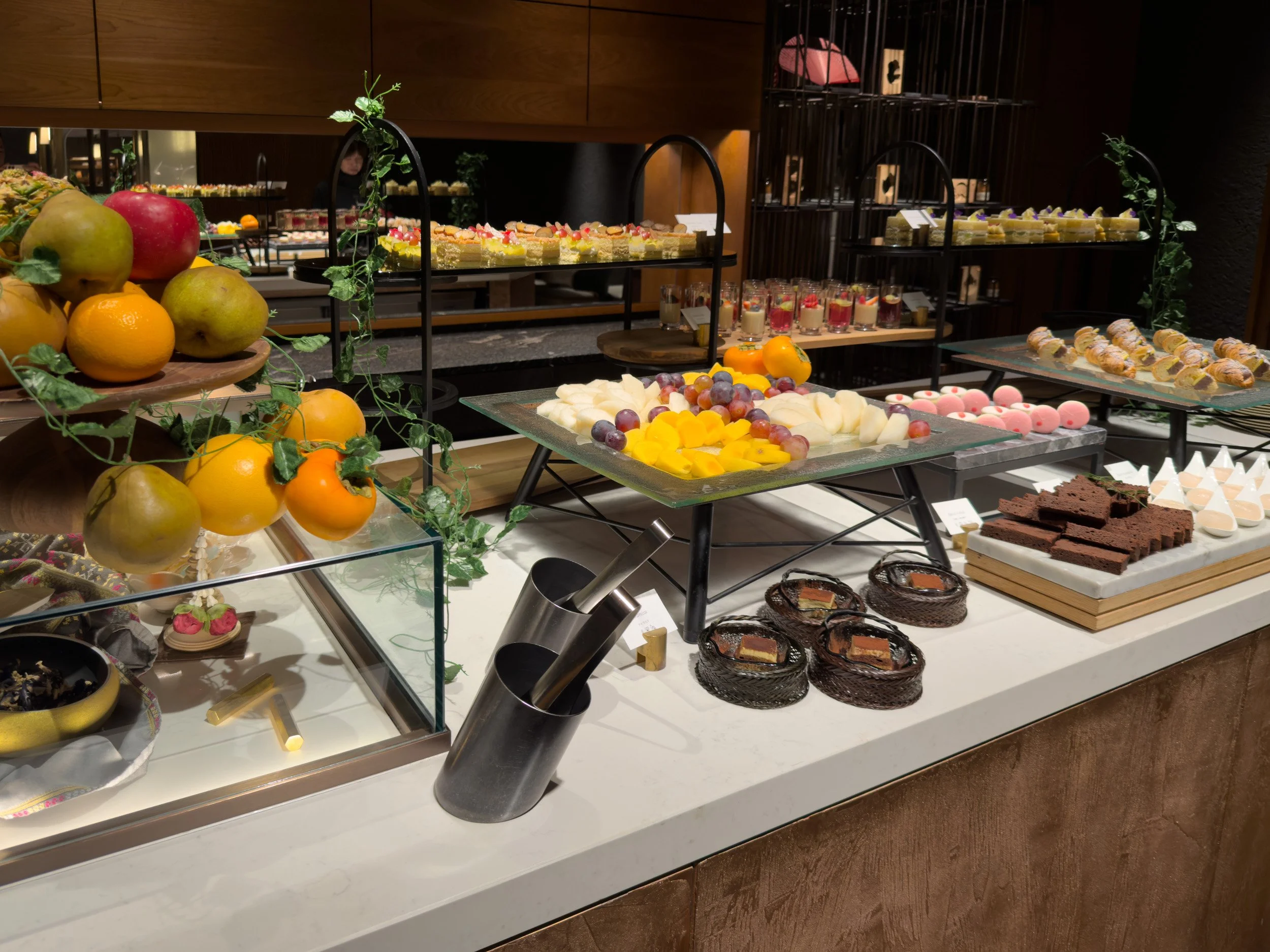
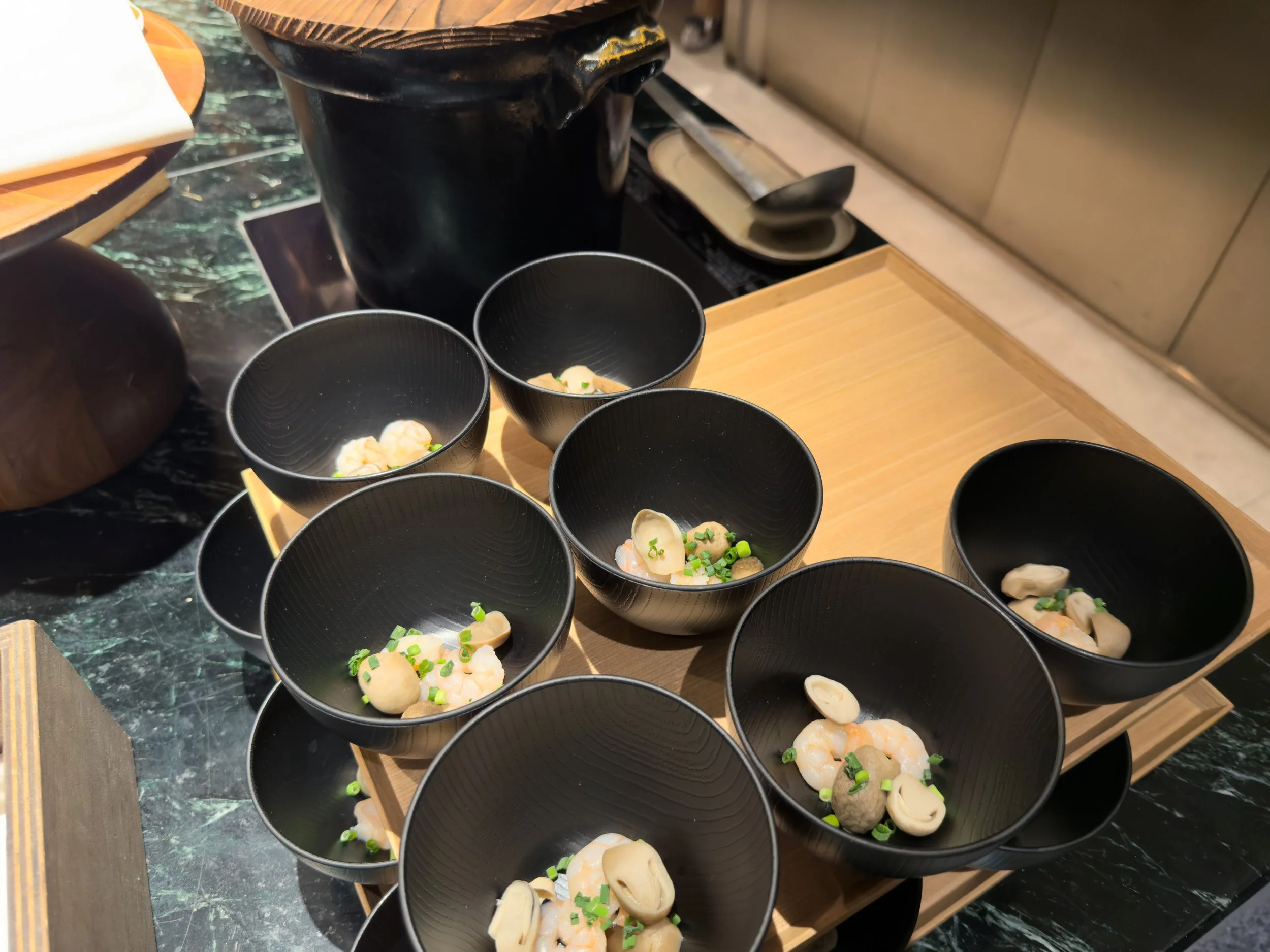
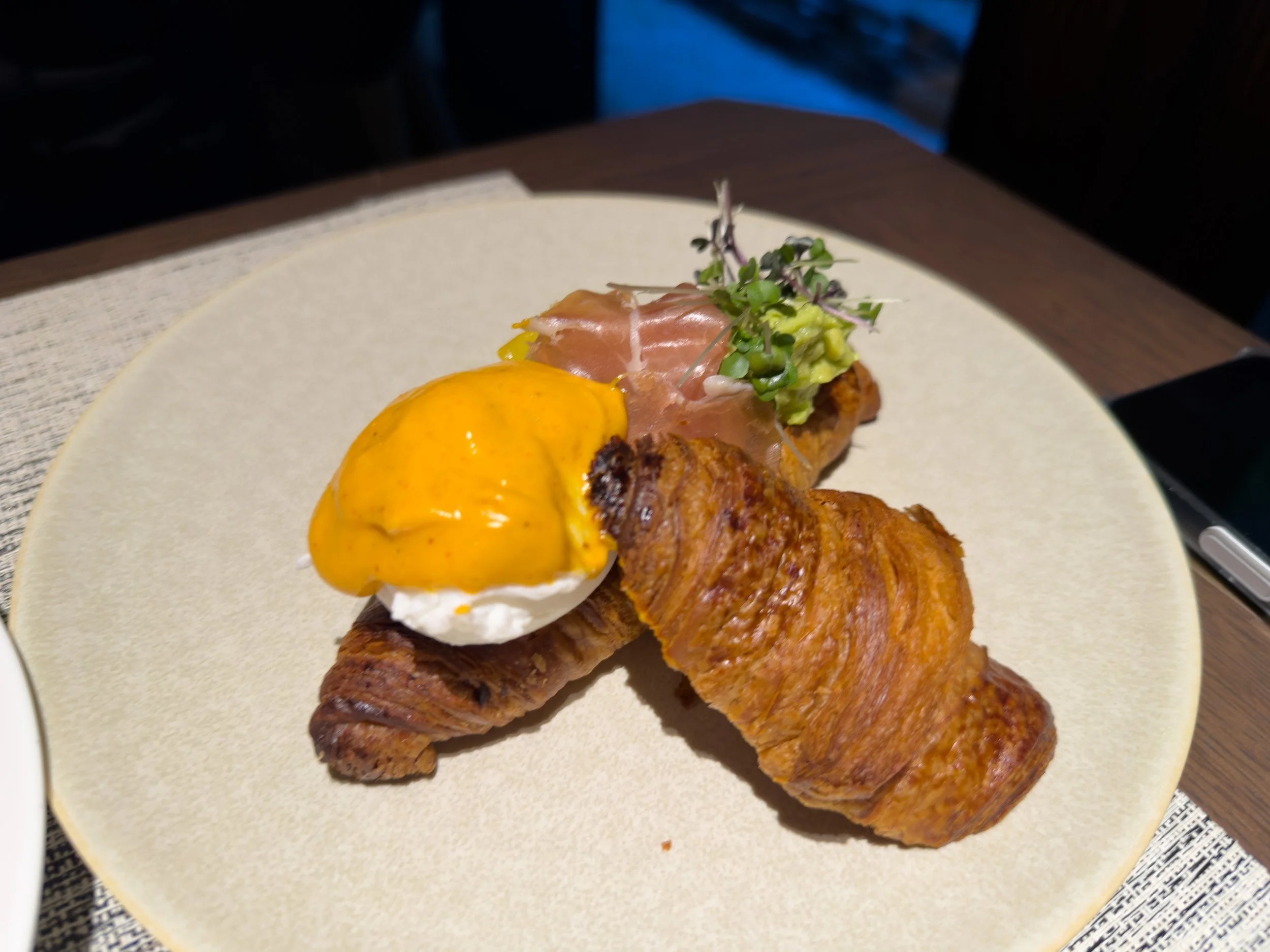
The breakfast "famed dish" that you must not miss is the Khao Tom, a traditional Thai rice soup that is elevated here with premium local Japanese grains and delicate ginger-infused broth. It is a soulful, comforting departure from the standard omelet station, though their Western offerings are equally impressive—particularly the eggs Benedict served on thick-cut shokupan (Japanese milk bread). Because your FHR status covers this daily, you have the luxury of sampling the extensive semi-buffet, which features artisanal Japanese pickles, vibrant tropical fruits, and pastries that rival the best boulangeries in Paris. It is an indulgent, lingering affair that encourages you to slow down and enjoy the garden views before heading out into the city.
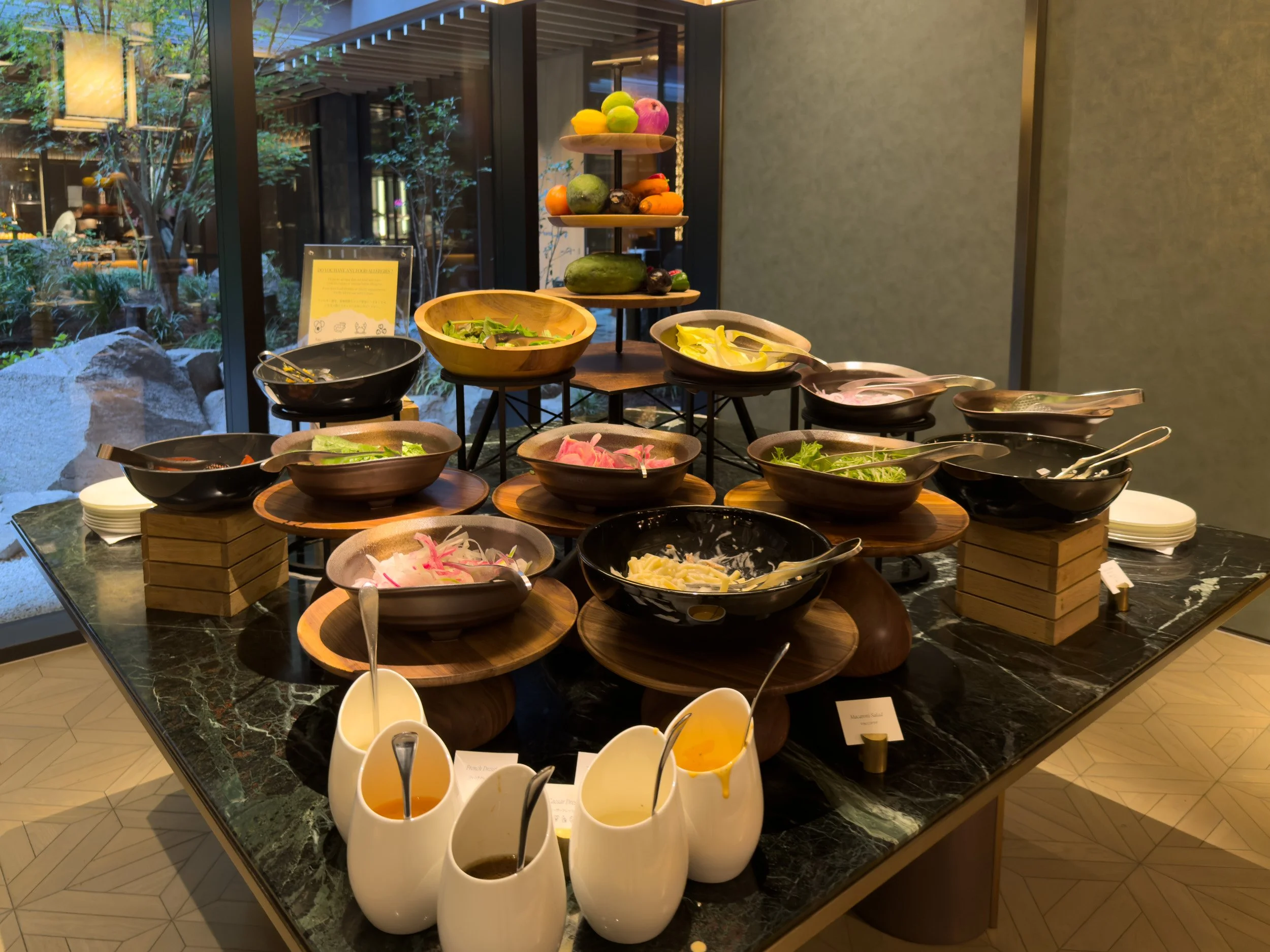
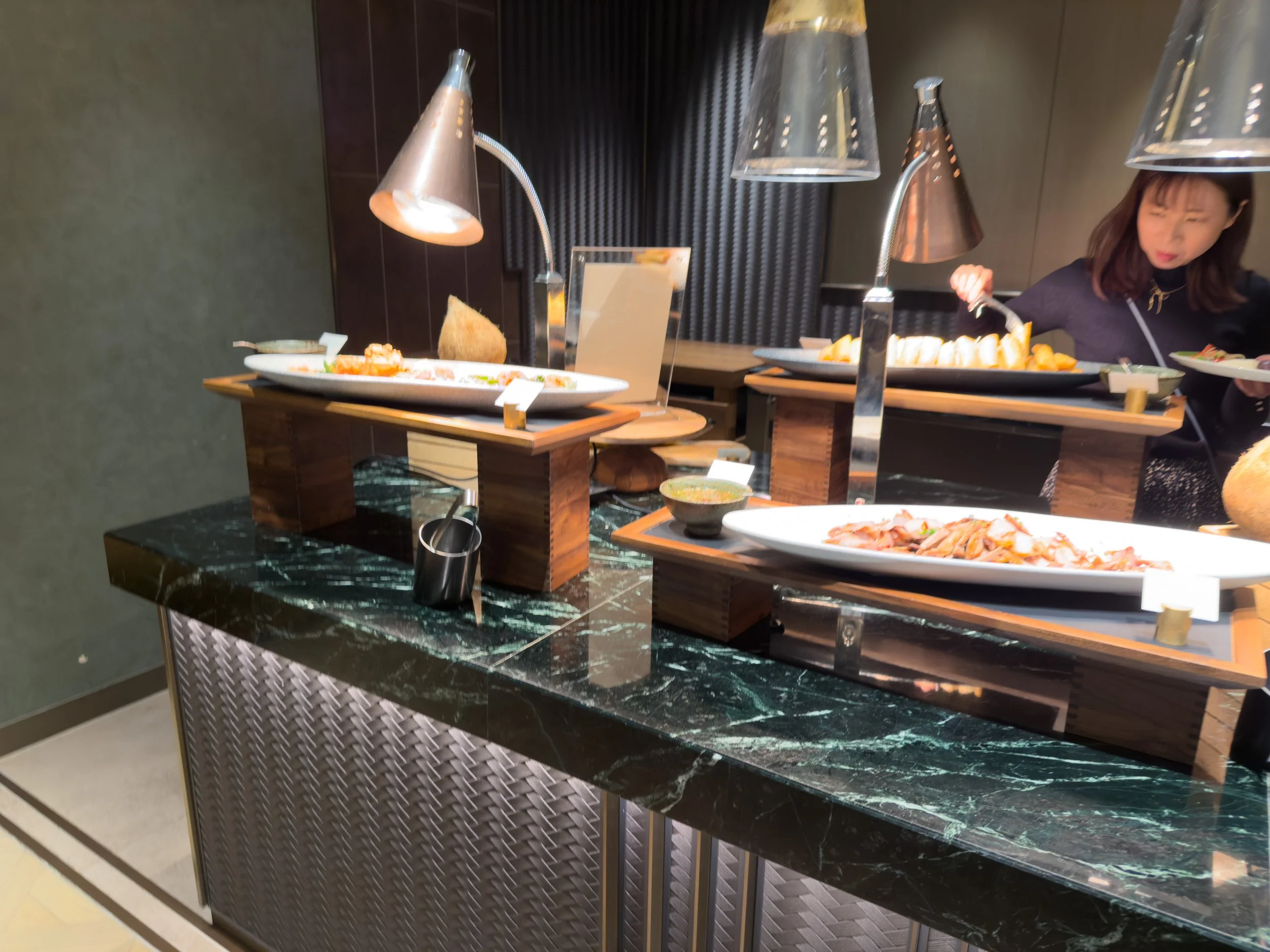
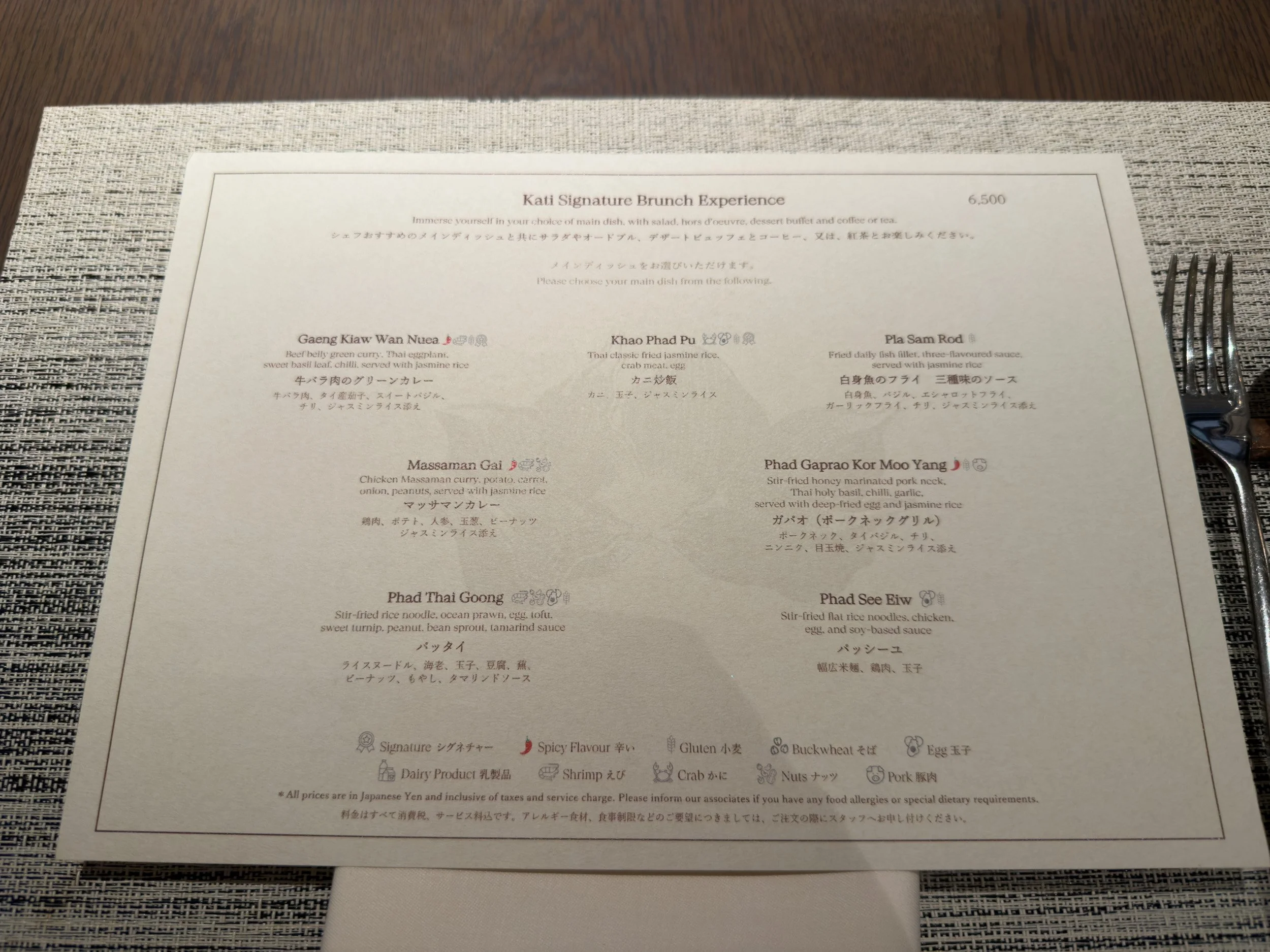
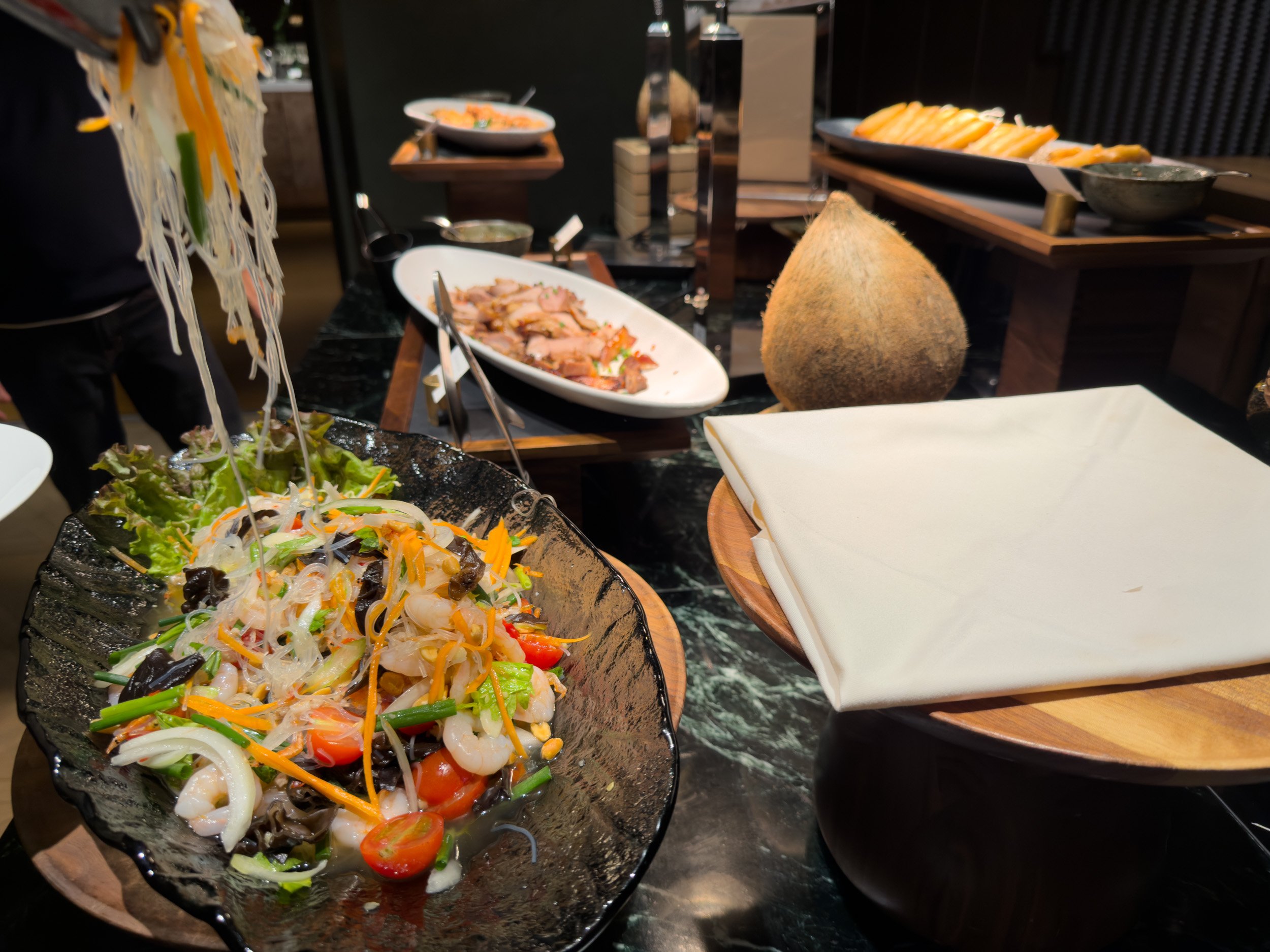
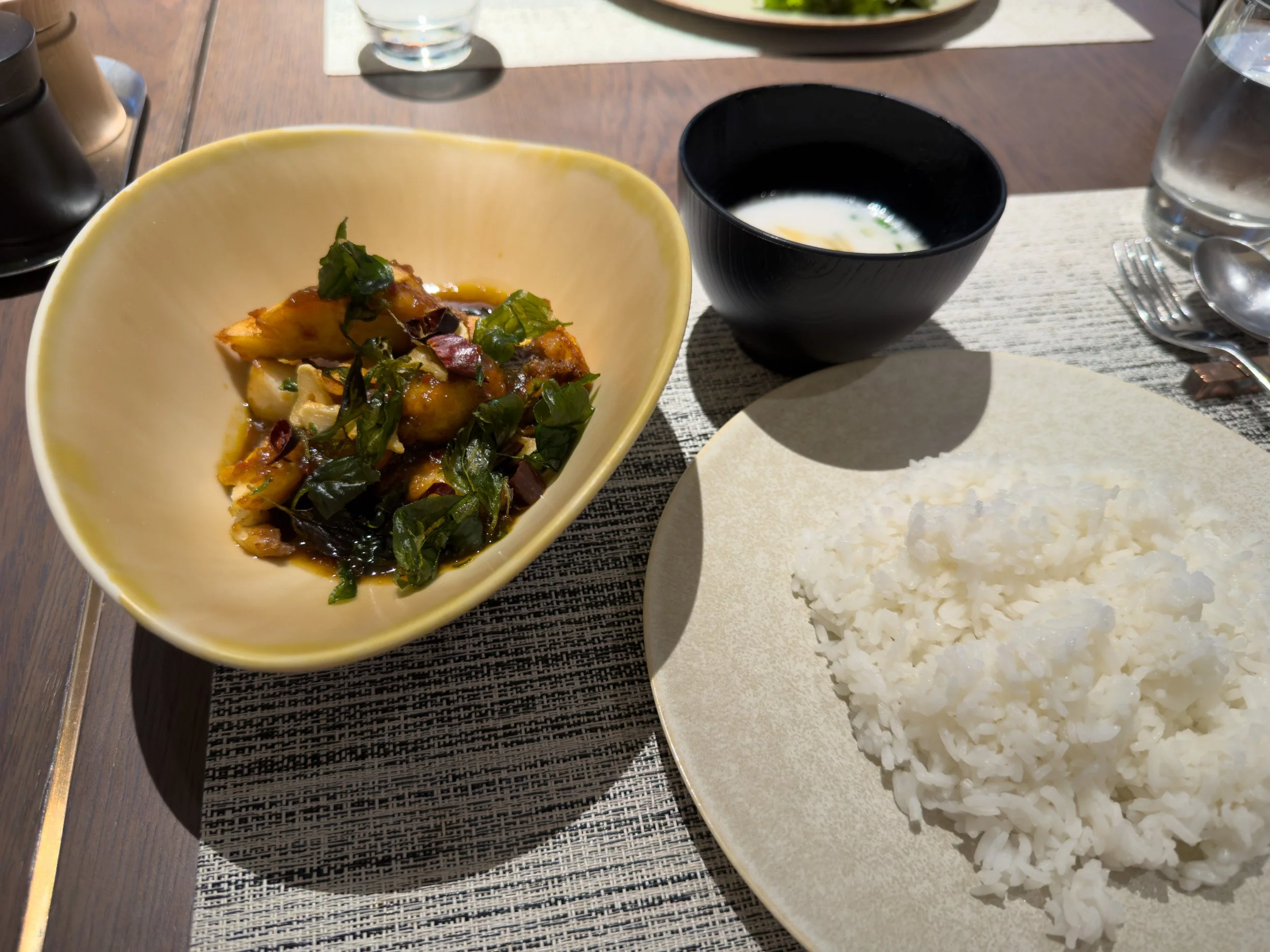
When it comes to lunch, leveraging your $100 property credit is a brilliant tactical move. The midday atmosphere at Kati shifts into something more sophisticated and hushed, making it the perfect cool-down after a morning of temple-hopping. The space feels exclusive and residential, a far cry from the crowded cafes near Kyoto Station. The credit allows you to dive deep into the signature Thai Semi-Buffet Lunch, which is widely considered the most authentic Thai culinary experience in Kyoto. You start with an unlimited array of vibrant, "zesty" appetizers—think green papaya salad with the perfect level of "funk" and spice, and delicate Thai fish cakes—before moving to your chosen main course.
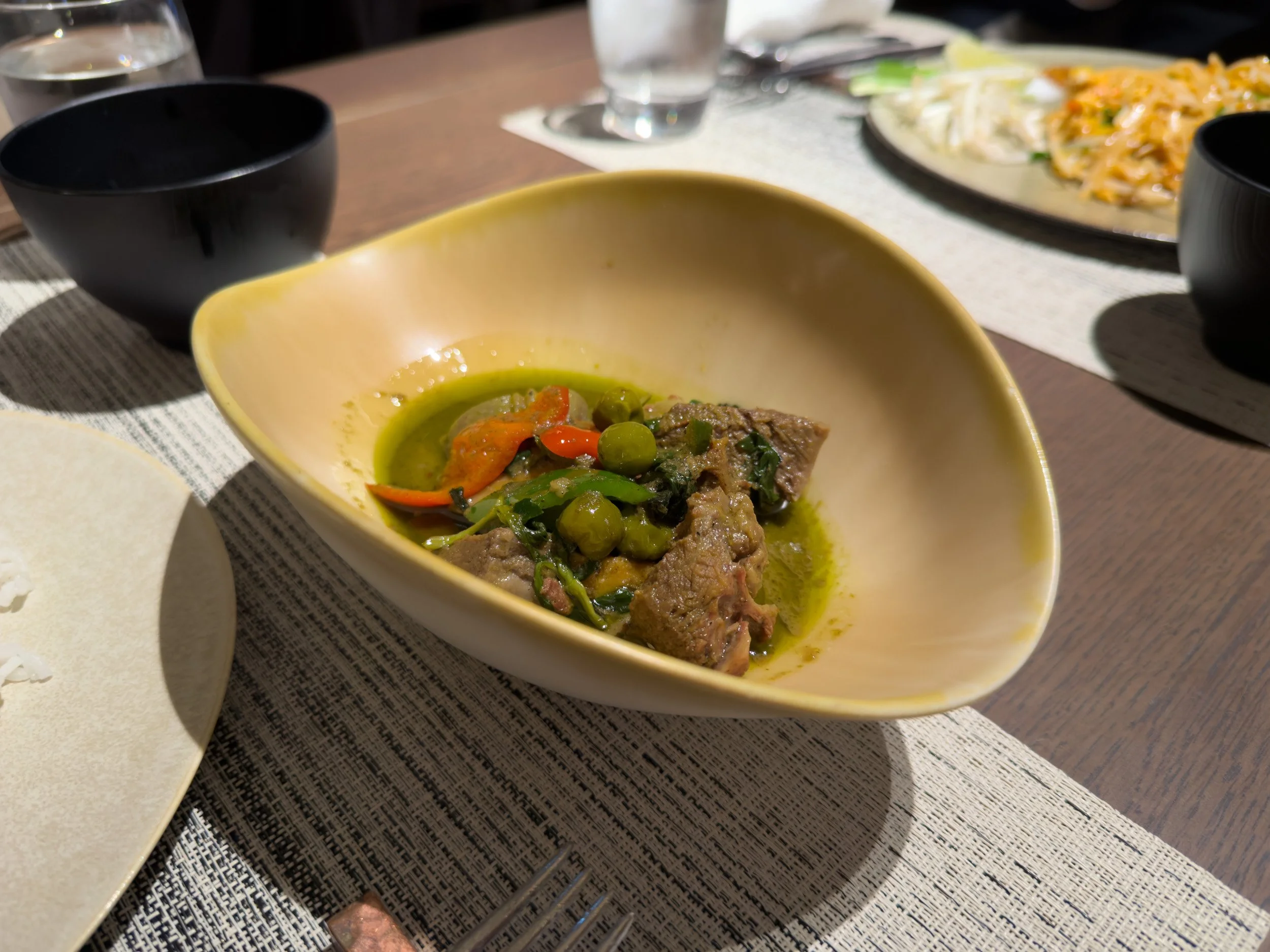
The undisputed star of the lunch menu is the Khao Soi, a Northern Thai coconut curry noodle soup that is rich, aromatic, and topped with the requisite nest of crispy fried noodles. The chefs manage to source authentic bird's eye chilies and galangal, ensuring the flavors are punchy and unapologetic, yet plated with a Japanese eye for aesthetic perfection. If you prefer something lighter, the Green Curry with Wagyu Beef is a decadent fusion that justifies the use of your credit; the beef is melt-in-your-mouth tender, absorbing the complex, herbal notes of the hand-pounded curry paste. Finishing with the Mango Sticky Rice, where the mango is sliced with surgical precision, leaves you with the distinct feeling that your FHR credit wasn't just "spent," but strategically invested in one of the city's most unique dining narratives.
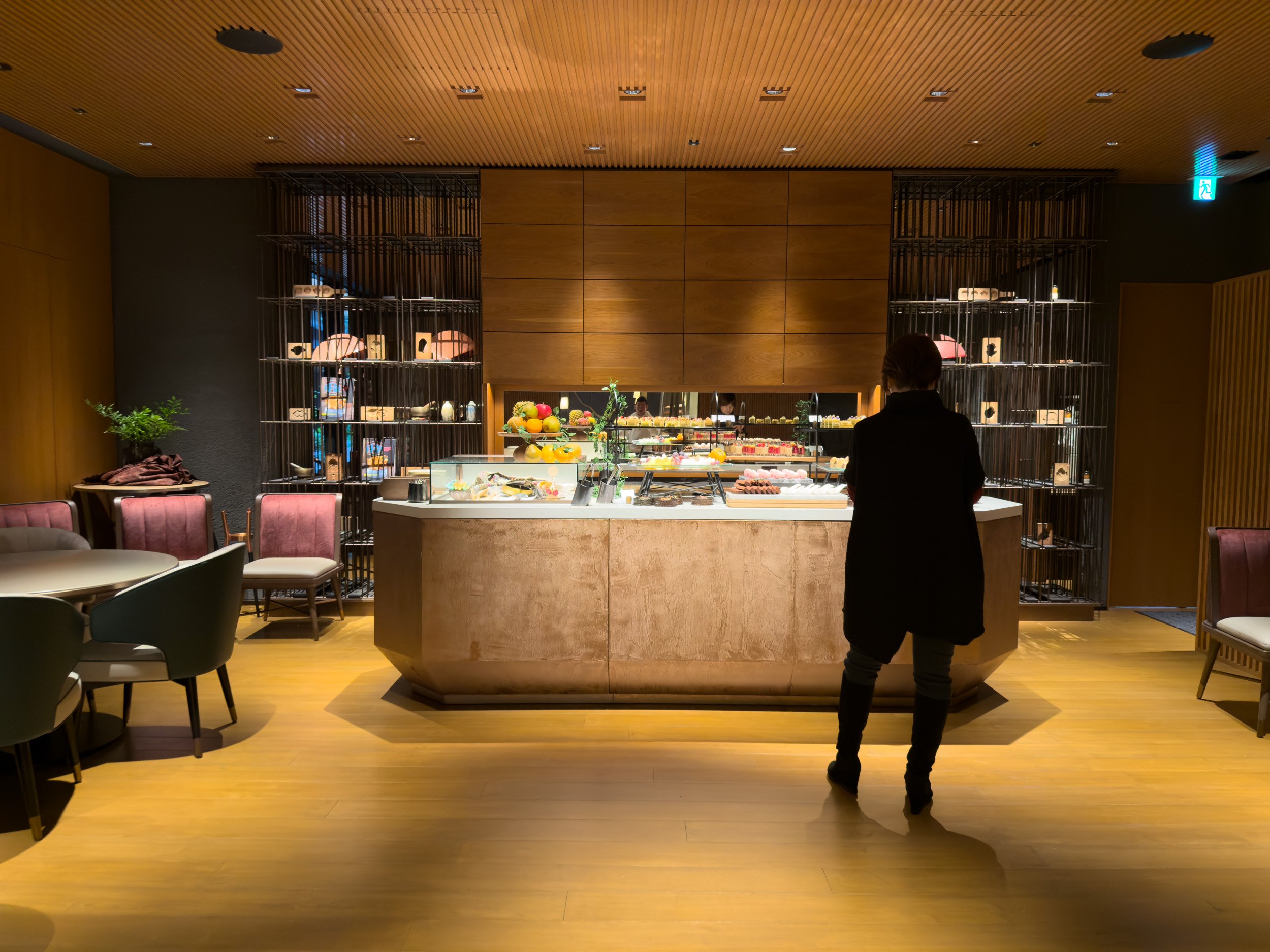
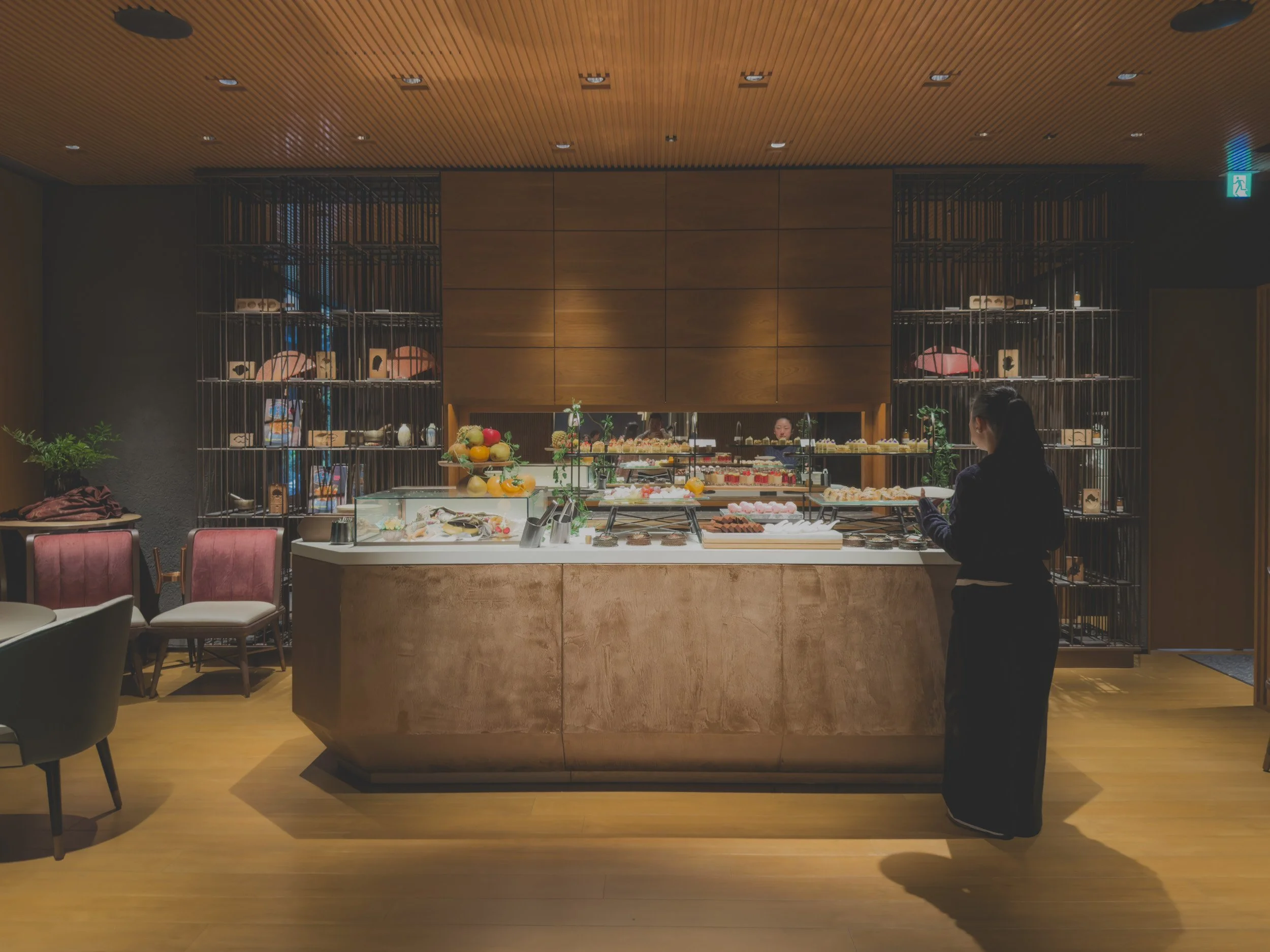
For lunch, the hotel offers a sophisticated semi-buffet at Kati that is popular with both guests and discerning locals. You choose a main course—often a masterfully executed Thai curry or a delicate pasta—while enjoying unlimited access to a spread of vibrant salads, appetizers, and a legendary Thai dessert bar. If you are seeking something truly elevated, the signature Ayatana provides a multi-sensory Thai fine-dining experience that has already earned accolades for its innovation. It is quite rare to find Thai cuisine of this caliber in Japan, making every meal here a unique cultural excursion.
Nearby Attractions
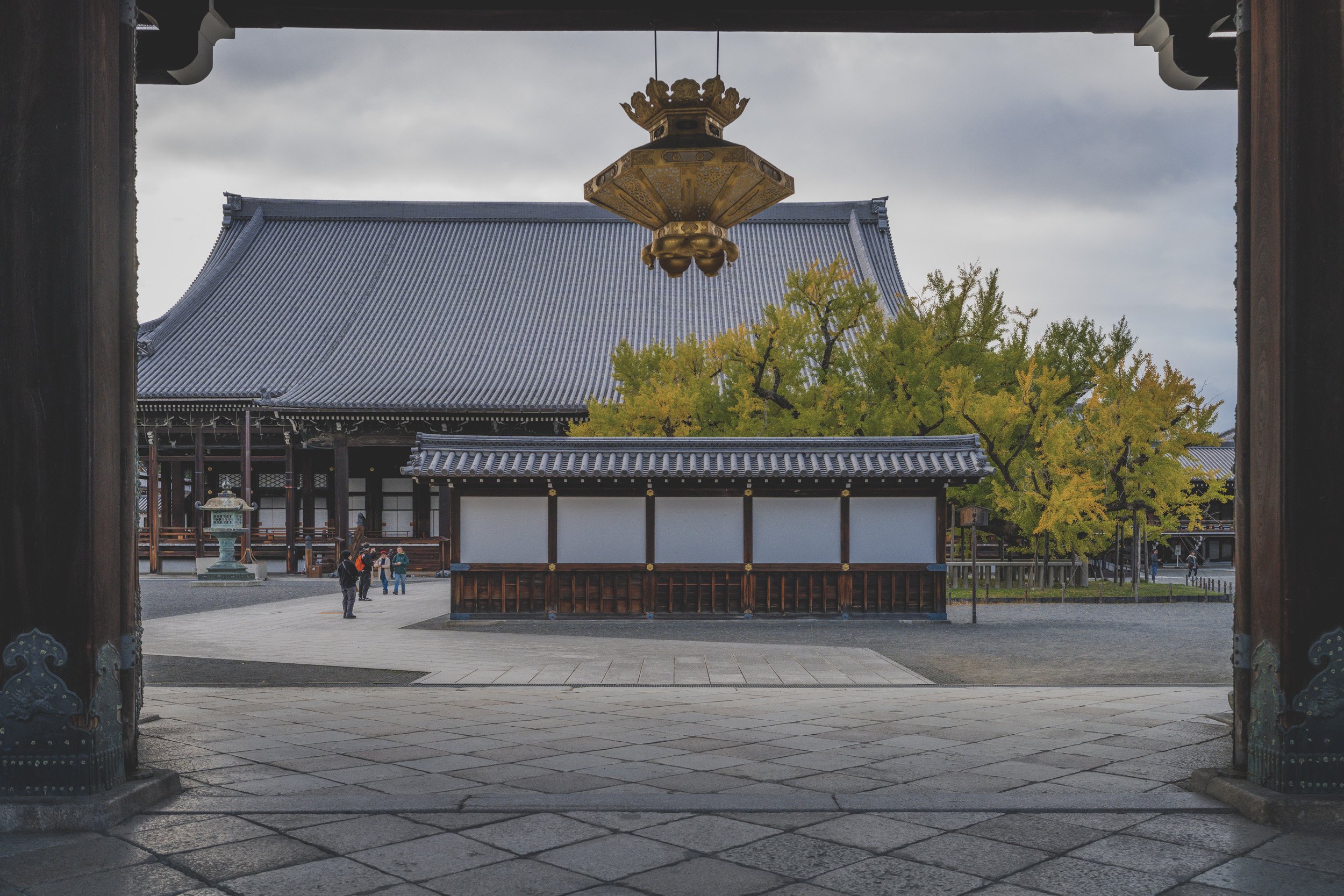
One of the greatest luxuries of this hotel is the ability to step out the front door and be at the gates of Nishi Honganji in under five minutes. This massive temple complex, a UNESCO site, features the stunning Karamon Gate and some of the most impressive wooden architecture in the country. Just a few minutes further is its sister temple, Higashi Honganji, home to the world’s largest wooden building. Walking between these two giants allows you to feel the spiritual gravity of Kyoto without the crushing crowds often found at Kinkaku-ji or Kiyomizu-dera.
For those traveling with family or simply seeking a change of pace, the Kyoto Aquarium and Umekoji Park are within an easy 15-to-20-minute walk. The park is a lush green lung in the city, perfect for a morning jog or a leisurely afternoon stroll, and it also houses the Kyoto Railway Museum, which is surprisingly fascinating even for non-enthusiasts. Being so close to these landmarks means you can easily break up your day, returning to the hotel for a quick dip in the pool or a Thai iced tea at the bar before heading out for a sunset viewing of Kyoto Tower.
Curated for Class?
The Dusit Thani Kyoto is a sophisticated addition to the city's luxury landscape, successfully carving out a niche that balances Thai warmth with Japanese precision. It doesn't try to out-class the local brands or out-glitz the international chains; instead, it offers a completely different alternative that feels deeply human and culturally rich. I find the service culture here to be its strongest asset—it possesses a genuine desire to please that is often lost in the more rigid environments of traditional luxury.
Whether you are a seasoned Japan hand or a first-time visitor, this hotel serves as an impeccable base for exploration. The combination of its strategic location, world-class Thai dining, and the serene Devarana Wellness makes it a destination in its own right. It is a property that respects the silence of its surroundings while offering a vibrant, flavorful interior life, ensuring that your stay in Kyoto is not just a visit, but a truly restorative experience.
Curated for Class Final Score | 42/50
The Dusit Thani Kyoto has mastered cultural alchemy that successfully grafts Thailand’s soulful, high-touch hospitality onto the serene, architectural stoicism of Japan’s ancient capital. It is a strategic 5-star hotel that offers a rare, flavorful alternative to Kyoto’s more rigid luxury, making it a standout for those who value authentic service and bold culinary identity.
Ambiance: 8.5/10
Room: 8.5/10
Food & Beverage: 8/10
Service: 8.5/10
Does it Feel Special: 8.5/10