
Hotel Review: Hyatt Regency Hakone Resort and Spa
Introduction
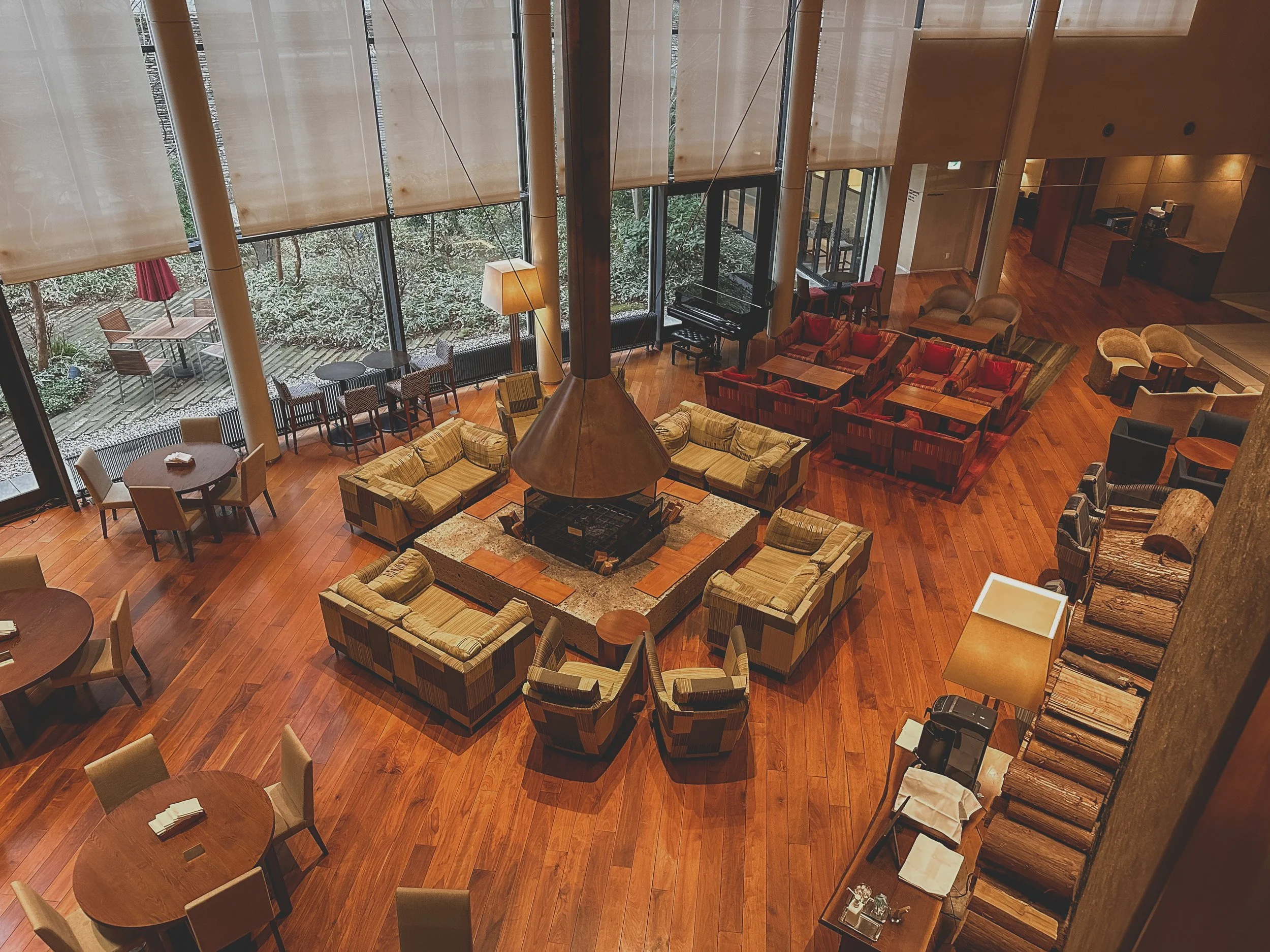
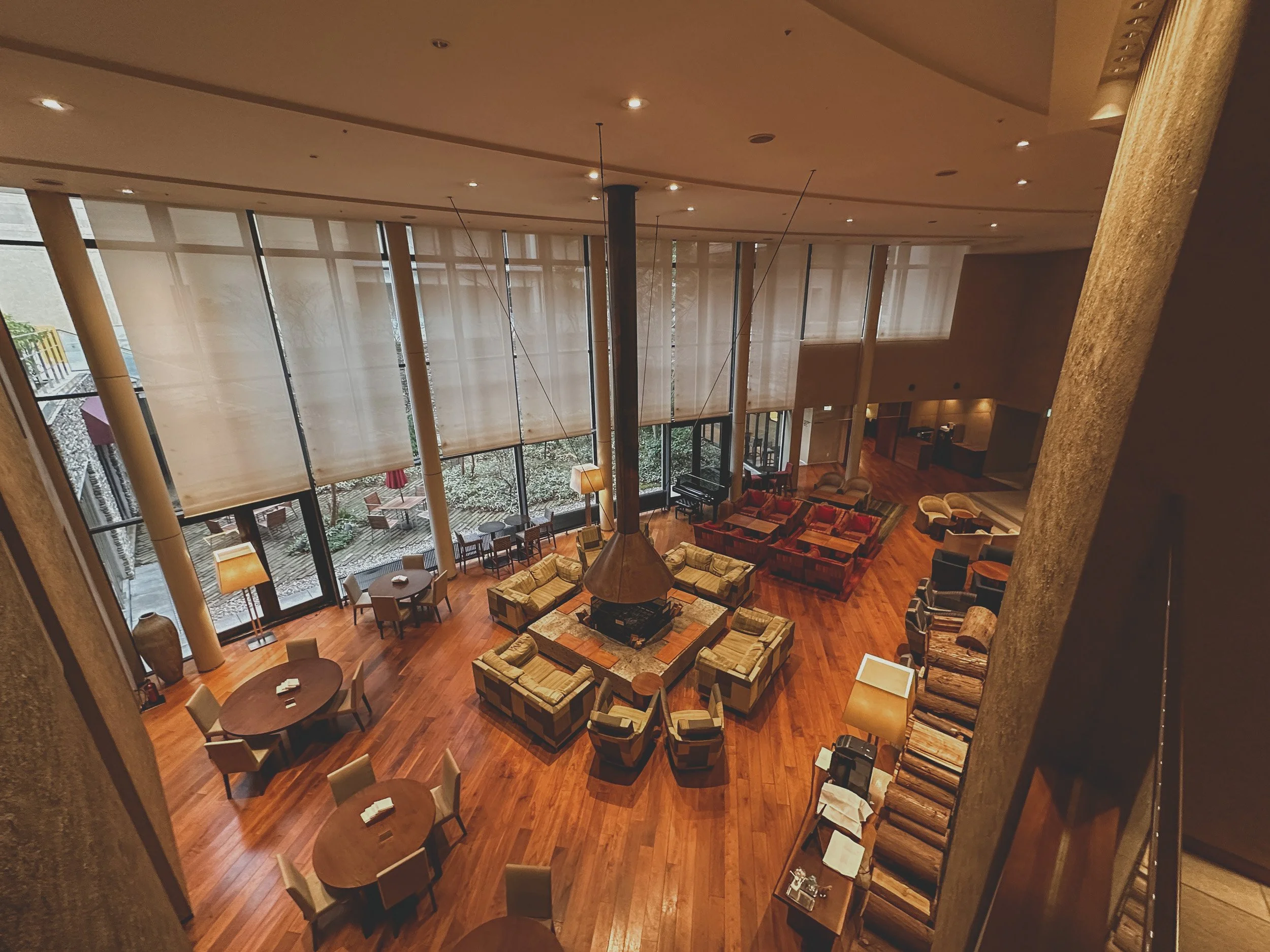
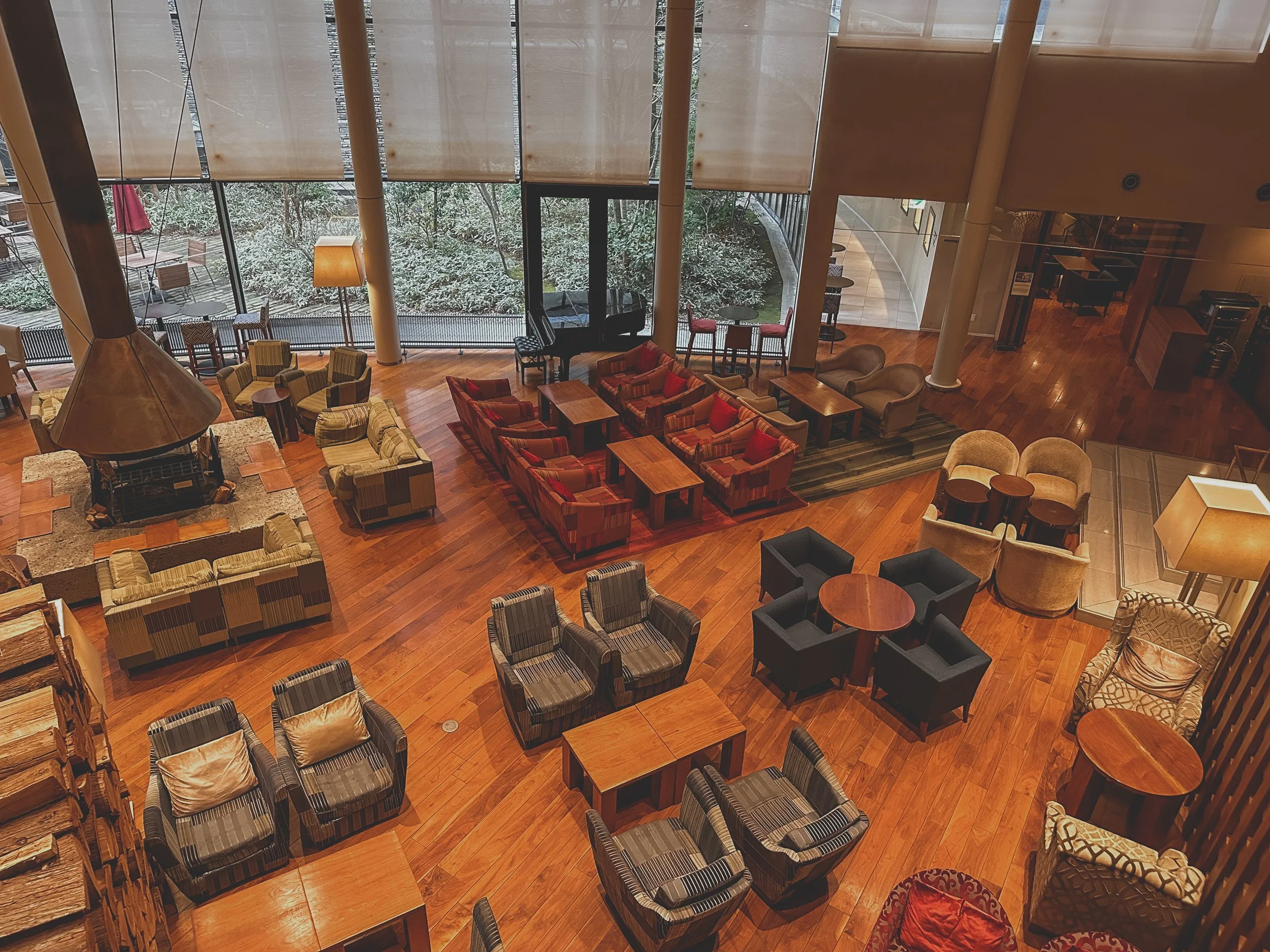
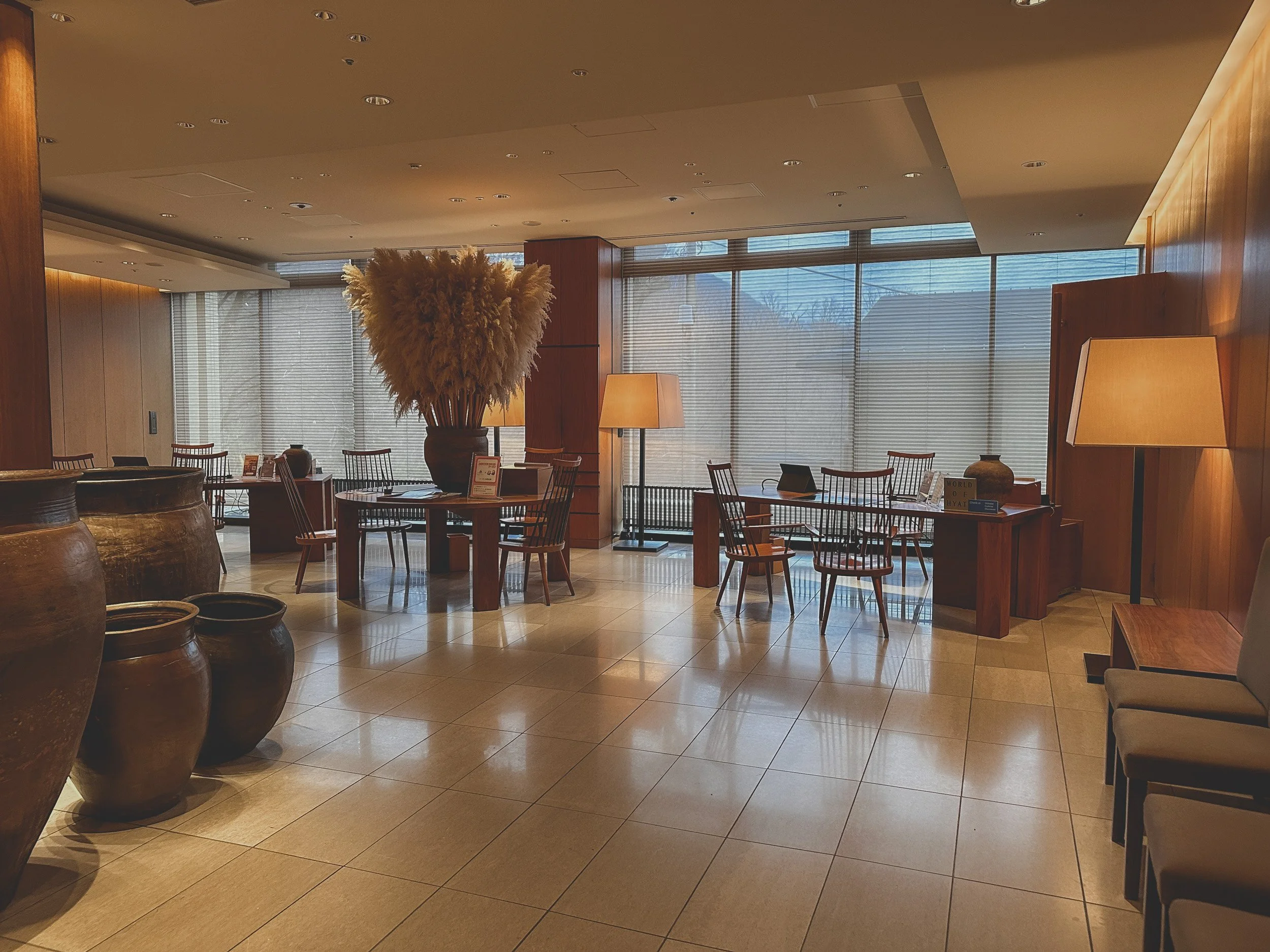
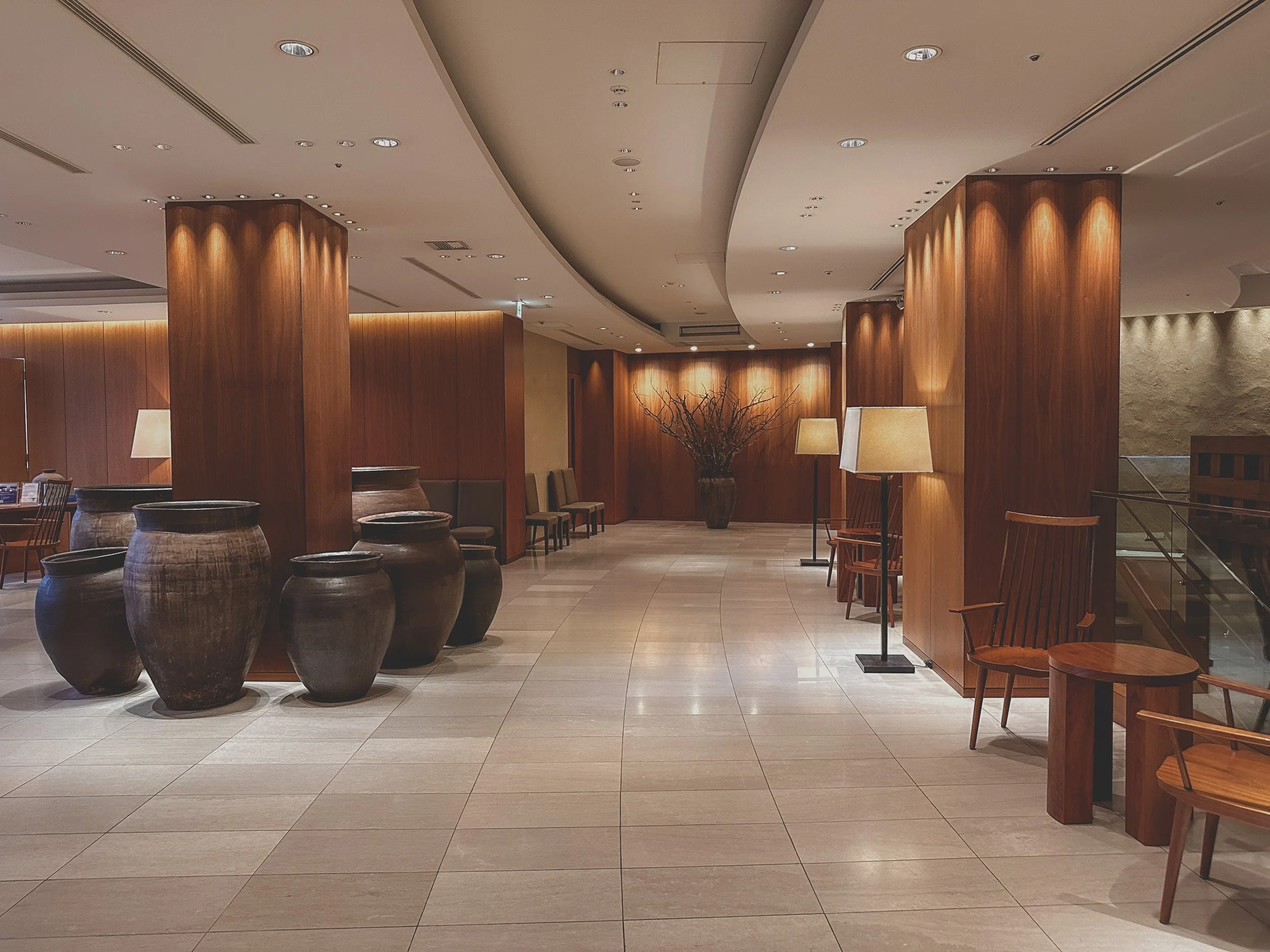
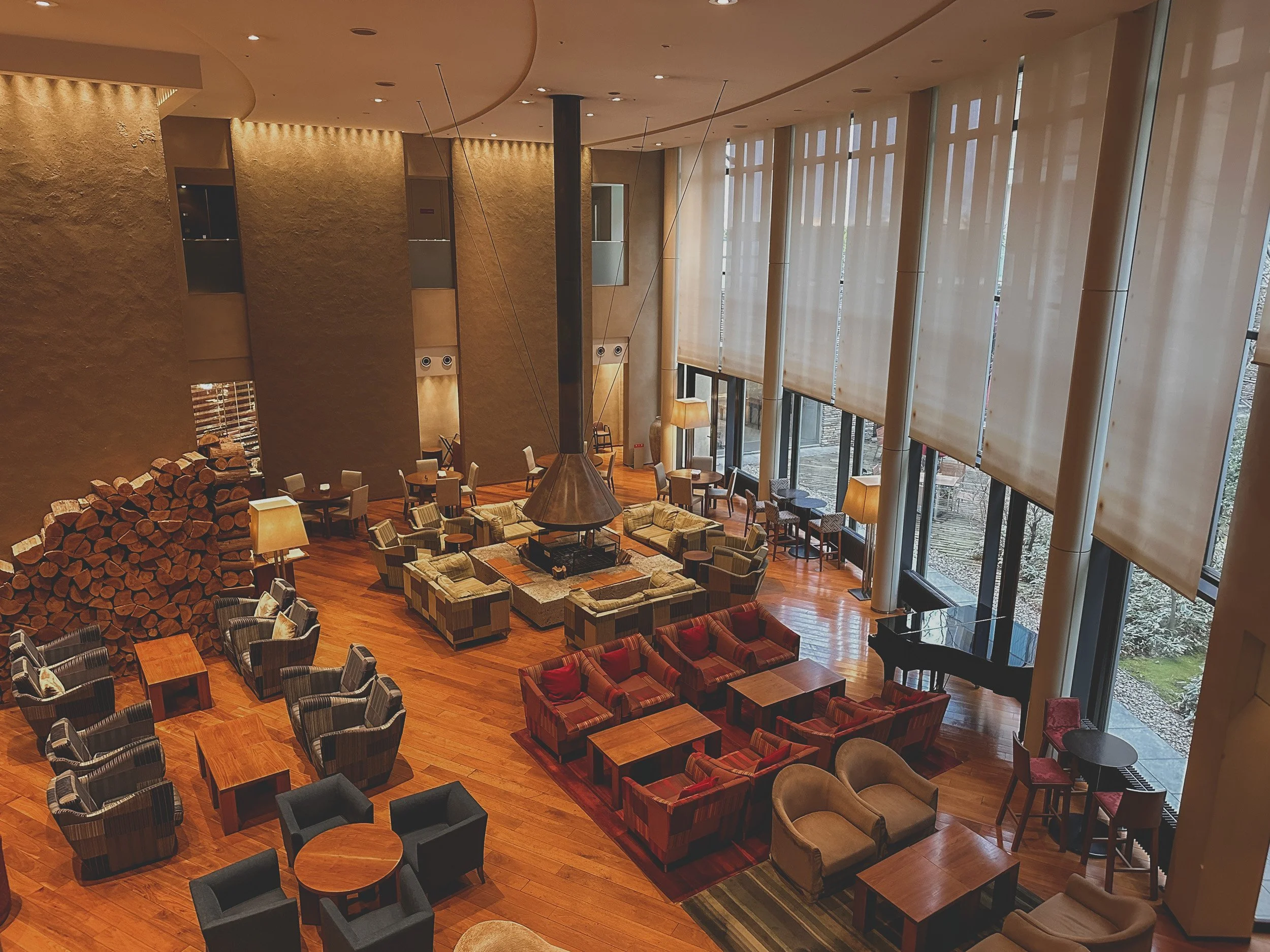
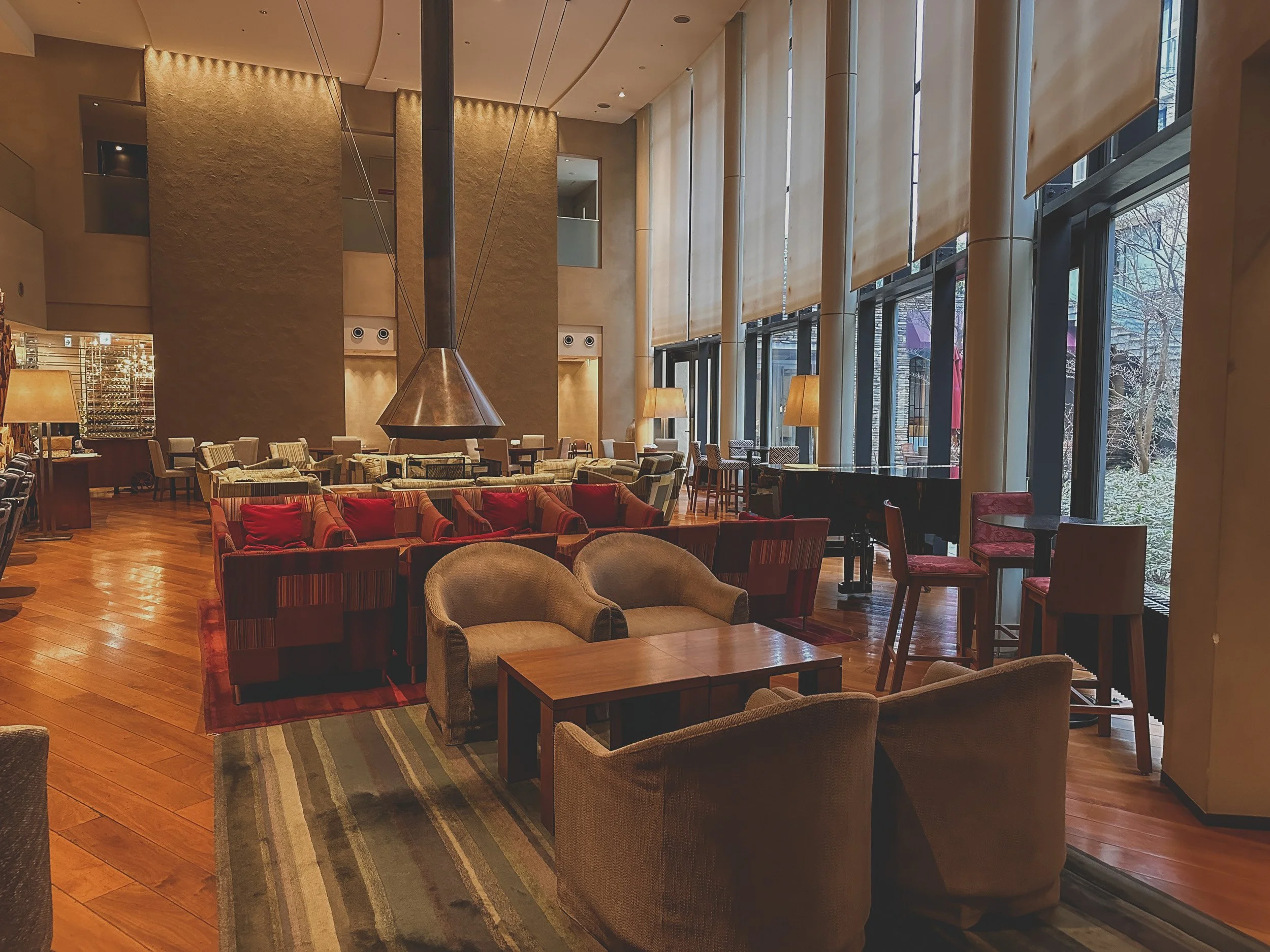
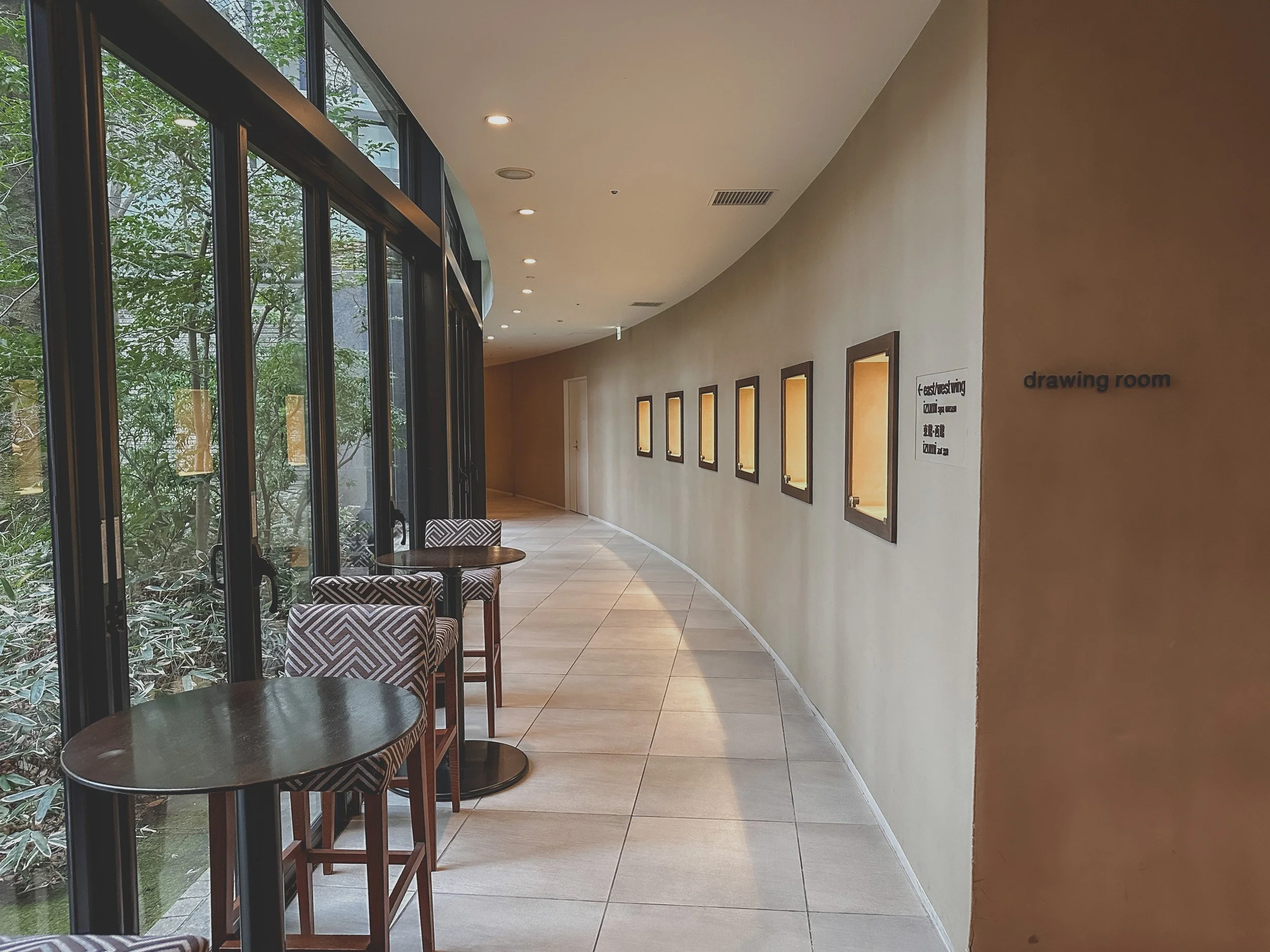
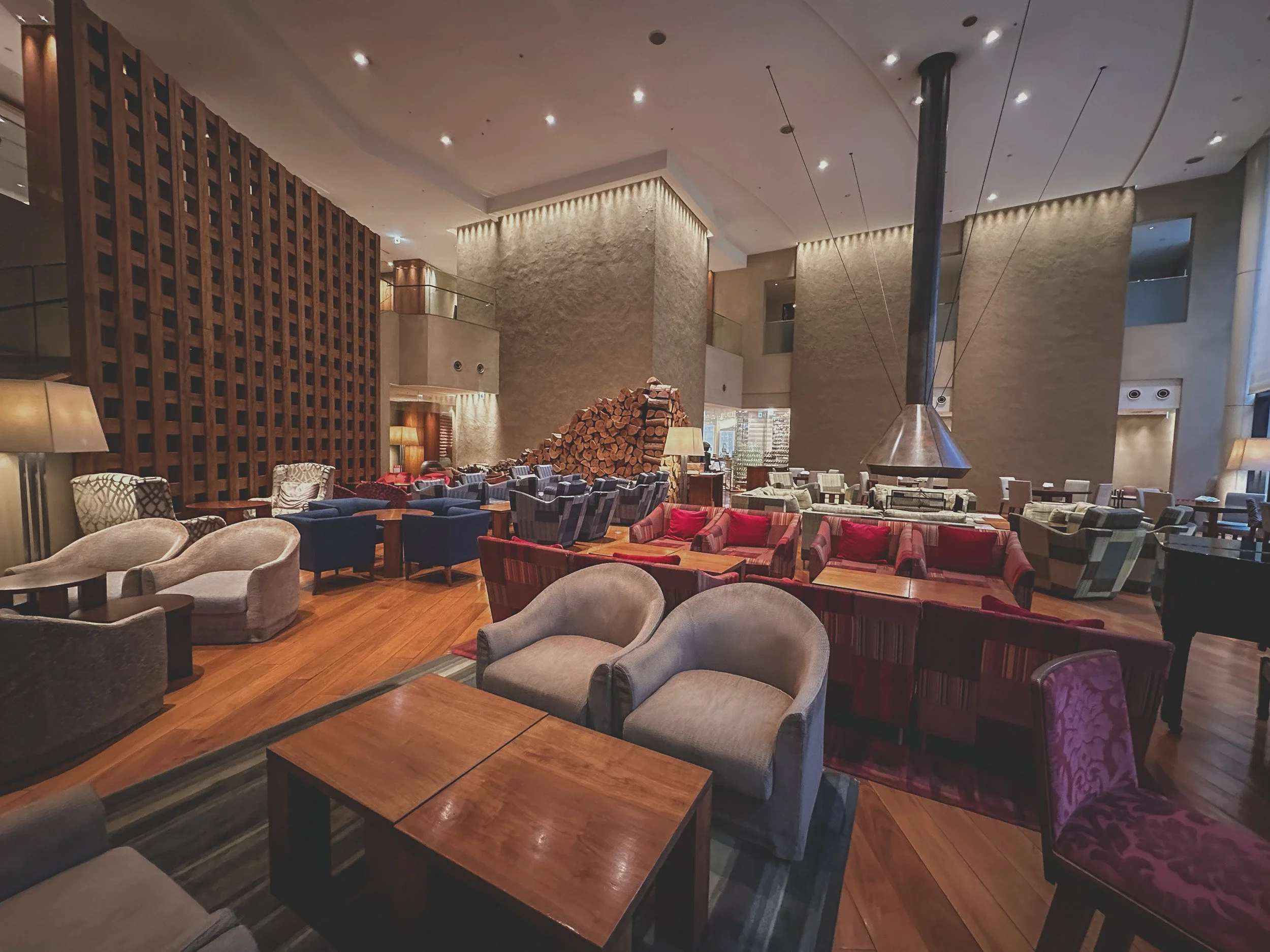
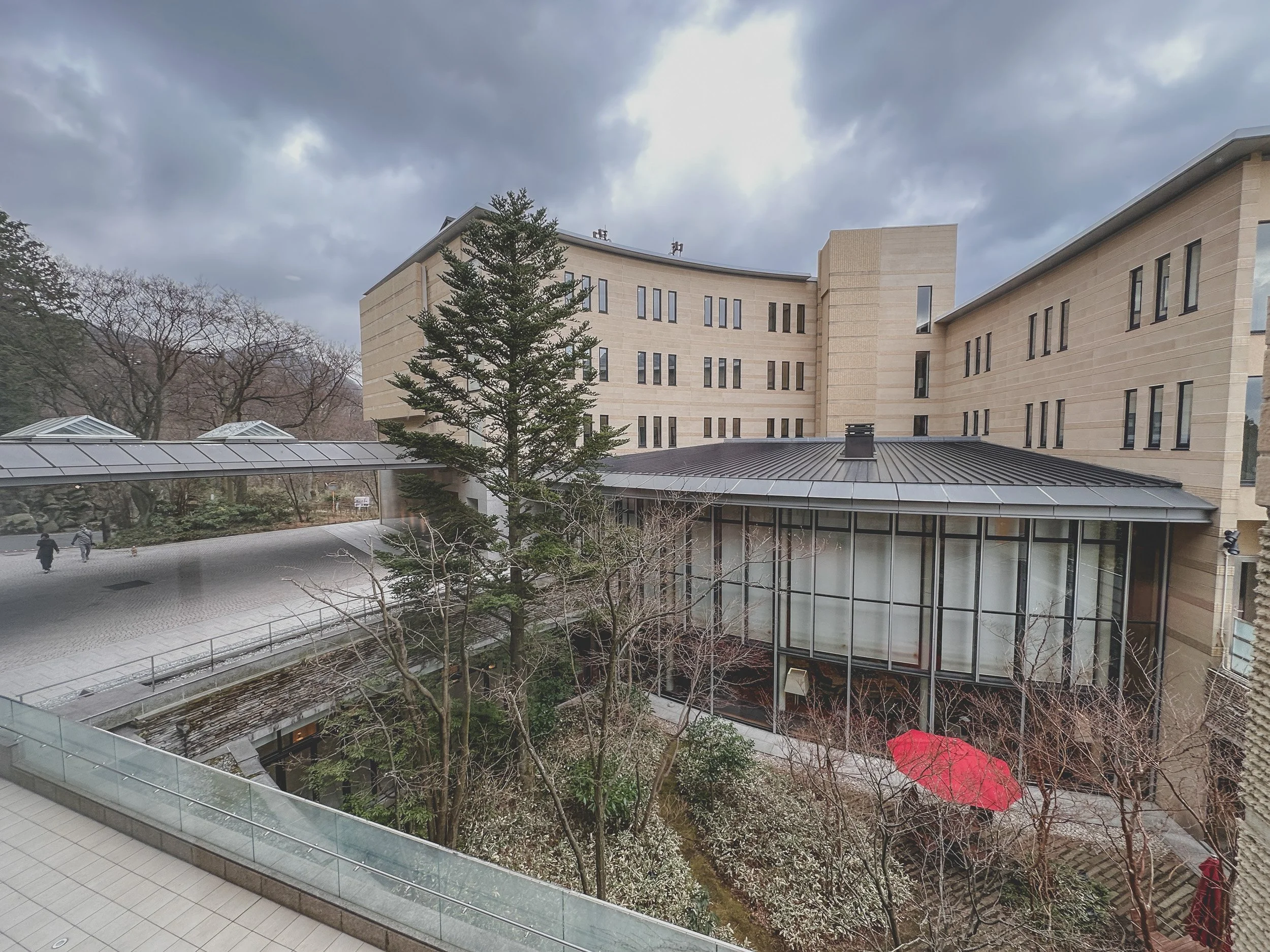
The Hyatt Regency Hakone Resort and Spa stands as a sophisticated bridge between the rigid traditions of a Japanese ryokan and the seamless efficiency of a Western luxury retreat. Since its inception, it has carved out a niche as the "Living Room" of Hakone, a title it earns through its central architectural feature—a massive, sunken lounge with a roaring open fireplace that serves as the heart of the property. This is not a towering skyscraper but a low-rise, intimate sanctuary where the scent of woodsmoke and the sight of mountain mist define the atmosphere from the moment you step through the glass doors.
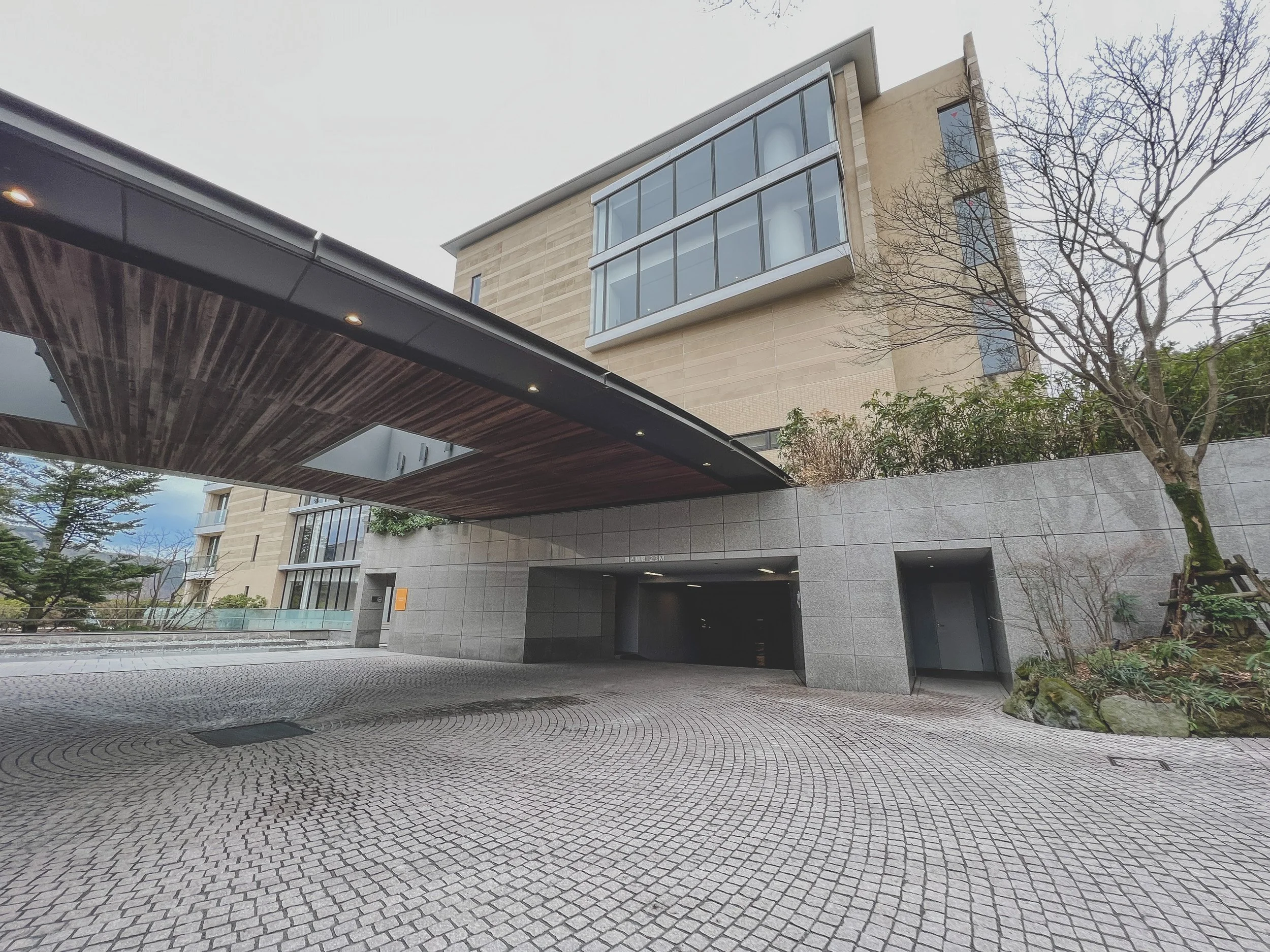
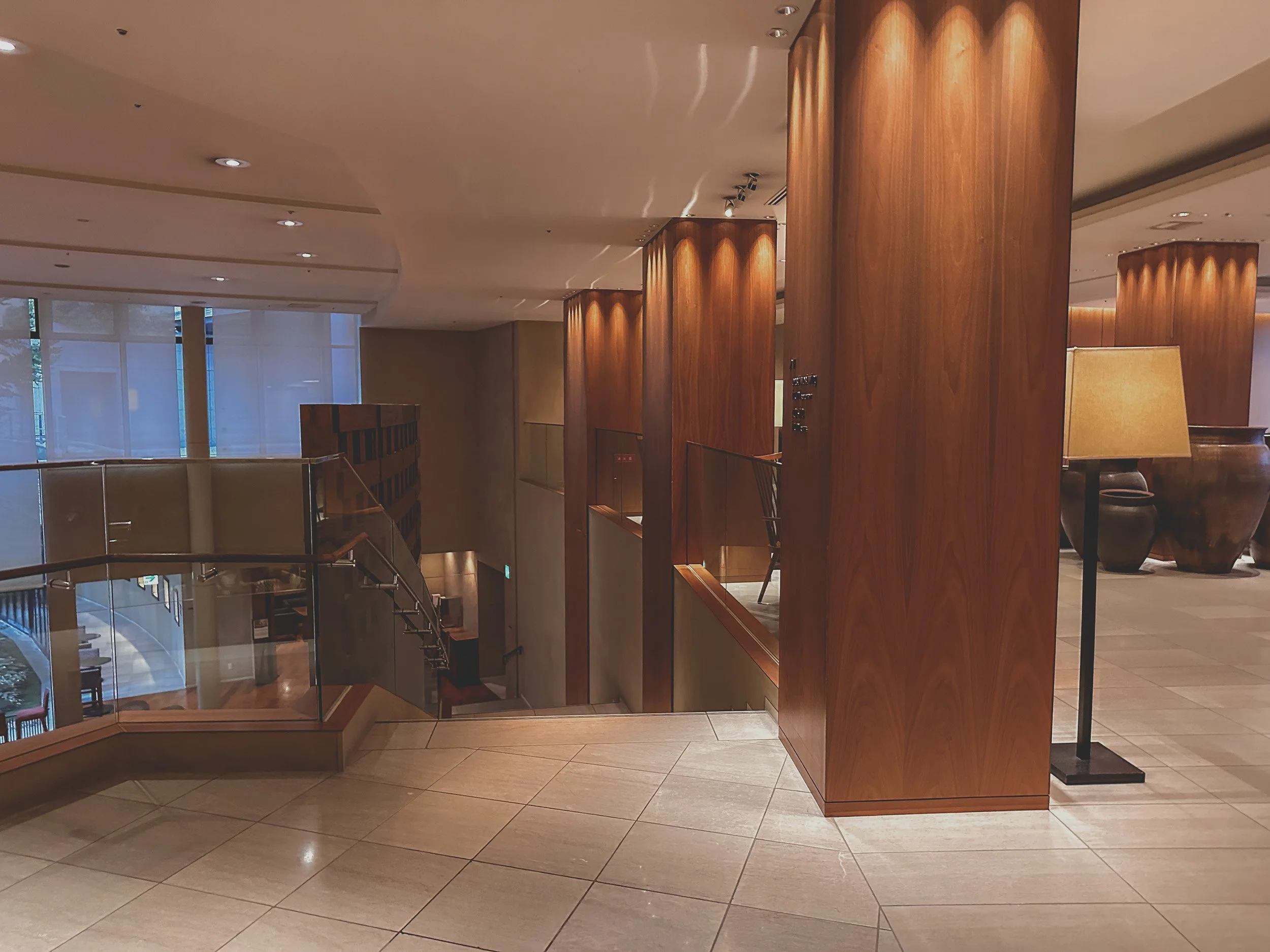
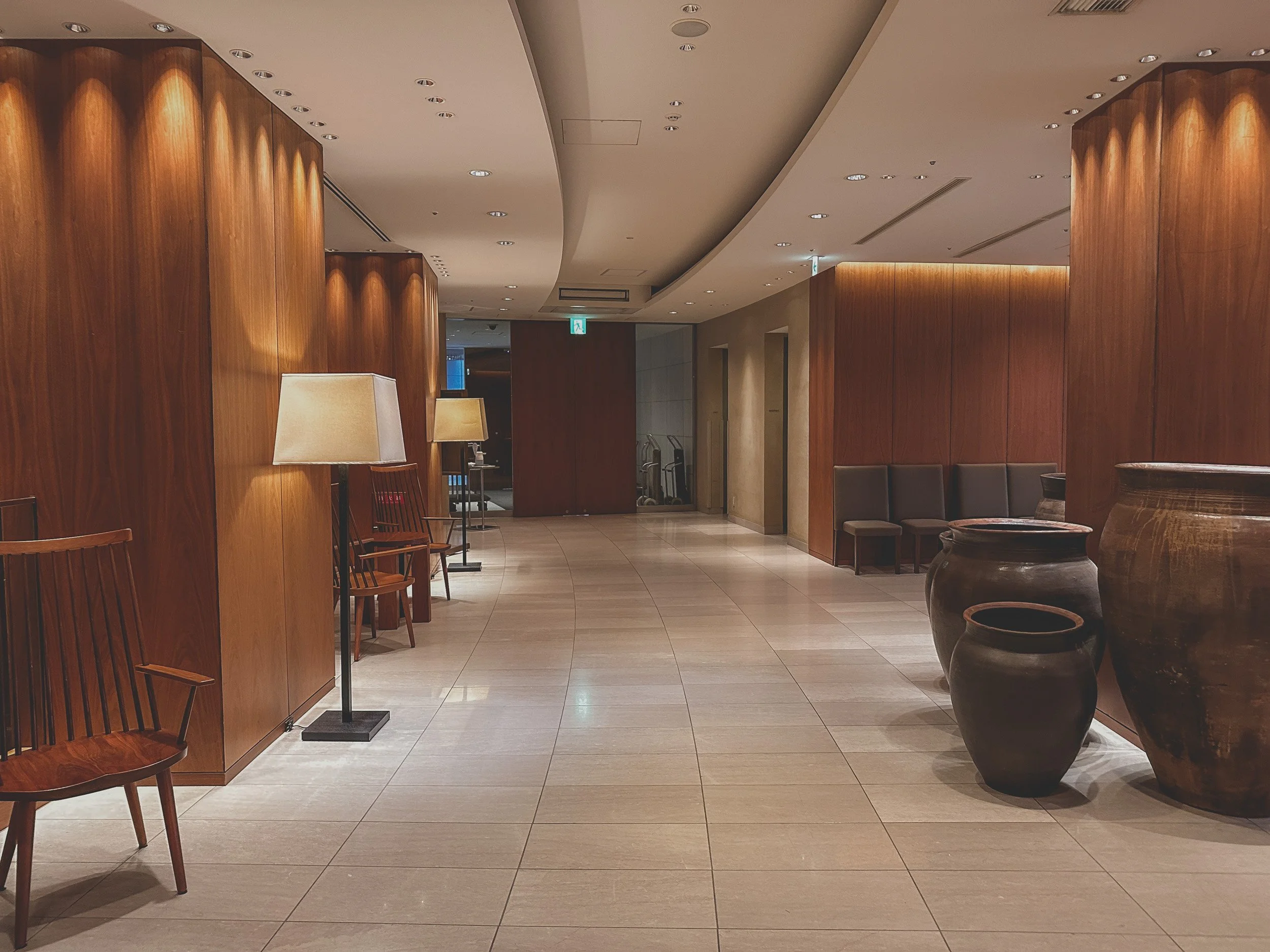
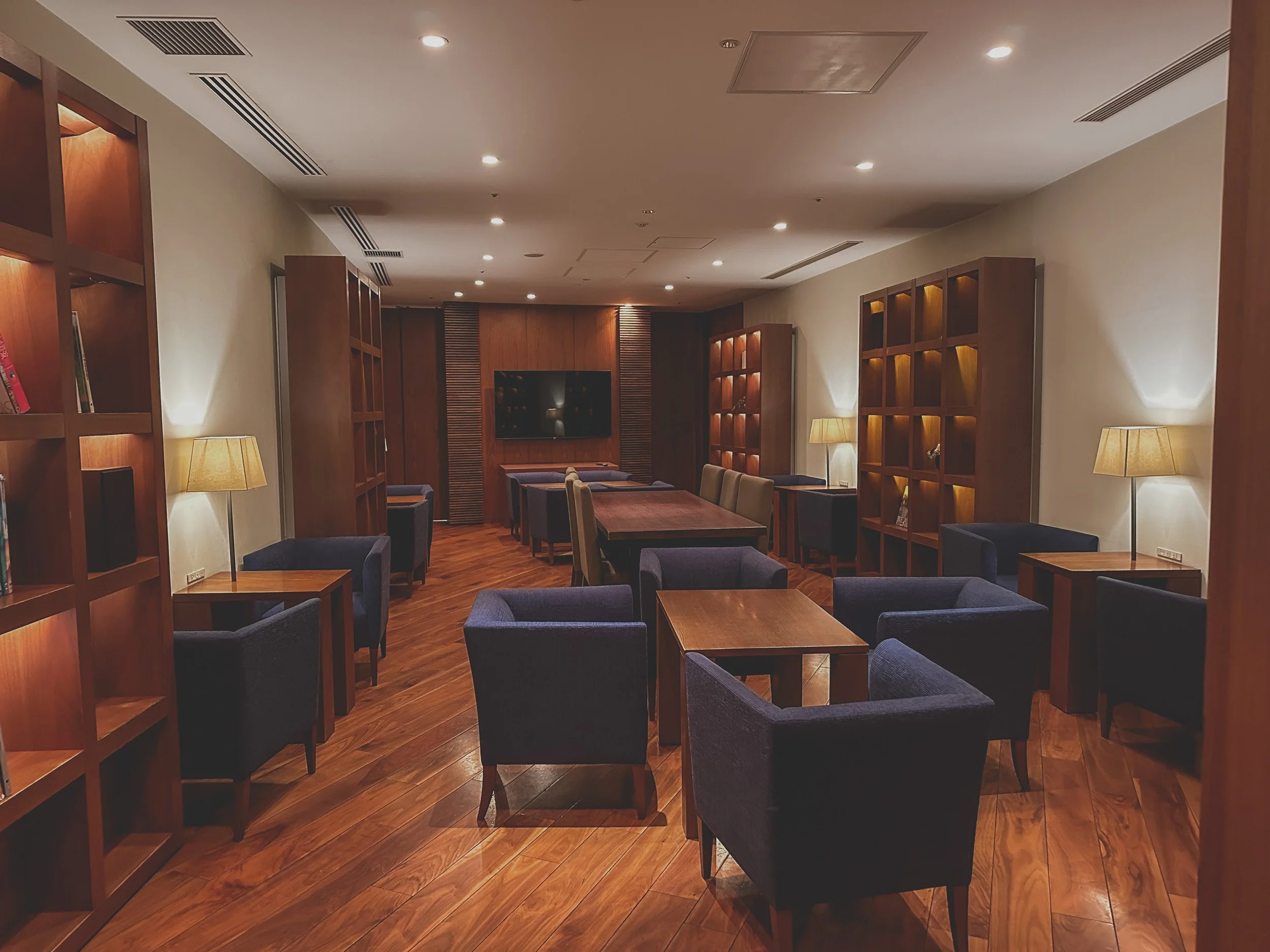
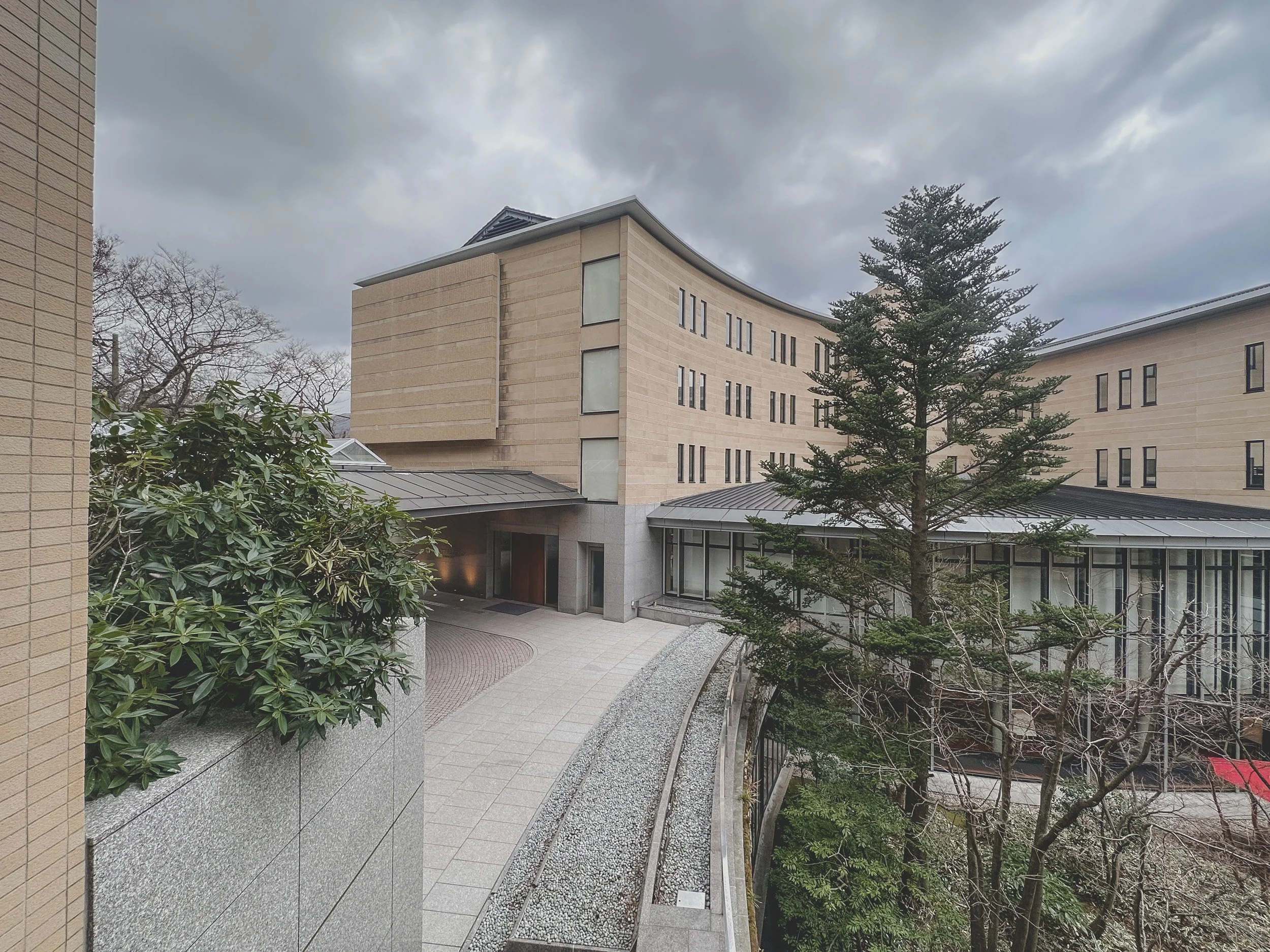
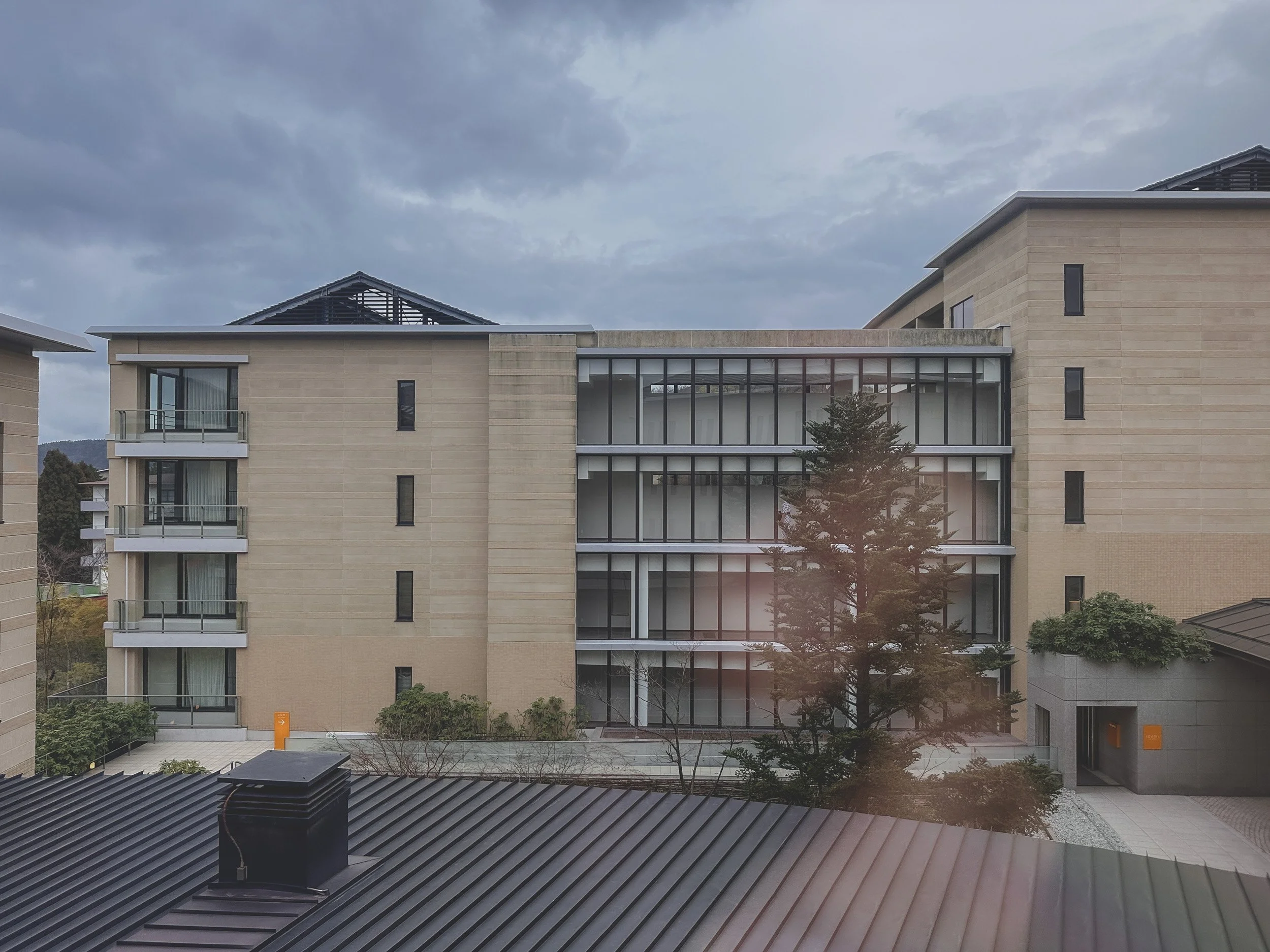
Structurally, the hotel utilizes a masterful blend of dark woods, natural stone, and expansive glass to pull the outside in. Unlike the many cramped accommodations found in urban Japan, the Hyatt Regency Hakone prioritizes physical space, offering 80 rooms that are among the largest in the region. The design philosophy leans heavily into the "Resort" part of its name; there is an immediate sense of decompression that occurs here, aided by a staff that balances the legendary omotenashi hospitality with a warm, residential approachability that avoids being overly formal.
In a region dominated by exclusive, centuries-old inns, the Hyatt Regency differentiates itself by being unapologetically inclusive. It is famously one of the few luxury dog-friendly properties in Japan, featuring specialized rooms and even a "dog shower" for four-legged guests. This commitment to a "home away from home" vibe, paired with its status as a World of Hyatt Category 7 property, makes it a choice for high-net-worth travelers who want the healing benefits of an onsen town without sacrificing the modern comforts of a global luxury brand.
The Location: Up in the Mountains
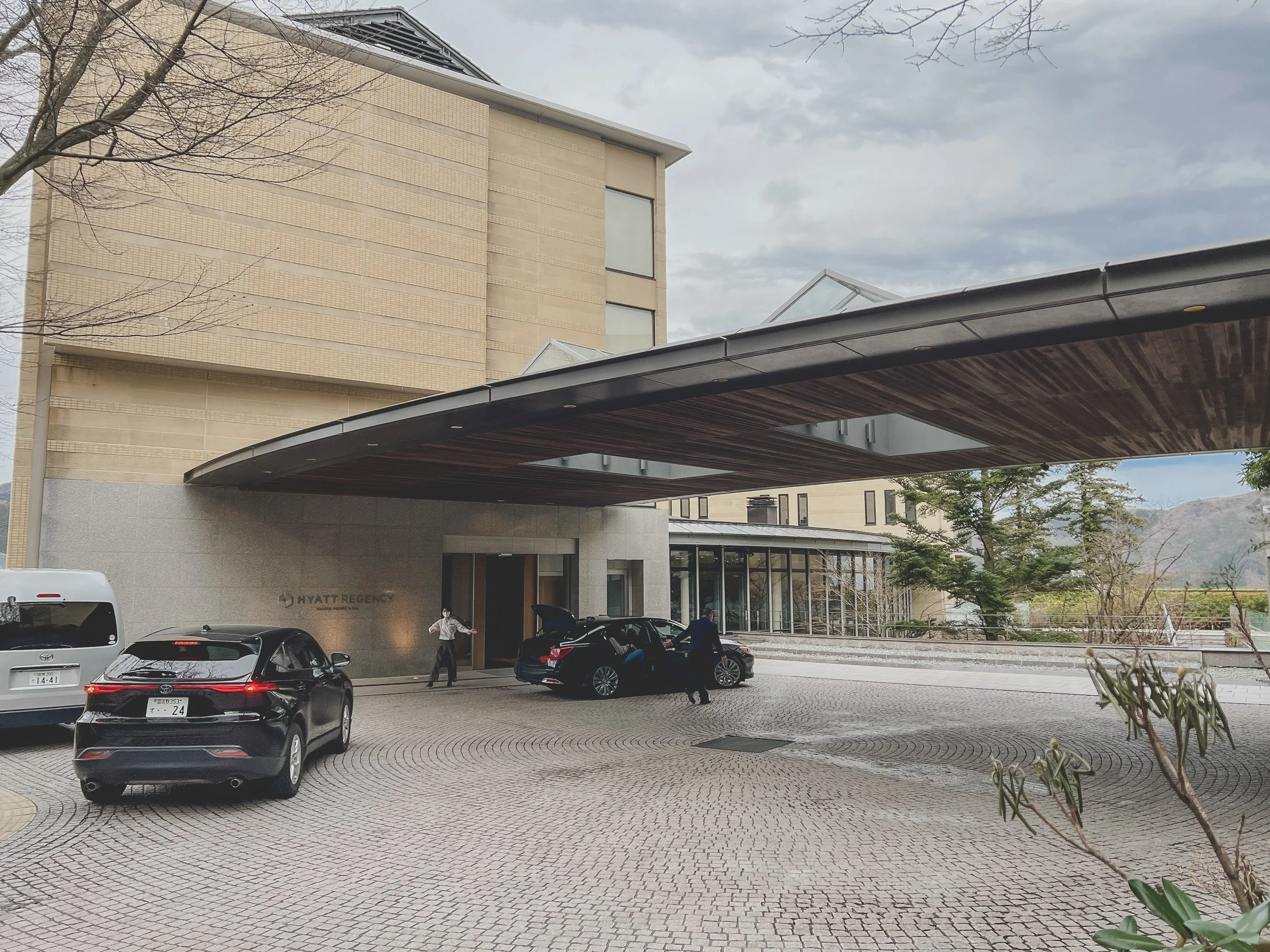
Perched in the elevated Gora district, the hotel’s location is both its greatest asset and a slight logistical puzzle for the uninitiated. It sits away from the congested tourist hubs of Hakone-Yumoto, tucked into the serene foothills of the national park. While this provides the necessary quiet for a "Resort and Spa," it does mean you are removed from the immediate hustle of the shops and street food stalls. The air here is noticeably crisper, and the surrounding foliage turns into a vibrant tapestry of maples in the autumn, providing a seasonal spectacle that urban hotels simply cannot replicate.
Public transportation in Hakone is famously charming but can be incredibly cumbersome with heavy luggage. The hotel is technically near the Kami-Gora station on the Hakone Tozan Cable Car, but the steep terrain makes walking with bags a challenge. Fortunately, the Hyatt compensates for this with a robust and frequent shuttle service to and from Gora Station. This shuttle is the lifeline for guests, connecting you to the Hakone Tozan Railway and the start of the "Hakone Loop," making it surprisingly easy to reach landmarks like the Hakone Open-Air Museum or the Pola Museum of Art without ever needing a rental car.
For those looking to explore the natural landmarks of the region, the hotel is perfectly positioned as a base camp. You are a short distance from the volcanic valley of Owakudani—the source of the hotel’s sulfuric onsen water—and a scenic drive from the shores of Lake Ashi. While you won't find a convenience store right next door (a common occurrence in this rural area), the seclusion is the point. You aren't just in Hakone; you are immersed in its topography, situated high enough to feel like you are looking down on the world rather than moving through it.
The Competitive Landscape: Hyatt vs. The Field
From a value perspective, the Hyatt Regency Hakone is a fascinating case study in the World of Hyatt ecosystem. As a Category 7 property, award nights typically fluctuate between 25,000 and 35,000 points per night. Given that cash rates frequently soar above $500 to $700 USD during peak seasons like Sakura or the autumn colors, the redemption value often exceeds 2 cents per point. This makes it a great redemption spot for those holding a surplus of points, especially considering that standard award bookings here often land you in rooms far larger than the entry-level options at competing Tokyo properties. However, the justification as a Category 7 is slightly interesting, given its competition around the area.
When comparing cash rates, the Hyatt occupies a middle ground that is quite lucrative. It is significantly more expensive than the standard business hotels or aging ryokans in the area, yet it remains more accessible than ultra-luxury boutiques like Gora Kadan or the nearby Hoshino Resorts. For the price of a standard room at the Hyatt, you are getting a level of consistency, English-speaking service, and modern infrastructure that many independent ryokans struggle to provide. However, if cash rates hit the $800+ mark, one must weigh whether the "Regency" branding still holds its weight against more bespoke, high-end competitors.
The true competitive edge lies in the World of Hyatt elite benefits. For Globalists, the value proposition is unmatched in the region. Between the waived resort fees on award stays, the substantial breakfast benefit, and the evening "Happy Hour" in the Living Room (which features complimentary champagne and snacks), the "extra" costs that usually plague a resort stay are virtually eliminated. If you are paying cash and don't hold status, the hotel is a solid luxury choice; if you are using points and hold Globalist status, it is arguably the best value-for-money stay in all of Hakone.

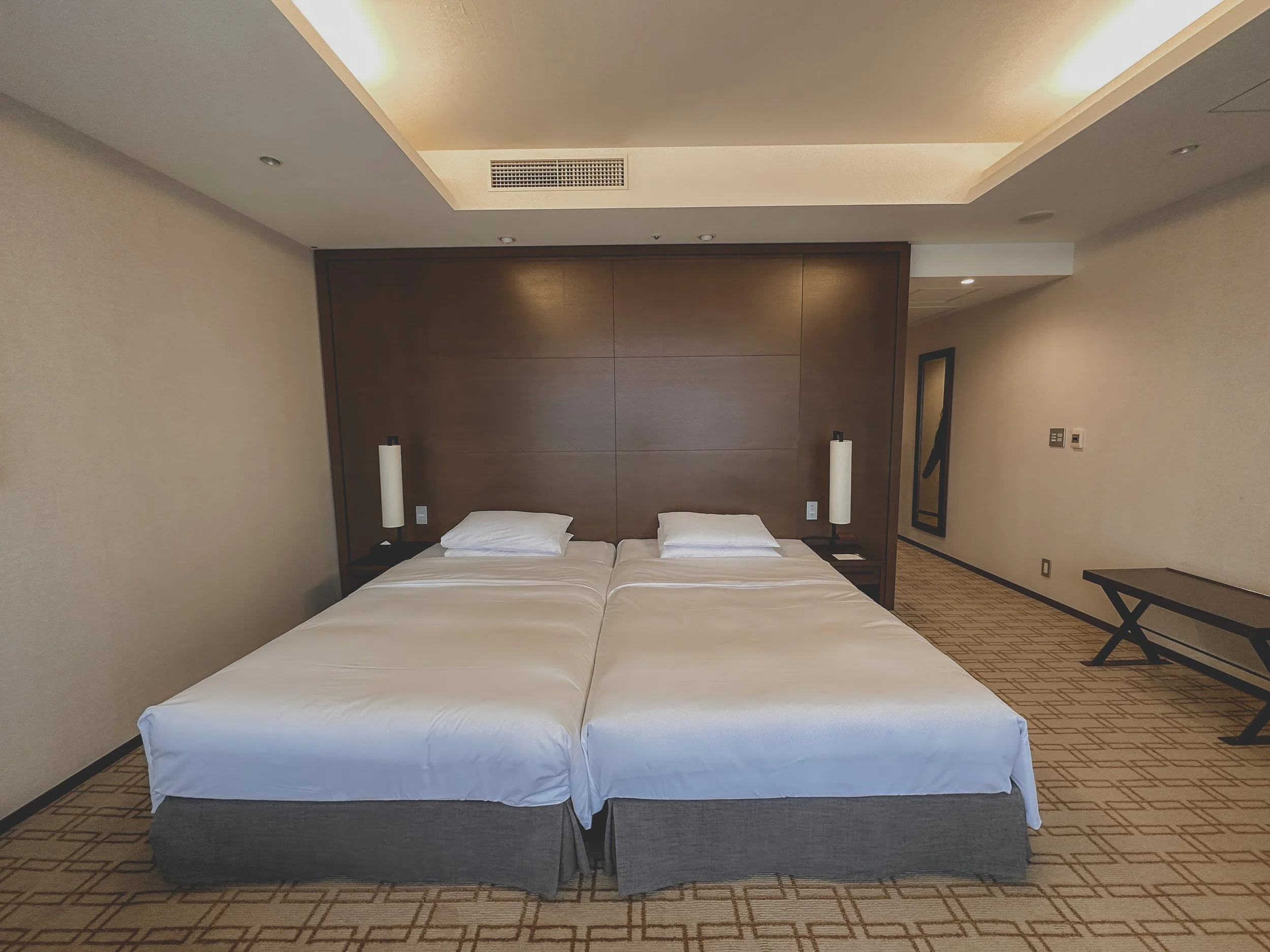
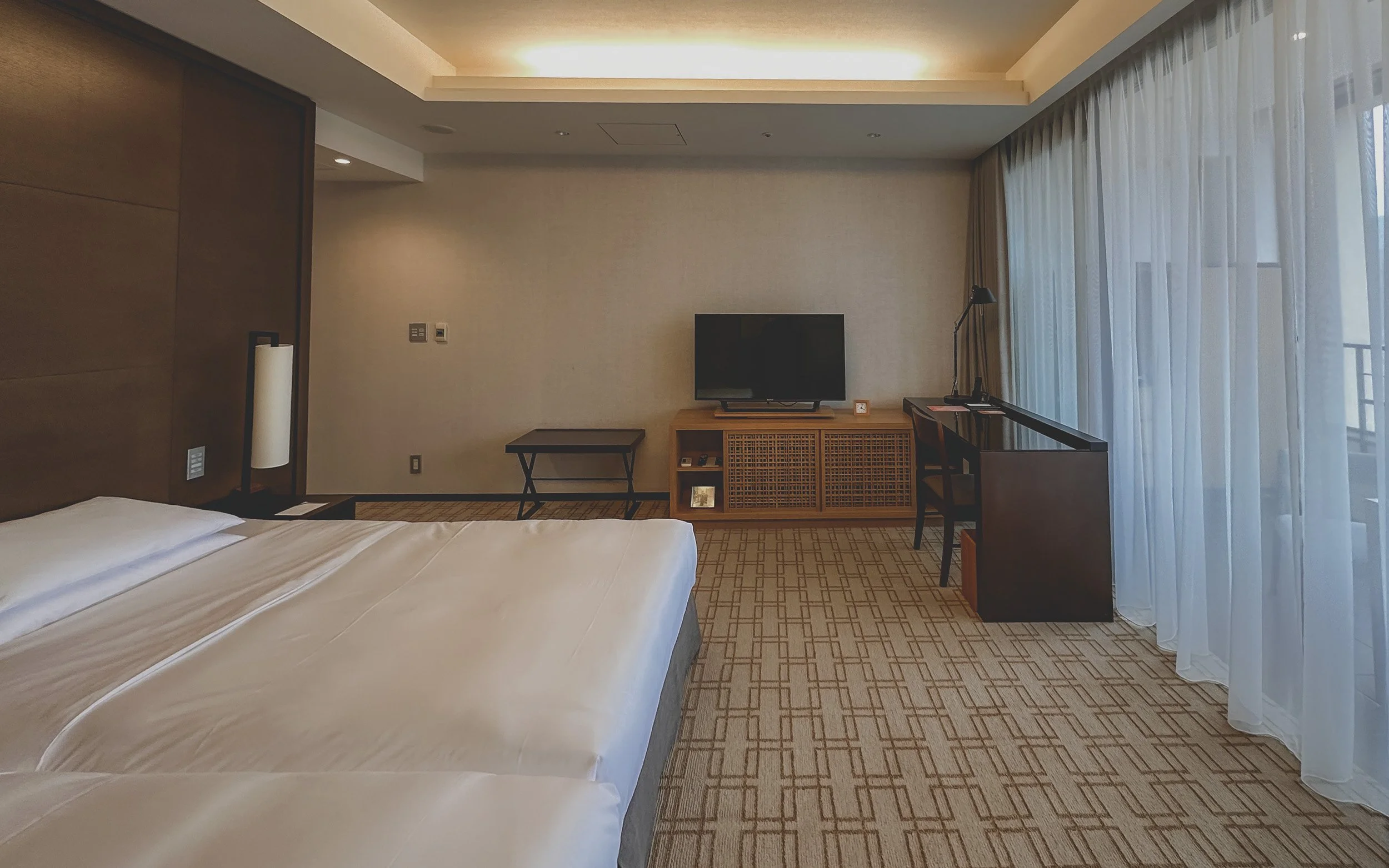
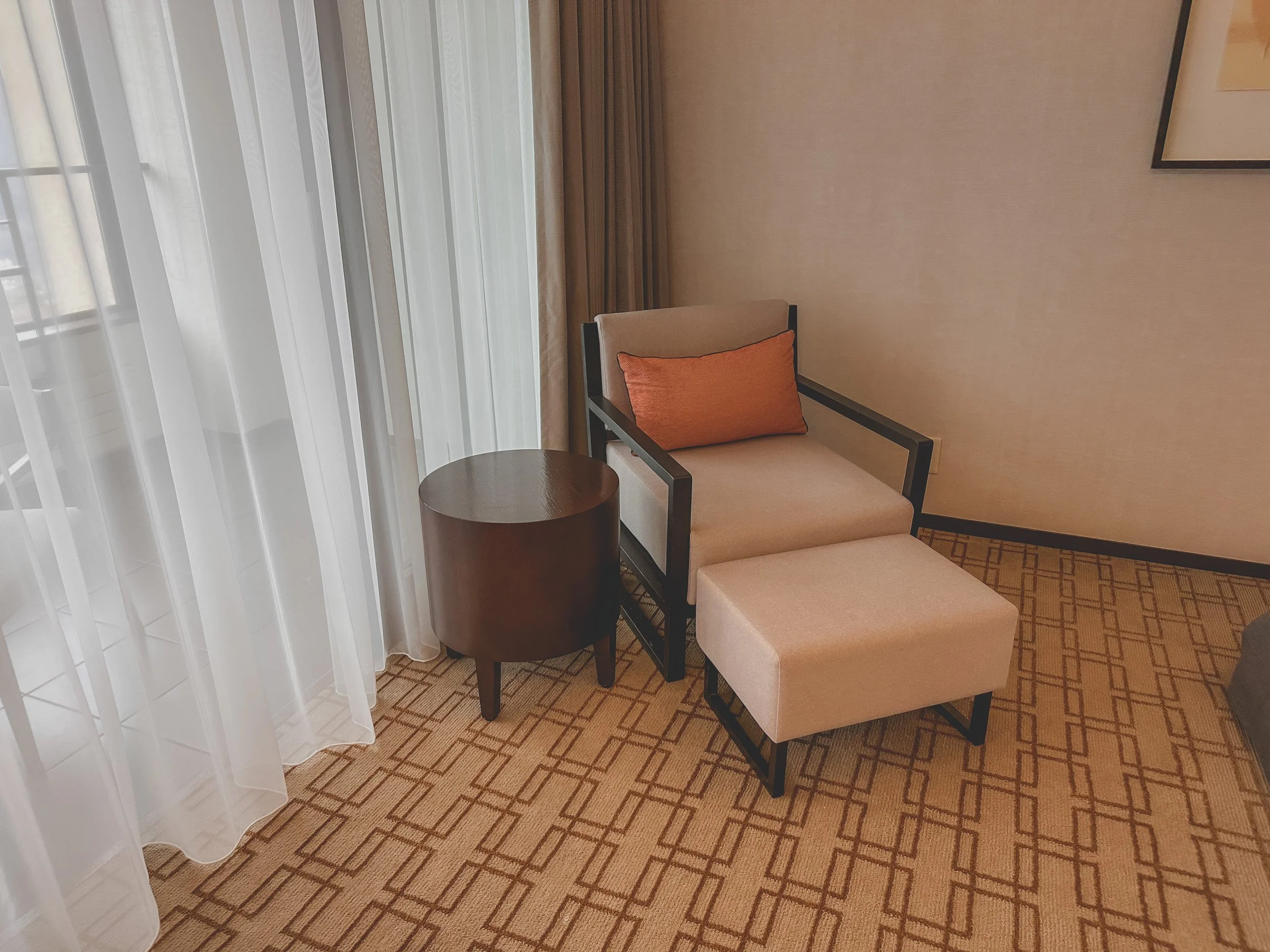
2 Twin Bed with Mountain View
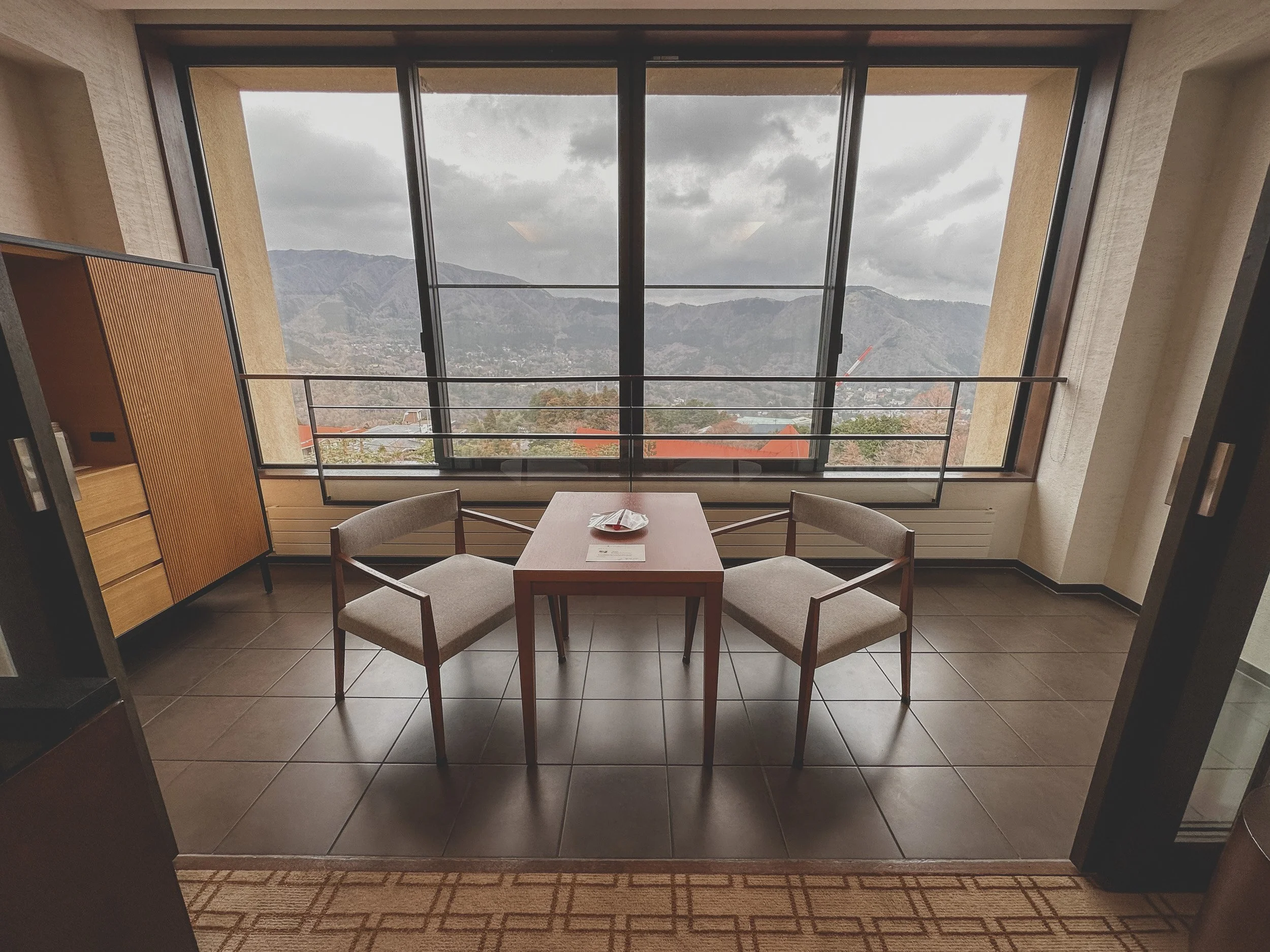
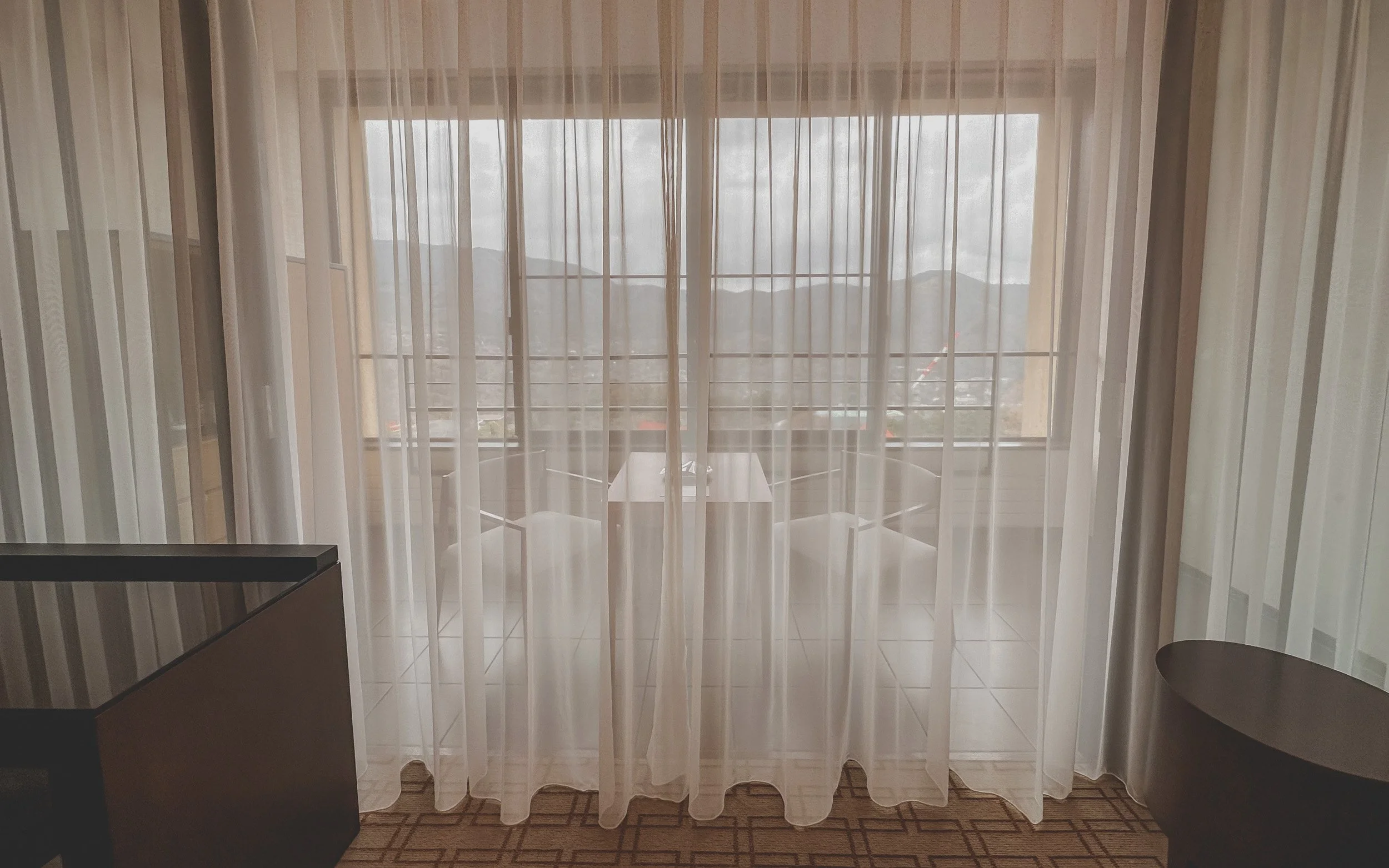
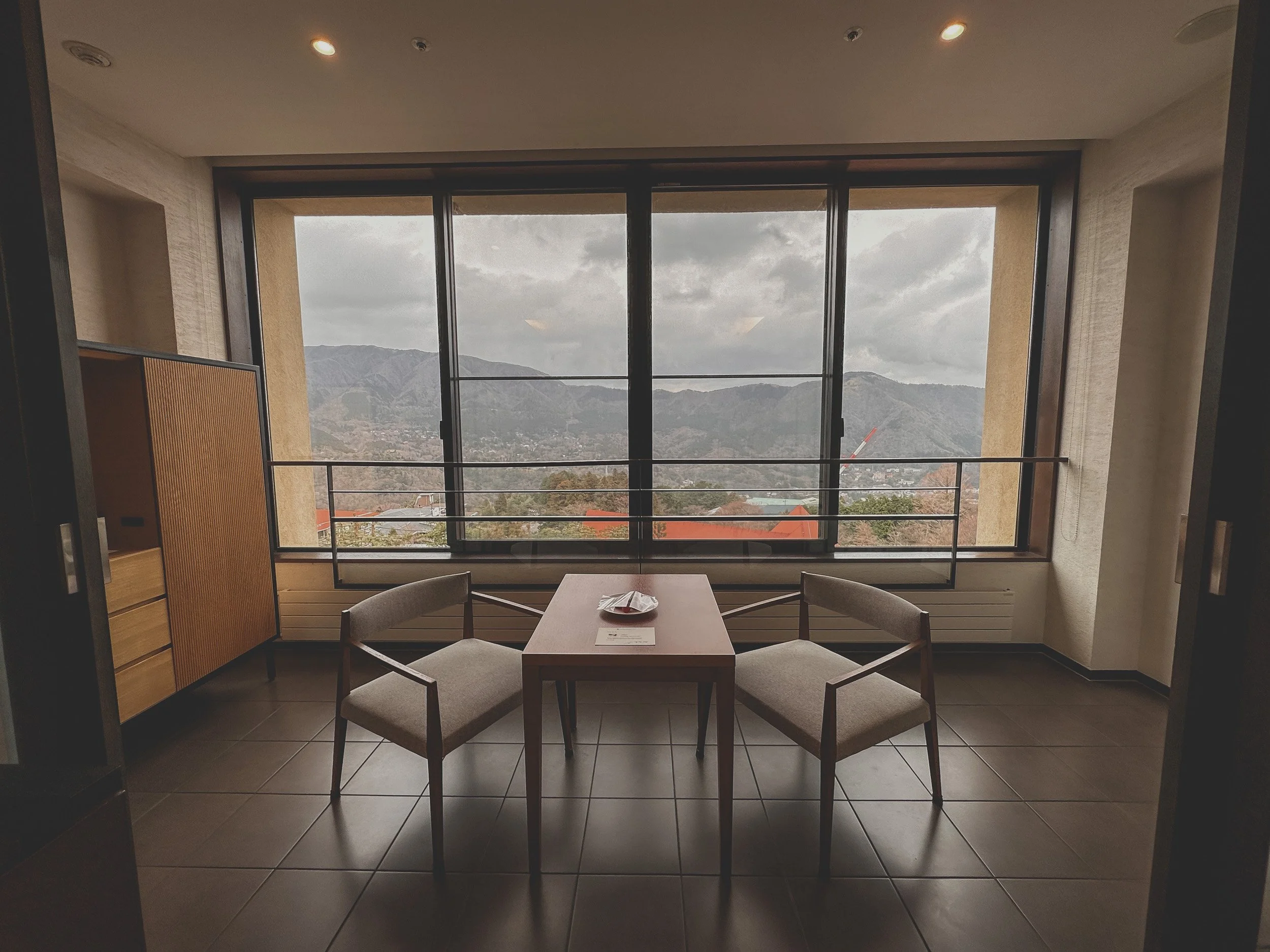
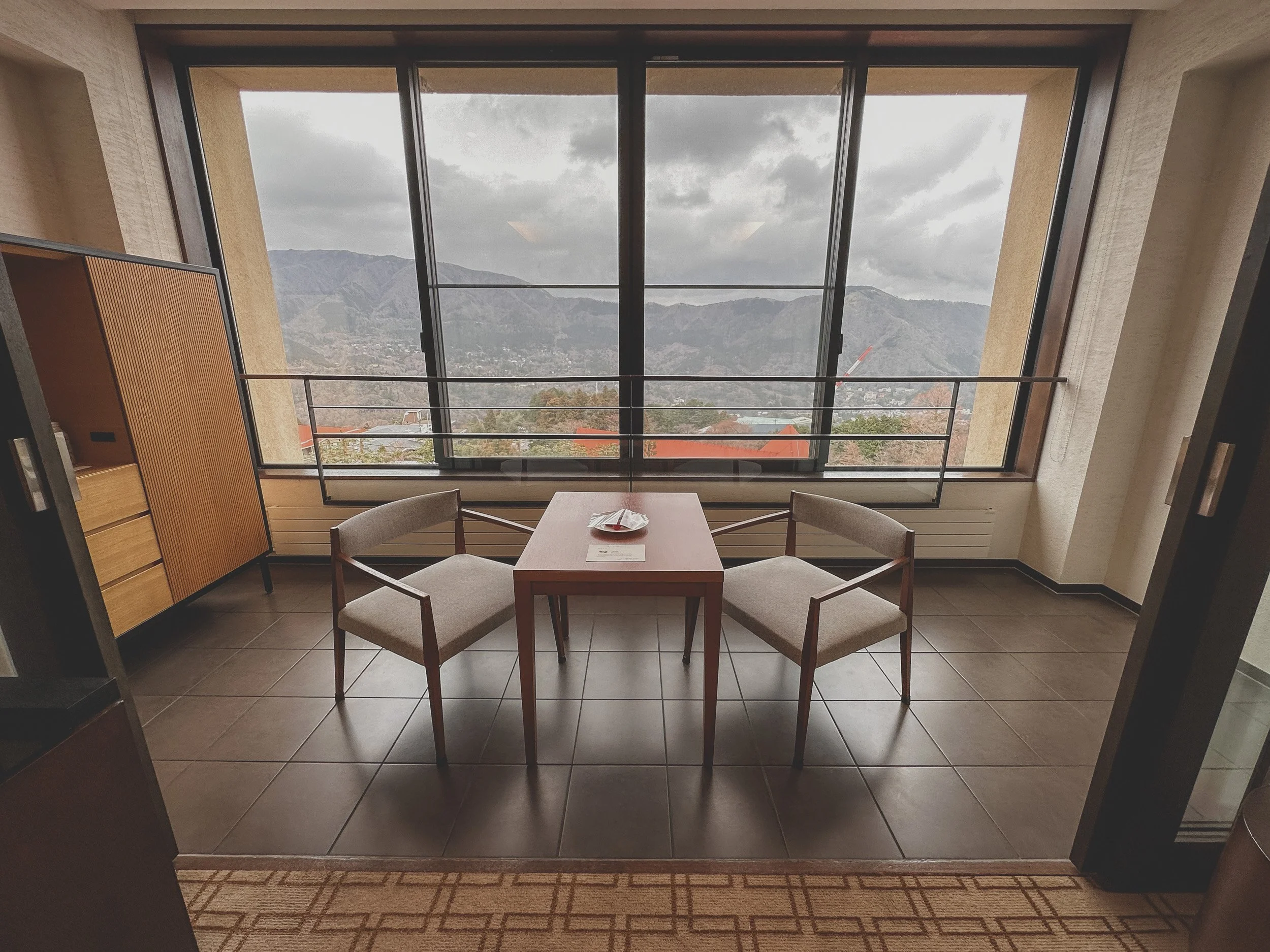
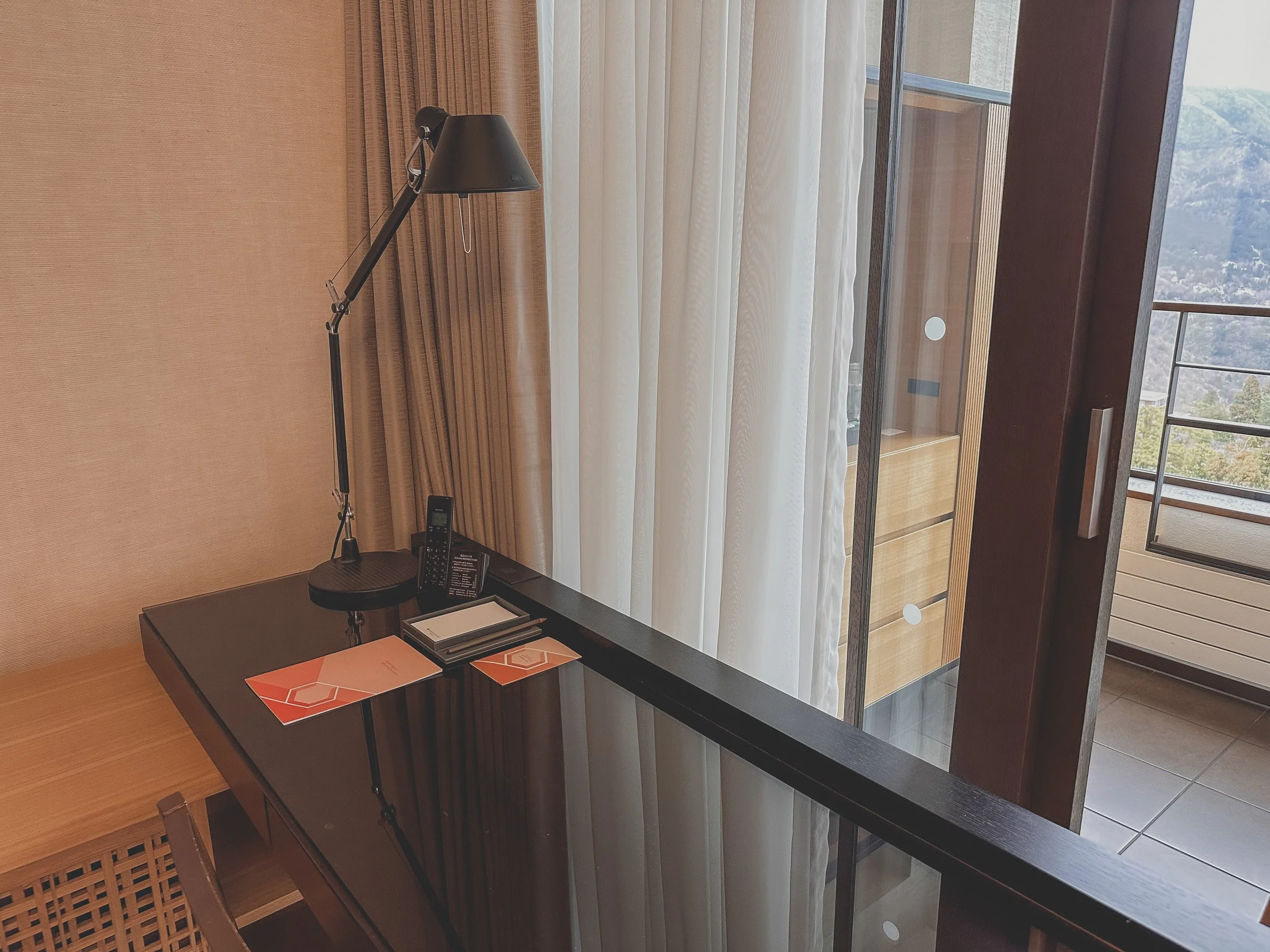
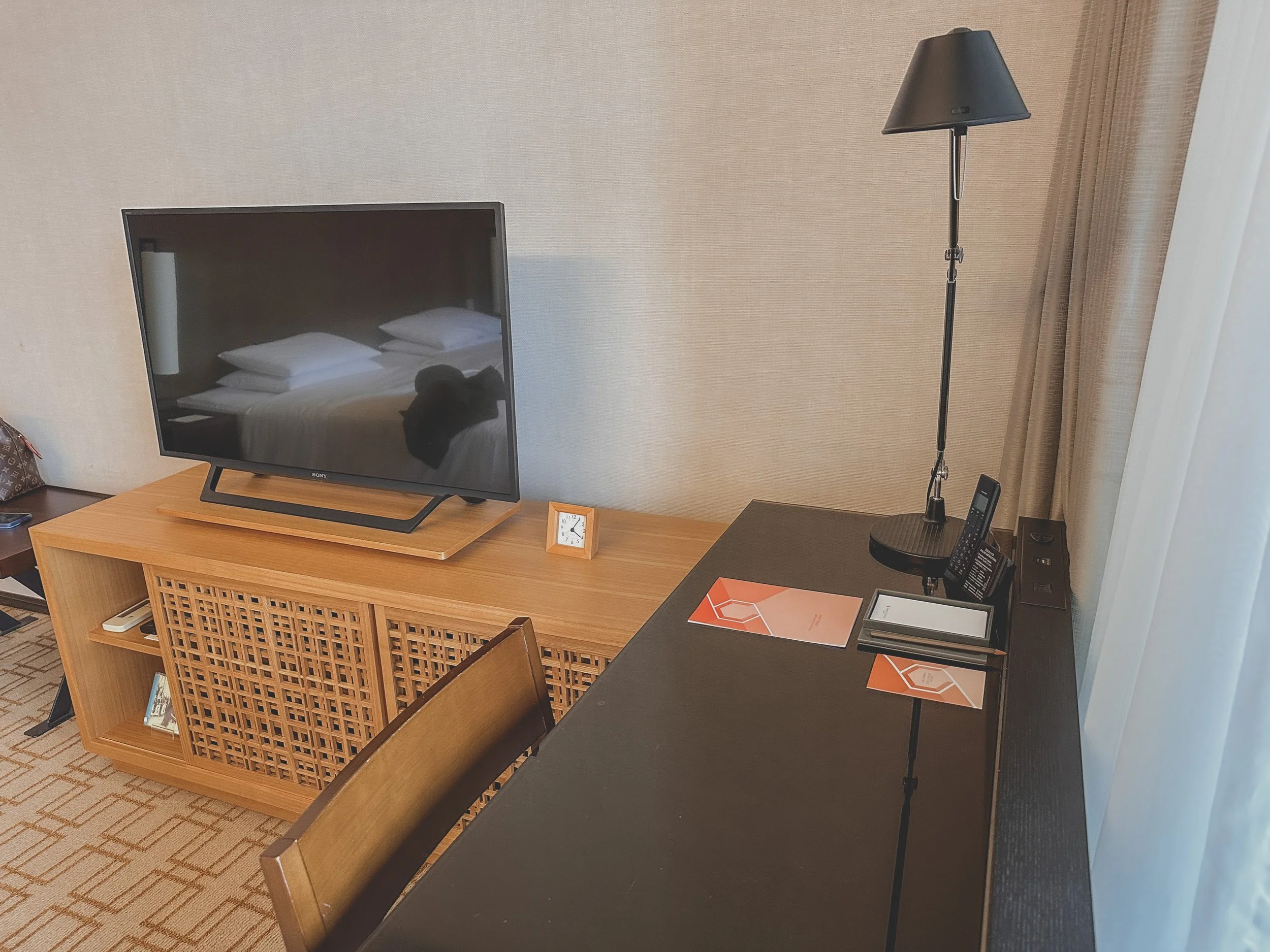
Stepping into the 2 Twin Bed with Mountain View room is an exercise in appreciating "Japanese-scale" luxury. At approximately 56 square meters (603 sq ft), the footprint is remarkably generous, offering a sense of airiness that is rare in Japan. The twin beds are not the narrow cots often found in regional hotels but are plush, oversized, and dressed in high-thread-count linens that invite immediate rest. The room is anchored by dark wood accents and soft, neutral tones, creating a grounded aesthetic that complements the greenery visible through the floor-to-ceiling windows.
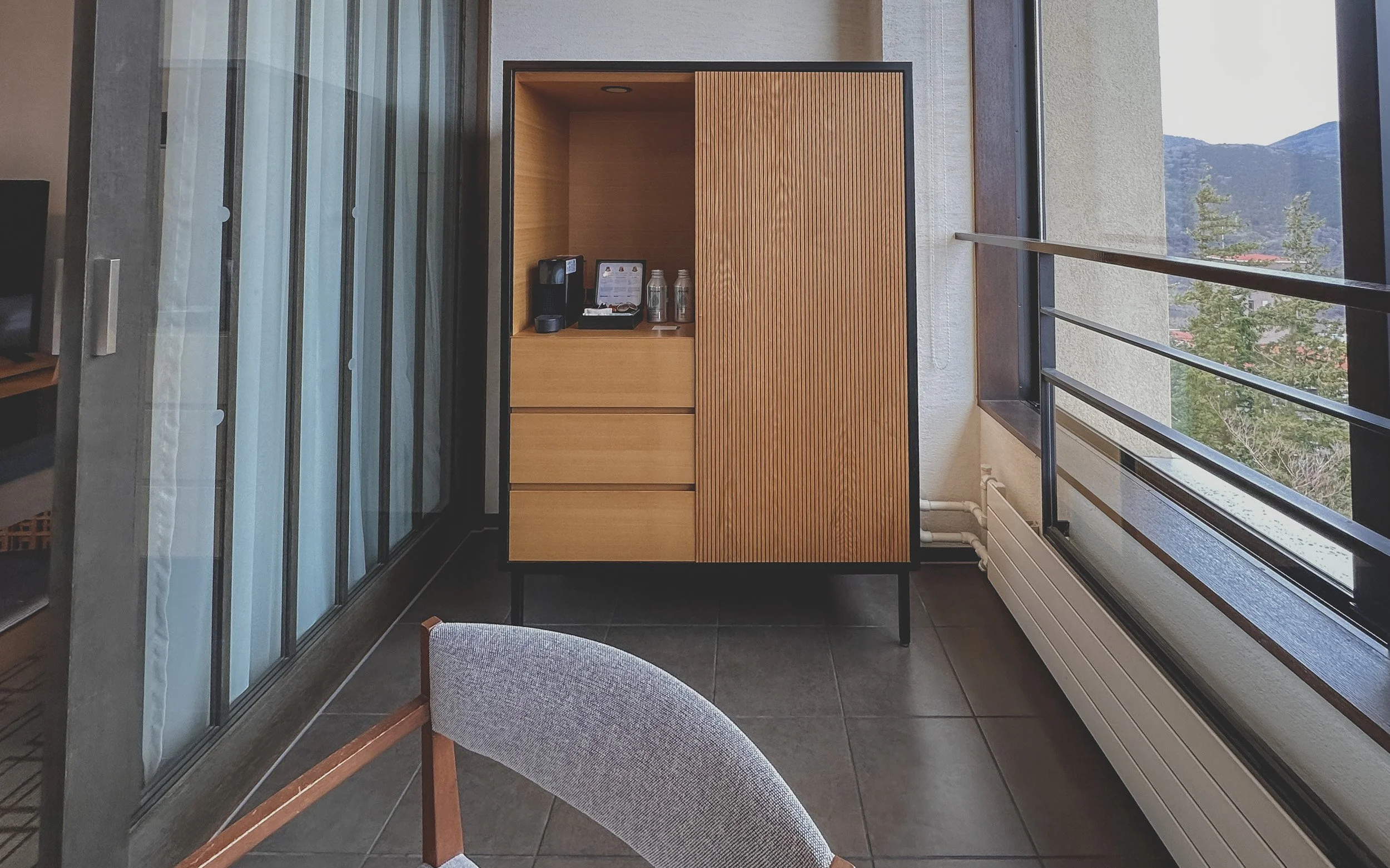
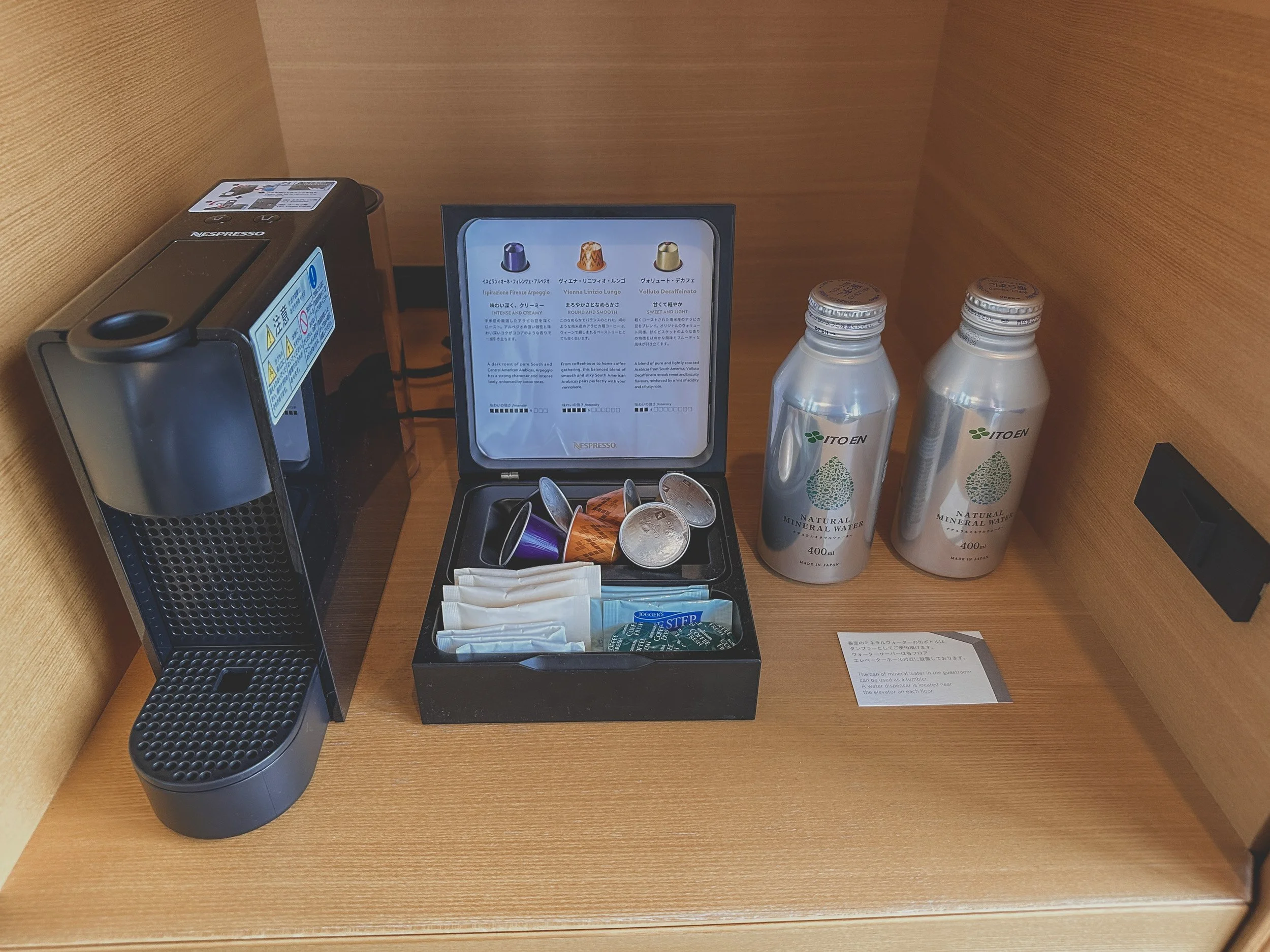
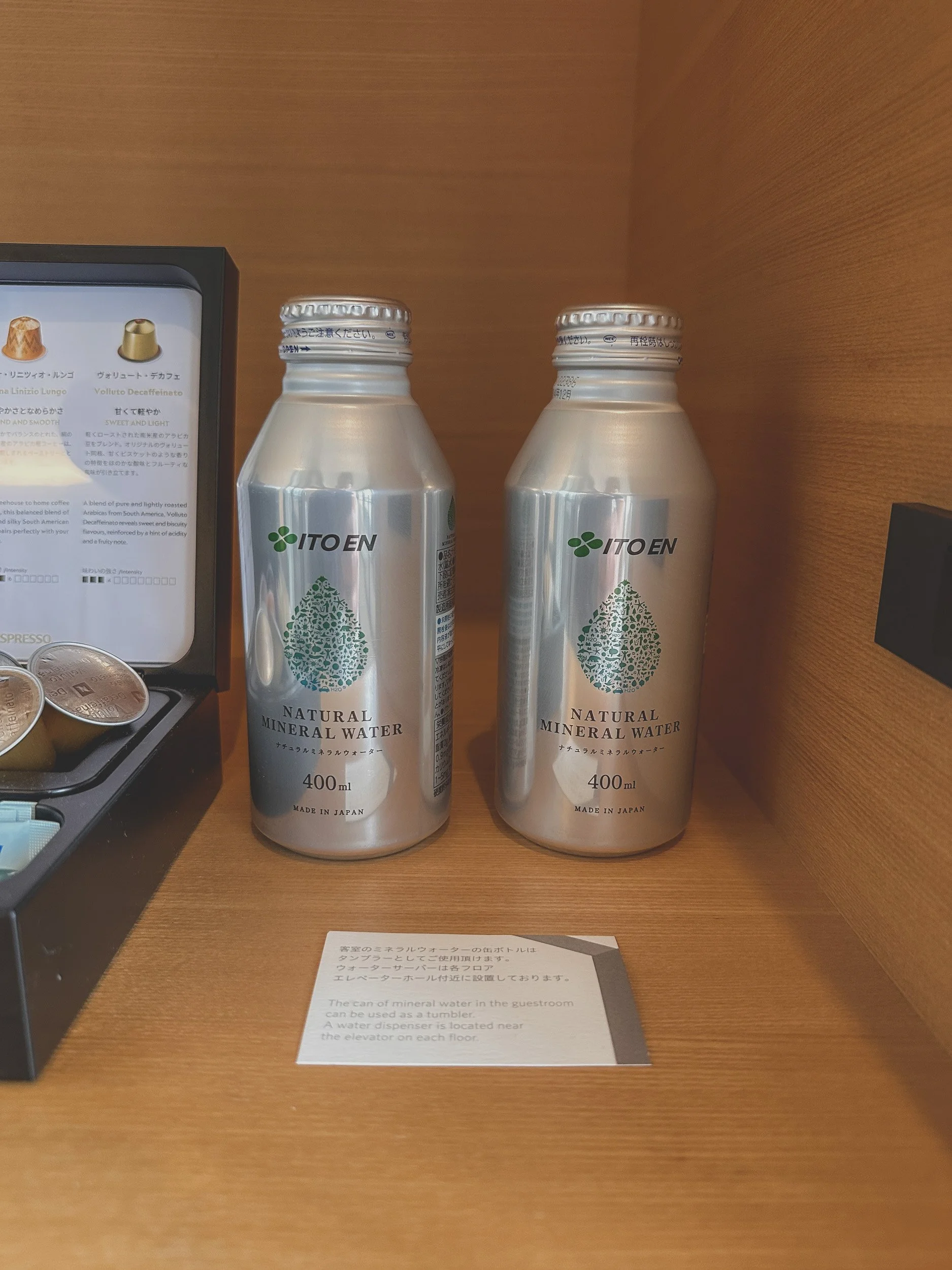
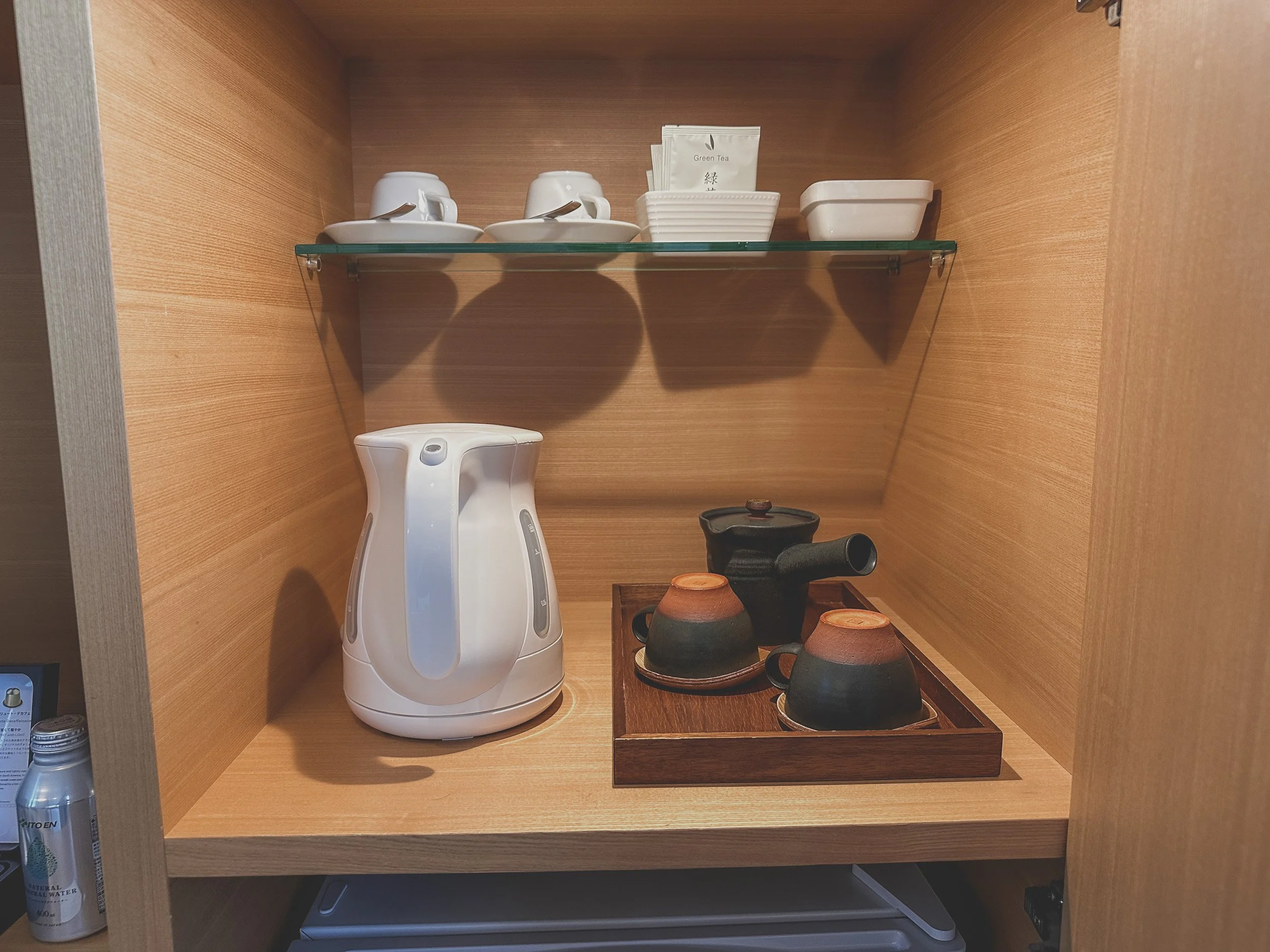
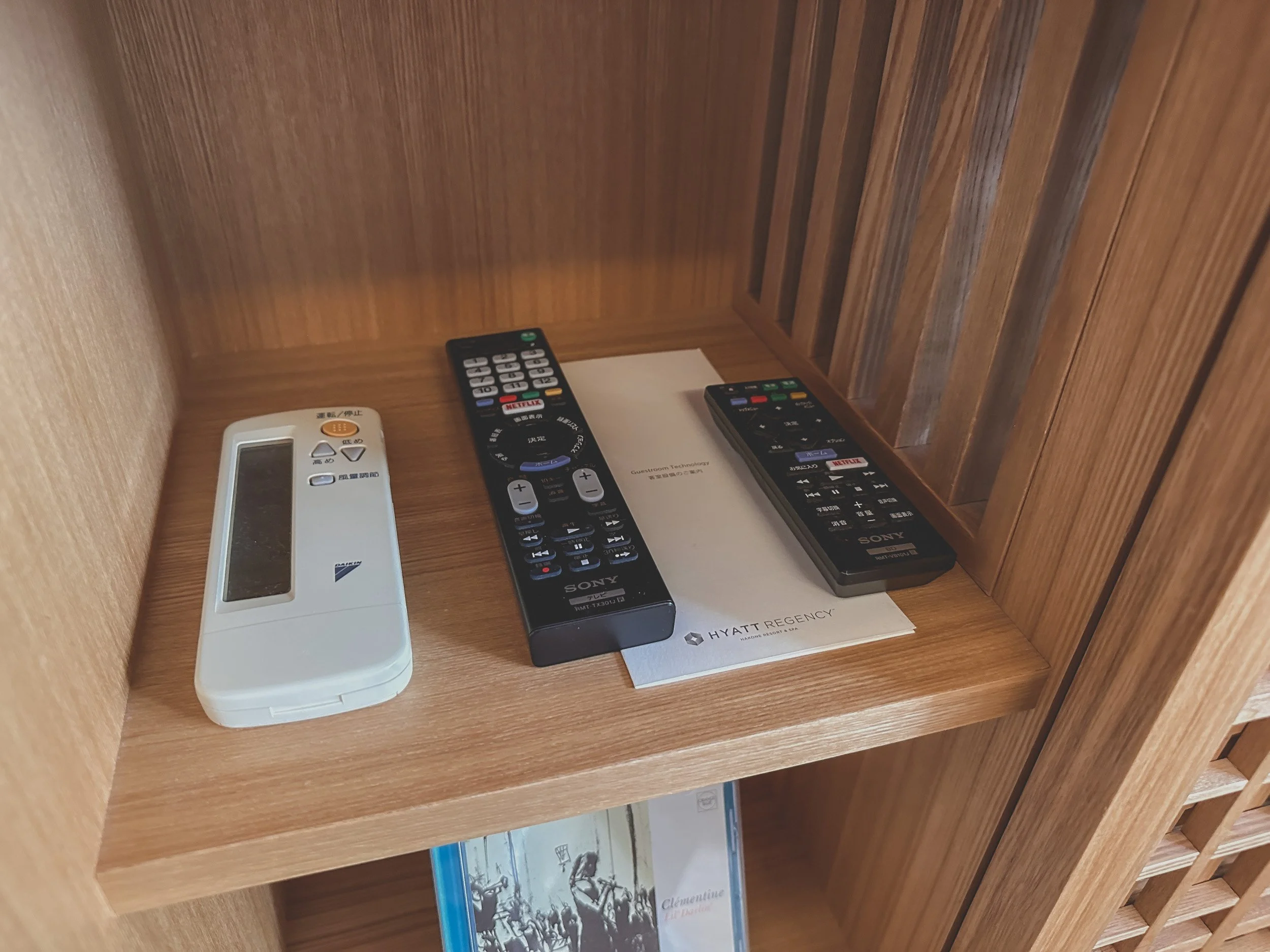
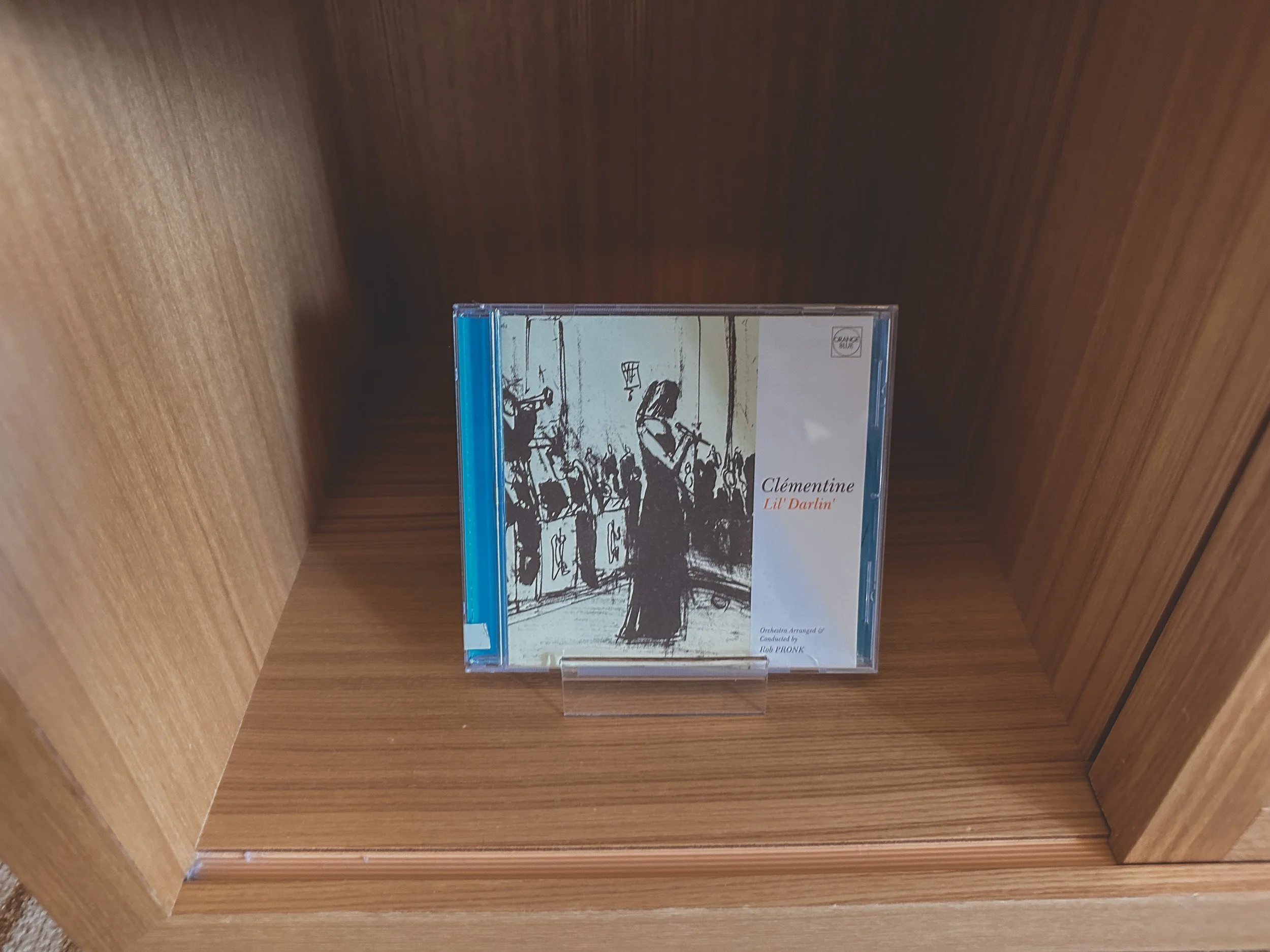
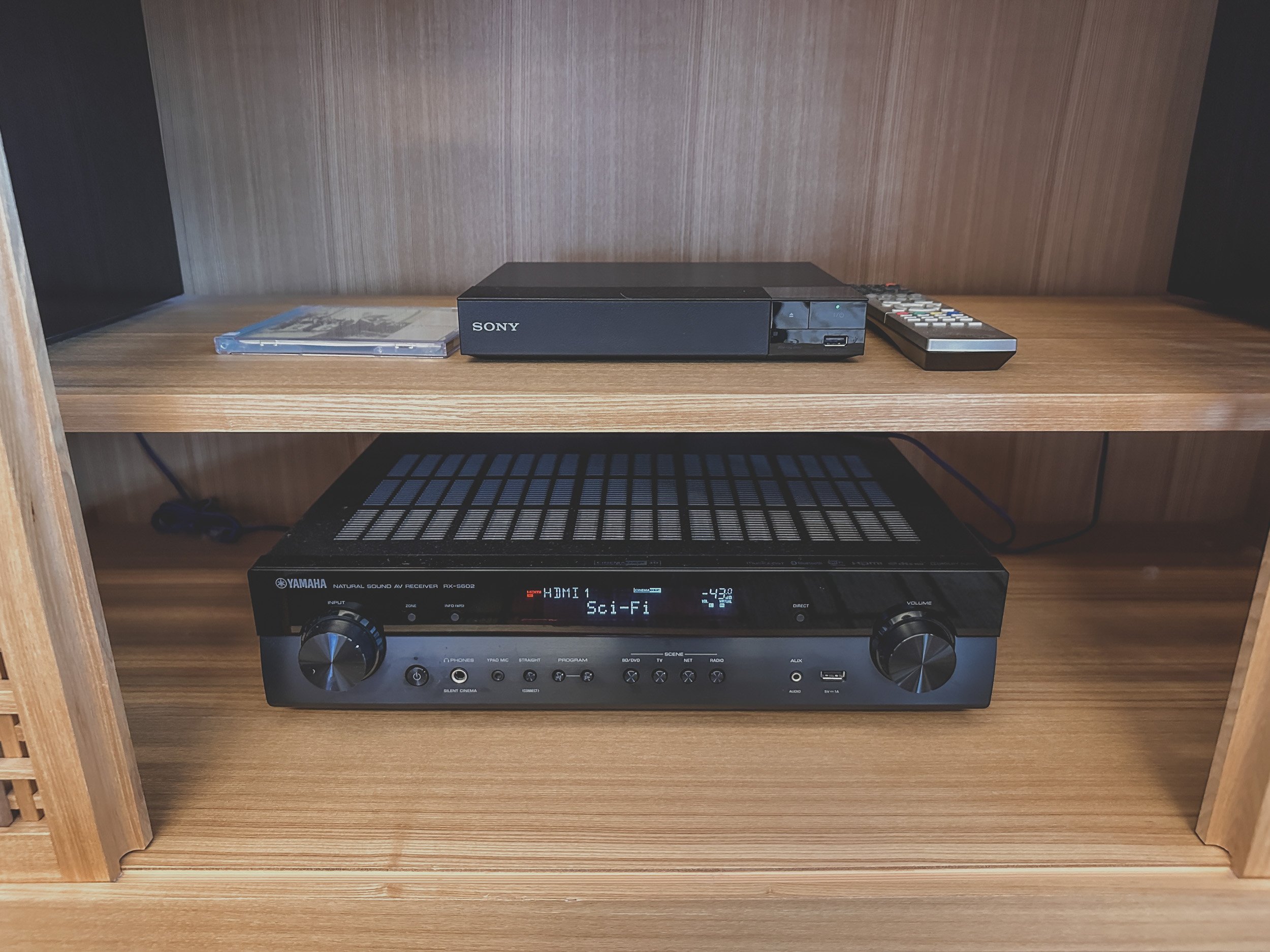
The "Mountain View" is the absolute highlight of this room category. Each of these rooms features a private sun terrace or balcony, furnished with outdoor seating. Waking up to the silhouette of the Hakone range, often partially veiled in morning fog, provides a meditative start to the day. Inside, the layout includes a dedicated work desk and a comfortable sitting area with a flat-screen TV and a Blu-ray player (come on now)—a nod to the property’s slightly older, but impeccably maintained, roots. The integration of a wet bar with a Nespresso machine and a well-stocked minibar ensures that the "resort" lifestyle is maintained within your private quarters.
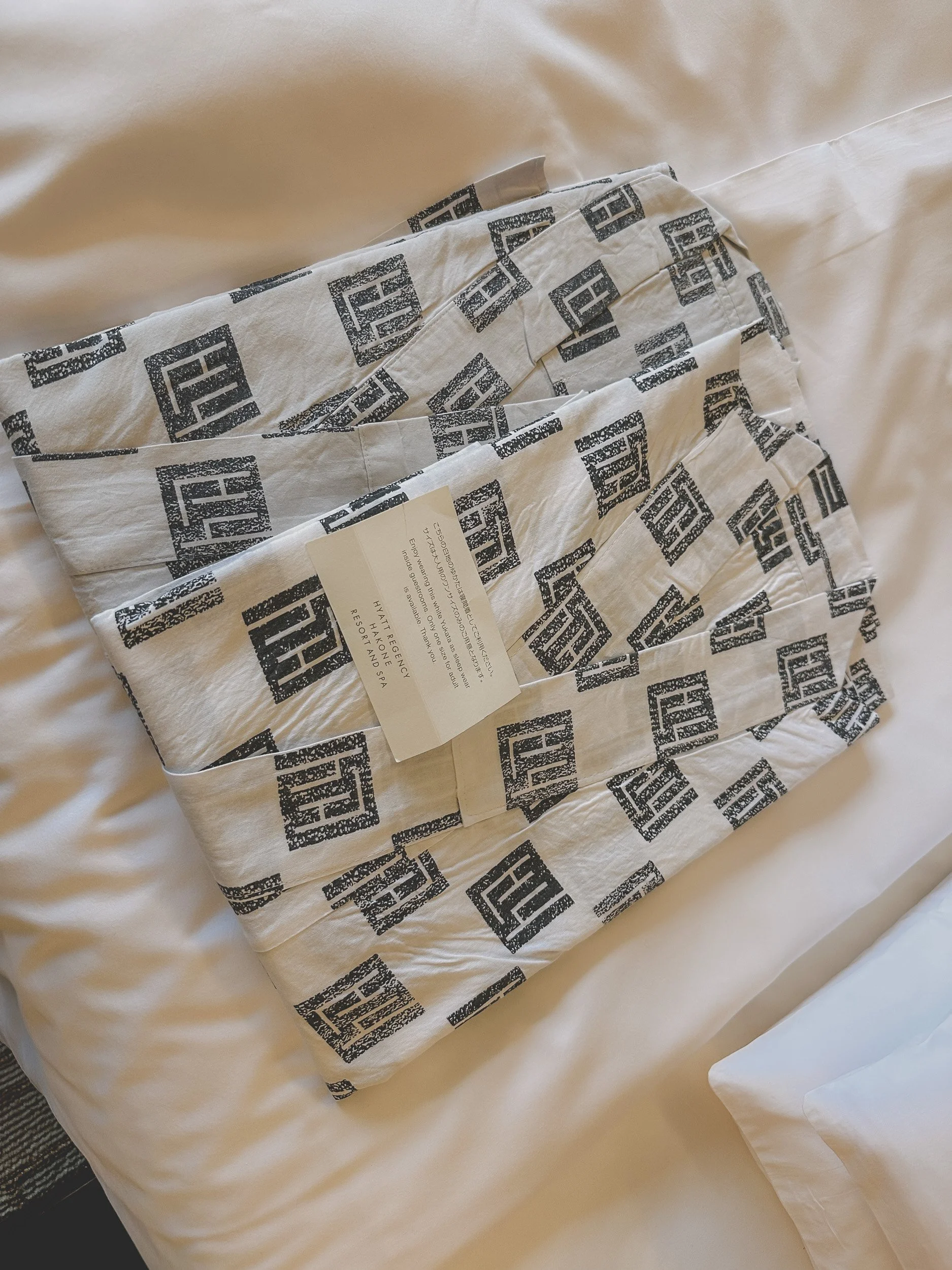
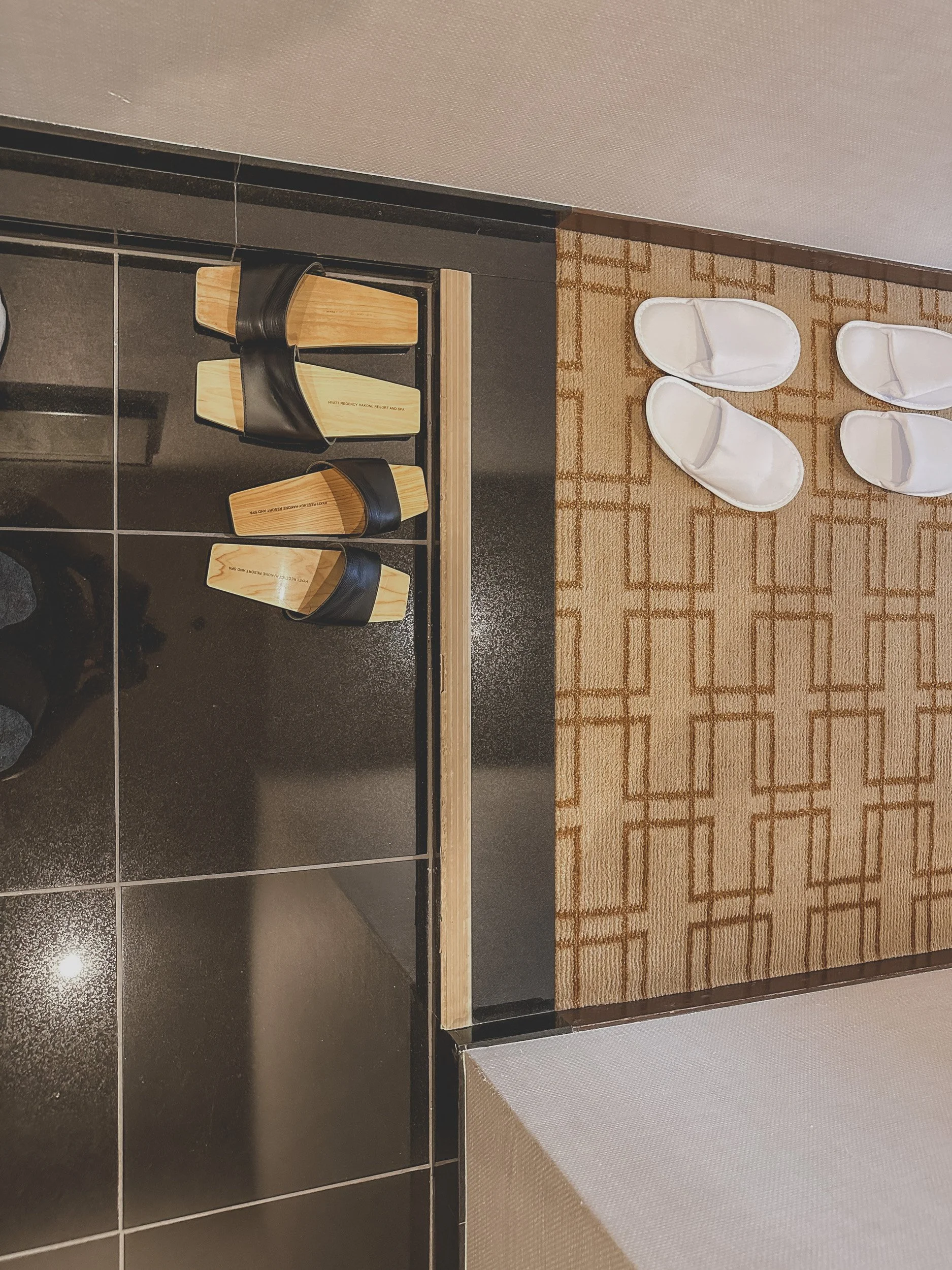
Amenities in the room lean toward the thoughtful and traditional. You will find a set of yukata and tanzen (traditional jackets) which guests are encouraged to wear not just in their rooms, but also when heading down to the onsen. This creates a wonderful, relaxed atmosphere throughout the hallways. The climate control is precise, and the soundproofing is top-tier; despite the hotel being popular with families and dog owners, the rooms remain incredibly quiet. It is a space designed for lingering—a room where you actually want to spend time rather than just sleep.
Bathroom | That Shower Pressure!
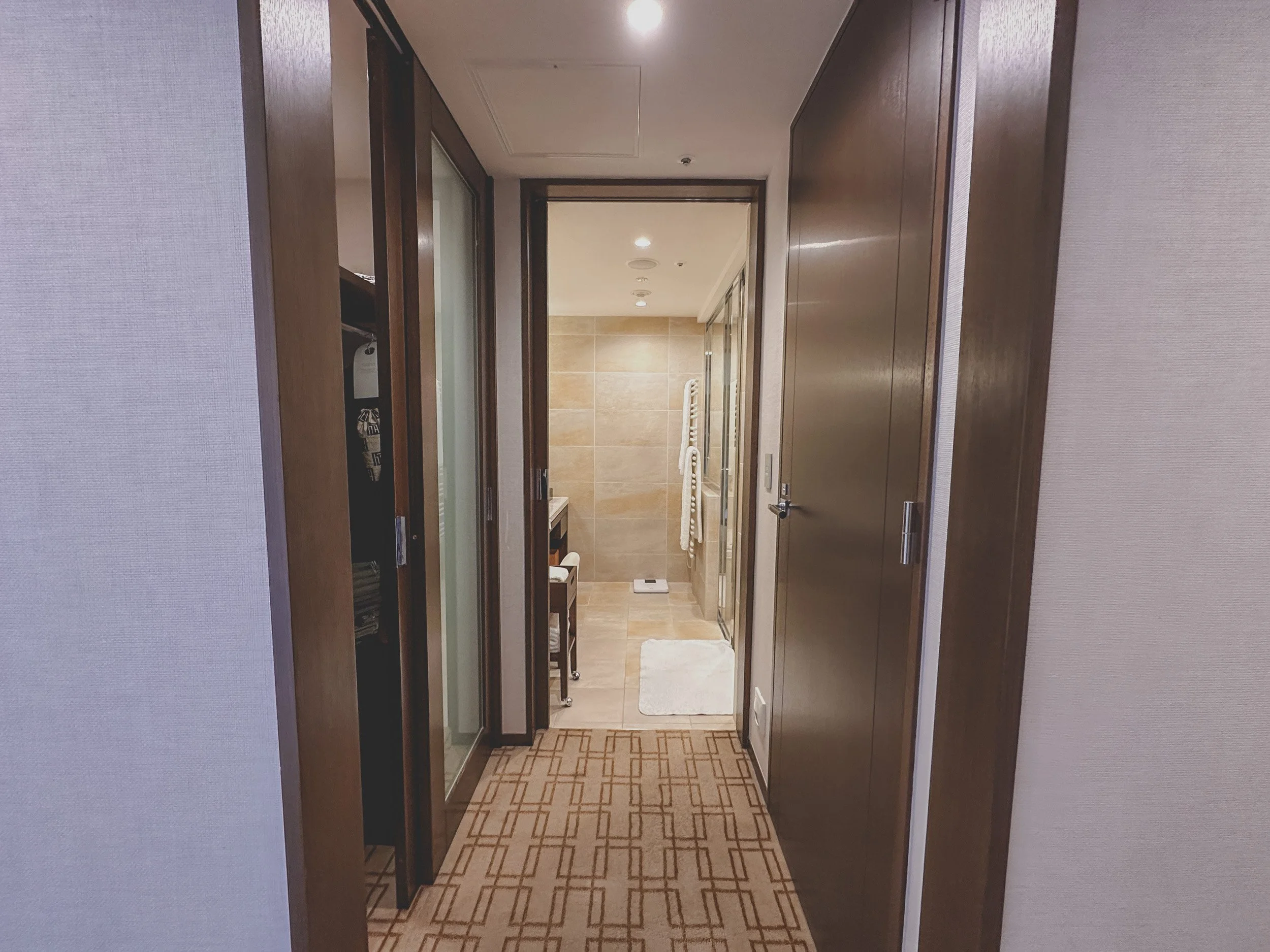
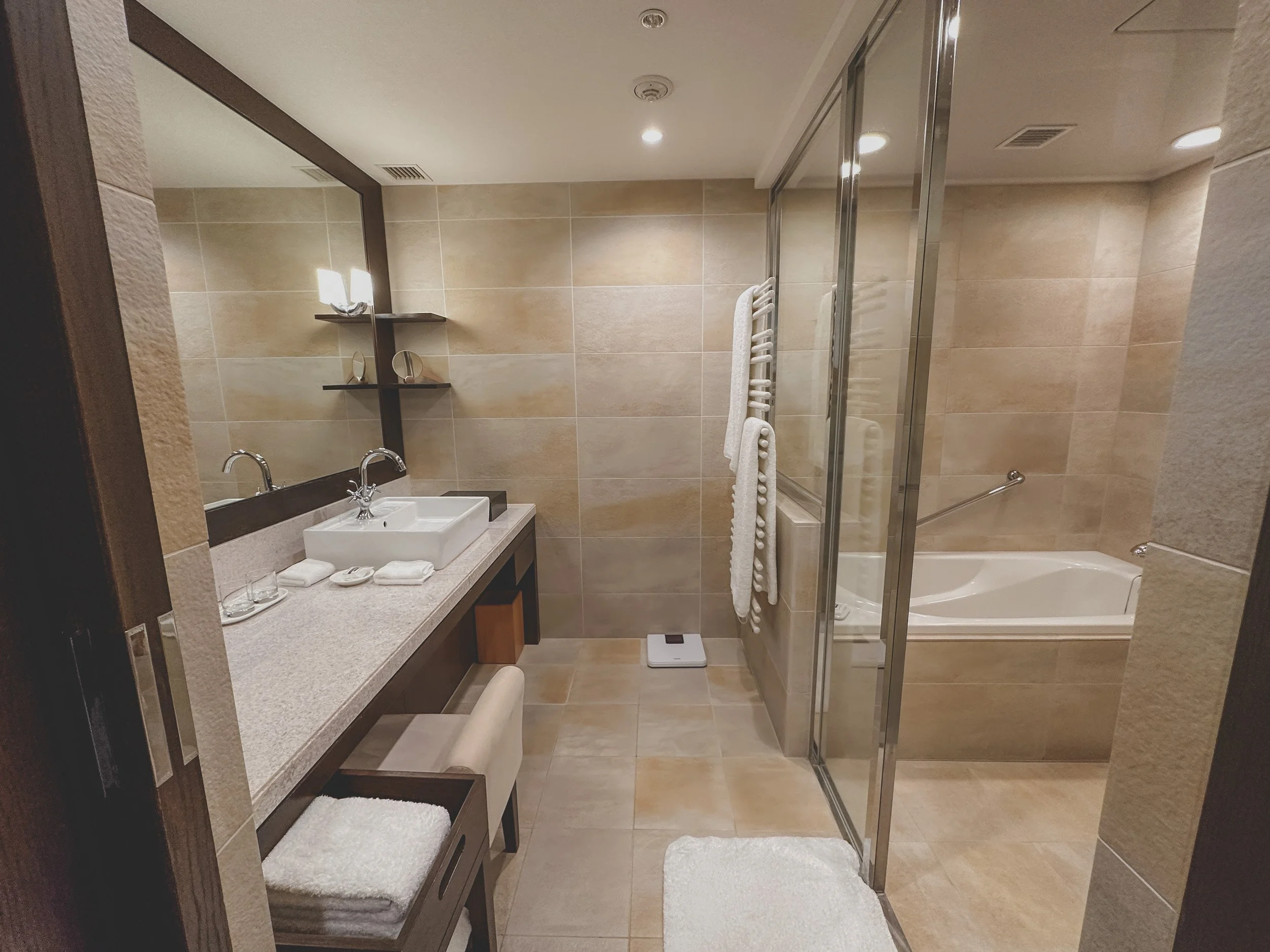
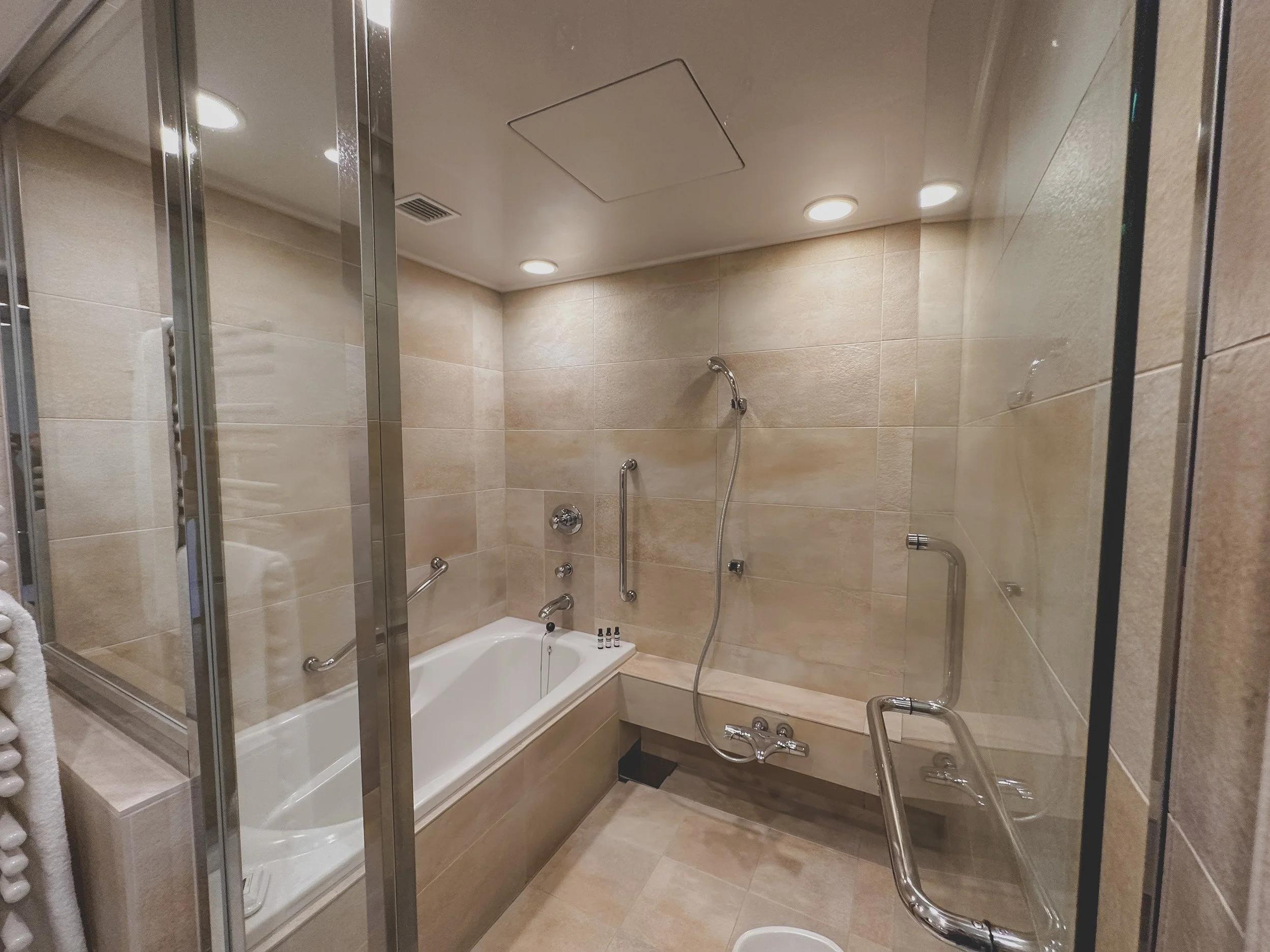
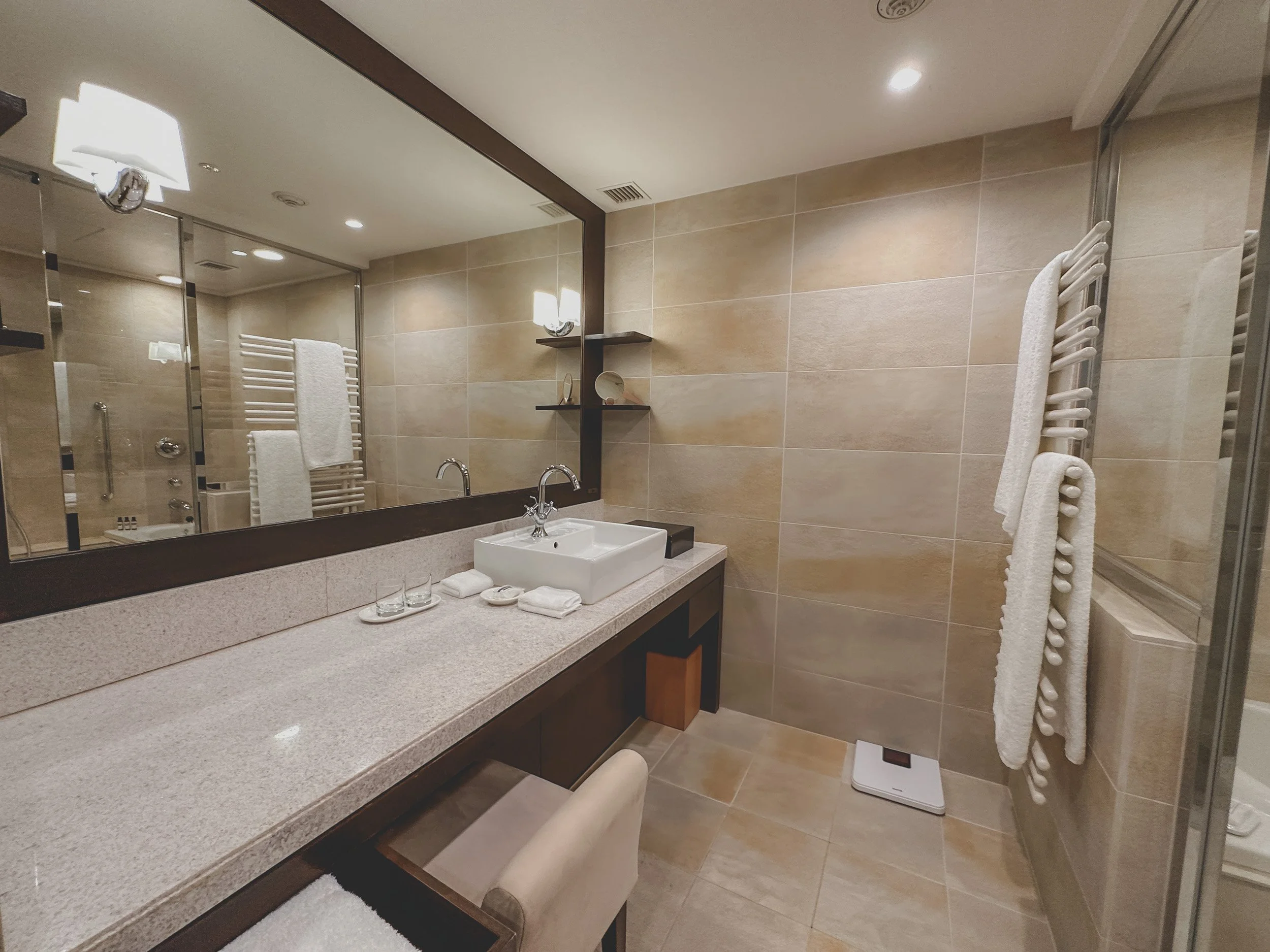
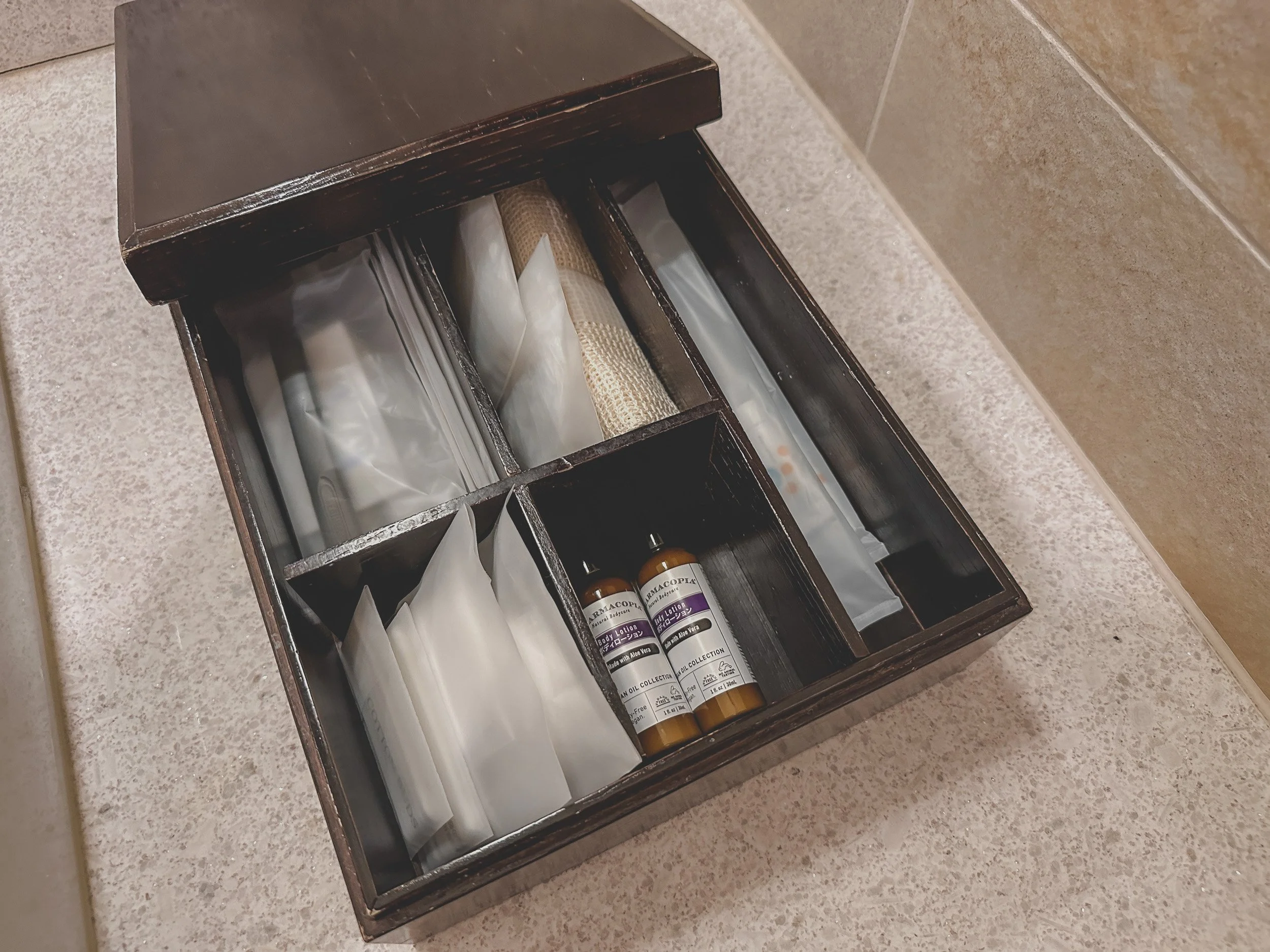
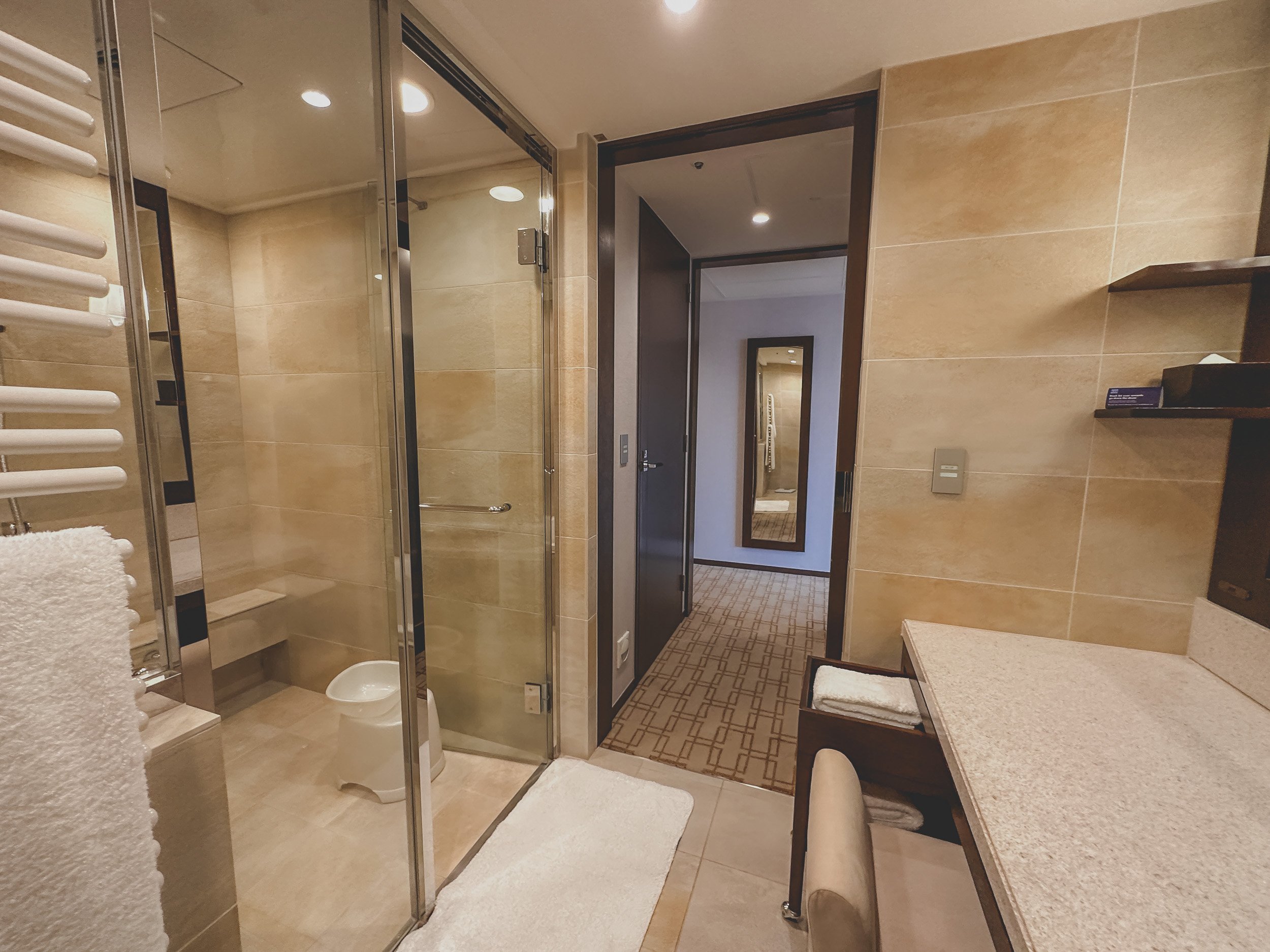
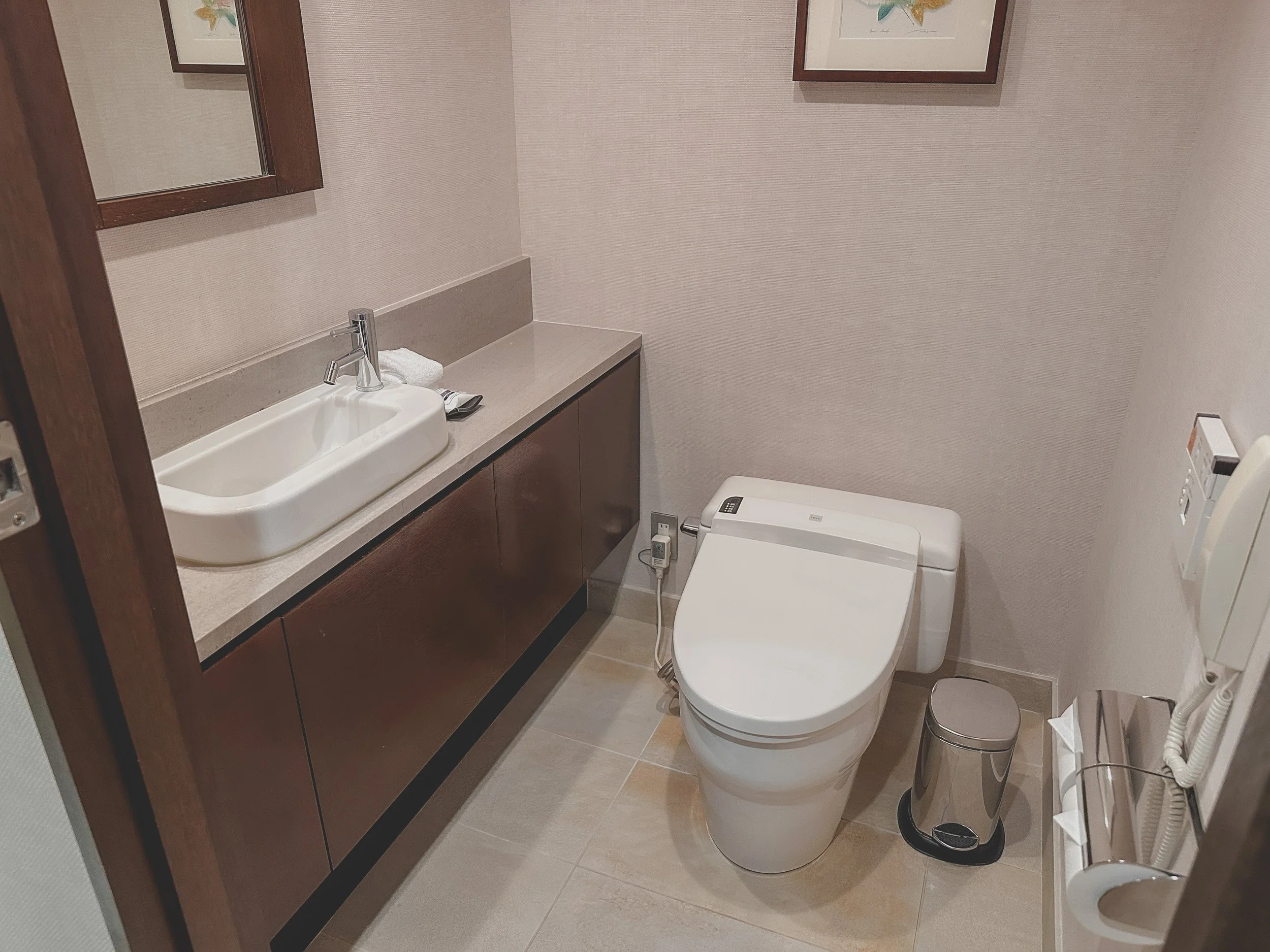
The bathroom in the Mountain View Twin is a mix of functional luxury and Japanese bathing culture. It is split into a "dry" area with a spacious vanity and a "wet" area that houses the shower and a deep soaking tub. The vanity area is generously sized, featuring bright, flattering lighting and a comprehensive array of amenities, including high-end skincare sets and the obligatory (and excellent) Japanese electronic bidet. The transition from the living area to the bathroom is seamless, maintaining the dark wood theme and high-quality stone finishes.
In the wet room, the shower pressure is nothing short of legendary. It is the kind of high-flow, invigorating pressure that seasoned travelers look for but rarely find in older resort properties. My back feels like it went through chiropractor after a few minutes standing under it. The hotel provides premium bath products that have a subtle, refreshing botanical scent, perfectly suited to the mountain setting. The soaking tub is deep enough to offer a proper soak, though most guests will find themselves drawn to the public onsen downstairs. However, for those who prefer a private "soak with a view," the heater in the bathroom ensures that the transition from a hot bath to the cool room air is never jarring.
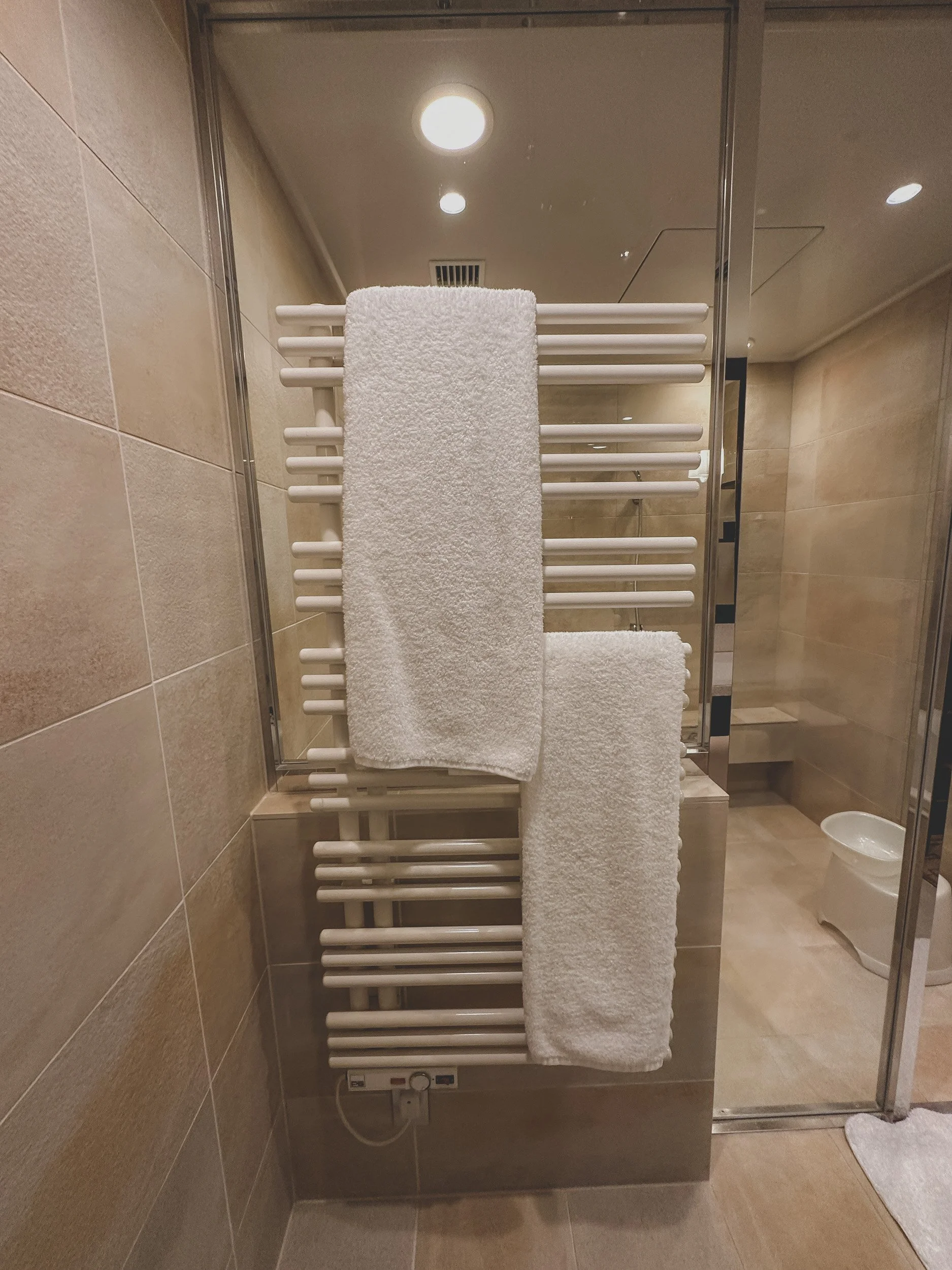
What truly elevates the bathroom experience are the small touches: the plush towels with a towel heater that actually heats the towels before you get out, the powerful hair dryer that doesn't feel like a toy, and the separate heater specifically for the bathroom floor. In many hotels, the bathroom feels like an afterthought; here, it feels like a private spa extension. The cleanliness is, as expected in Japan, surgical. Every chrome fixture is polished to a mirror finish, and there is a total absence of the wear-and-tear often seen in high-humidity mountain environments.
Fitness and Spa
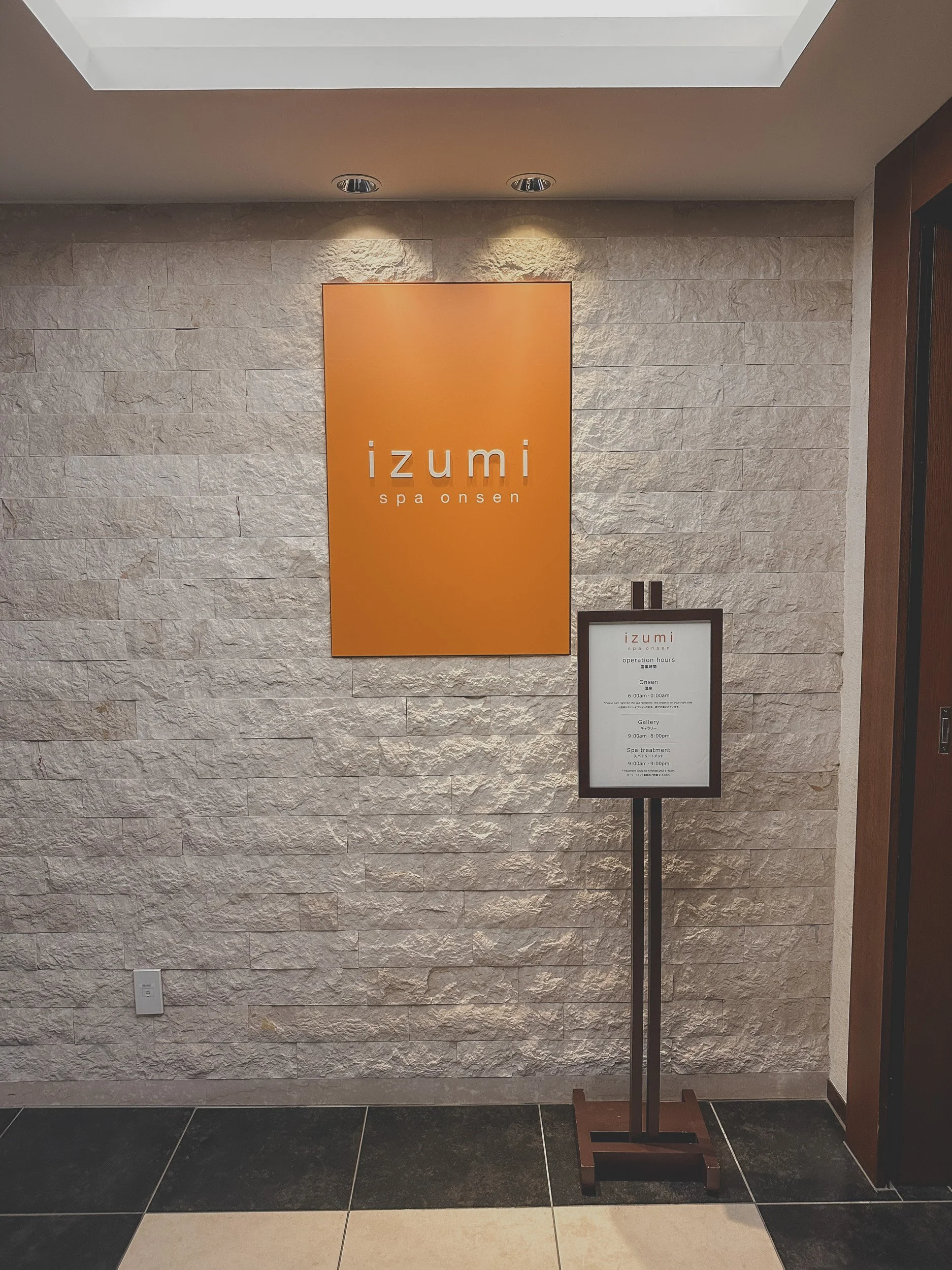
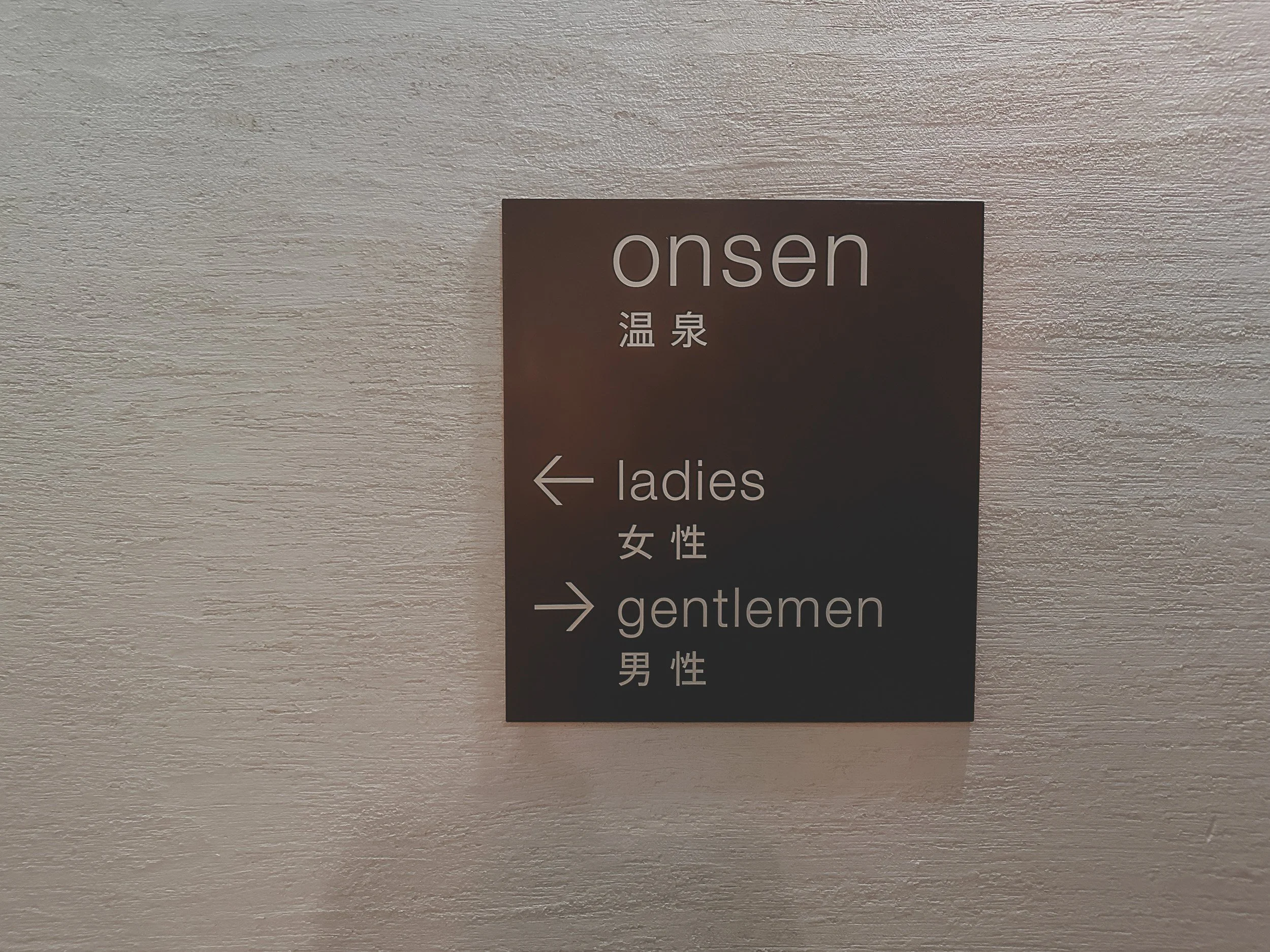
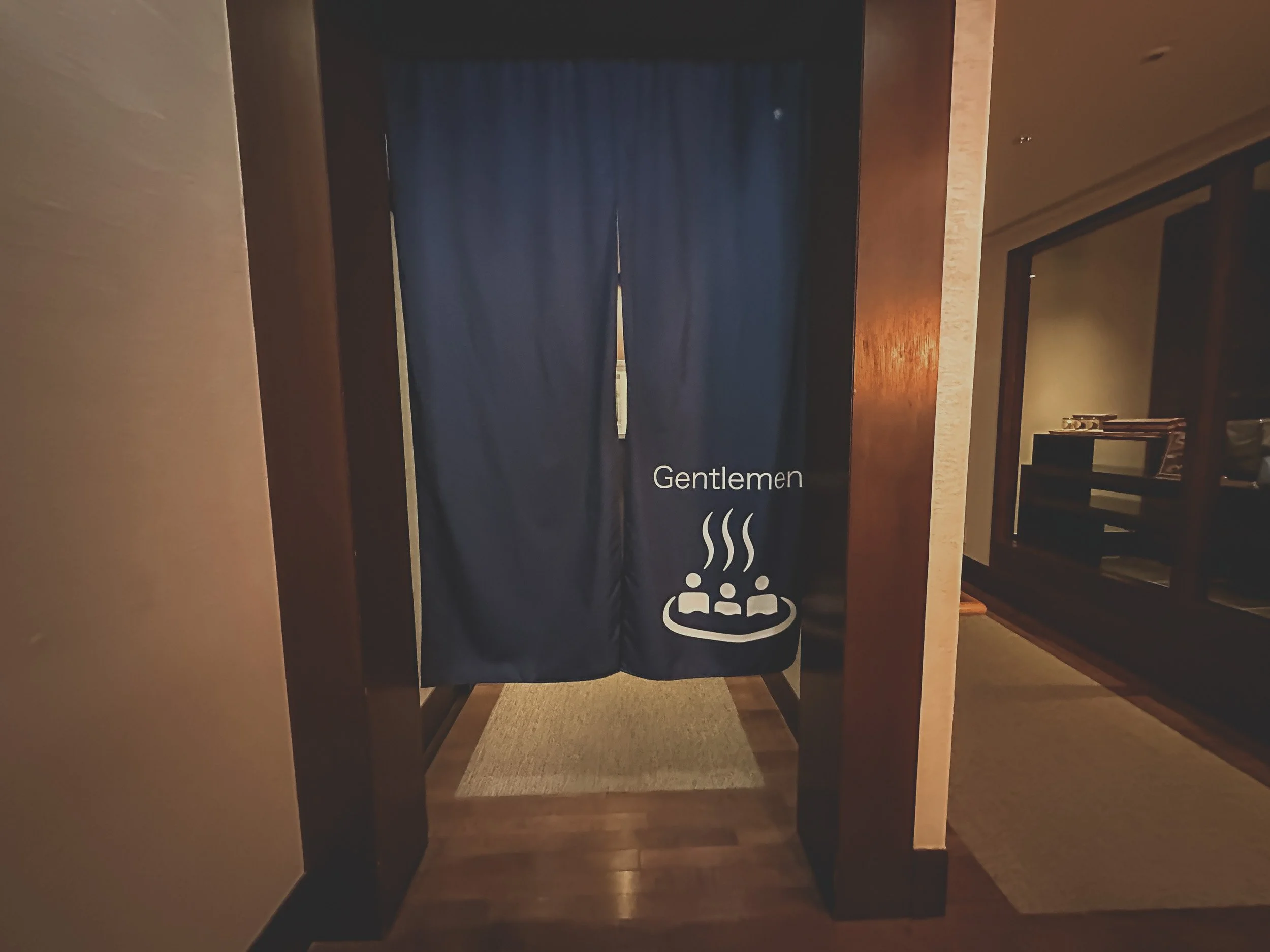
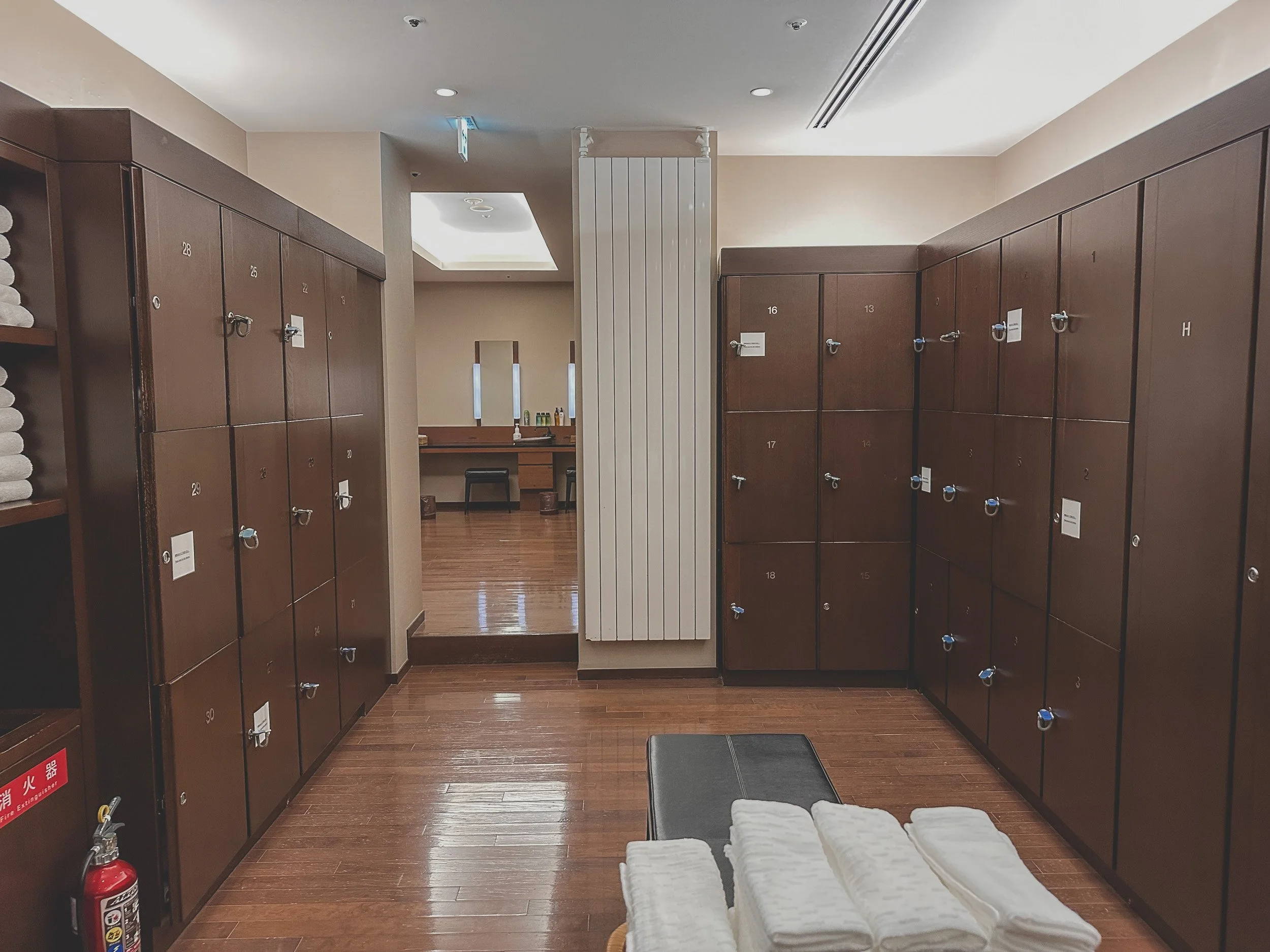
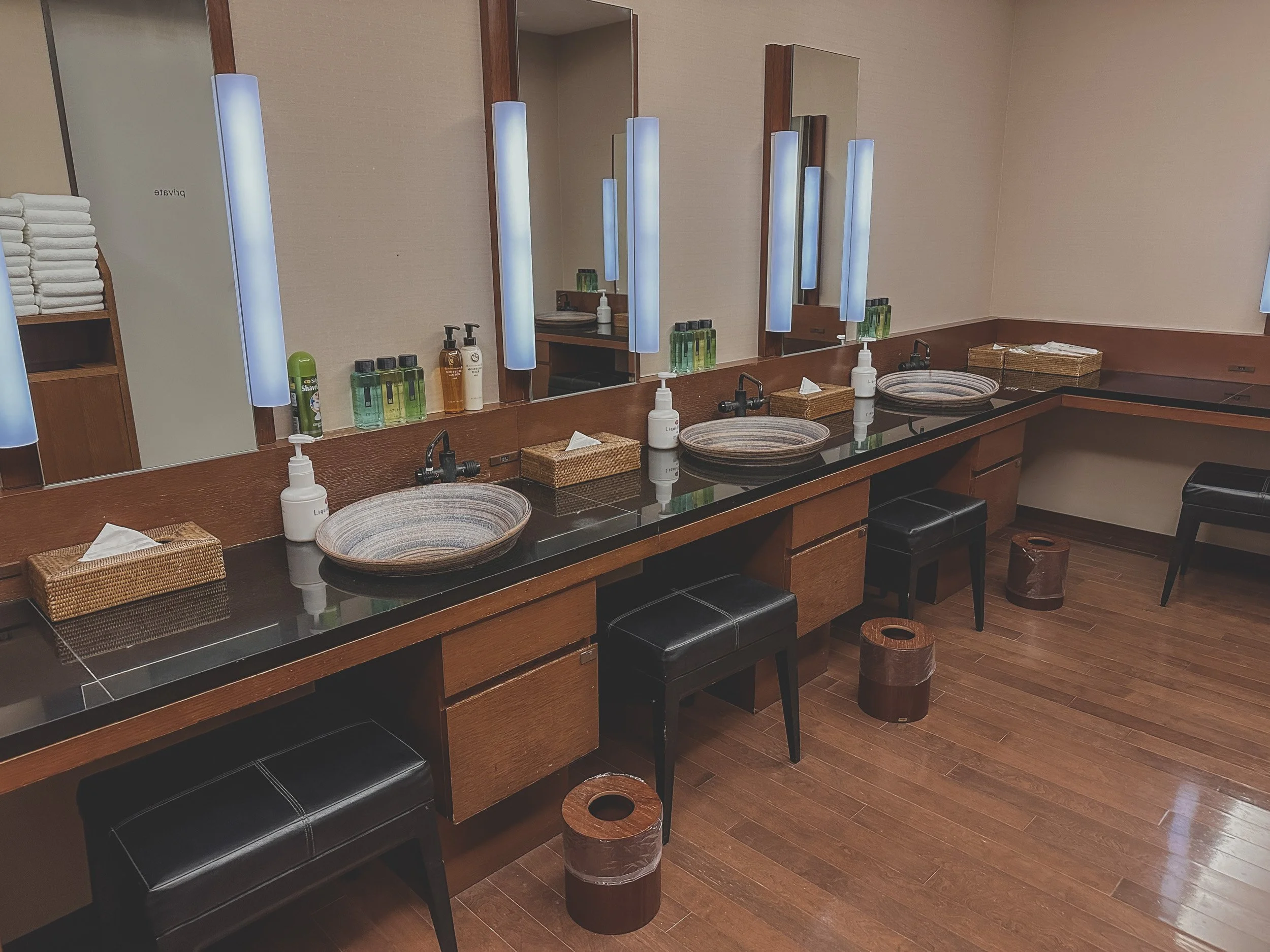
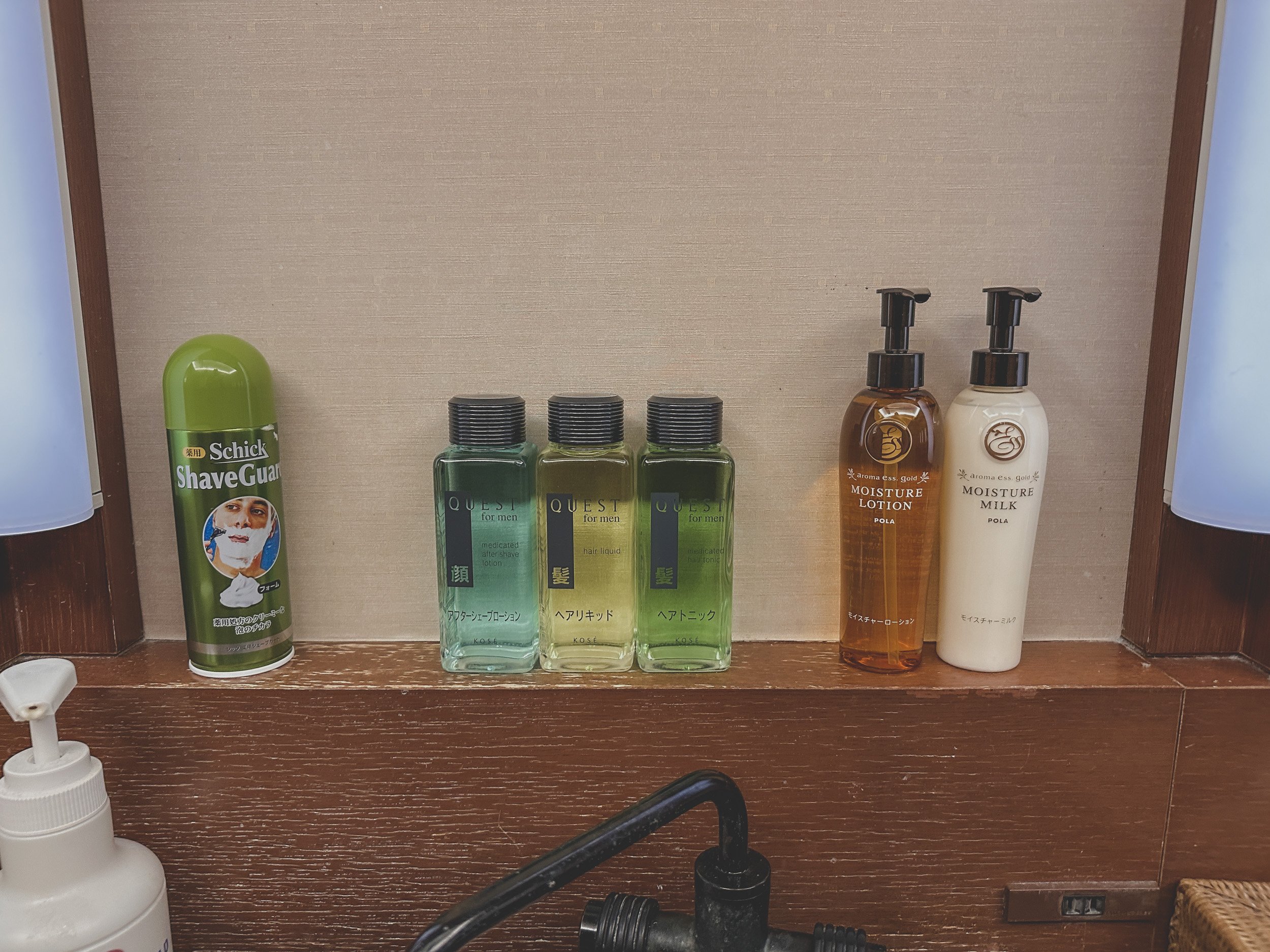
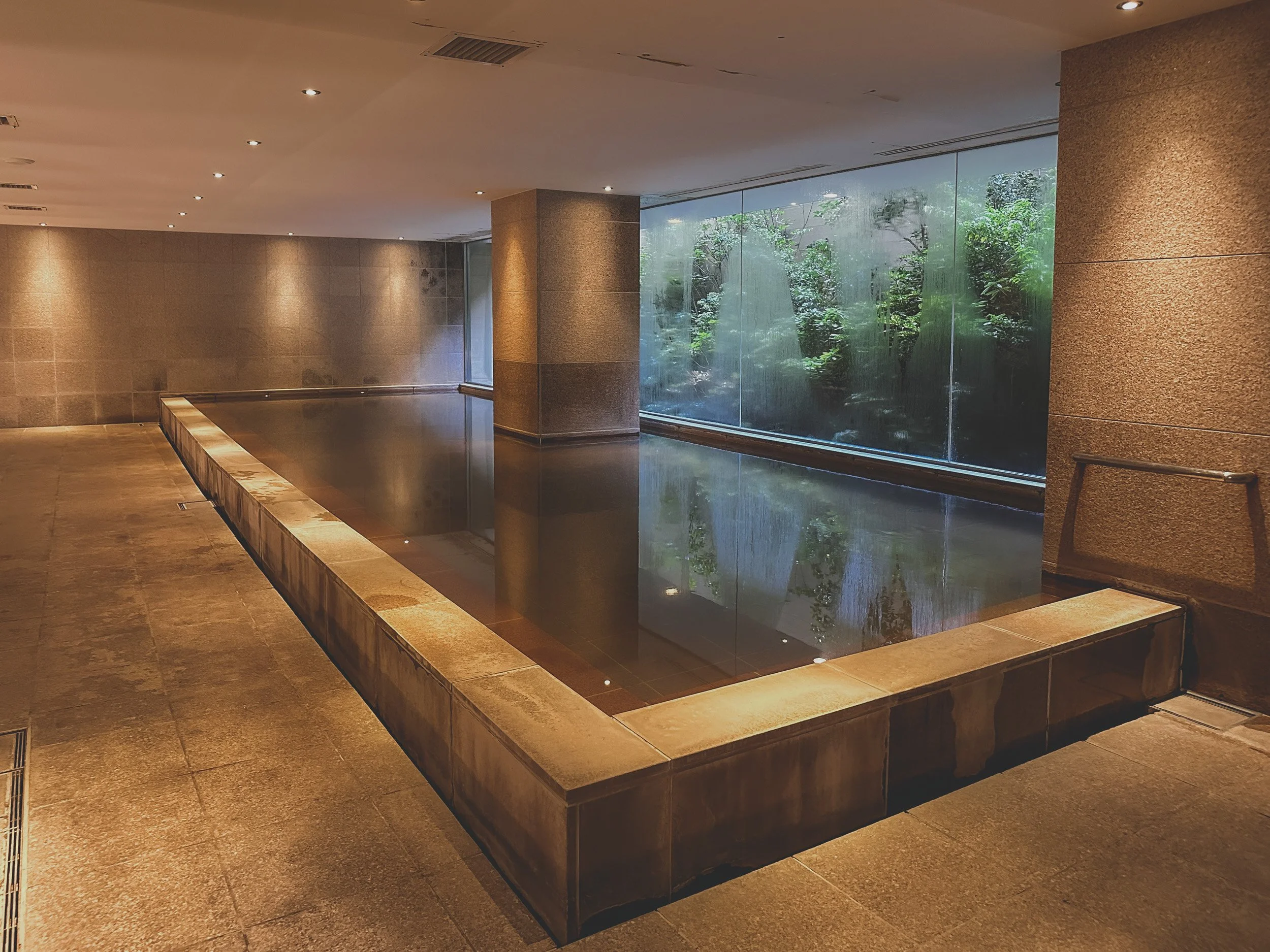
The Spa IZUMI is the crown jewel of the Hyatt Regency Hakone, and it is here that the property transitions from a great hotel to a world-class wellness destination. The spa is one of the largest in the region, featuring eight treatment rooms and a relaxation lounge that feels like a temple of serenity. What makes it unique is the integration of Owakudani onsen water, which is piped directly into the hotel’s large public baths. This sulfuric acid spring water is renowned for its skin-softening properties and its ability to improve circulation, leaving you with a lingering "glow" that lasts long after the soak. Get there early in the morning, and enjoy the whole pool to yourself.
The treatment menu at Spa IZUMI is a curated blend of French phyto-skincare (via the brand Yon-Ka) and traditional Japanese naturopathy. Their signature treatments often begin with a foot bath infused with local medicinal herbs like sugina and dokudami, which are harvested from the very mountains you see out the window. This localized approach ensures that the spa experience feels rooted in Hakone’s geography. For those who find standard onsens intimidating, the spa also offers four rooms with luxurious bathtubs, allowing for a more private, controlled hydrotherapy experience.
While the fitness aspect of the resort is more focused on the outdoor hiking and biking trails surrounding the property, there is a functional gym area for those who need a traditional workout. However, the real workout here is found in the rhythmic movement of the onsen ritual—the heat, the cold rinse, and the quiet reflection in the relaxation lounge. It is a spa that demands you disconnect; they have a strict "no electronics" policy, which, while frustrating for the "Instagram traveler," is a necessary blessing for those truly seeking to recalibrate their nervous system. Hey, at least you’re here on vacation, right?
Dining | A Must for Globalist Members
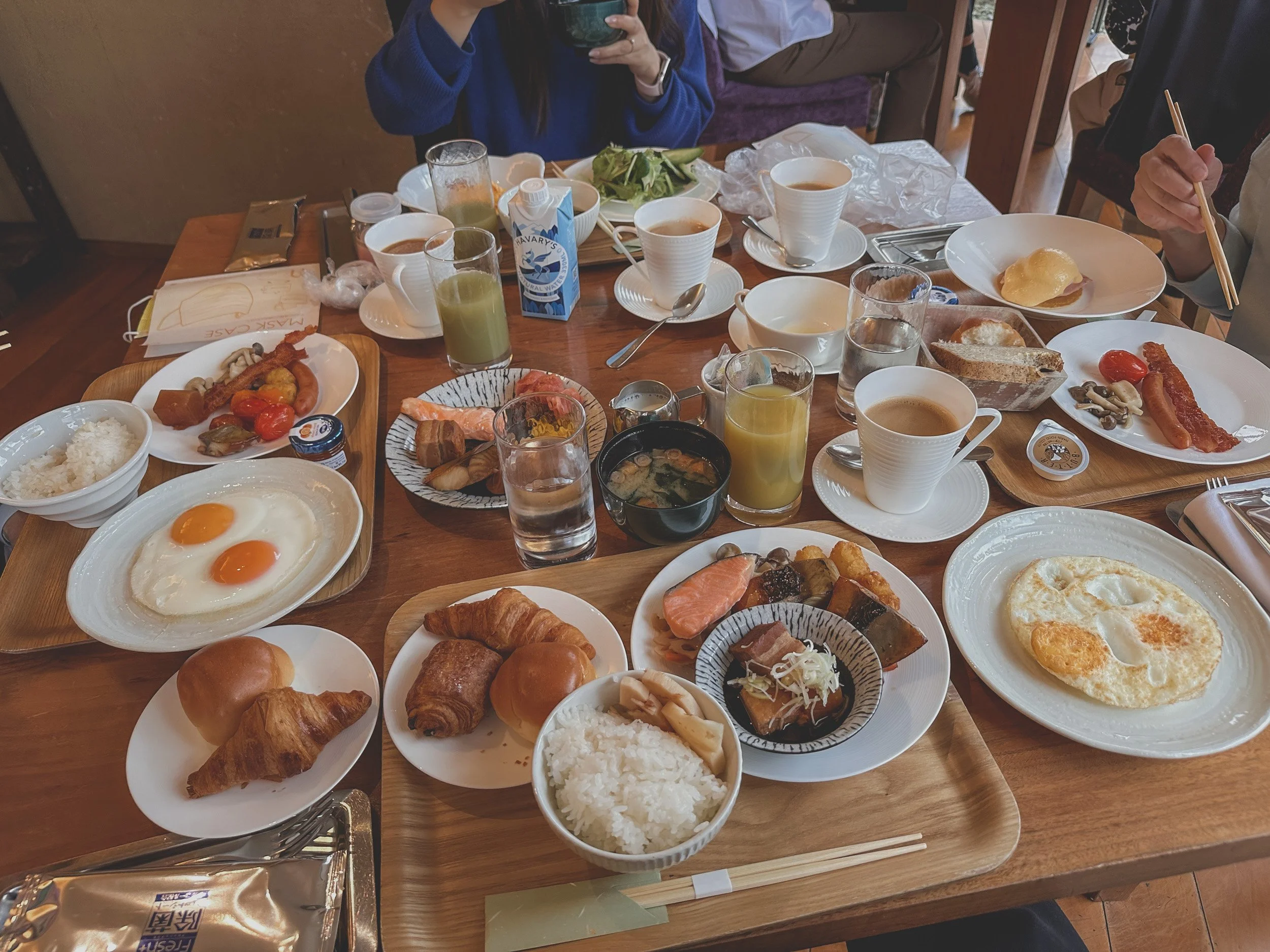
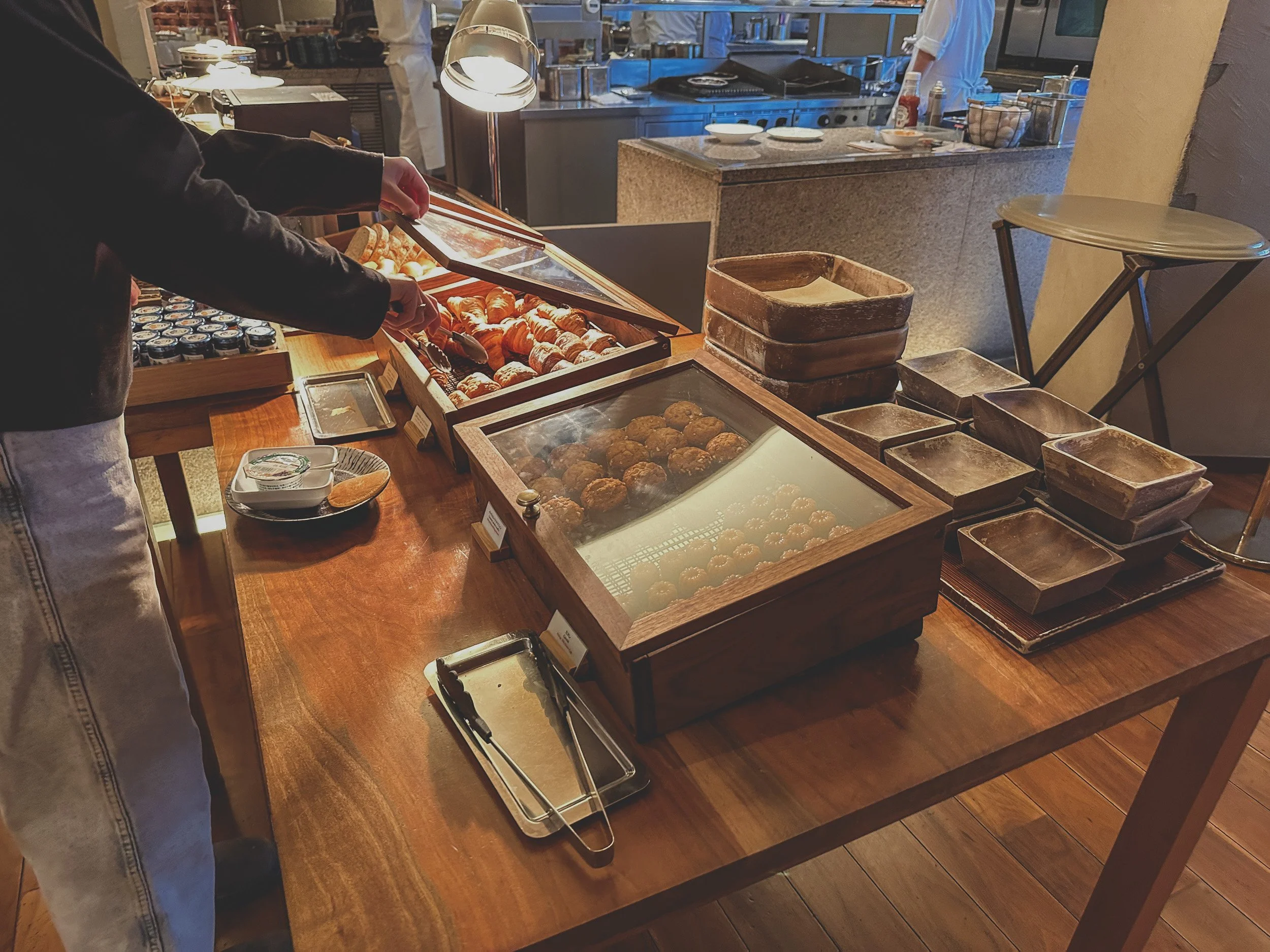
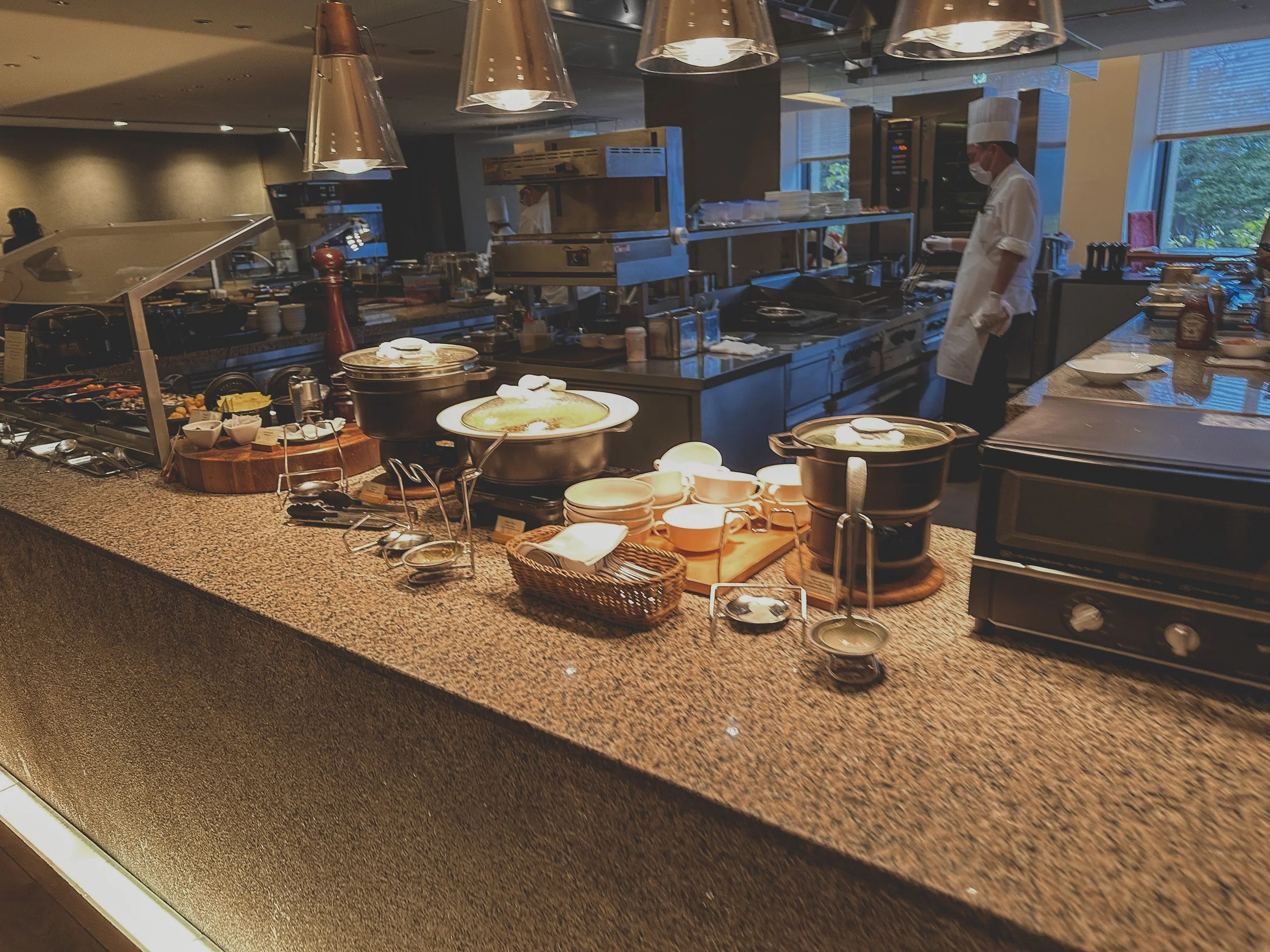
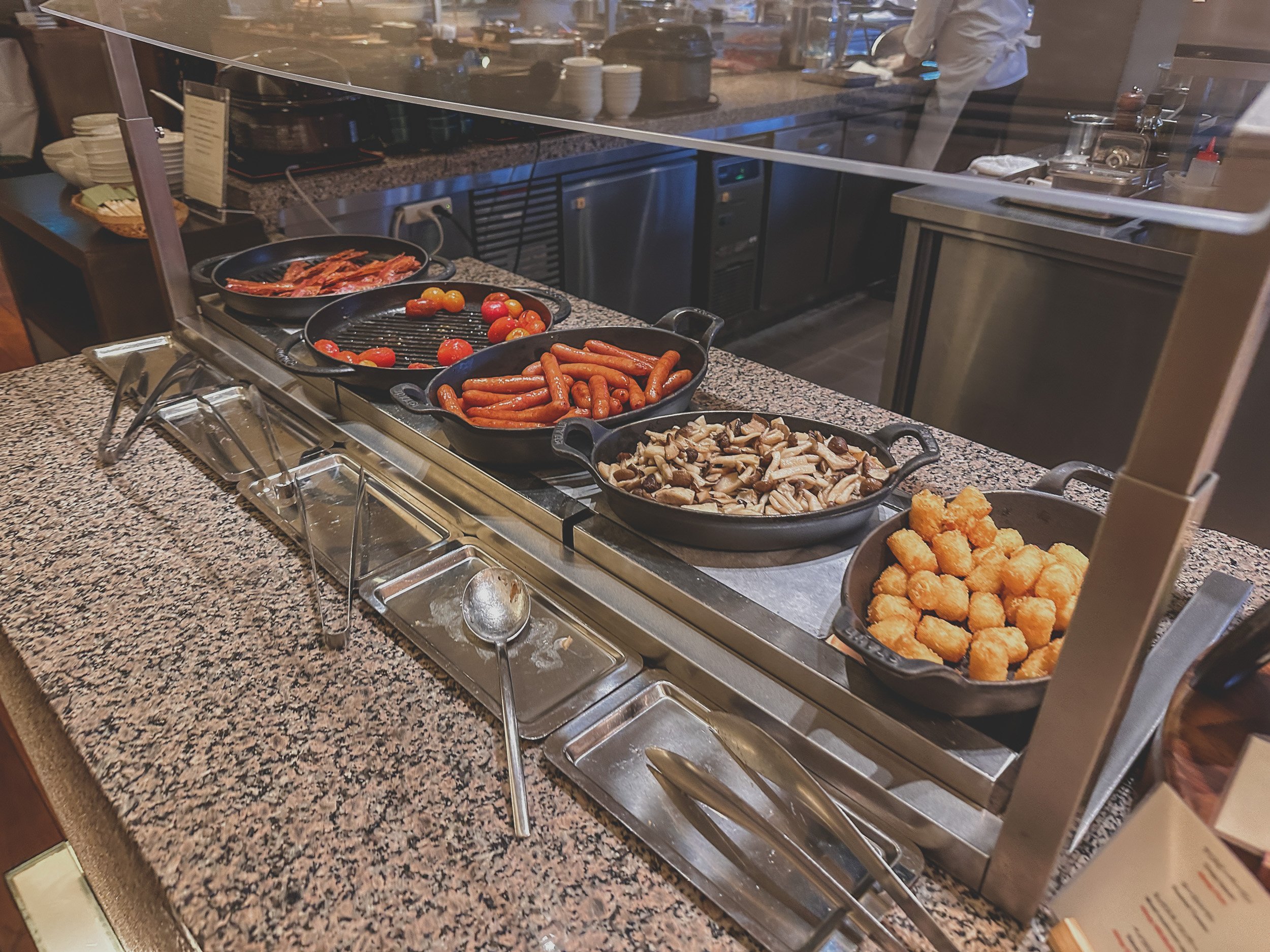
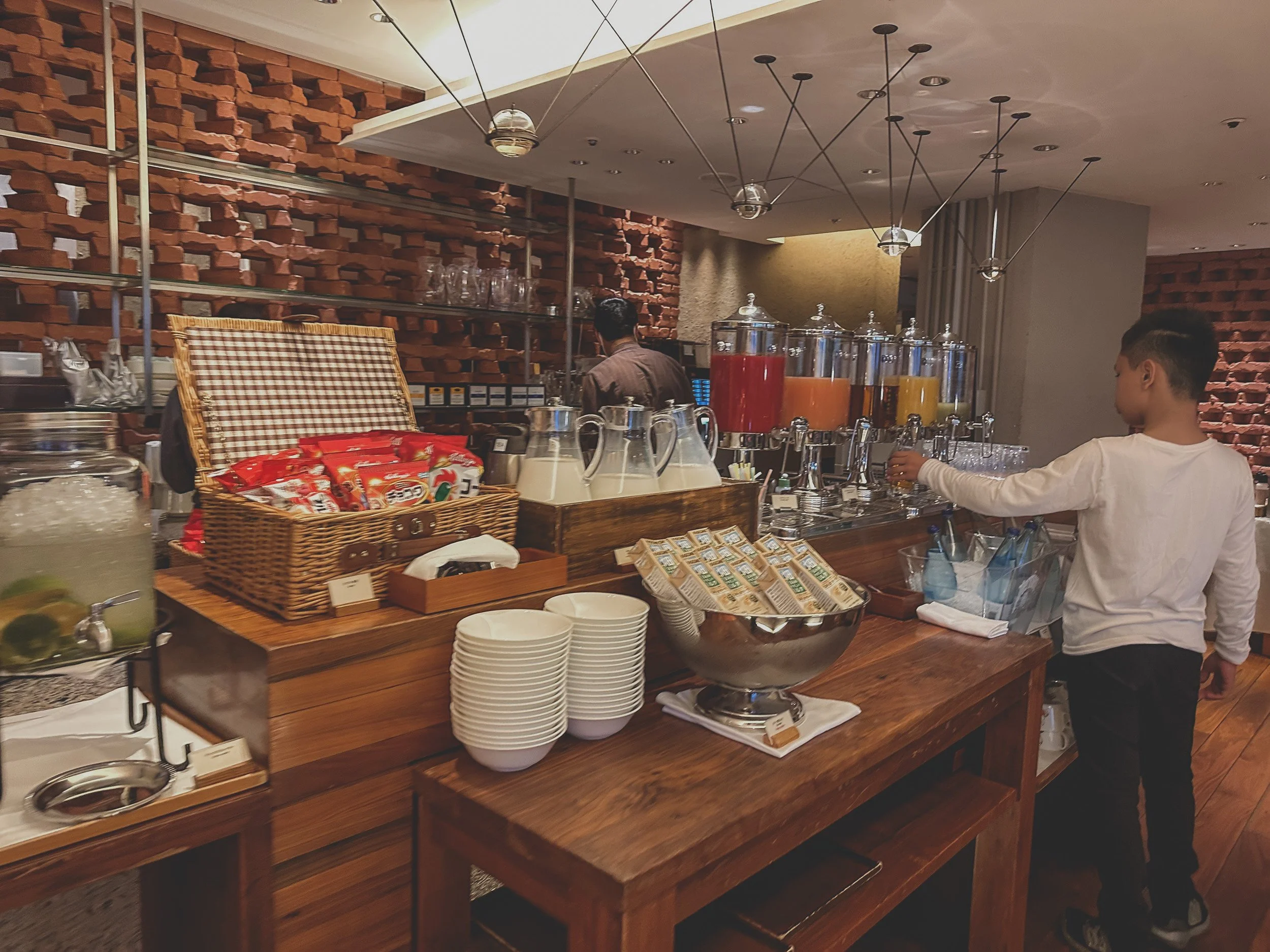
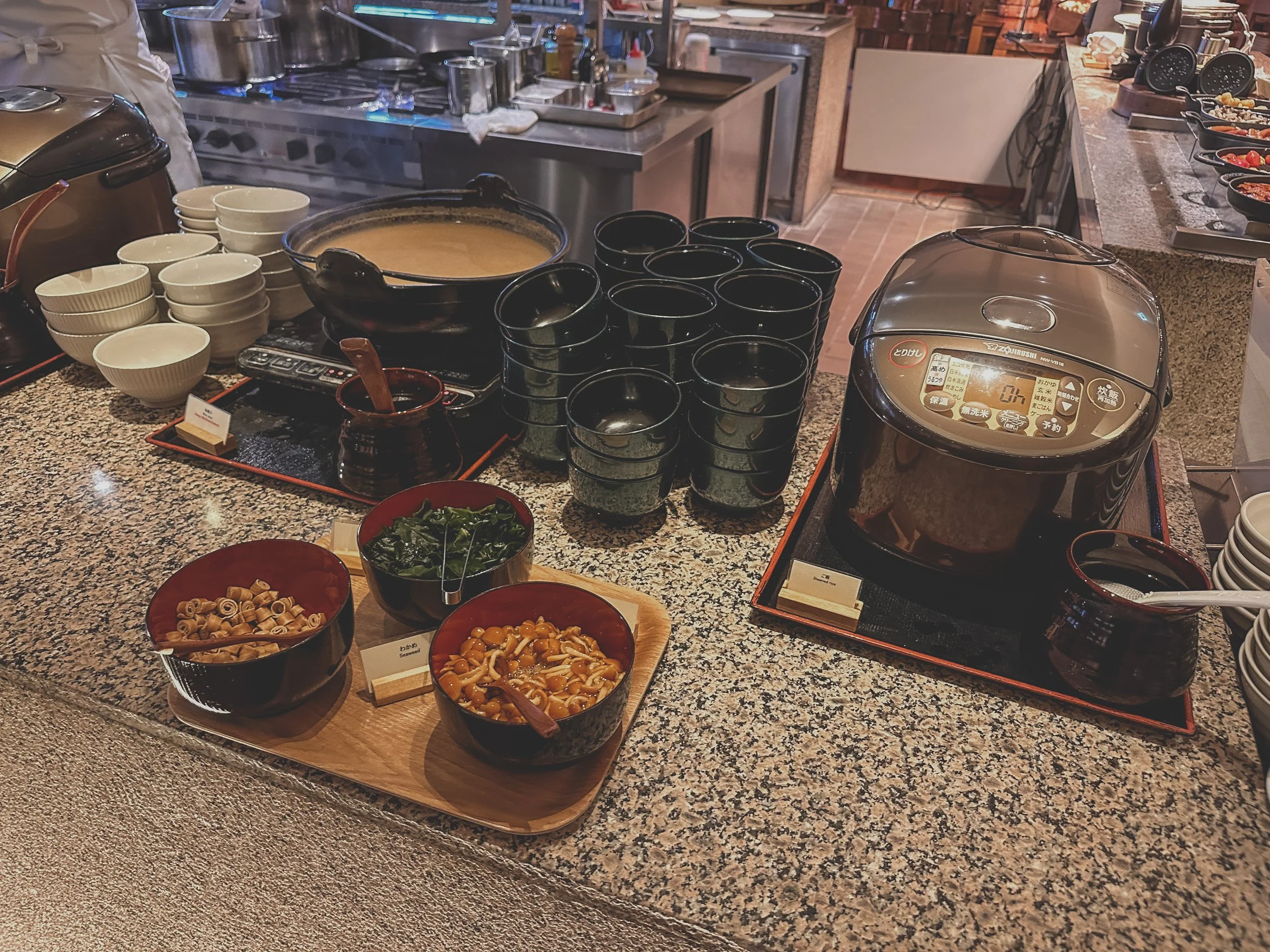
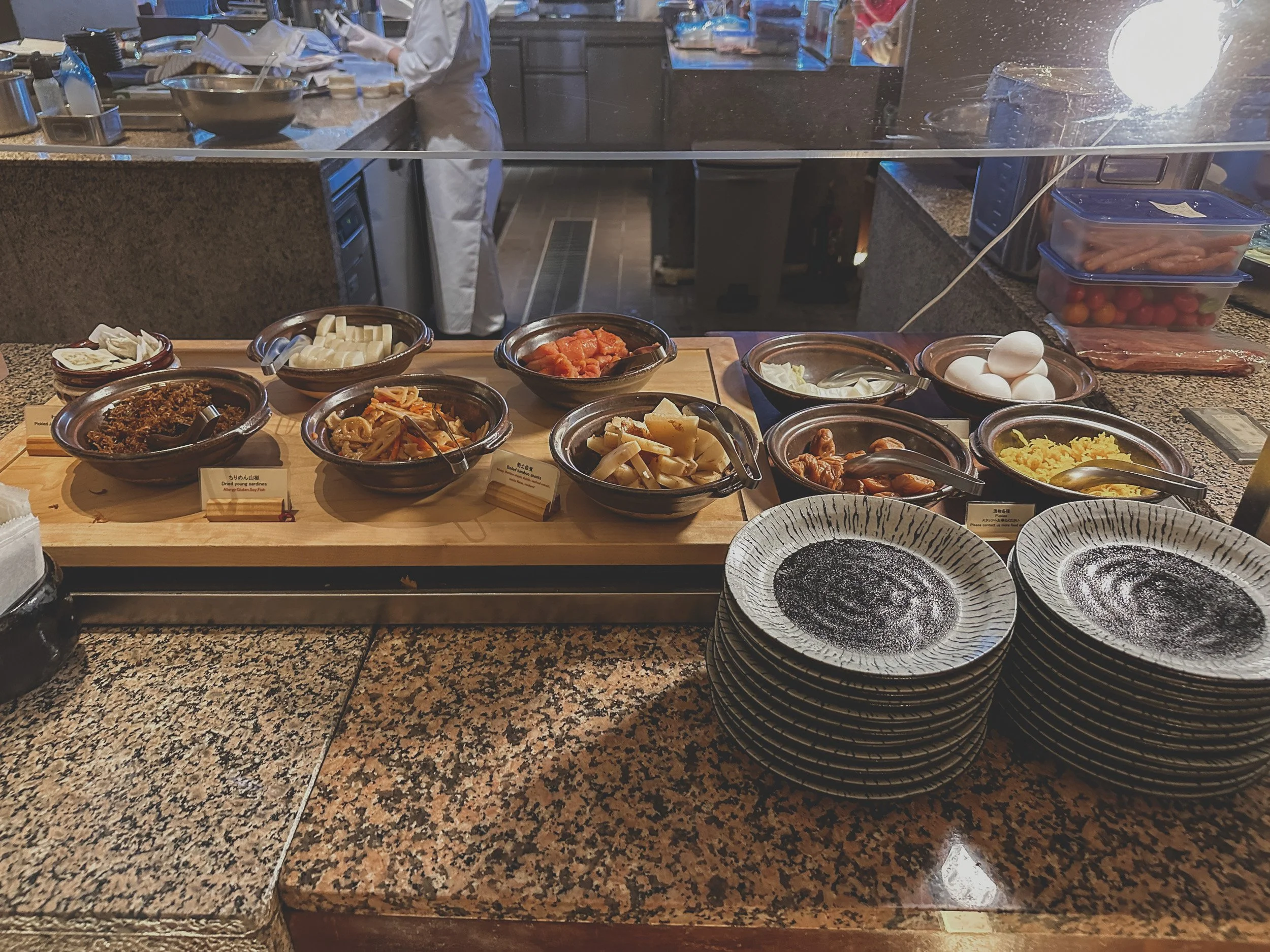
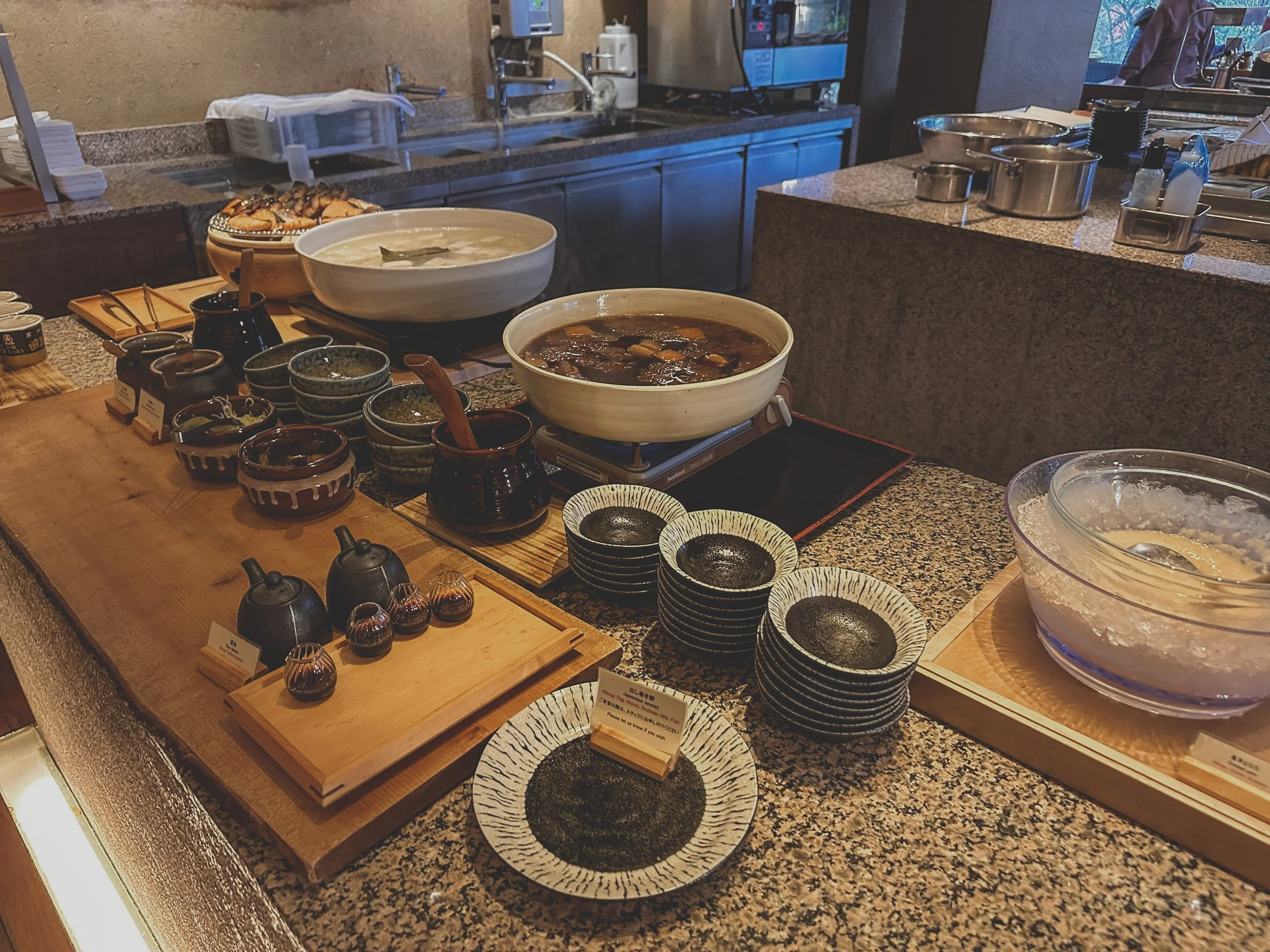
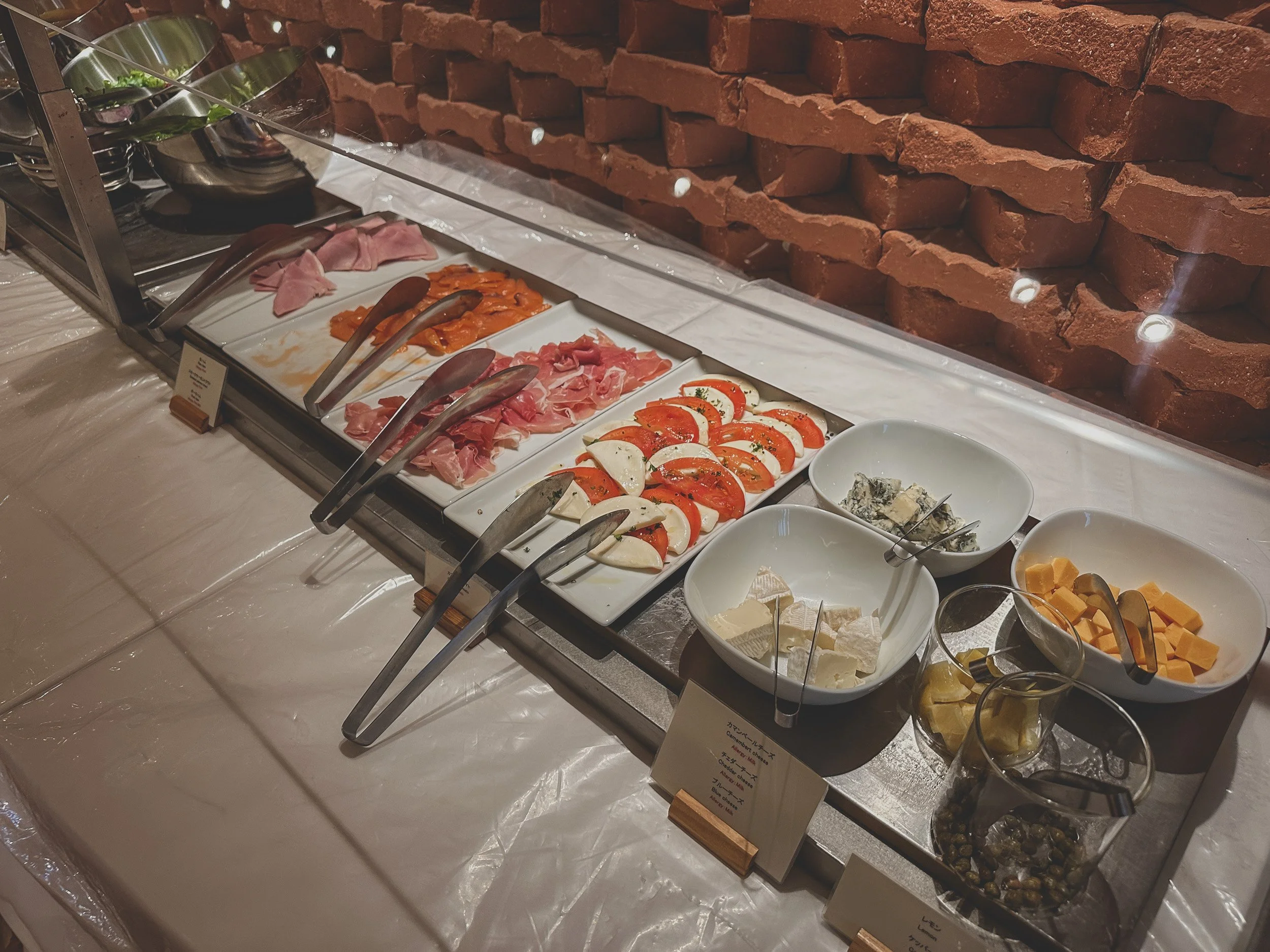
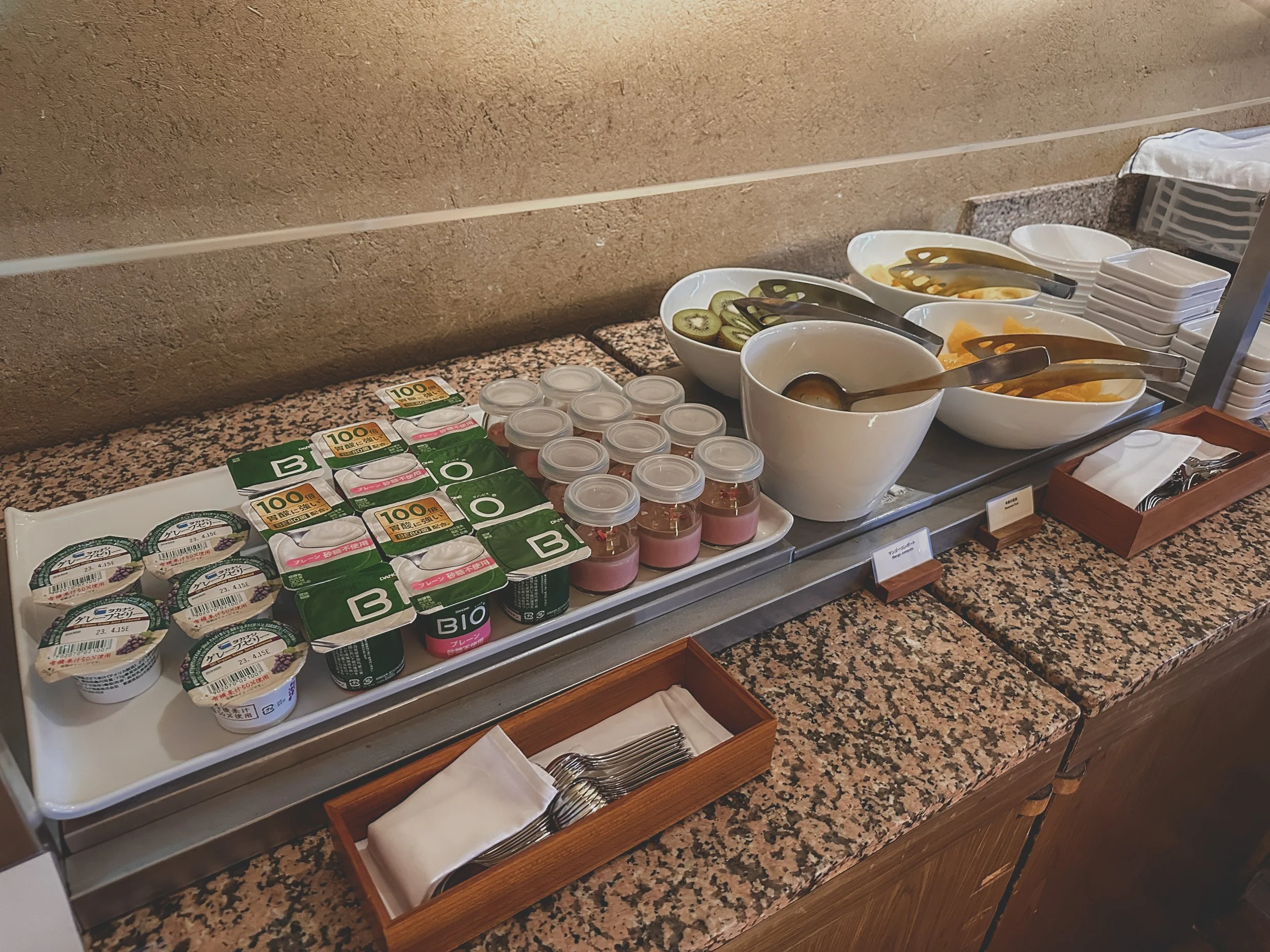
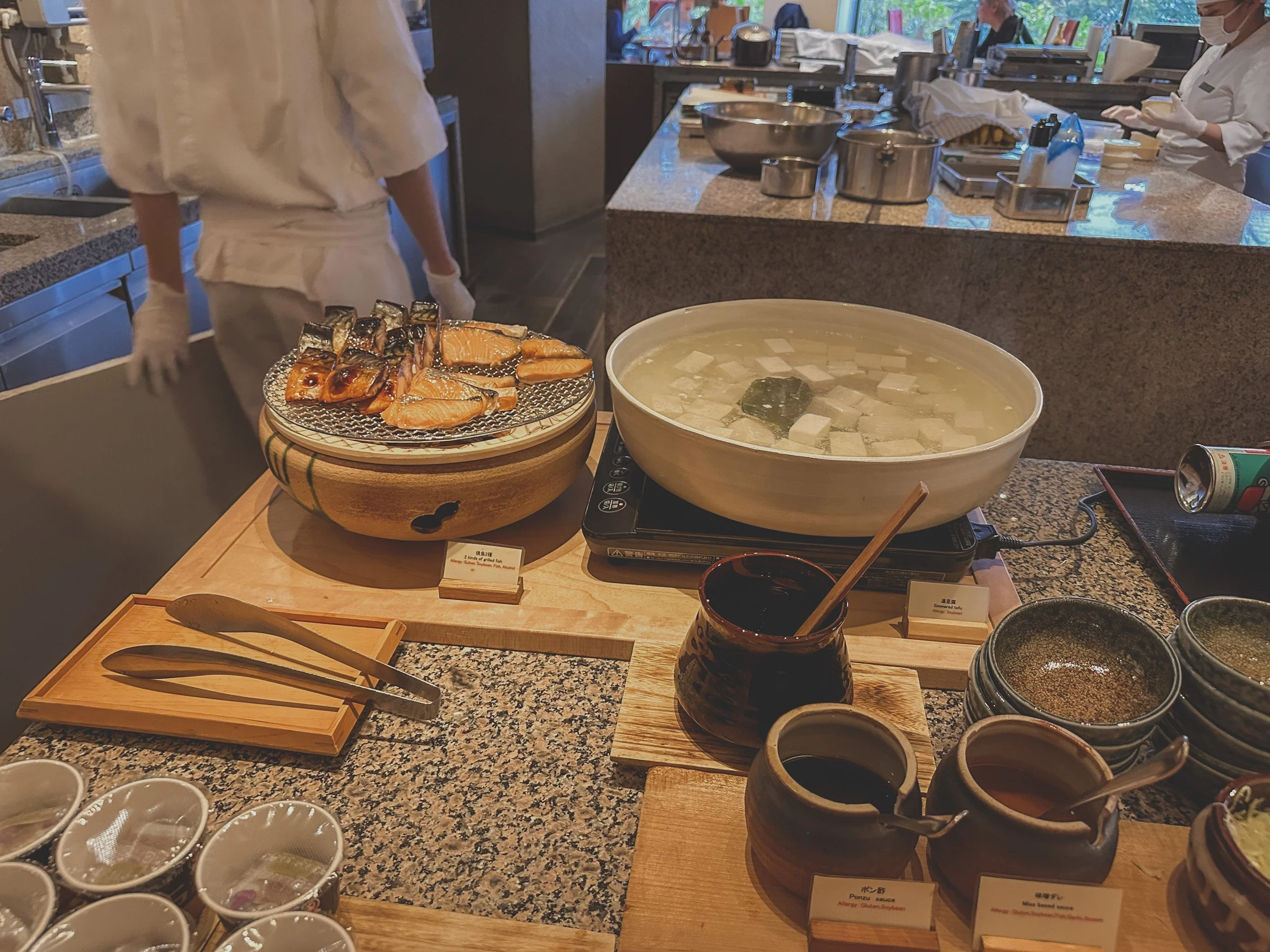
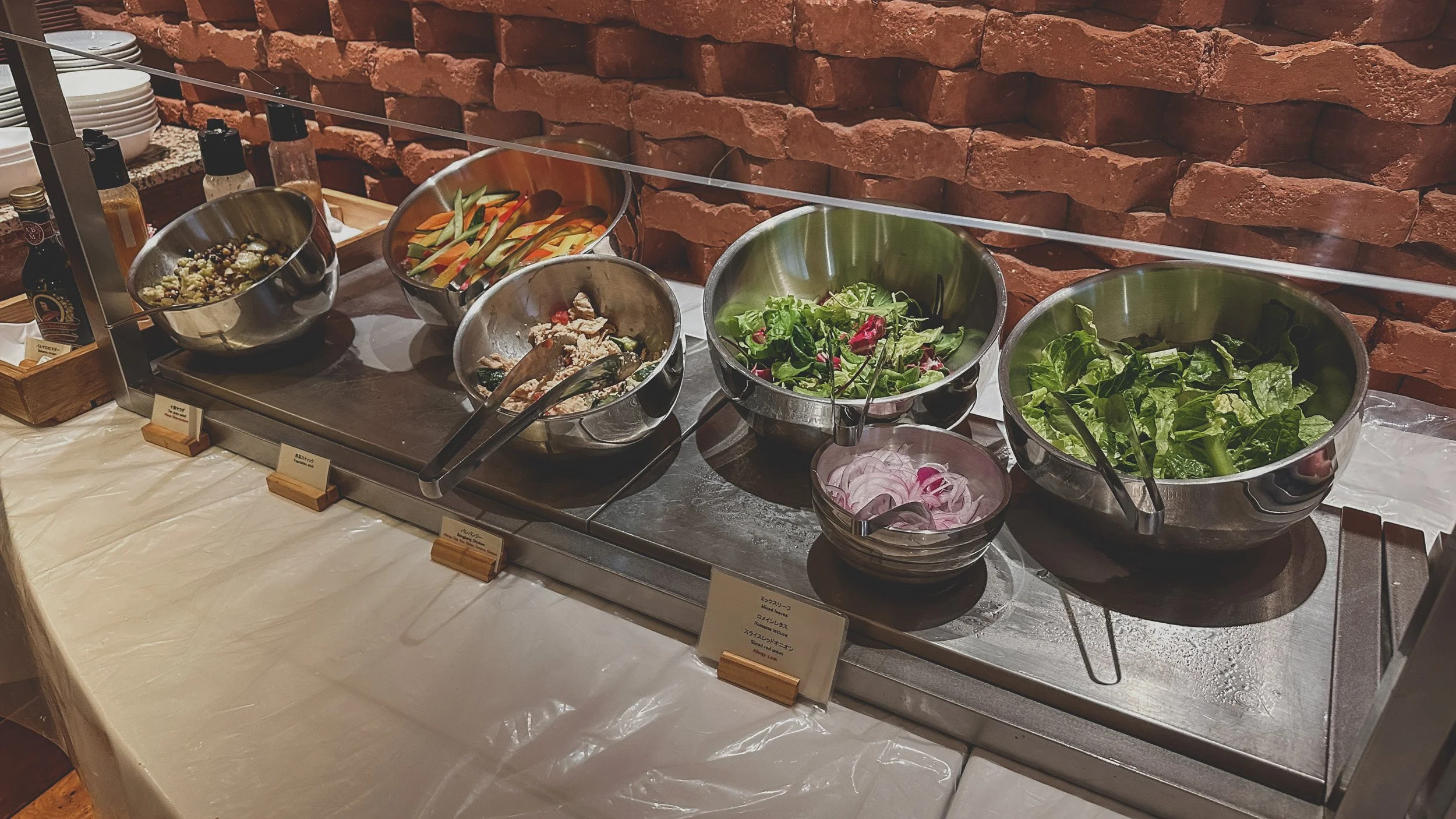
Dining at the Hyatt Regency Hakone is centered around the Dining Room - French and the Dining Room - Sushi, both of which emphasize the incredible bounty of the Kanagawa prefecture. For Hyatt Globalists, the breakfast experience is a standout highlight. Unlike the chaotic buffets of larger city hotels, breakfast here is a dignified affair. Guests can choose from an extensive buffet featuring local specialties like Odawara plums and shirasu (whitebait), or opt for the à la carte menu where egg dishes are prepared fresh to order. The standout is the Japanese breakfast set, which features fluffy rice cooked in a traditional clay pot, providing a depth of flavor that a standard rice cooker simply cannot replicate.
The breakfast room itself is a glass-walled pavilion that overlooks the mountains, making it nearly impossible not to linger over a third cup of coffee. The service is attentive but never hovering, ensuring that Globalists and high-tier guests feel recognized without the "gold star" ostentation. For those who prefer a Western start, the pastry selection is surprisingly high-caliber, with buttery croissants that would pass muster in Paris—a testament to the "French" influence that runs through the hotel's culinary program.
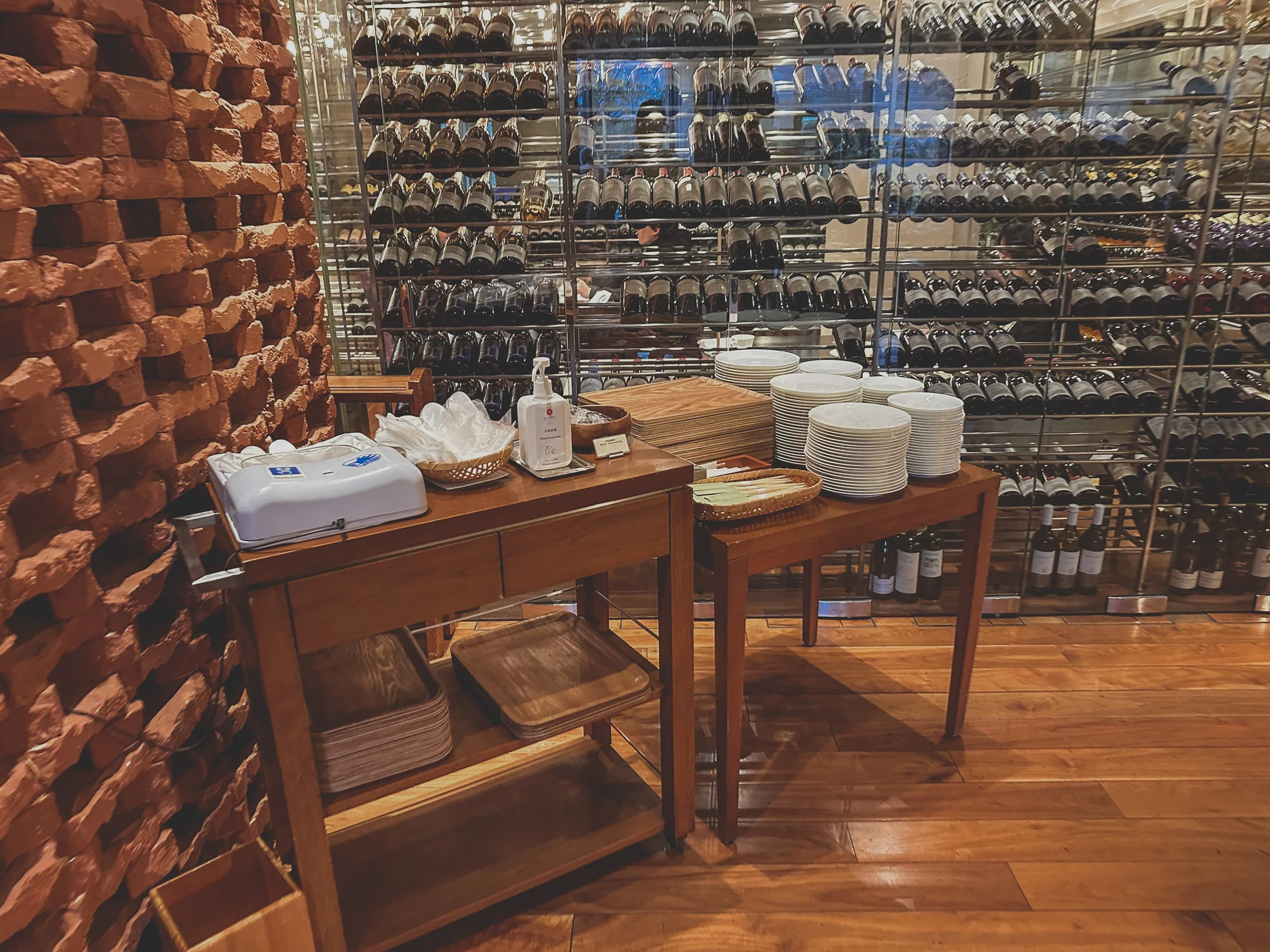
As evening falls, the dining room transforms. Dinner in the French wing is a "no-pretension" fine dining experience. The menu focuses on seasonal seafood from Sagami Bay and locally grown vegetables, with the open kitchen providing a sense of theater. For a more intimate experience, the Sushi counter offers some of the freshest local catches paired with an exceptional sake list. The "Living Room" also plays a vital role here; during the daily Happy Hour (4:30 PM – 6:30 PM), guests congregate for complimentary drinks. It’s a rare moment of social cohesion in a luxury hotel, where you’ll see travelers from around the world sharing stories by the fire before heading off to their respective dinners.
Dinner is undeniably an investment, with prix-fixe menus reflecting the "Class" in our company name. However, the quality of ingredients—particularly the Wagyu beef rump and the Sagami pork—justifies the price point. Even for those who choose to eat in town, returning to the Living Room for a post-dinner brandy by the fireplace is a mandatory part of the Hakone ritual.
Curated for Class?
After a thorough evaluation, the Hyatt Regency Hakone Resort and Spa remains a formidable player in the luxury landscape. It is a property that has aged with grace, choosing to lean into its identity as a "mountain lodge" rather than trying to chase every fleeting design trend. It successfully bridges the gap between the isolation of a traditional ryokan and the social atmosphere of a luxury resort.
Is it worth it? For World of Hyatt members, particularly those using points, the answer is a resounding yes. The sheer amount of space, the quality of the onsen water, and the excellence of the breakfast make it a high-value redemption. Even for cash-paying guests, the consistency of the experience provides a safety net that is often missing in the more "hit-or-miss" world of independent Hakone ryokans.
What can they improve? While the "timeless" design works, some of the in-room technology (like the Blu-ray players and older connectivity ports) is starting to feel like a relic of the mid-2000s. A subtle refresh of the tech suite would go a long way. Additionally, while the shuttle service is excellent, expanded hours for the shuttle could better accommodate those looking to experience late-night dining in Gora or Hakone-Yumoto.
In the world of Curated for Class, this property earns its reputation and stripes through its "Living Room" philosophy. It is a place that invites you to put on a yukata, grab a glass of champagne, and watch the mist roll over the mountains. It is, quite simply, Hakone at its most comfortable for those with points/cash to spare.
Curated for Class Final Score | 39/50
The Hyatt Regency Hakone serves as a sophisticated mountain sanctuary where the warmth of a roaring fireplace and generous Globalist perks effortlessly bridge the gap between Western luxury and ryokan soul. However, this high-altitude haven requires navigating a logistical mountain of shuttles, and while its charm is timeless, its aging technology is beginning to whisper of a bygone era.
Ambiance: 8/10
Room: 7.5/10
Food & Beverage: 7.5/10
Service: 8/10
Does it Feel Special: 8/10