
Flight Review: Eva Air 777-300ER Business Class Royal Laurel Review, TPE to KIX
Introduction
The EVA Air 777-300ER Royal Laurel Class, particularly on the busy corridor between Taipei (TPE) and Osaka (KIX), remains a flagship experience that marries traditional Taiwanese hospitality with a high-functioning, albeit classic, hard product. As of early 2026, while EVA Air has begun the process of refreshing its 777-300ER cabins to introduce more modern features, the current Royal Laurel cabin still sets a remarkably high bar for regional business travel. The flight, though relatively short at roughly three hours, offers a condensed version of the long-haul luxury that has earned EVA Air its consistent five-star rating.
From the moment you board, the service is a factual masterclass in efficiency and warmth. The "Royal Laurel" branding signifies a step above standard business class, emphasizing a personalized touch that begins with a welcome drink—frequently a glass of high-end Champagne—and a genuine smile. Even on these shorter regional hops, the soft product shines, with the crew managing a full multi-course meal service without ever making the cabin feel rushed. It is a transition that feels less like a flight and more like a high-altitude extension of the EVA Air flagship lounges in Taipei.
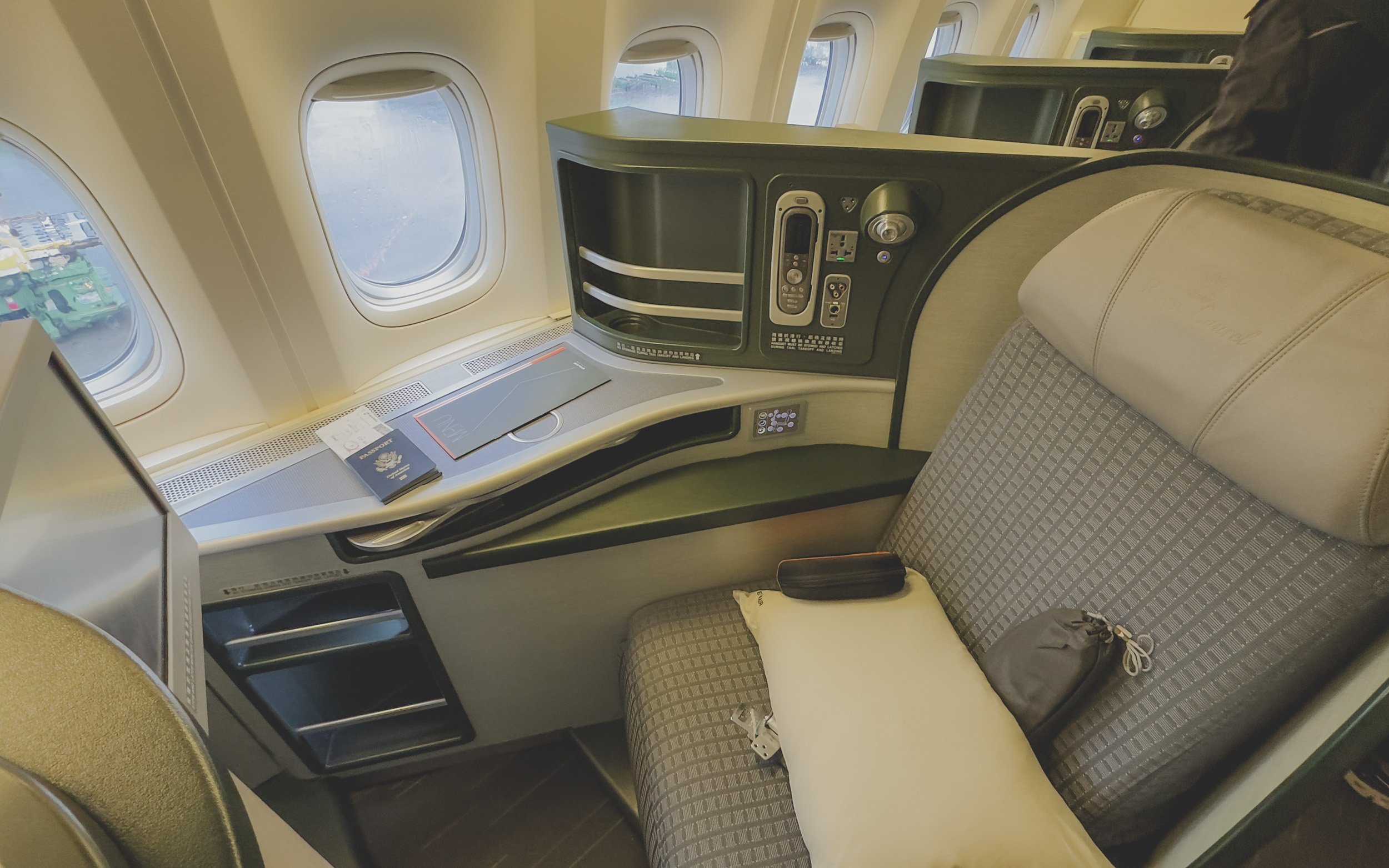
Seating Layout
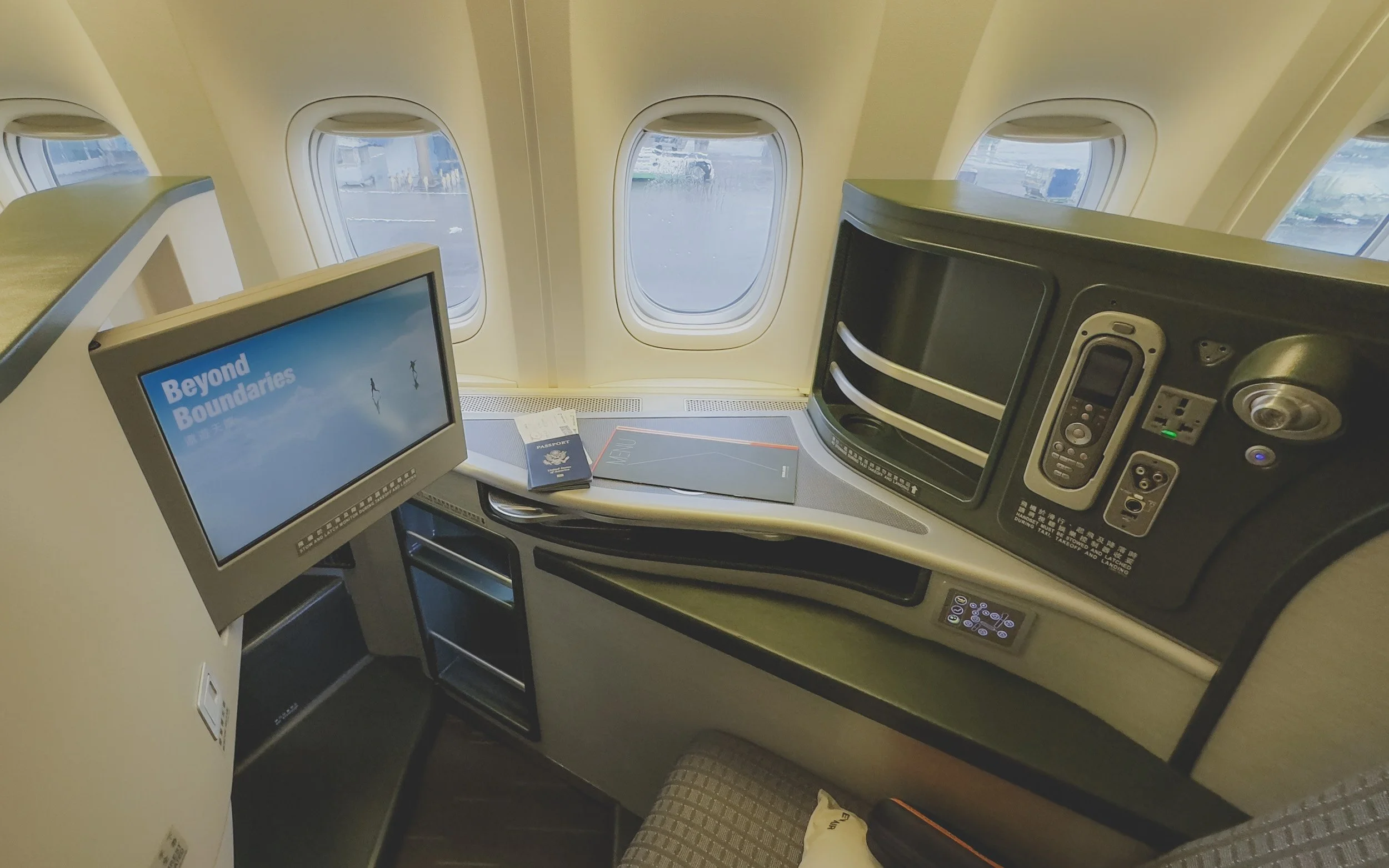
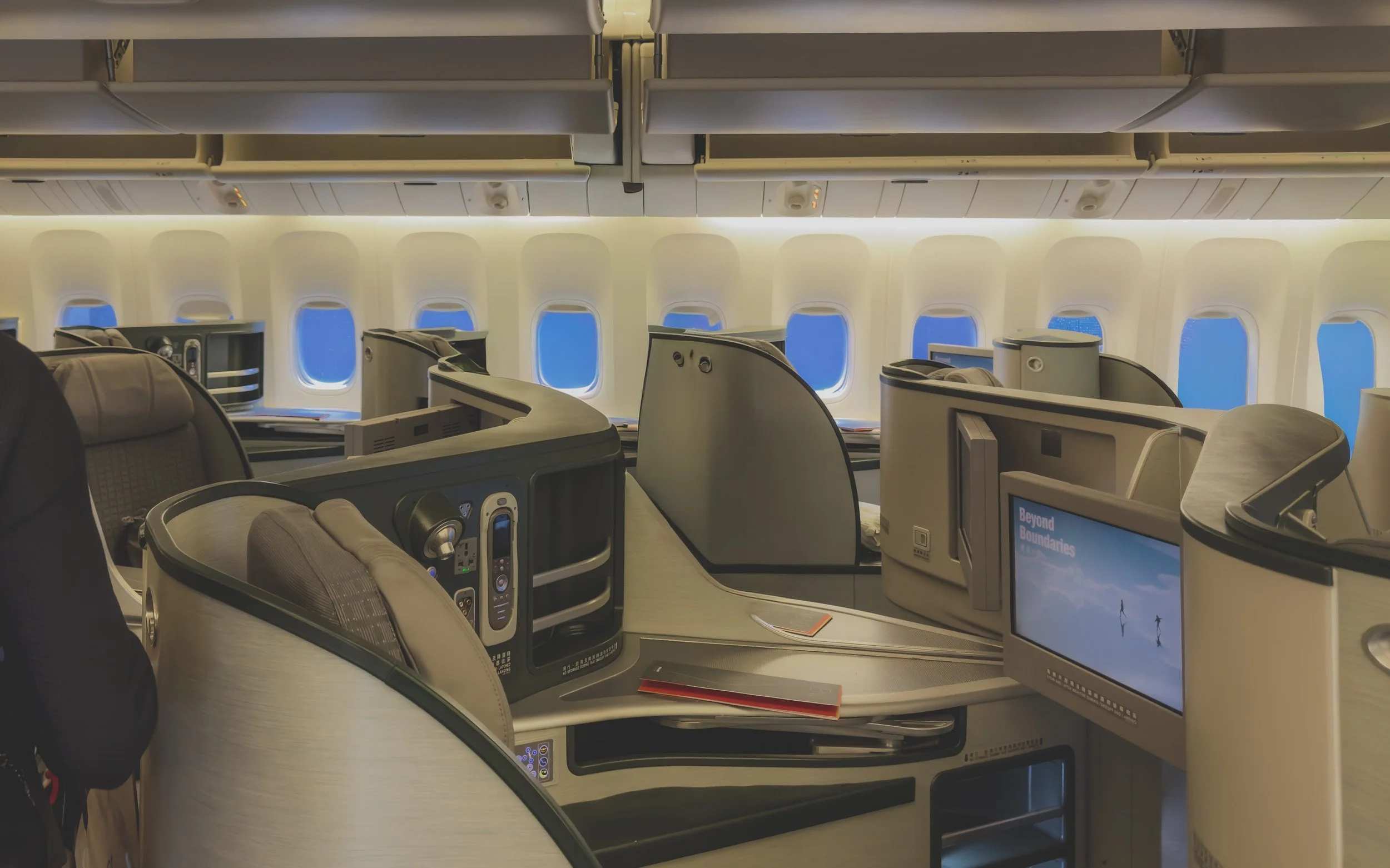
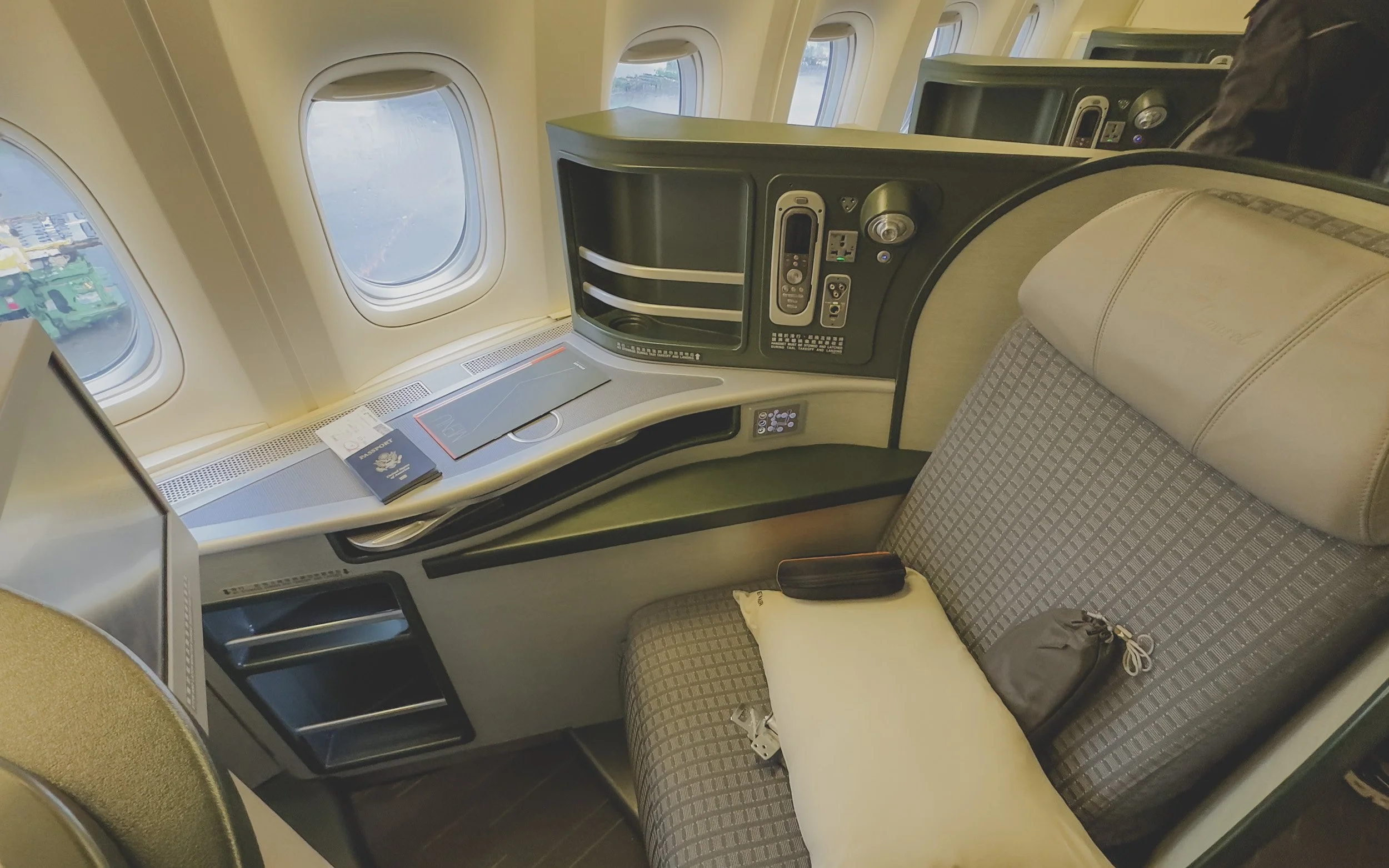
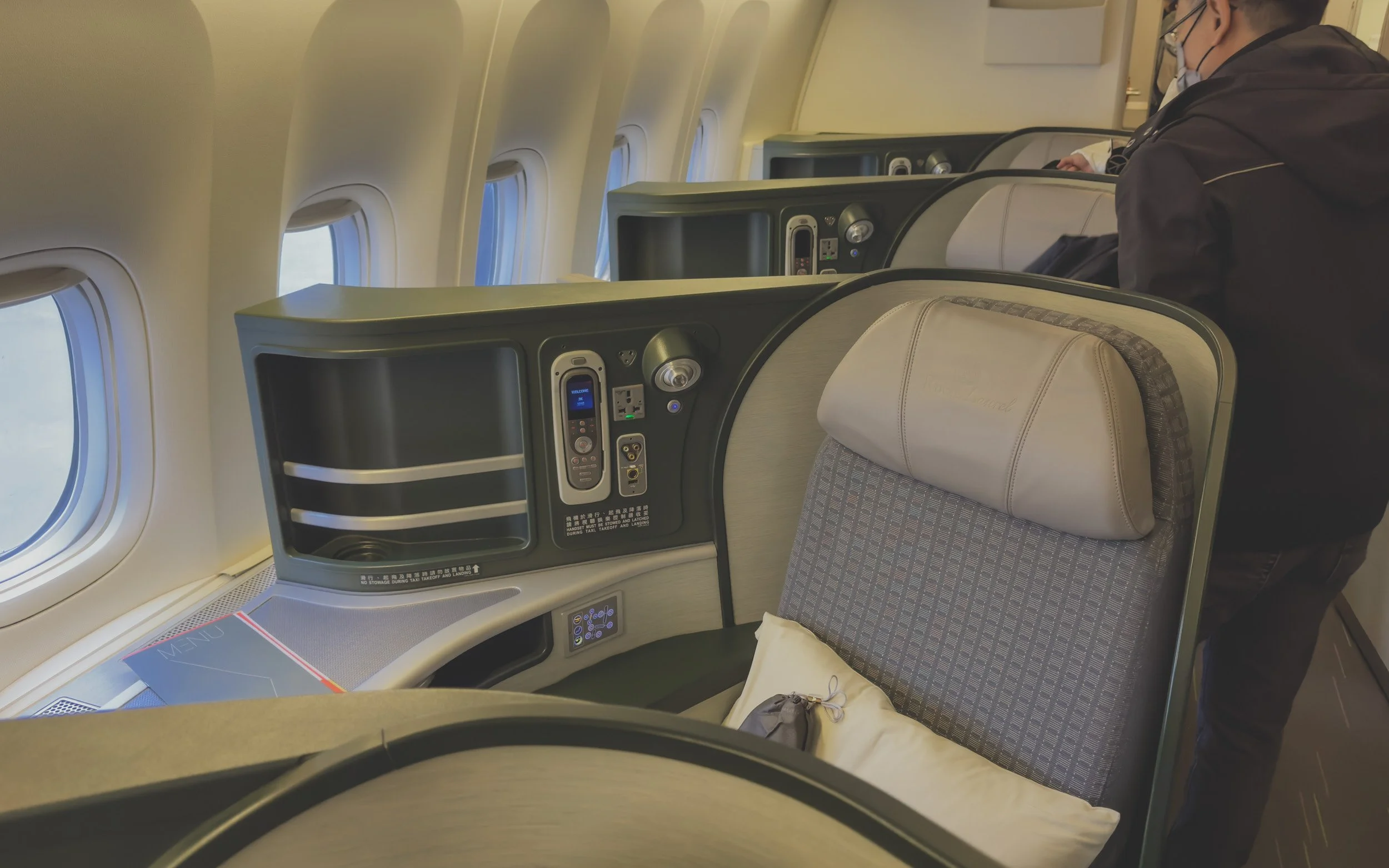
The 777-300ER features a 1-2-1 reverse herringbone configuration, which is factually designed to provide every passenger with direct aisle access. This layout utilizes the Zodiac Cirrus seat, a design that has stood the test of time due to its generous pitch and ergonomic flow. Each seat is angled away from the aisle—window seats toward the window and center seats toward each other—ensuring a high degree of privacy even without the sliding doors found on newer aircraft models. The seats offer a 76-inch fully lie-flat bed and a width of roughly 20 to 26 inches, providing ample room for both work and rest during the short journey to Japan.
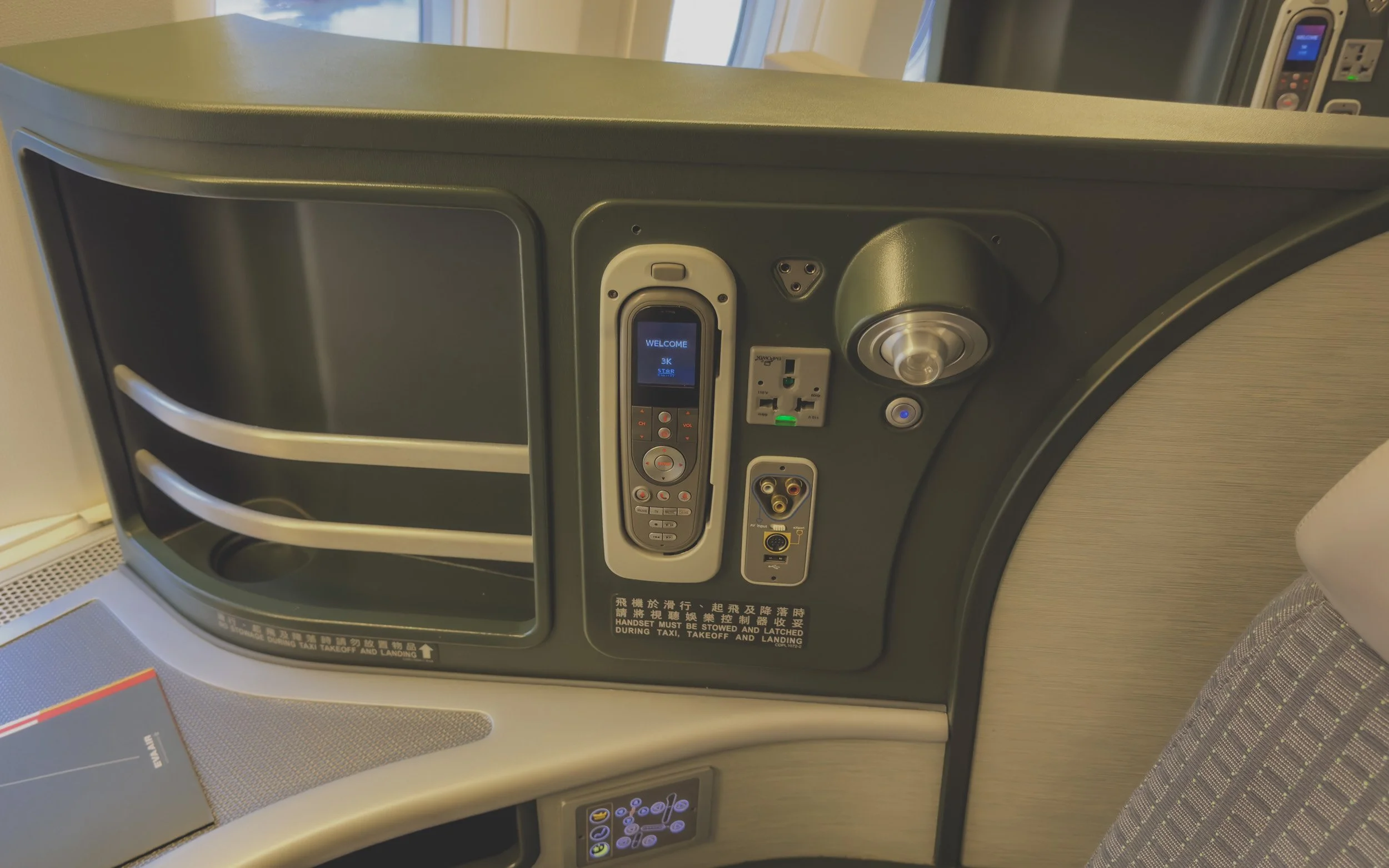
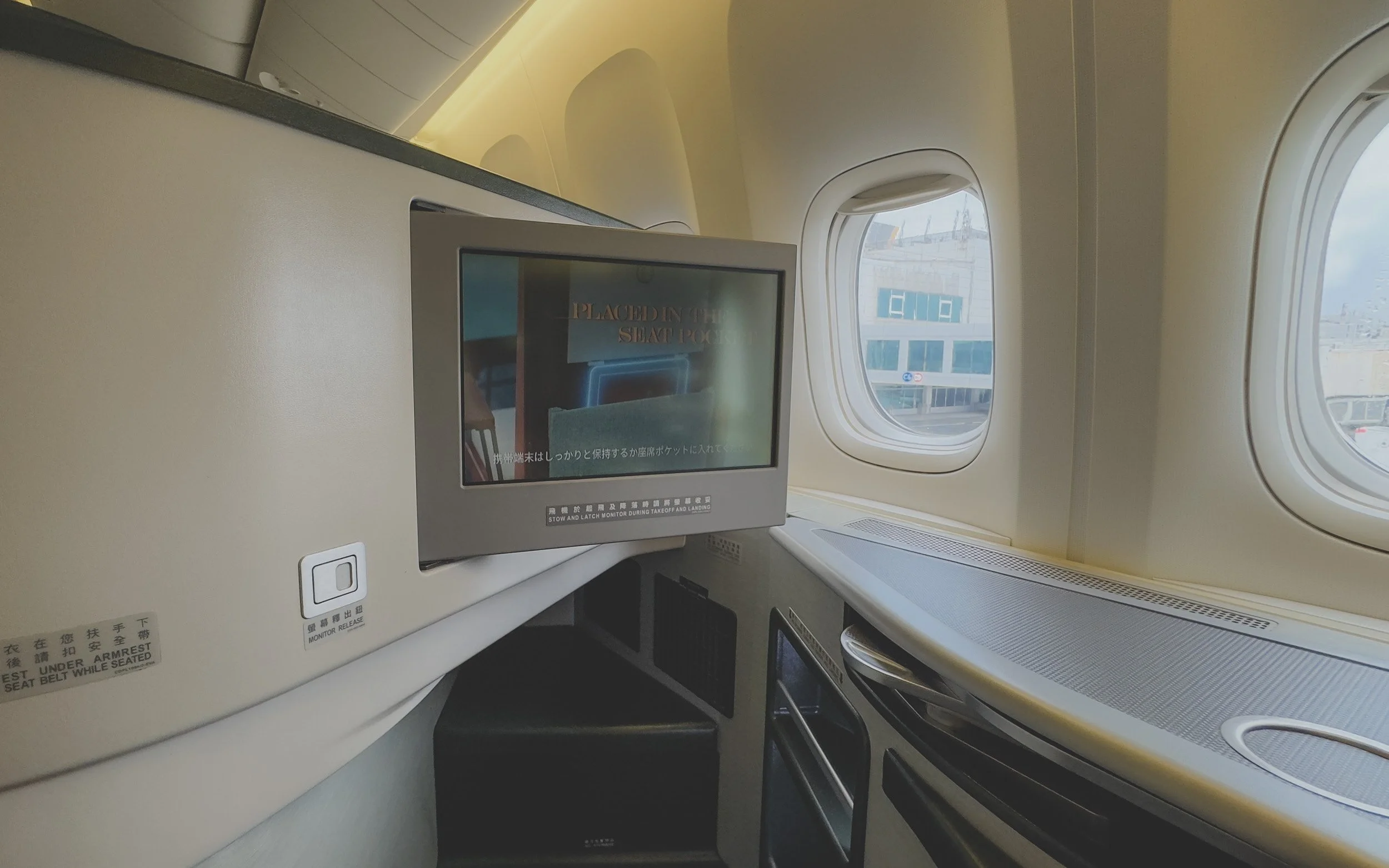
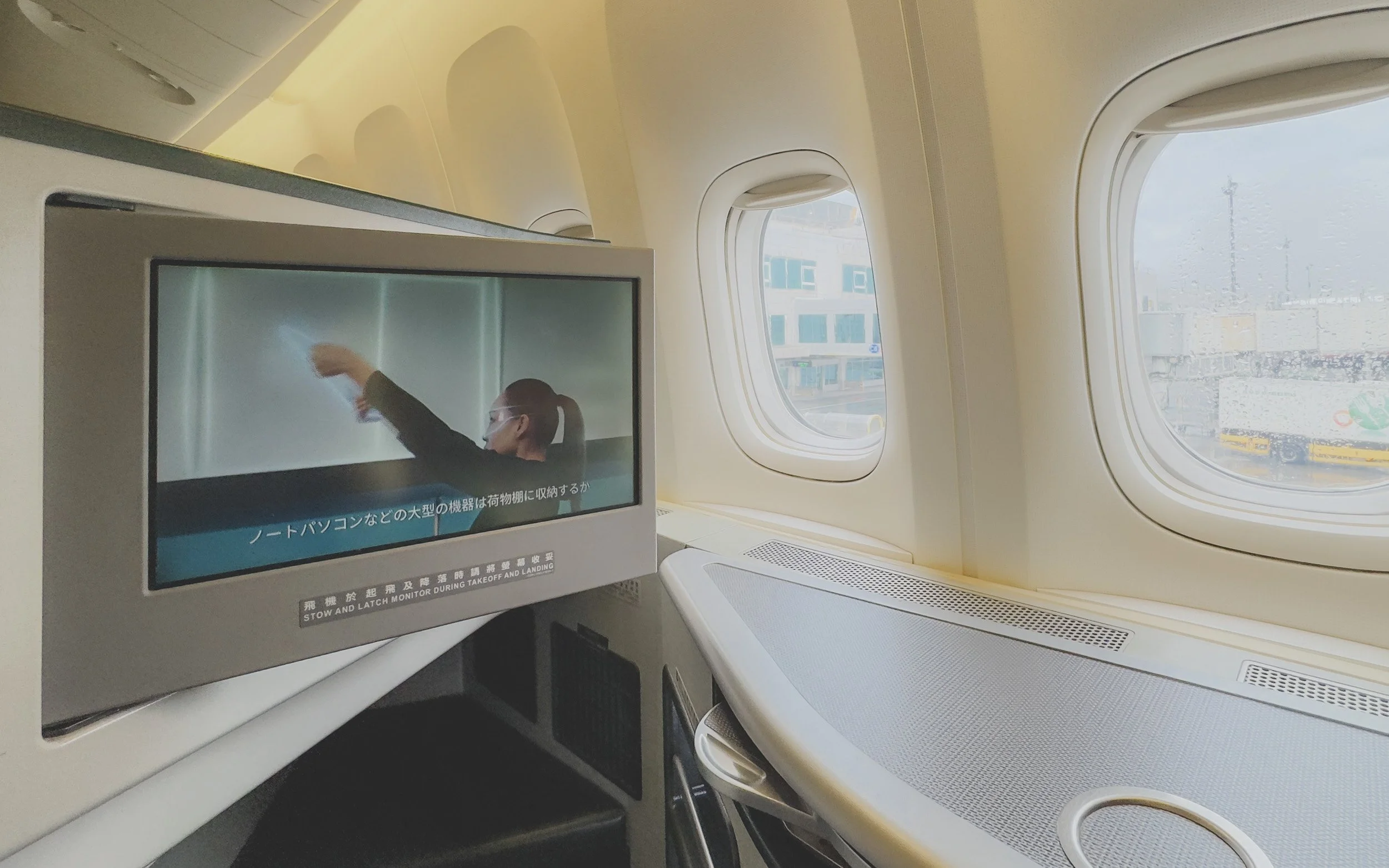
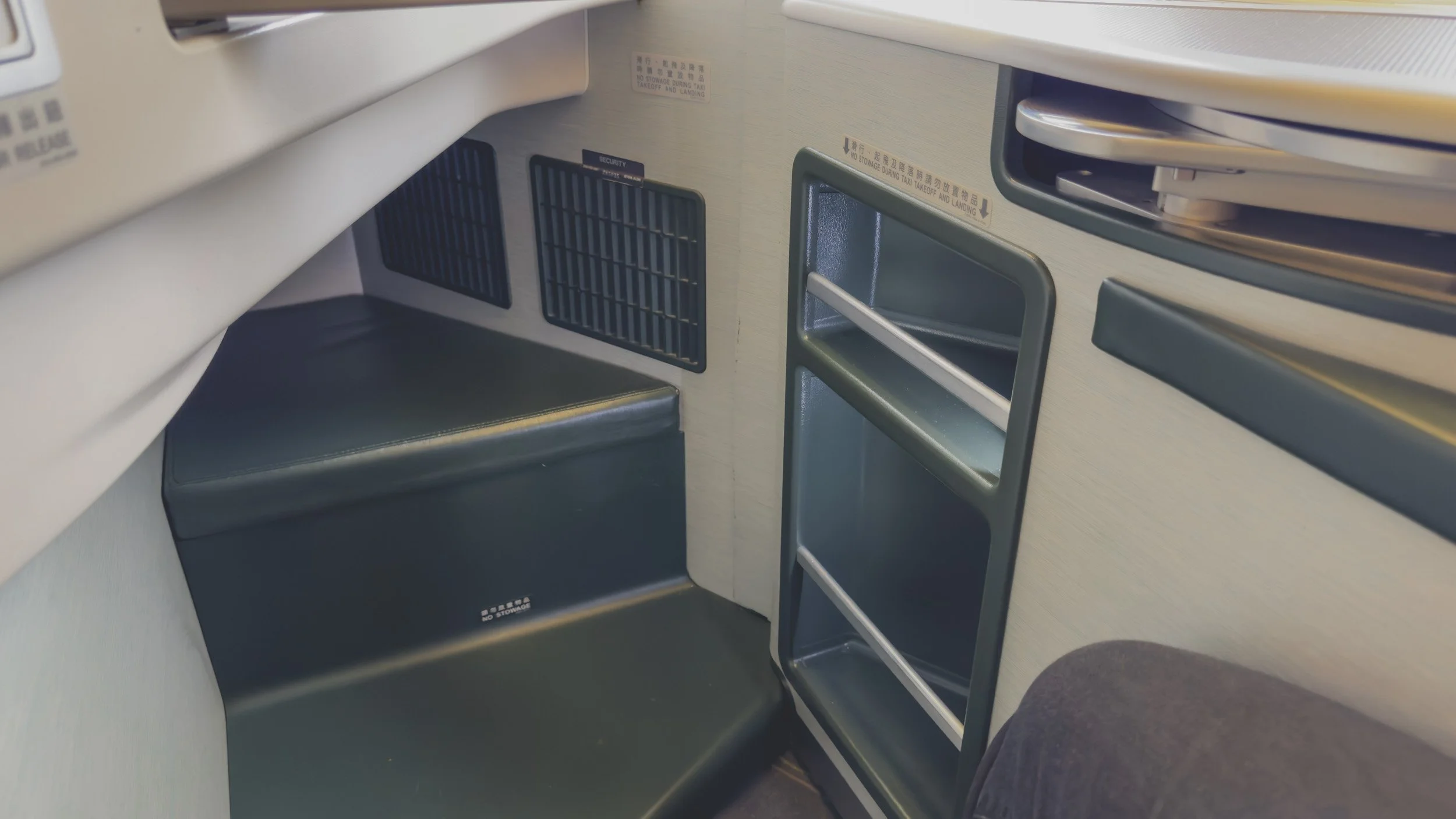
The physical comfort of the seat is bolstered by thoughtful storage solutions, including a dedicated shoe cabinet, a side console for small electronics, and a retractable armrest that can be lowered to increase the bed's width. While the 15.4-inch IFE screen is a generation behind the latest 4K displays, it remains perfectly functional for the flight duration. The design aesthetic—a professional palette of forest green and neutral creams—remains impeccably maintained. Factually, the "bones" of this seat remain some of the most spacious in the sky, providing a level of "knee room" that many modern, more densely packed cabins often sacrifice for tech gadgets.
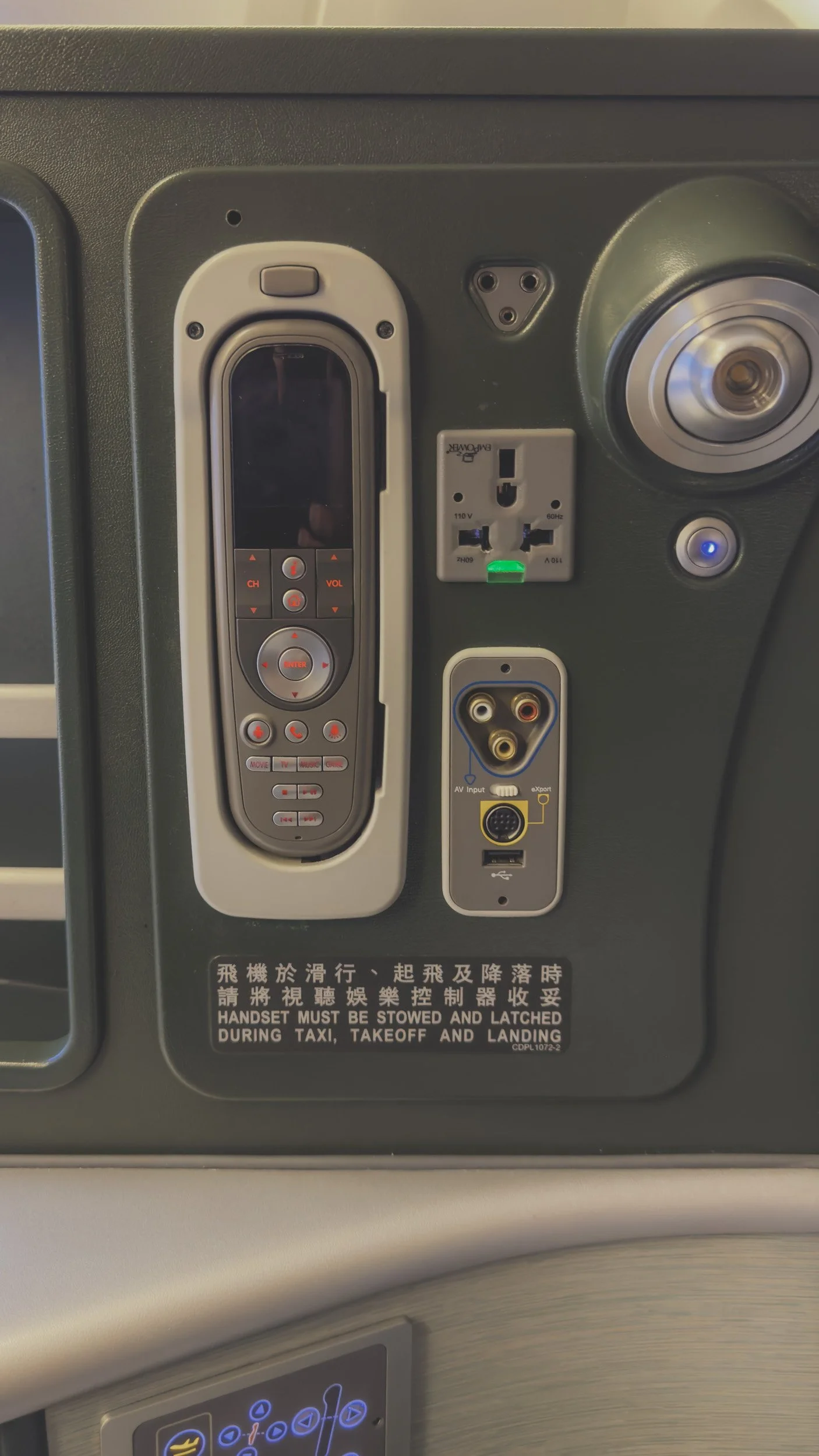
A handheld device controls the pop-out IFE screen, which is found near a reading light, two standard USB connections (no type C), and an international outlet. Finally, a set of buttons controlled the movement of the seat. You'll also find a set of easy-to-use seat controls near your elbow. You can recline into bed mode with the push of a button or really fine-tune your seat, independently moving the leg rest if you want to lounge upright. There's even an adjustable lumbar support. Couples and companions should gravitate to seat pairs in the center. Just keep in mind that because of how these seats are angled and a small, immovable partition in the center console, you won’t be terribly close to your traveling companion. It can be done, but carrying on a conversation across these seats isn't the easiest – there are certainly better setups in the sky for those traveling in pairs.
There are three lavatories onboard for business class passengers: Two at the very front of the plane and one between the two business class cabins. While fairly basic, they were always spotless. In addition to some helpful amenities like dental kits, mouthwash, and ear plugs at the ready, there was also an assortment of toiletries from Acqua Colonia available to use, from facial mist to body lotion.
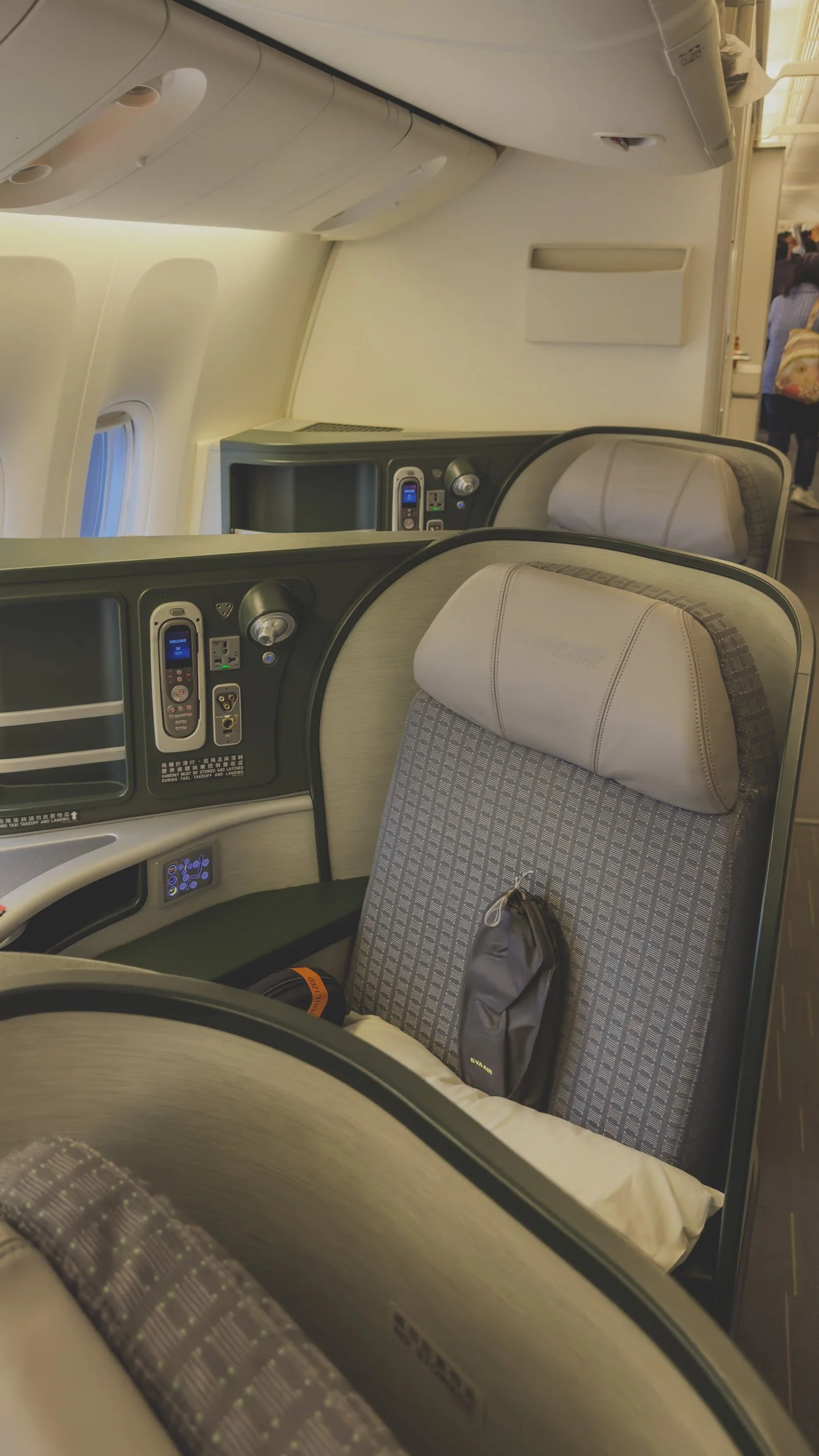
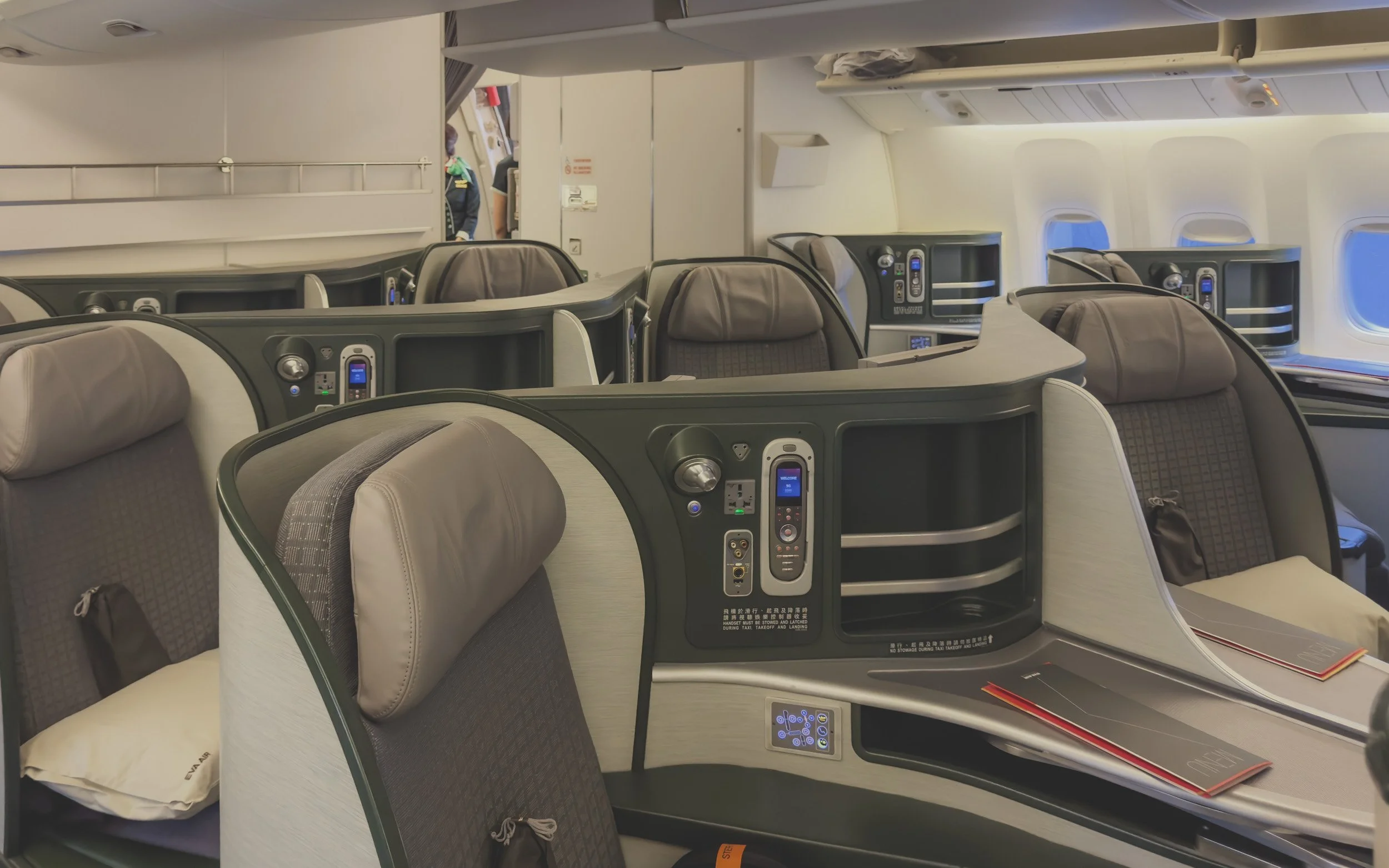
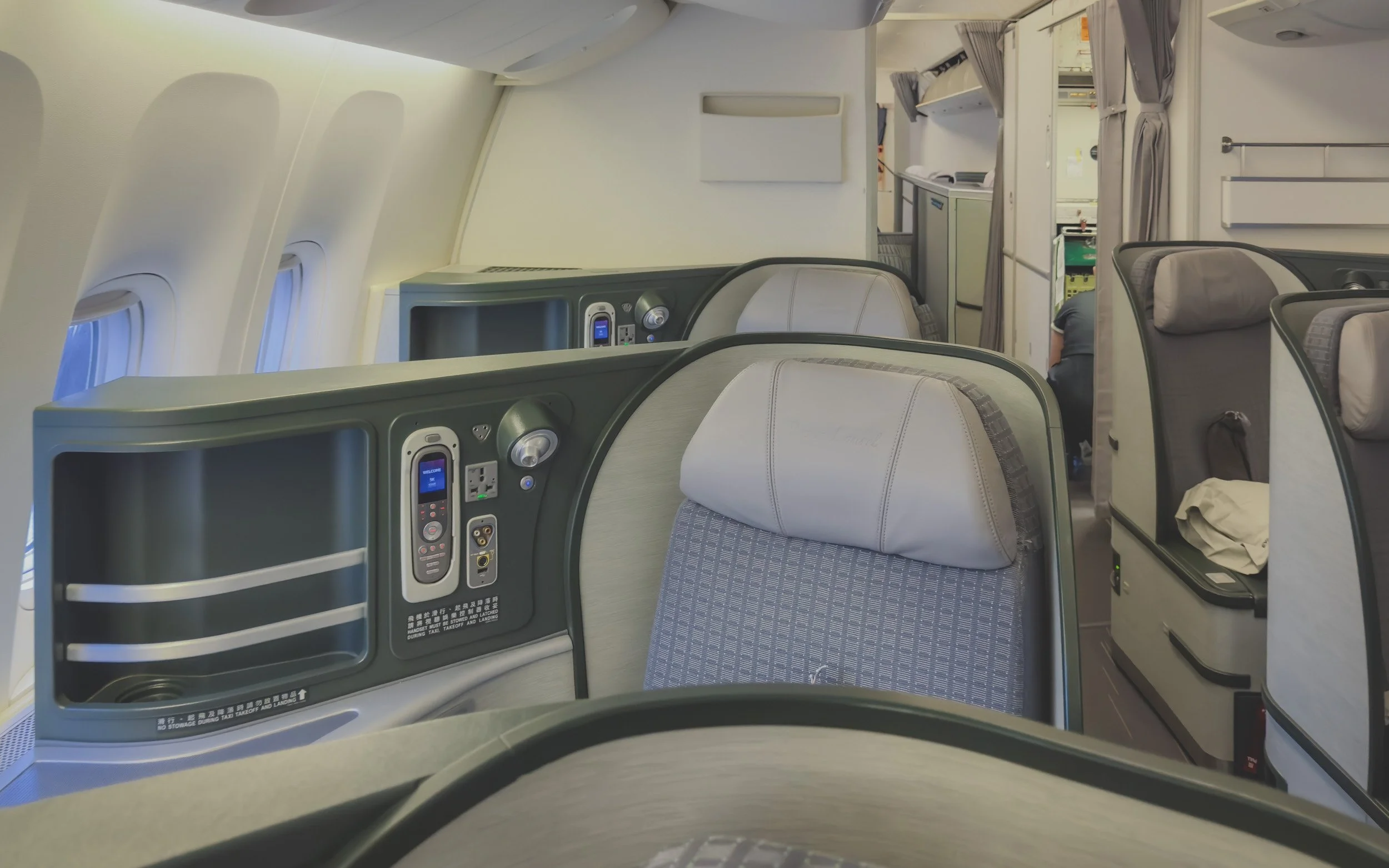
Comparing the 777-300ER to EVA’s newer 787 Dreamliner reveals a fascinating trade-off between space and technology. The 787 features the Vantage XL staggered seat, which offers a much sleeker, more contemporary design with 18-inch HD touchscreens and superior privacy panels. However, many frequent flyers factually prefer the 777’s older reverse herringbone layout because it feels significantly less "cramped" in the footwell area. While the 787 wins on "curb appeal" and modern tech, the 777 remains the champion of pure physical real estate, offering a wider seat feel that is more conducive to side-sleeping if you decide to nap.
The technological gap is the most obvious con for the 777. The Dreamliner offers better cabin pressure and humidity levels, which helps reduce jet lag, along with faster Wi-Fi and Bluetooth audio connectivity—features that are largely absent or older on the 777 fleet. Additionally, the 787's IFE system is more responsive and offers a better selection of high-definition content. However, the 777's pro is its massive overhead bins and the sheer volume of the cabin; the "Triple Seven" simply feels more cavernous and grand than the tighter, more efficient Dreamliner.
Another factual distinction lies in the storage during taxi, takeoff, and landing. On the 777, the crew is notably strict about clearing the footwell and side consoles of all bags and laptops, whereas the 787's more modern storage cubbies are often certified for use during these phases of flight. Ultimately, choosing between the two is a matter of preference: if you value a state-of-the-art entertainment screen and a "new plane" smell, the 787 is the winner. If you want the most "elbow room" and a seat that doesn't feel like a tight cockpit, the 777 remains the superior choice for comfort.
Food & Beverage
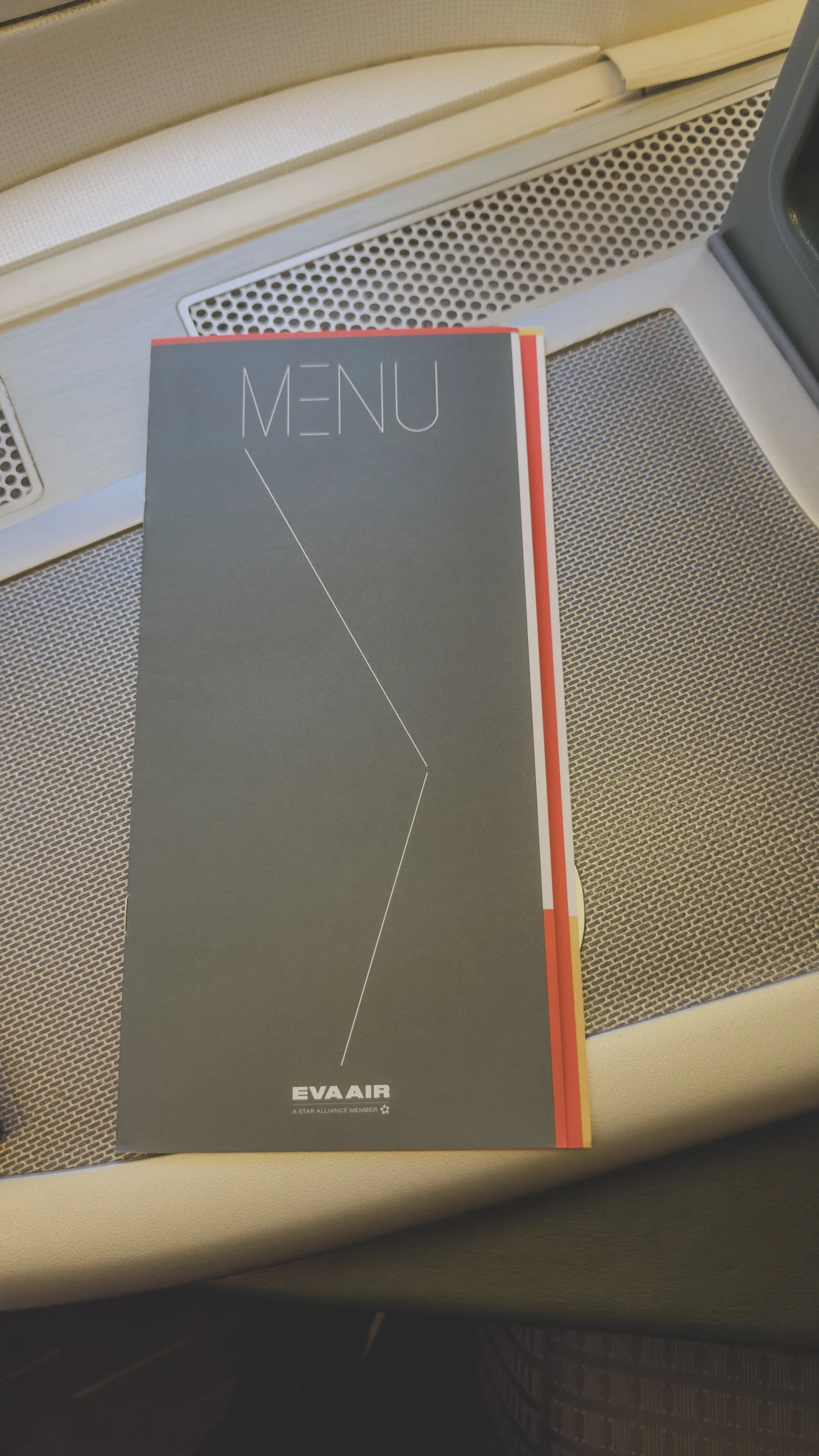
Passengers can frequently pre-order their meals online up to 21 days in advance, a service that includes exclusive dishes not found on the in-flight menu. The experience often starts with a refined appetizer, such as Shaoxing wine-marinated chicken, followed by a main course that might include their famous Braised Beef Noodle Soup or a delicate seafood selection designed for the Japanese palate.
The beverage program is equally impressive for a regional flight. EVA Air is one of the few airlines that serves premium Champagne—often Veuve Clicquot or similar—in business class on short-haul routes. The tea service is a nod to Taiwanese culture, featuring high-quality Oolong and jasmine teas served in proper porcelain. On the 777, the tray table is large and sturdy, providing a stable platform for the multi-course meal that is served "all at once" on a single tray to maximize your time for relaxation on this short hop.
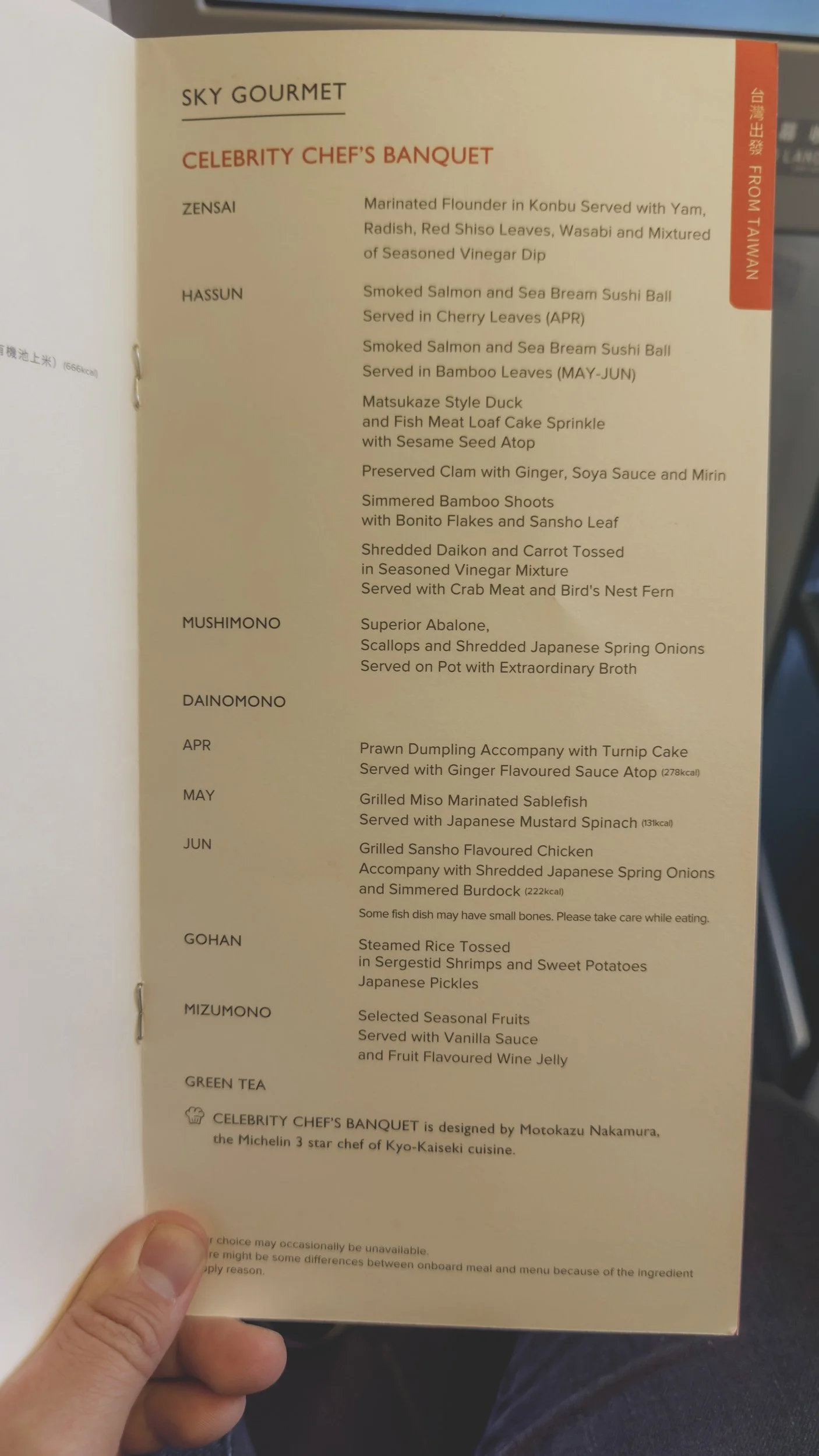
For those heading to Osaka, the Japanese "Hanako-yo" meal set is a frequent and popular option. This beautifully presented bento-style tray includes seasonal delicacies, miso soup, and premium rice, offering a literal taste of your destination before you even touch down at KIX. The dessert service typically includes fresh fruit and a small pastry or a traditional Taiwanese sweet, ensuring the meal concludes on a high note. Factually, the quality of the ingredients and the precision of the plating on this three-hour flight often exceed what many Western carriers offer on 10-hour transoceanic journeys.
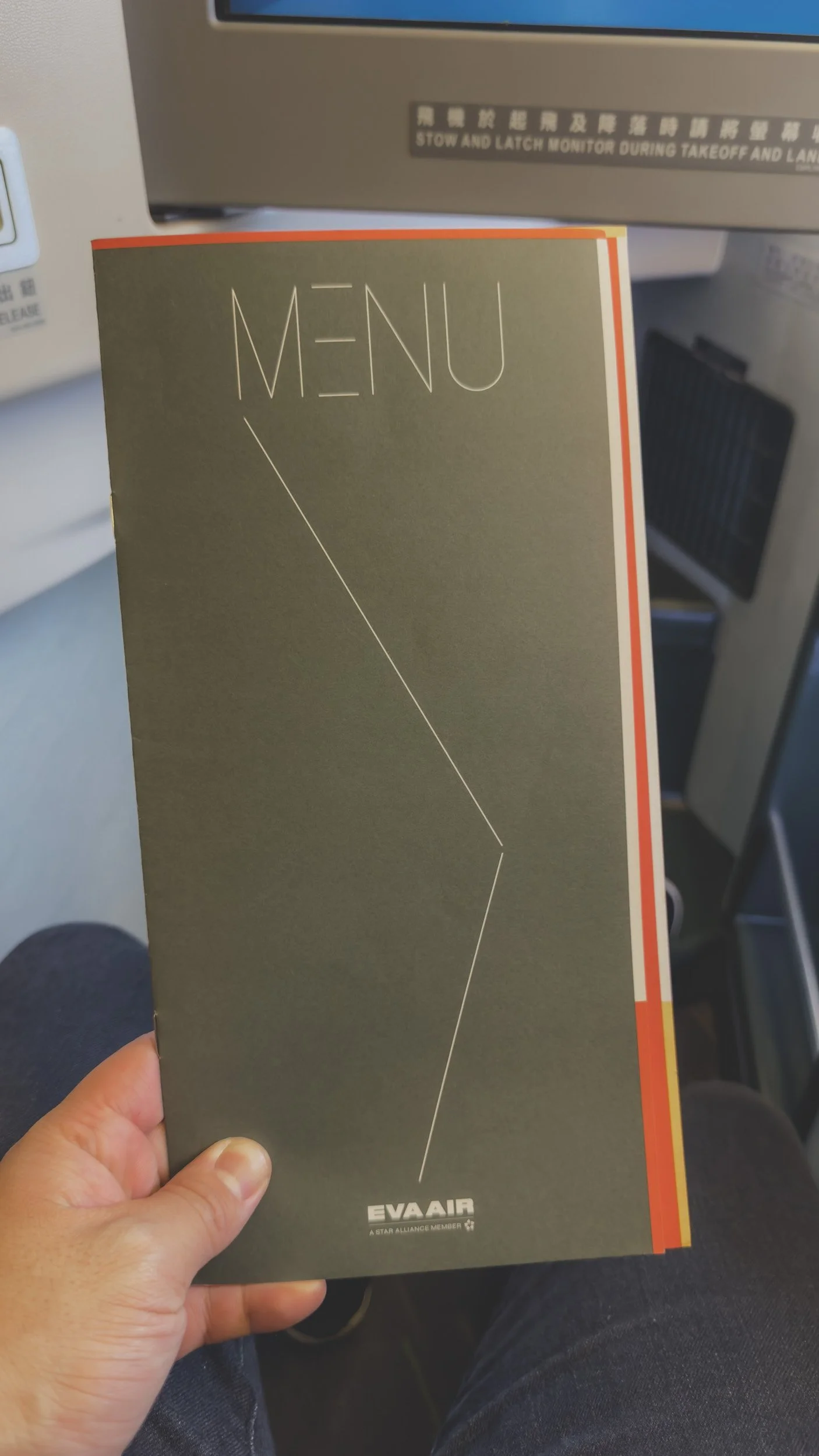
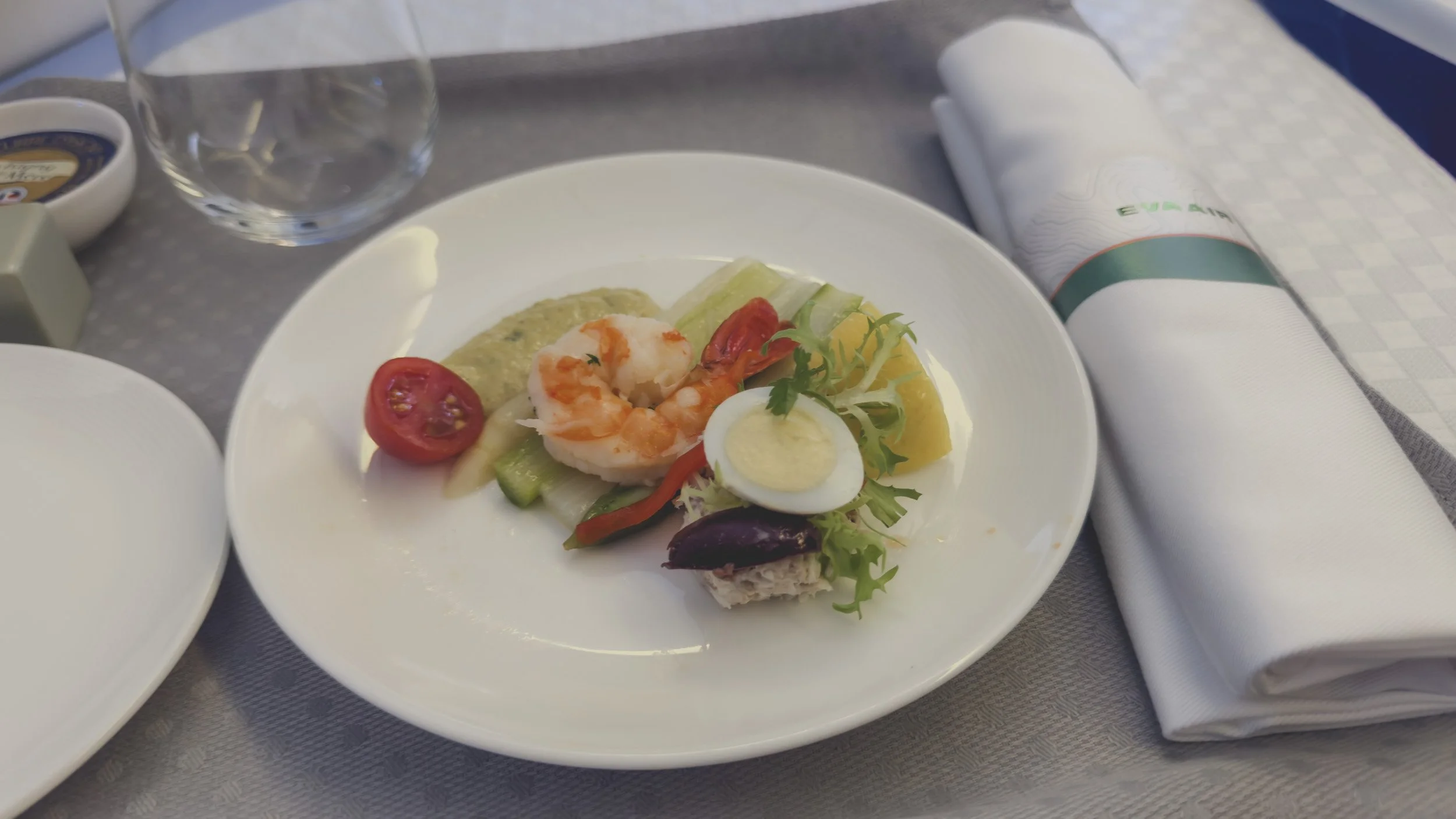
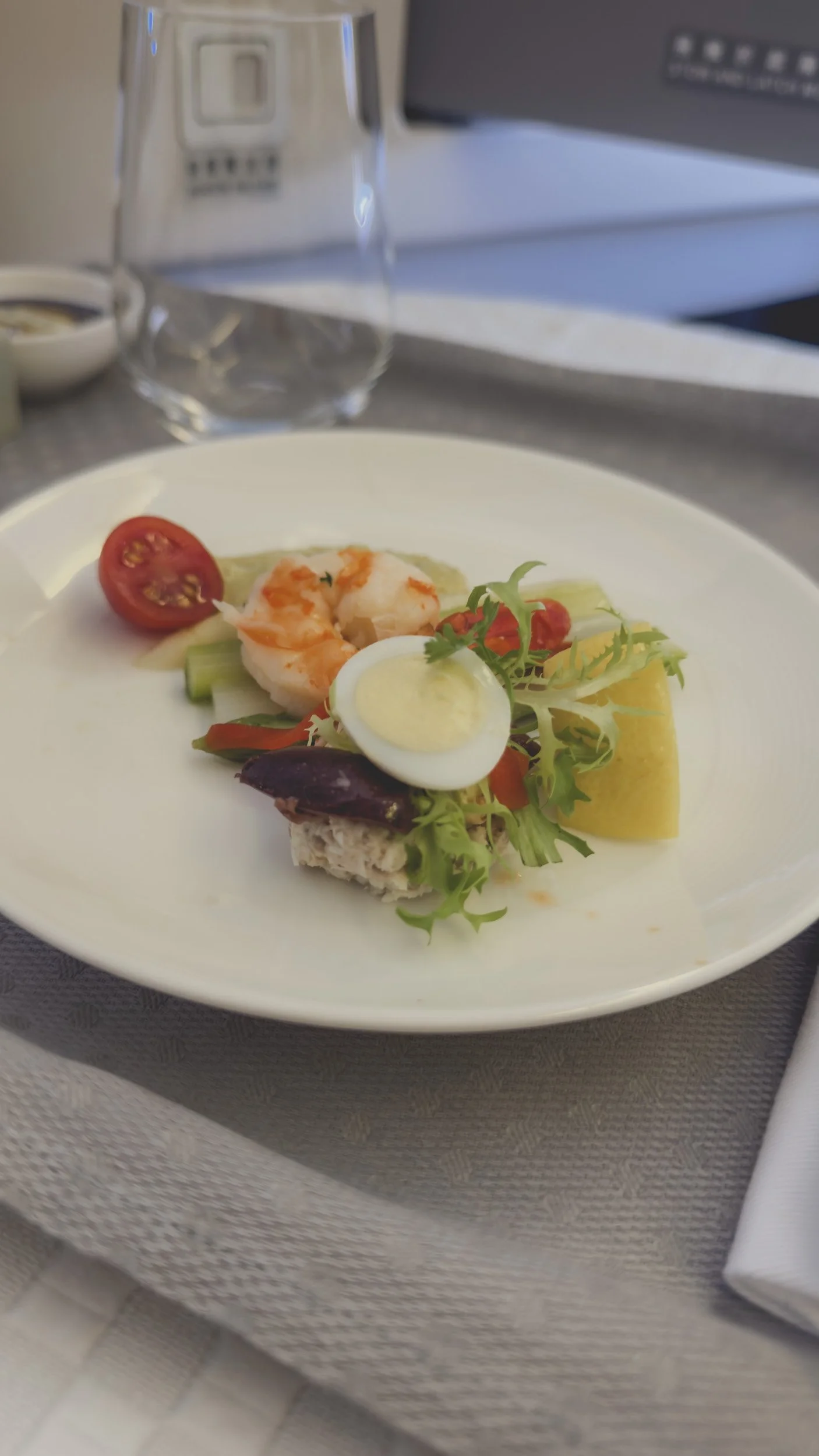
I sadly made the mistake of booking too proactively - when I saw what was in store for the flight to Japan, I immediately regretted my decision. My spouse had a blast of time enjoying her multi-course meal. Don’t get me wrong, the lunch was fantastic and the selection of teas and coffee was great, but this was one of the very few moments where I wished I didn’t preorder ahead.
Conclusion
It may be showing its age in terms of the aircraft design, but the EVA Air 777-300ER Royal Laurel experience from Taipei to Osaka is a nice reminder that its business class fleets are aging gracefully While the aircraft’s technology and cabin finishes show their age compared to the sleek Dreamliner, the sheer spaciousness of the reverse herringbone seat and the impeccable five-star service remain world-class. It is a flight that prioritizes the fundamentals of luxury travel—space, privacy, and exceptional dining—over the flashiness of modern gadgets.
For the luxury traveler in 2026, this flight remains a recommended way to travel between Taiwan and Japan. The combination of the legendary Din Tai Fung catering, the generous lie-flat bed, and the attentive crew makes the journey to KIX feel like a genuine treat rather than just a transfer. As EVA Air continues its fleet modernization, the classic 777 Royal Laurel remains a reliable, high-comfort benchmark for premium travel in Asia.
Curated for Class Final Score | 31.5/40
The EVA Air 777-300ER Royal Laurel Class remains a strong regional choice of cabin service and top-tier dining, offering one of the most spacious and private layouts in the sky. While the cabin hardware is starting to show its age compared to newer models, the sheer amount of personal real estate and the warmth of the Taiwanese hospitality continue to make it a highly competitive choice for luxury travelers looking for a deal across Intra-Asia.
Ambiance: 8/10
Seating: 7.5/10
Food & Beverage: 8/10
Cabin Service: 8/10