
Flight Review: Japan Airlines 777-300ER Business Class Review, HND to SFO
Introduction | Japan Airlines
Crossing the Pacific on the Japan Airlines (JAL) 777-300ER is a masterclass in the Japanese art of omotenashi—a philosophy of selfless hospitality that makes the eleven-hour journey between San Francisco (SFO) and Tokyo Haneda (HND) feel remarkably short. While newer aircraft may offer flashier tech, JAL's flagship Boeing 777-300ER remains the backbone of their transpacific fleet, delivering a refined, predictable, and deeply comfortable experience. It is a factual favorite for business travelers who prioritize sleep quality and authentic Japanese cuisine over the "newest is always better" mentality.
The journey begins with a sense of calm that is quintessentially JAL. The cabin crew manages the boarding process with a surgical precision that ensures the flight departs like clockwork, yet they never sacrifice the warm, individual attention for which the airline is famous. From the first pour of premium sake to the distribution of loaner cardigans for the flight, every touchpoint is designed to put the passenger at ease. It is a service culture that remains consistent whether you are flying the flagship route or its return leg, maintaining a five-star standard that few global carriers can rival.
As of 2026, the 777-300ER remains a critical part of the JAL network, especially on high-demand routes like SFO-HND. While the airline is gradually rolling out newer cabins on their A350 fleet, the 777 still offers a classic, grand-scale cabin feel that many regular flyers find comforting. It is a factual reality that this aircraft provides one of the most spacious "old school" business class environments in the sky, blending heavy-duty hard products with a soft product that feels more like a fine-dining restaurant than an airplane cabin.
Booking | Japan Airlines
As of 2026, Alaska Airlines has rebranded its loyalty experience under the Atmos Rewards umbrella, but the value for JAL remains strong. Following their 2024 shift to a distance-based chart, a one-way business class flight from the West Coast (like Seattle or San Francisco) typically costs 60,000 to 75,000 points.The factual standout benefit here is the free stopover in Tokyo, even on one-way award tickets. This allows you to spend a few days in Japan before continuing to another Asian destination for the same price. Alaska points are primarily earned through their co-branded credit cards or by transferring from Marriott Bonvoy or Bilt Rewards.
American Airlines remains one of the most straightforward ways to book JAL Business Class. They currently charge a flat 60,000 miles for a one-way flight between North America and Japan (Asia Region 1). While they do not allow stopovers on award tickets, their website is widely considered the most user-friendly for searching JAL availability. Factually, JAL releases award seats to partners like AA roughly 331 days in advance. For the best chance at success, many travelers look for "close-in" availability, as JAL often releases unoccupied business class seats 1 to 2 days before departure.
British Airways Avios are the easiest points to accumulate because they are transfer partners with Amex, Chase, Citi, and Capital One. However, following a significant devaluation in late 2025, JAL awards now cost 11% to 14% more than they did previously. For a long-haul flight from the U.S. to Japan, you can expect to pay upwards of 90,000 Avios. While not the cheapest for long-haul, Avios remain a factual "sweet spot" for regional Business Class flights within Asia (e.g., Tokyo to Taipei or Hong Kong). These flights now start around 20,000 to 35,000 Avios, offering a high-value way to experience JAL’s regional service without a massive point spend.
Sakura Lounge | Japan Airlines
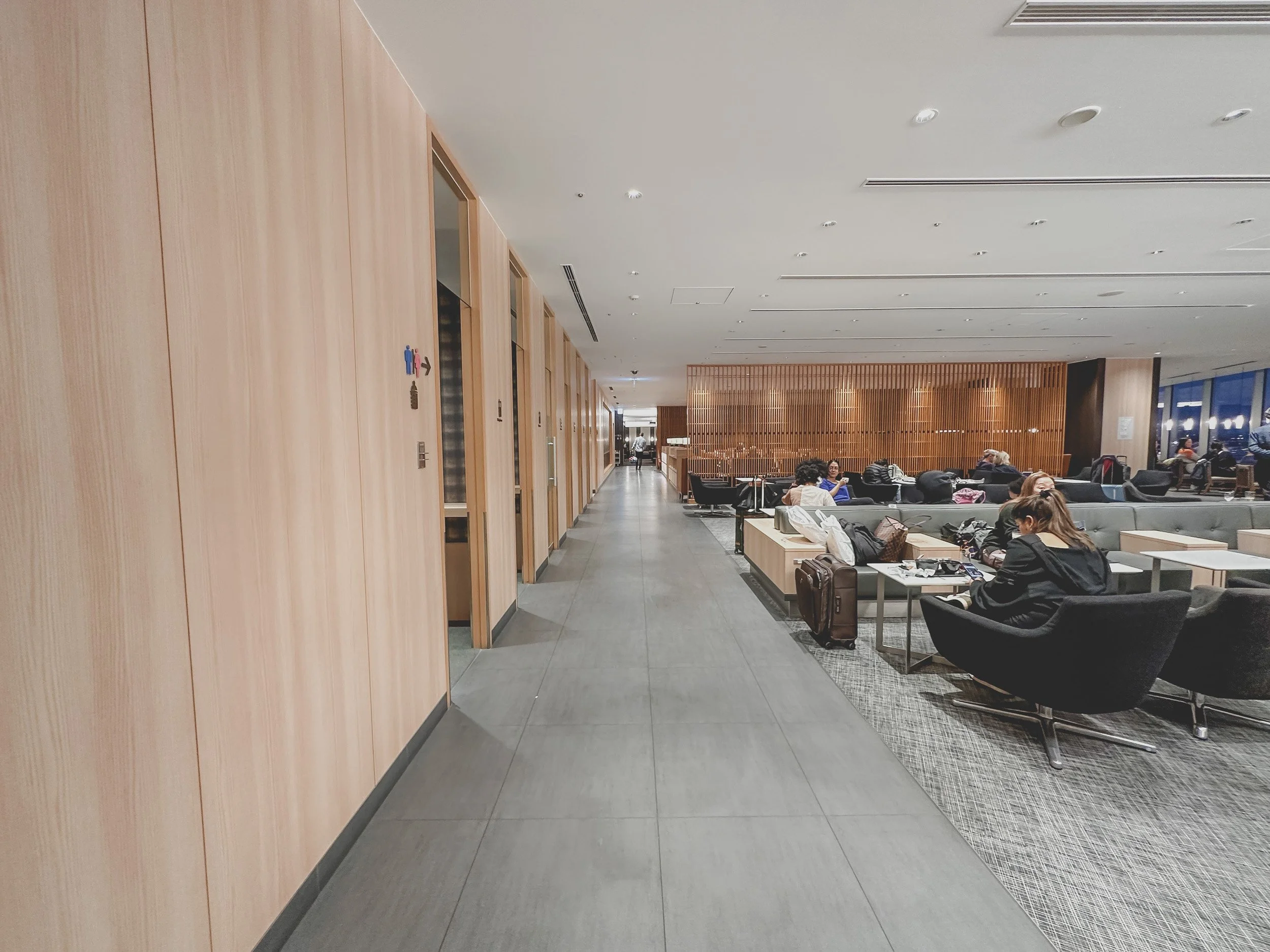
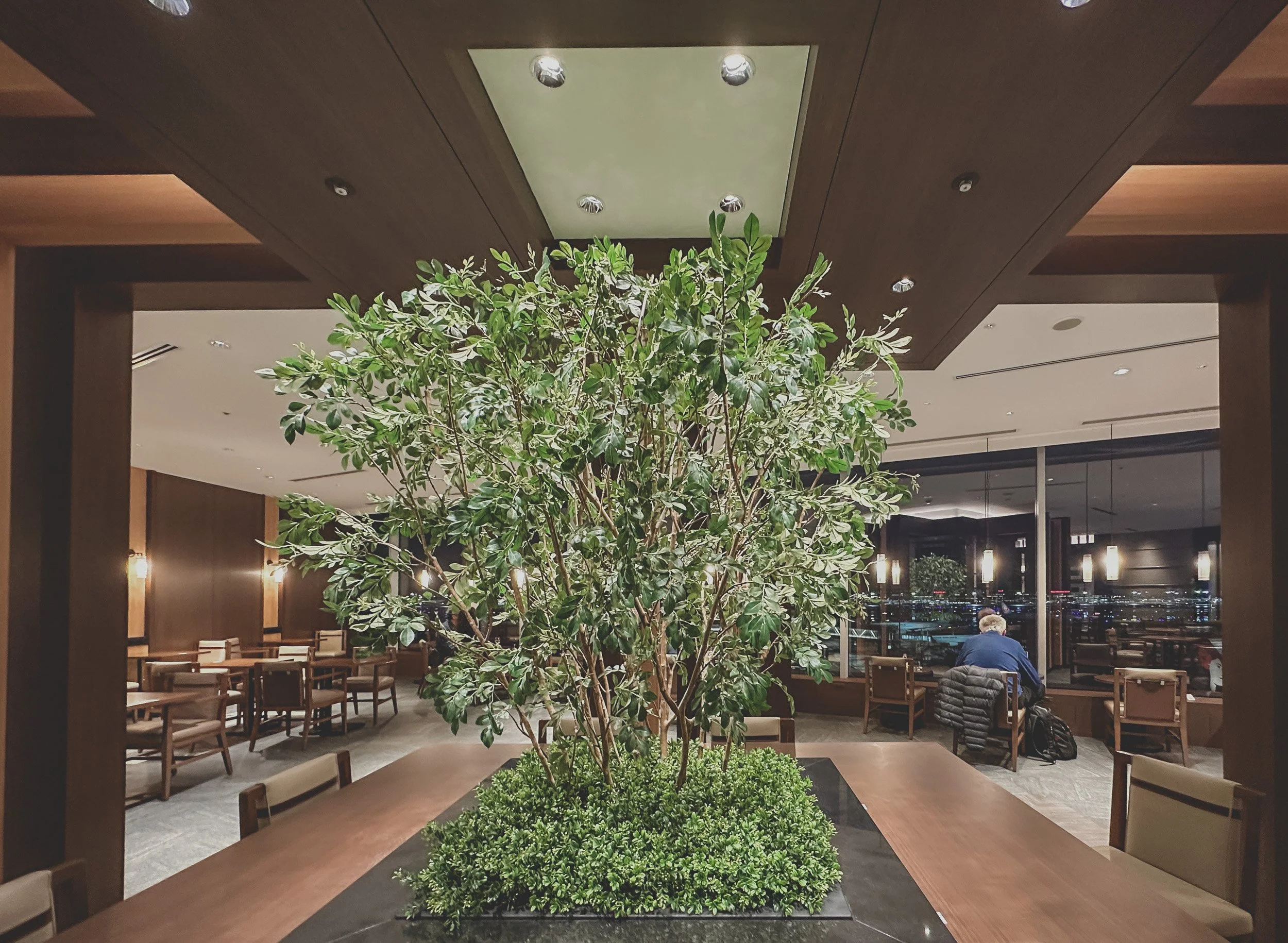
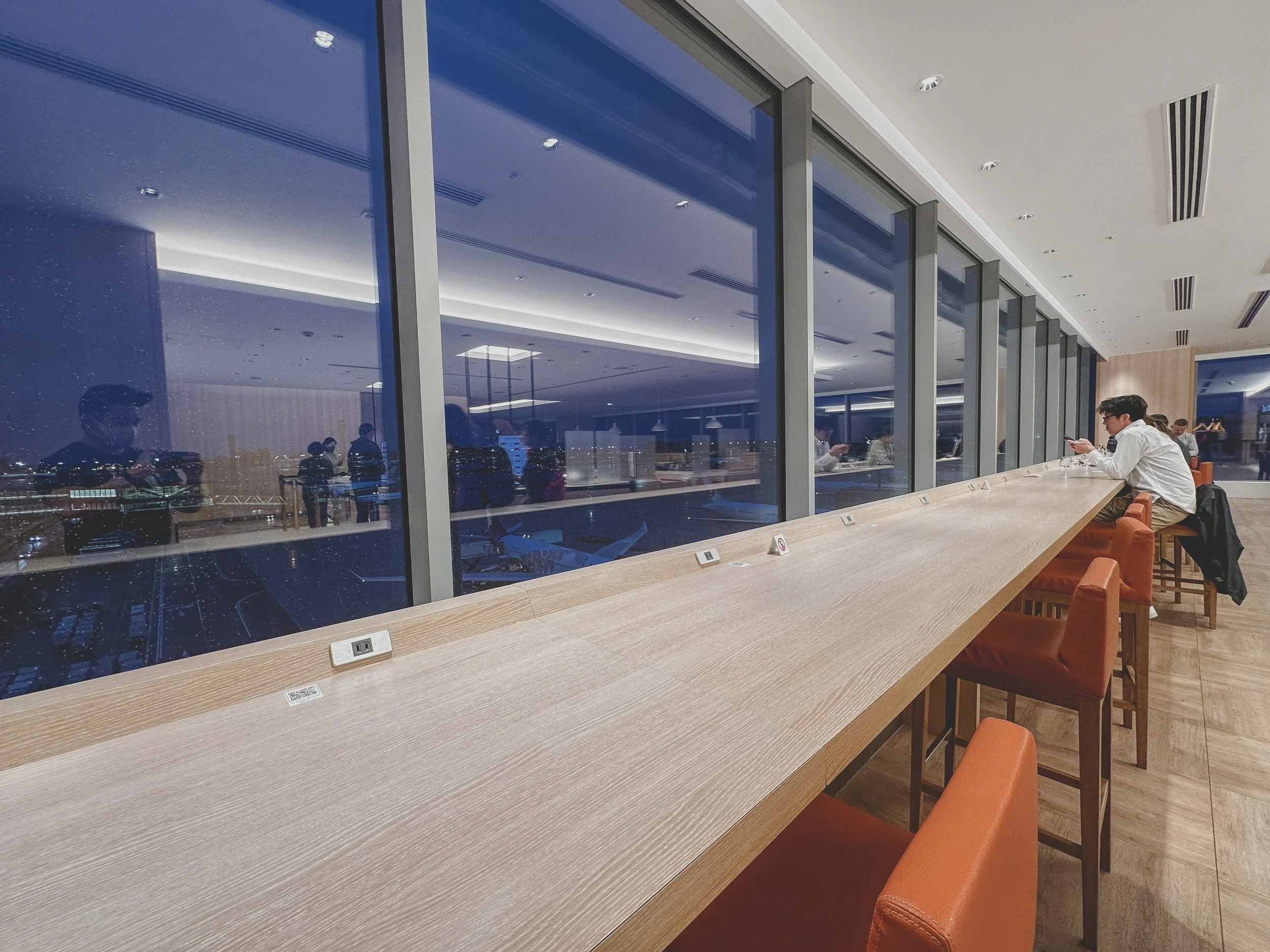
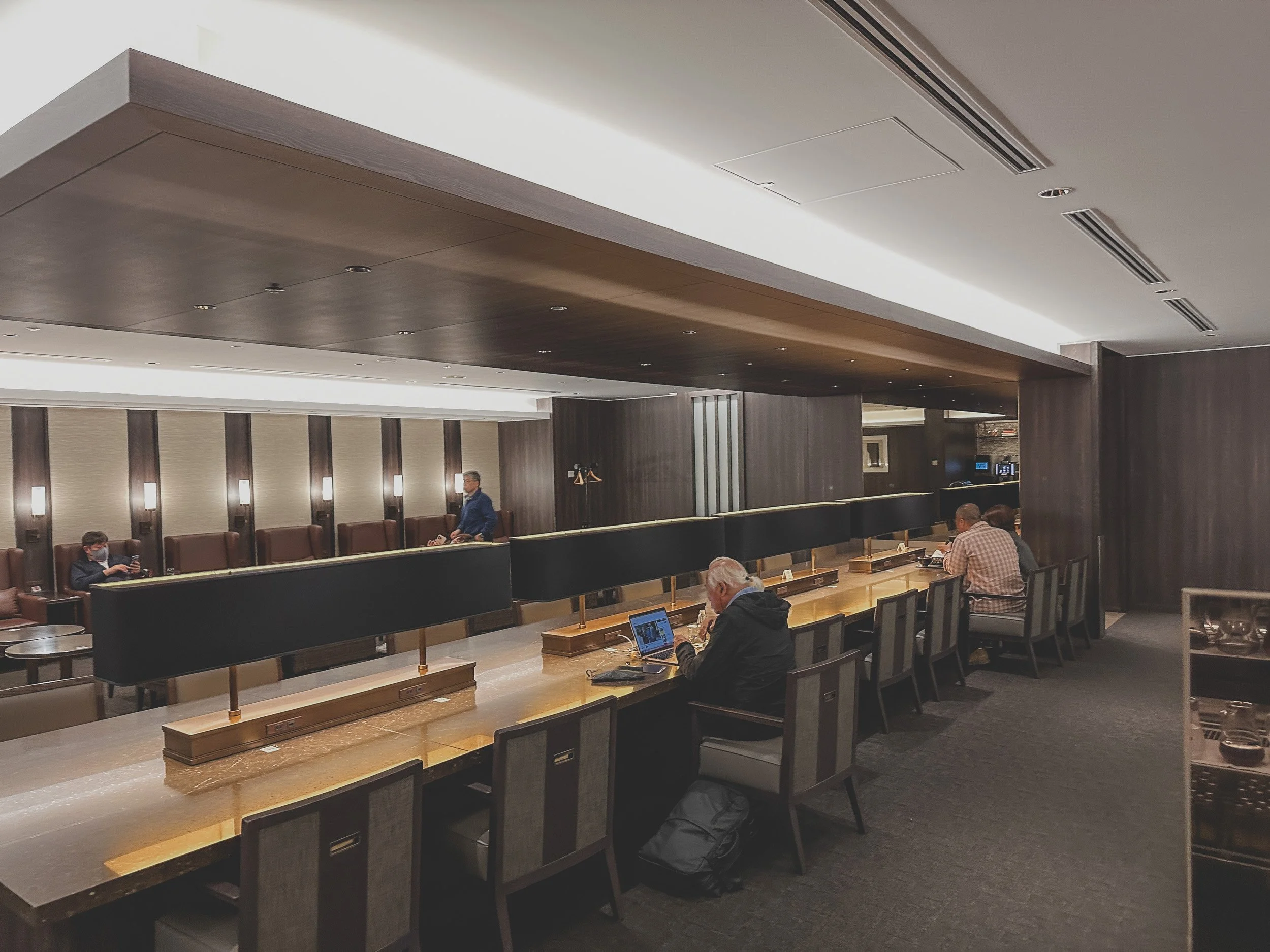
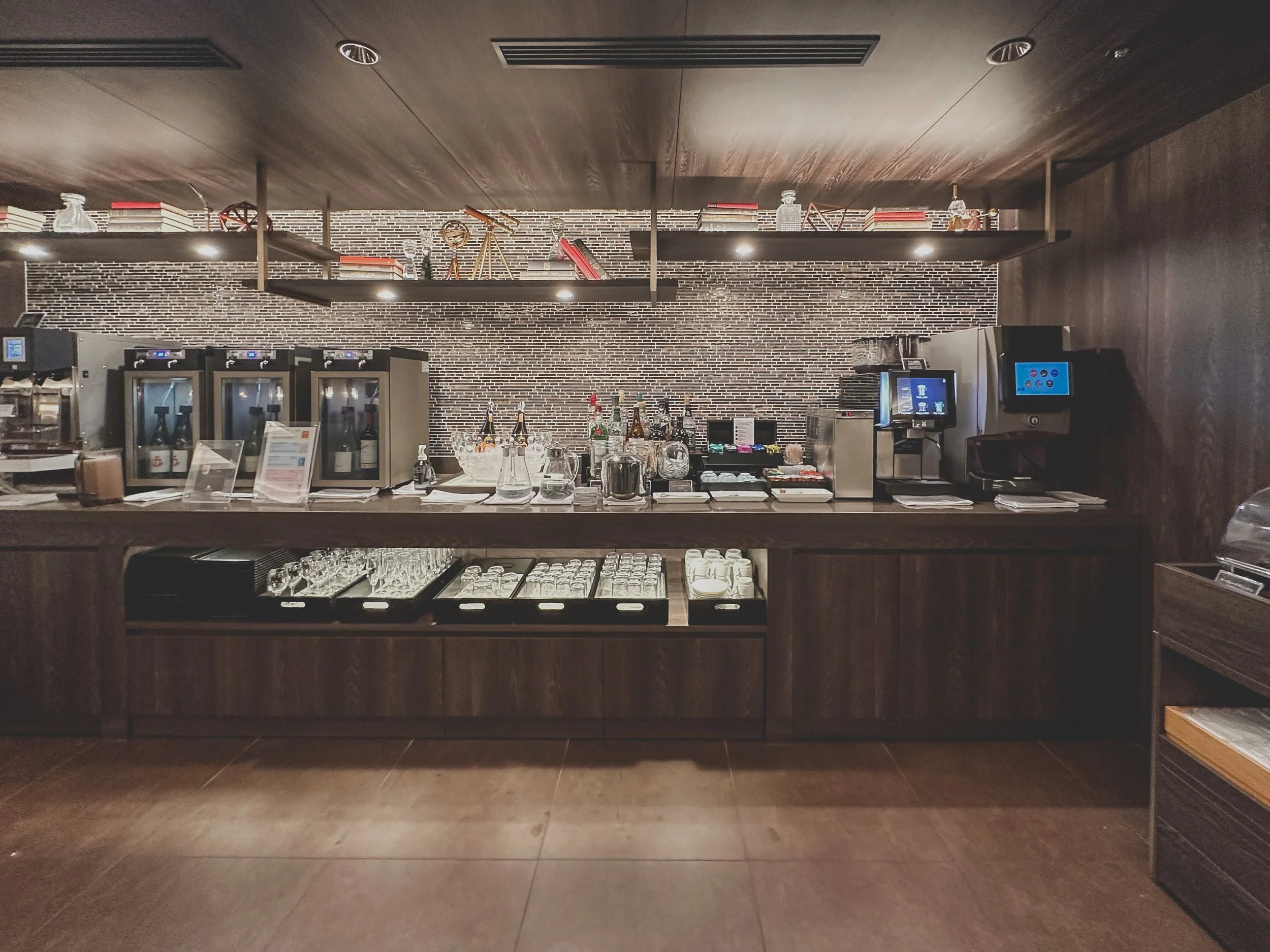
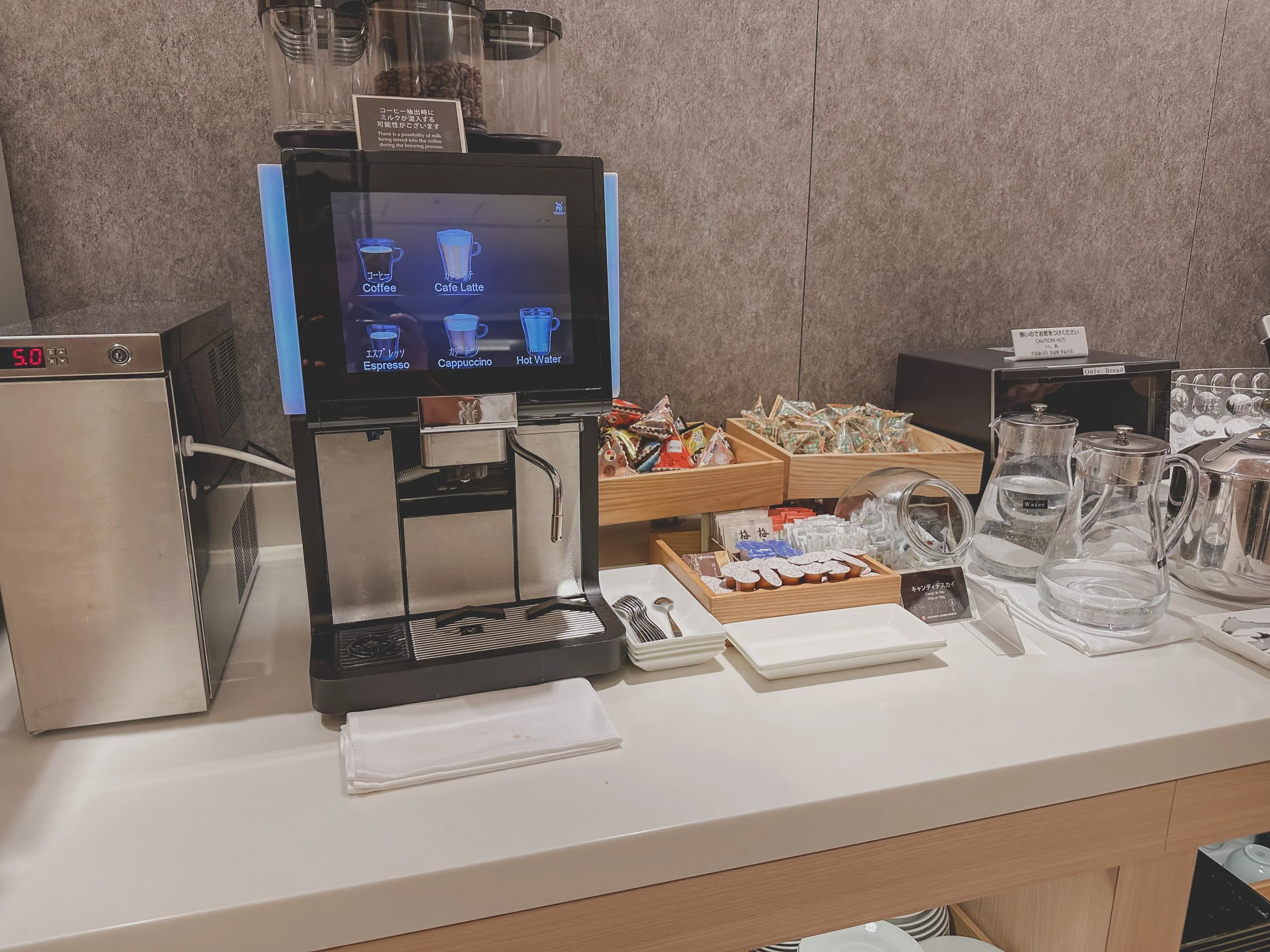
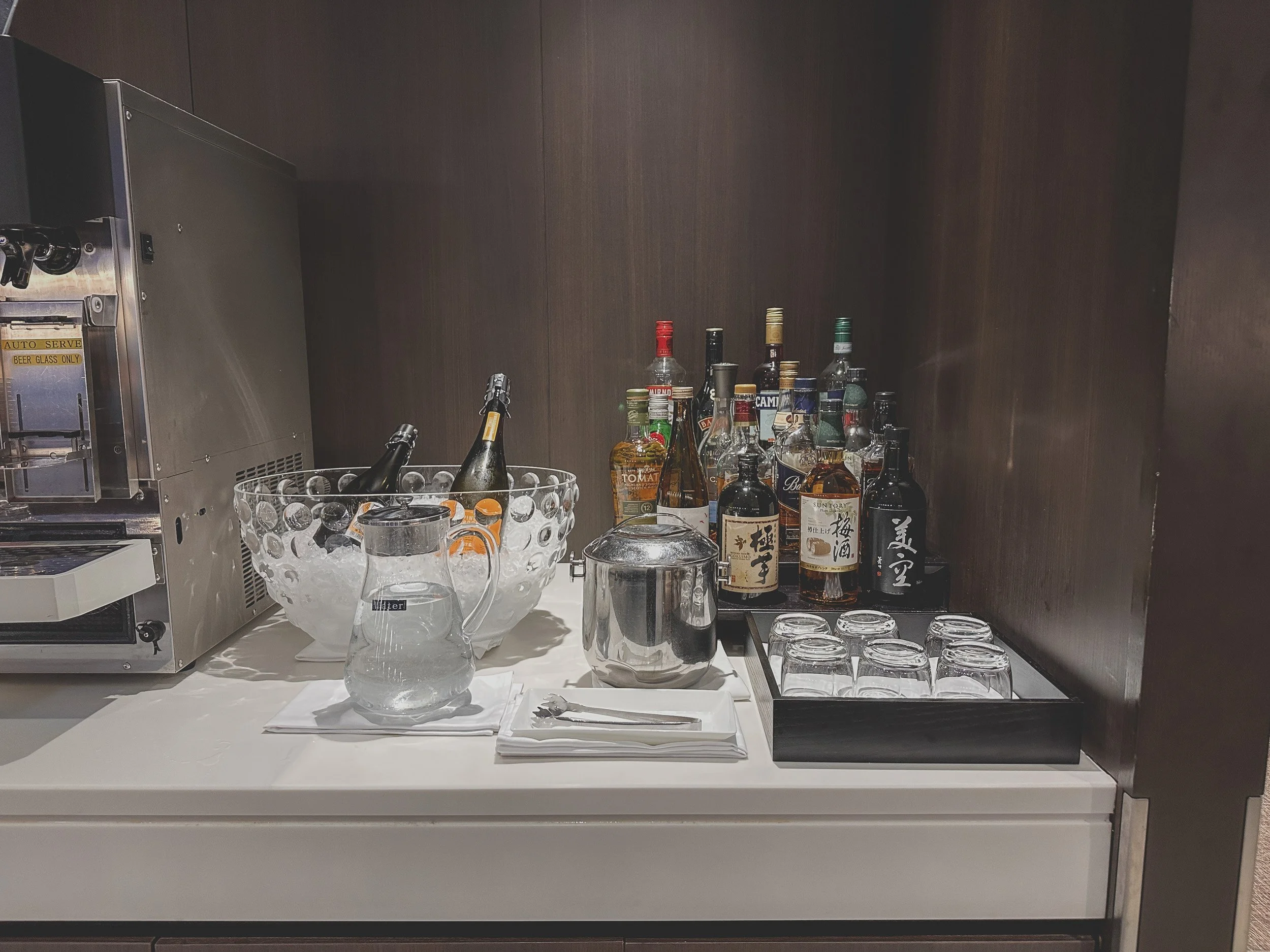
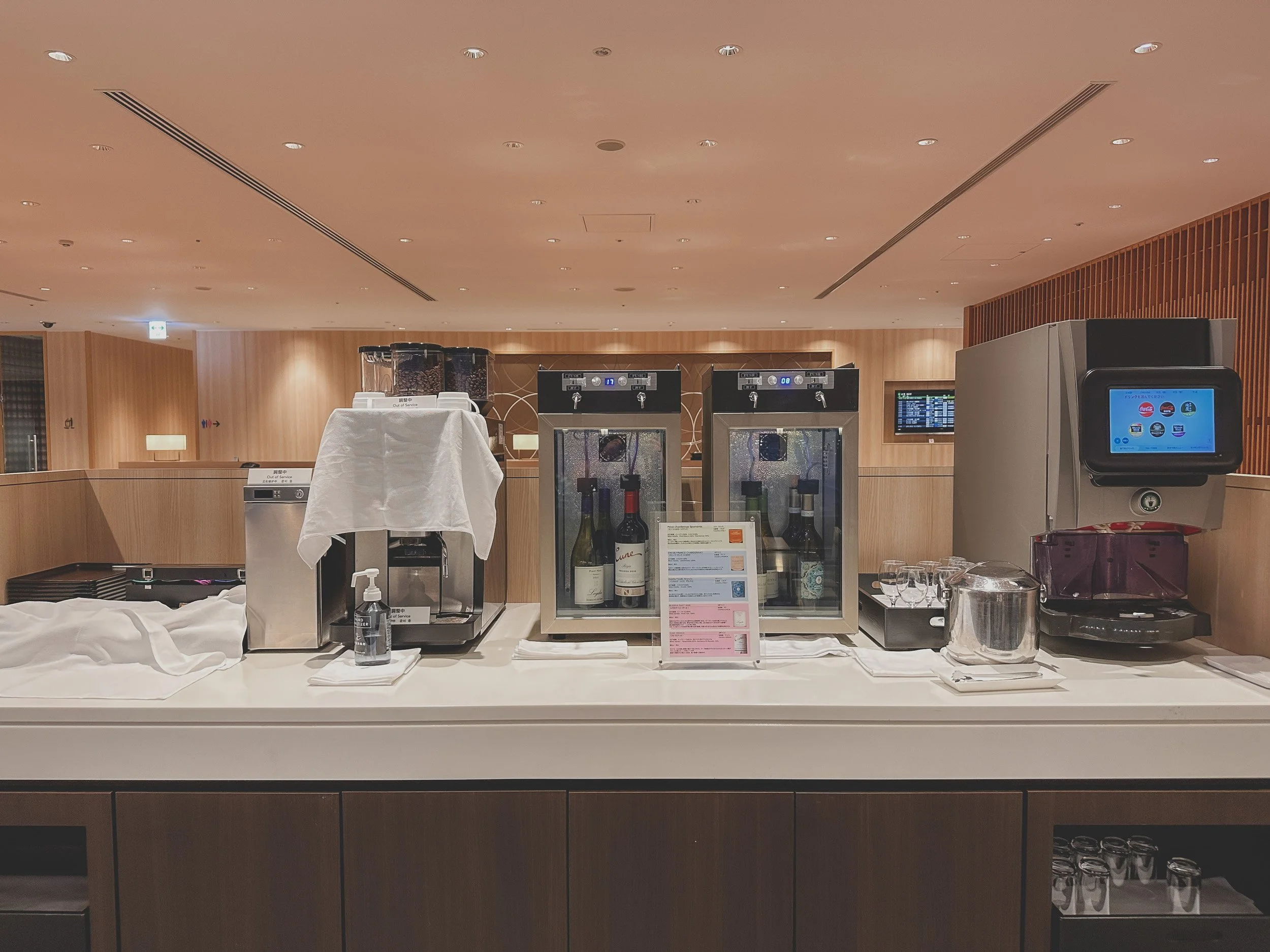
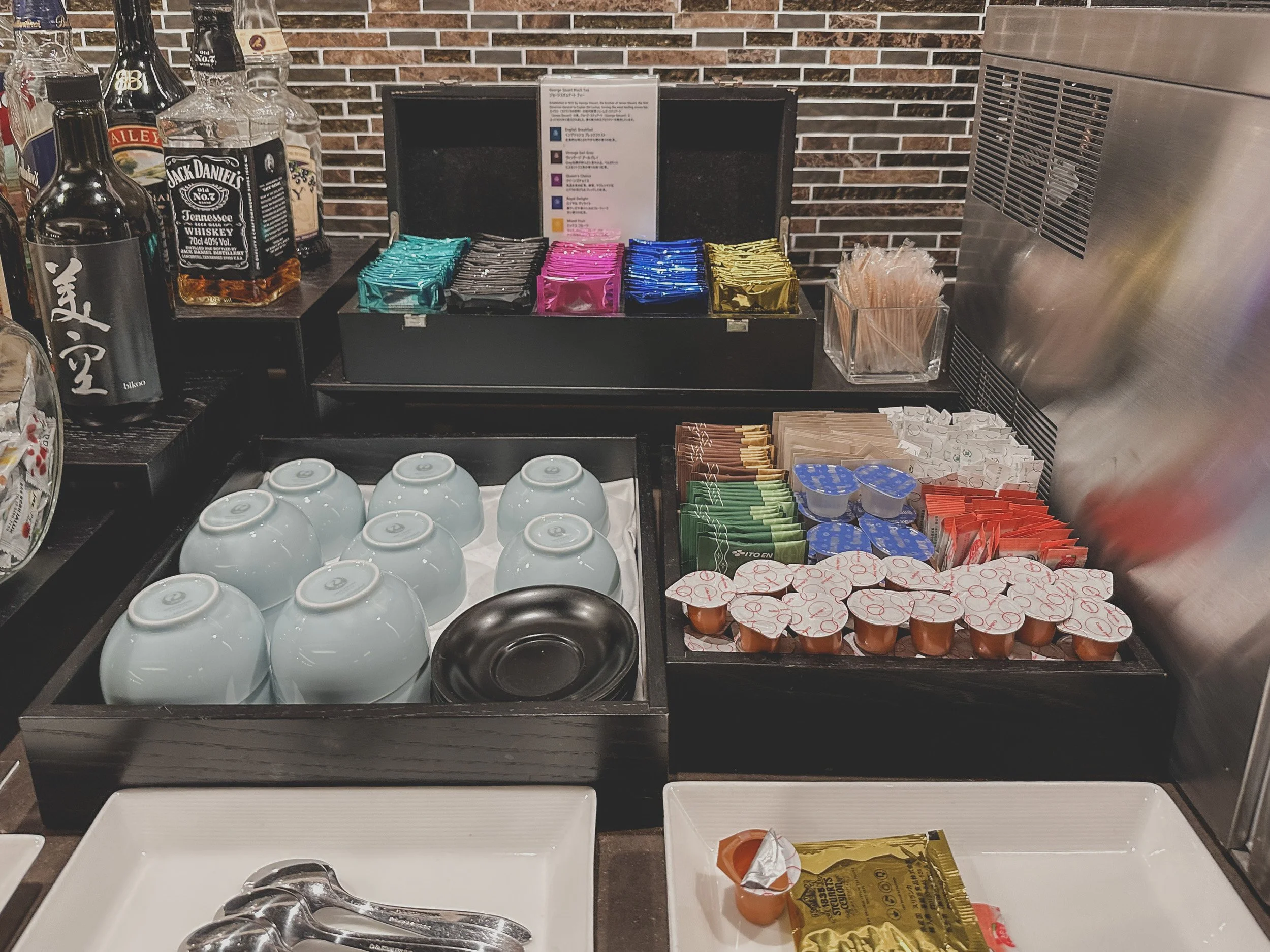
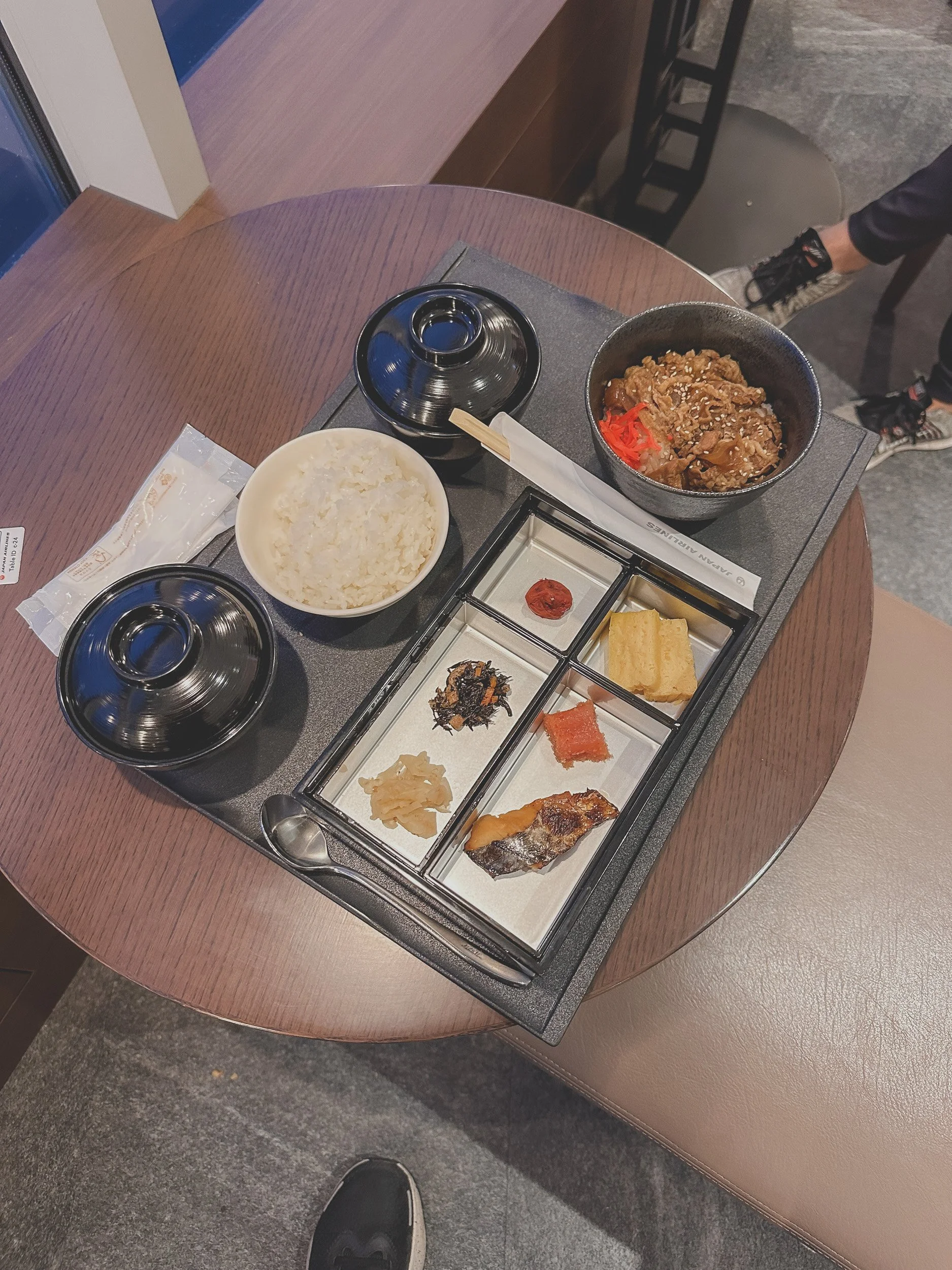
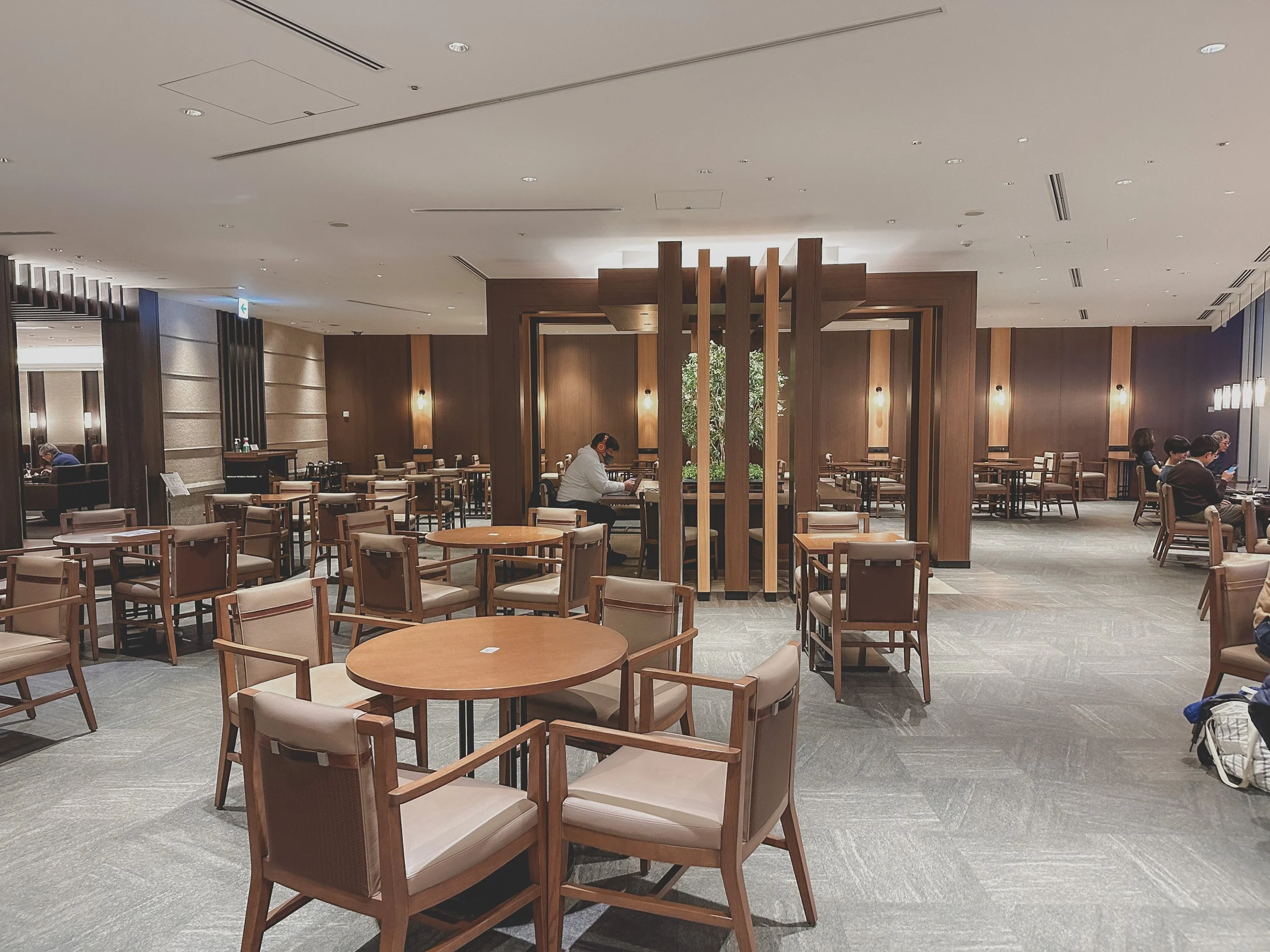
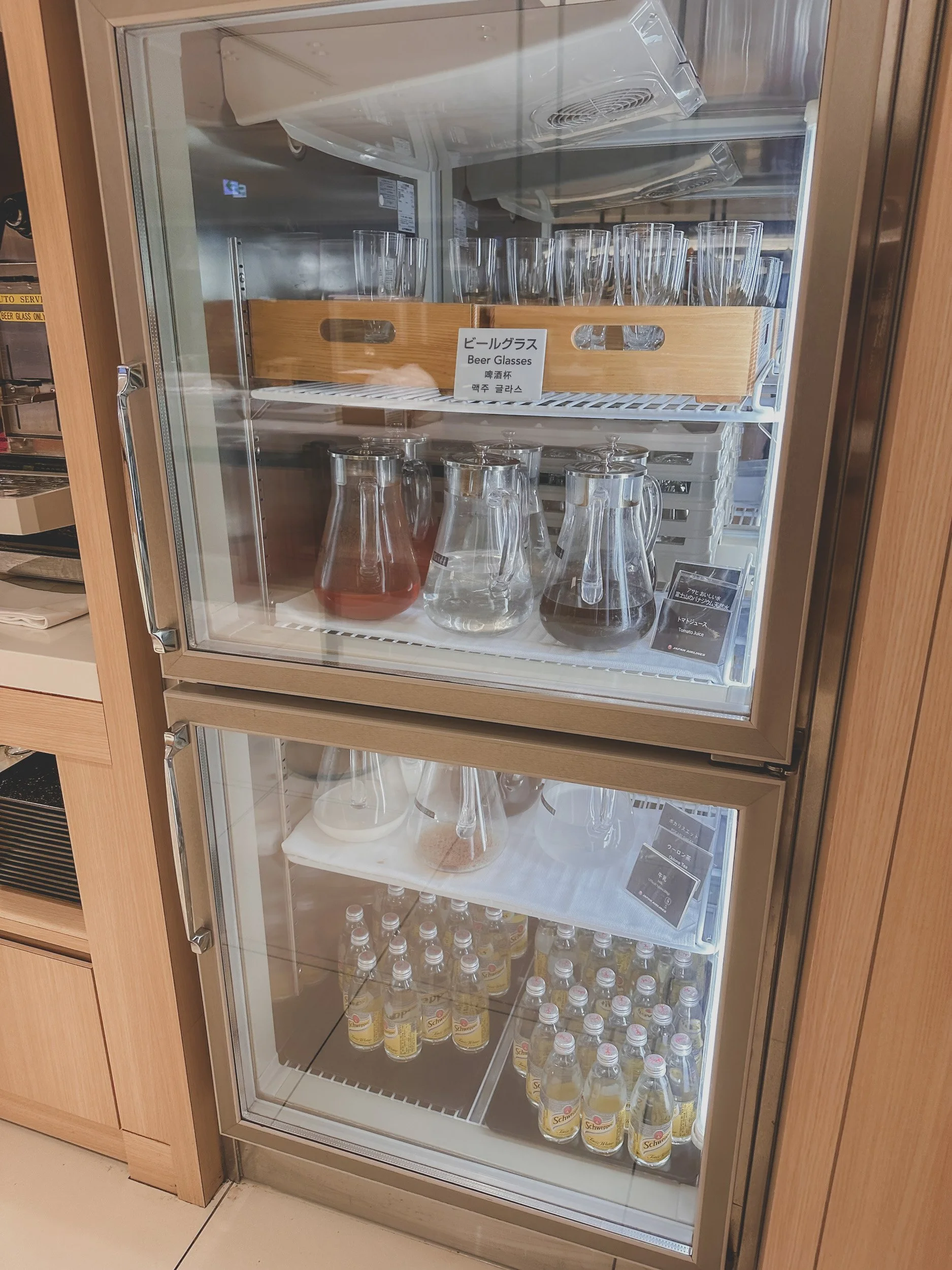
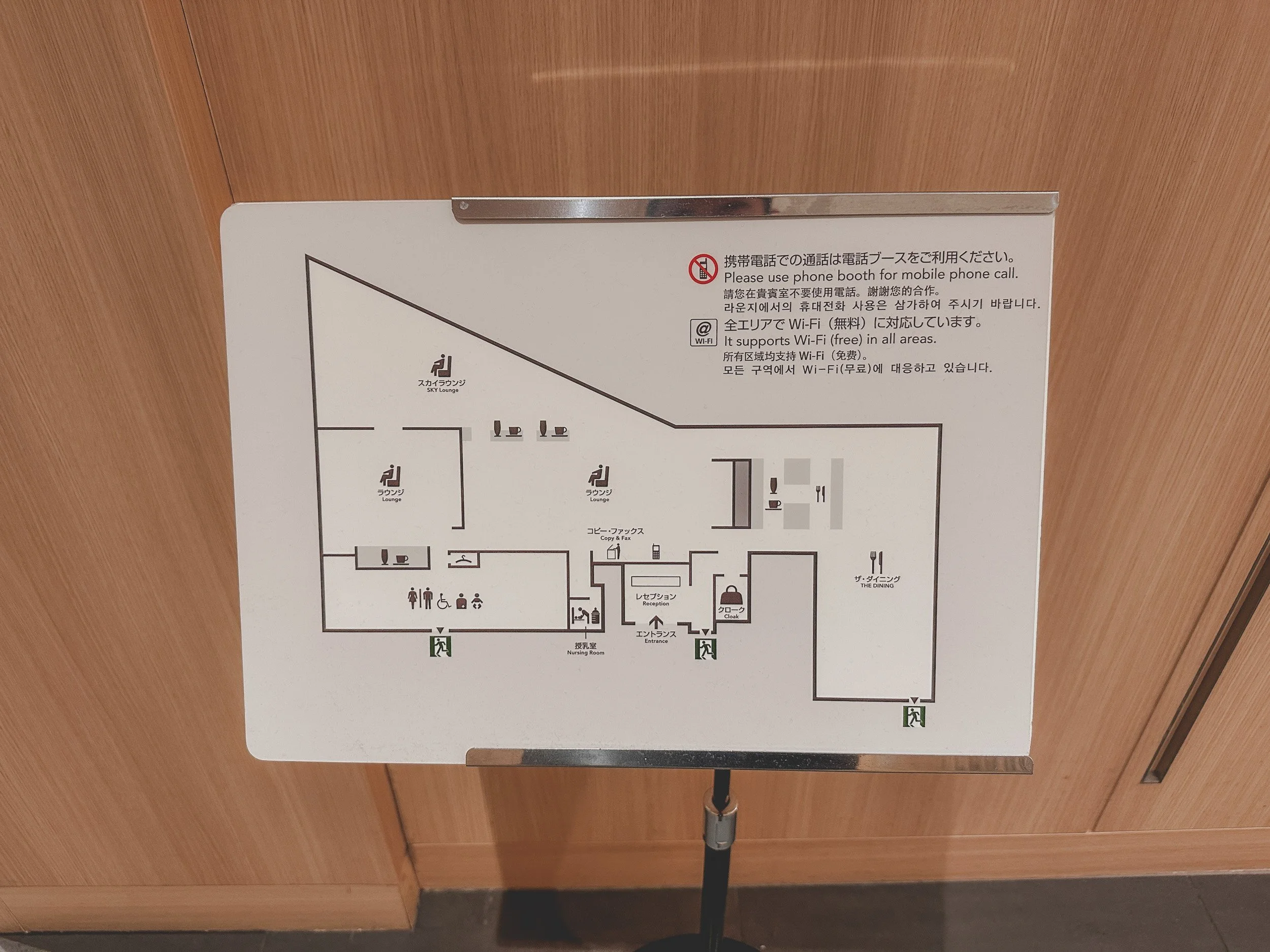
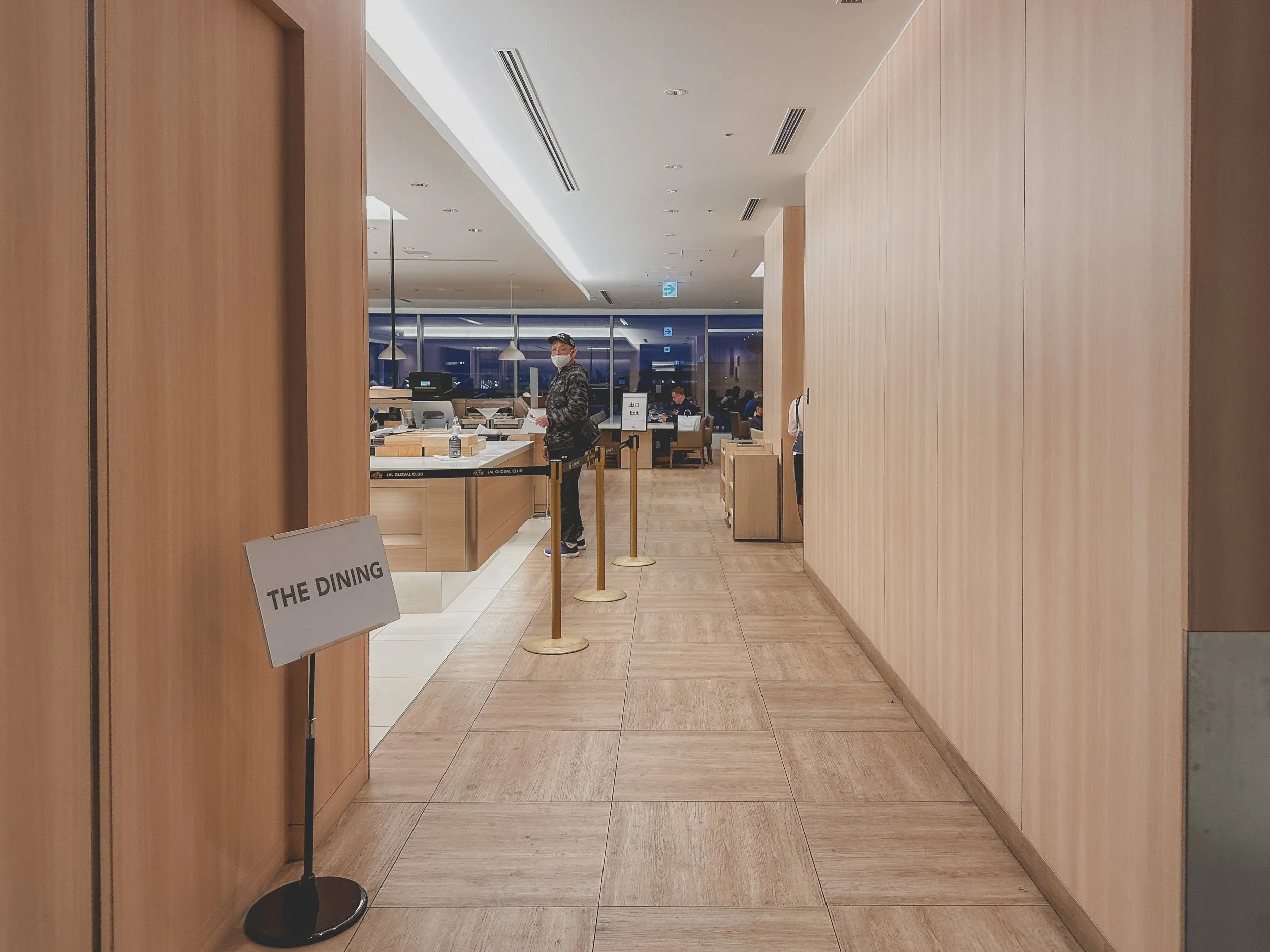
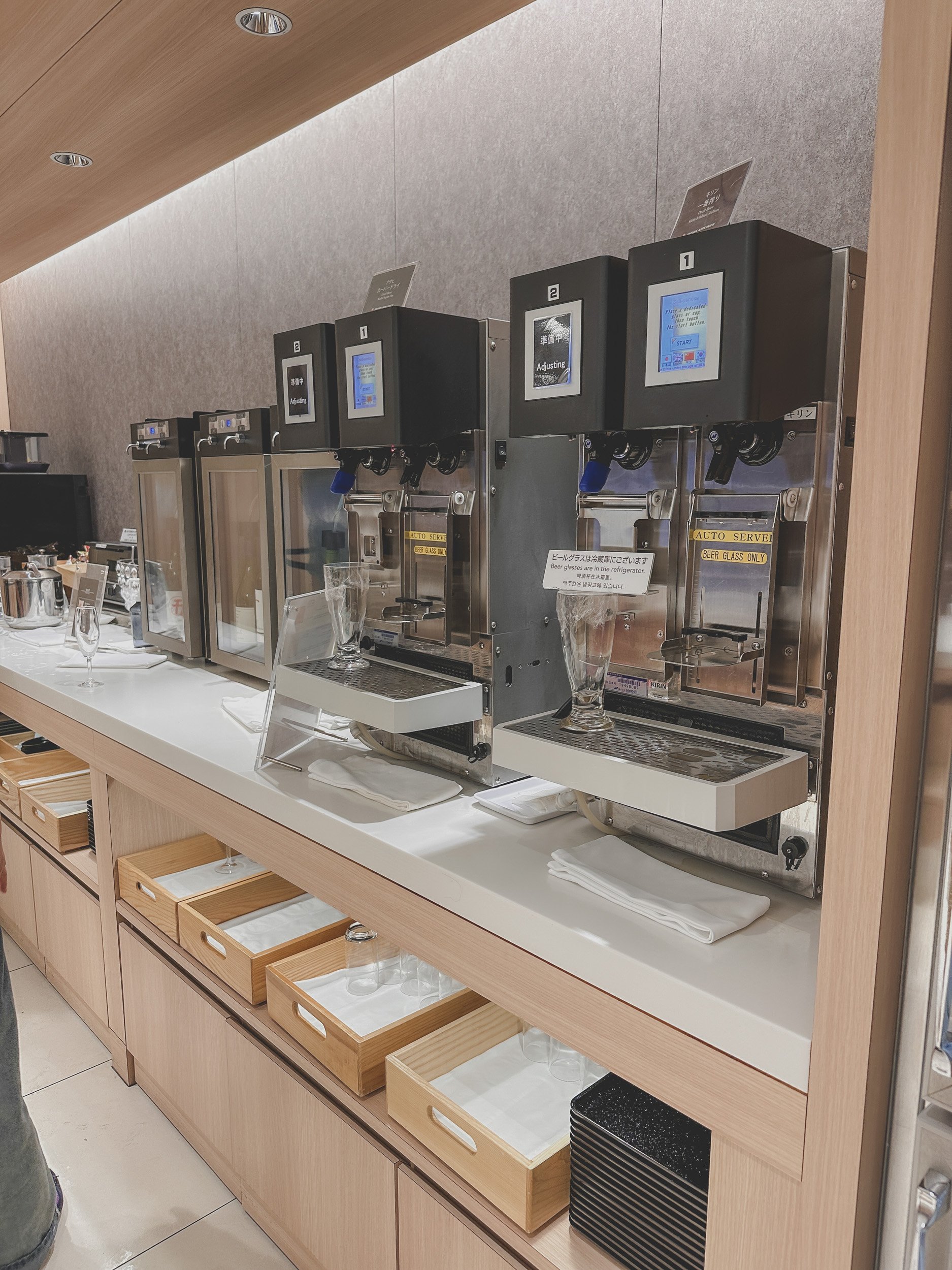
Before flying back to San Francisco, we made a stop at the Sakura Lounge at Haneda International Airport, which was across from Gate 114. The recent renovations have made this business class lounge incredibly competitive and welcoming. The dining room was crowded and immediately upon entering, you can sense the busyness of the lounge. Near the entrance of the dining room hosted a series of wines and hard liquor, along with your tea, coffee and stocked beers from Asahi, Kirin and Sapporo.
This lounge felt great - compared to what I experienced back in 2019, the lounge felt large and had plenty of seating. The dining hall essentially acted as the anchor piece and had all the seating wrapped around it, allowing for easy access for food and drinks. There were an abundance of seats and tables for one to relax at, along with showers for those that want to freshen up first.
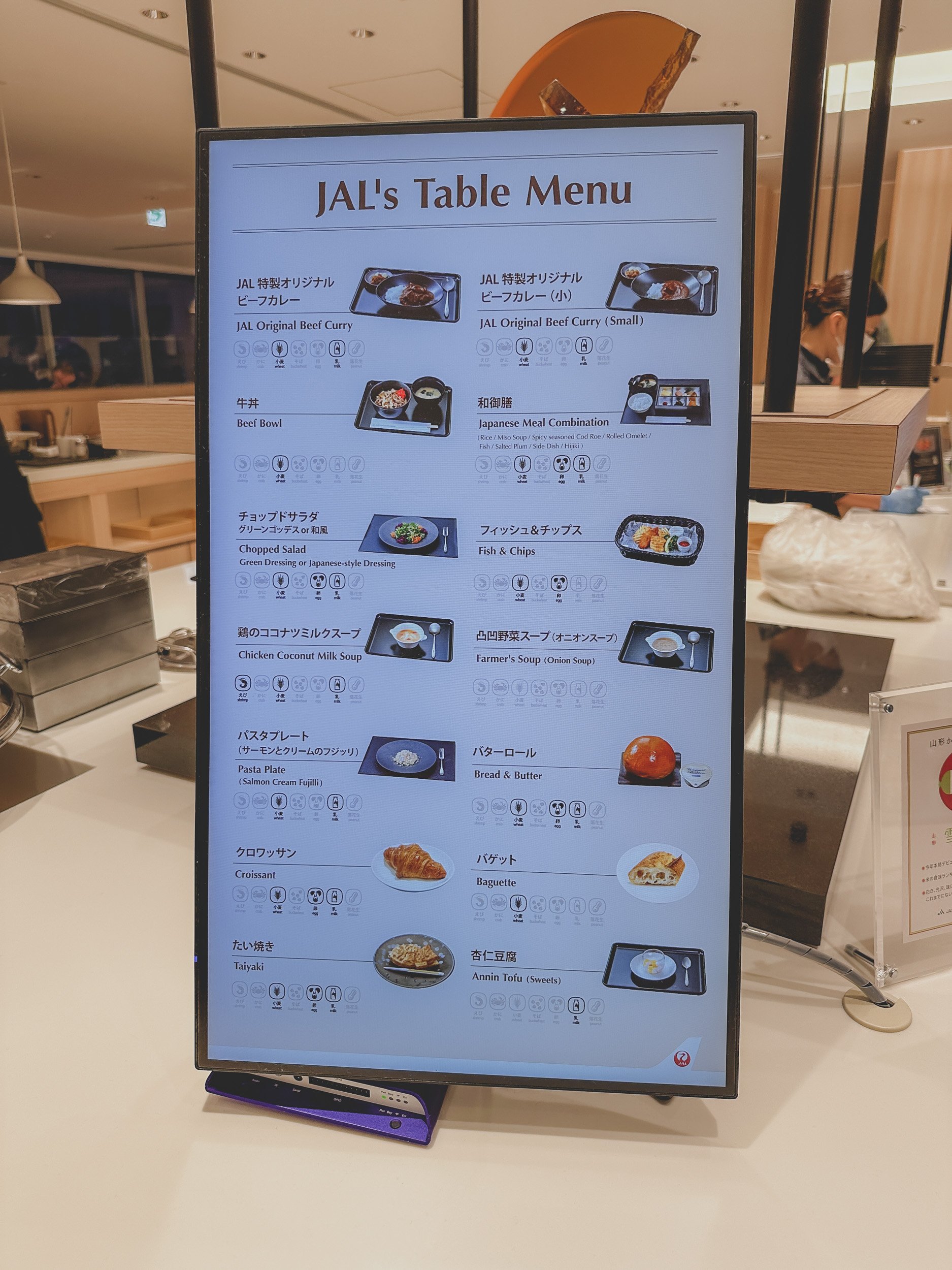
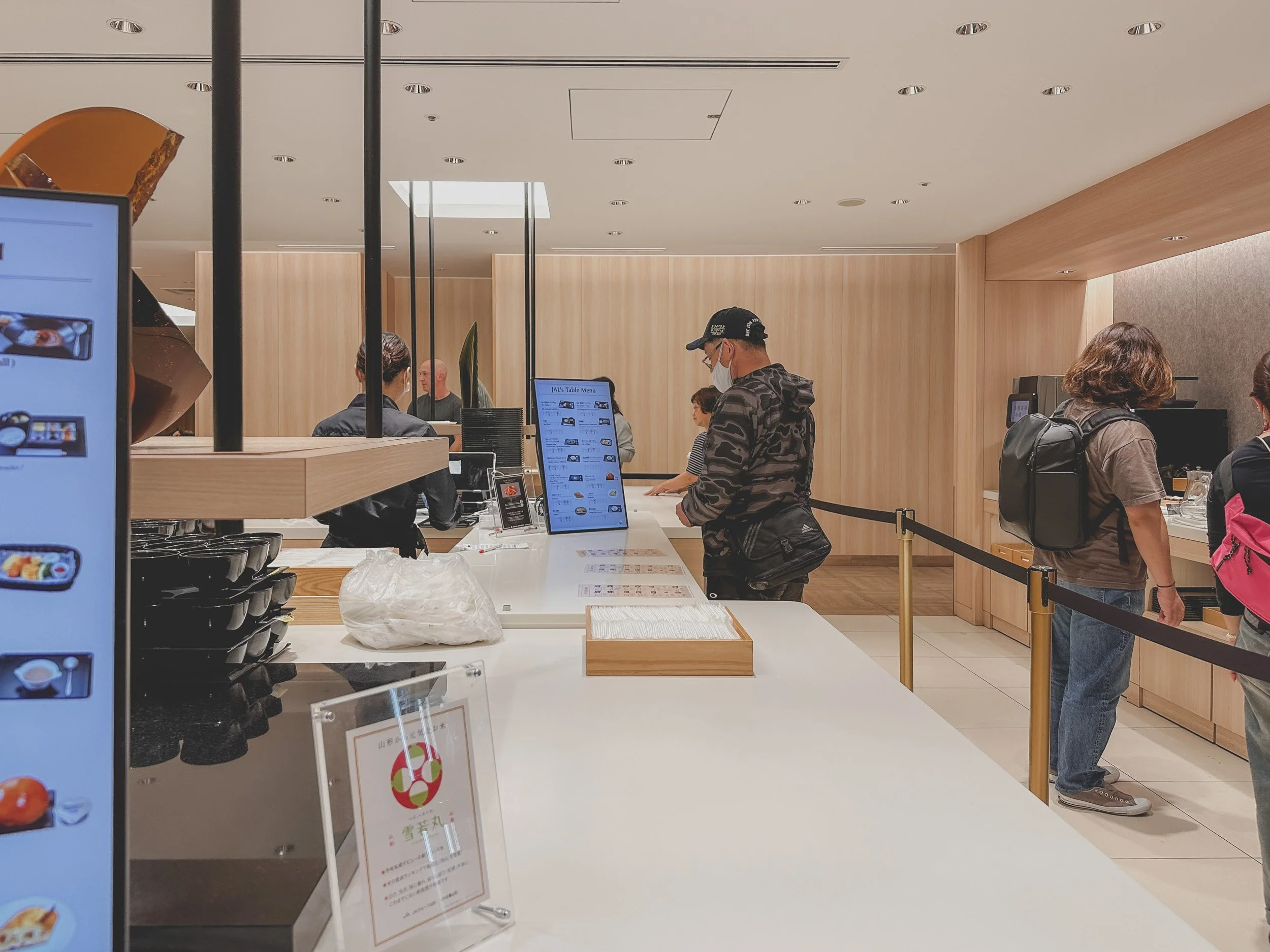
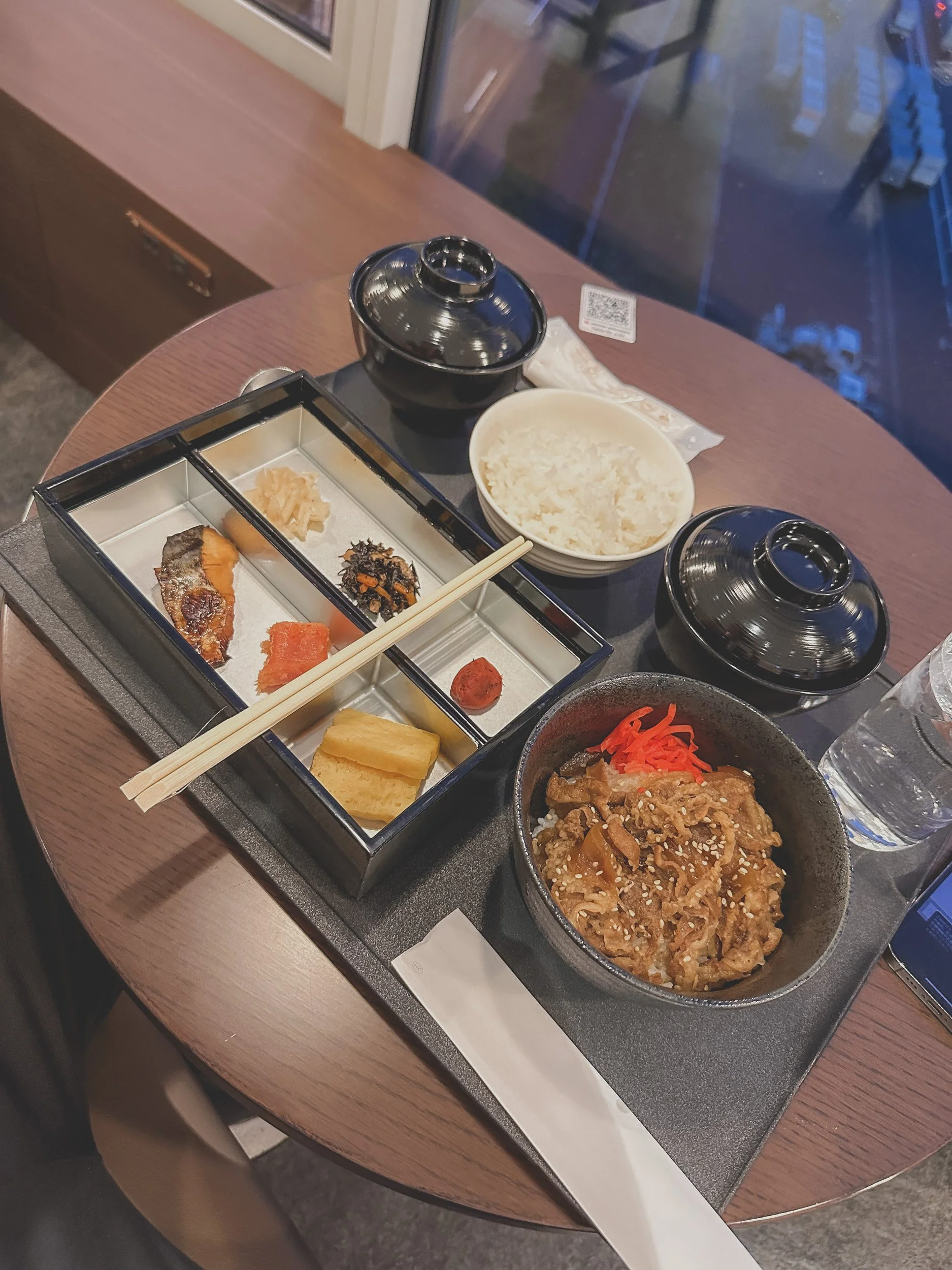
Ordering was a breeze and there was a menu that one can easy state. There was definitely way more items on the menu than before and even had items that I didn’t considered to be on the list, like Fish and Chips!
Internet here was blazing fast - this was one of the fastest that I’ve seen globally and was shocked at the up/down speeds here. You can see it as I’ve attached the speedtest results as well. Overall, this was a great lounge for any Oneworld Business Class passengers to utilize.
Seating & Ambiance | Japan Airlines
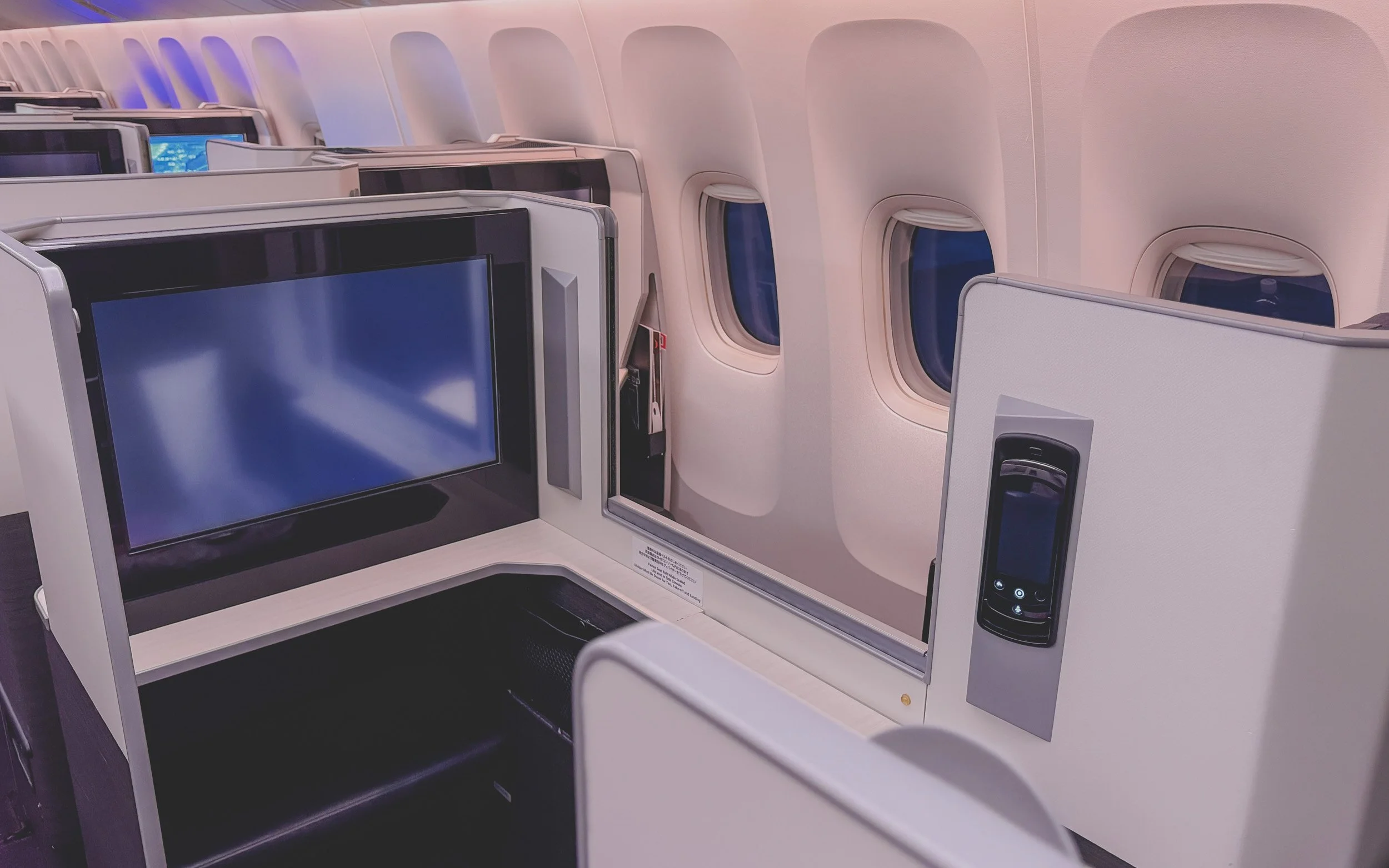
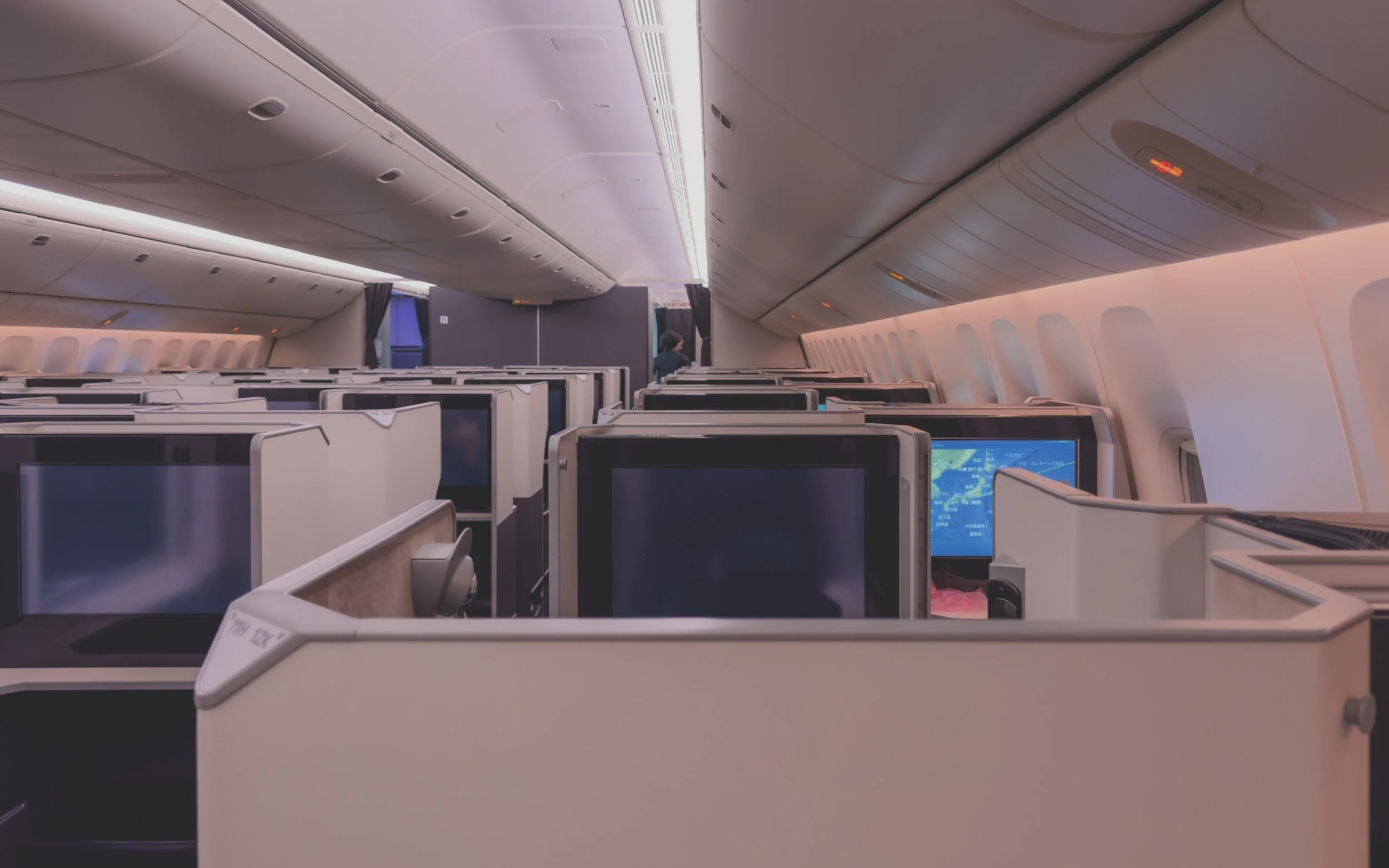
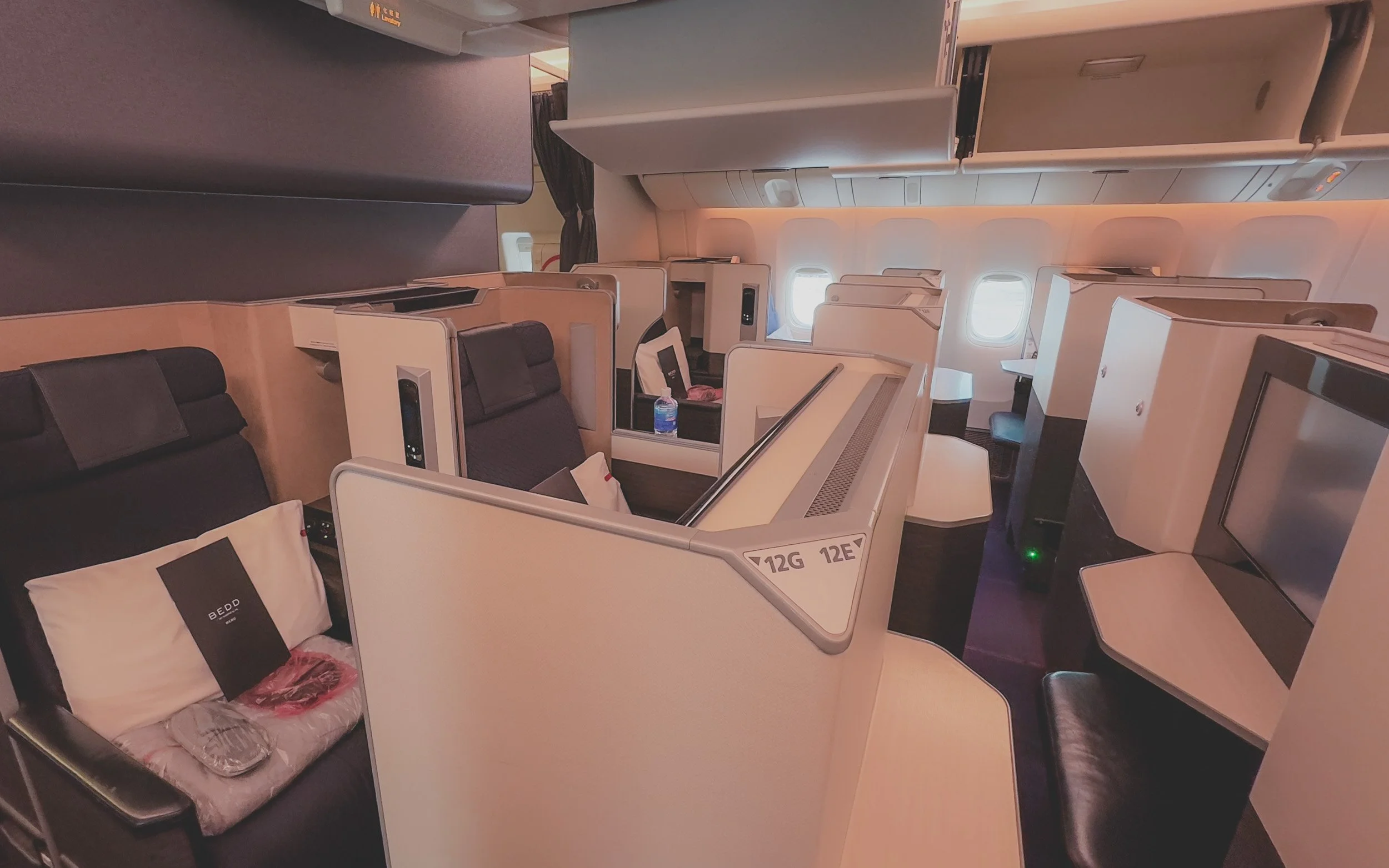
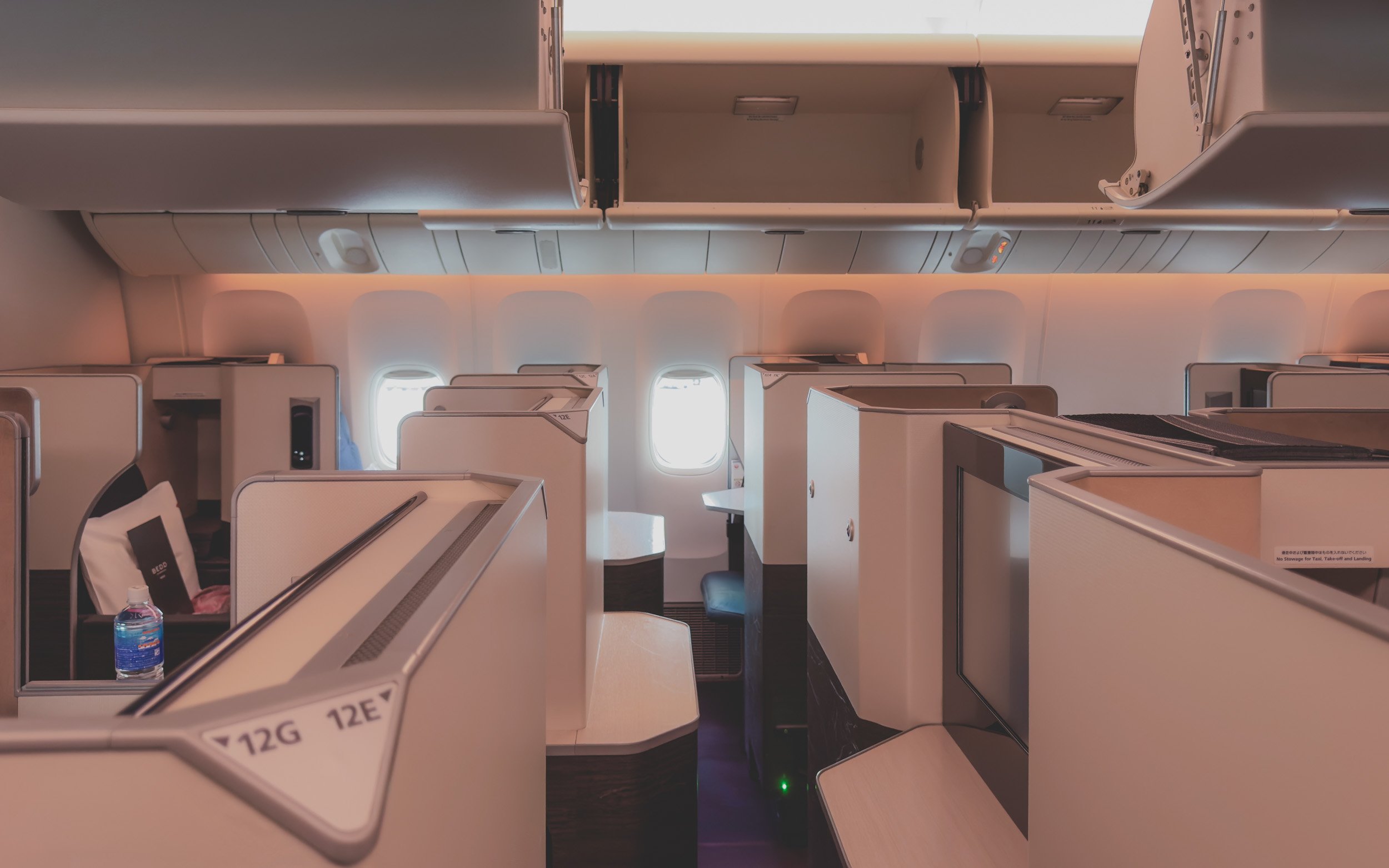
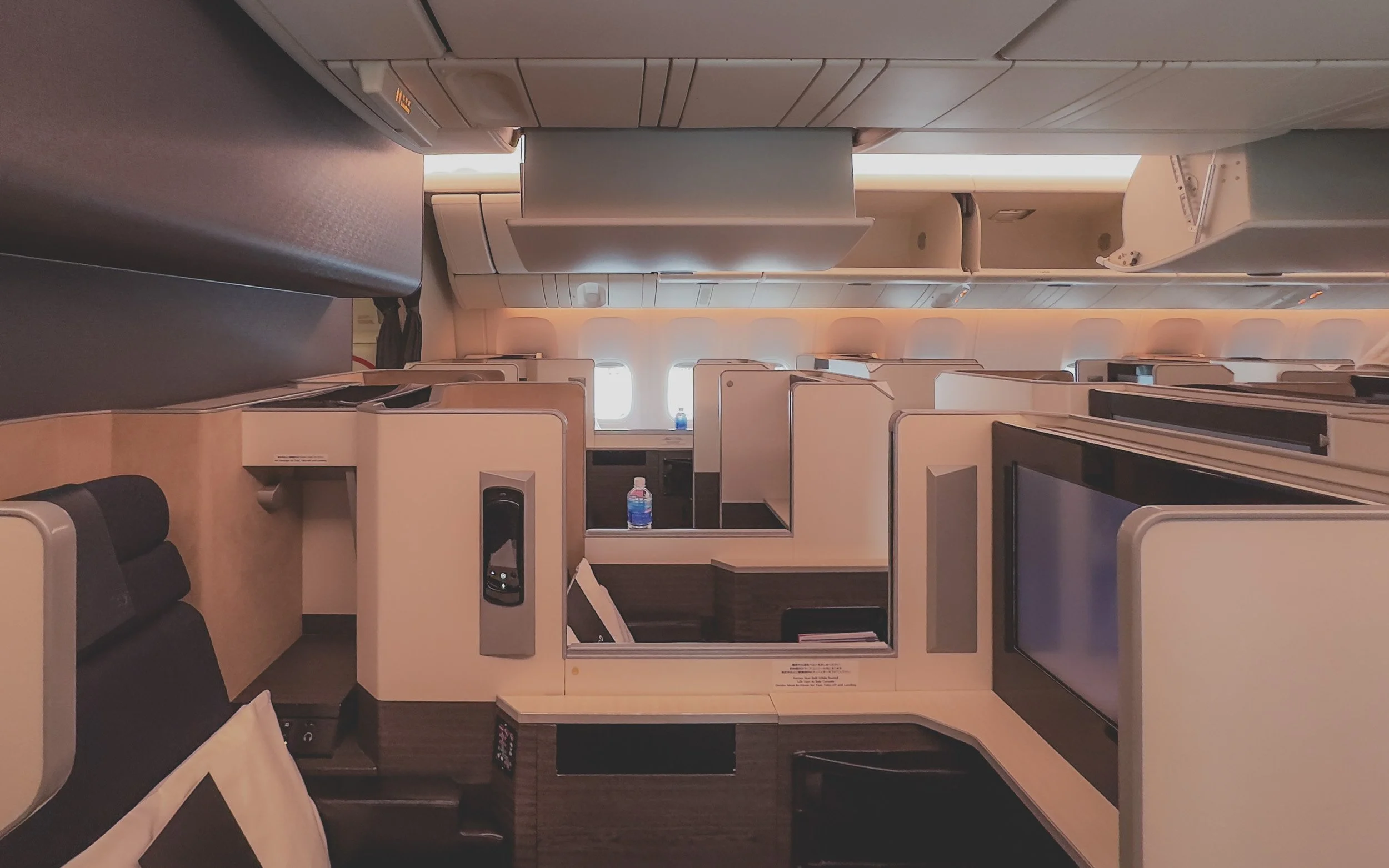
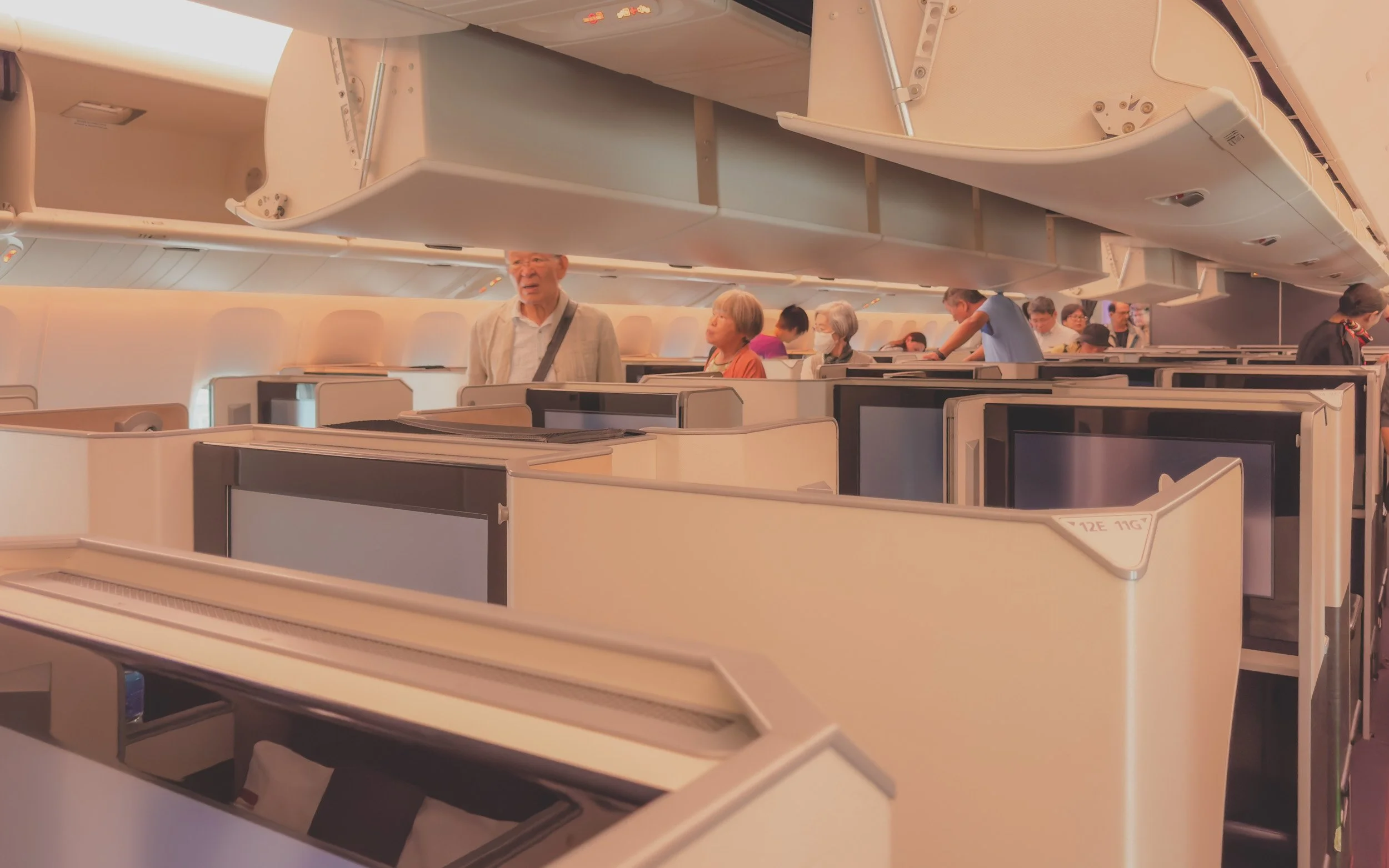
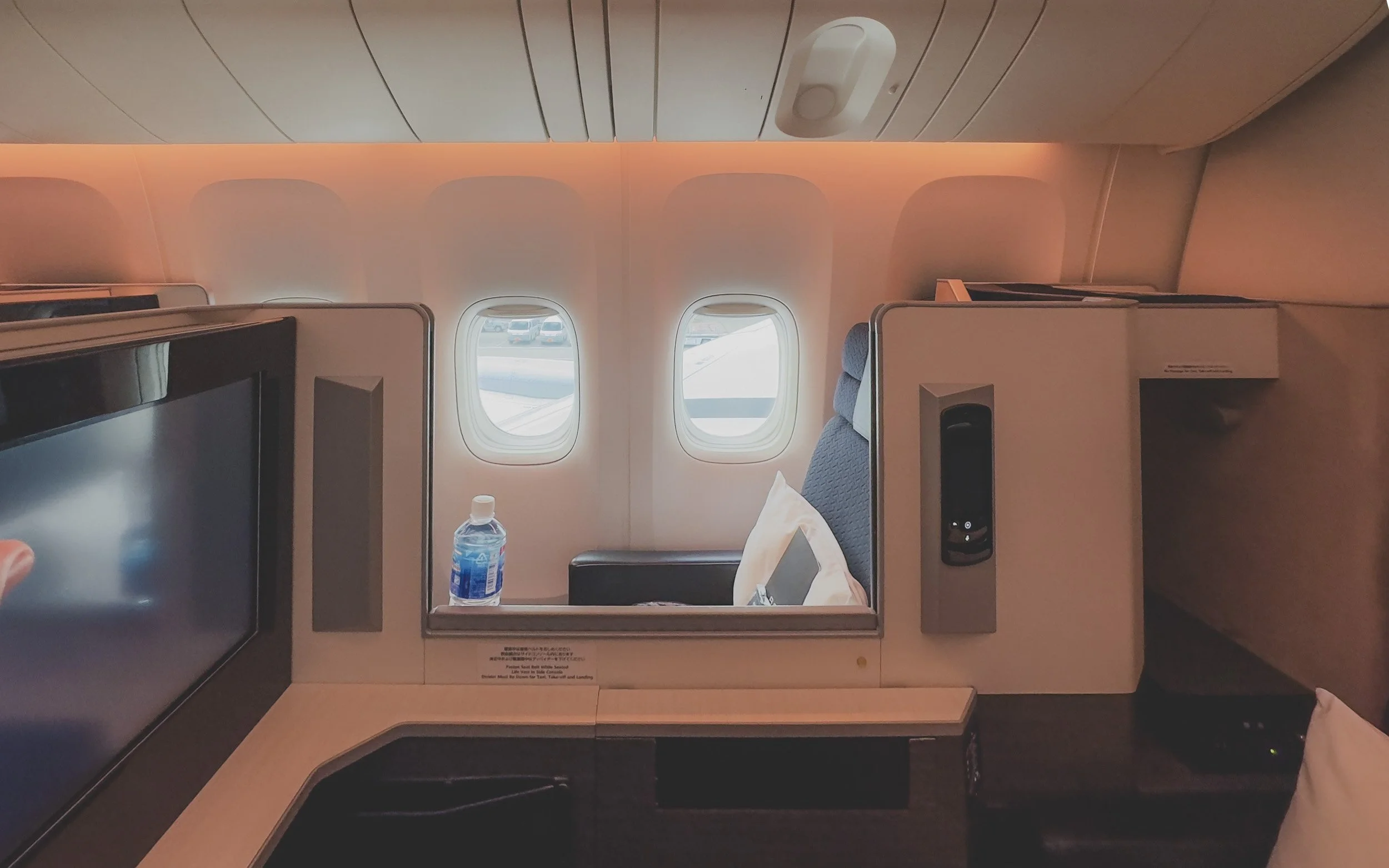
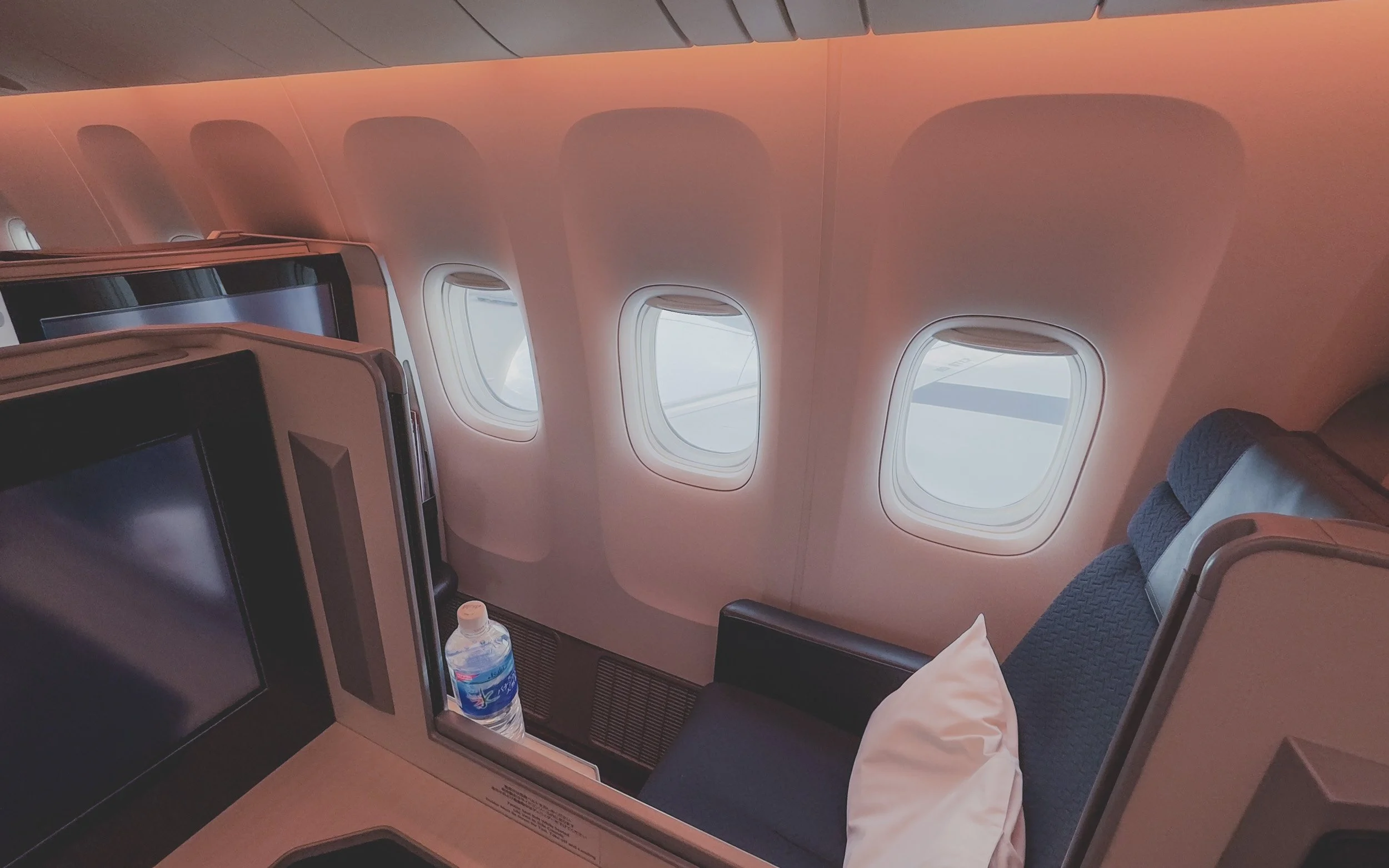
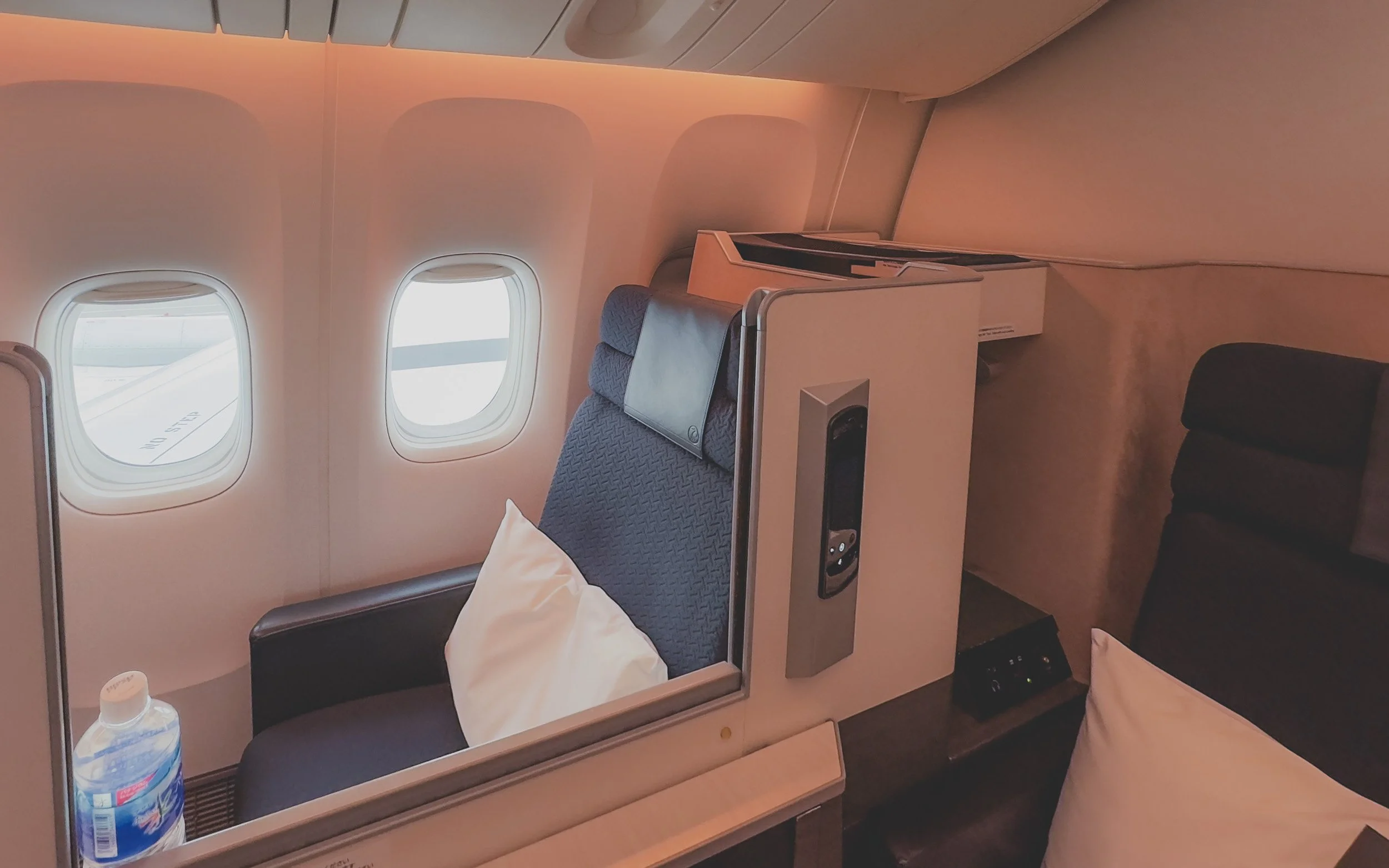
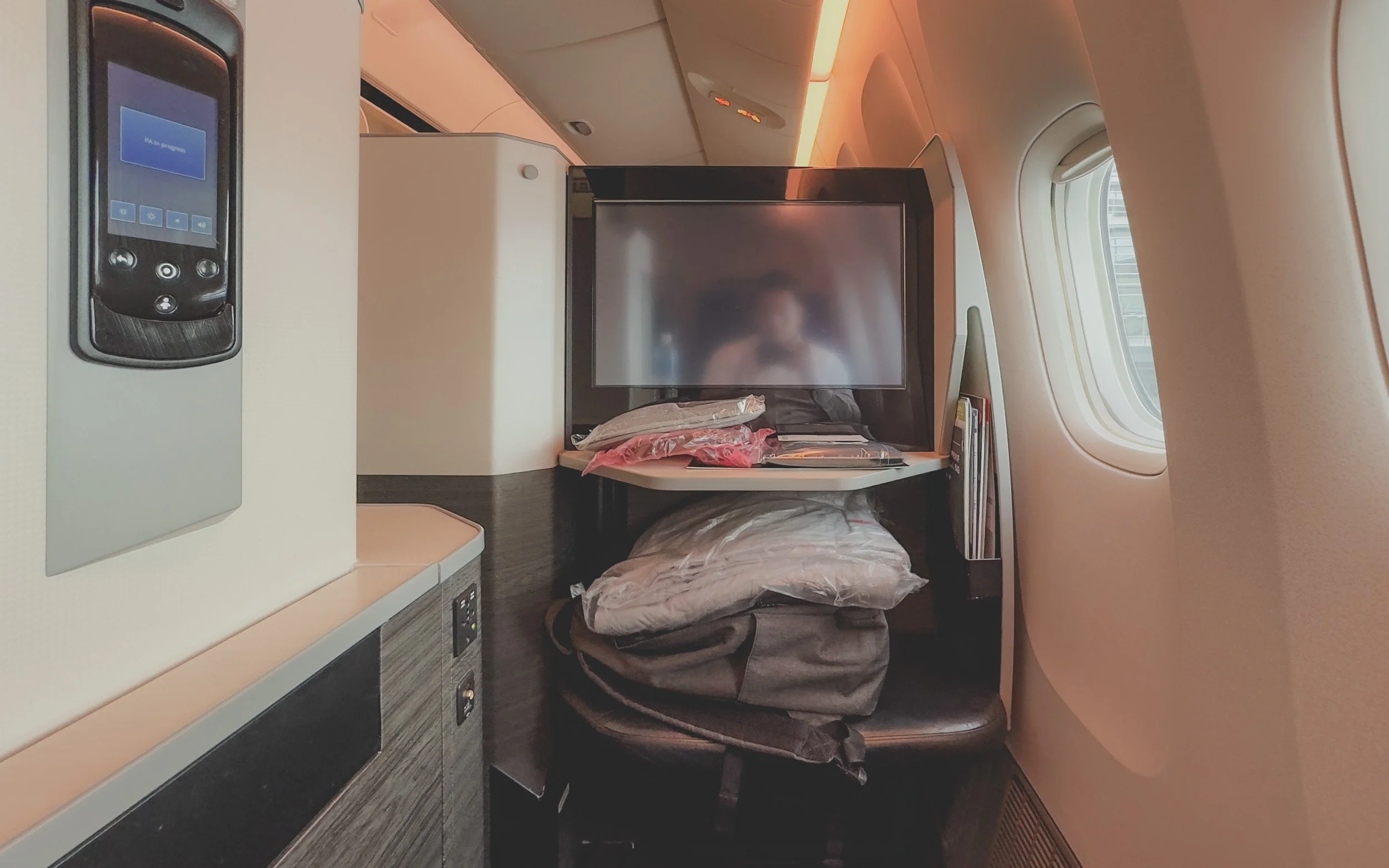
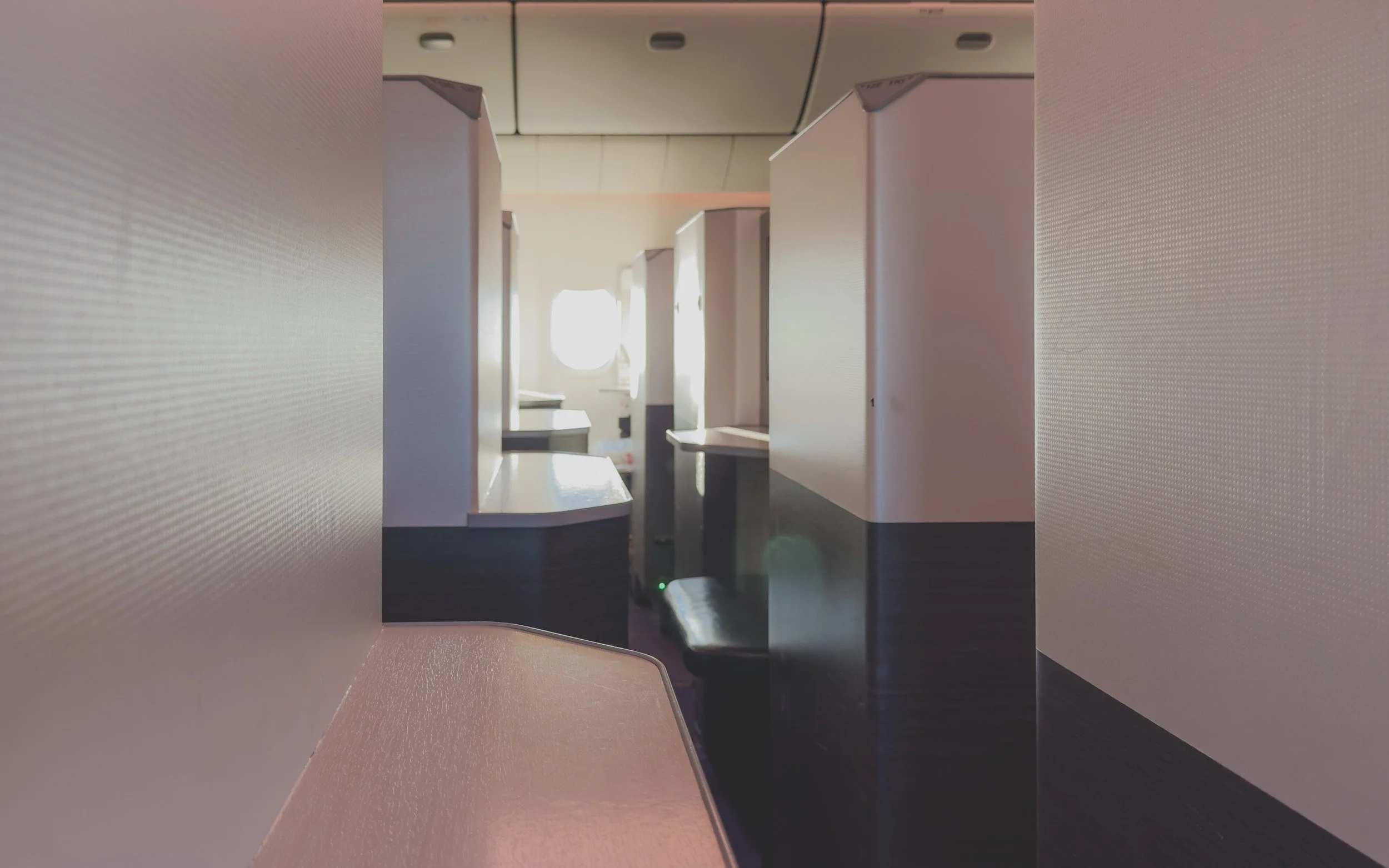
The Business Class seat on the Japan Airlines Boeing 777-300ER is like reminiscent of the old Mercedes E and S class - they may be aging but the quality and the superb quality was there. These cabins are spacious, comfortable, and thoughtfully designed. The cabin layout offered a 1-2-1 configuration, ensuring that every passenger had direct aisle access, a significant advantage for those who prefer not to disturb their seat mates.
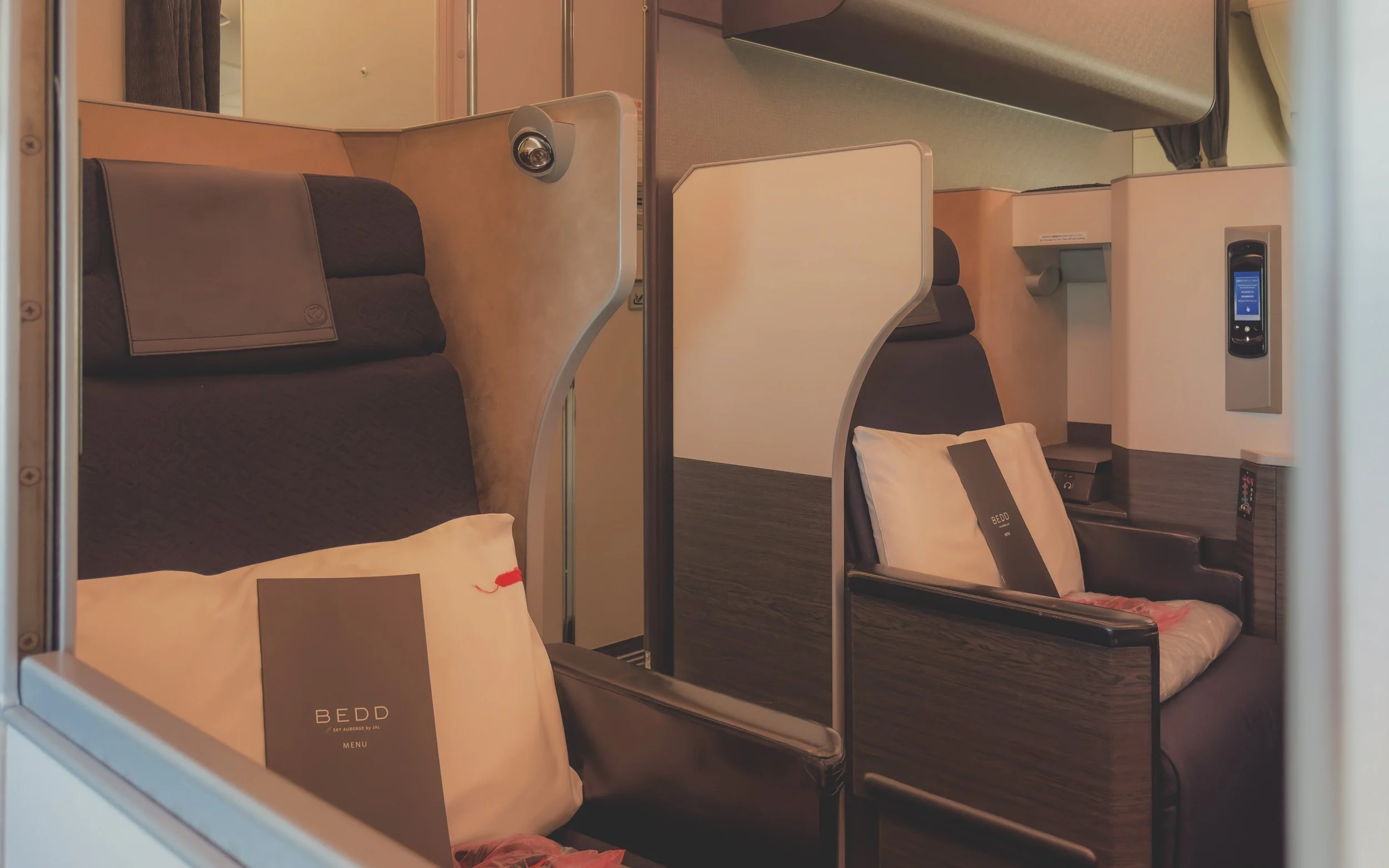
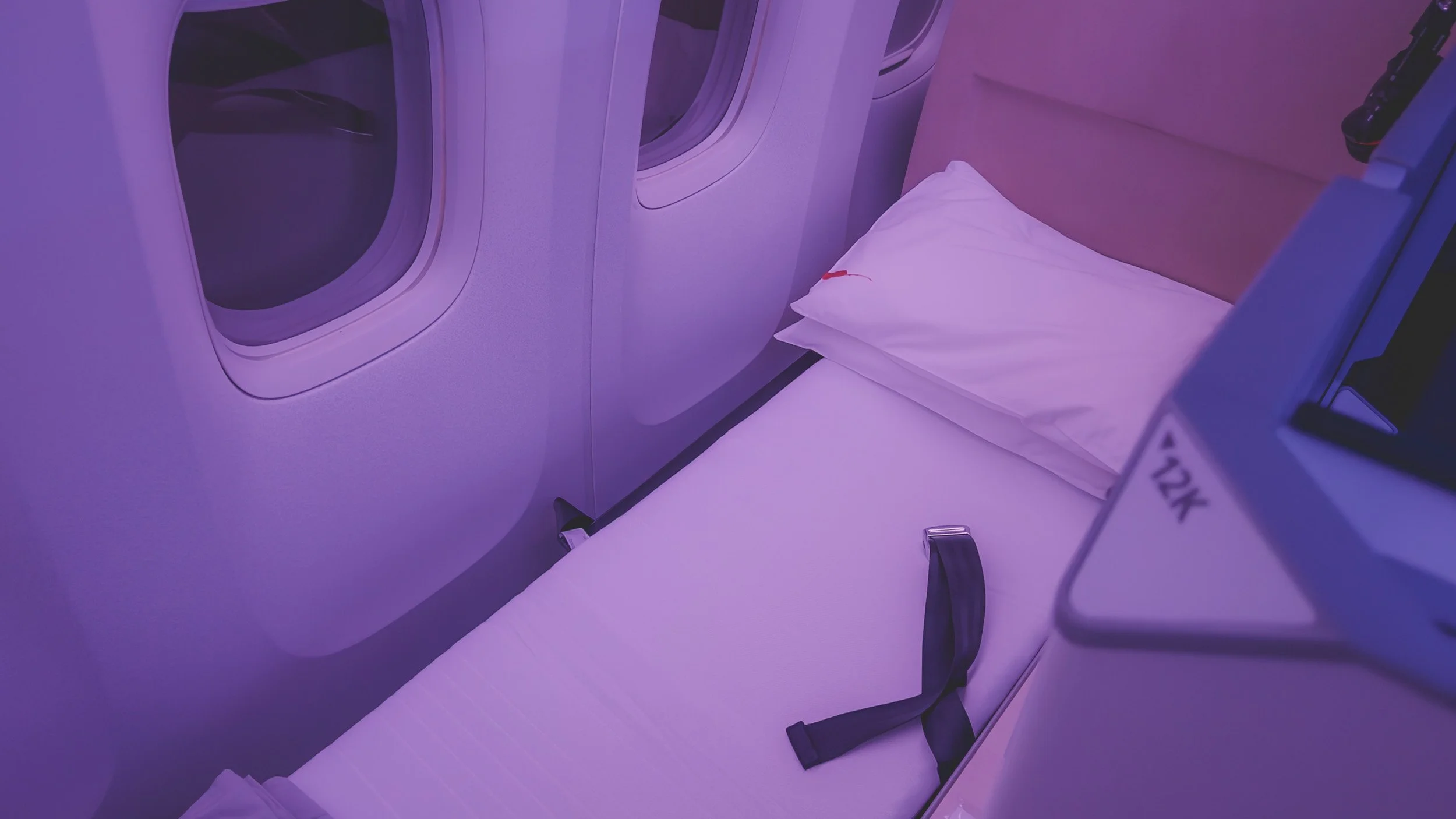
Each seat features a 25.5-inch width and transforms into a 74-inch fully lie-flat bed, supported by an Airweave mattress pad and pillow that are widely considered among the best bedding options in aviation. The privacy partitions are exceptionally tall; when raised, they create a near-total visual barrier between you and the rest of the cabin. Factually, the "middle" seats in the center section are often coveted by solo travelers because they offer a "throne" effect with walls on both sides, providing an unmatched sense of seclusion despite the technically 7-across configuration.
While the entertainment system is aging a bit compared to its peers, it still featured a large definition screen and a wide selection of movies, TV shows, music, and games. The intuitive controls and a wide range of options ensured that passengers could tailor their inflight entertainment to their preferences, even if there was a bit of learning curve to it. Because the screen is not touch screen, you would have to utilize the remote control to its fullest.
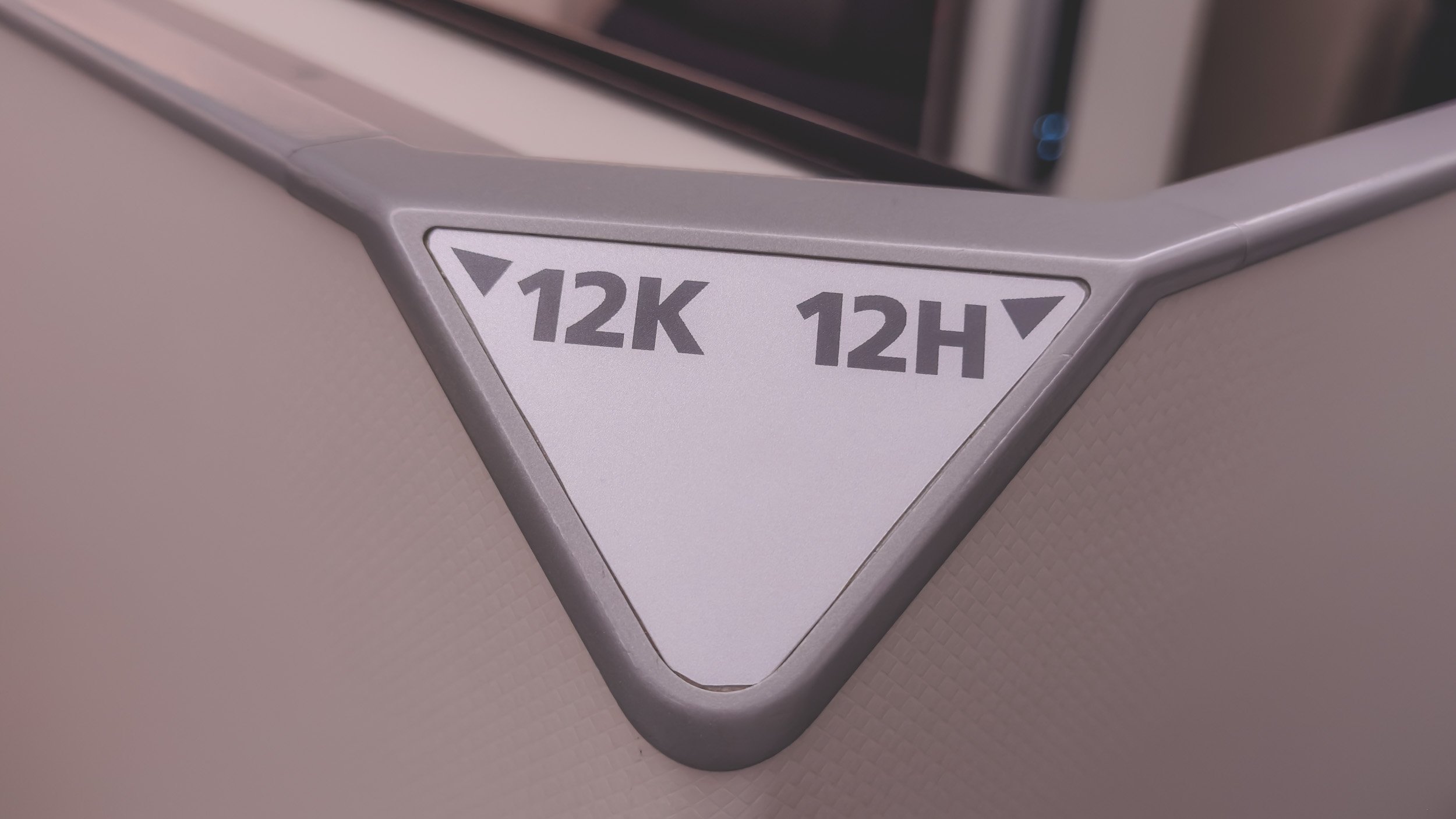
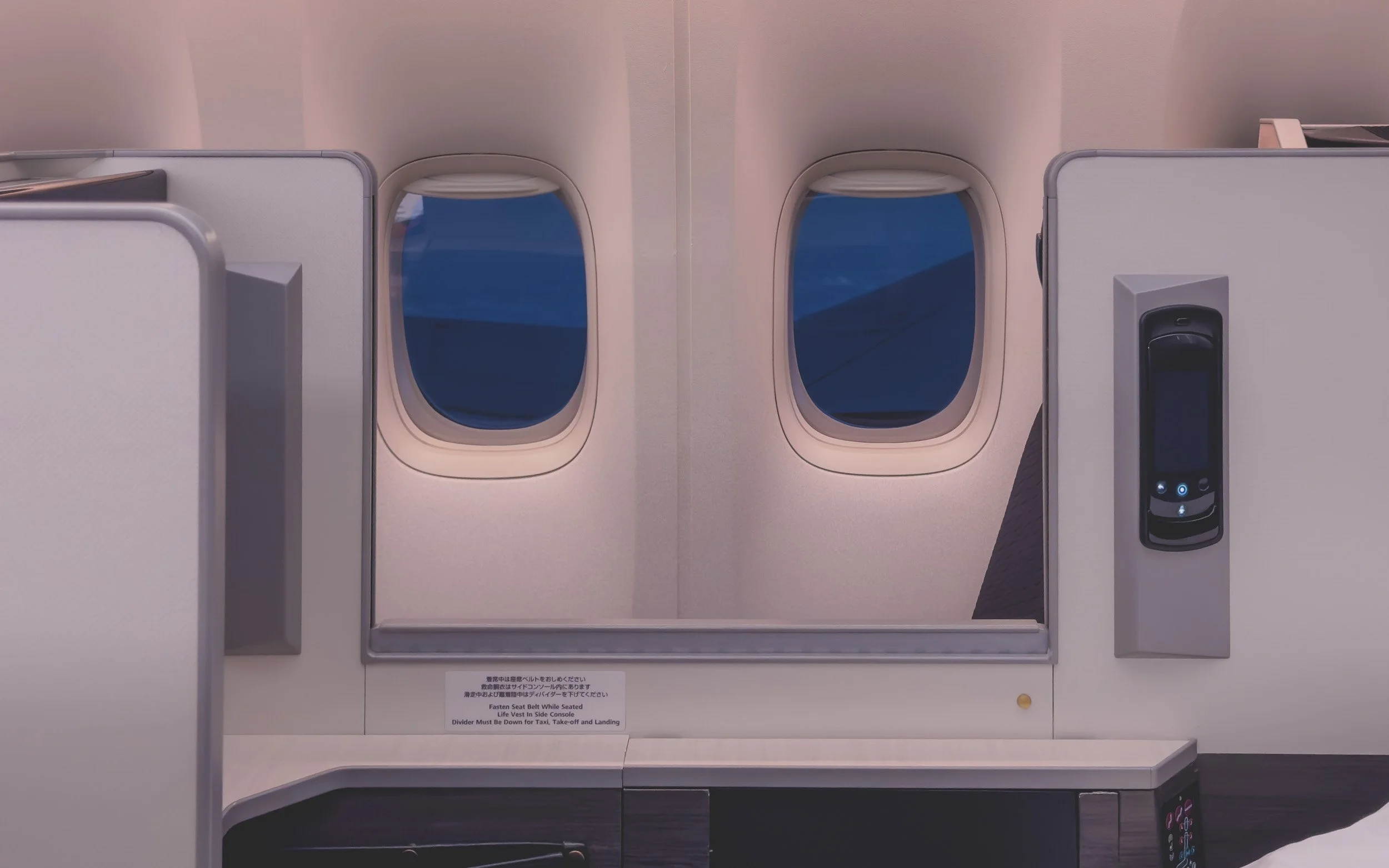
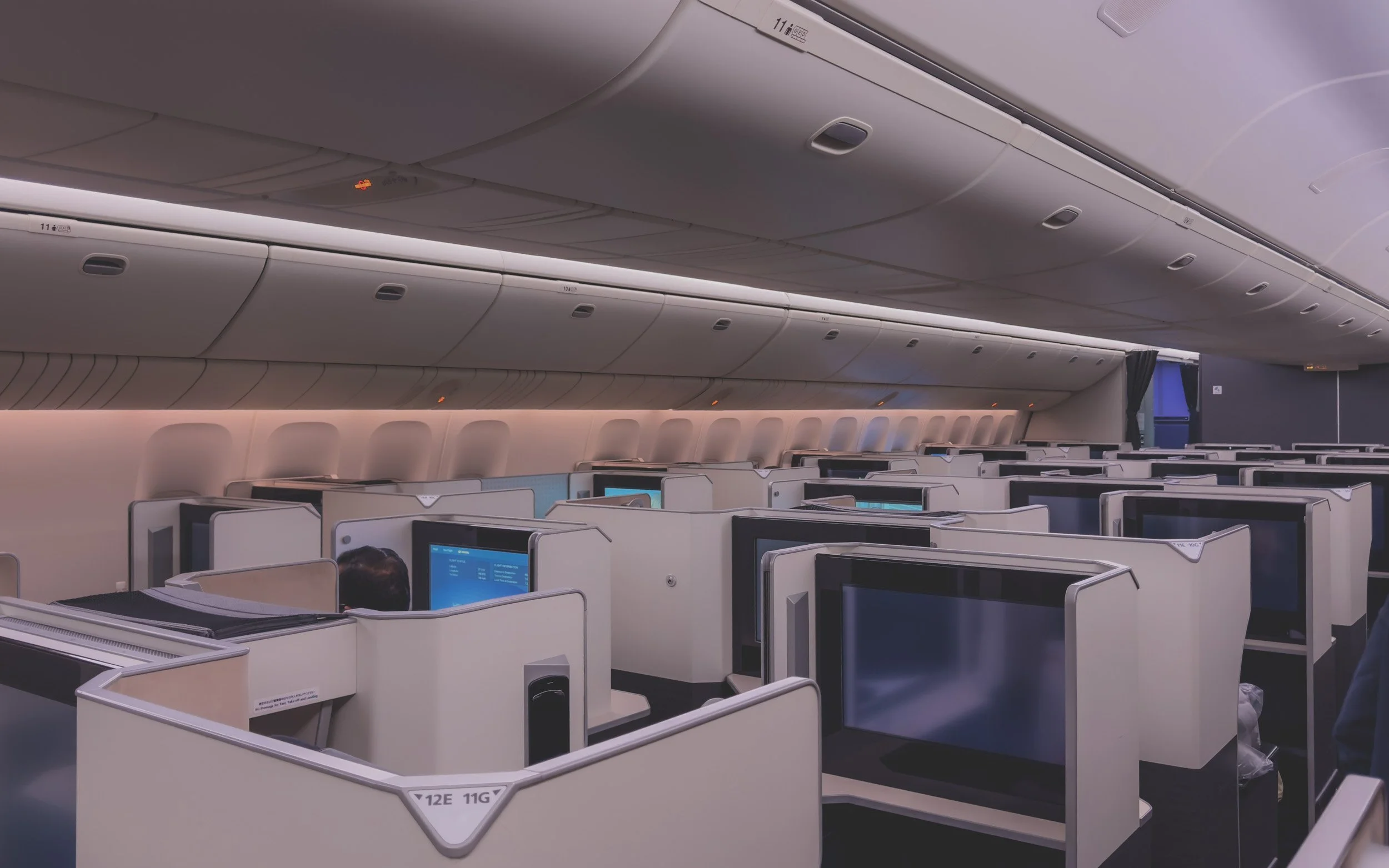
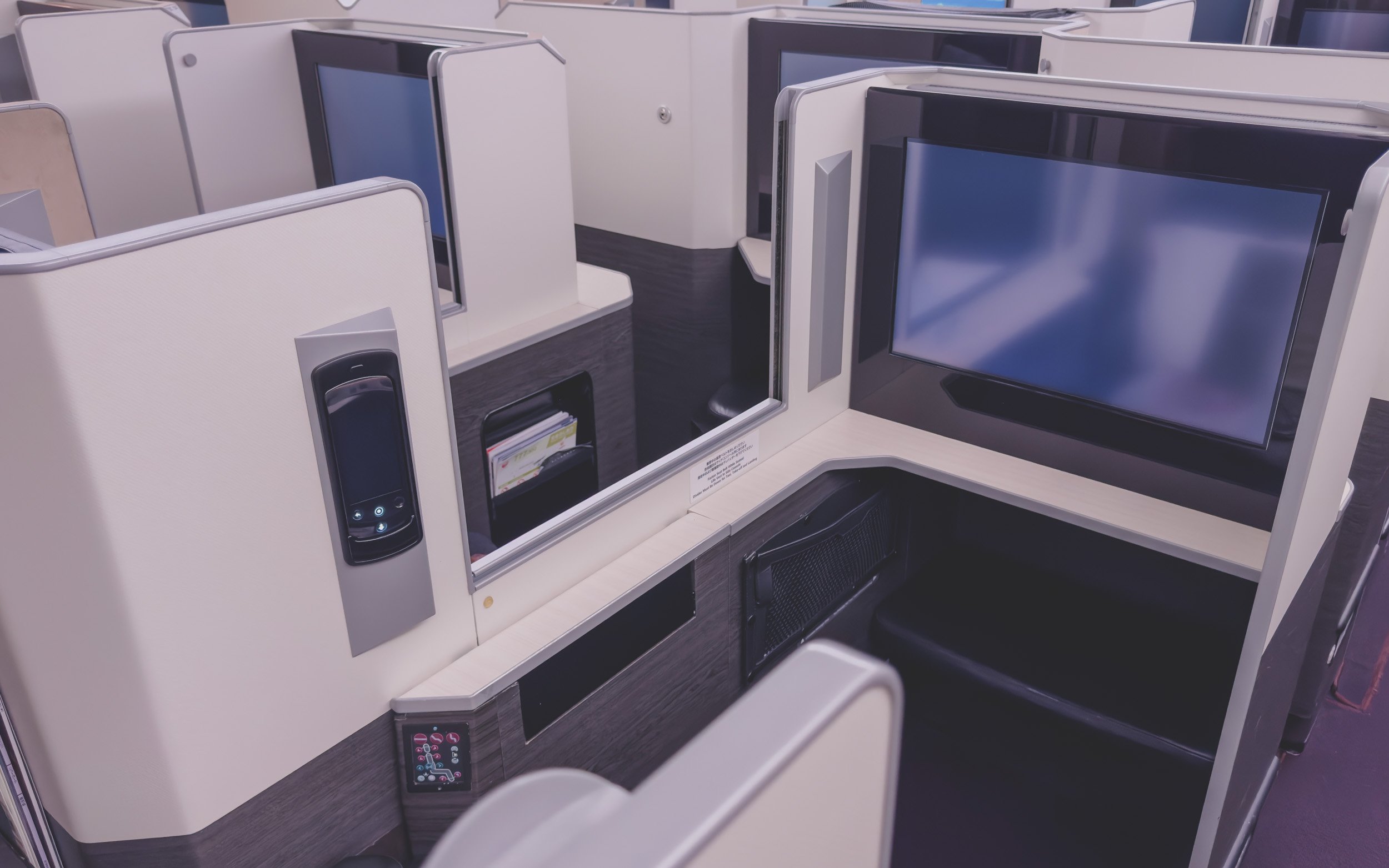
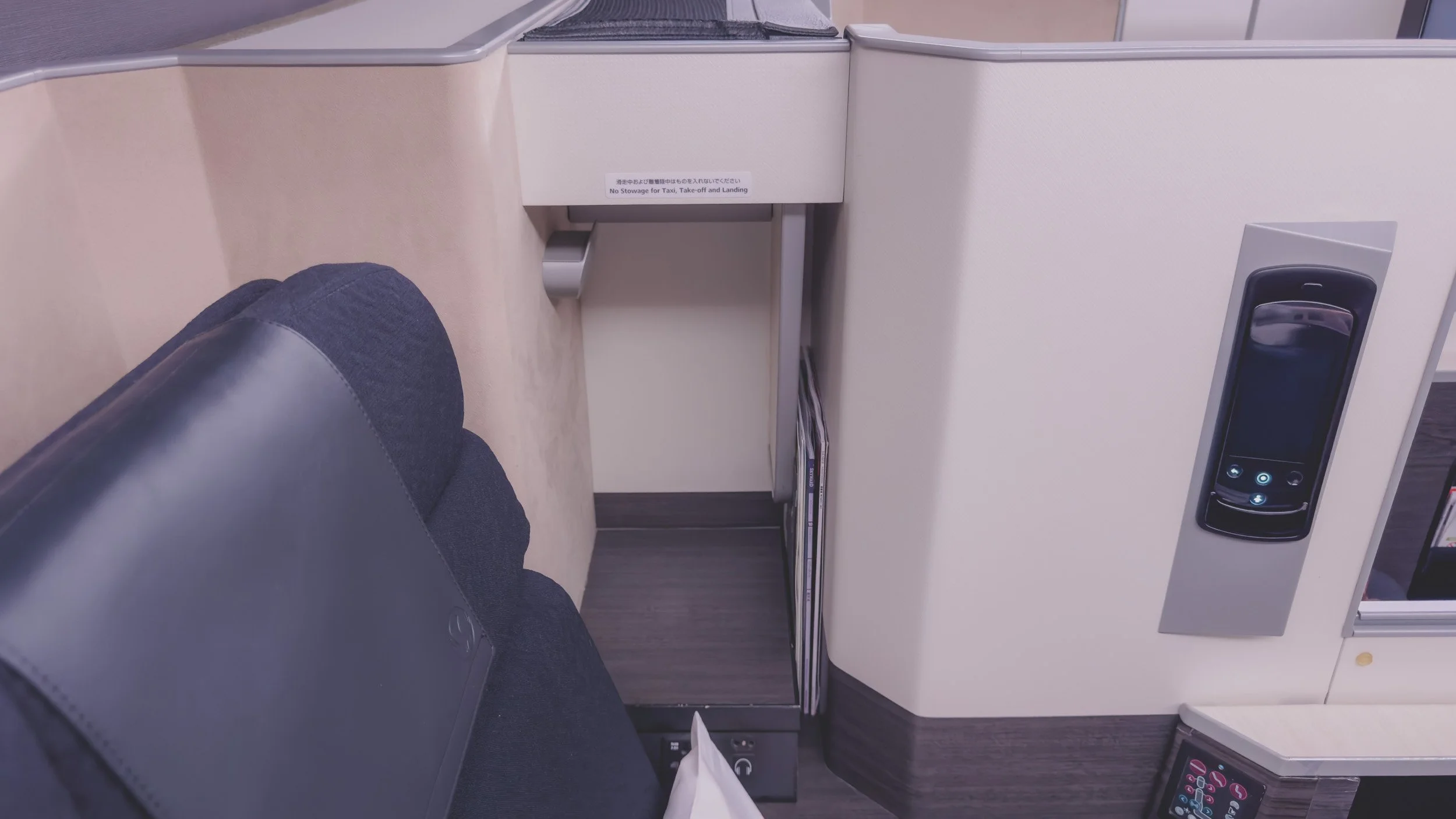
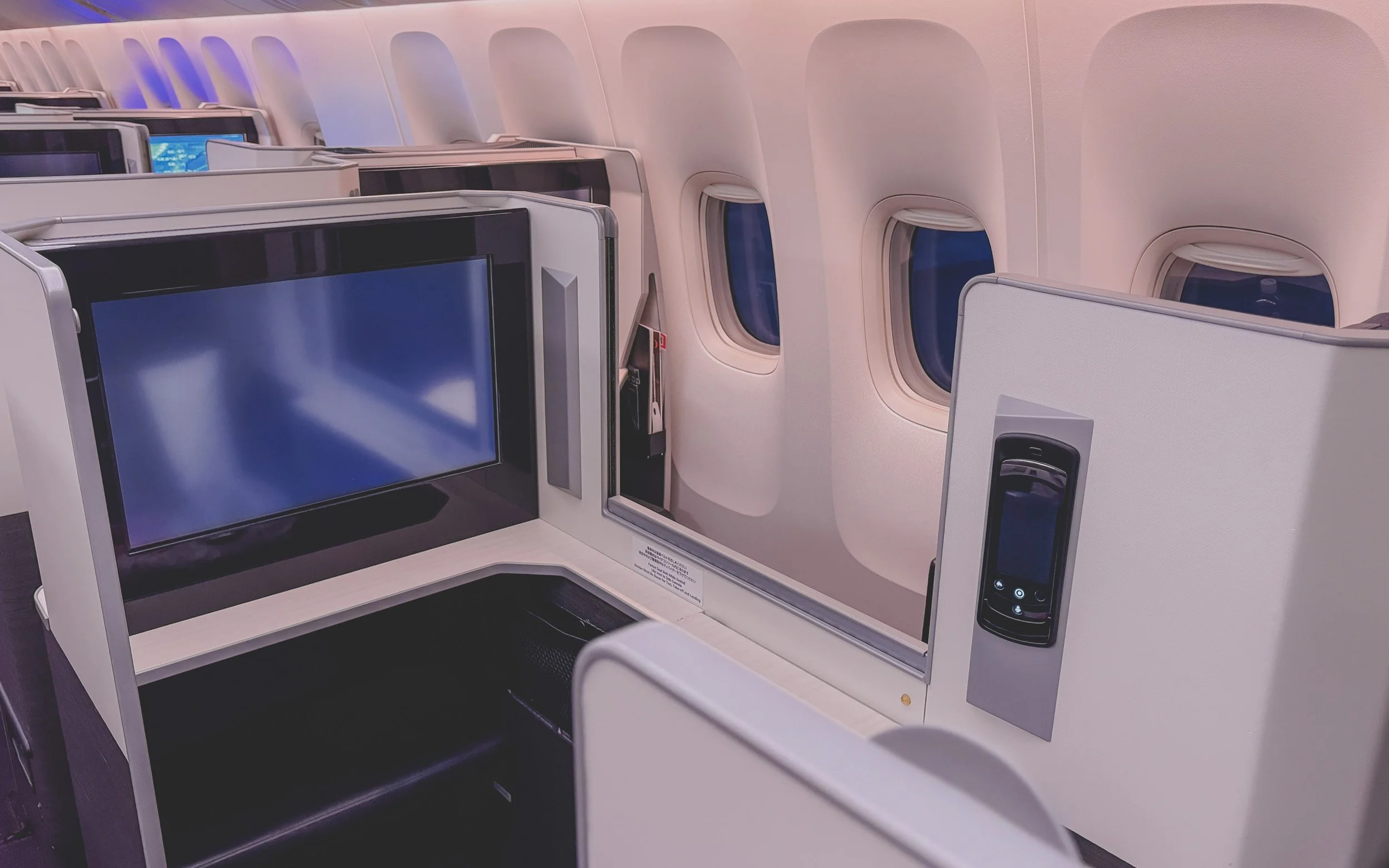
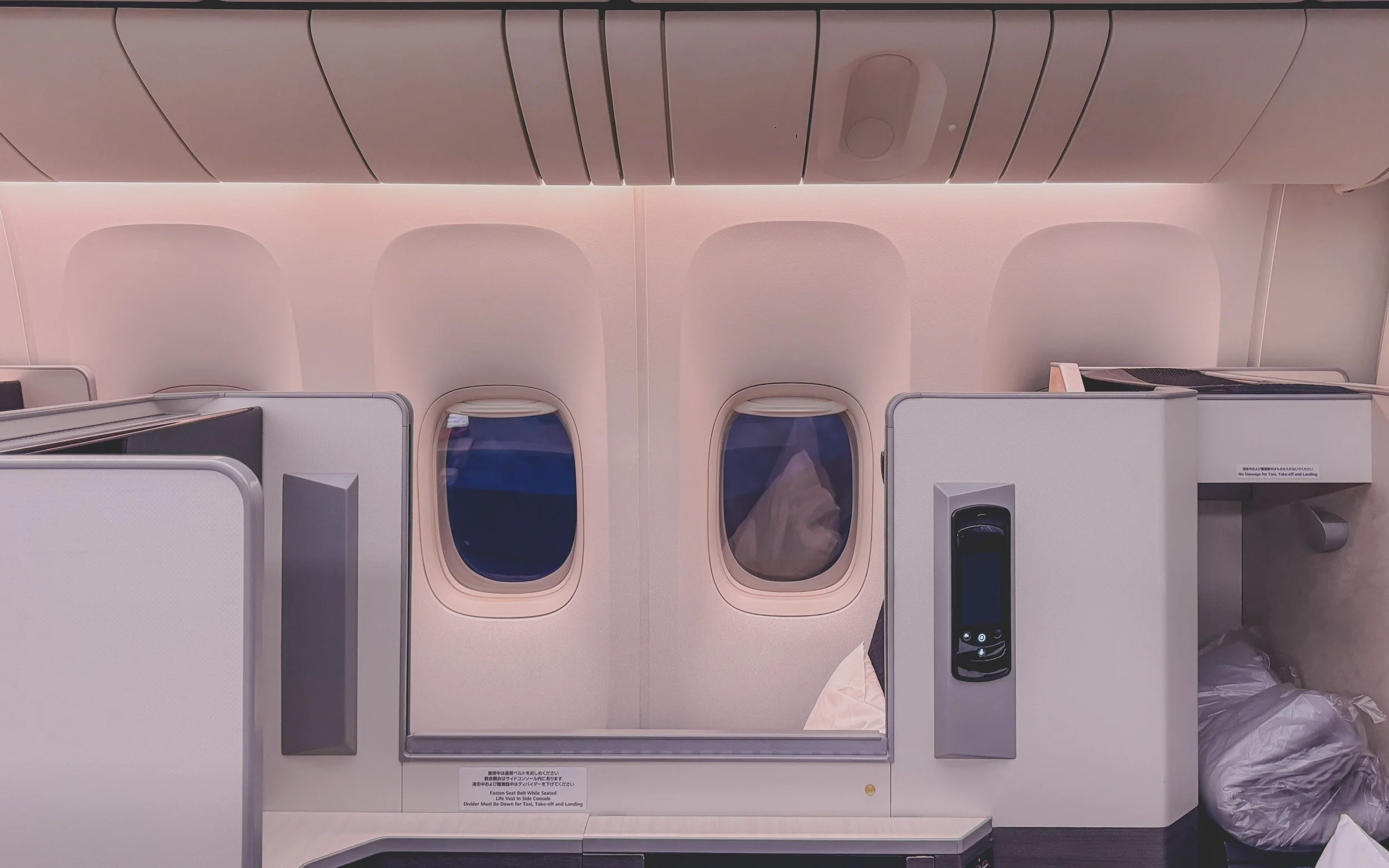
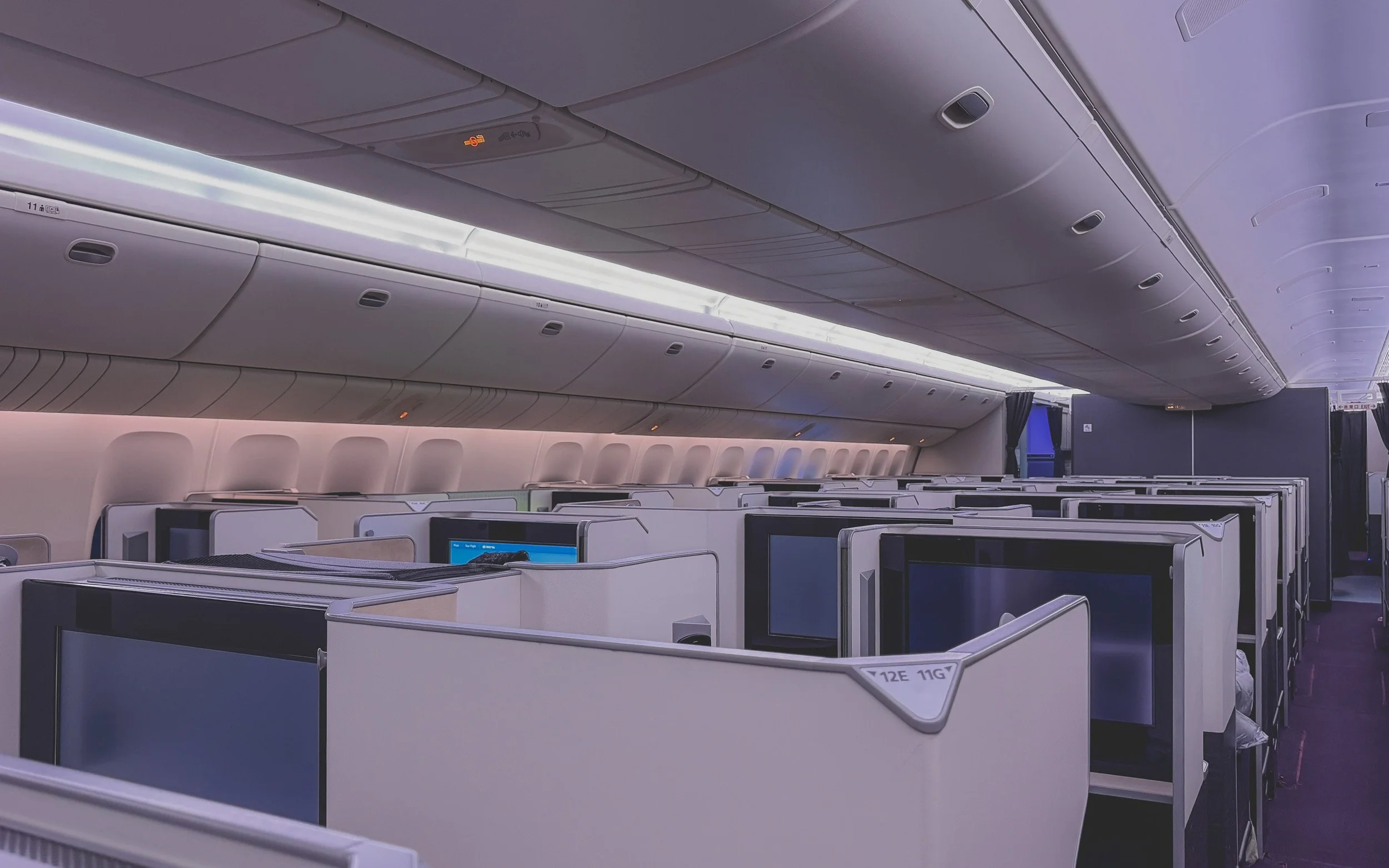
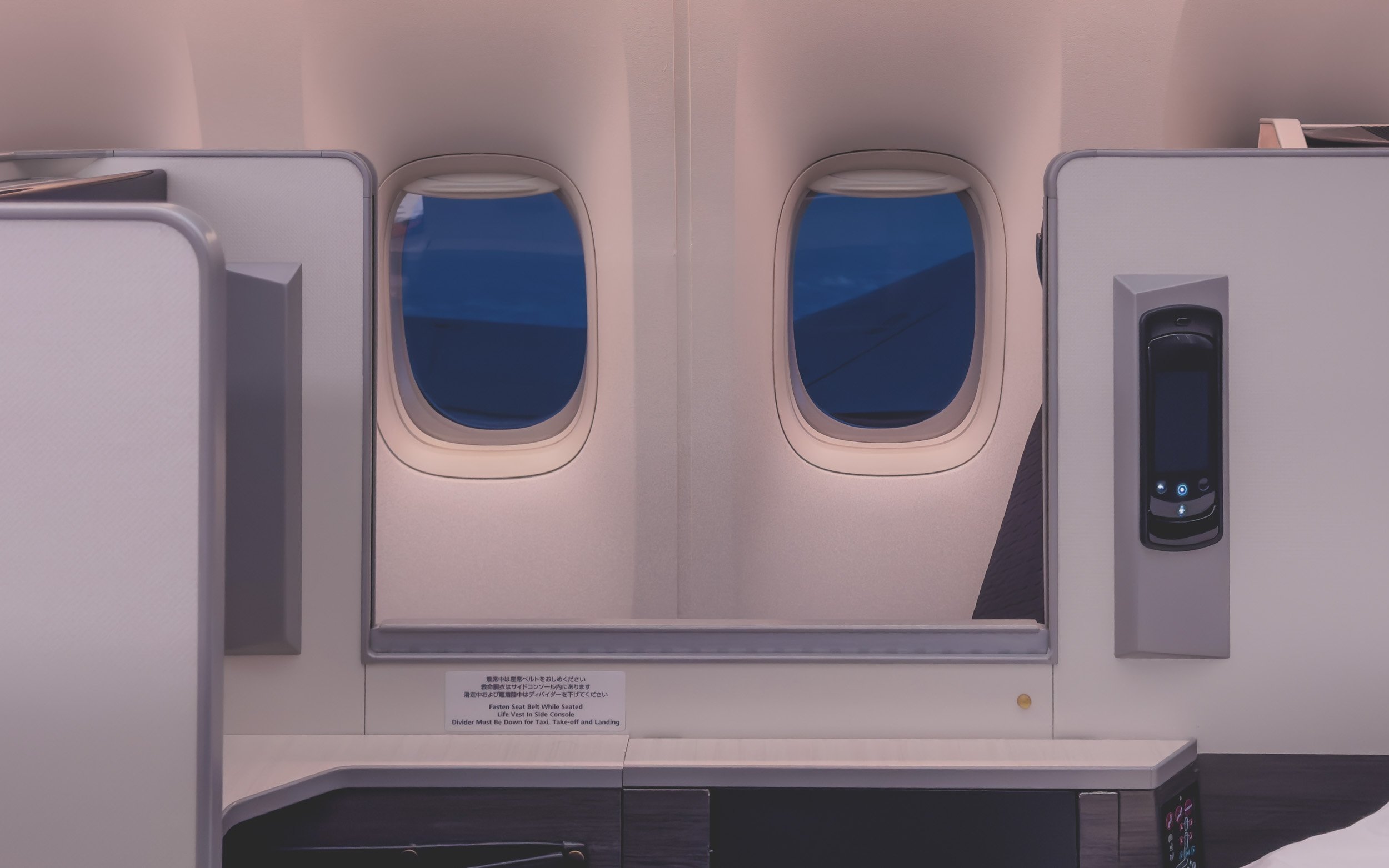
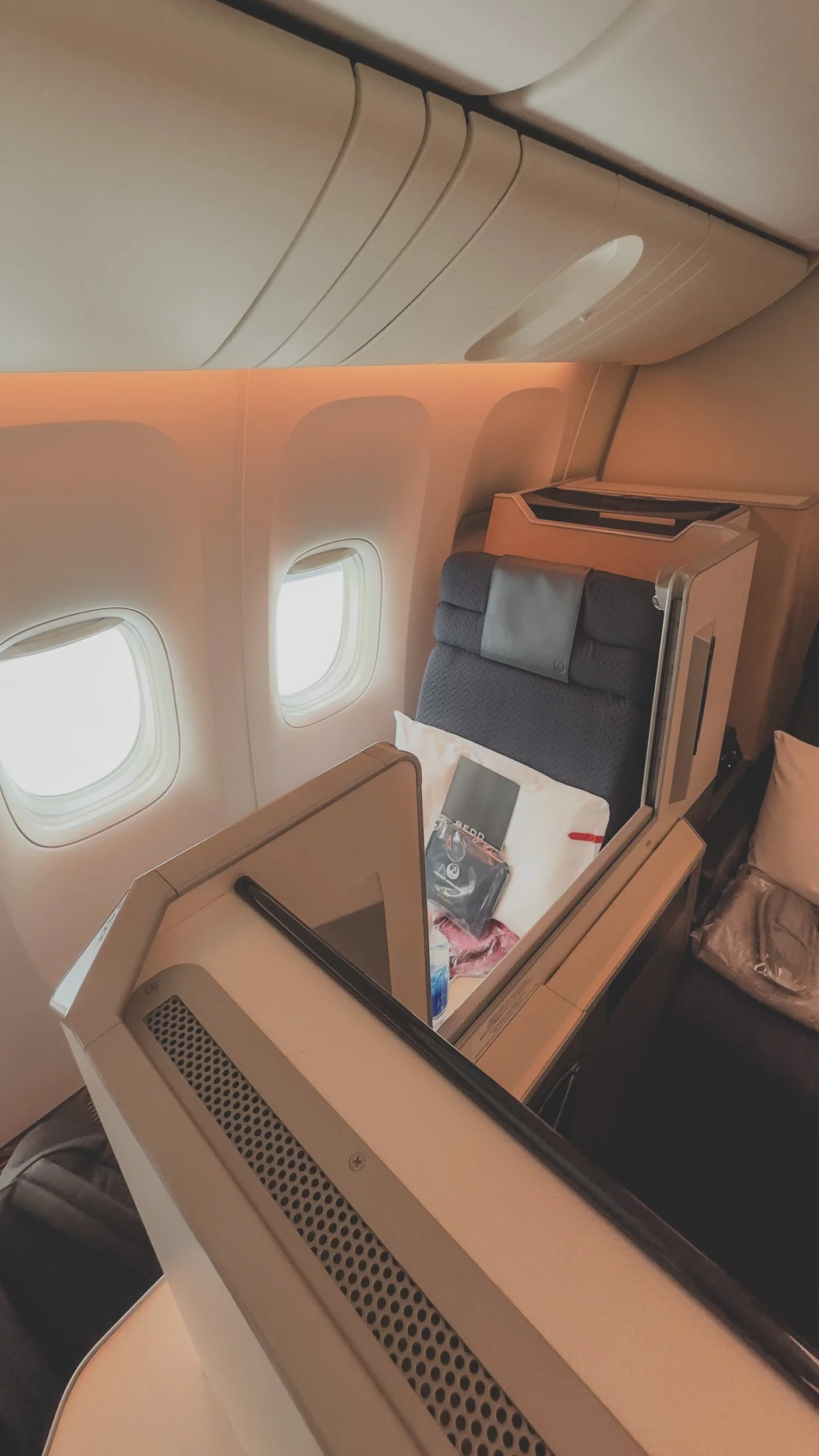
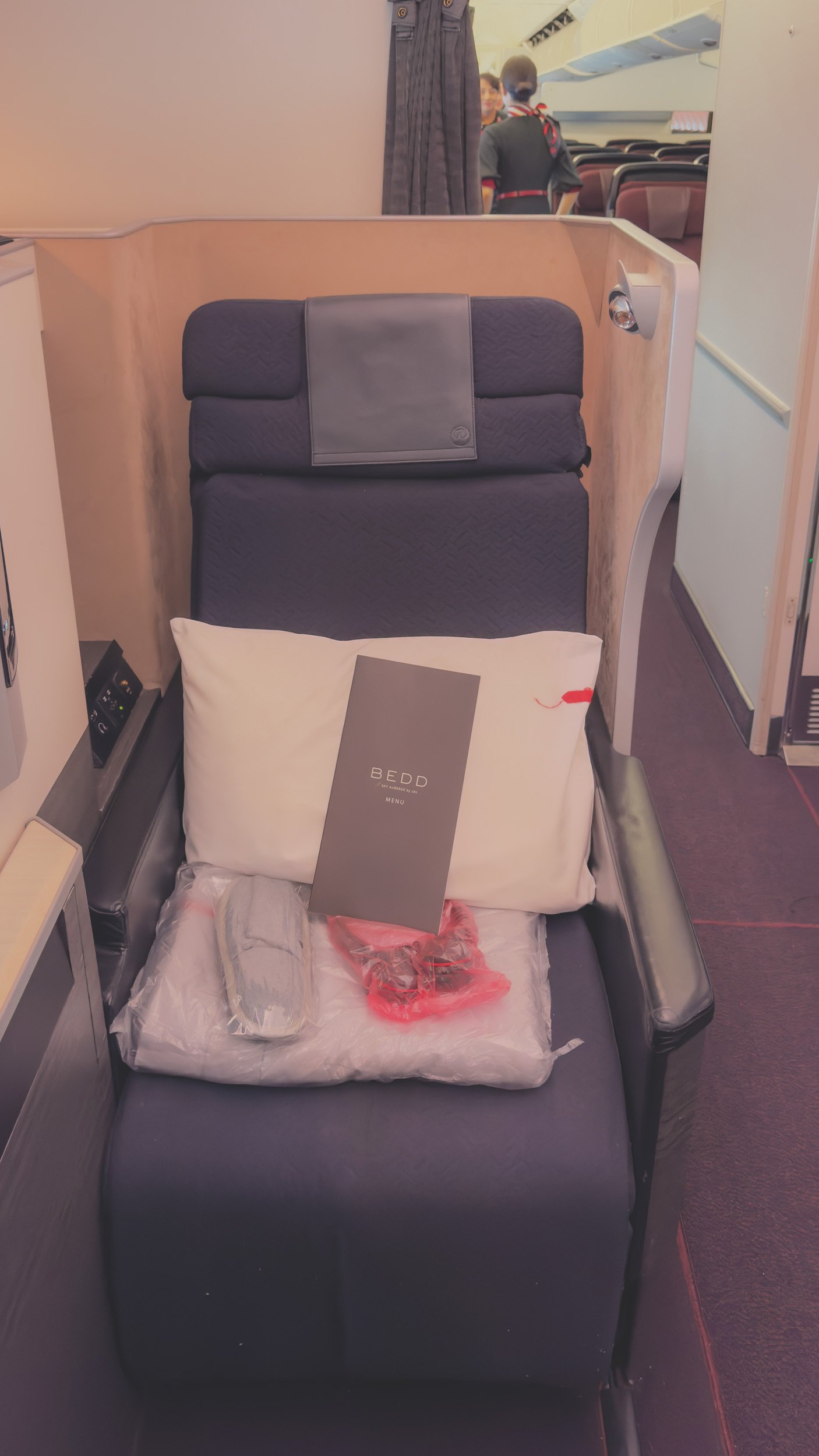
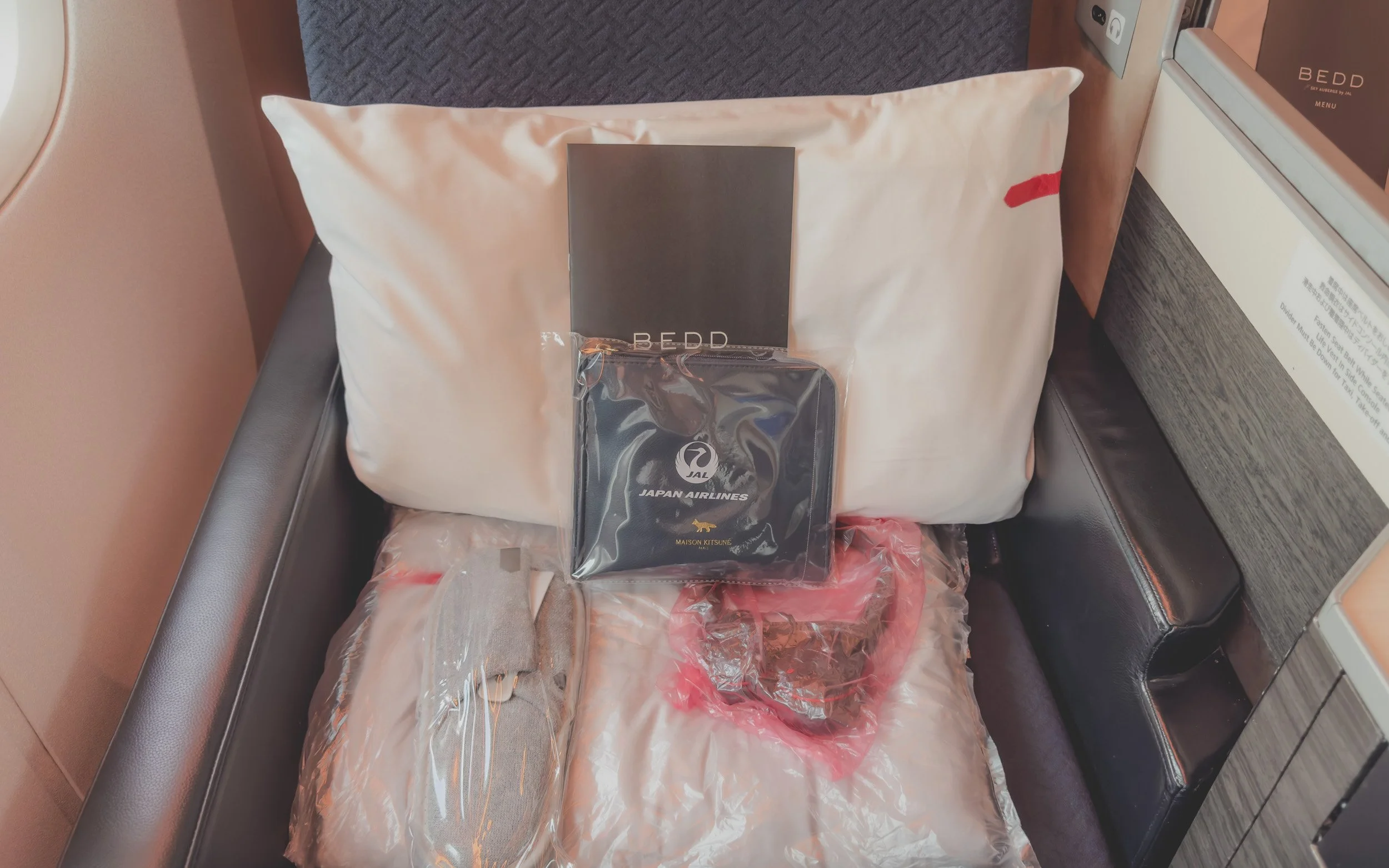
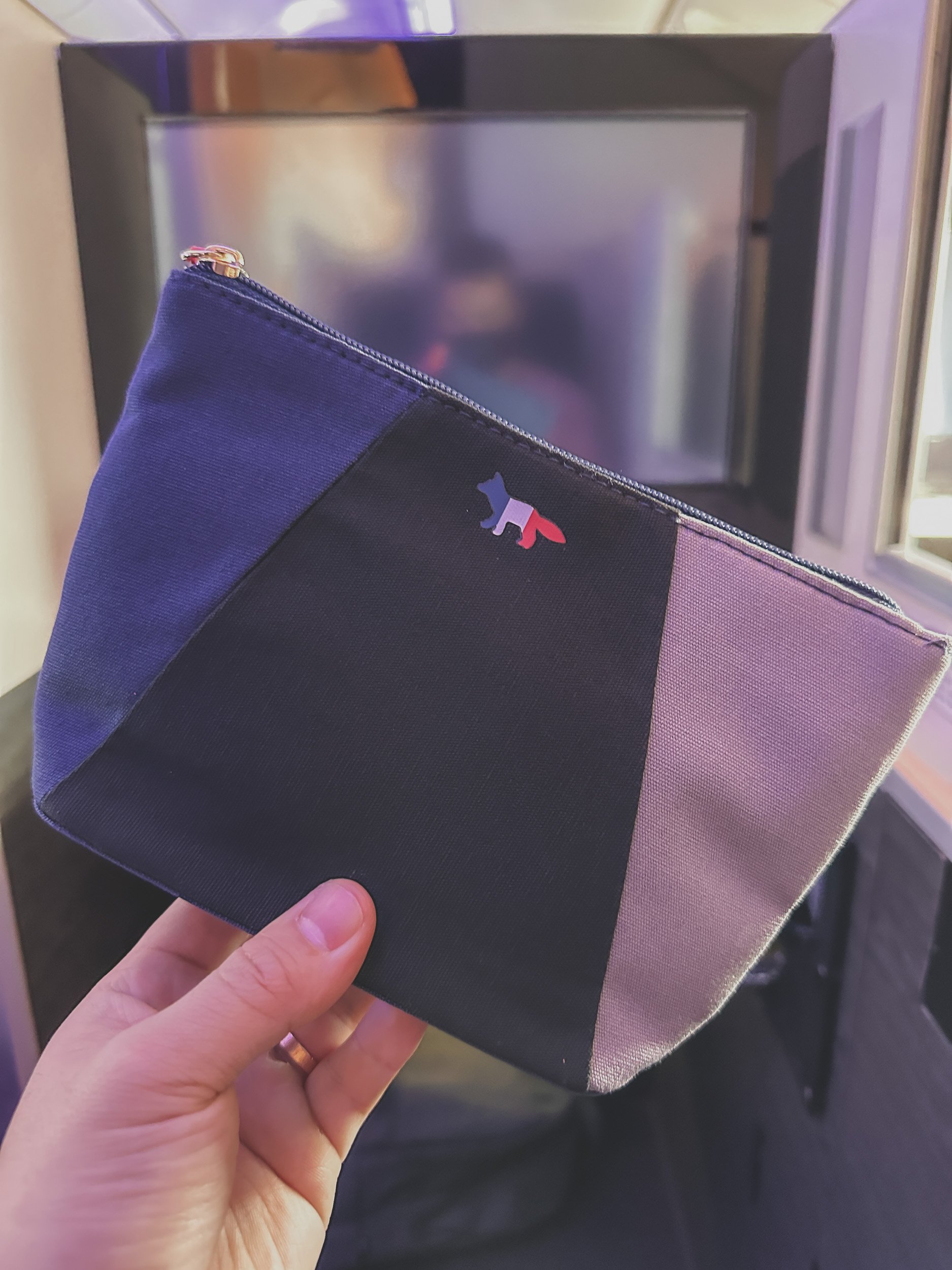
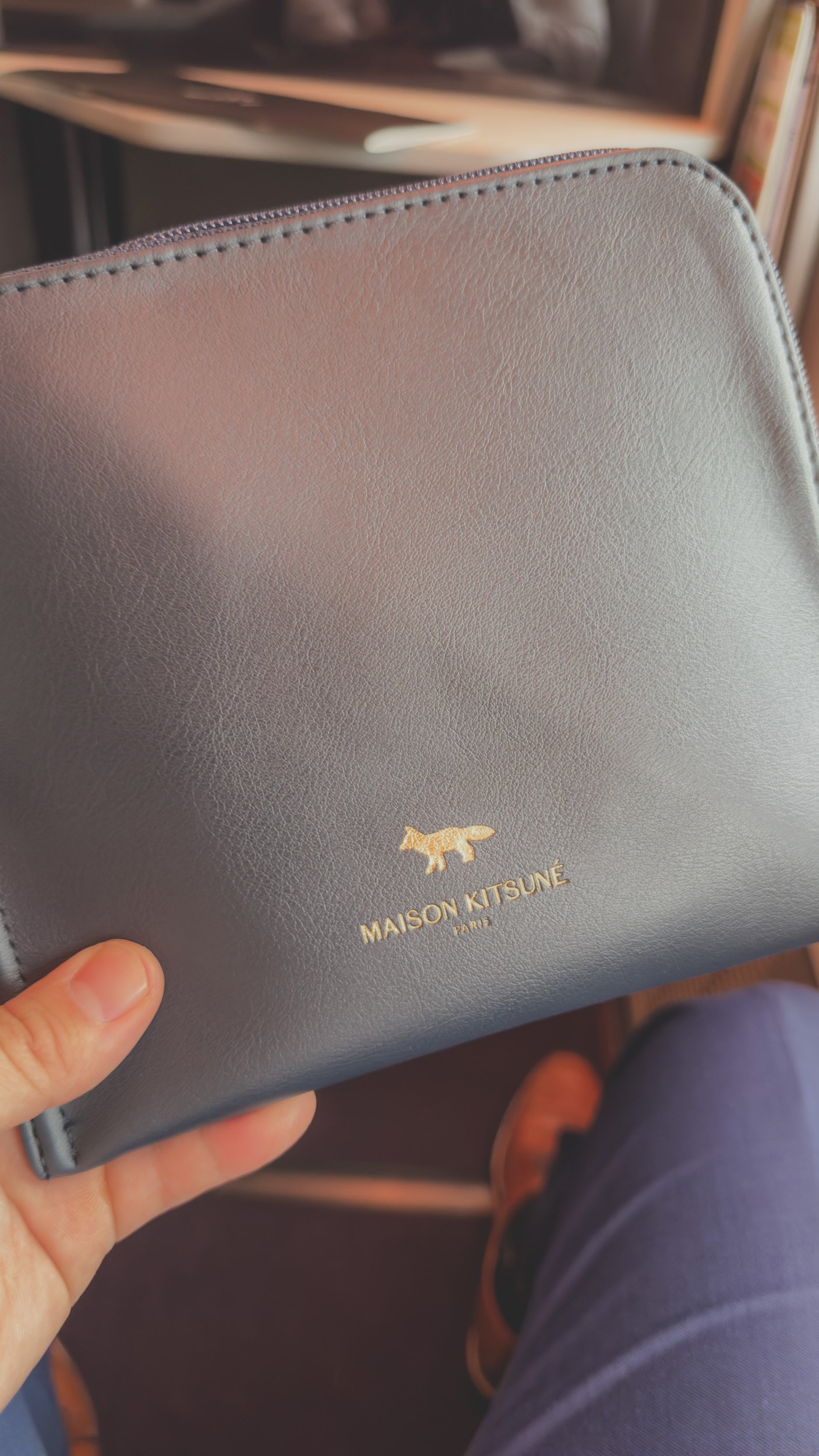
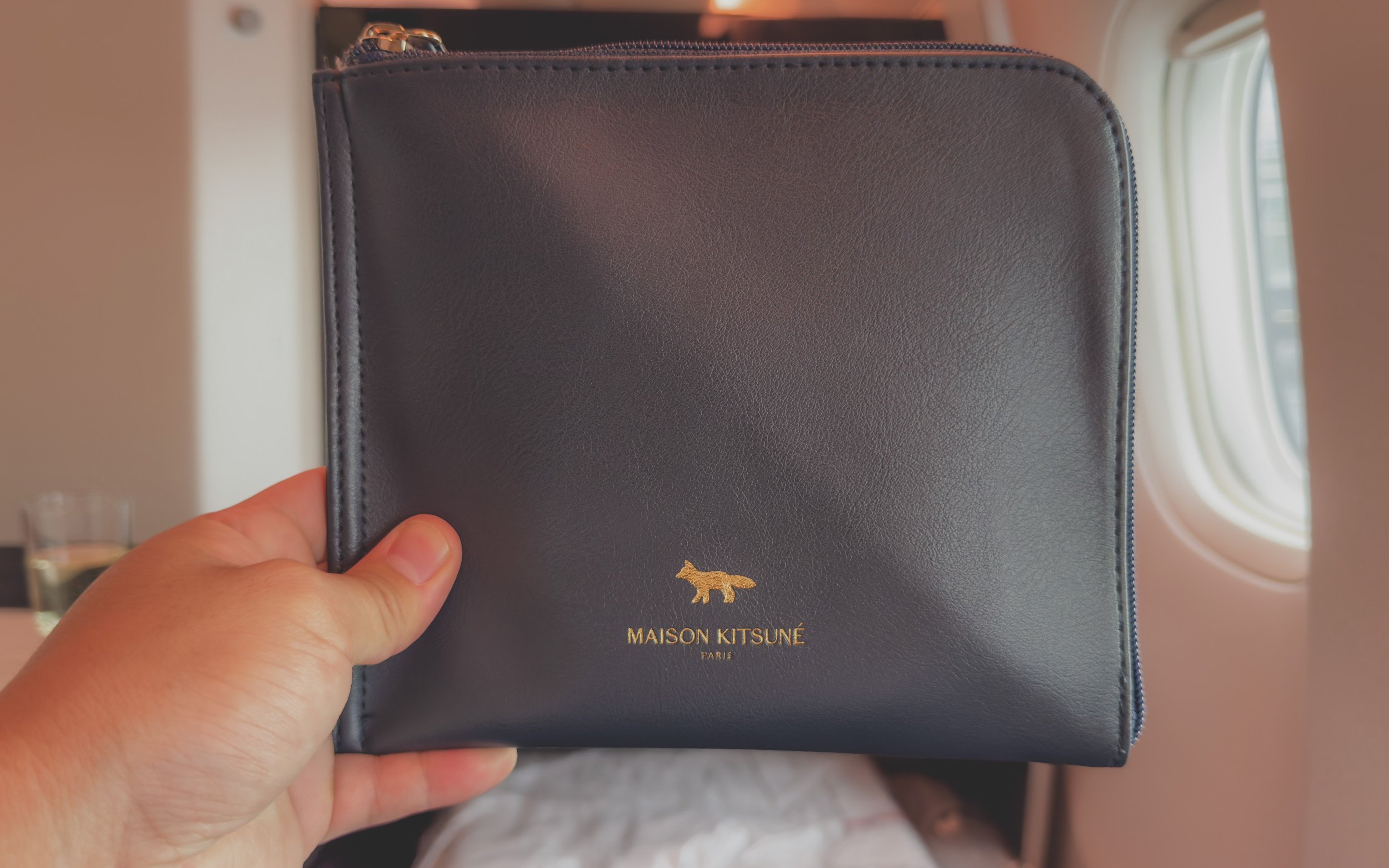
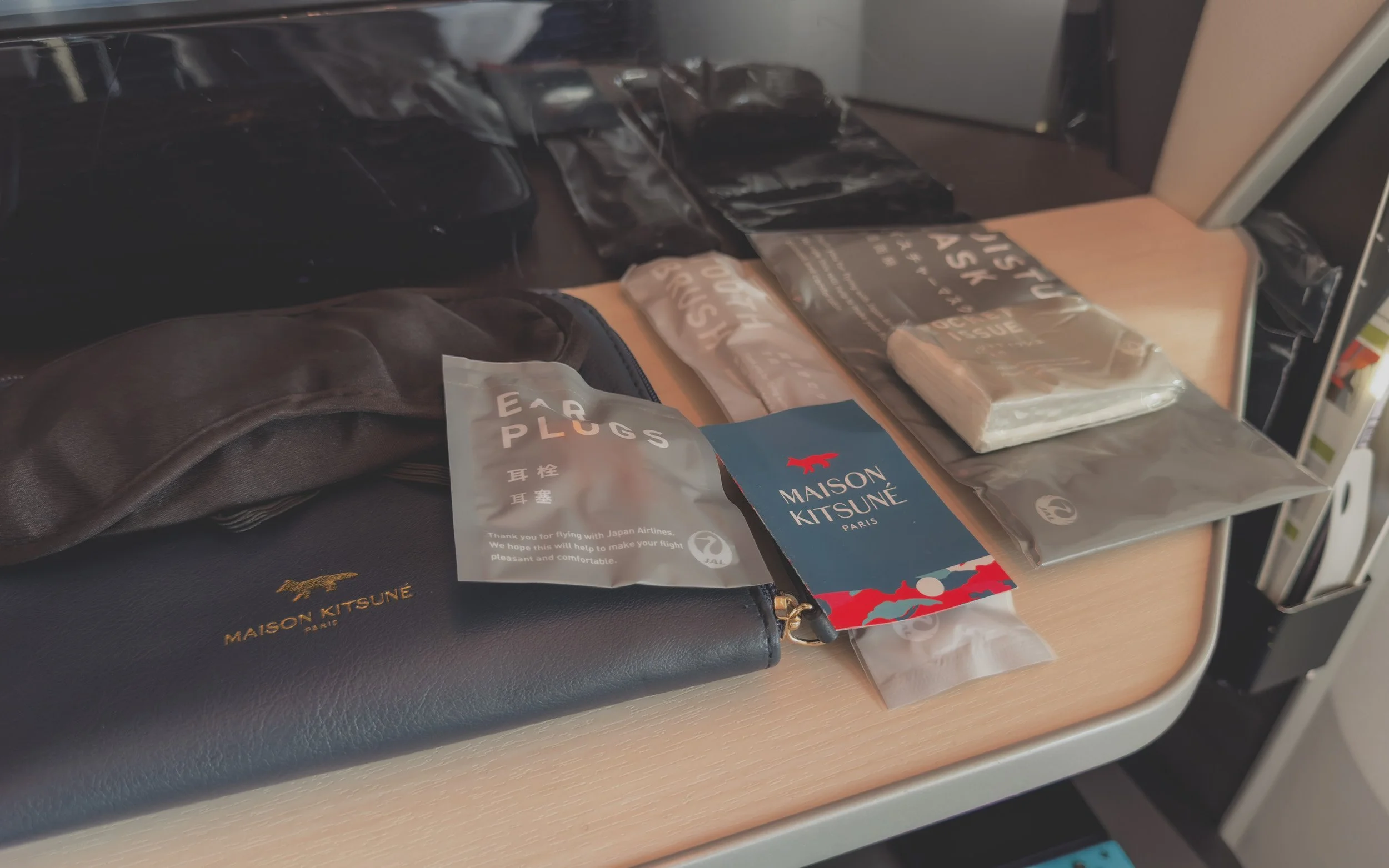
In my experience, we’ve flown across utilizing seats 12A,12C and 12K, which have all been great for couples traveling and looking for those prime window seats. Seats were provided with a water bottle, our menu, pillow, blanket and a pair of noise-cancelling headphones. Amenity kits were provided in the form of a beautiful leather Maison Kitsune bag that carried the basics - Japan Airlines doesn’t usually score high on their amenity kit, but the bag was fantastic. I just wished the content were more…extensive.
Having tried both window and aisle seat, there are a few things to note immediately:
Aisle seat storage will beat out the window seats due to its personal cabinet near the outlet, whereas the window seats do not have anything.
There are no pockets or bins to secure your items and most of the time I had them stuffed in front of my seat, whereas the Aisle seat allowed me to store them in the cabinet
Aisle Seat storage is big enough to hold a ton of stuff - I was able to shove my Macbook Pro 16” along with my iPad when I wasn’t using them.
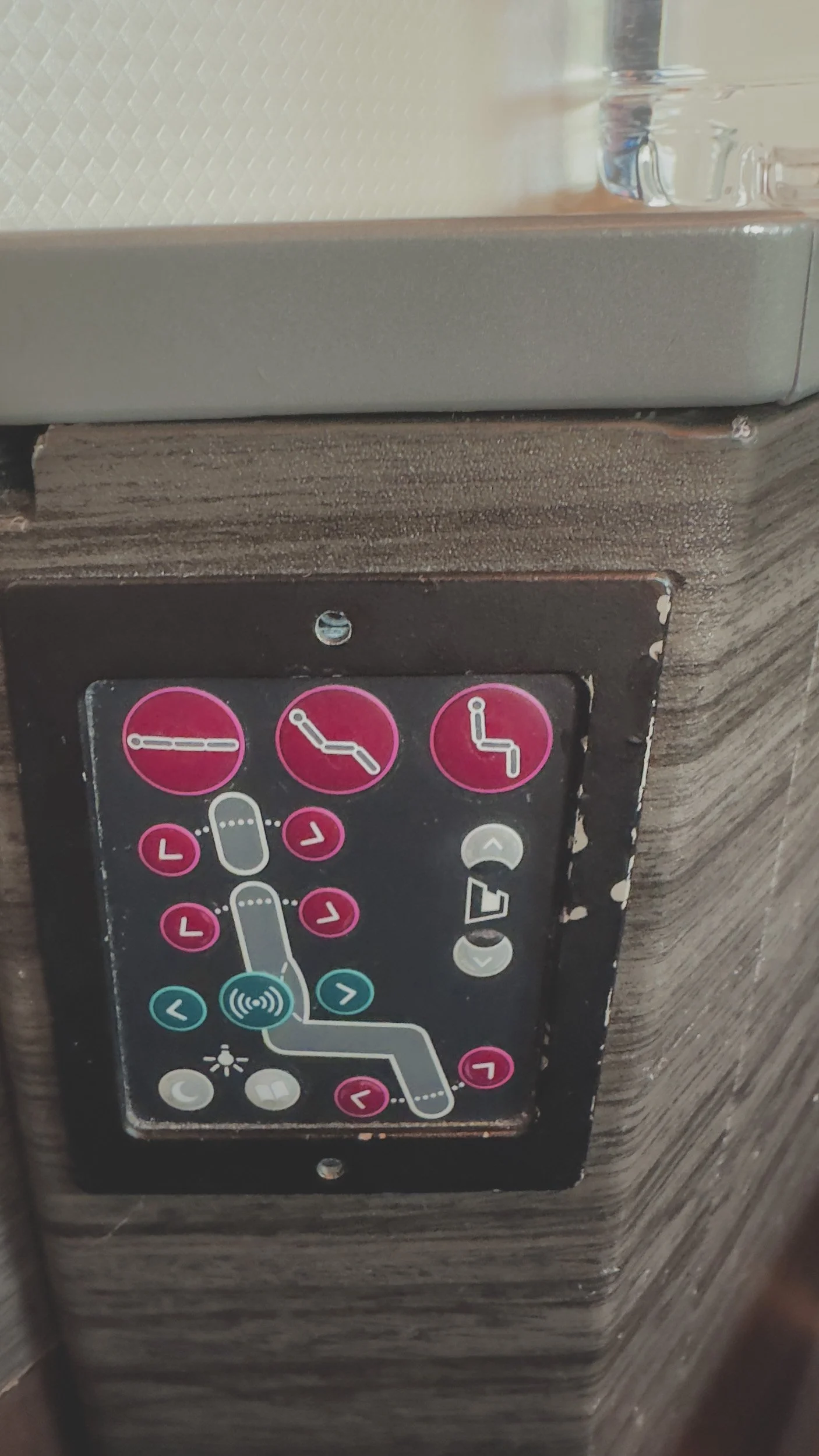
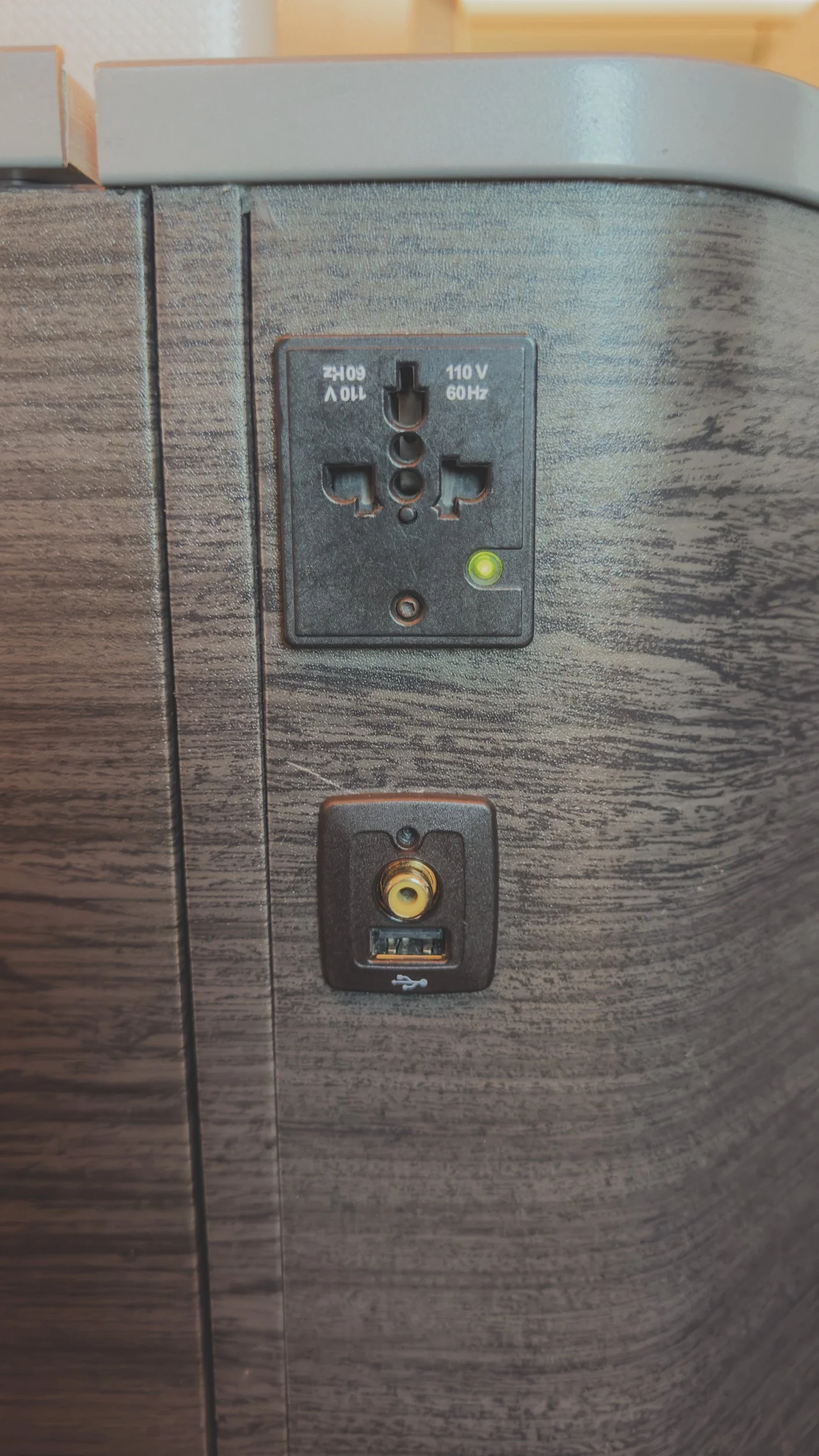
There is a AC power outlet along with a USB port, though the charging on the USB-A is getting incredibly slow as technology moves towards bigger batteries and USB-C. Seat controls are located next to the divider and was very easy to use. It is slightly showing its age here as well, but I believe it has aged gracefully throughout the years. The seat itself could be converted into a fully flat bed, providing a restful night's sleep during long-haul flights. The bedding and pillows provided were of high quality, adding to the comfort of the sleeping experience. The privacy partition between seats also provided a sense of seclusion, enhancing the overall comfort and relaxation.
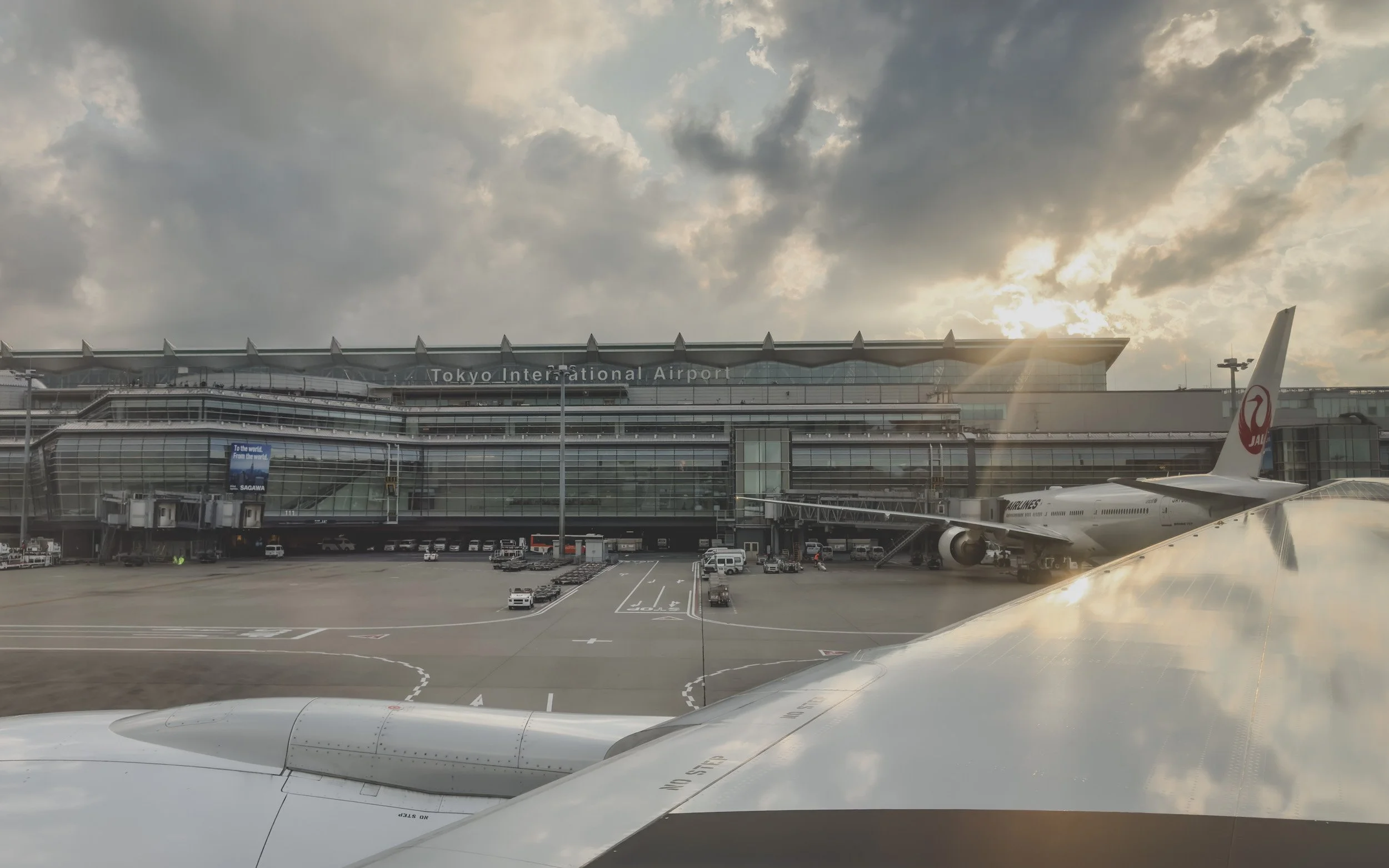
When heading out of the airport, don’t forget to wave back to the friendly ground crew! This is such a blissful culture and one that I happily appreciate every time I fly out of Tokyo.
A350-1000 vs. 777/787 Business Class
Comparing the 777’s Sky Suite to JAL’s newest A350-1000 Business Class highlights a clear generational shift toward high-tech privacy. The new A350 product features sliding privacy doors, wireless charging, and 4K entertainment screens that dwarf the 777’s 23-inch monitors. It is a fact that the newer aircraft offers a "fresh" feel with better cabin humidity and lower noise levels, which can significantly reduce travel fatigue. If you are a tech enthusiast, the 777’s older remote-controlled IFE system and lack of individual air nozzles will be the most noticeable drawbacks.
However, the "older" 777 model holds a surprising advantage in terms of raw vertical space and storage. The Apex Suite on the 777 often feels less restrictive than the "staggered" seats found on many newer jets, offering more room around the shoulders and feet when in bed mode. While the A350 wins on "visual luxury" and tech integration, the 777 remains a "pro" choice for those who prefer the open, airy feel of a cabin without the psychological weight of a door. It is a factual trade-off: the 777 offers classic, expansive real estate, while the A350 offers modern, cocooned privacy.
Ultimately, the 777’s biggest "con" in 2026 is its age-related wear and tear. You may notice slightly scuffed wood paneling or an IFE screen that lacks the crispness of a modern tablet. But these are minor concessions when weighed against the Airweave sleeping surface, which many flyers still find superior to the padding on newer models. For the savvy traveler, the 777 represents a proven, high-reliability product that prioritizes the core pillars of sleep and space over the latest digital trends.
Dining | Japan Airlines
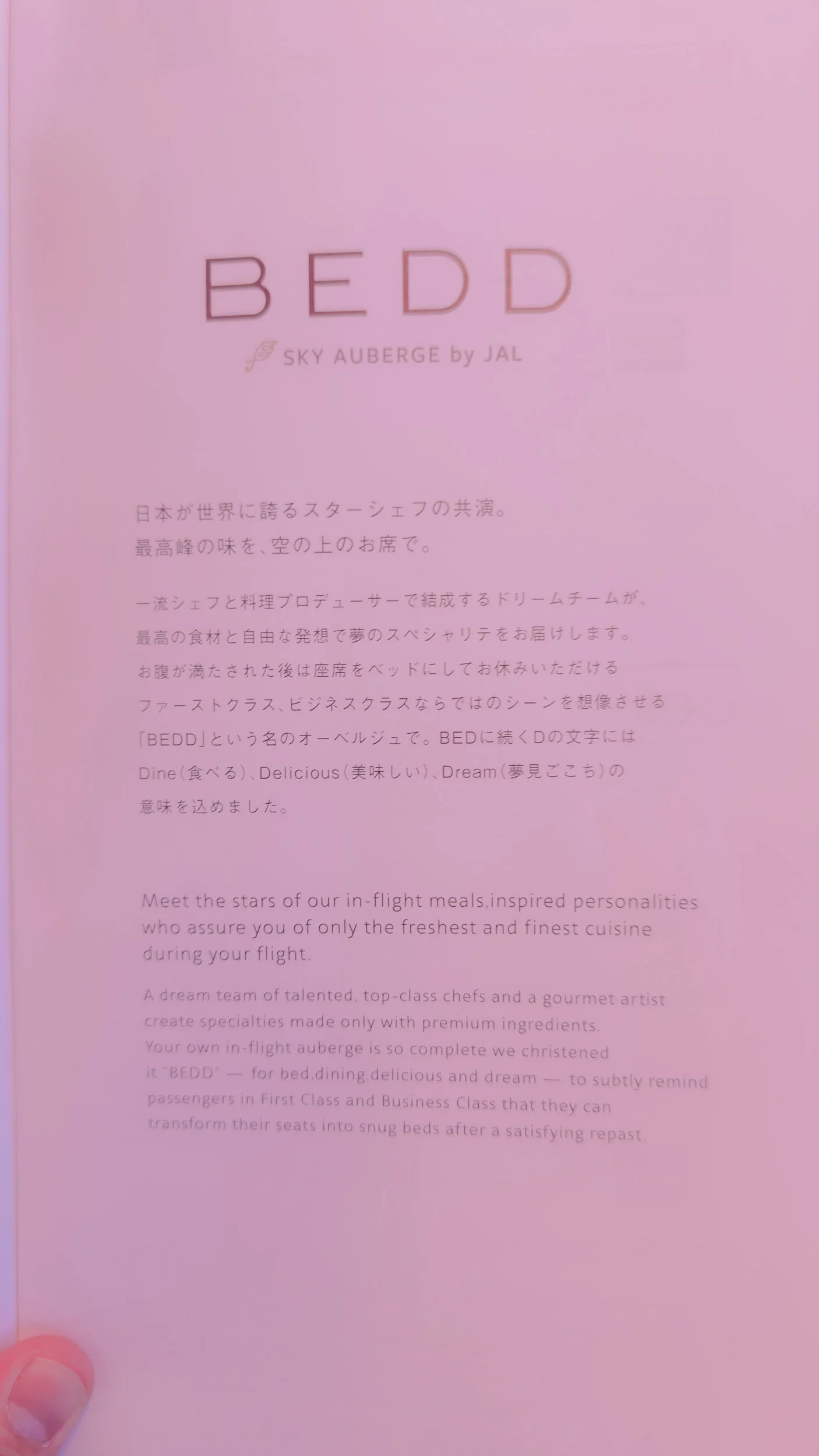
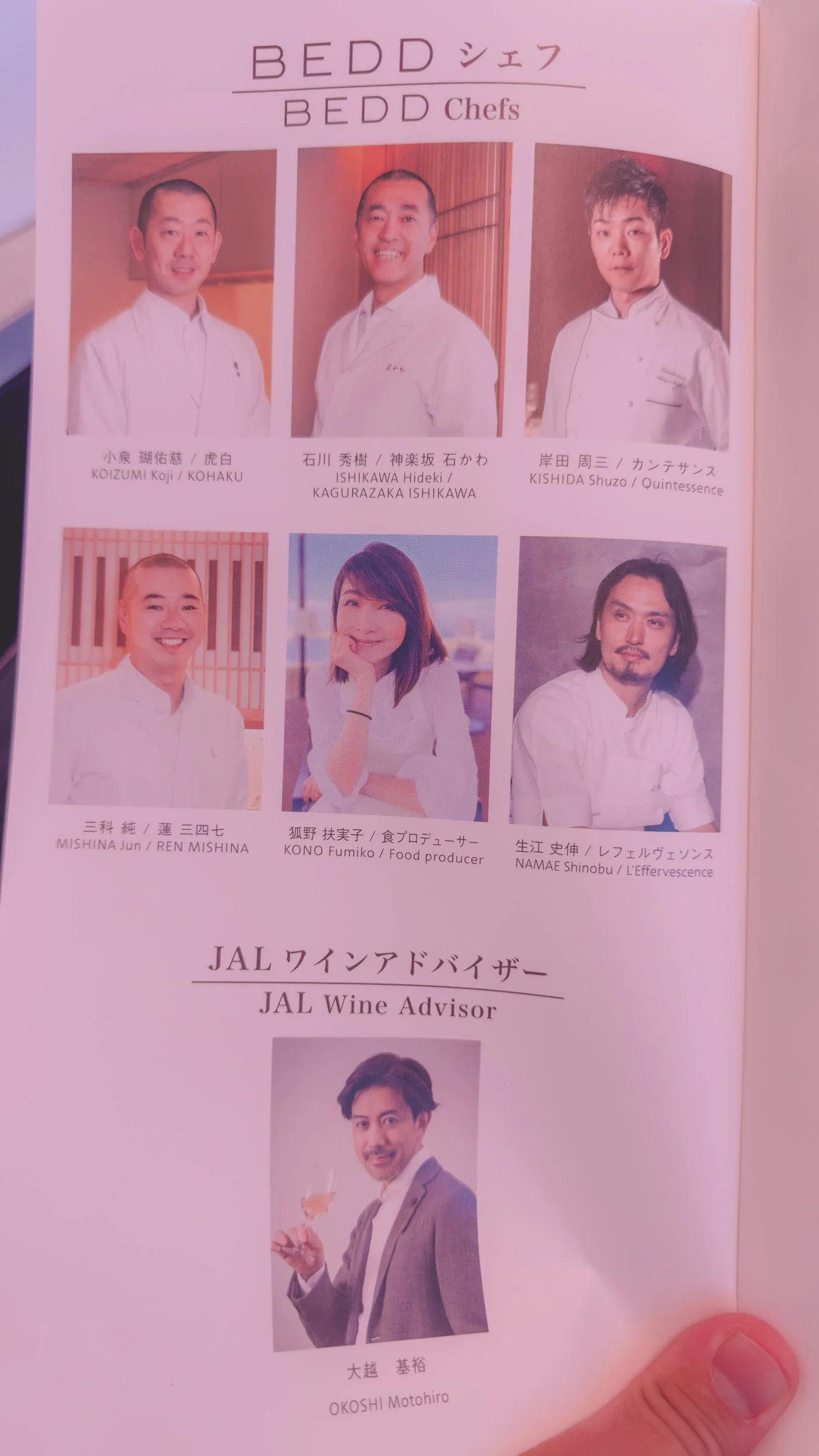
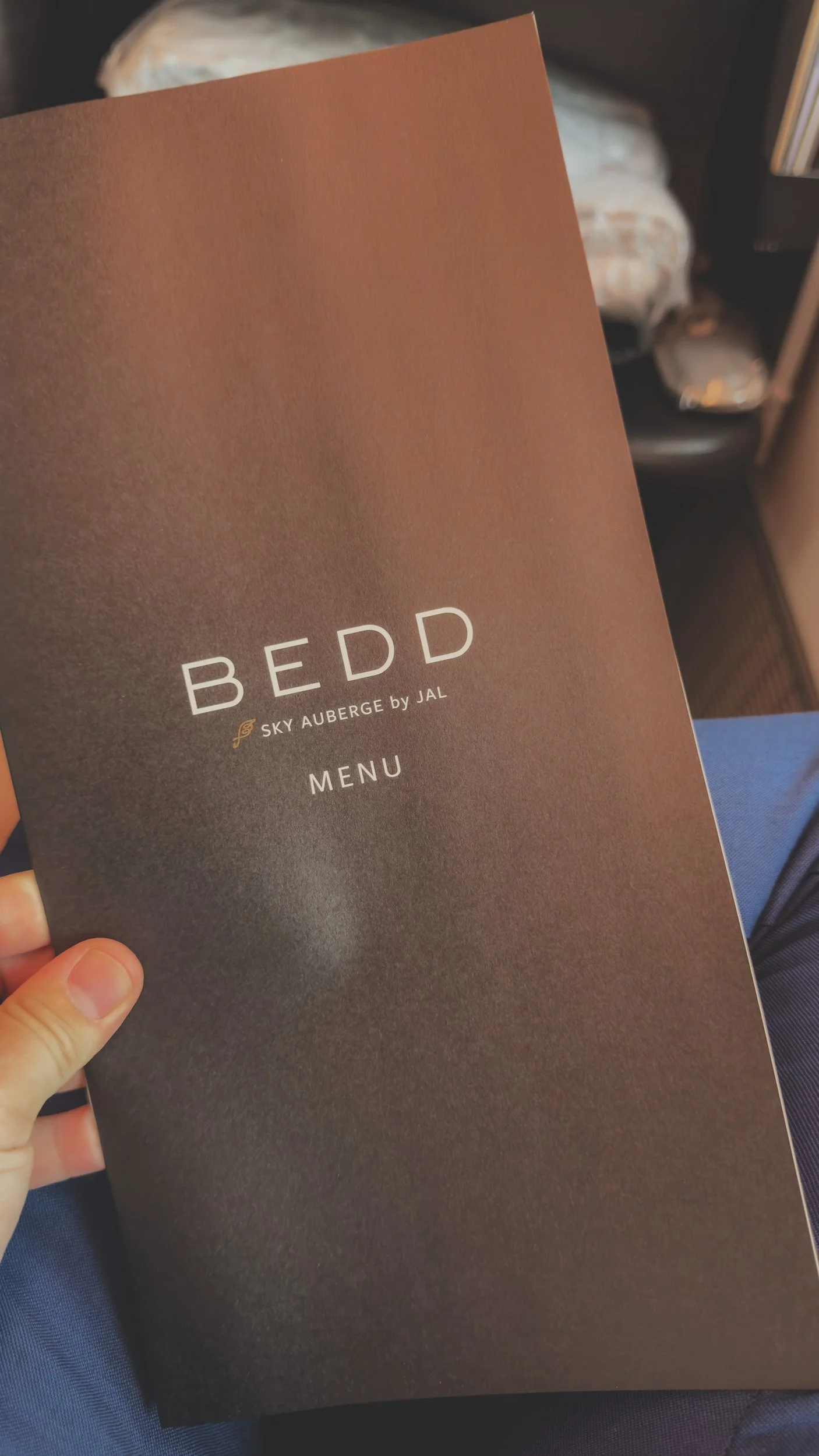
Dining on JAL is perhaps the most factual justification for its five-star status, particularly the "BEDD" Sky Auberge program. On the SFO to HND route, the meal service begins shortly after takeoff with a choice between the WASHOKU (Japanese) or International menu. The Japanese set is a multi-course masterpiece, often featuring seasonal delicacies like grape tofu salad or broiled eel. The presentation is impeccable, with each dish served in delicate porcelain and lacquerware, turning a 35,000-foot meal into a high-end kaiseki experience.
For the mid-flight hunger or a light lunch before landing, you can order via your handheld controller—the menu includes the famous JAL Miso Ramen, Wagyu beef curry, and a variety of artisanal Japanese snacks. Factually, the airline’s partnership with Michelin-starred chefs ensures that the flavors are authentic and the ingredients, such as the premium Japanese rice steamed fresh on board, are of the highest quality.
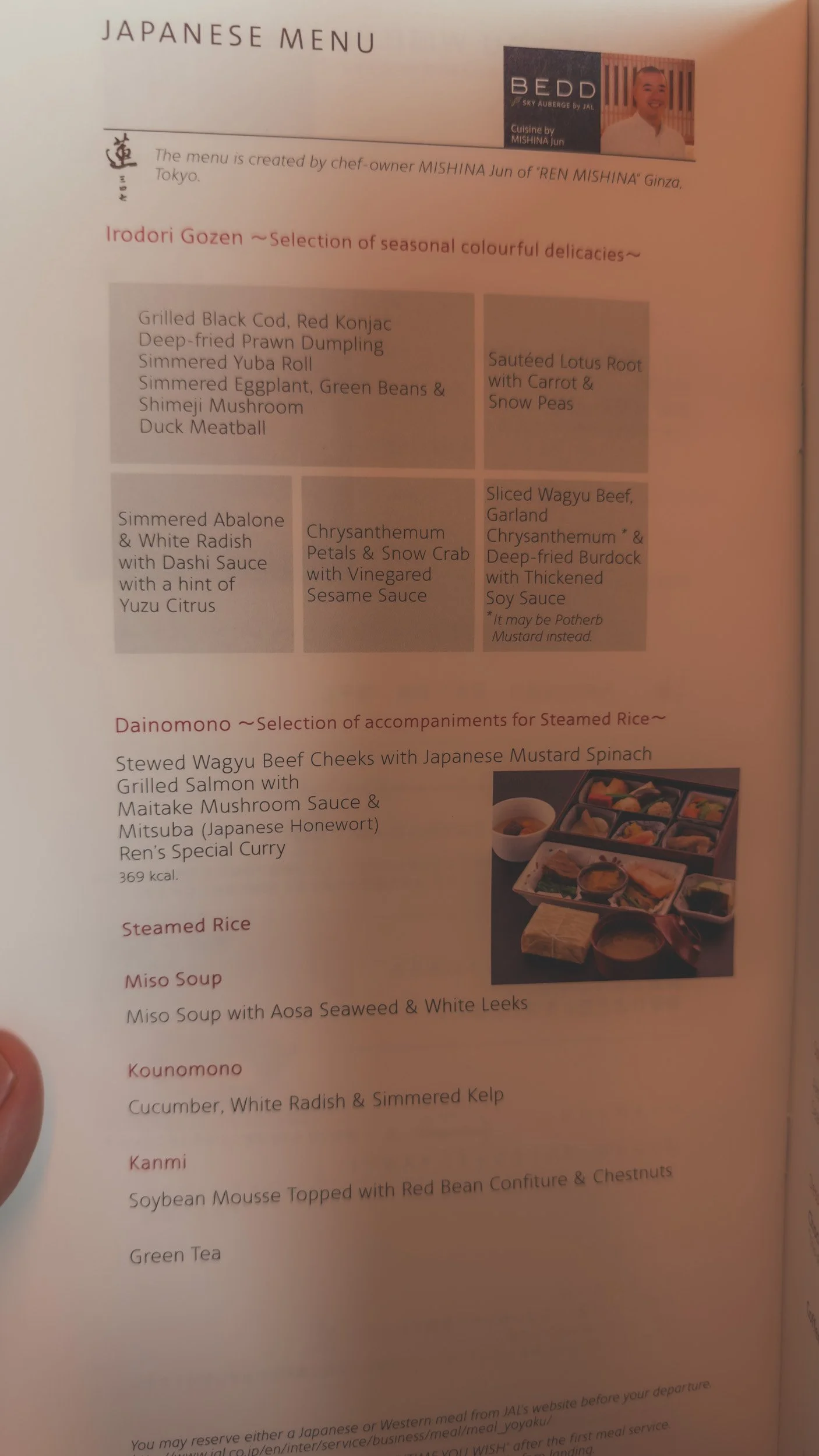
These menus are extensively designed by Michelin-starred chefs and featured some of the best types of courses one can have on an airplane. For the Japanese set menu, it was designed by famed chef Mishina Jun, who is the owner of Ren Mishina, a one star Michelin-rated restaurant in the heart of Ginza, Tokyo.
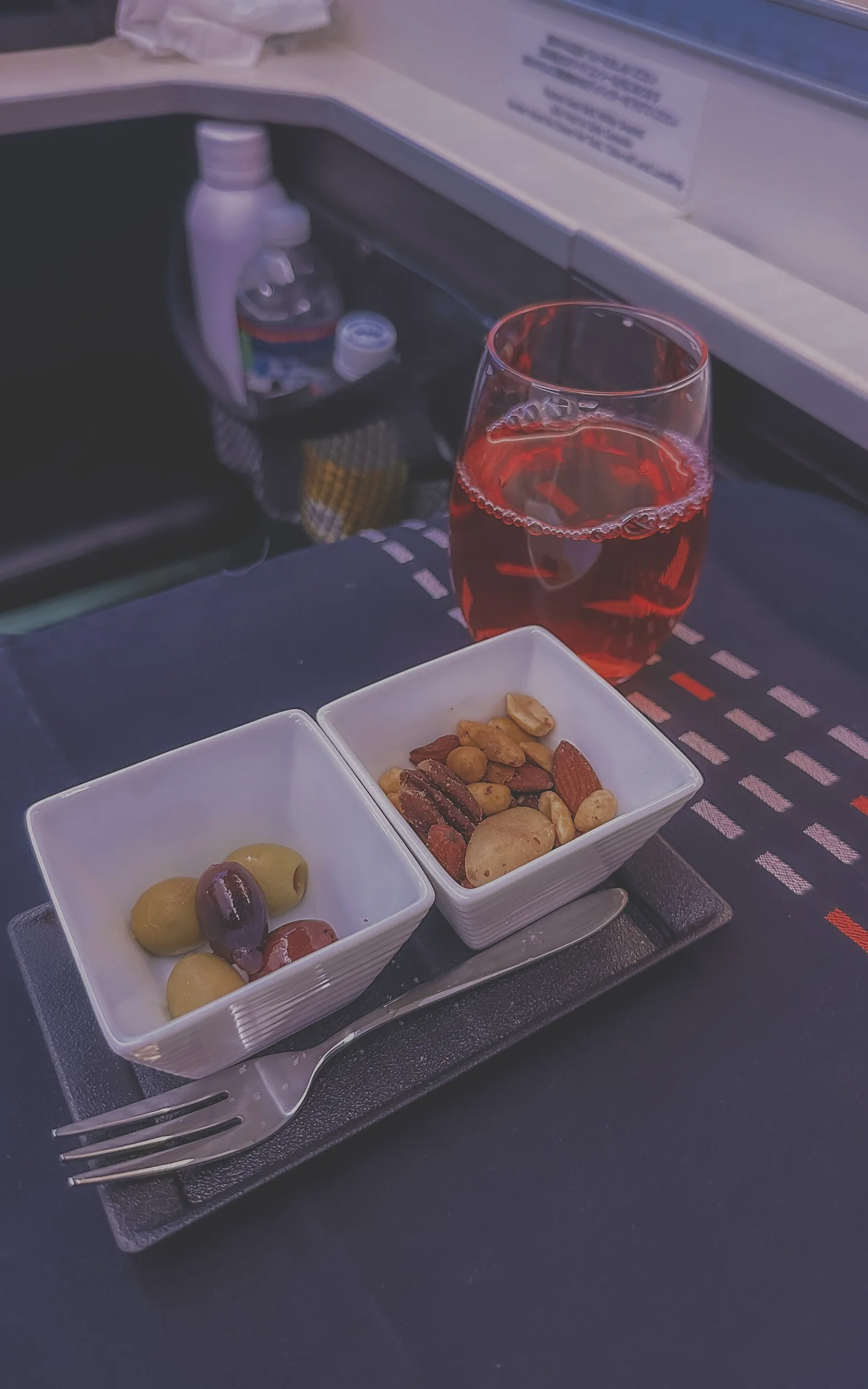
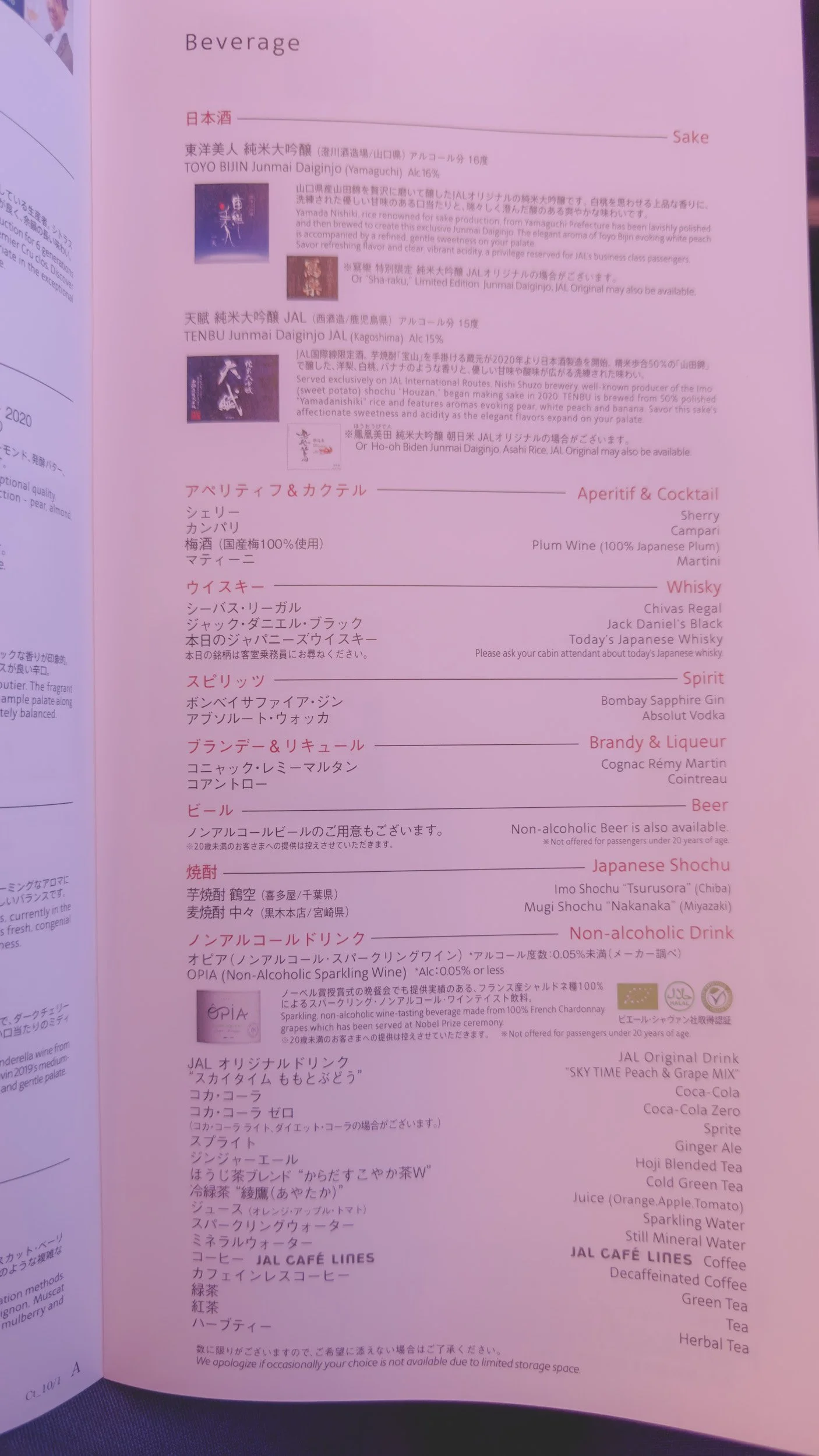
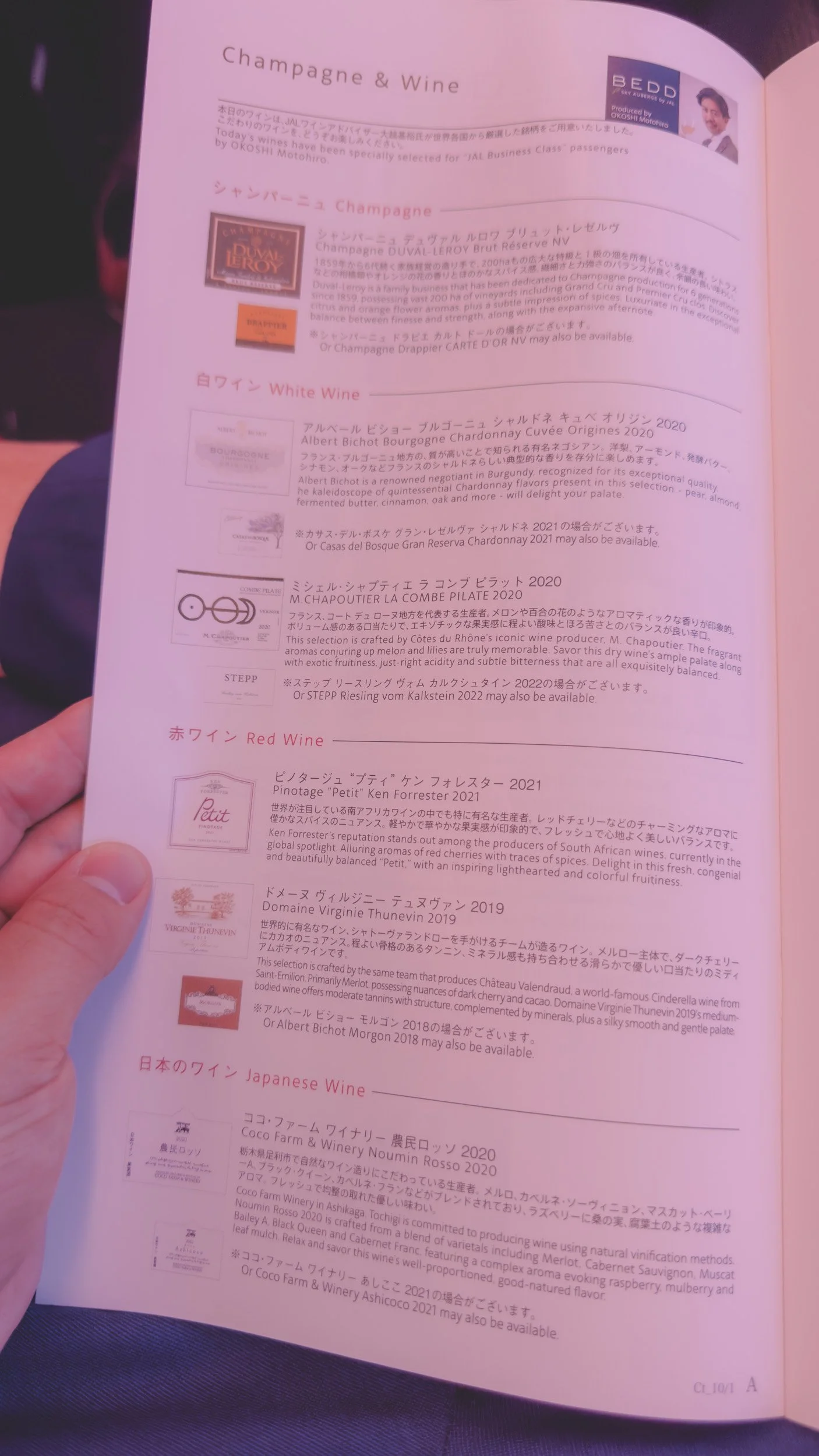
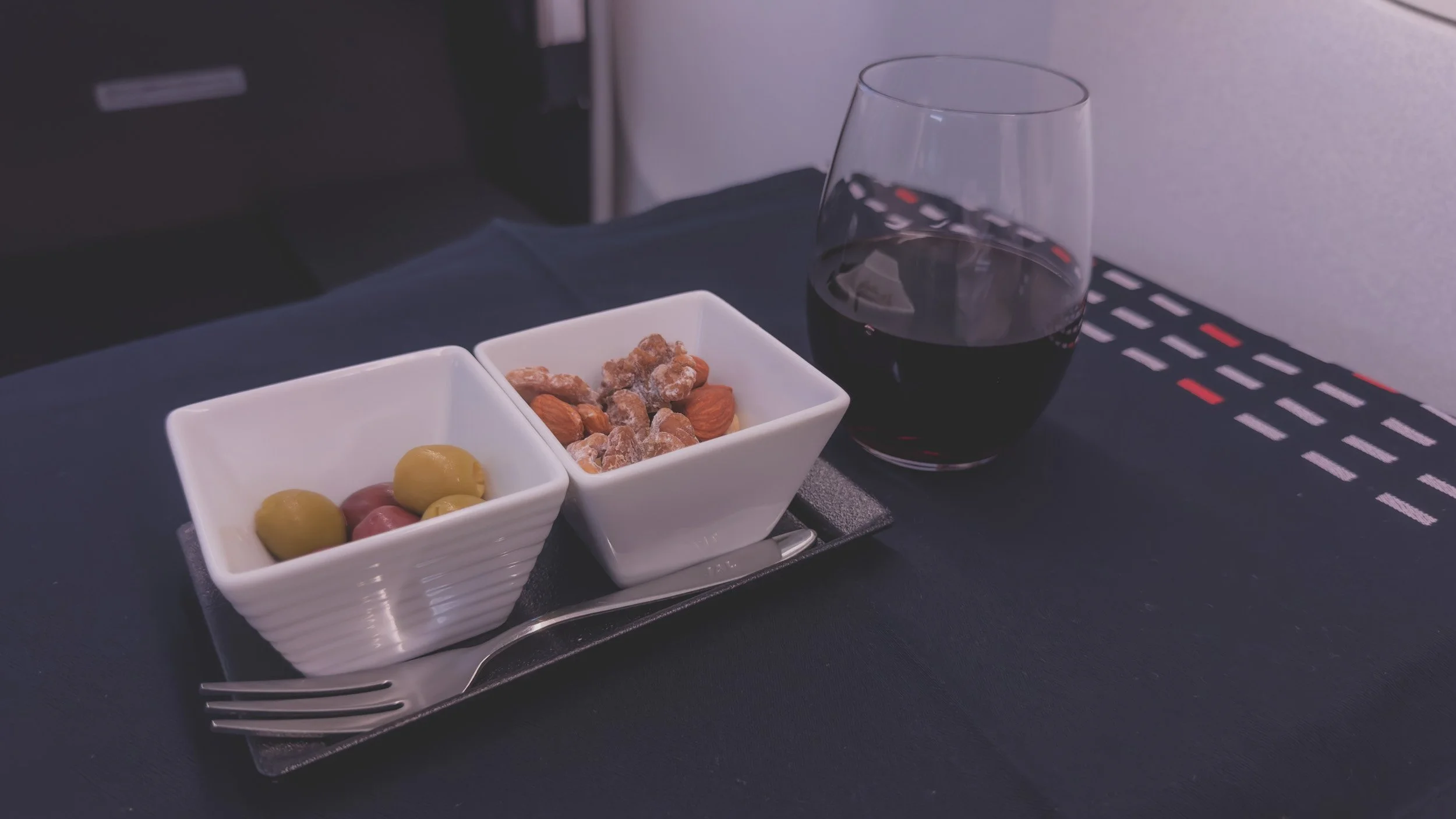
To begin, I started with a small cup of olives and mixed nuts, along with a glass of whiskey.
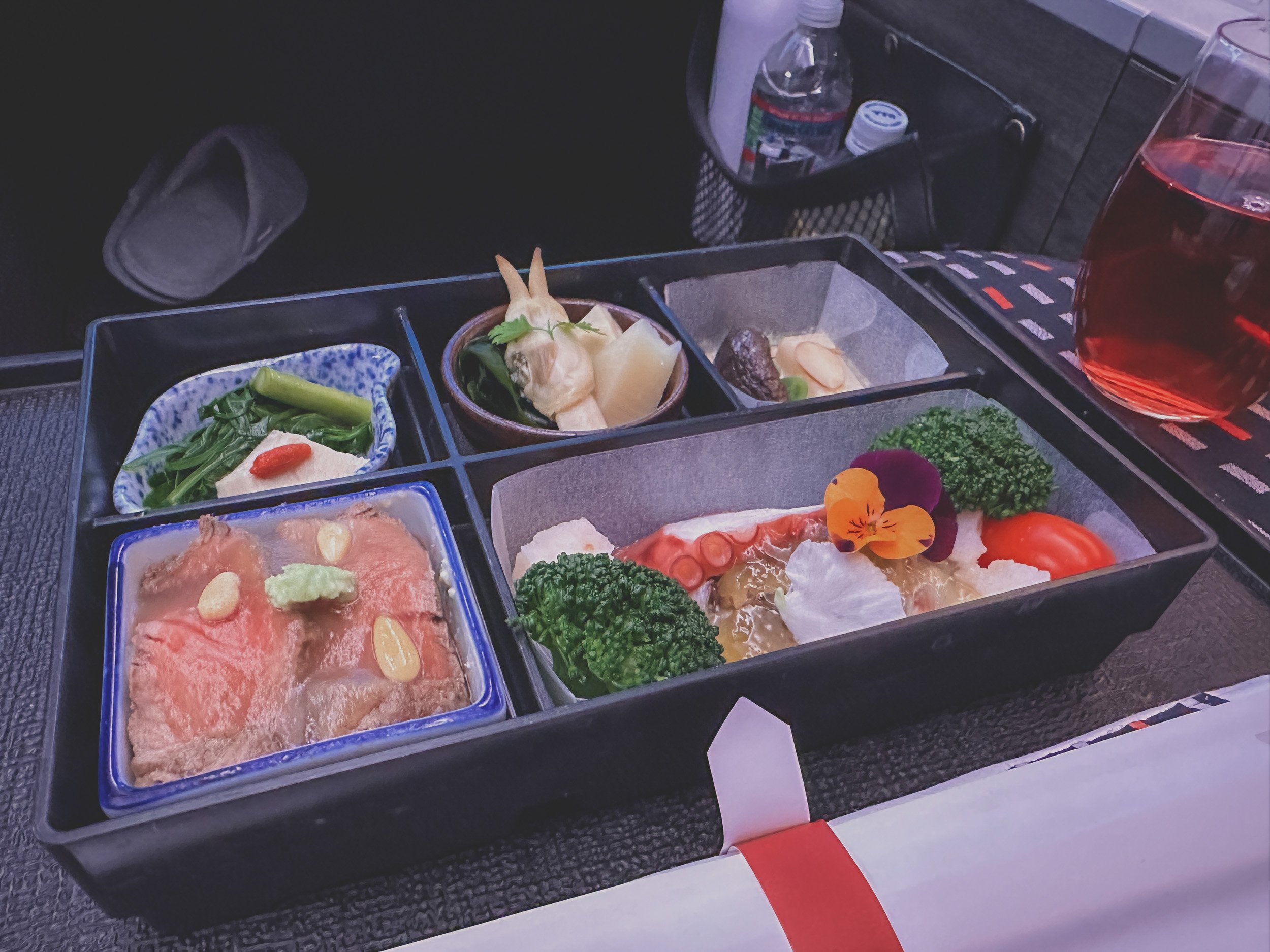
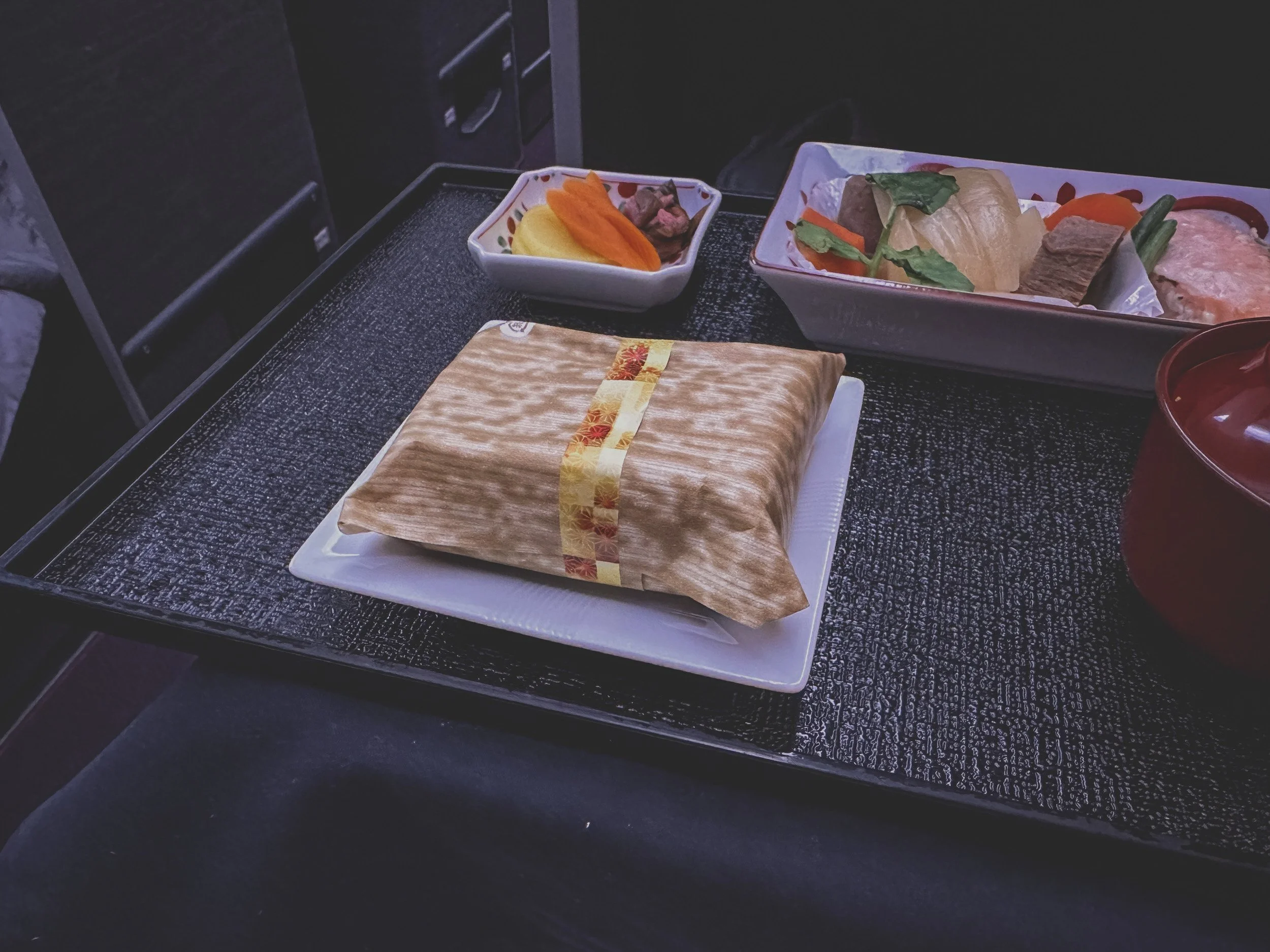
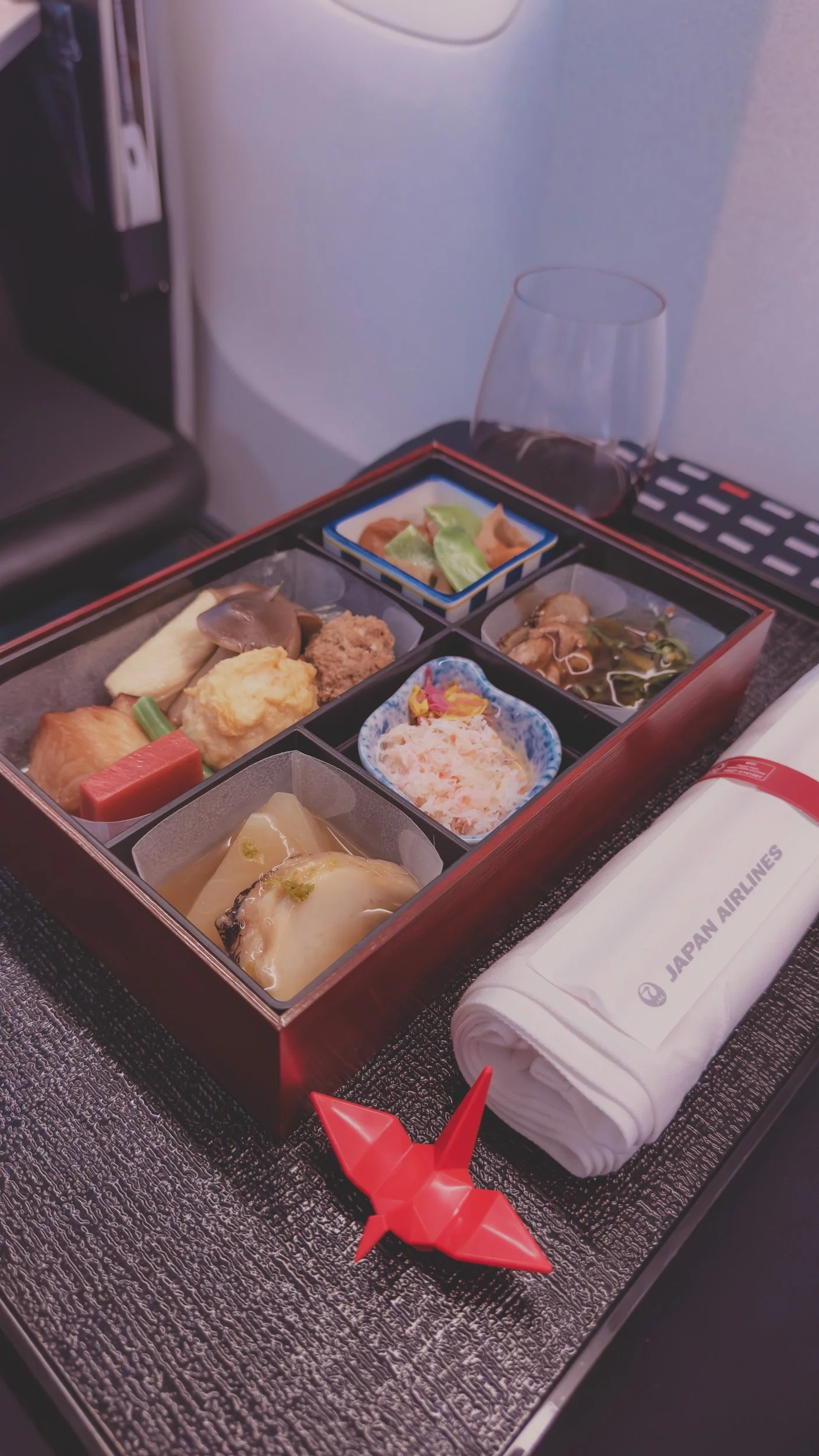
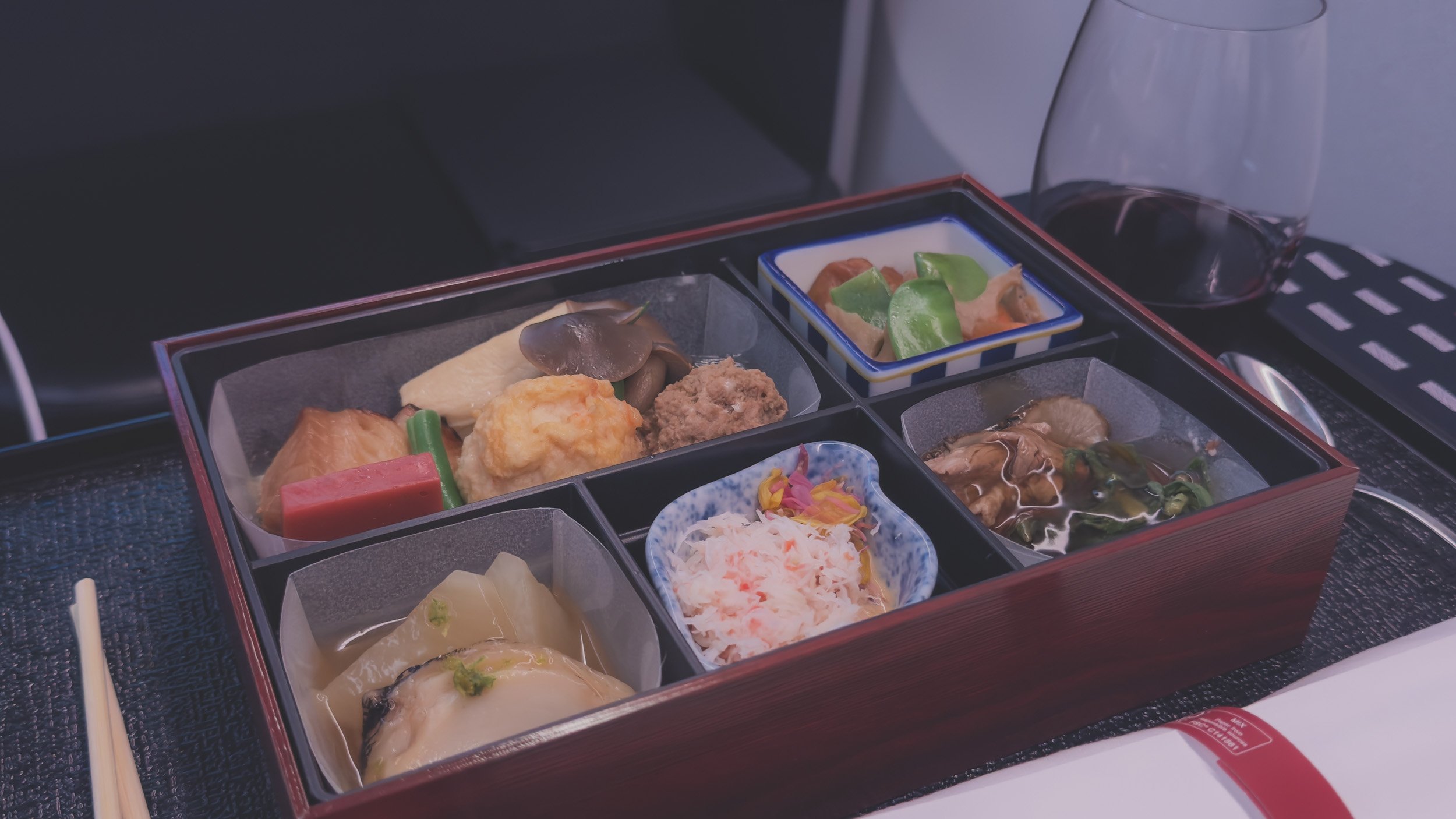
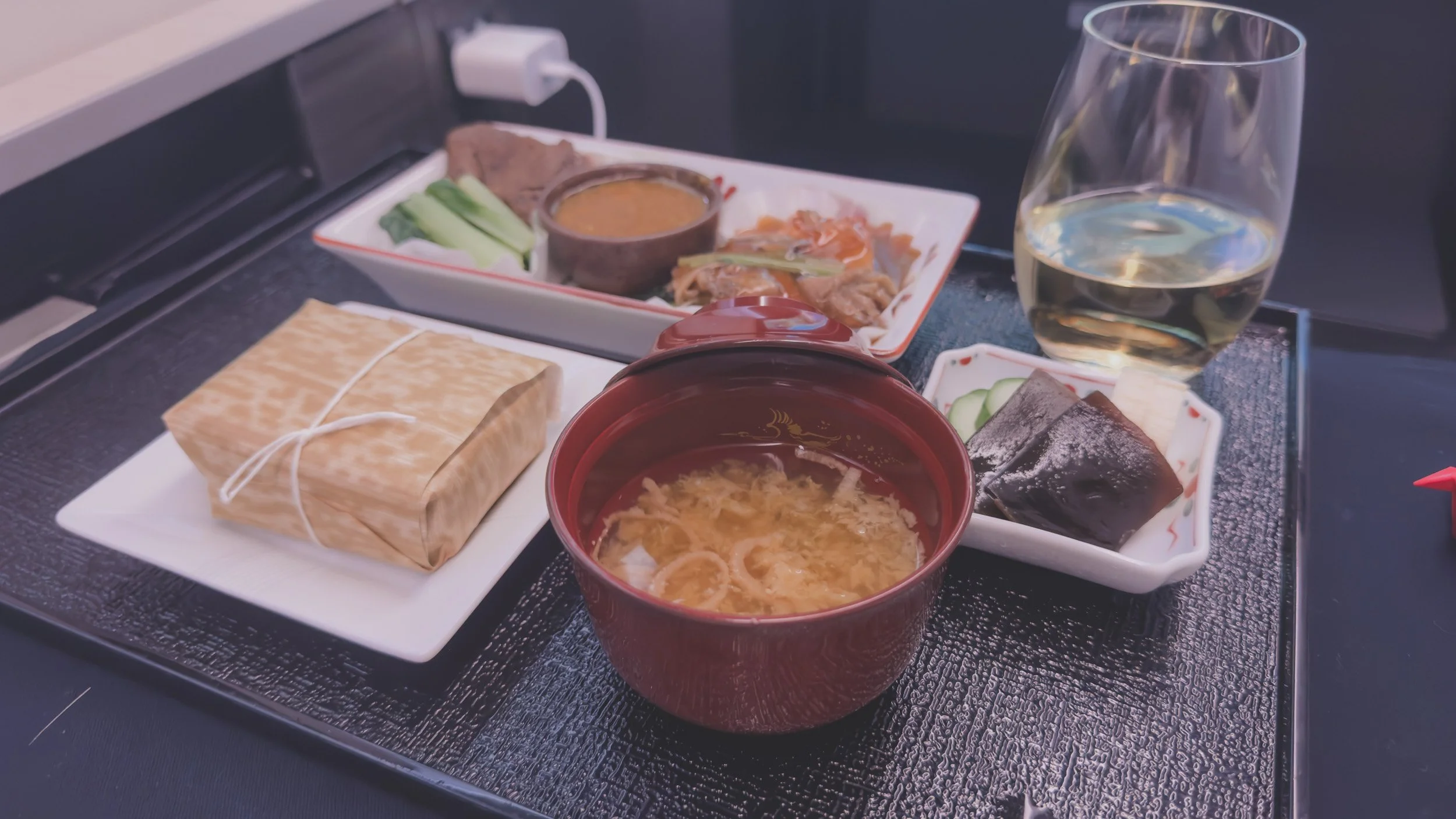
Up next came the beauty of the Irodori Gozen - it featured a series of cold dishes from various beef, seafood and vegetables that one can taste at a Japanese restaurant. The flavor profile of each small cold dish was simply amazing, and they were incredibly fresh. The Grilled black cod along with the simmered abalone makes this appetizer so luxurious. If the food didn’t make your jaw drop, the beautiful bento box is like a beautiful artwork.
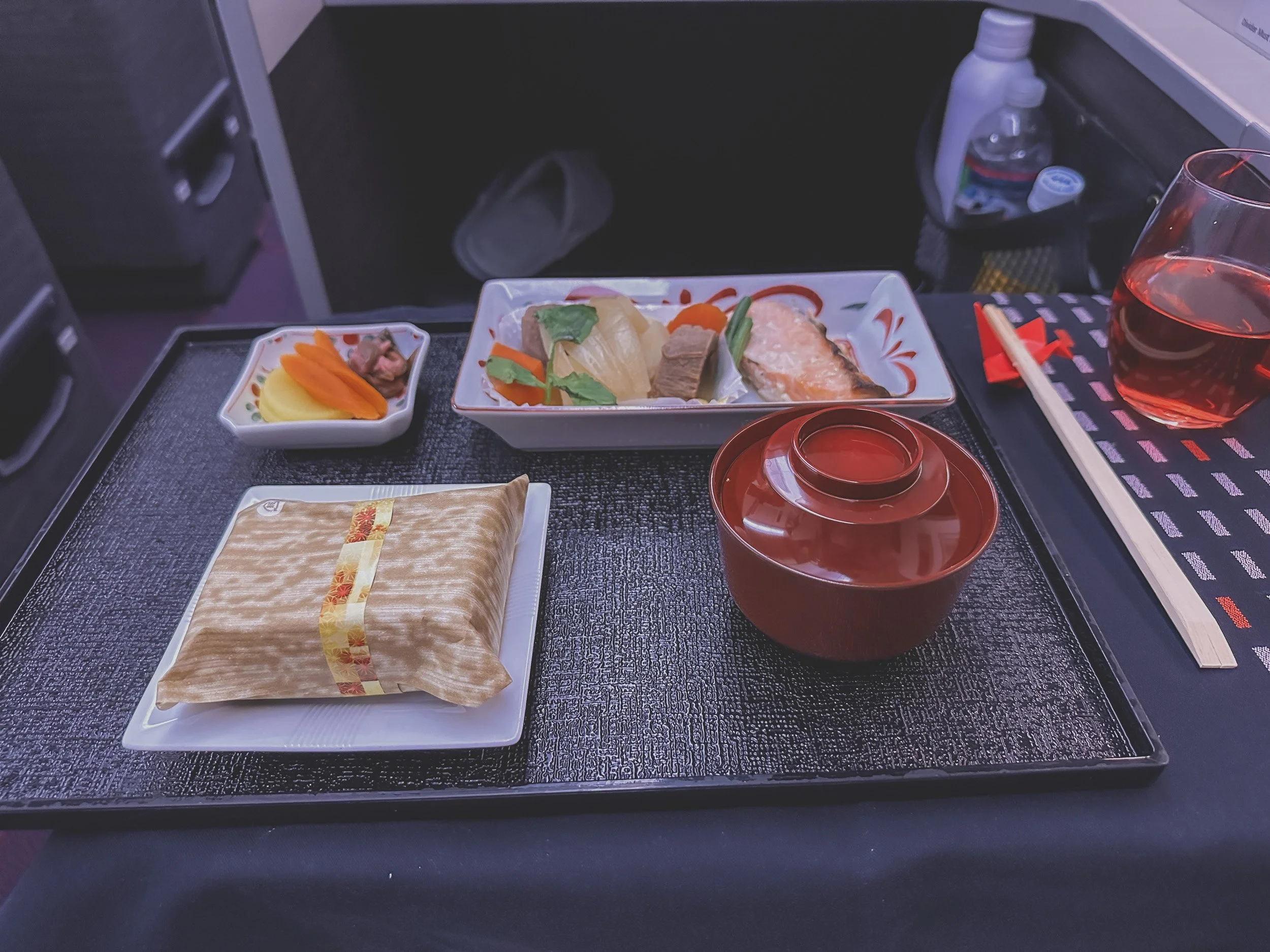
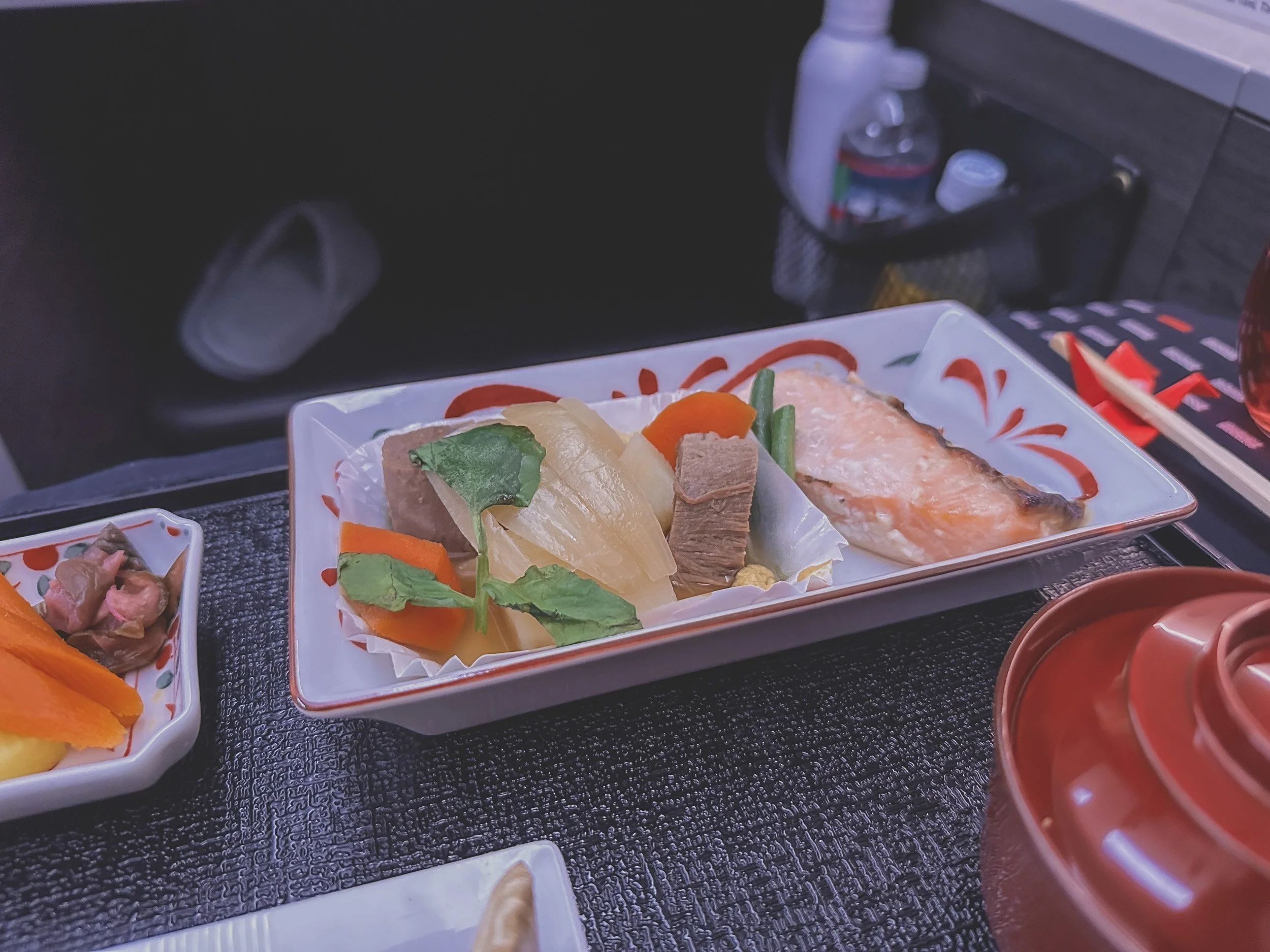
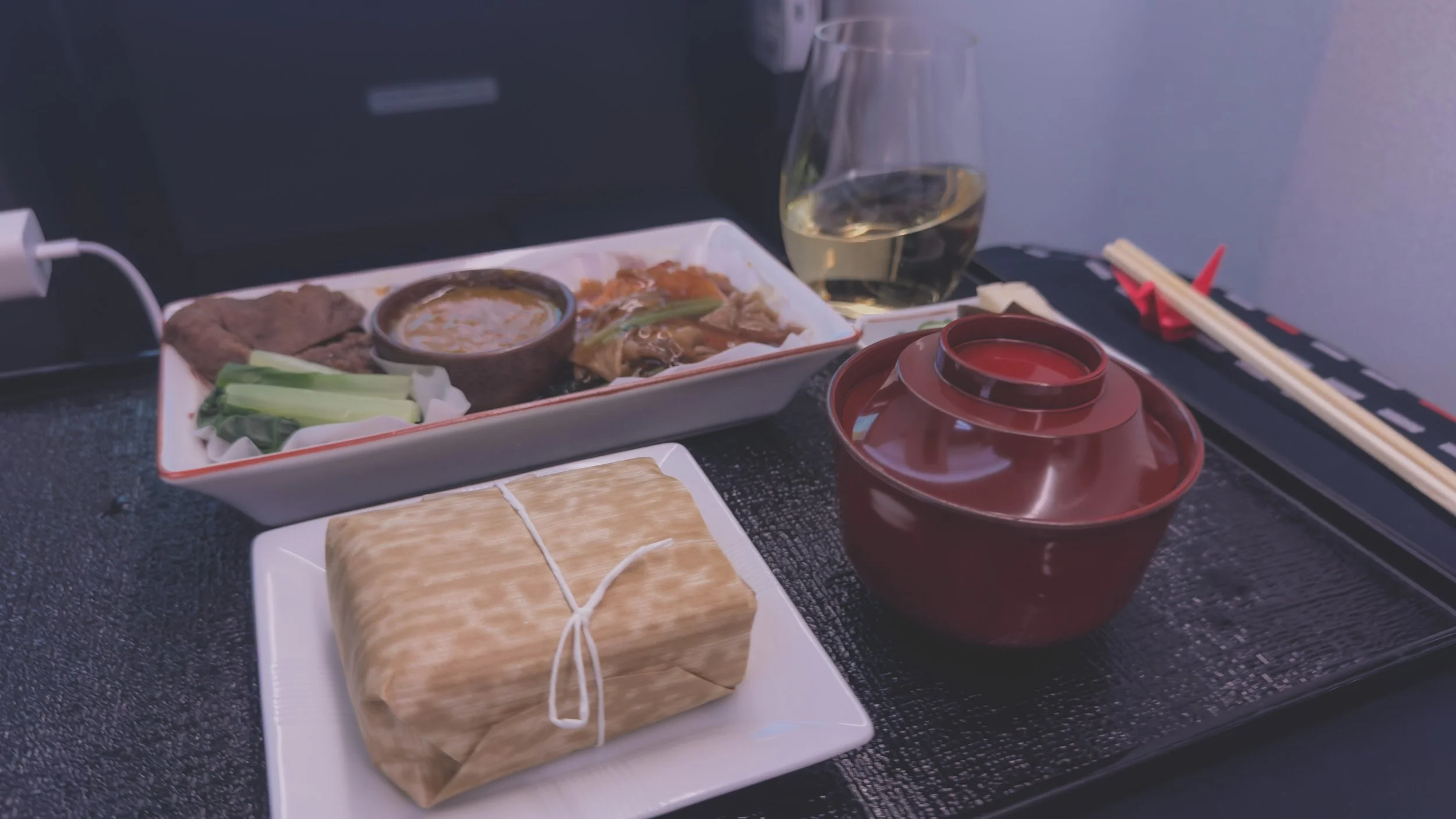
Next came the entree, or Dainomono. It featured melt-in-your-mouth Wagyu beef cheeks that paired really well with the special curry sauce. The Grilled salmon along with the rice is a match made in heaven. Accompanied by all this is miso soup, a small side dish featuring cucumber, white radish and simmered kelp.
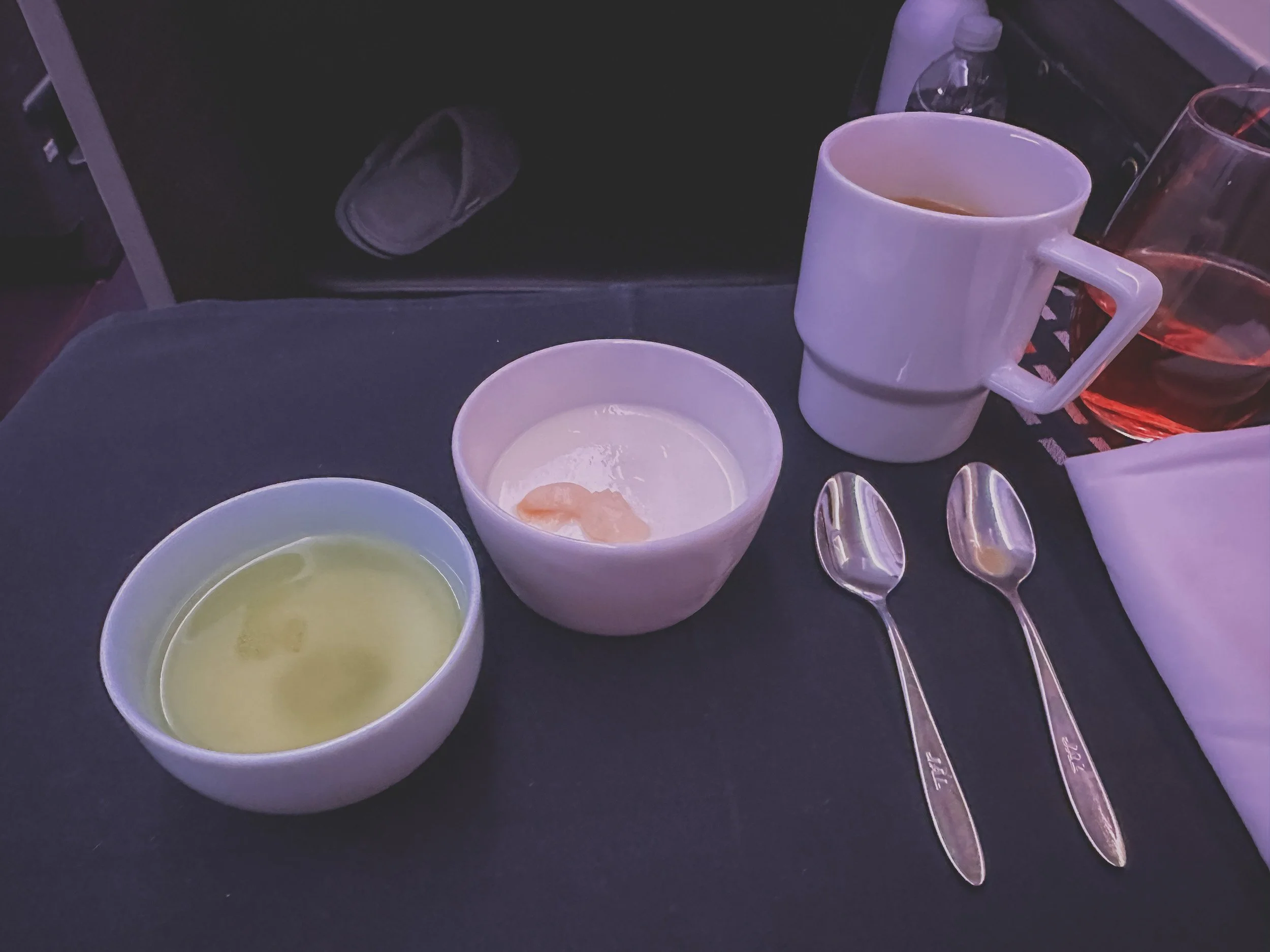
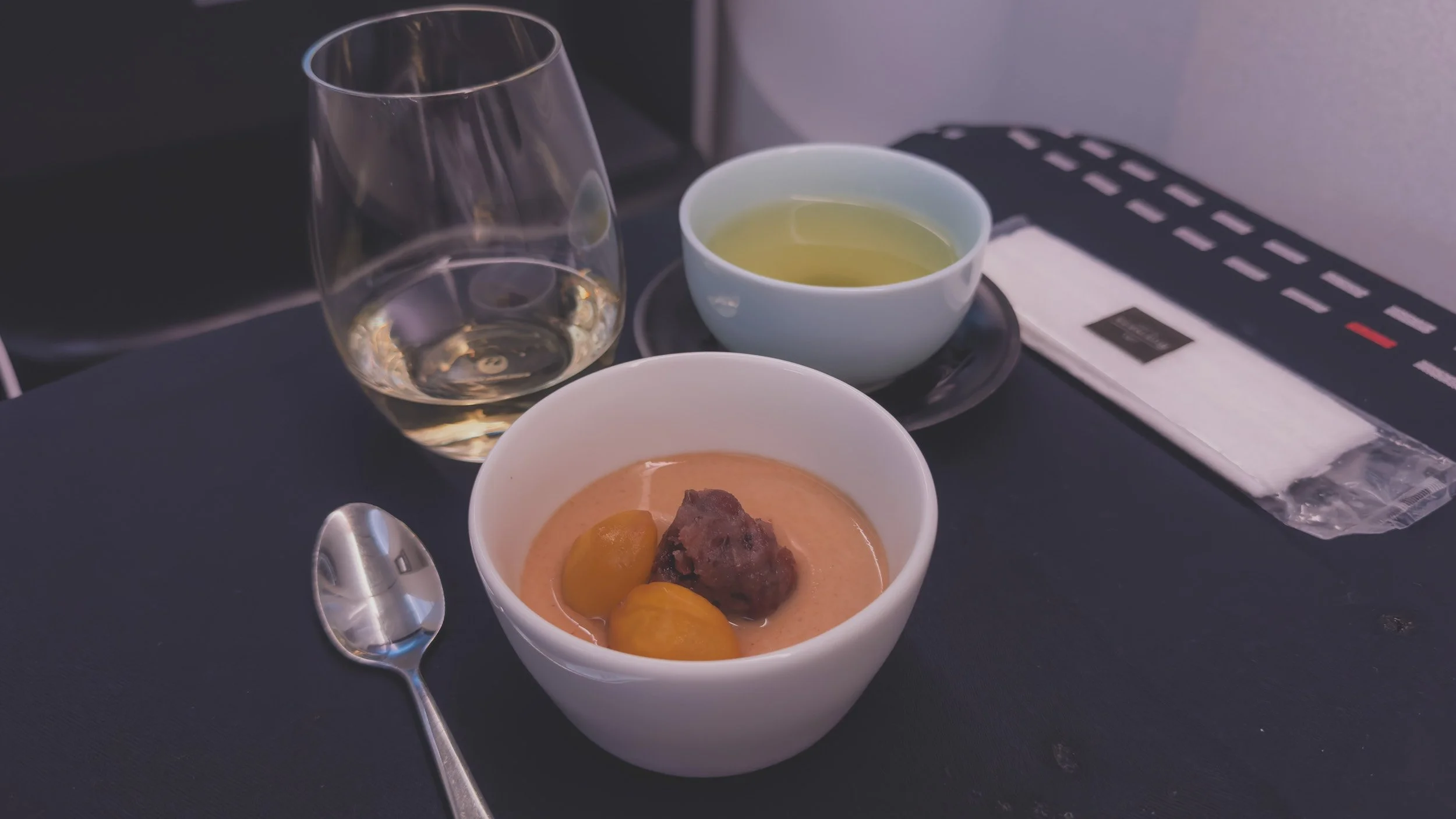
Lastly, dessert was a soybean mouse topped with red bean confiture and chestnuts, accompanied by a hot green tea. This was a great way to finish the meal and I found myself smiling all throughout the meal.
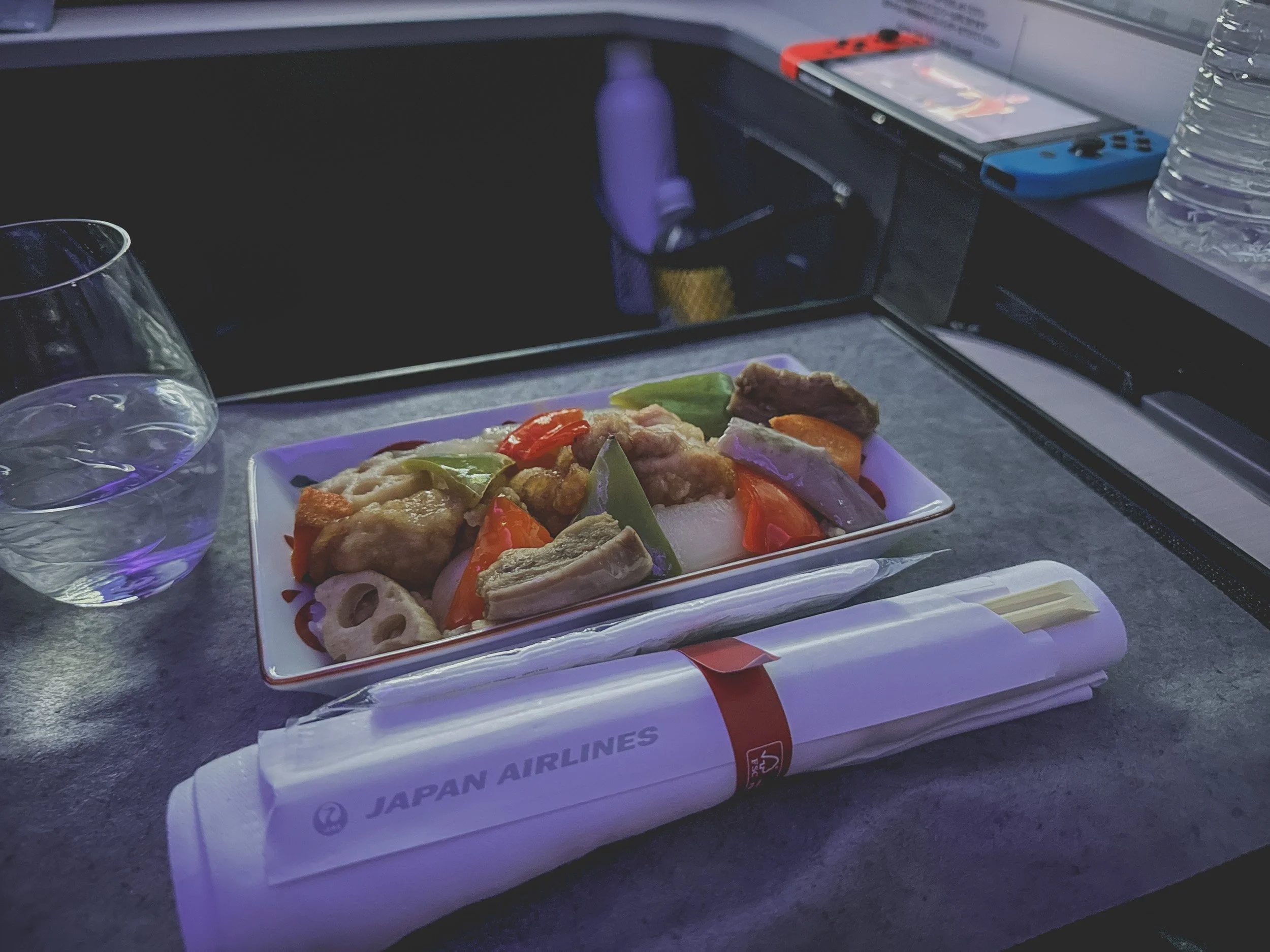
Before arriving, I was served another set of meal, this time featuring simmered conger eel, maitake mushroom and burdock. This was also accompanied with similar rice, miso soup and pickles. Note you can order this before the 1 hr 30 minute mark, but I chose to have it as close as possible to arrival to ensure breakfast timing during arrival.
Meal service was divided into multiple courses, and passengers were presented with a menu that offered a variety of options, including both Japanese and Western dishes. The quality of the food was top-notch, with fresh ingredients and exquisite presentation. The Japanese options, in particular, showcased the airline's commitment to showcasing the country's culinary heritage. In fact, I wouldn’t bother with anything else BUT the Japanese menu. If you’re flying Japan Airlines you better also select the Japanese set menu as well!
The wine and beverage selection complemented the meal perfectly, with a range of choices that included premium Japanese sake and a variety of international wines. Flight attendants were knowledgeable about the menu and were more than happy to make recommendations, enhancing the overall dining experience. The white wines provided paired really well with the cold dishes in the beginning of the course.
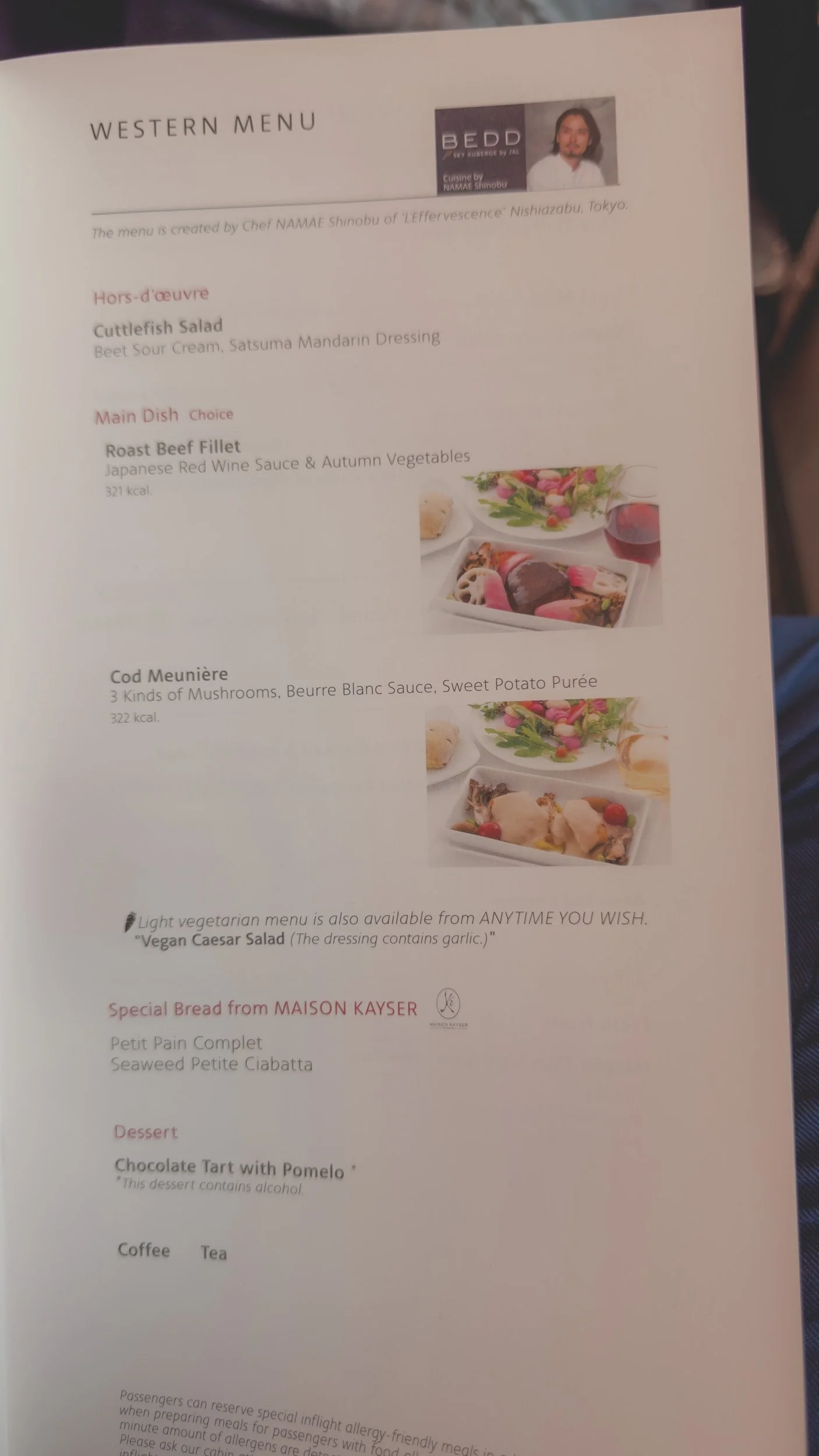
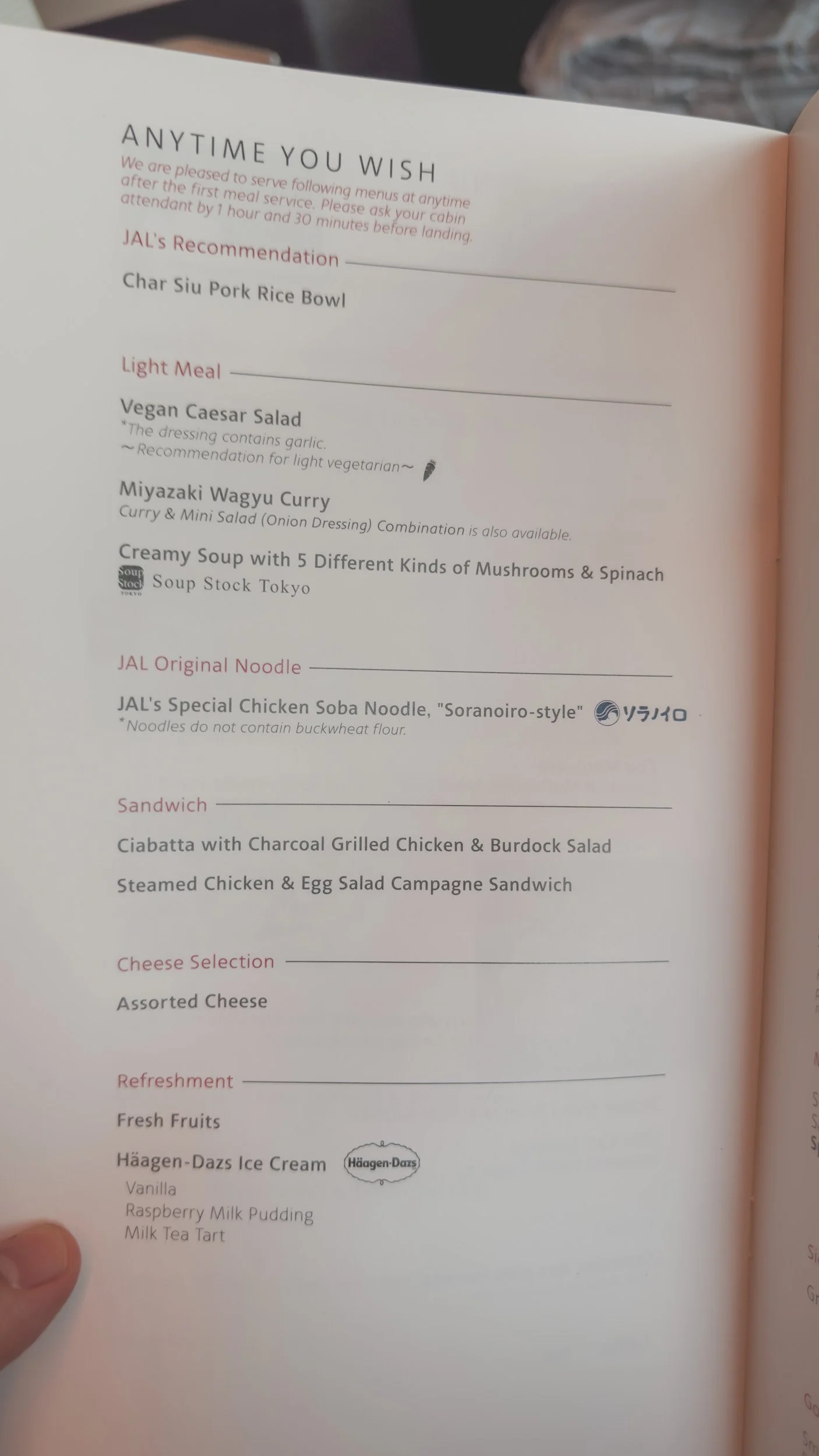
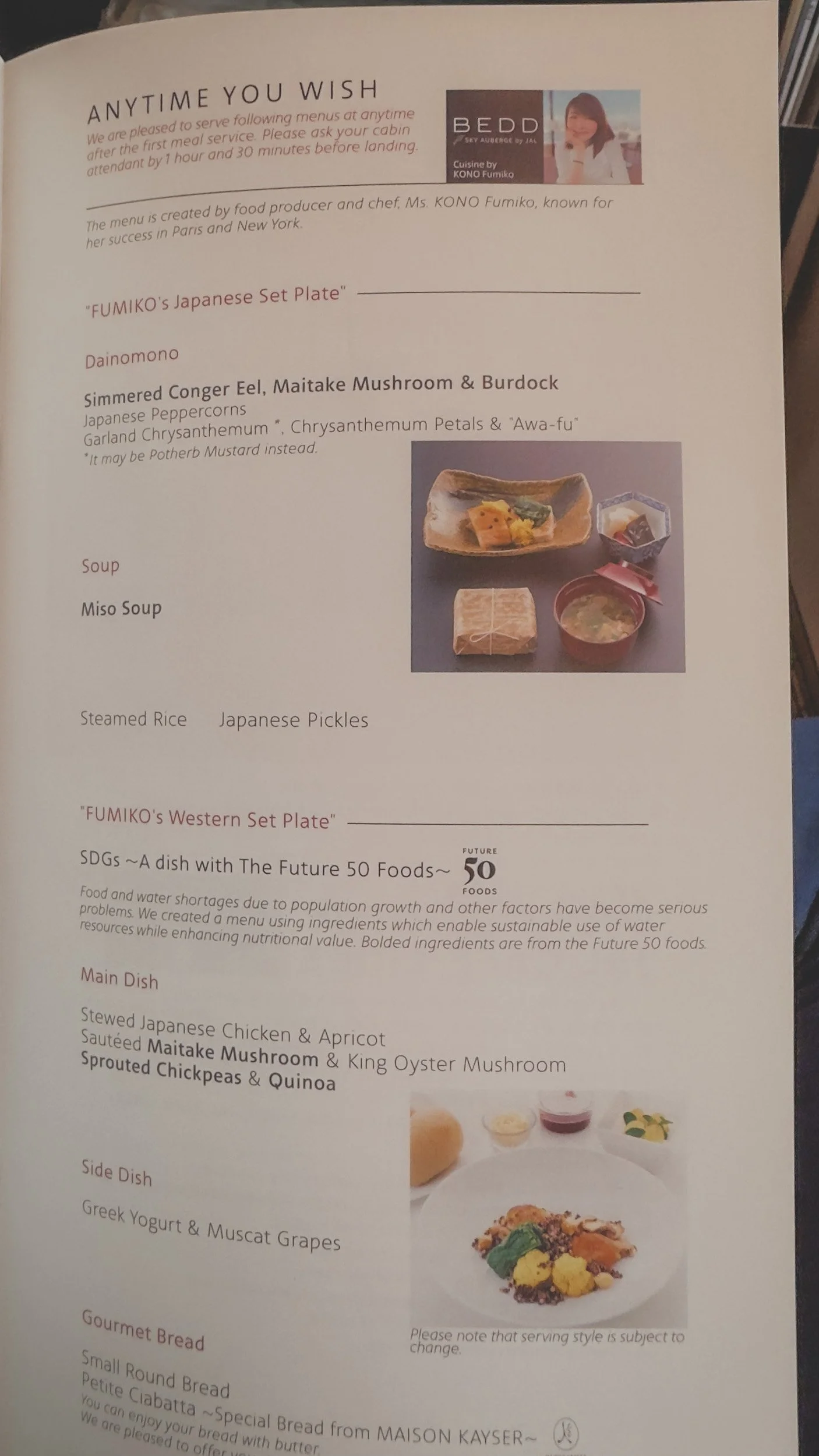
For the final meal before arrival into Tokyo, guests can opt for a light western breakfast or a traditional Japanese morning set, featuring grilled fish and miso soup. The service is timed perfectly to align with your sleep schedule, ensuring you arrive at Haneda refreshed and nourished. Even on this regional-feeling transpacific hop, the beverage program is a standout, featuring premium sakes, Japanese whiskeys, and high-end Champagnes that make the dining experience feel like a celebratory event from start to finish.
Cabin Service | Japan Airlines
JAL advertises a turndown service that allows their business passengers to get an additional sleep pad, to which I took on wholeheartedly after eating almost 99% of the menu. I had the flight attendant set up the mattress topper, and was provided with another bottle of water and a couple extra pillows! Talk about fantastic service here! The seat itself was already comfortable, but the mattress topper just makes it a lot more soothing and memorable across our flights to and back home. This time around, I took a long nap and woke up just in time for a final meal.
On all our flights with JAL, the amazing cabin flight attendants often goes beyond standard duties, such as offering to take photos for travelers or providing loaner cardigans if the cabin feels too cool. It is common for the crew to leave handwritten notes or small souvenirs, like a signature origami crane, at your seat as a thank-you for flying with them. The crew's ability to balance professionalism with genuine warmth ensures that the 11-hour crossing feels like a personalized retreat. Whether you are asking for a specific sake recommendation or simply need a refill on their signature Sky Time peach and grape juice, the interaction is always met with a polite bow and an eager-to-please attitude.
The service in JAL Business Class continues to be one of my favorites in the sky. The cabin crew are incredibly warm and super friendly, making sure that all requests are fulfilled genuinely. From proactively hinting at upcoming drinks and meals to preparing a bed ahead of time to even getting a small gift for me during the flight is something that I wish everyone can experience. The hospitality of Japanese culture is one that outshines almost all its competitors. It’s a major reason why I will continue to invest my time and money into Japan Airlines down the road.

Curated for Class?
The Japan Airlines 777-300ER Business Class remains one of the most consistent and dignified ways to cross the Pacific in 2026. While its cabin hardware is beginning to show the aesthetic of a previous decade, the Apex Suite layout and Airweave bedding continue to provide a sleep experience that many newer "suites" fail to replicate. It is a factual benchmark of reliability where the warmth of the crew and the excellence of the kitchen compensate for the lack of a sliding door or a 4K screen.
If you are choosing between JAL's fleet on this route, the decision comes down to your personal priorities: choose the A350 for cutting-edge tech and total isolation, but stick with the 777 for tried-and-true comfort and expansive space. As JAL continues its gradual fleet transition, the 777-300ER stands as a soulful reminder that the heart of luxury travel isn't found in a gadget, but in the effortless grace of the service and a truly great night's sleep.
Curated for Class Final Score | 32.5/40
The Japan Airlines 777-300ER remains a titan of transpacific travel, pairing meticulously prepared Japanese kaiseki dining with the legendary omotenashi hospitality. While the Apex Suite offers exceptional privacy and a top-tier Airweave mattress pad, the cabin’s tech and 2-3-2 layout are beginning to feel like a previous era when compared to the sliding doors and 4K luxury of its newer A350-1000 sibling.
Ambiance: 7.5/10
Seating: 8/10
Food & Beverage: 8.5/10
Cabin Service: 8.5/10