Hotel Review: Hotel Toranomon Hills - The Unbound Collection by Hyatt
Introduction
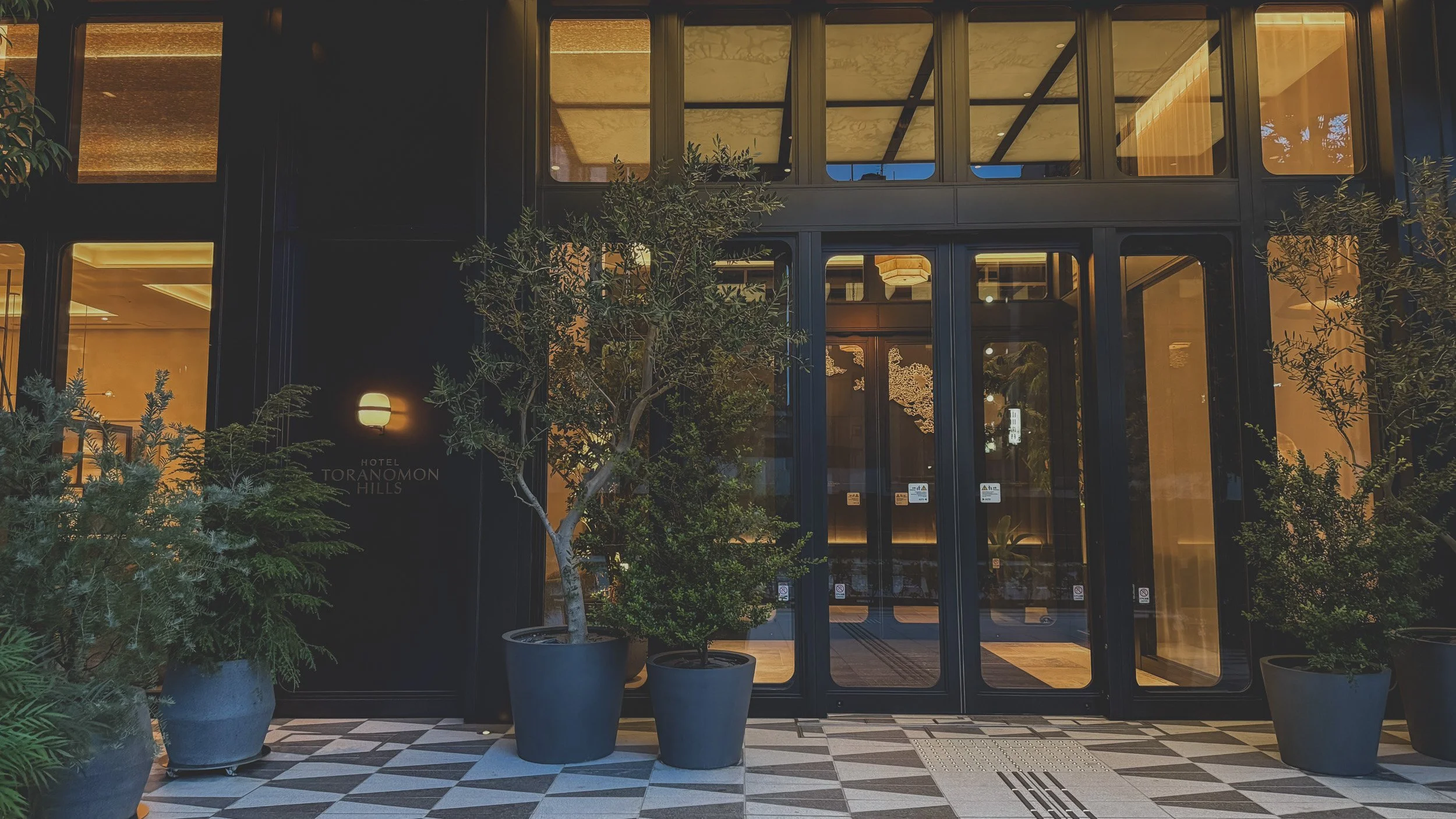
Tokyo has a plethora of luxury hotels. Enter Hotel Toranomon Hills, the latest jewel in Hyatt’s Unbound Collection. It doesn’t scream for your attention; it whispers. This is a property designed for the modern nomad—the traveler who values a high-speed connection and a Michelin-starred meal just as much as a quiet corner to decompress.
The hotel acts as the living room for the Toranomon Hills Station Tower, a vertical city that represents Tokyo’s ambitious leap into the future. While many Tokyo hotels feel like fortresses of solitude, this one feels like a pulse point. It is uniquely positioned at the intersection of "Business Tokyo" and the burgeoning "Lifestyle Tokyo," successfully shedding the cold, corporate skin usually associated with the Minato district.
Ambiance
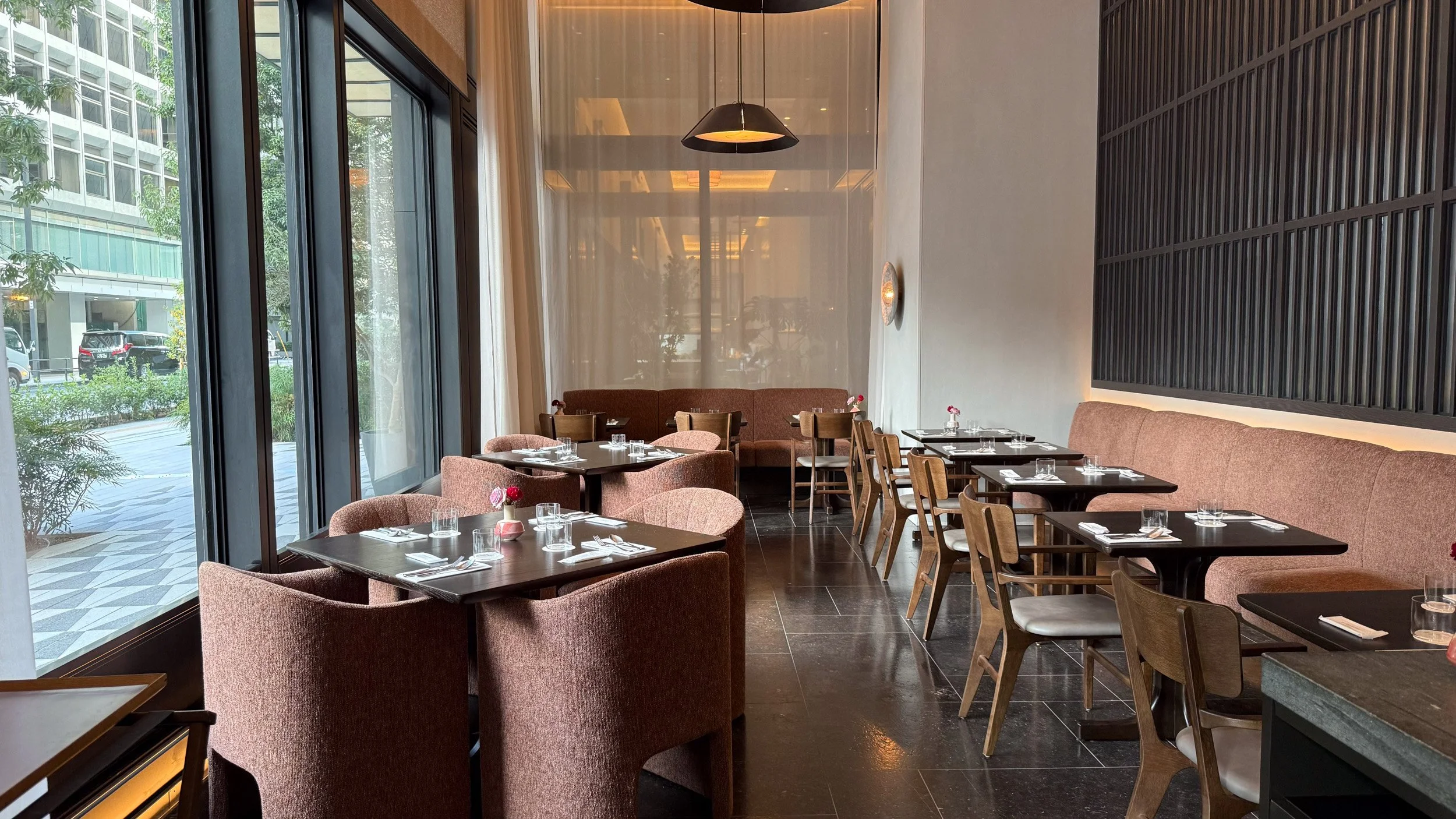
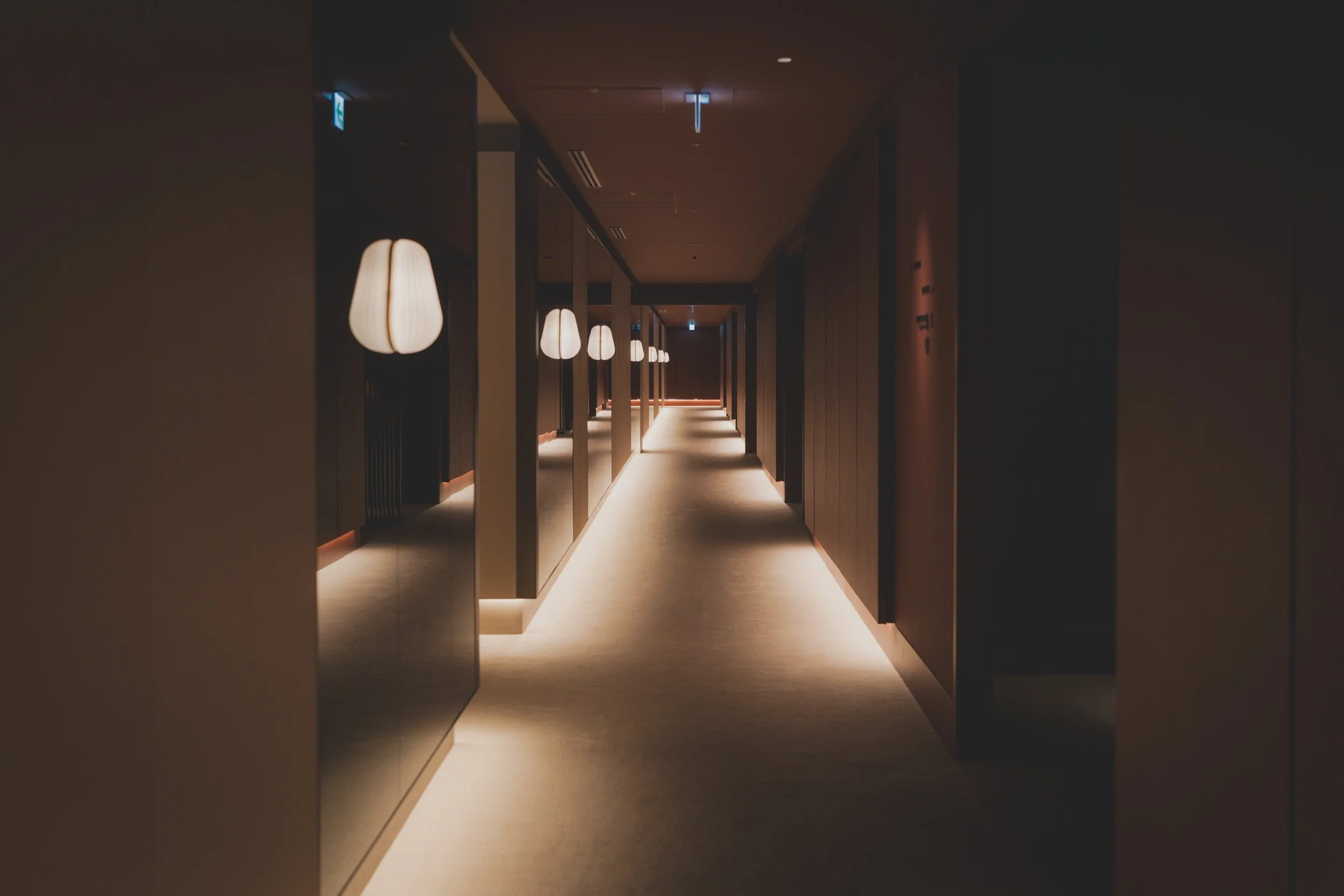
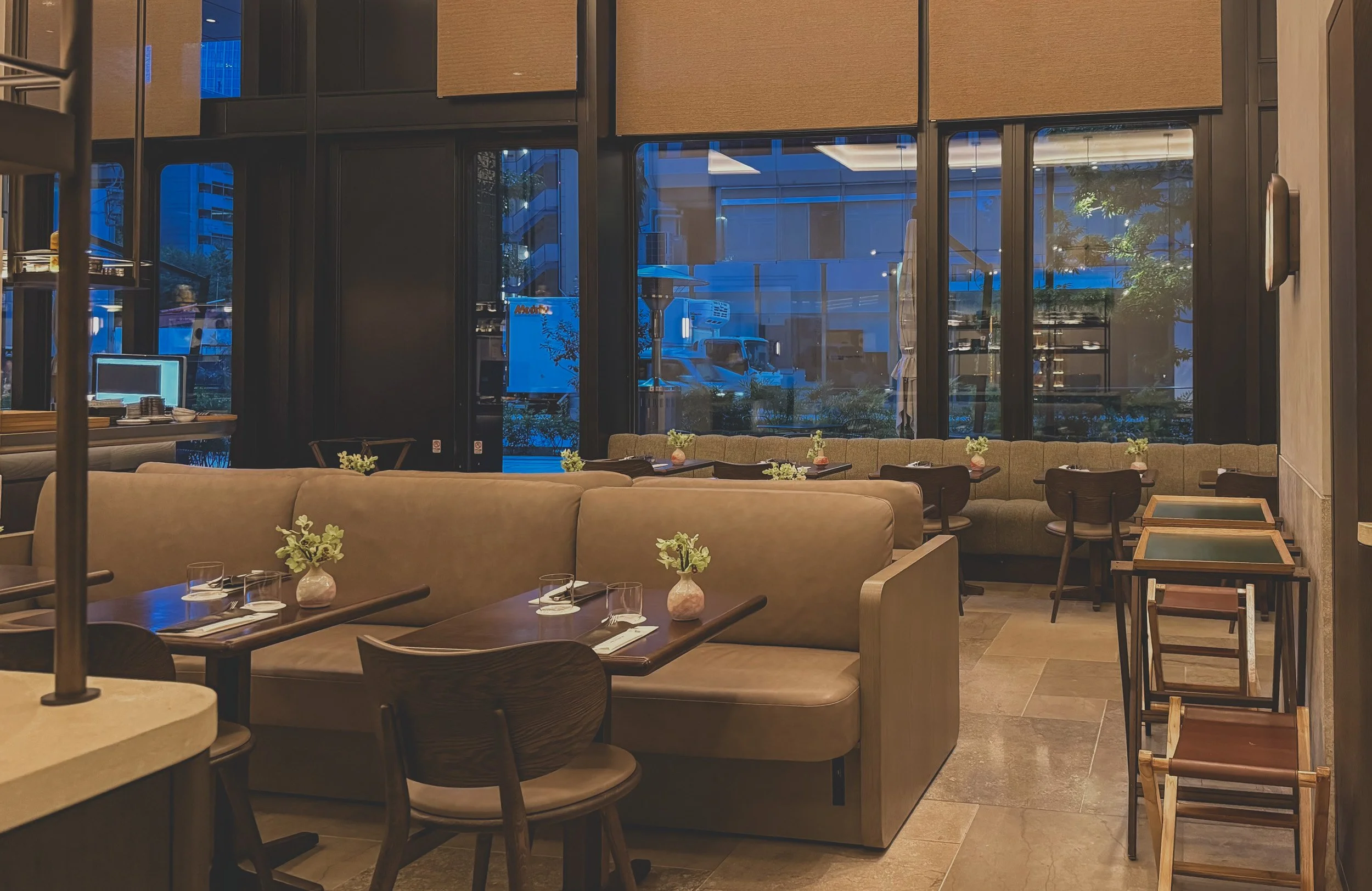
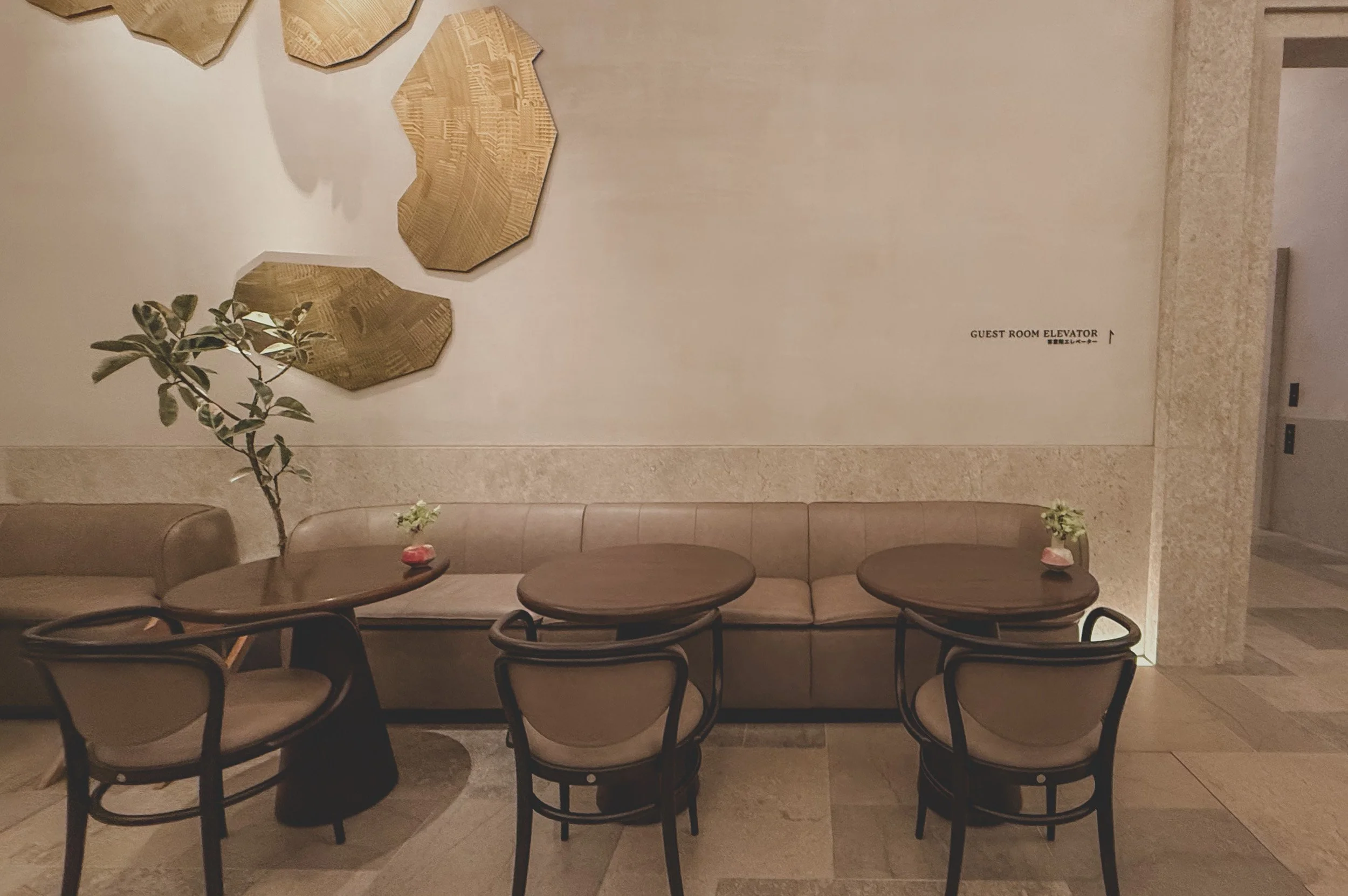
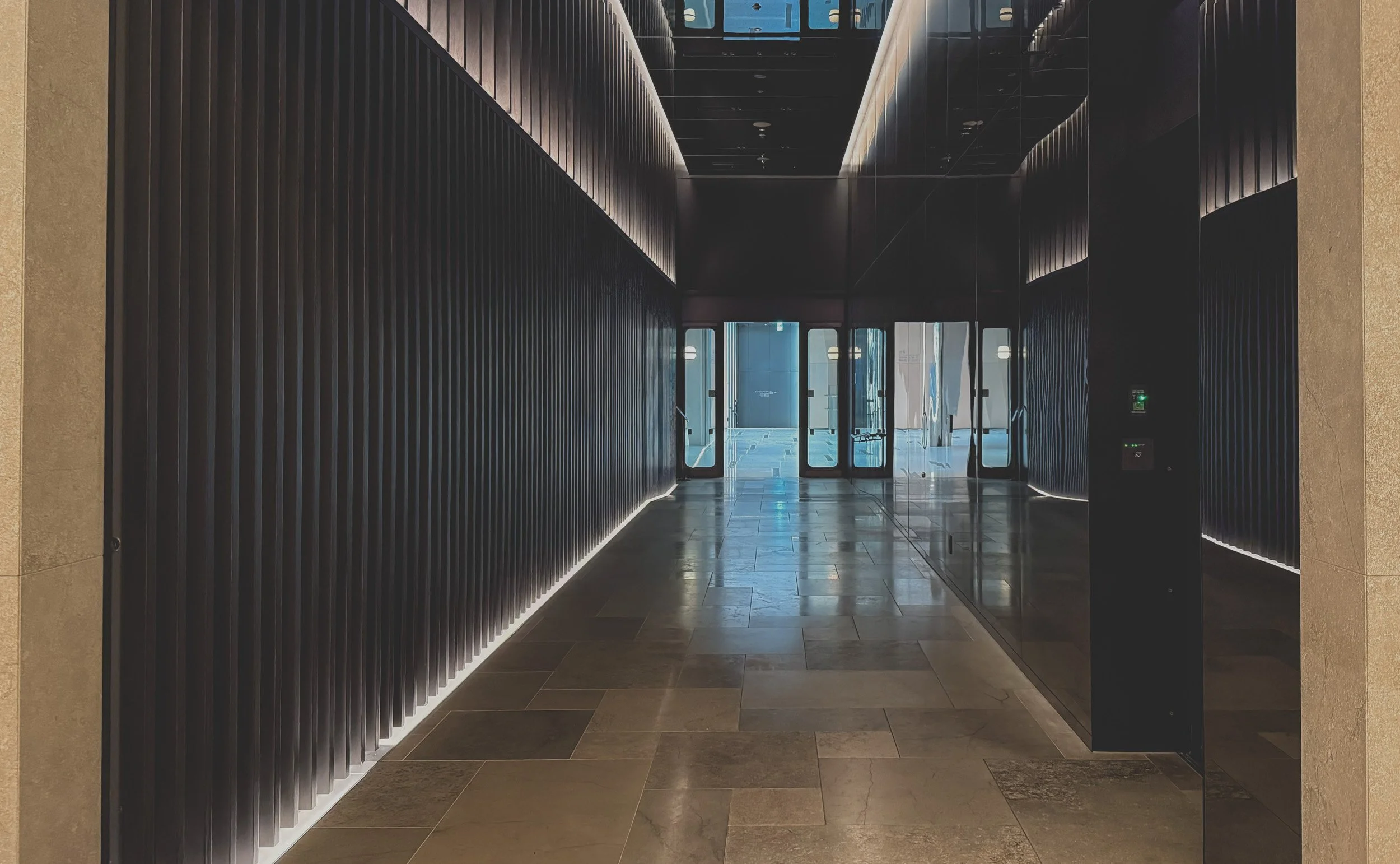
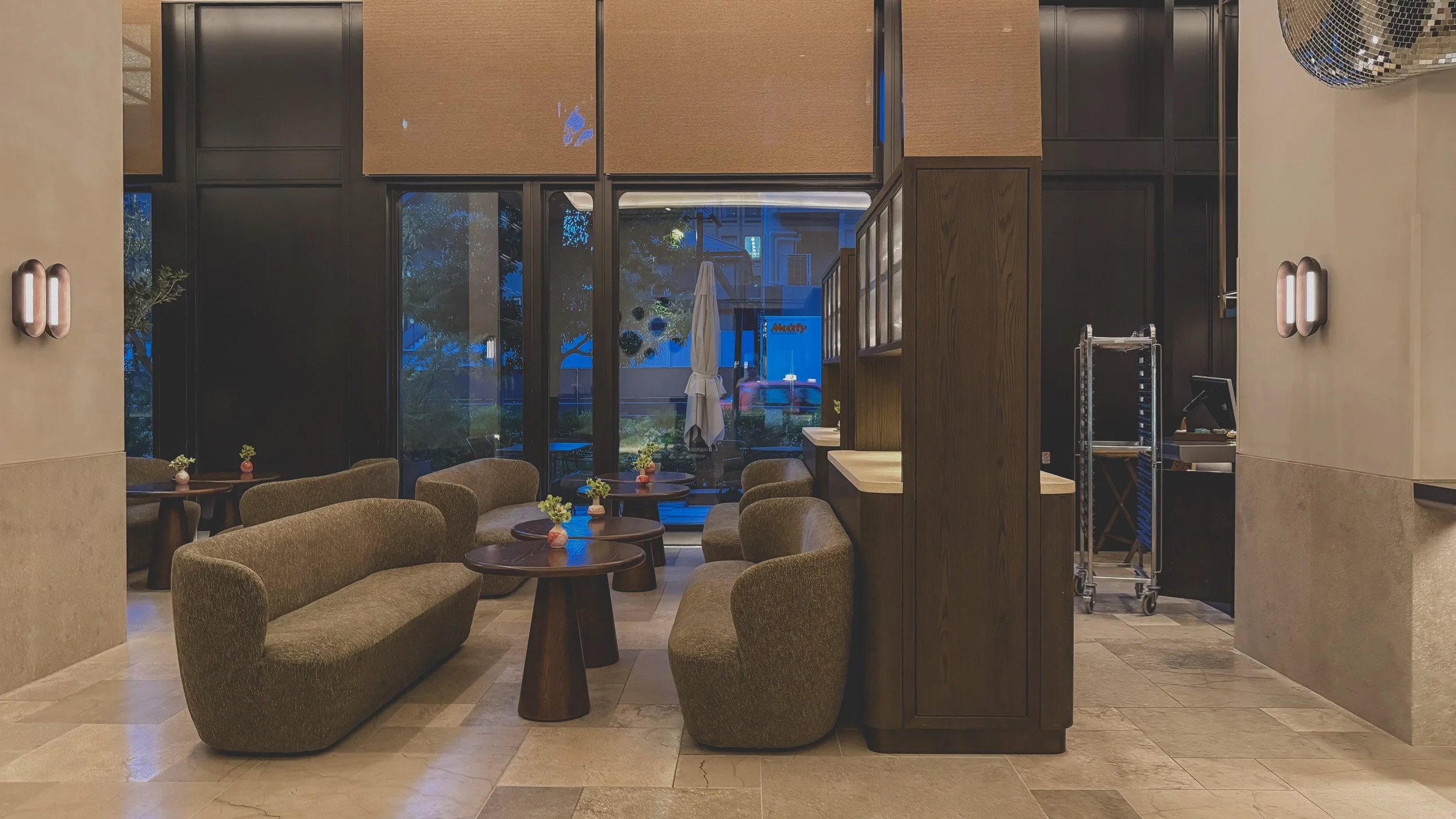
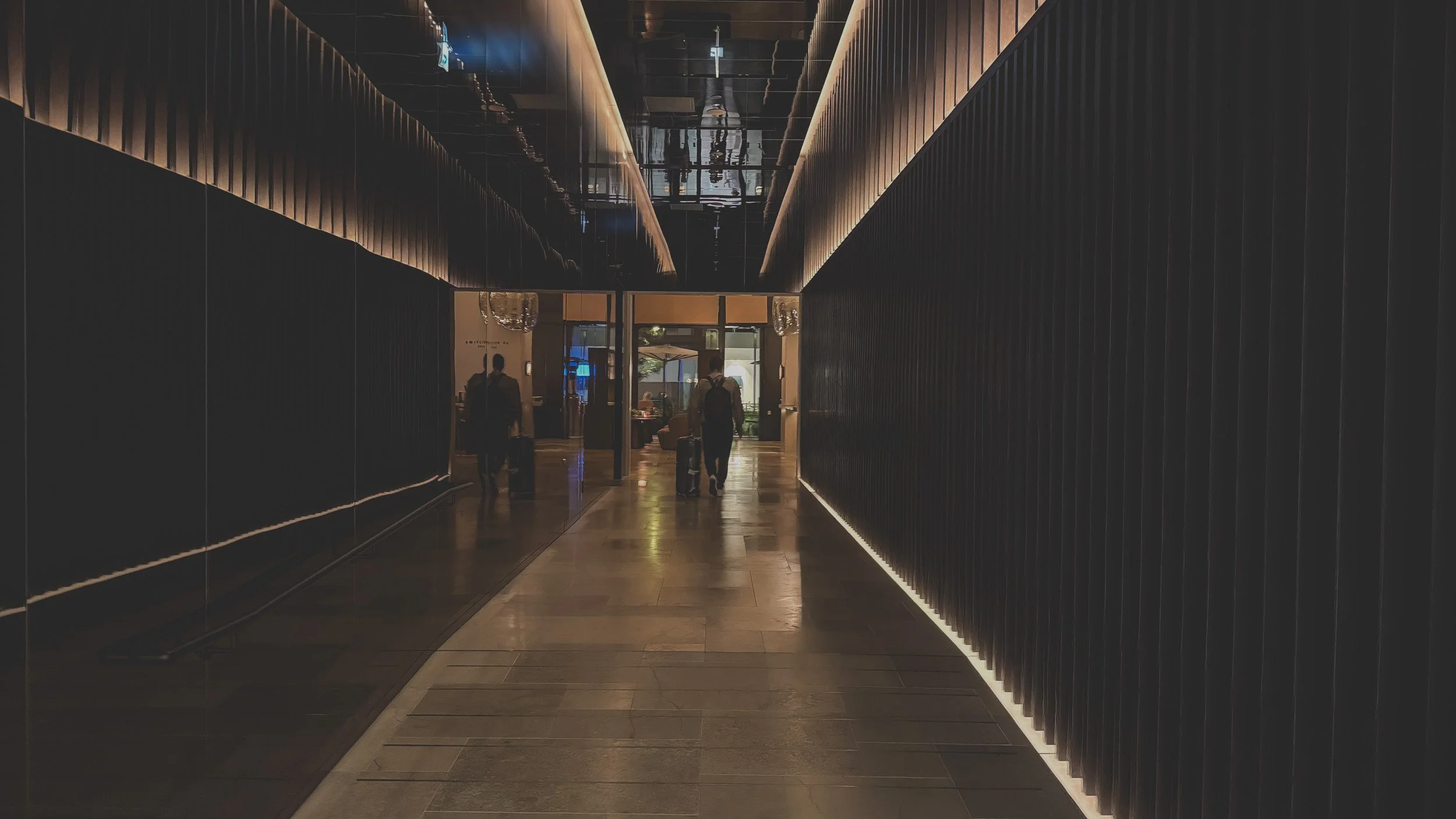
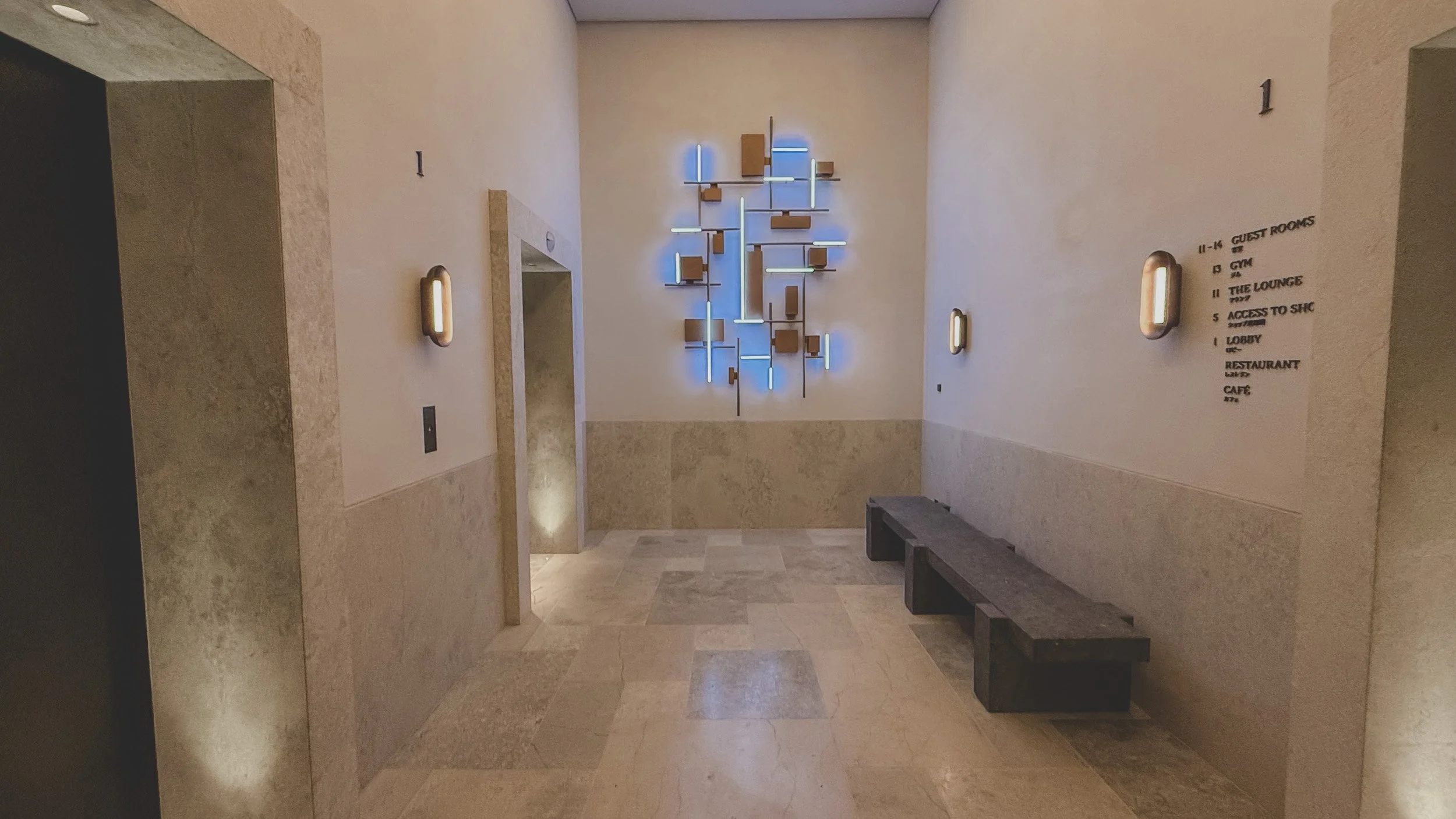
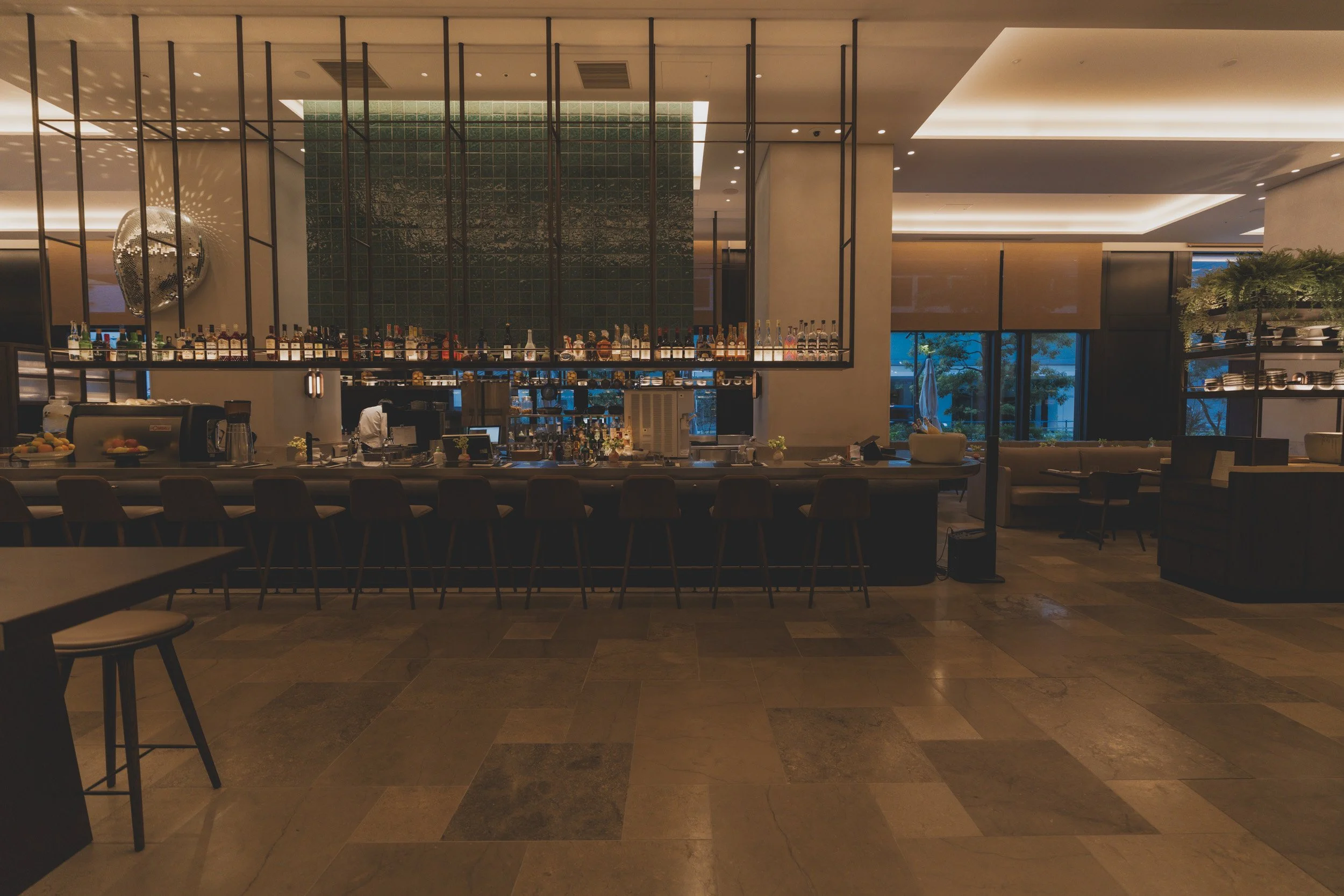
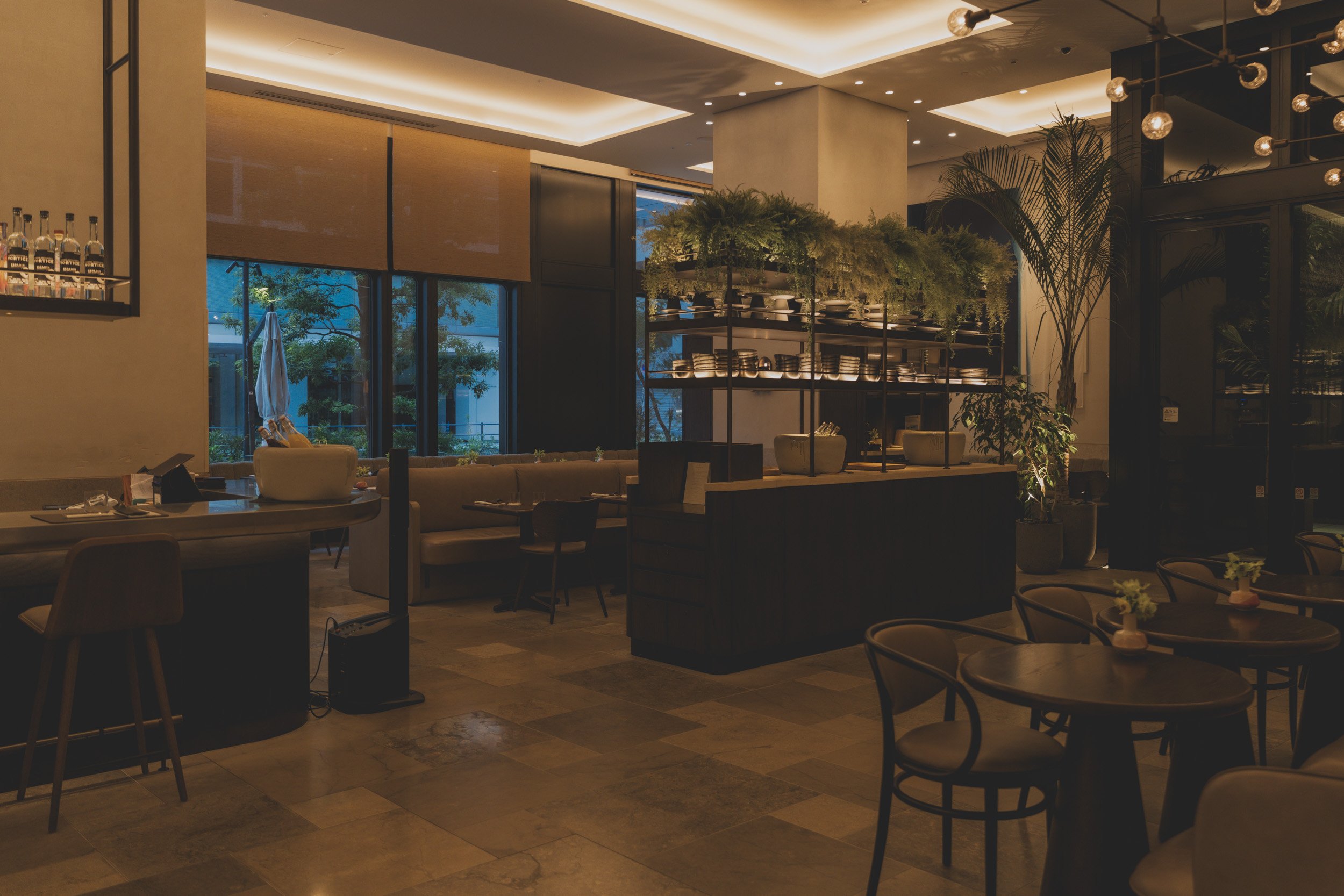
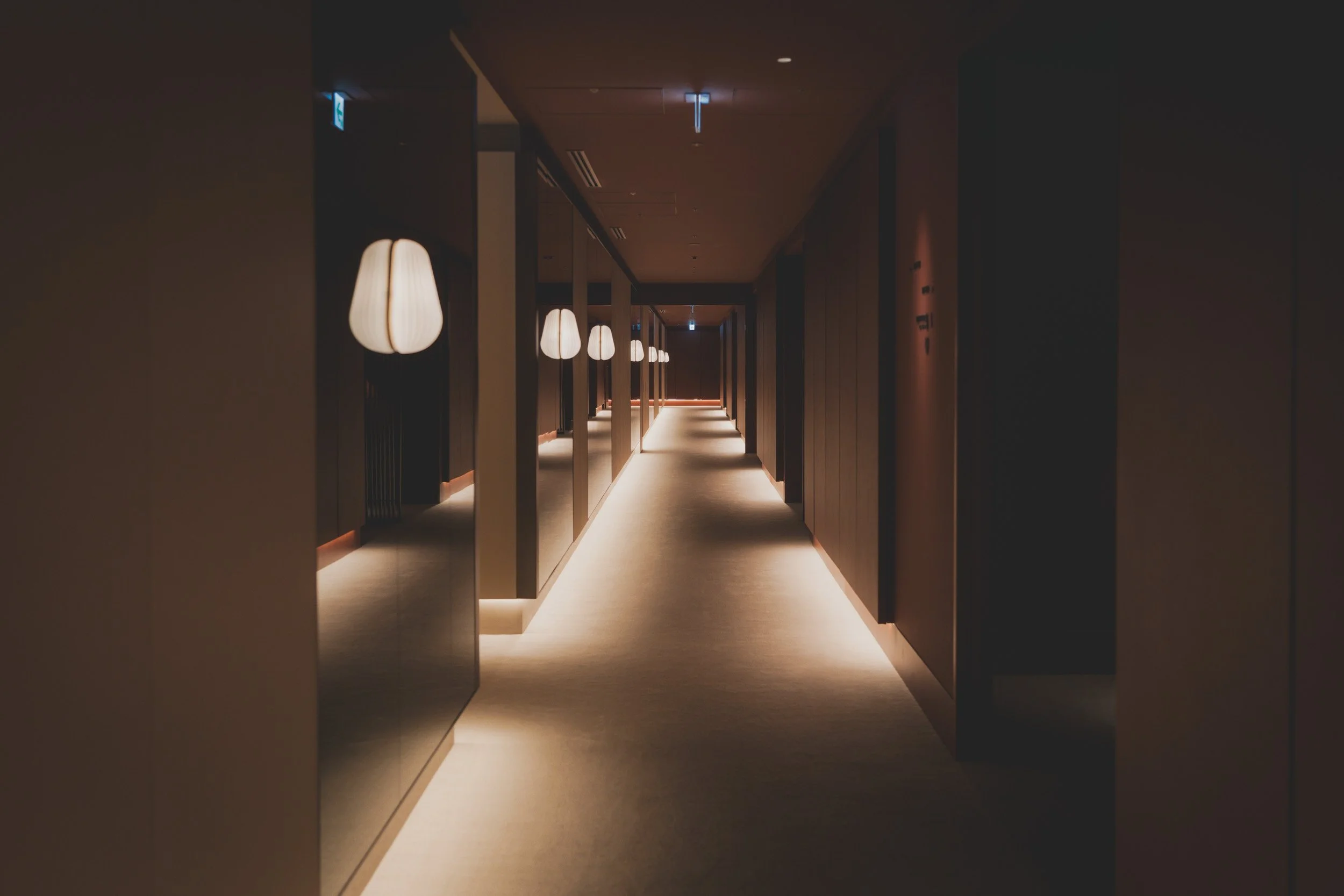
Walking into the lobby, you are immediately struck by a design language that is both familiar and foreign. Space Copenhagen, the Danish firm behind the interiors, has crafted a "Long Slow Brooding" aesthetic that blends Scandinavian hygge with Japanese minimalism. It avoids the clinical coldness of modern towers by using natural oak, soft leathers, and a lighting scheme that feels like a perpetual golden hour. It’s the kind of place that makes you want to swap your suit for a cashmere sweater and a glass of Japanese whiskey.
The sensory experience is subtle but intentional. You won’t find a heavy, perfumed "lobby scent" here; instead, the air feels crisp and filtered, accented by the quiet hum of the city visible through floor-to-ceiling glass. The staff operates with a choreographed grace that is less about bowing and more about "intuitive anticipating." There is a palpable sense of calm that acts as a buffer against the frenetic energy of the train station pulsing just a few floors below.
Location
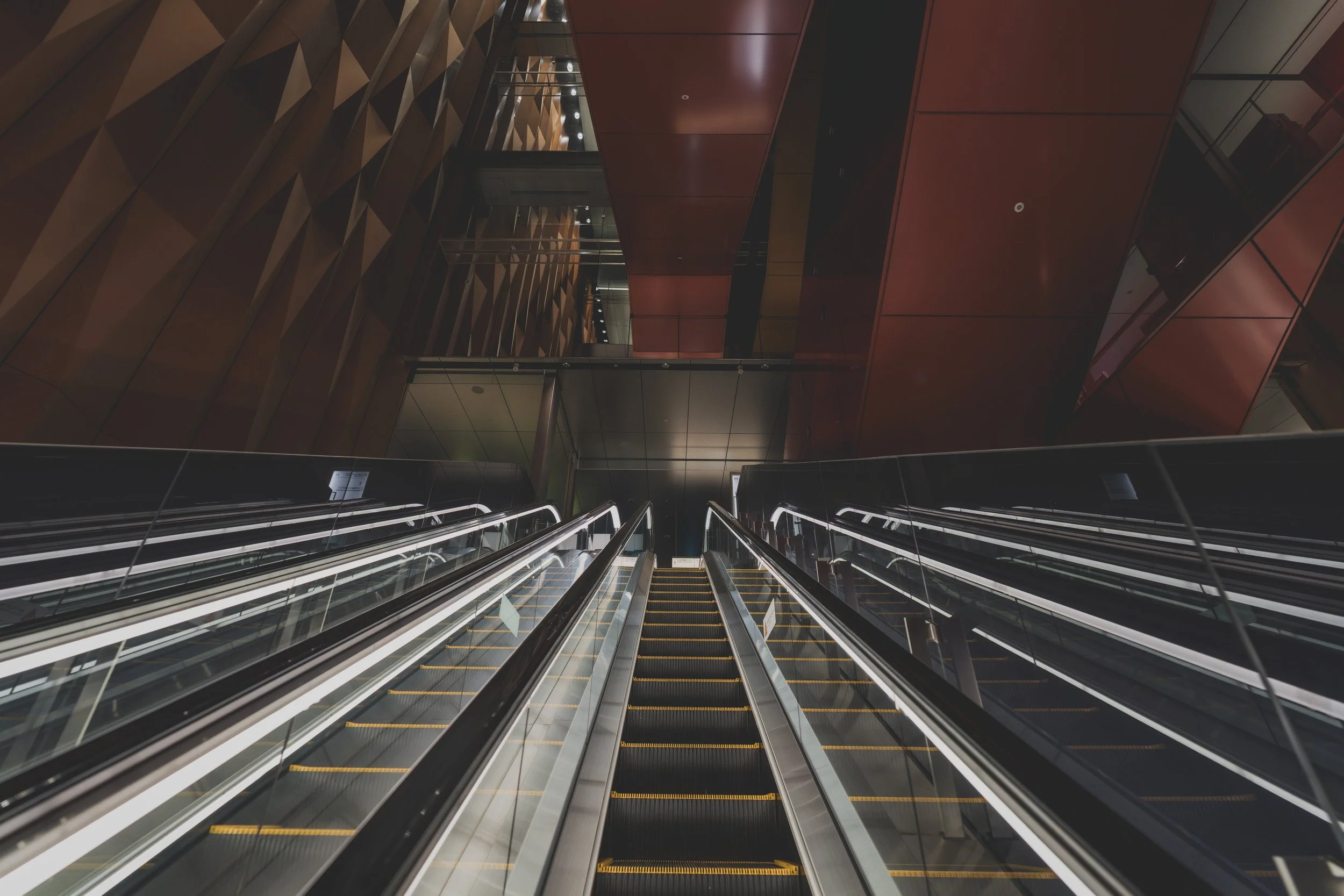
The location is a masterclass in modern urban planning. Anchored within the Toranomon Hills Station Tower, you have direct, weather-proof access to the Hibiya subway line. For the traveler who refuses to waste forty minutes in a taxi, this is a revelation. You are minutes from the high-end shopping of Ginza and the cultural gravity of the Imperial Palace, yet you are tucked away from the chaotic tourist throngs of Shibuya or Shinjuku.
That said, it is worth noting that Toranomon remains a business-centric neighborhood. While the new Azabudai Hills development—a 15-minute stroll away—has injected a dose of high-end greenery and art into the area, the immediate vicinity can feel a bit quiet on weekends. However, for the discerning traveler, this "quiet" is a luxury in itself, providing a sophisticated home base that is close to the action without being trapped inside it.
Corner Suite
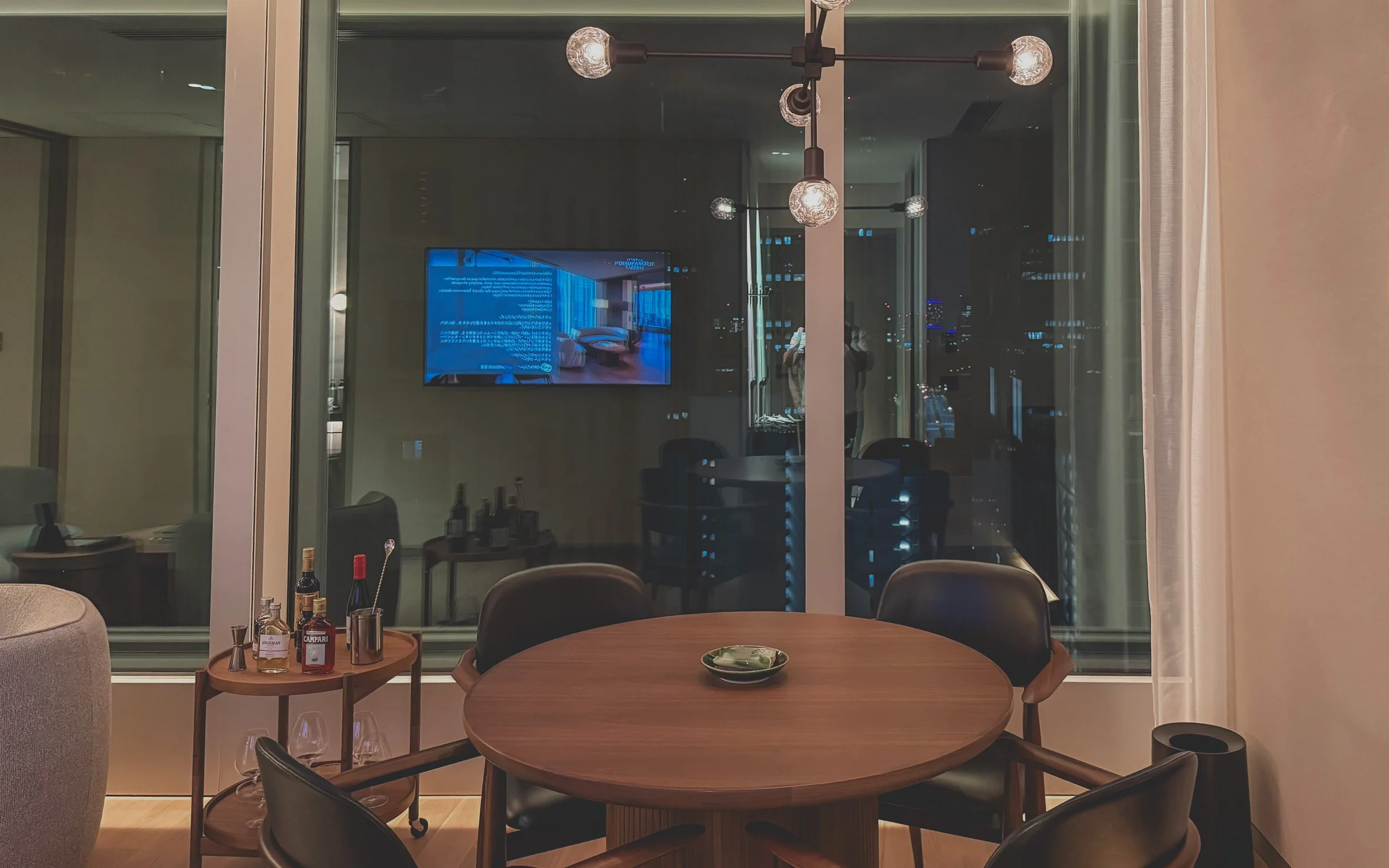
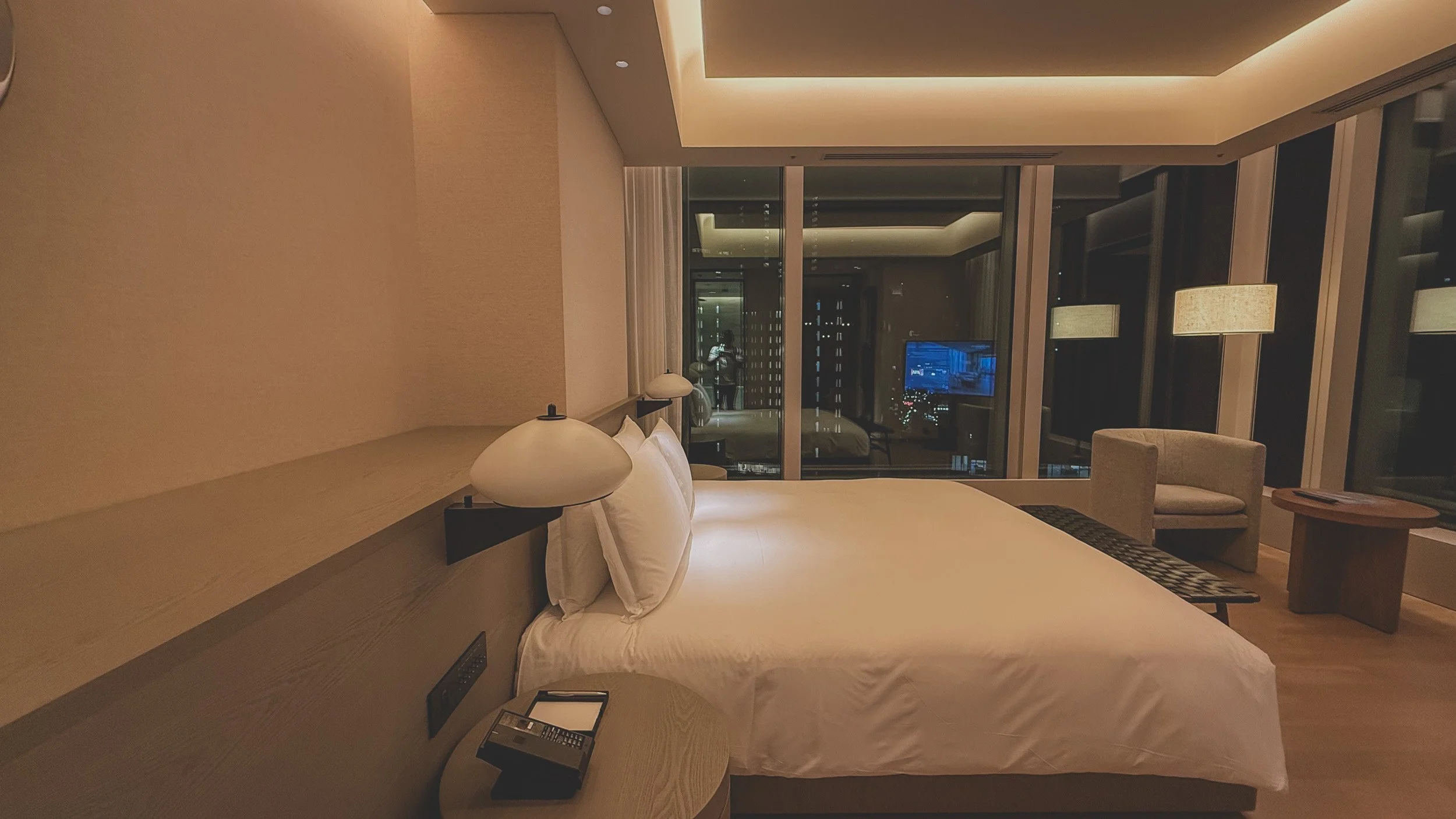
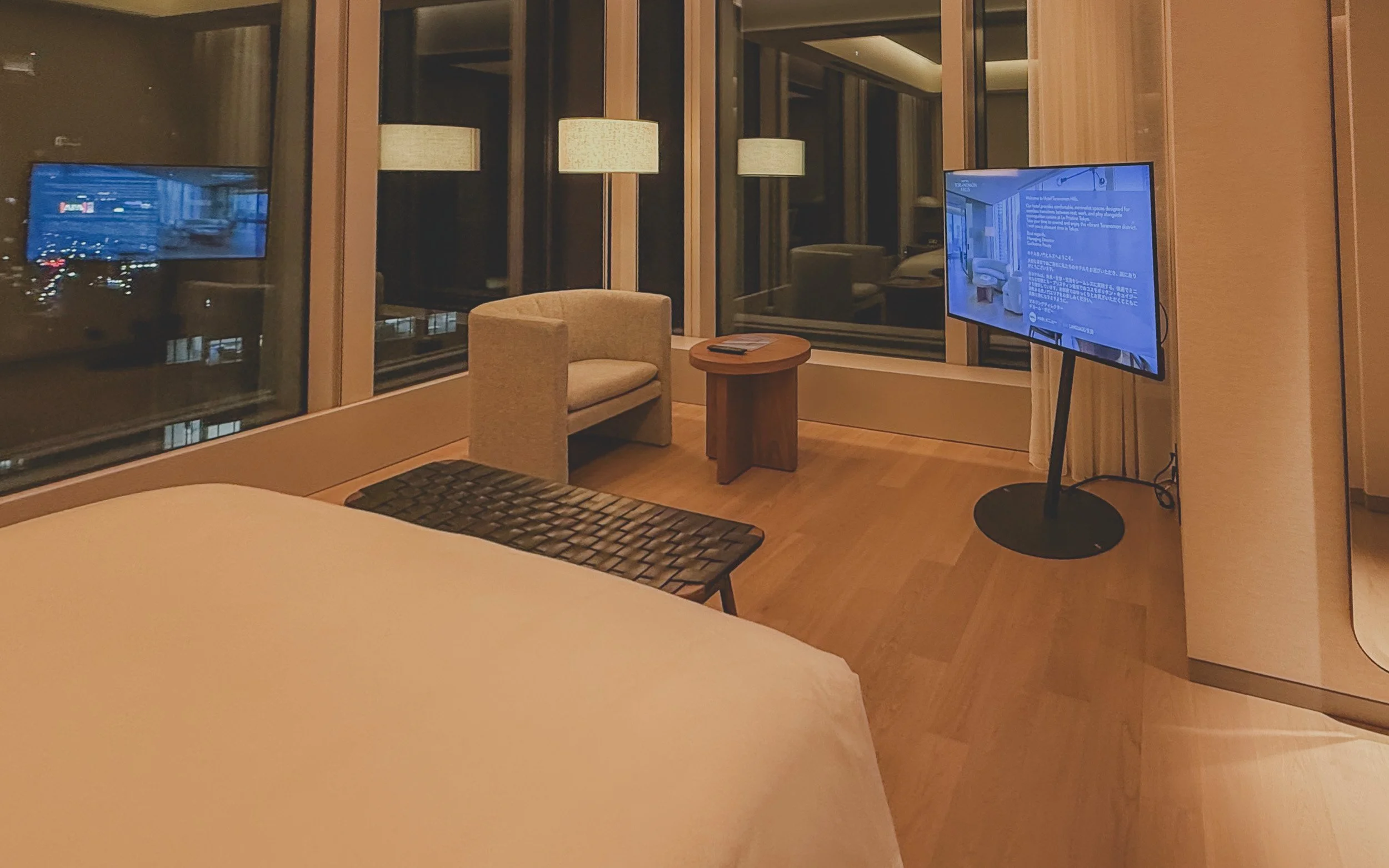
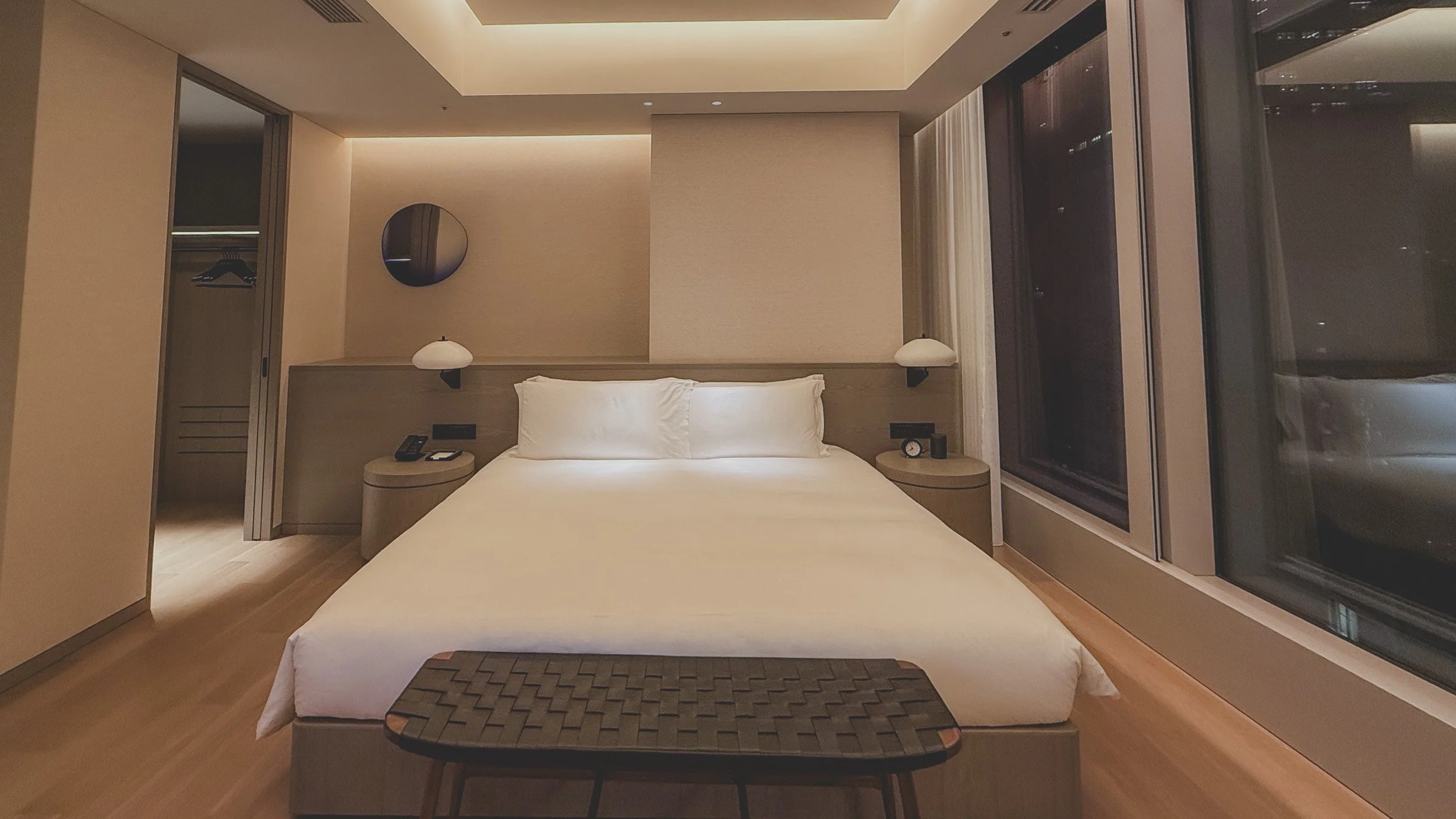
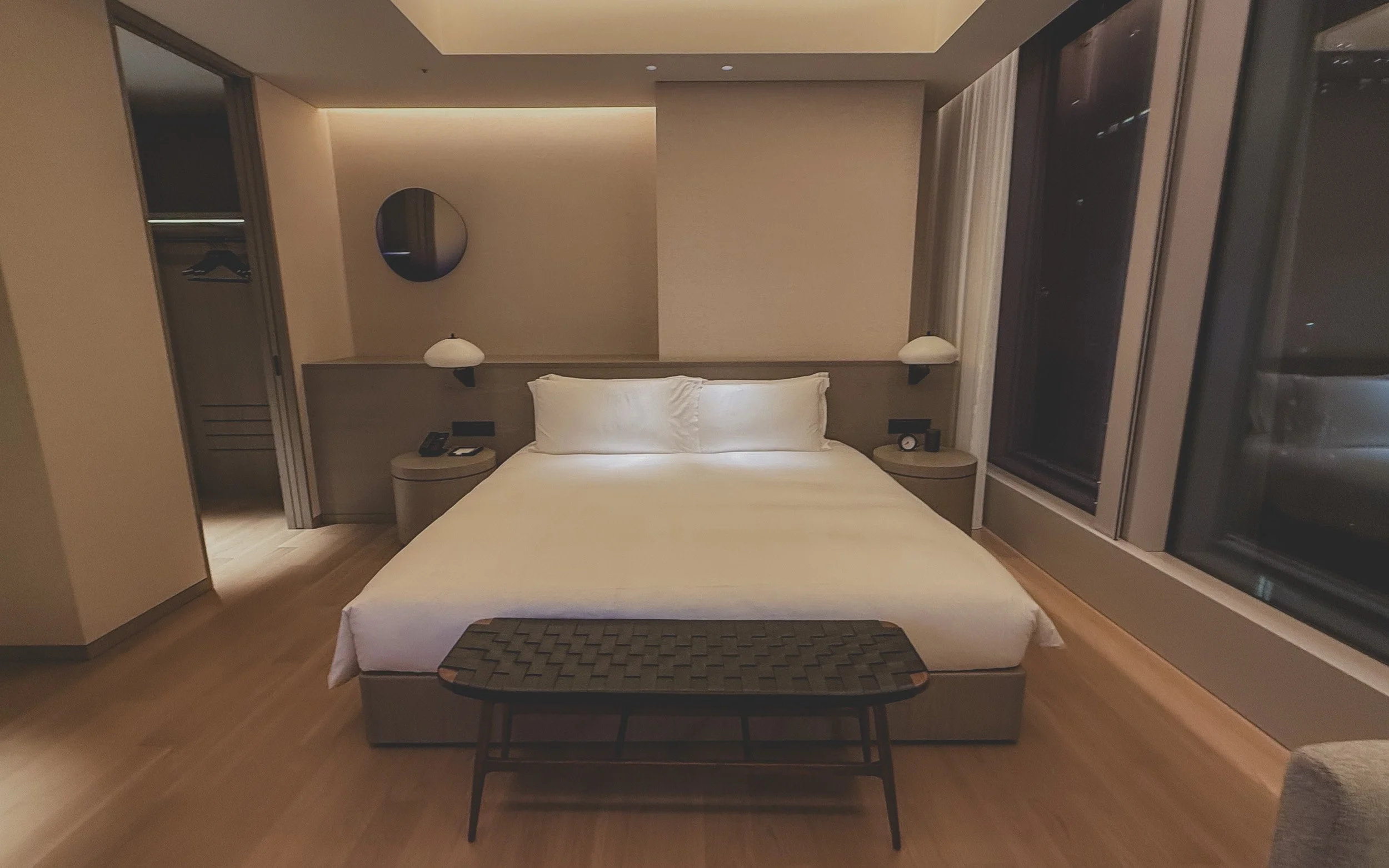
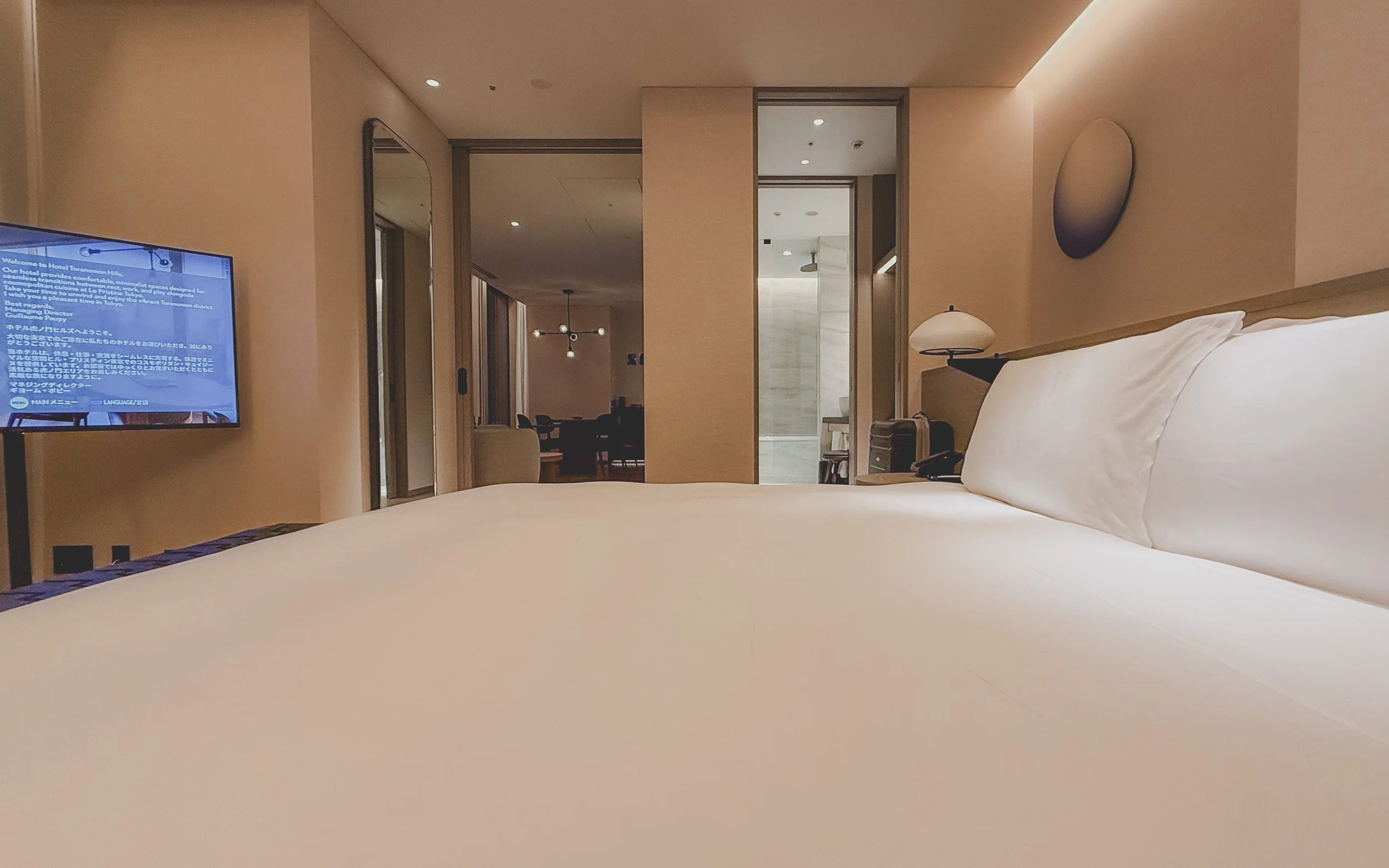
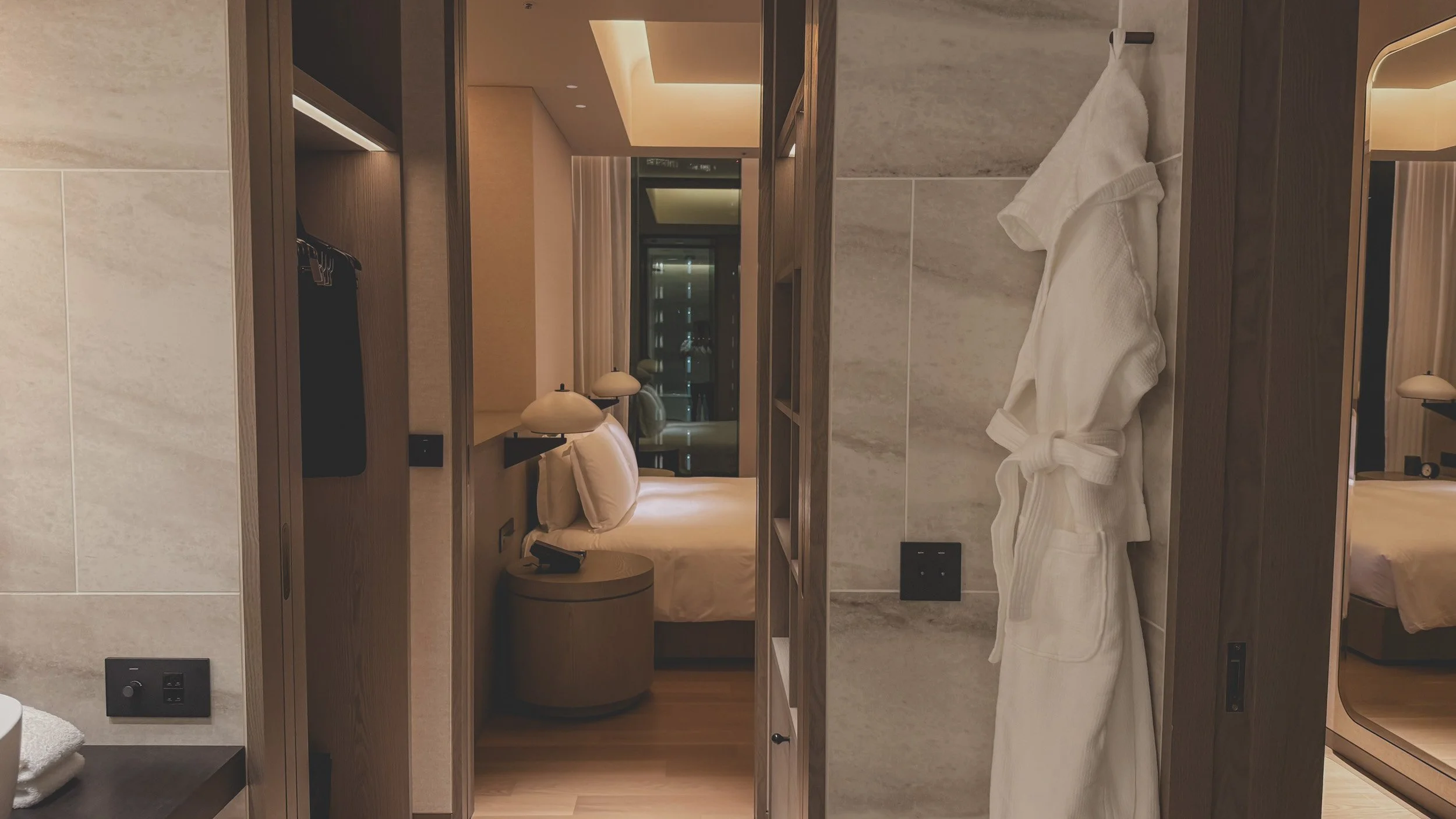
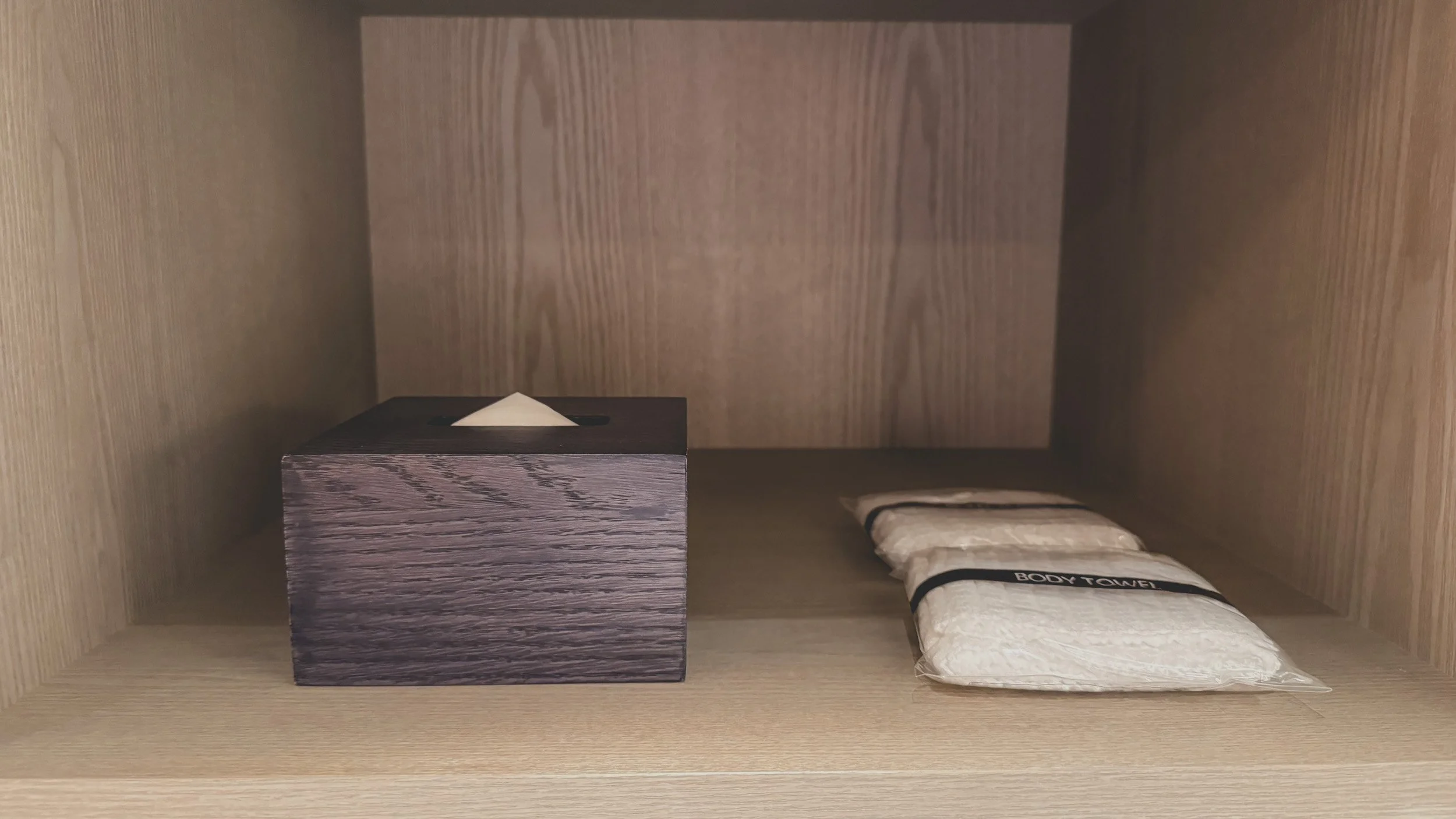
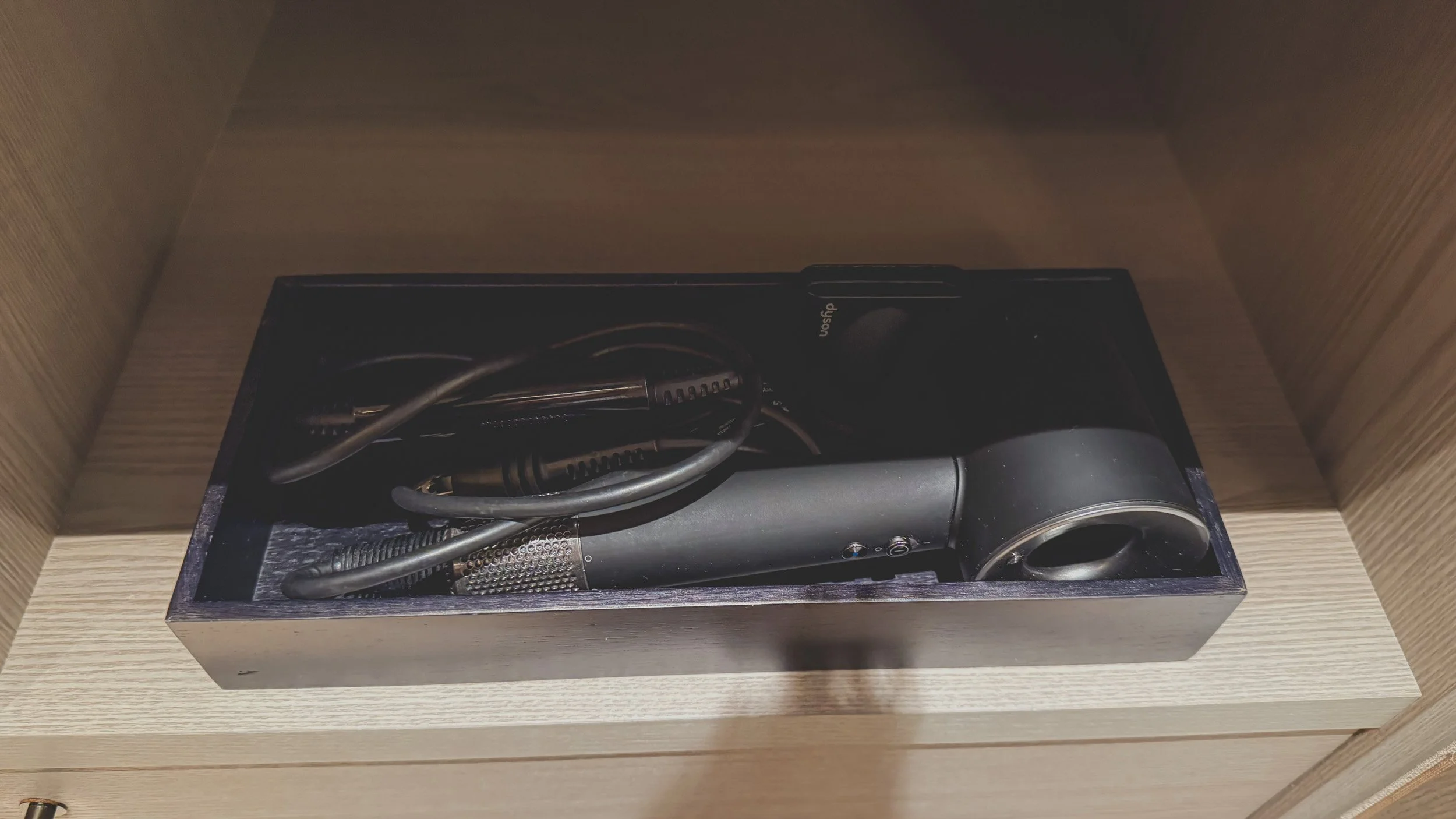
Upgrading to the Corner Suite transforms the experience from a well-appointed stay into a panoramic observatory. The layout, masterfully executed by Space Copenhagen, rejects the traditional "compartmentalization" of luxury suites in favor of a fluid, open-plan flow that prioritizes the dual-aspect, floor-to-ceiling windows. Bathed in an abundance of natural light, the living area feels like a private gallery where the Tokyo skyline—a jagged, silver-and-glass horizon—serves as the primary masterpiece. The palette of muted oaks and tactile leathers remains, but the sheer scale of the suite allows these materials to breathe, creating a residential ease that is notoriously difficult to capture in a modern high-rise.
The hard product here is a masterclass in "quiet luxury" engineering. The transition between the sleeping quarters and the lounge is seamless, anchored by a custom-designed sofa that invites hours of contemplation rather than just a brief rest. Every detail, from the way the motorized blackout shades vanish into the ceiling to the perfectly calibrated acoustics that mute the city's subterranean pulse, reflects the hotel’s ethos of "Slow Luxury." This isn't merely a larger footprint; it is a meticulously tuned environment designed to lower your heart rate the moment you cross the threshold.
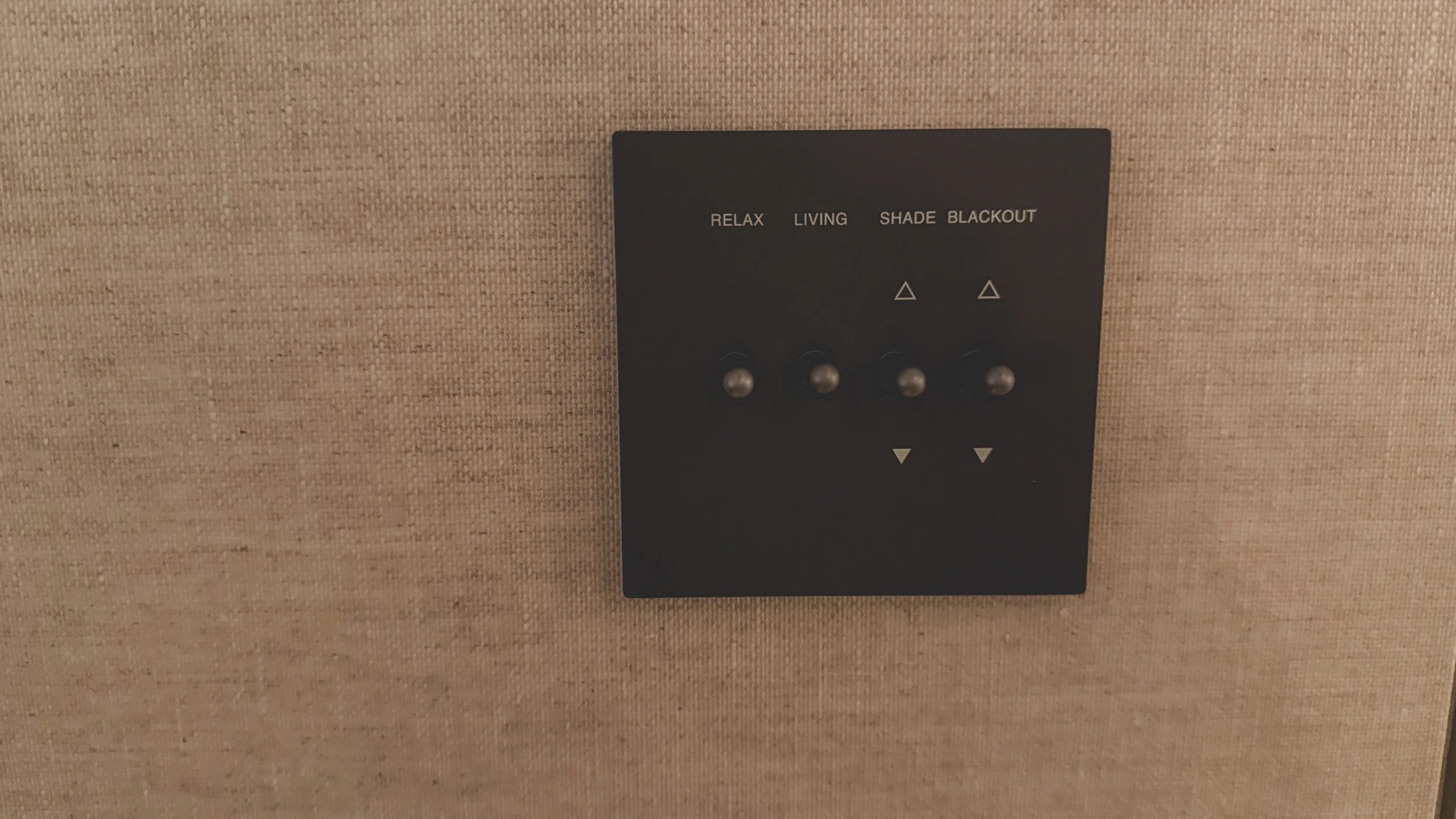
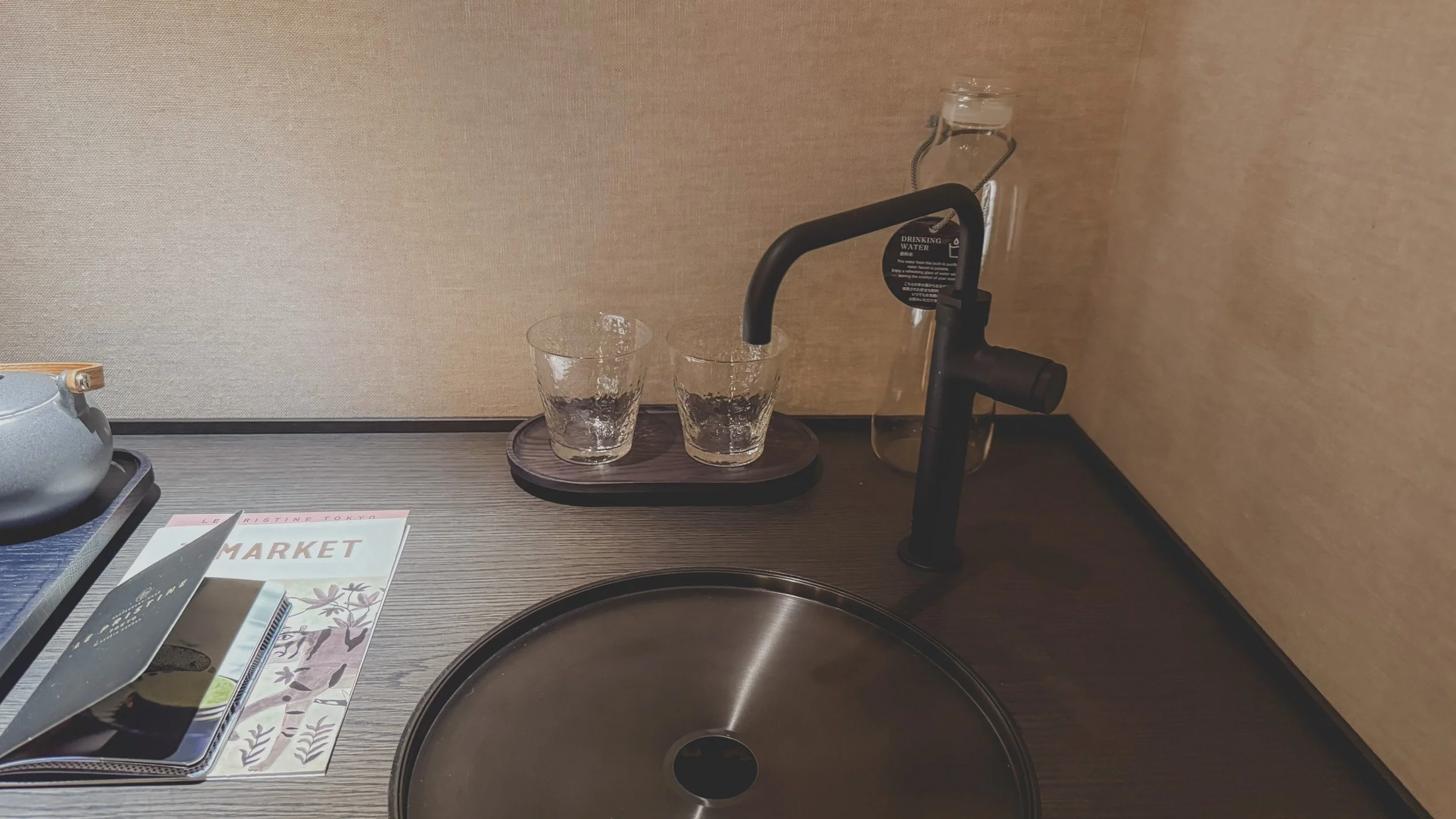
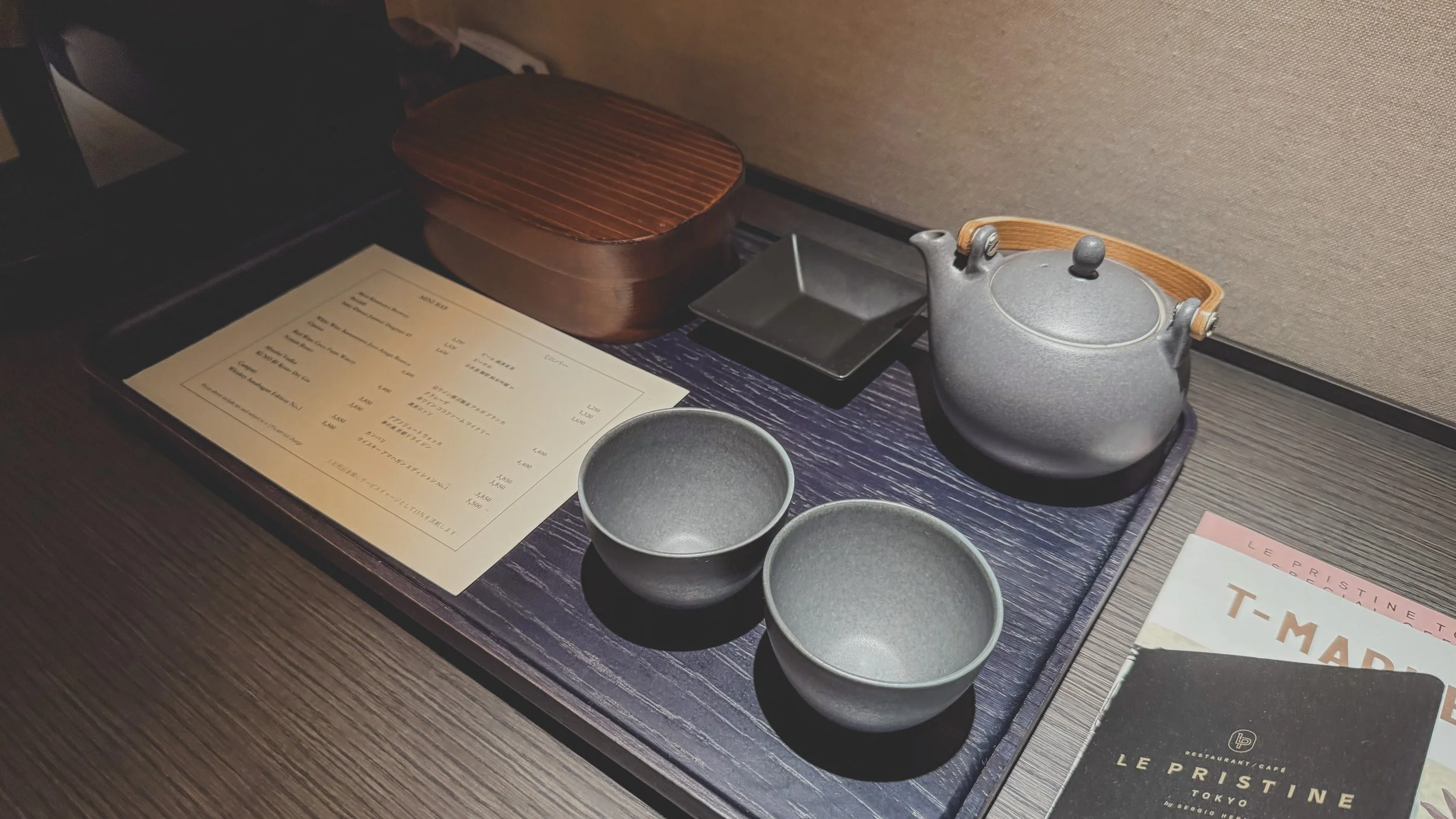
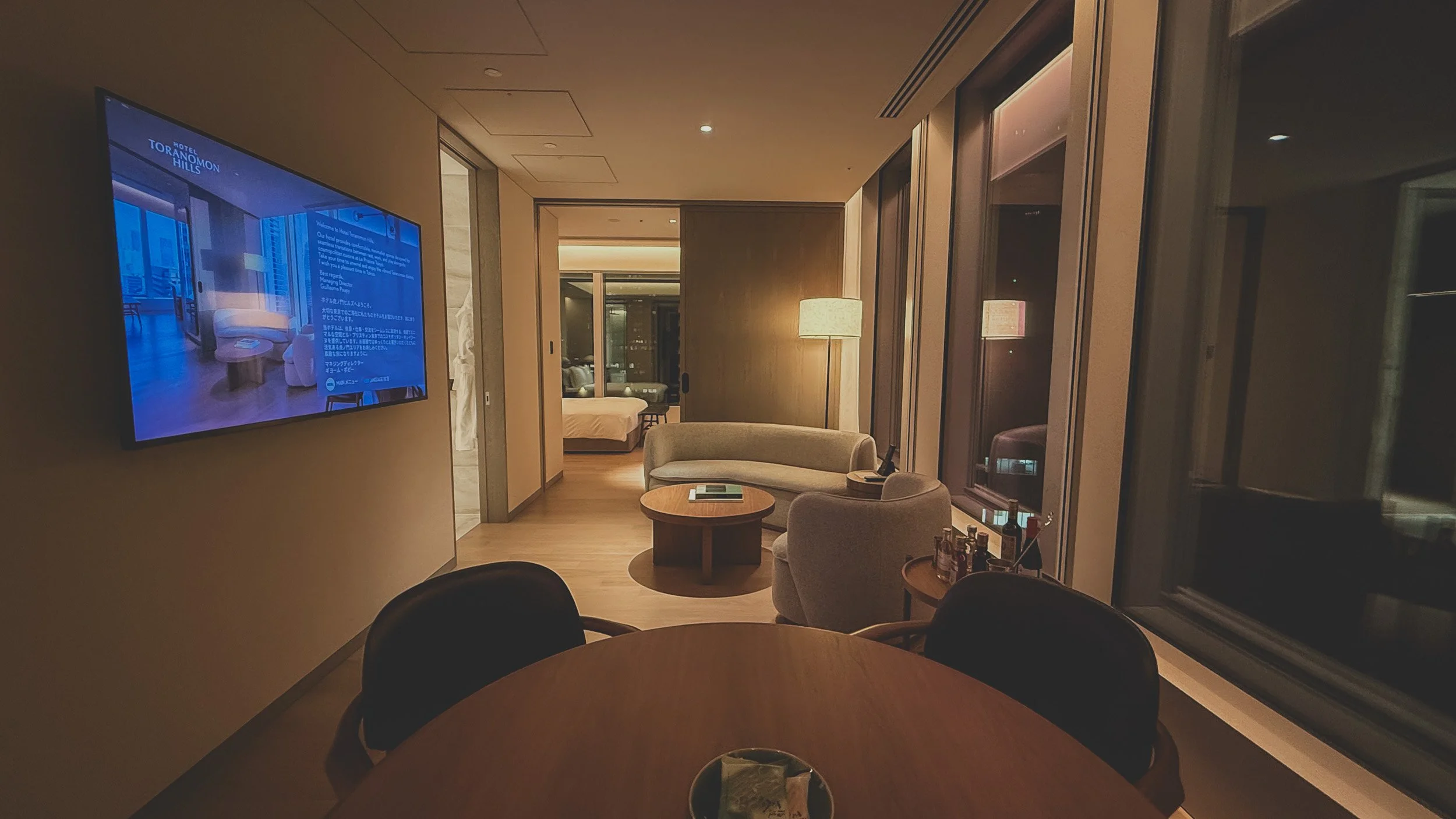
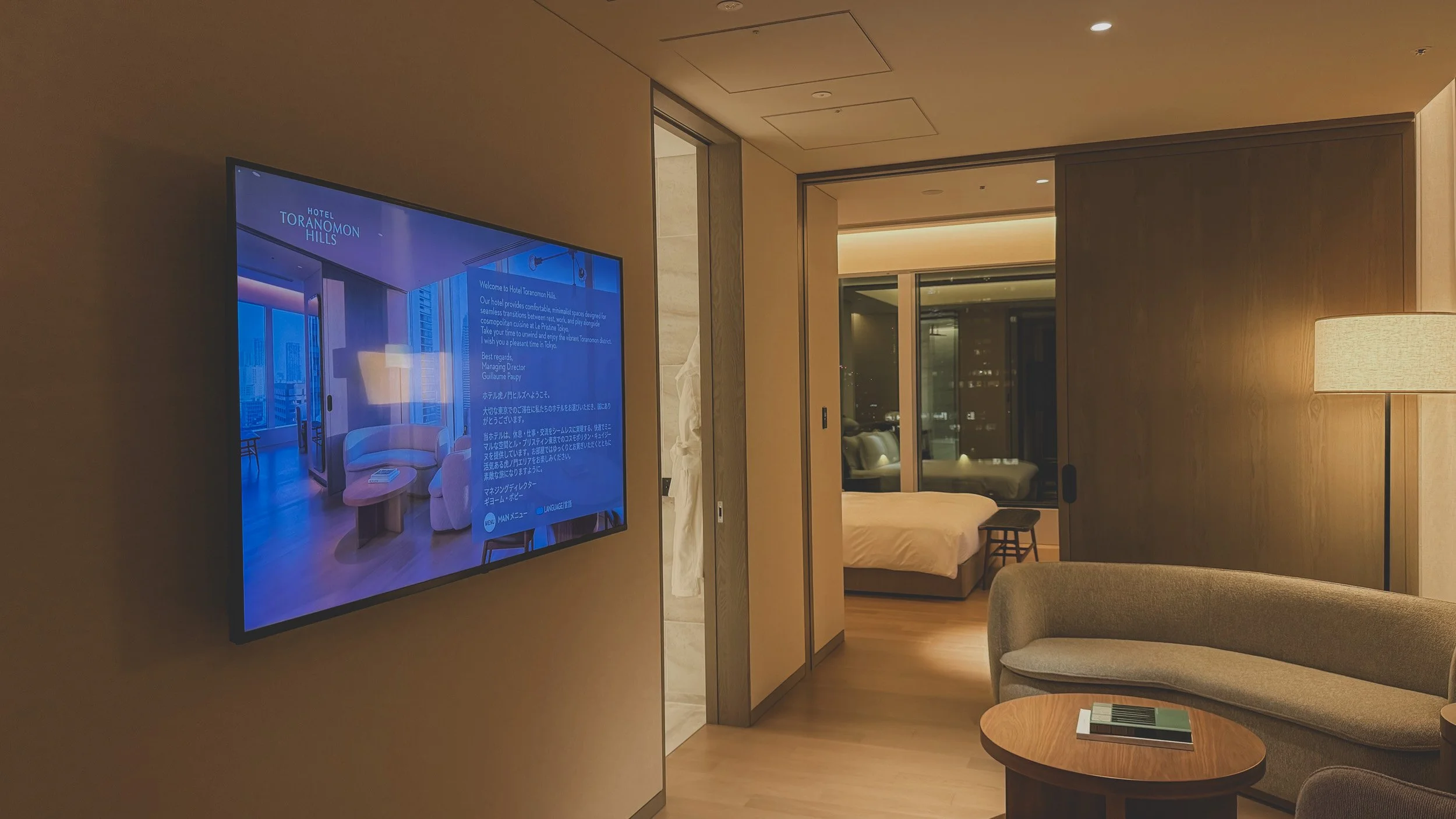
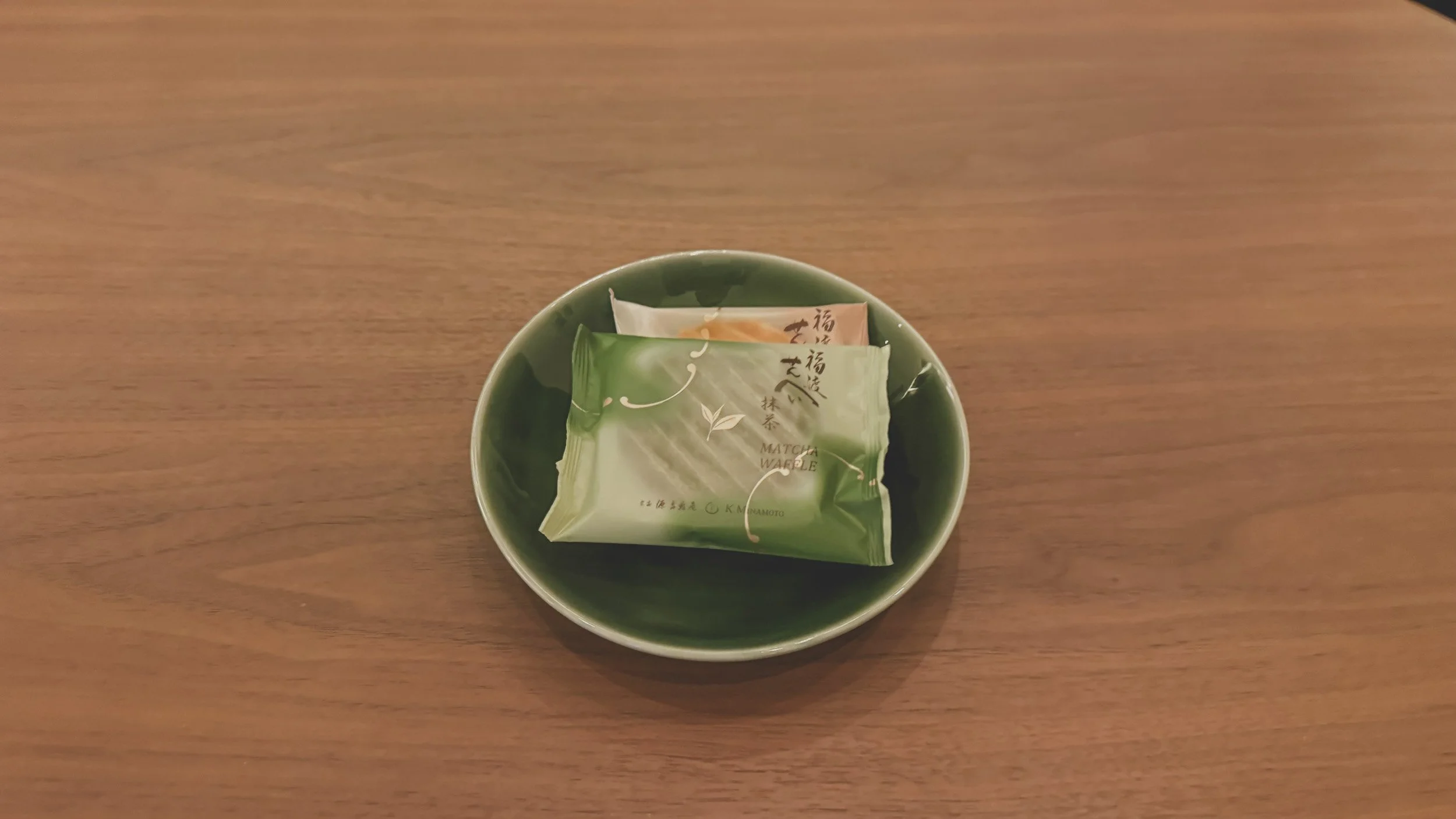
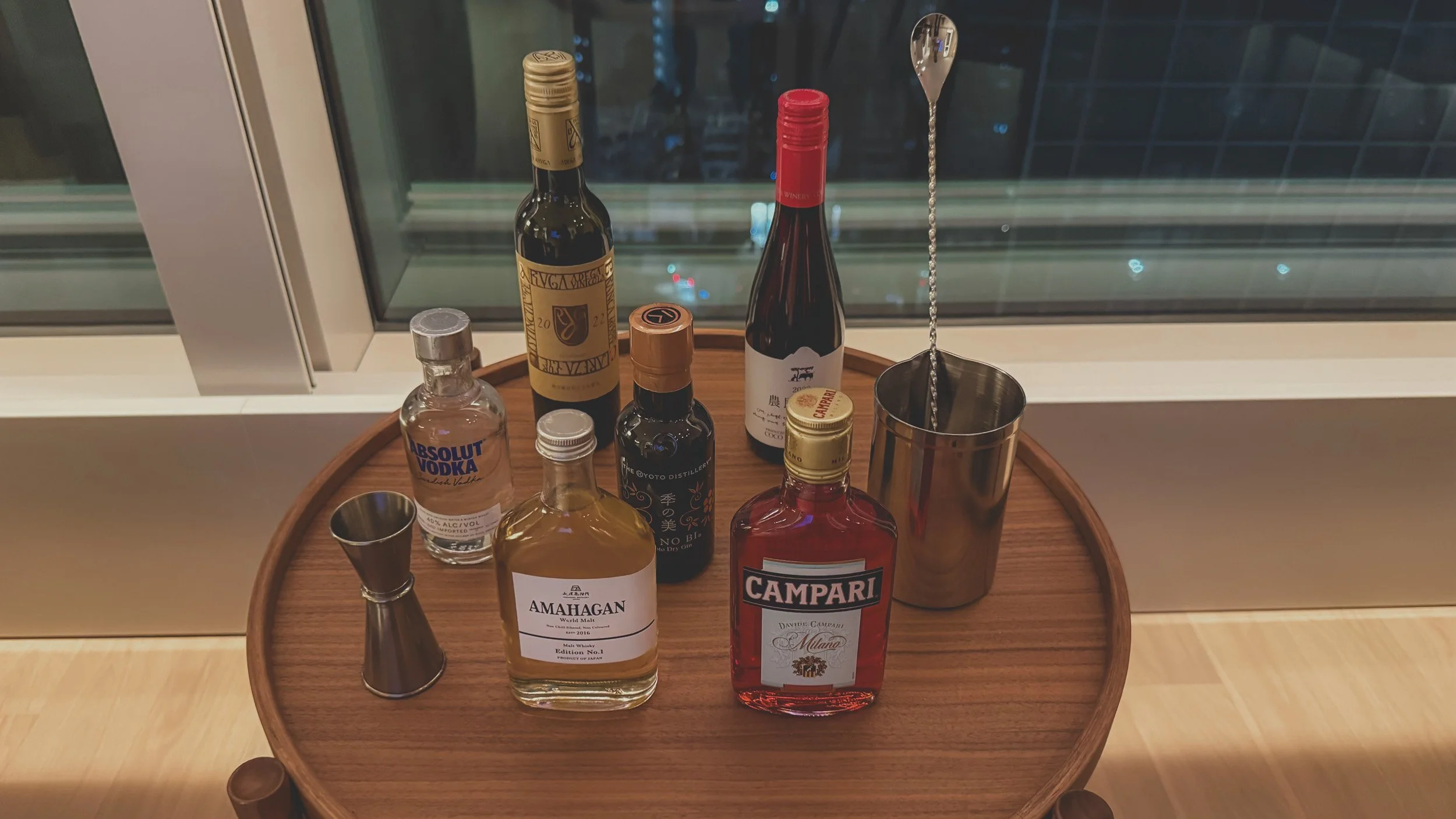
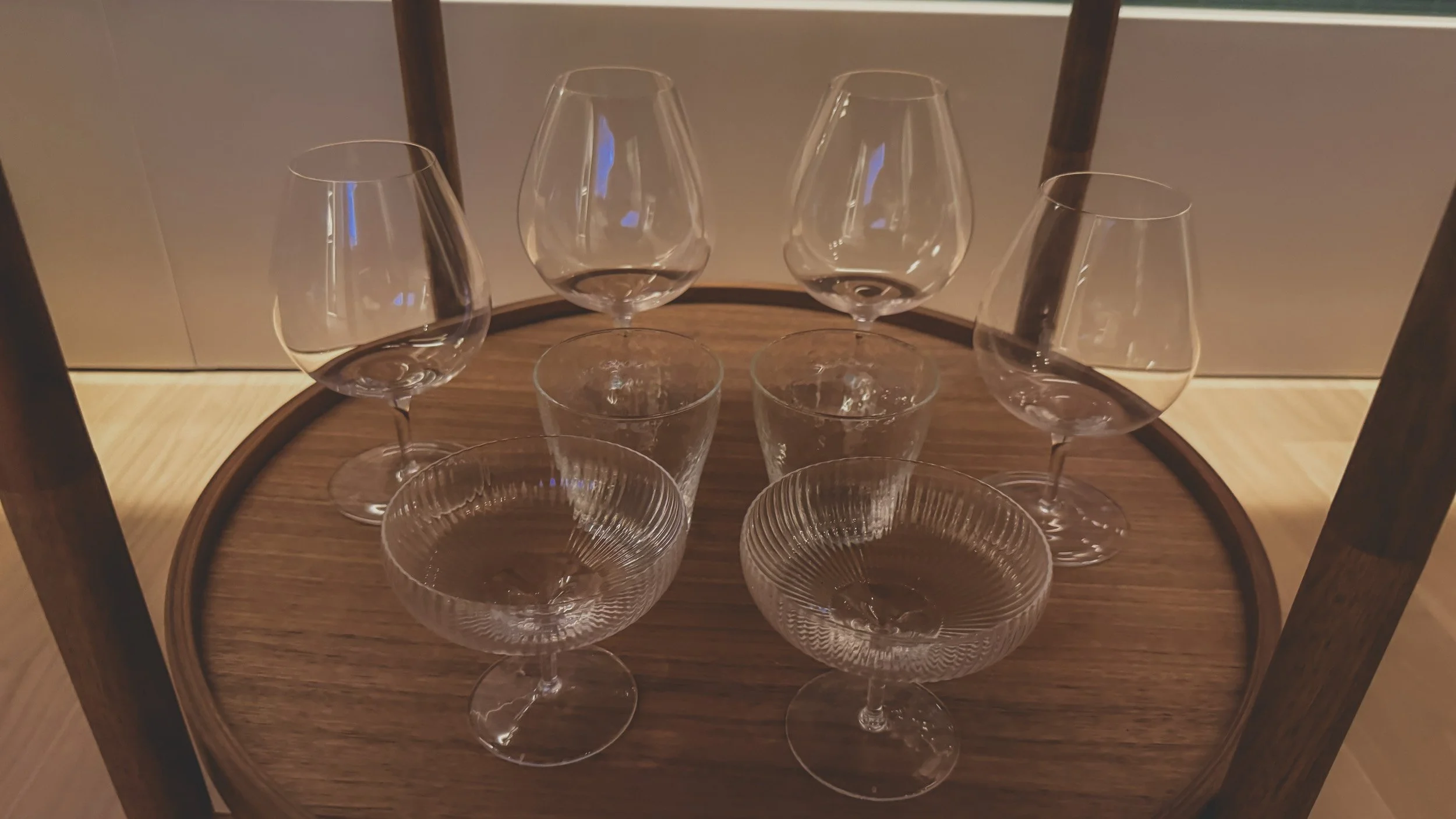
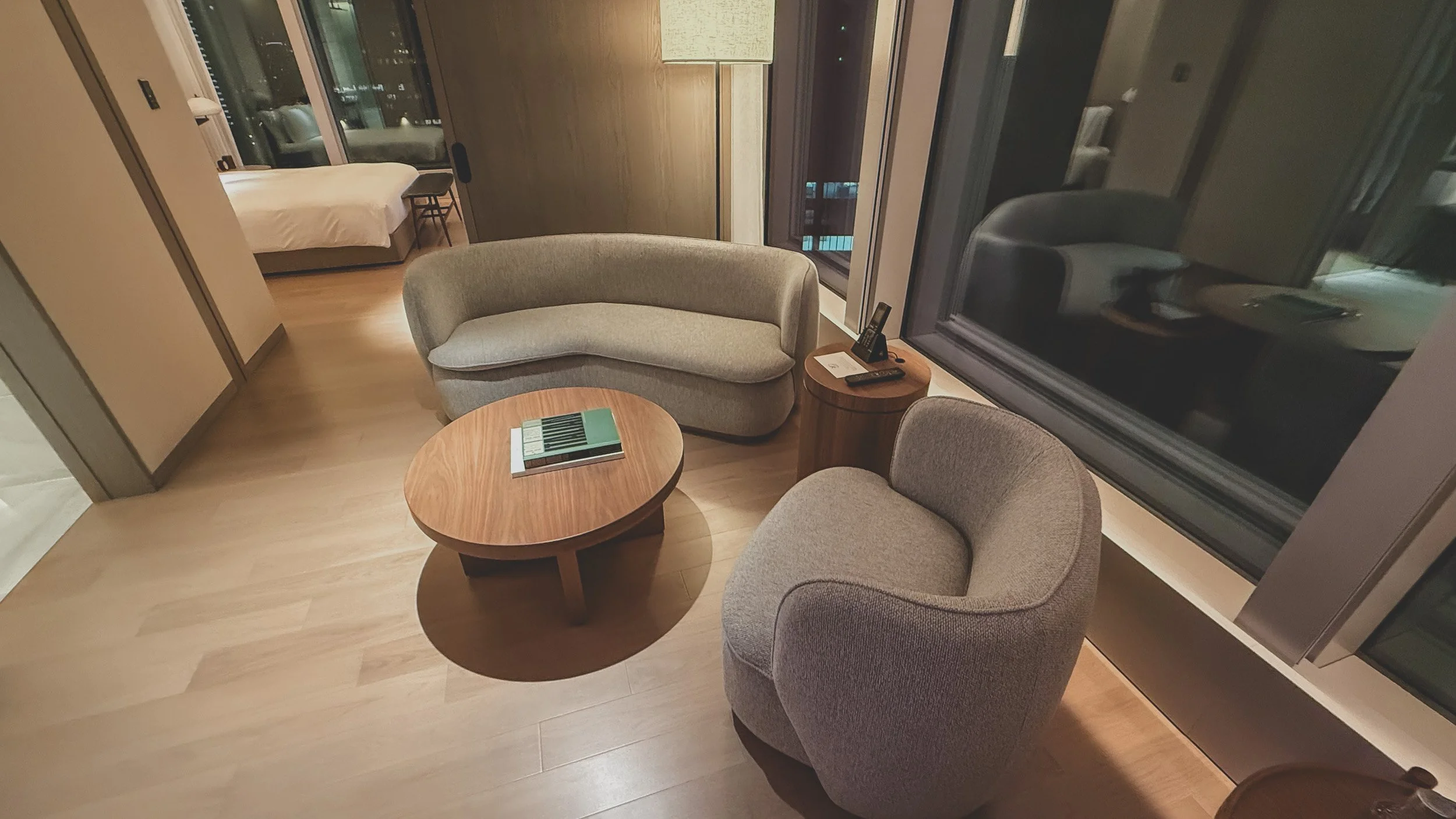
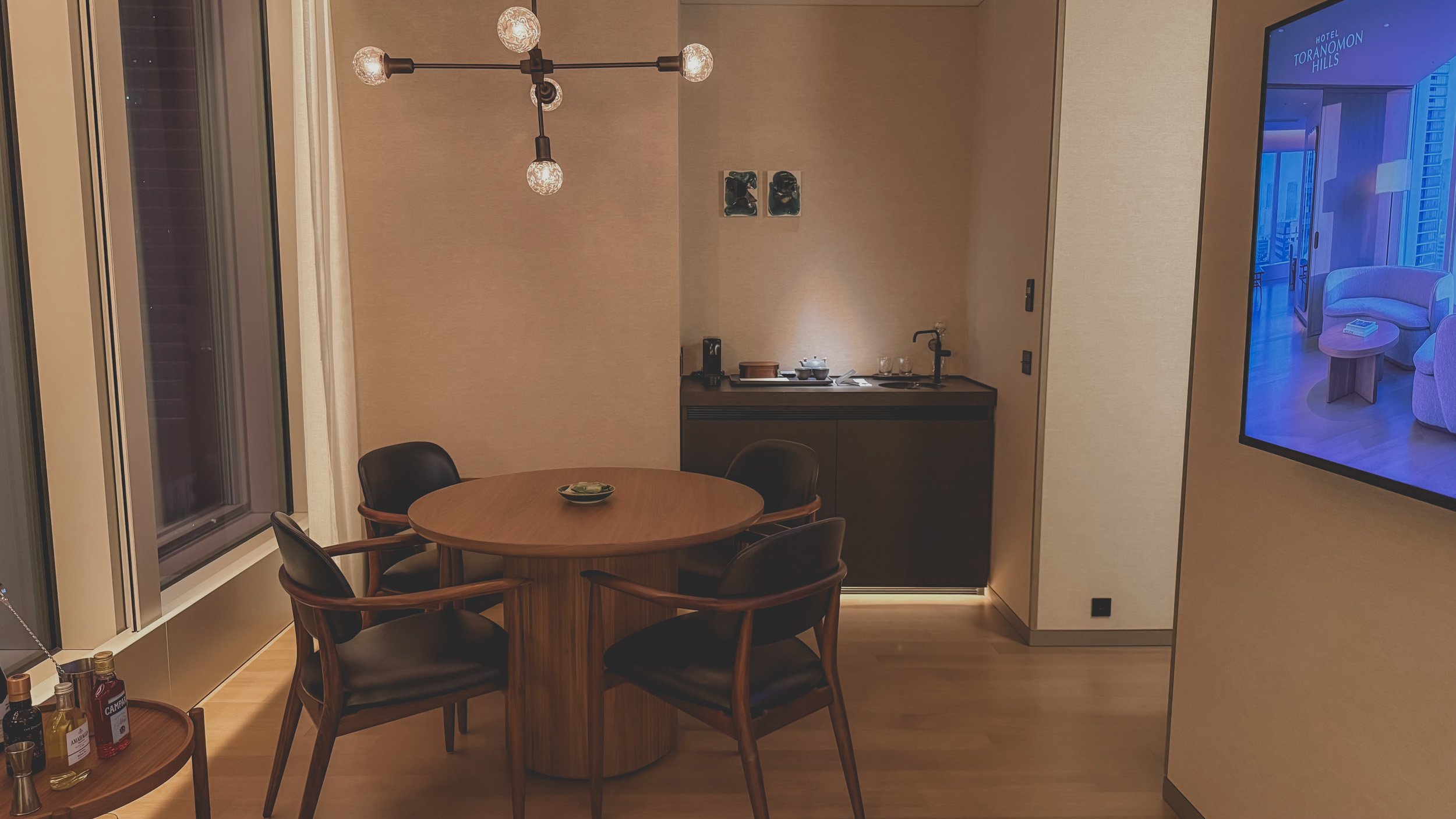
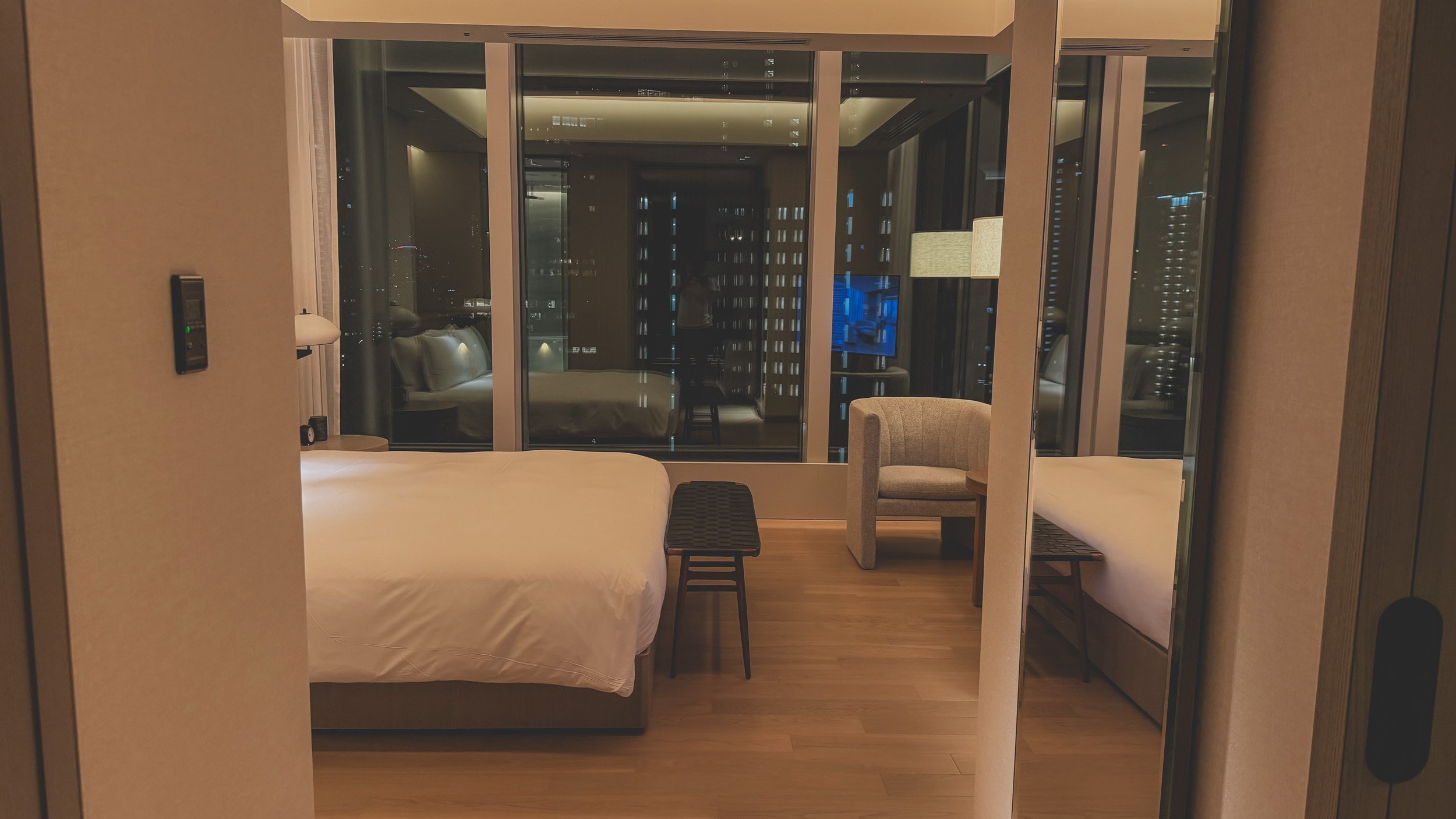
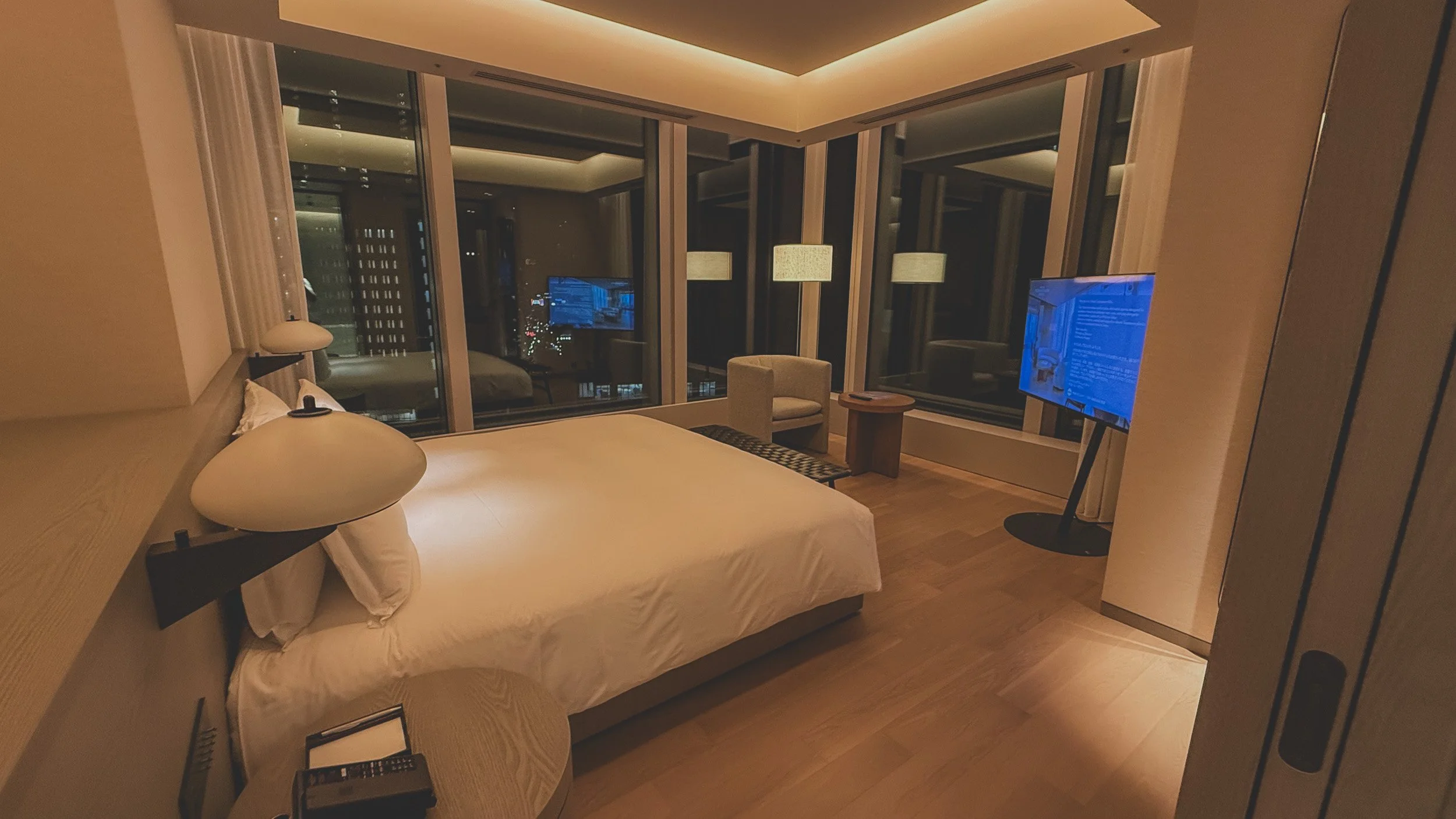
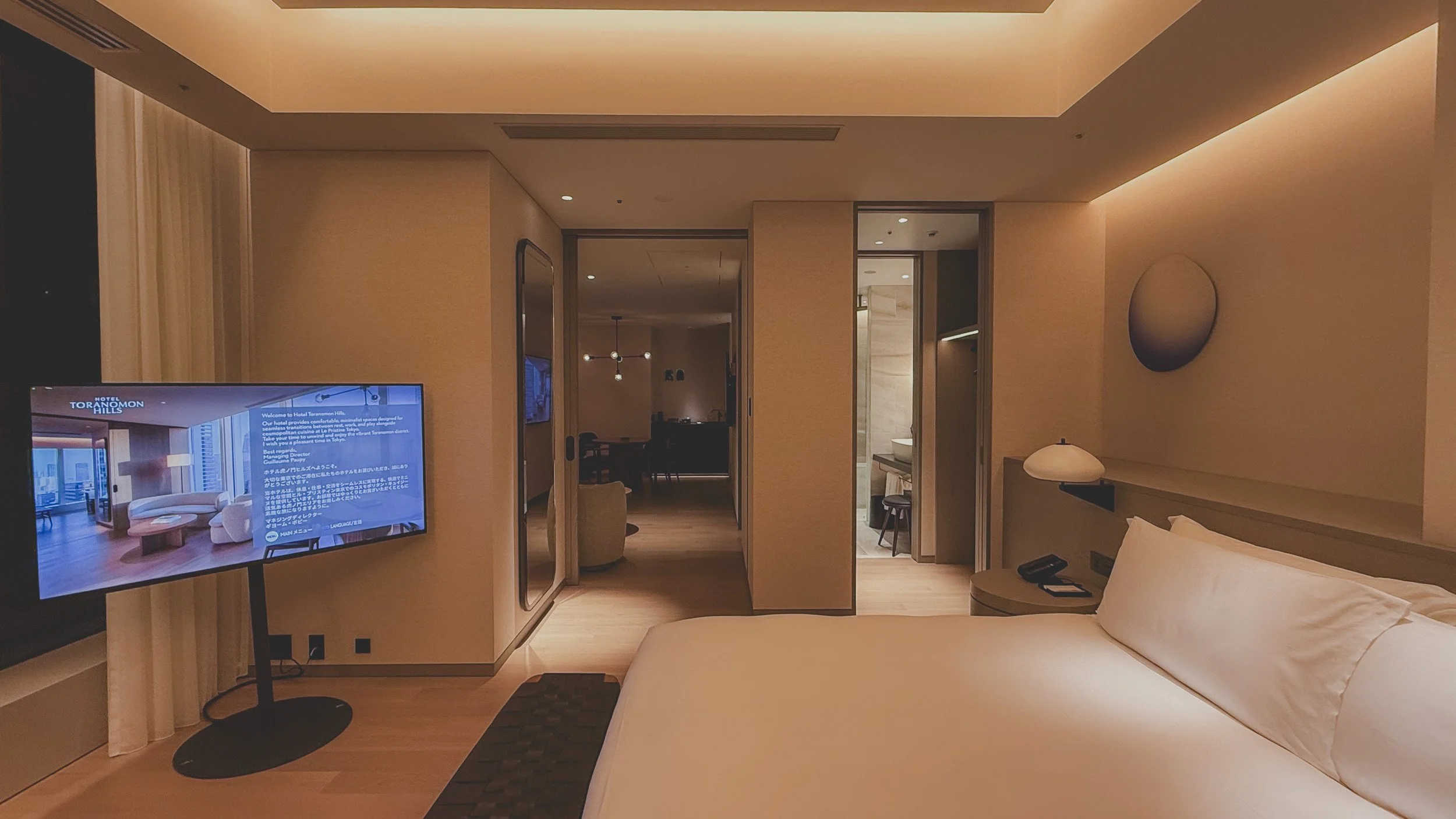
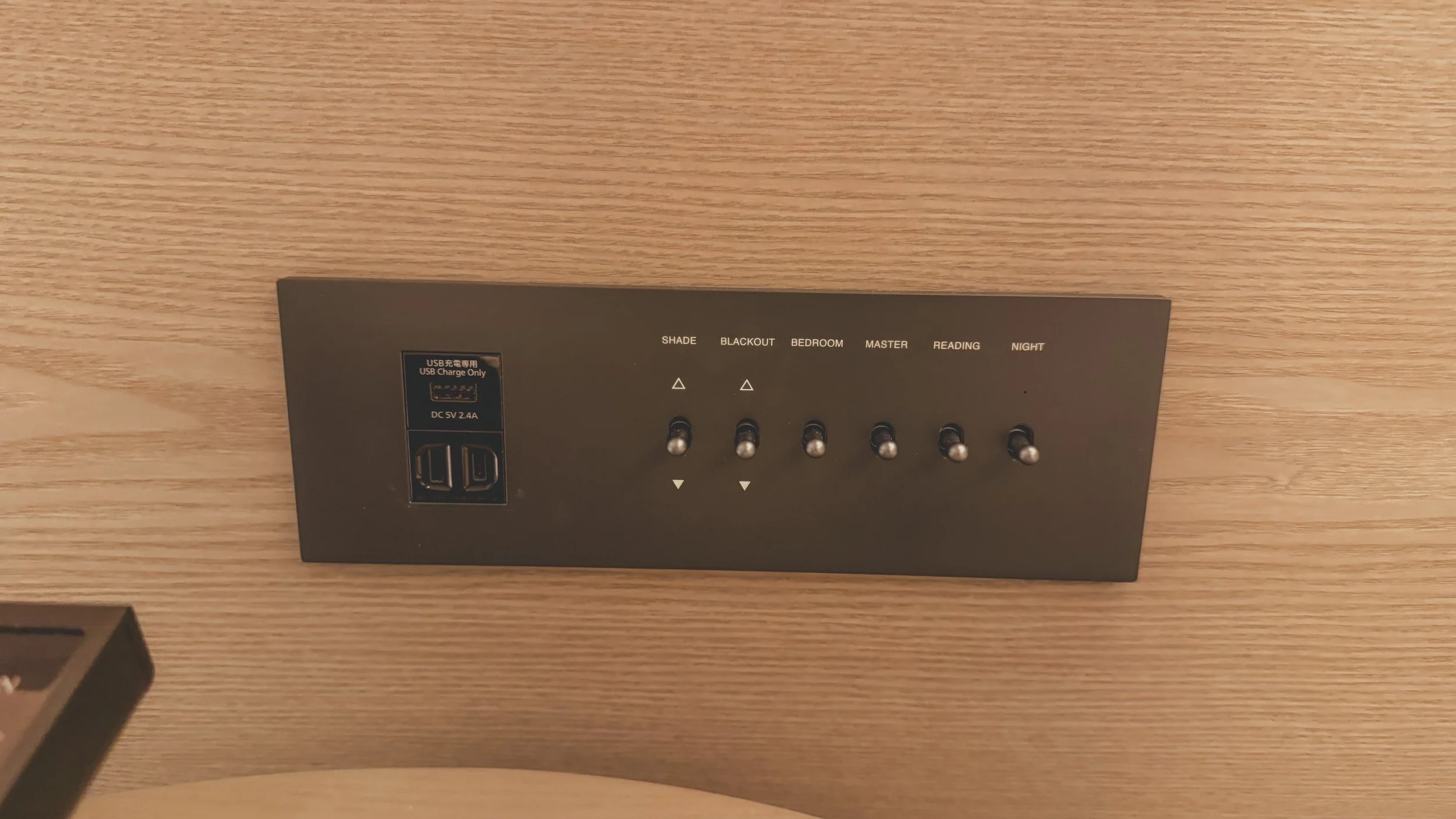
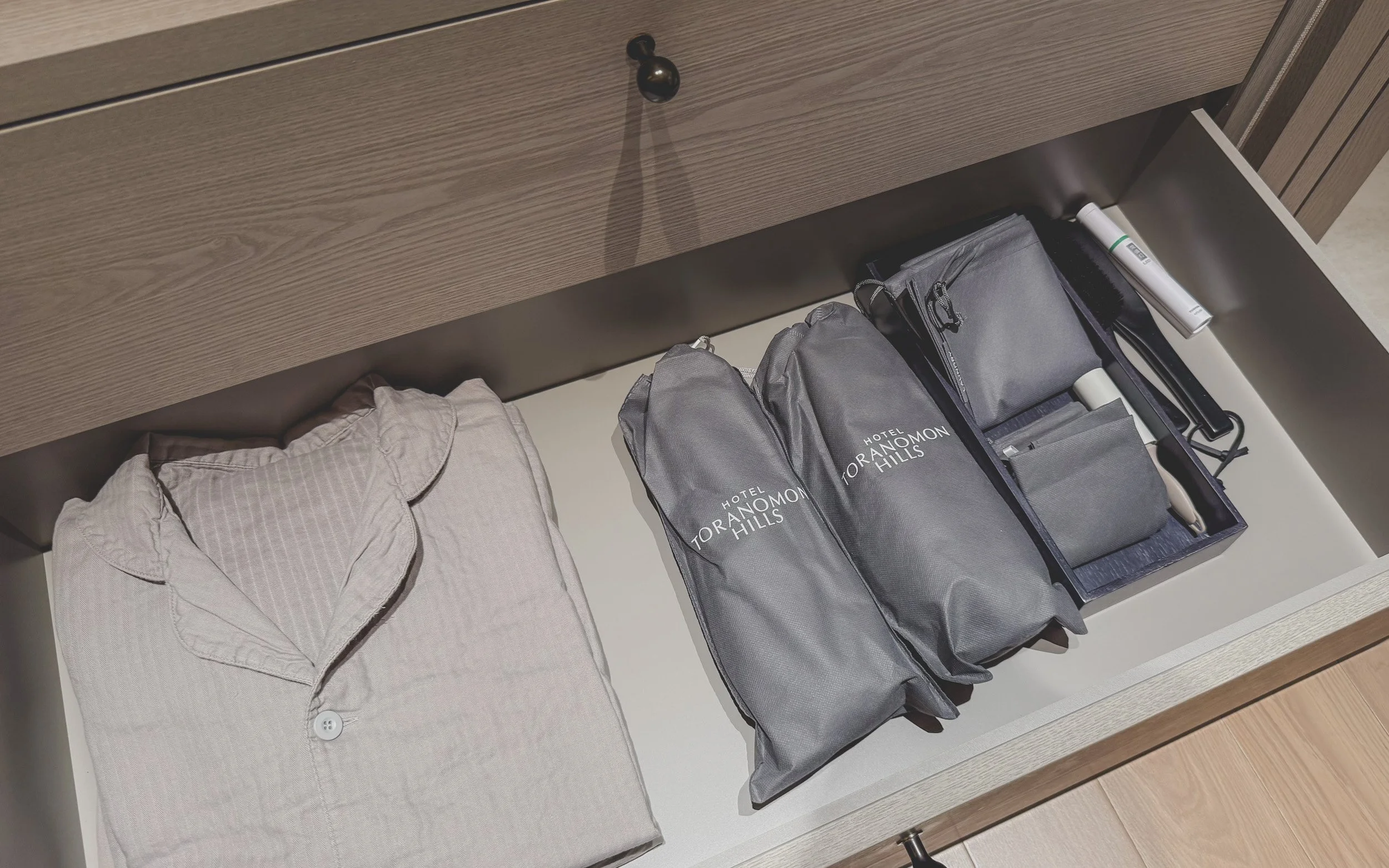
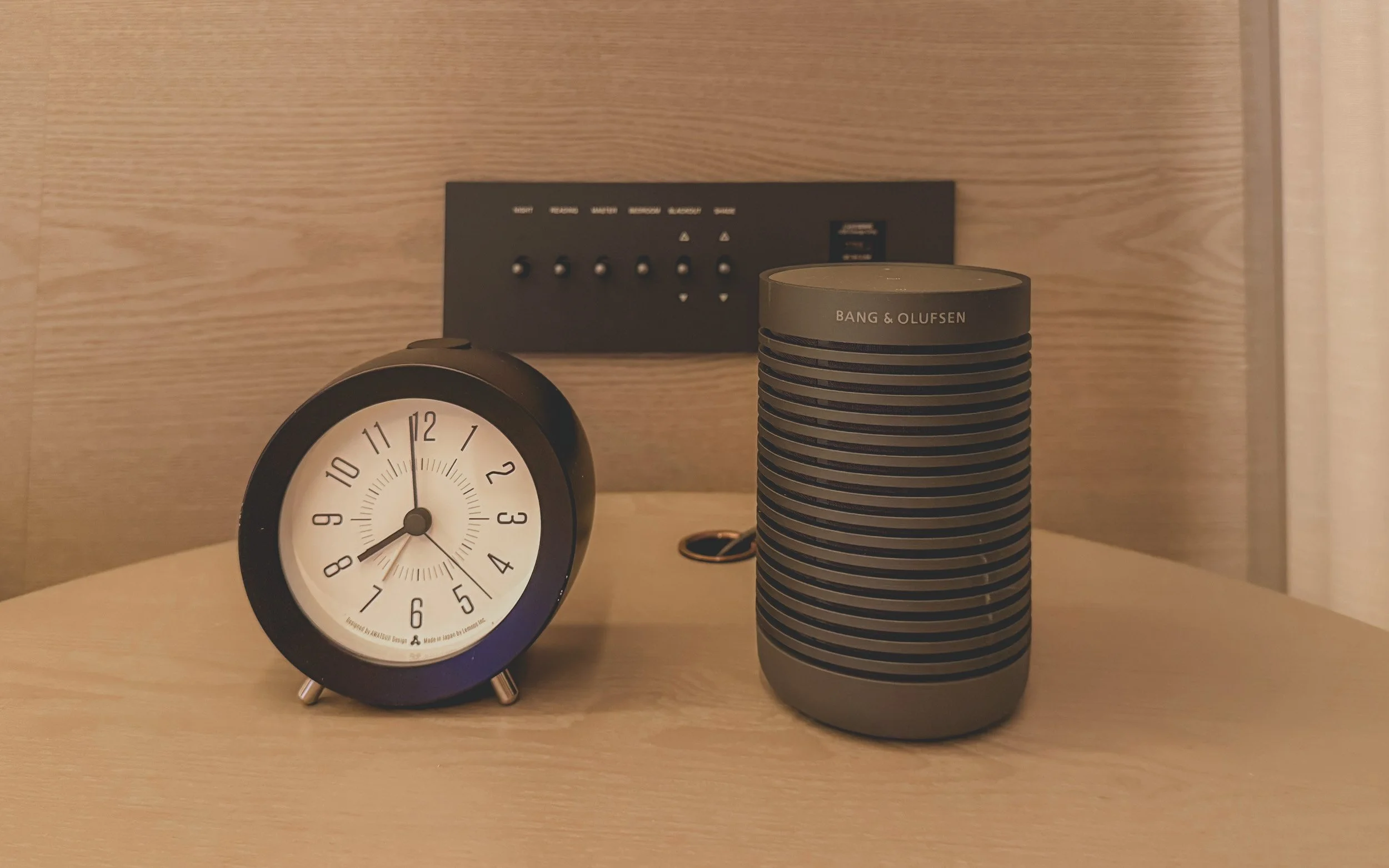
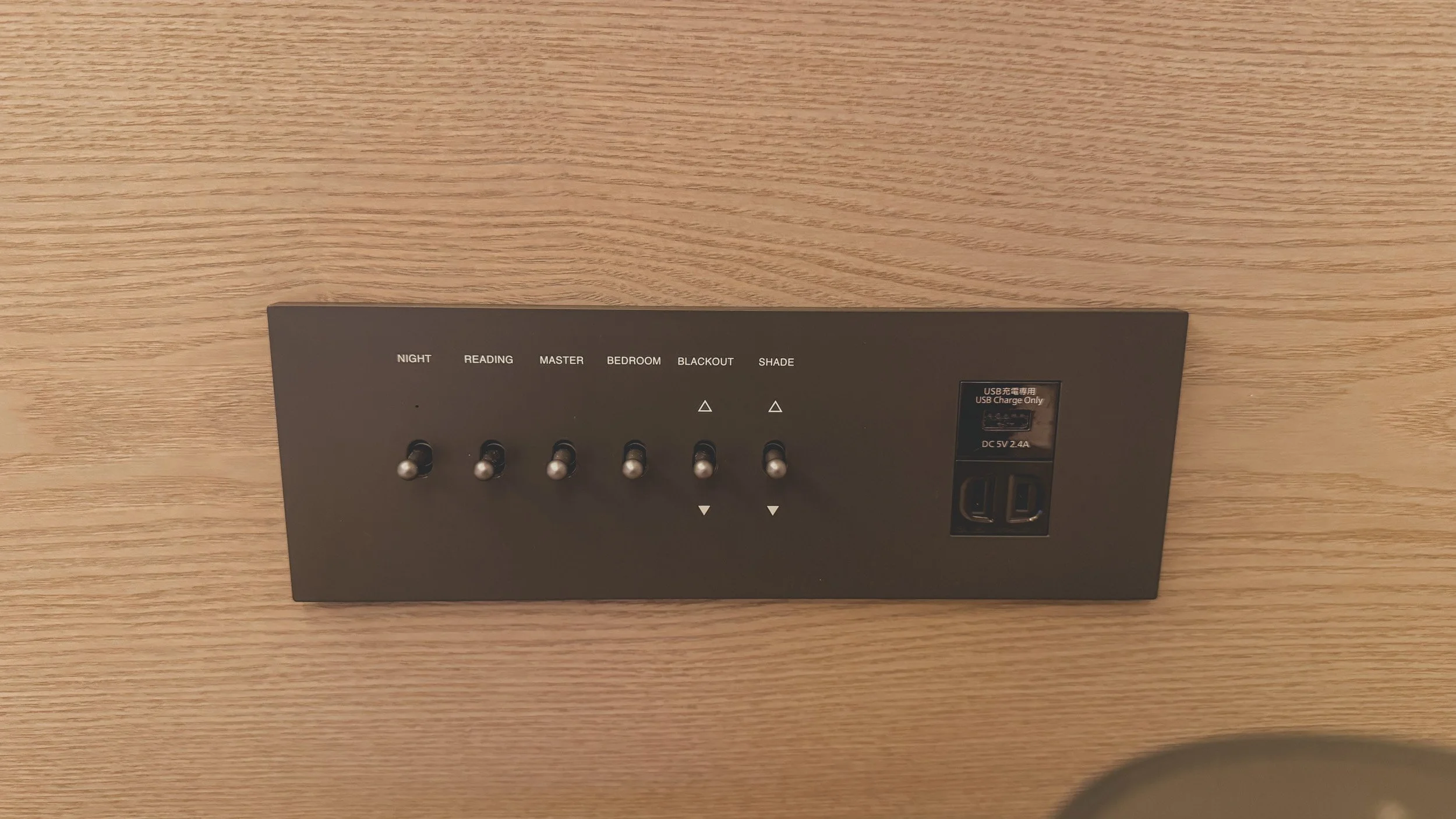
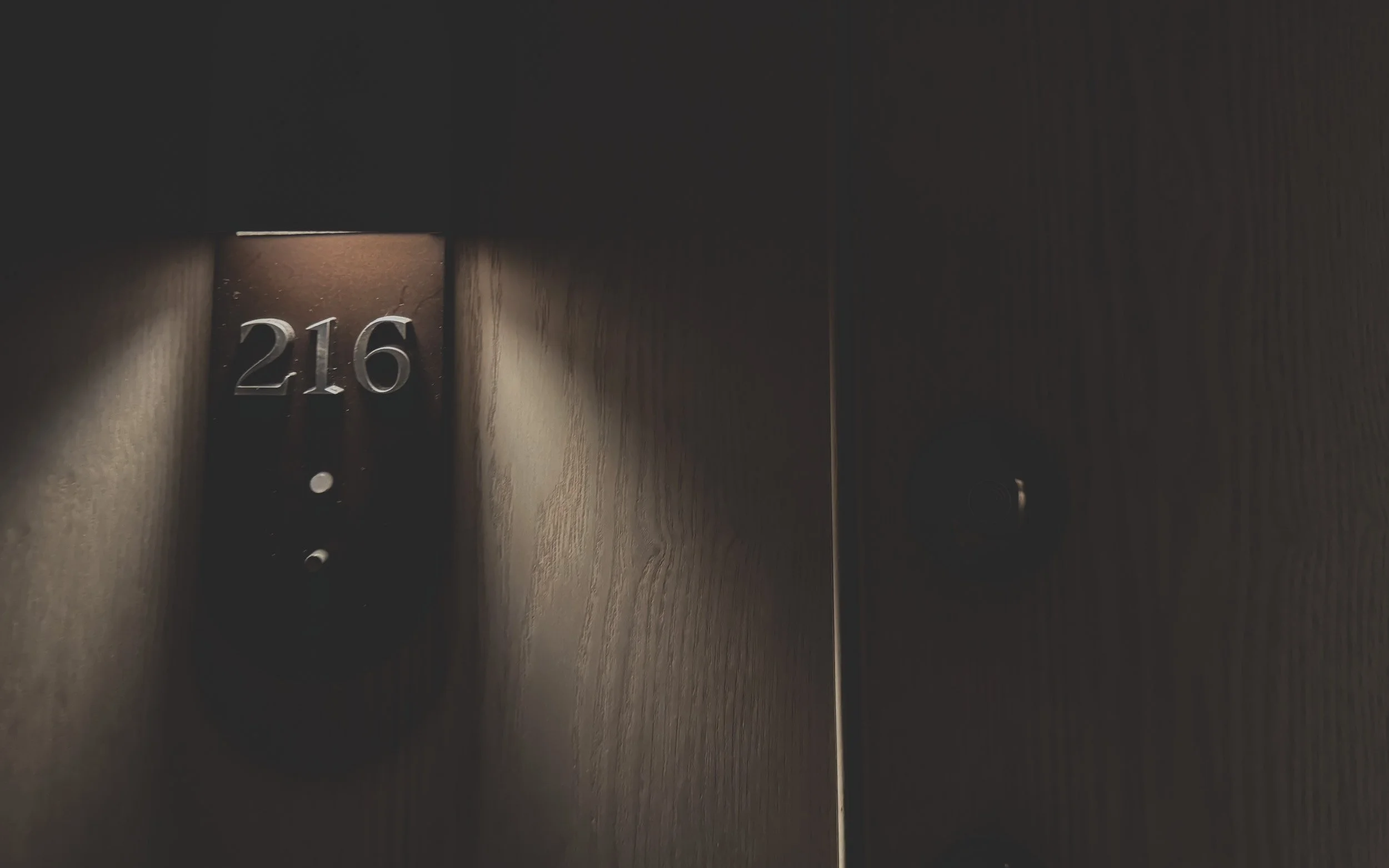
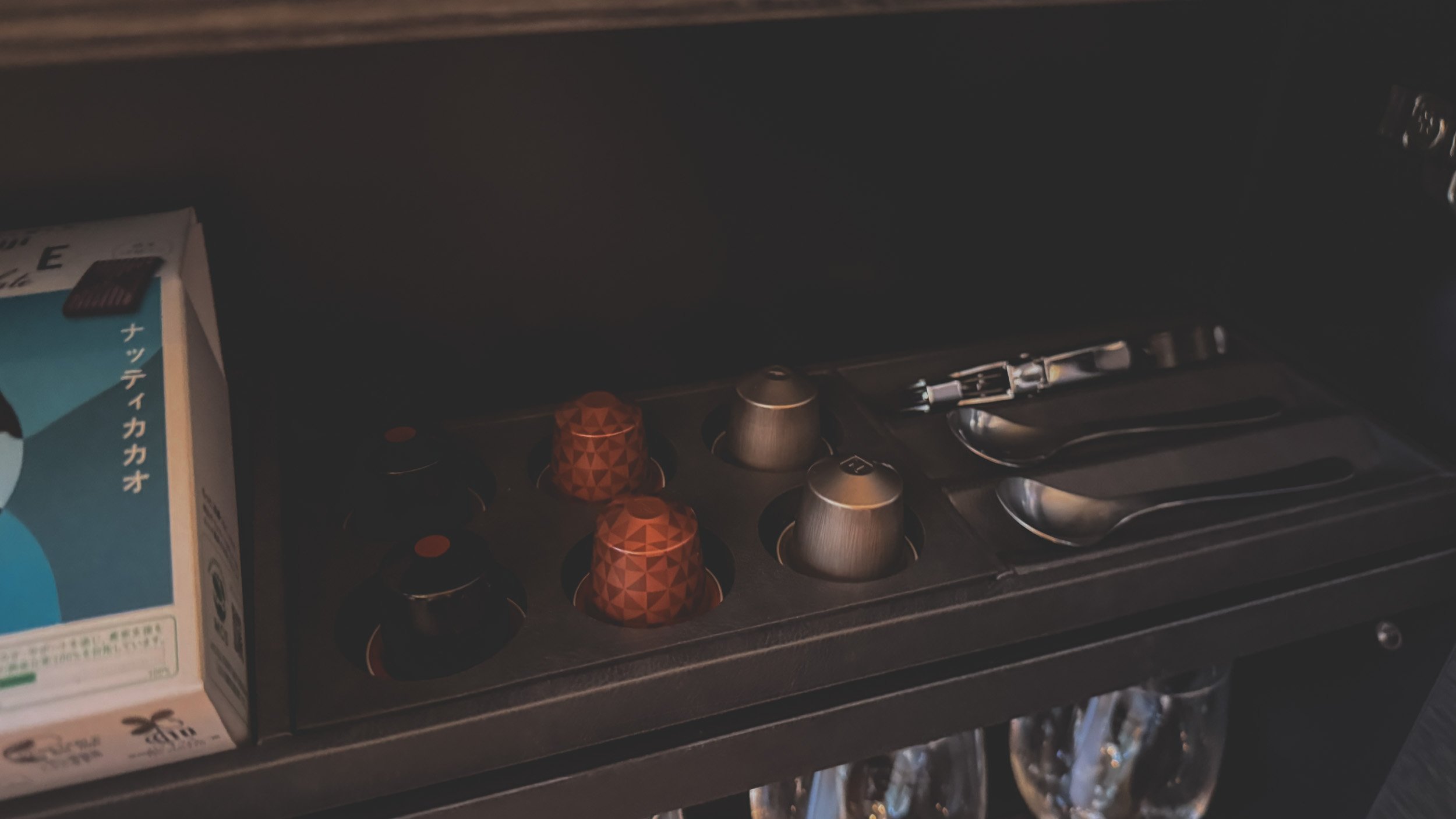
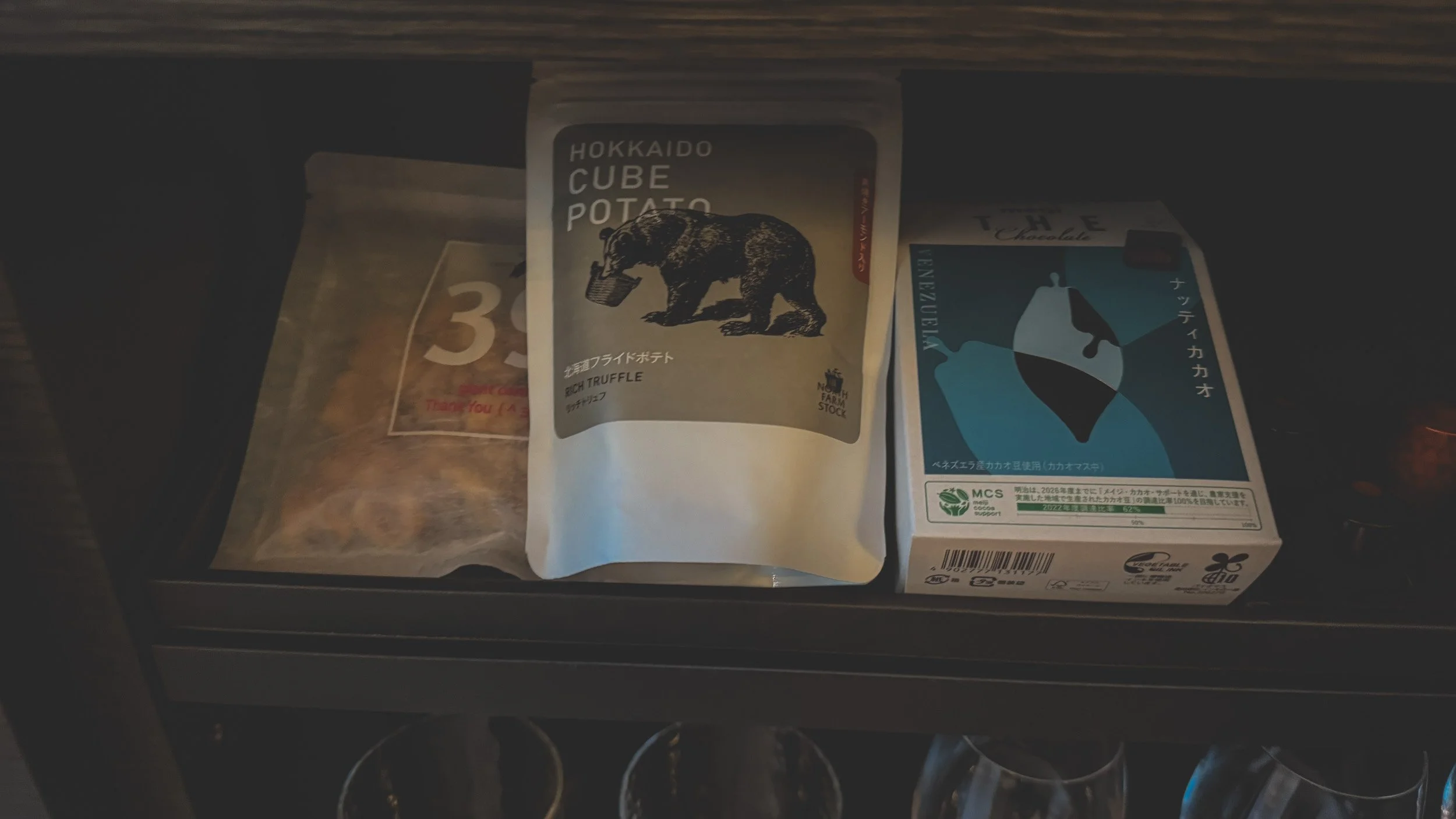
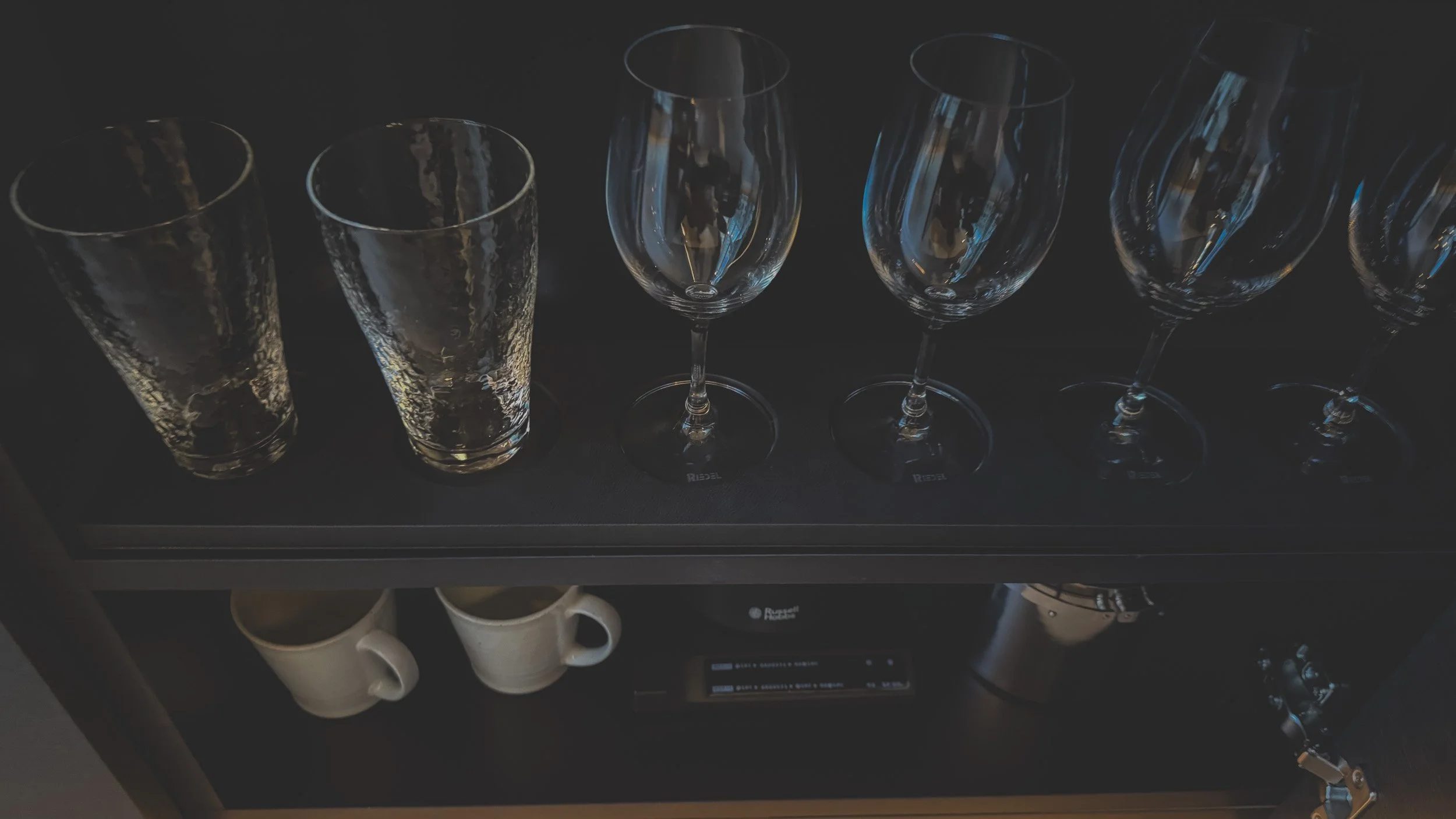
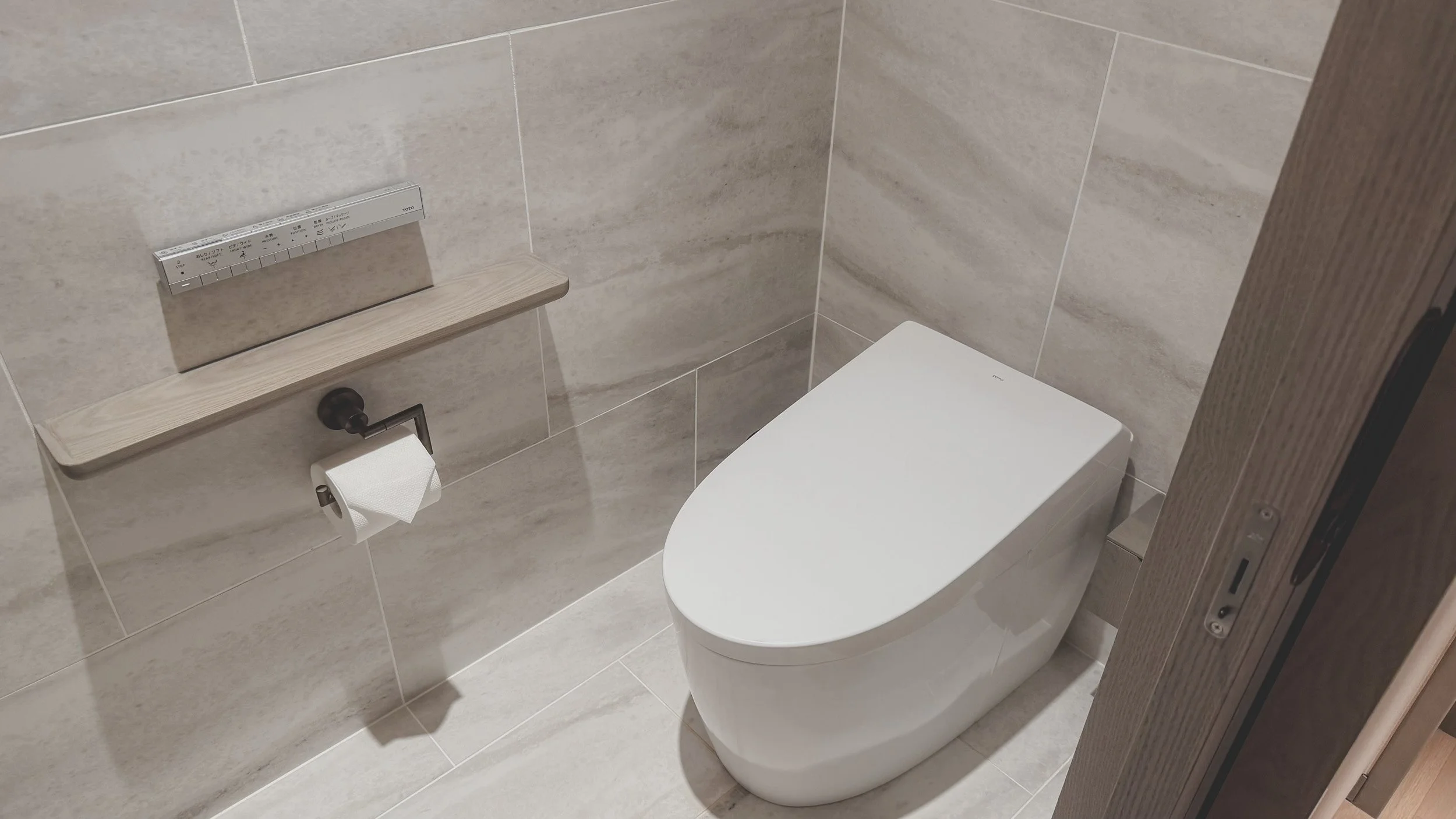
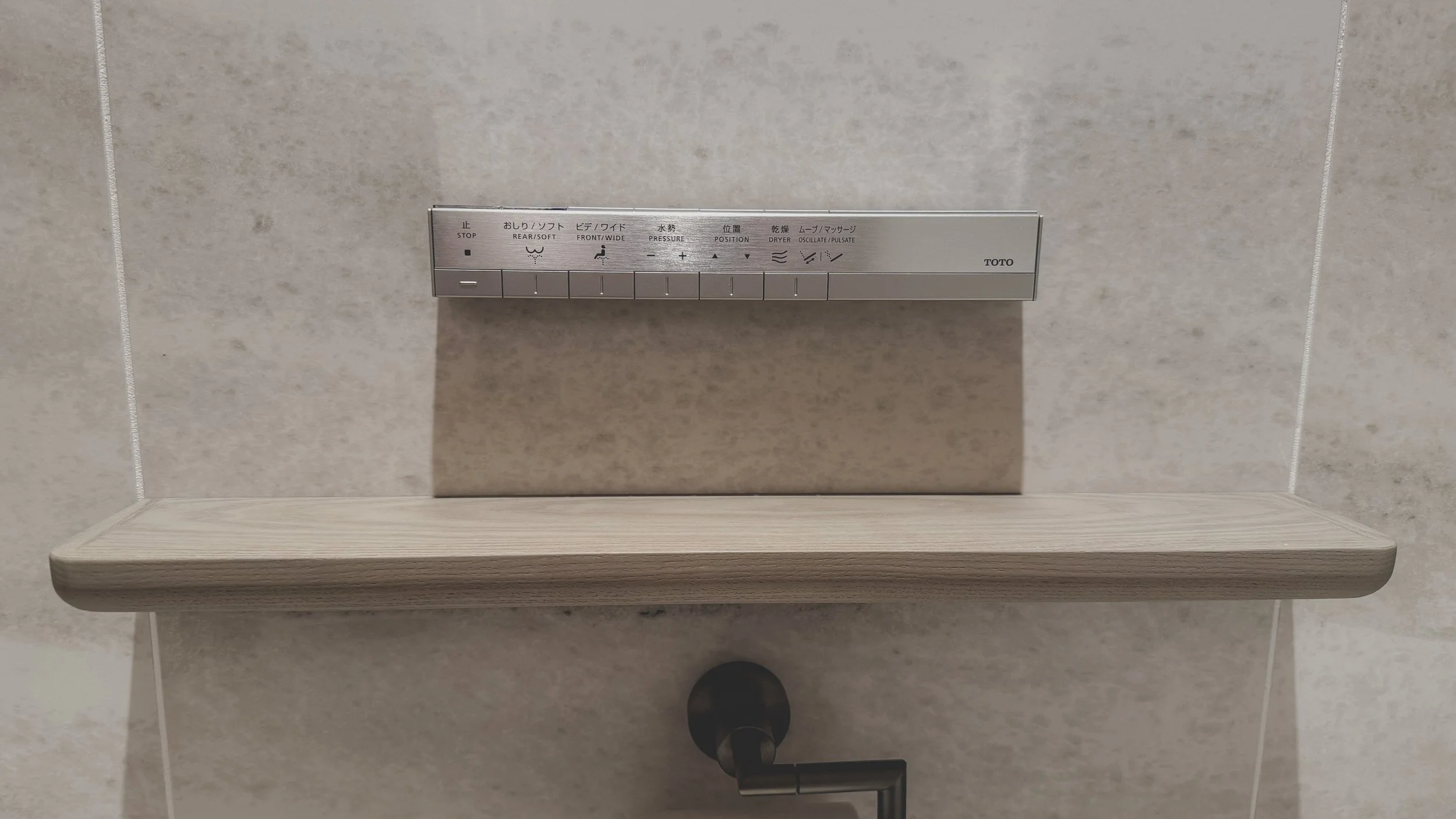
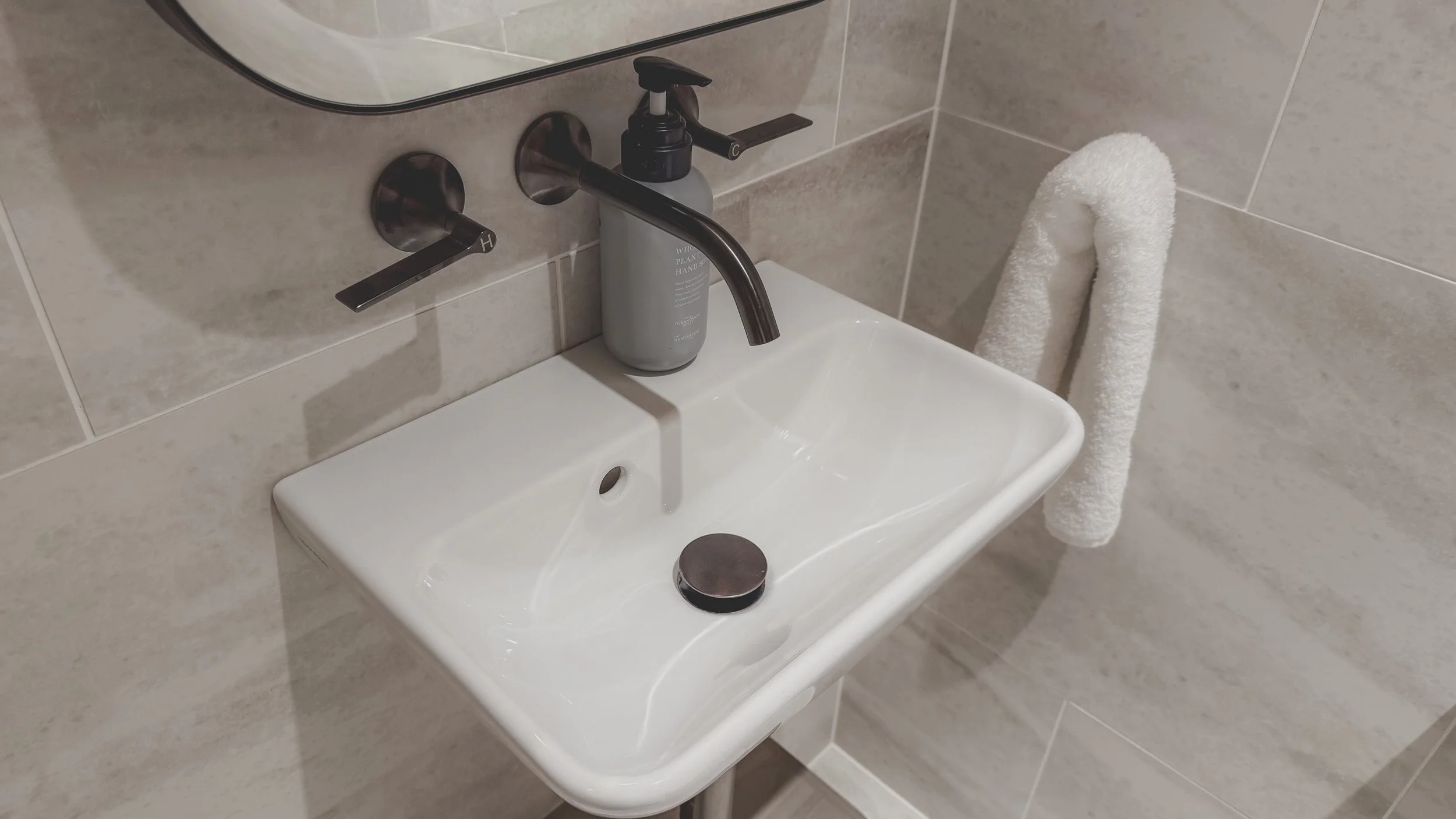
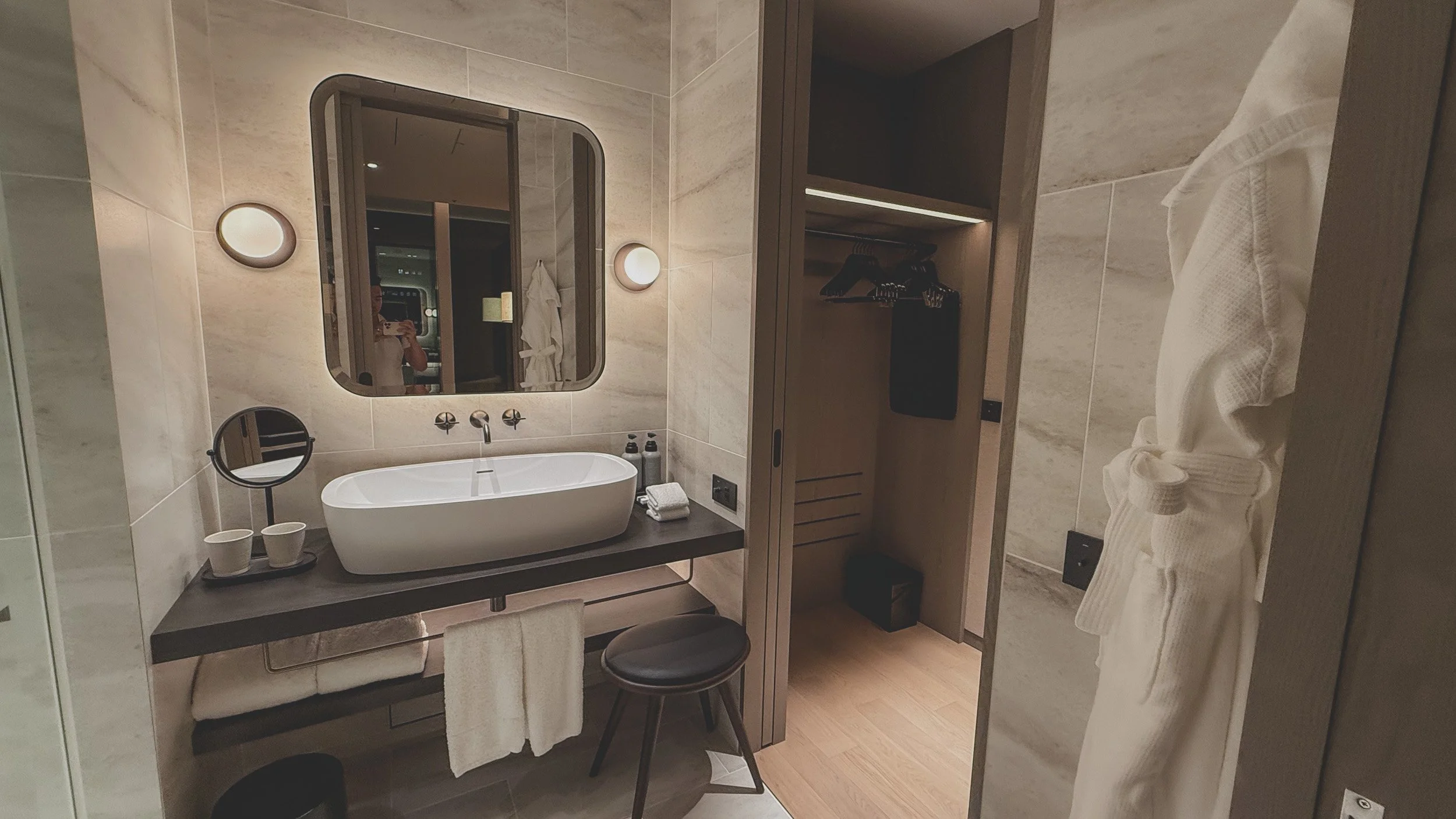
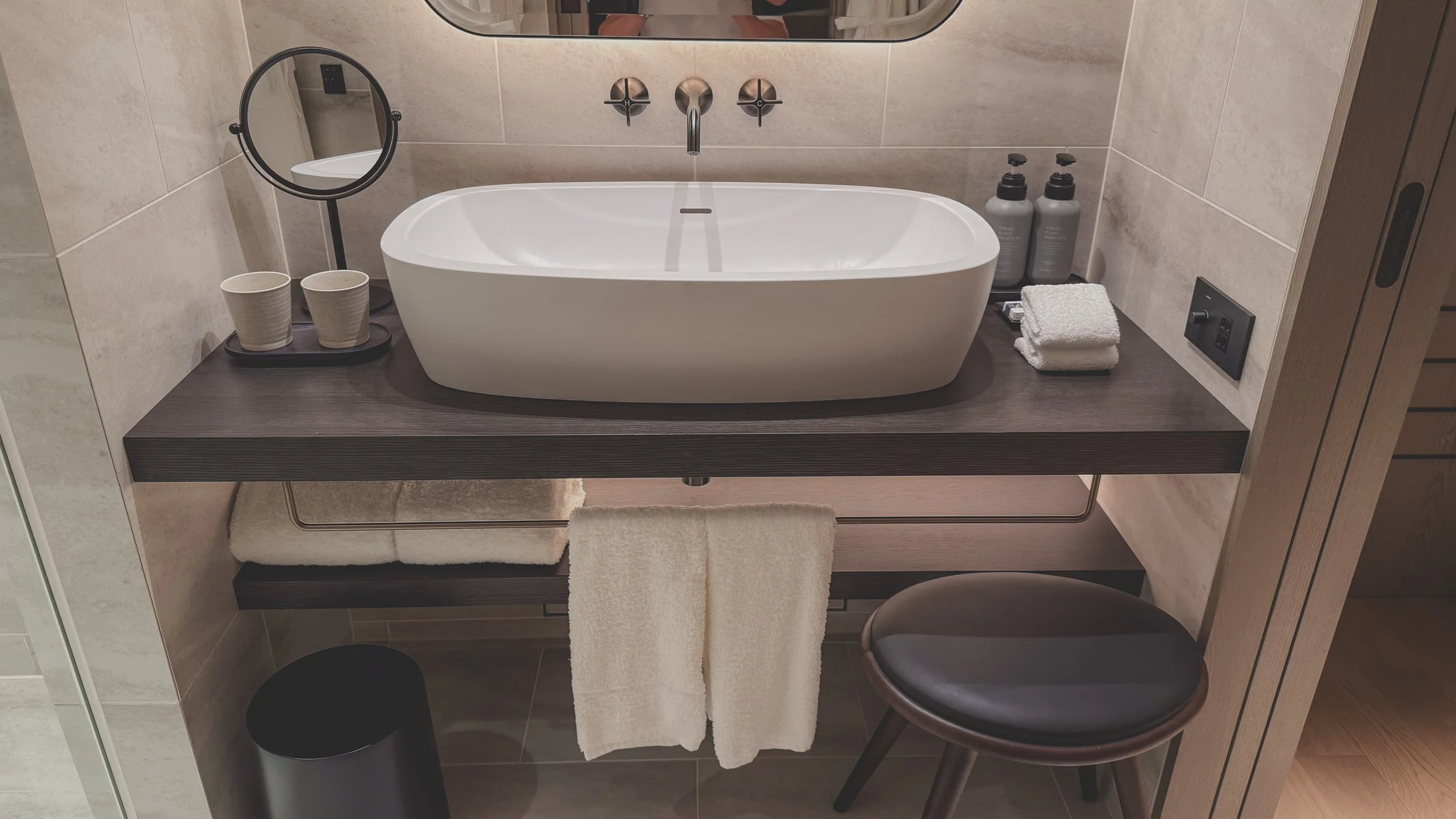
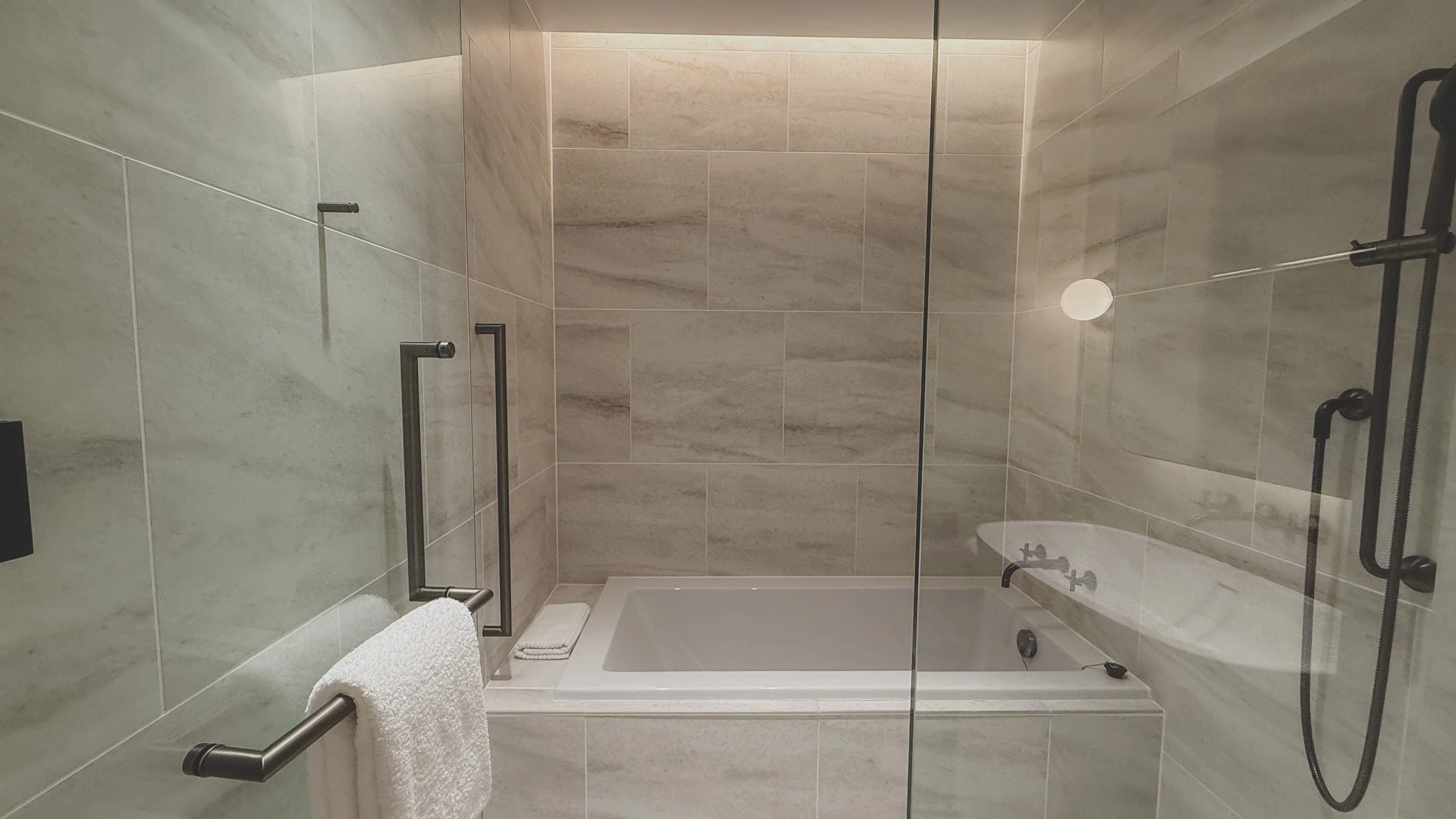
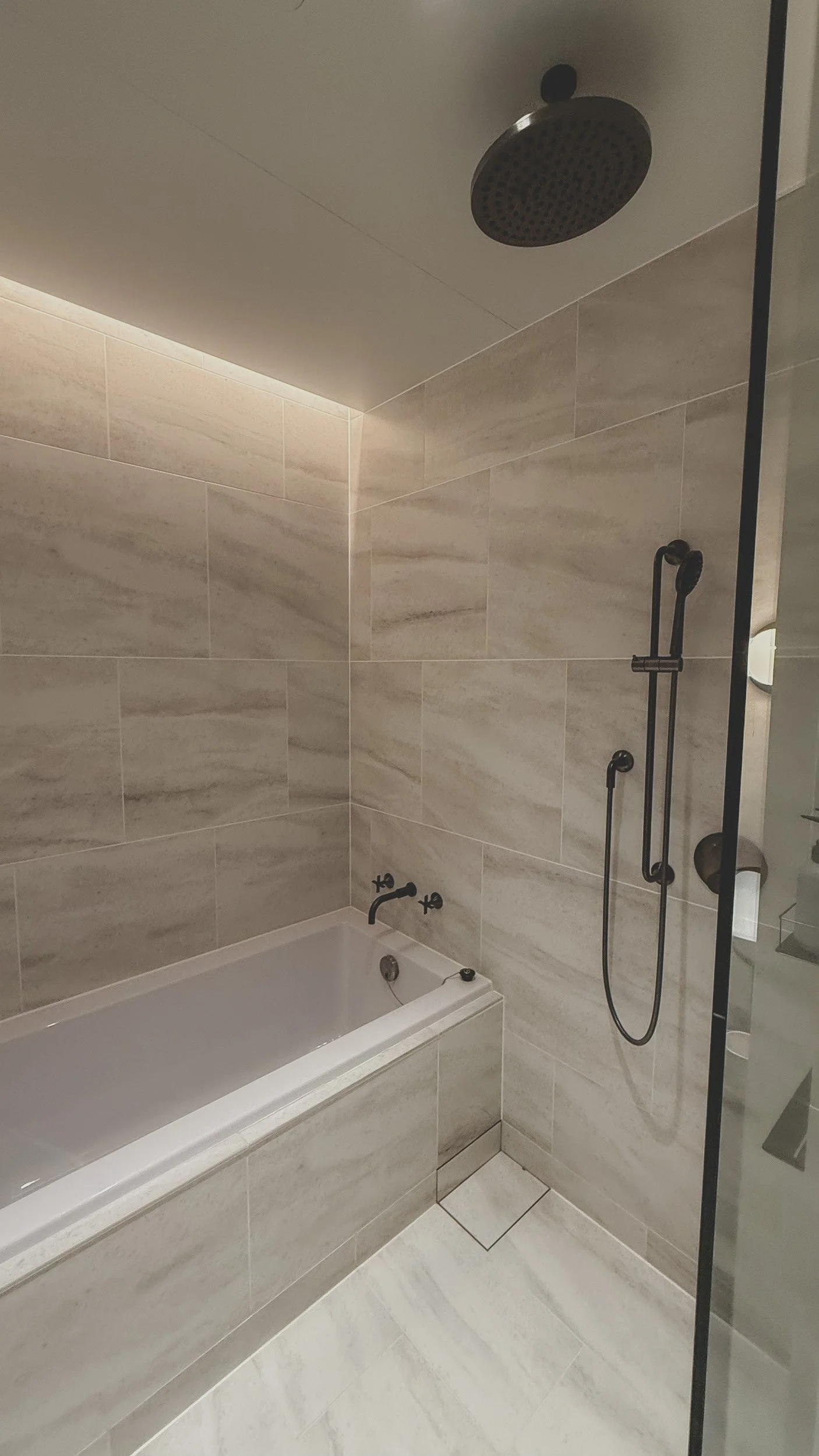
The bathroom in the Corner Suite is where the "Wet Suite" concept reaches its zenith. Unlike the efficient shower-only configurations found in the standard rooms, the suite offers a sprawling, spa-like sanctuary centered around a deep-soaking, ofuro-style bathtub positioned strategically against the glass. There is a visceral, almost cinematic pleasure in soaking while the neon lights of the Minato district twinkle thousands of feet below. The dark stone-clad walls and soft, indirect lighting transform the space from a mere utility into a private temple of restoration.
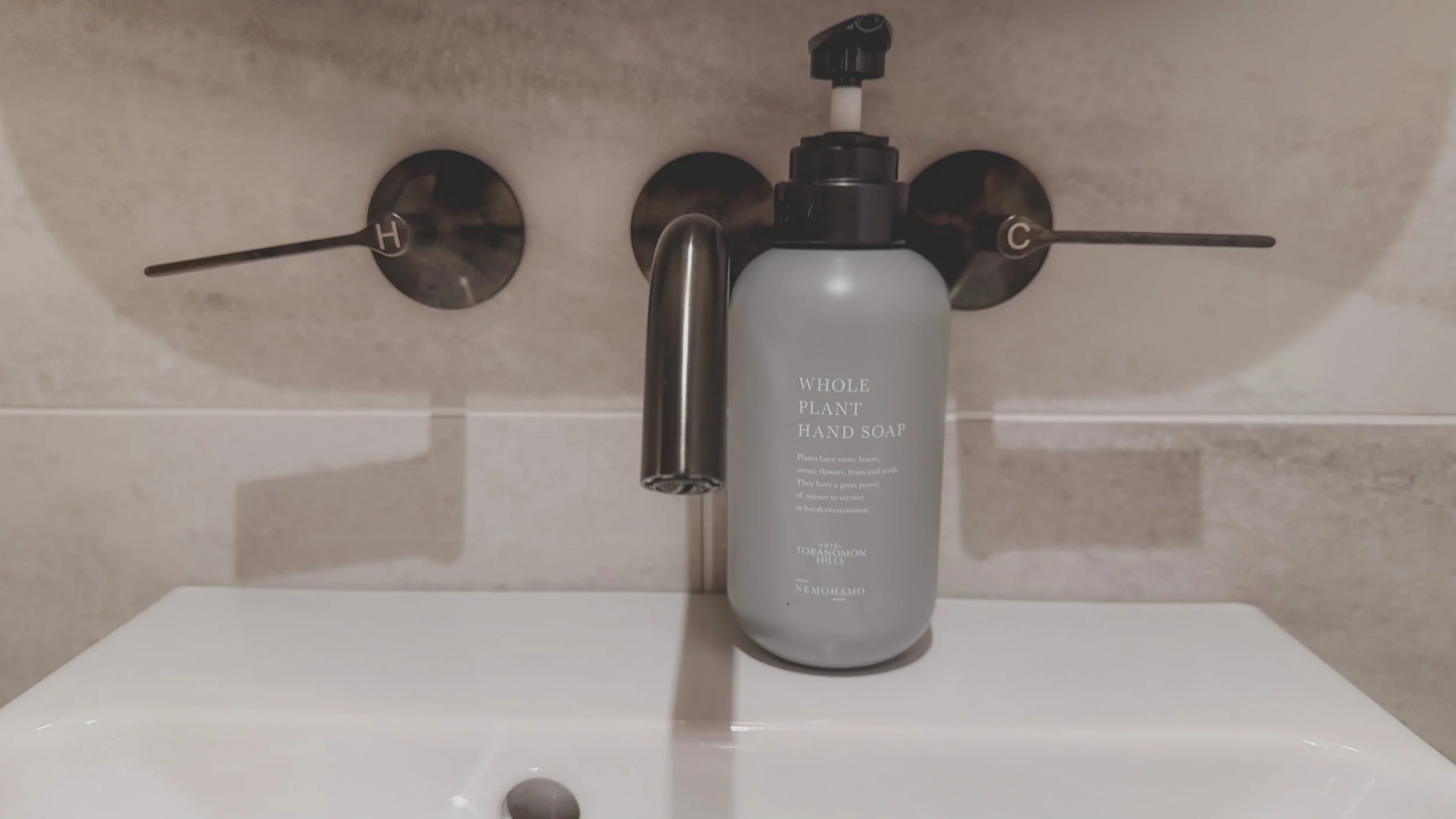
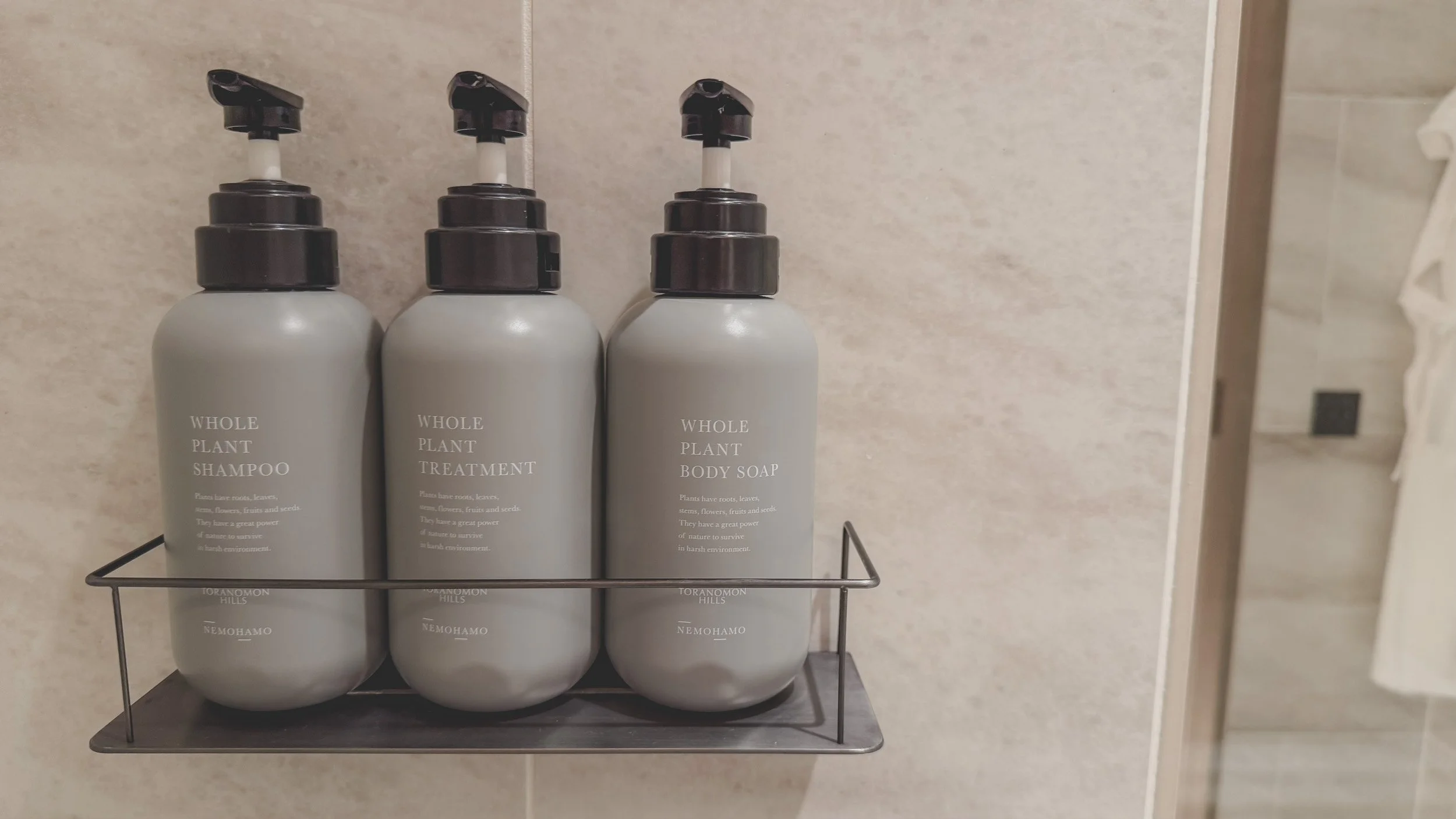
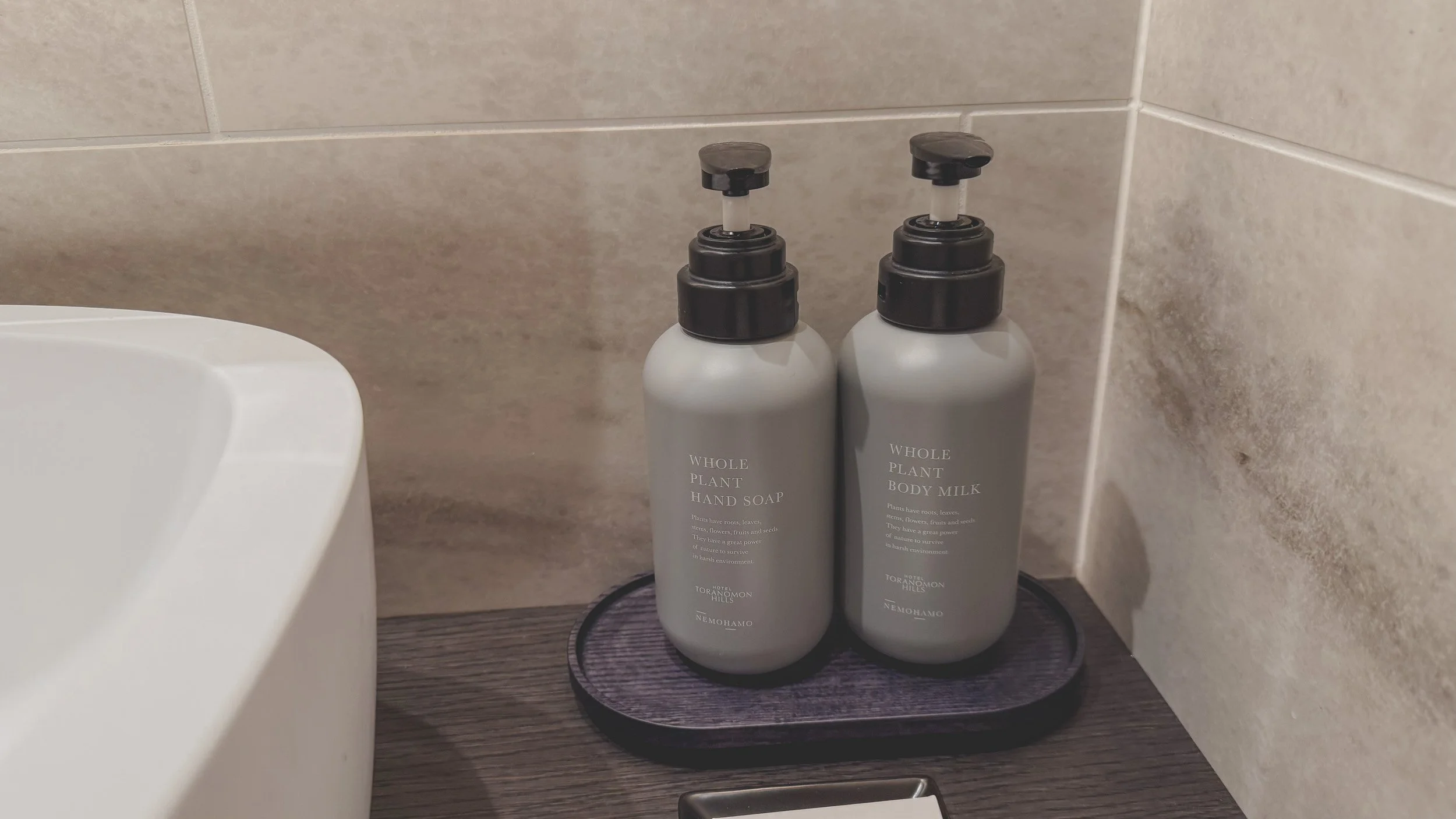
Dual vanities and an oversized walk-in rain shower provide a generous sense of space, ensuring the morning ritual never feels hurried. The inclusion of the Nemohamo apothecary line feels particularly resonant here; the earthy, root-based scents harmonize with the natural stone and timber finishes of the suite. It is a space that prioritizes the sensory experience of water—pressure, temperature, and perspective—reminding the guest that in a city as fast as Tokyo, the ultimate luxury is the ability to simply stop and be still.
The Lounge
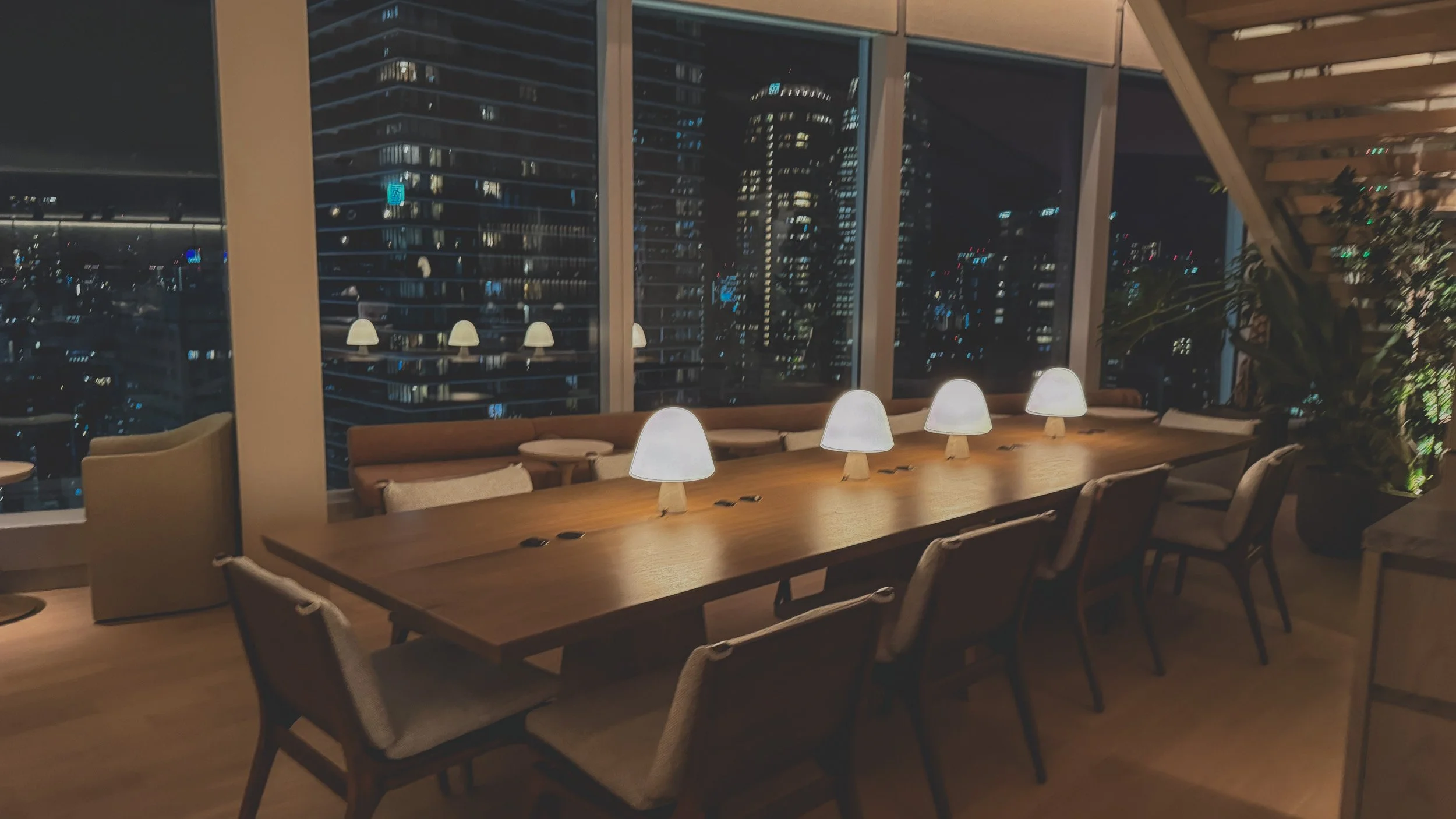
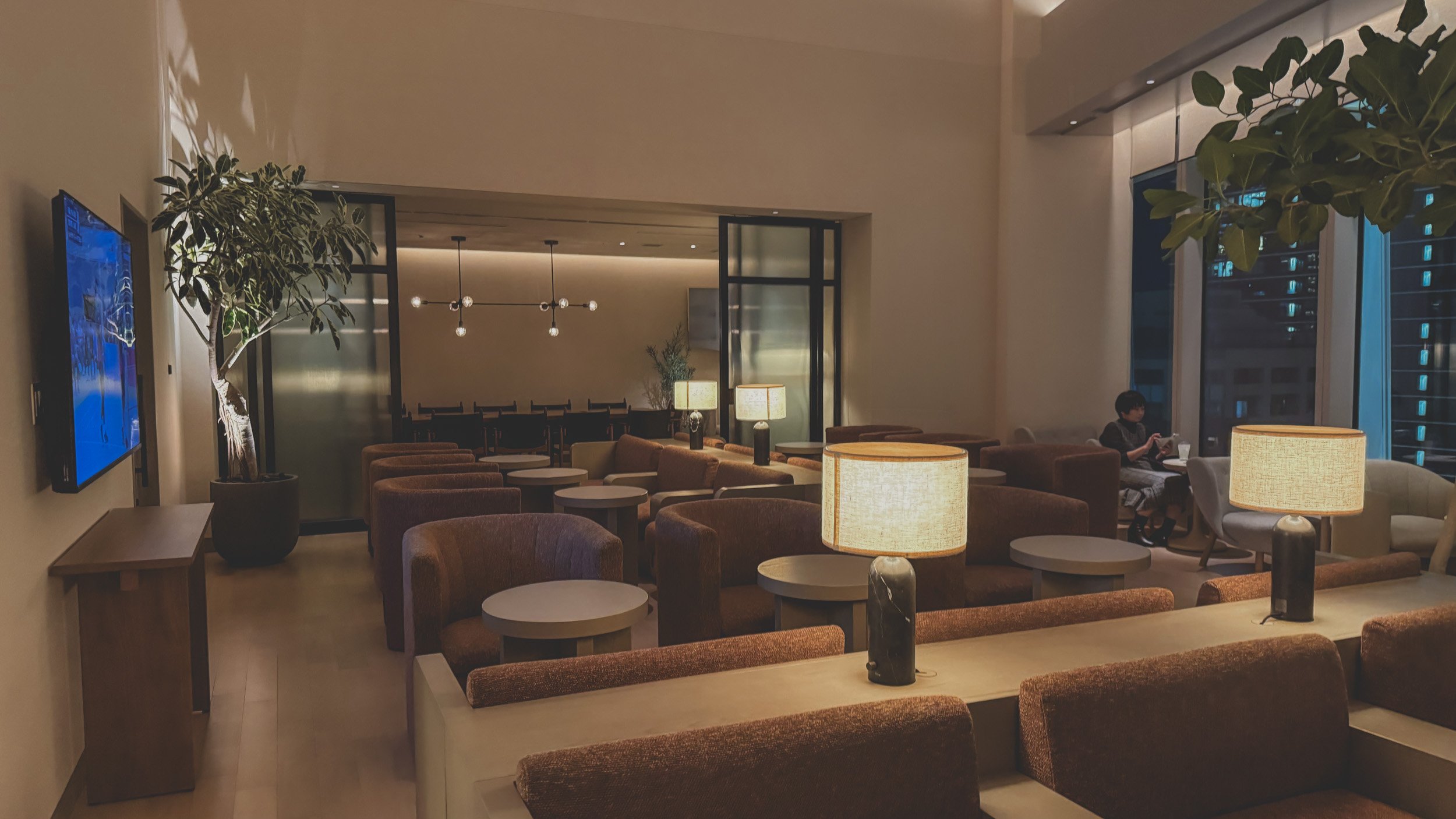
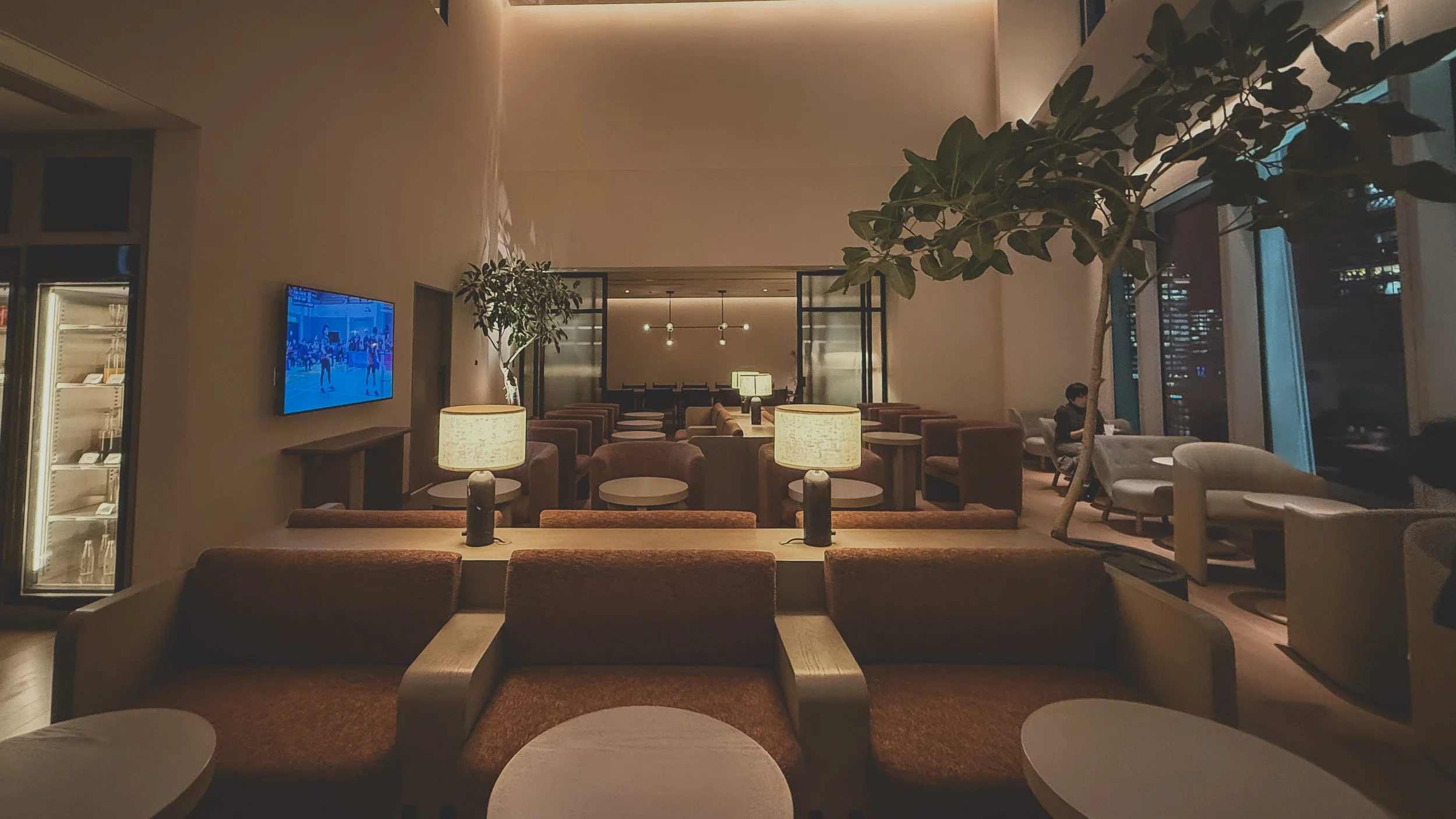
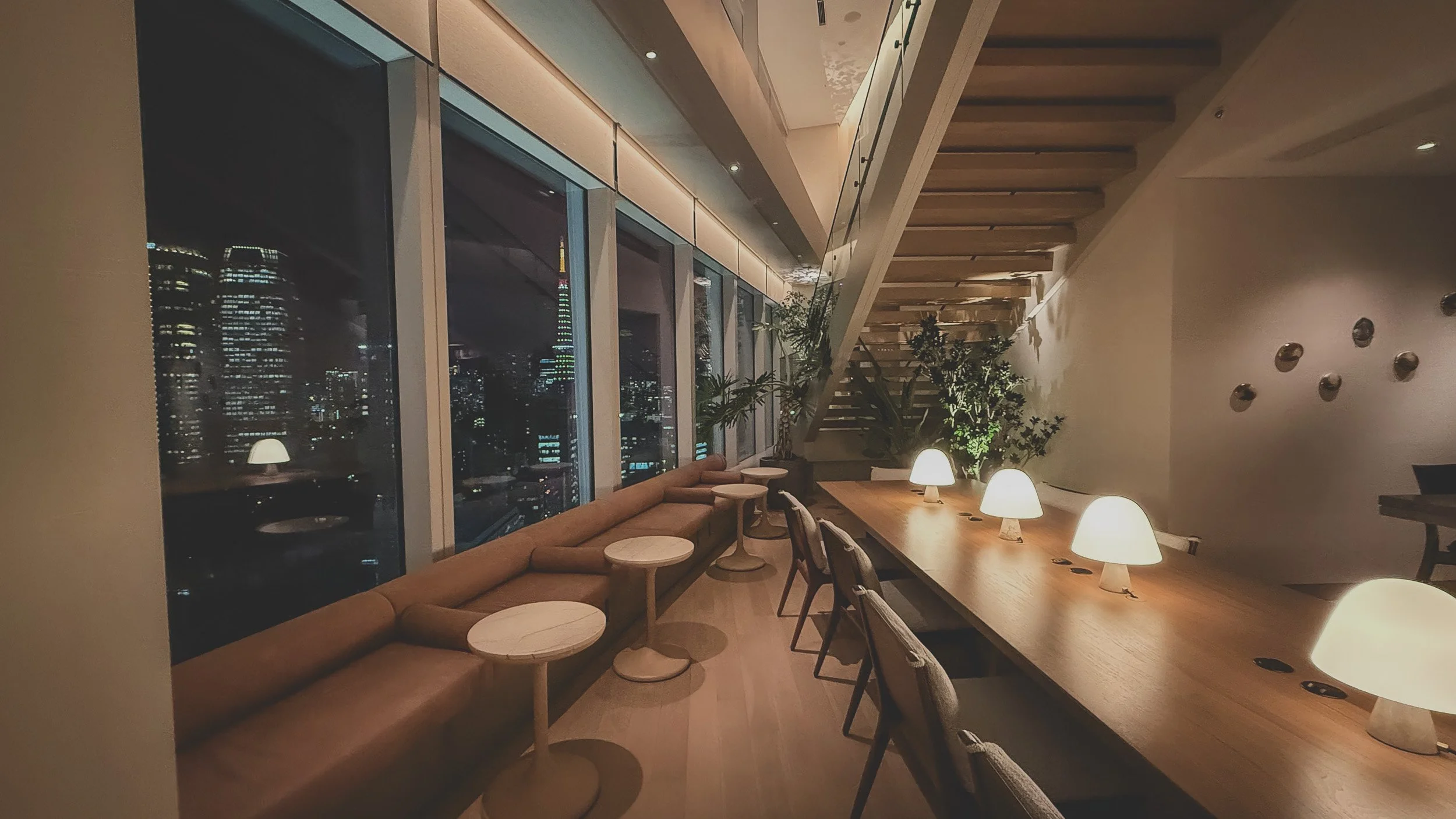
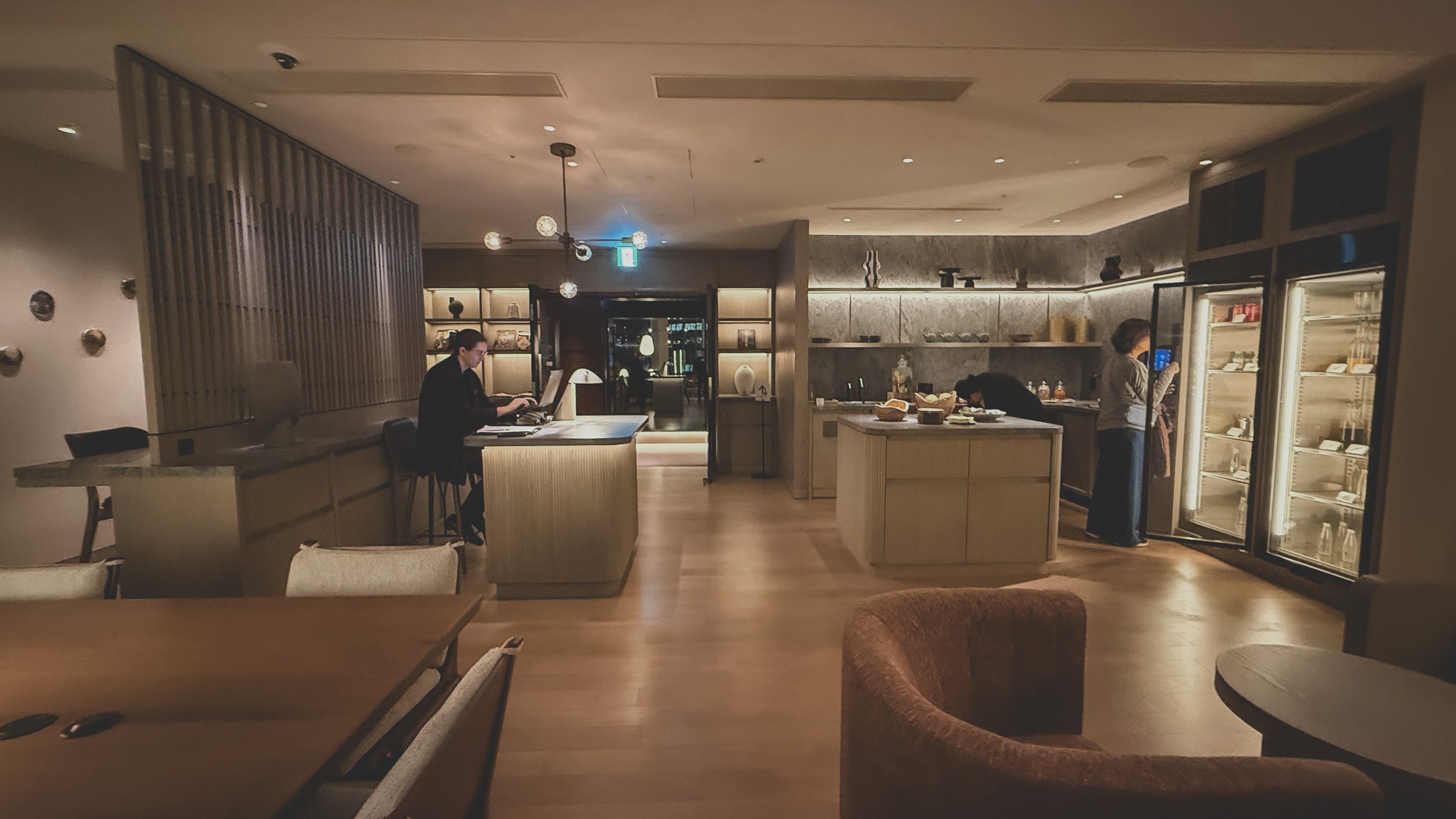
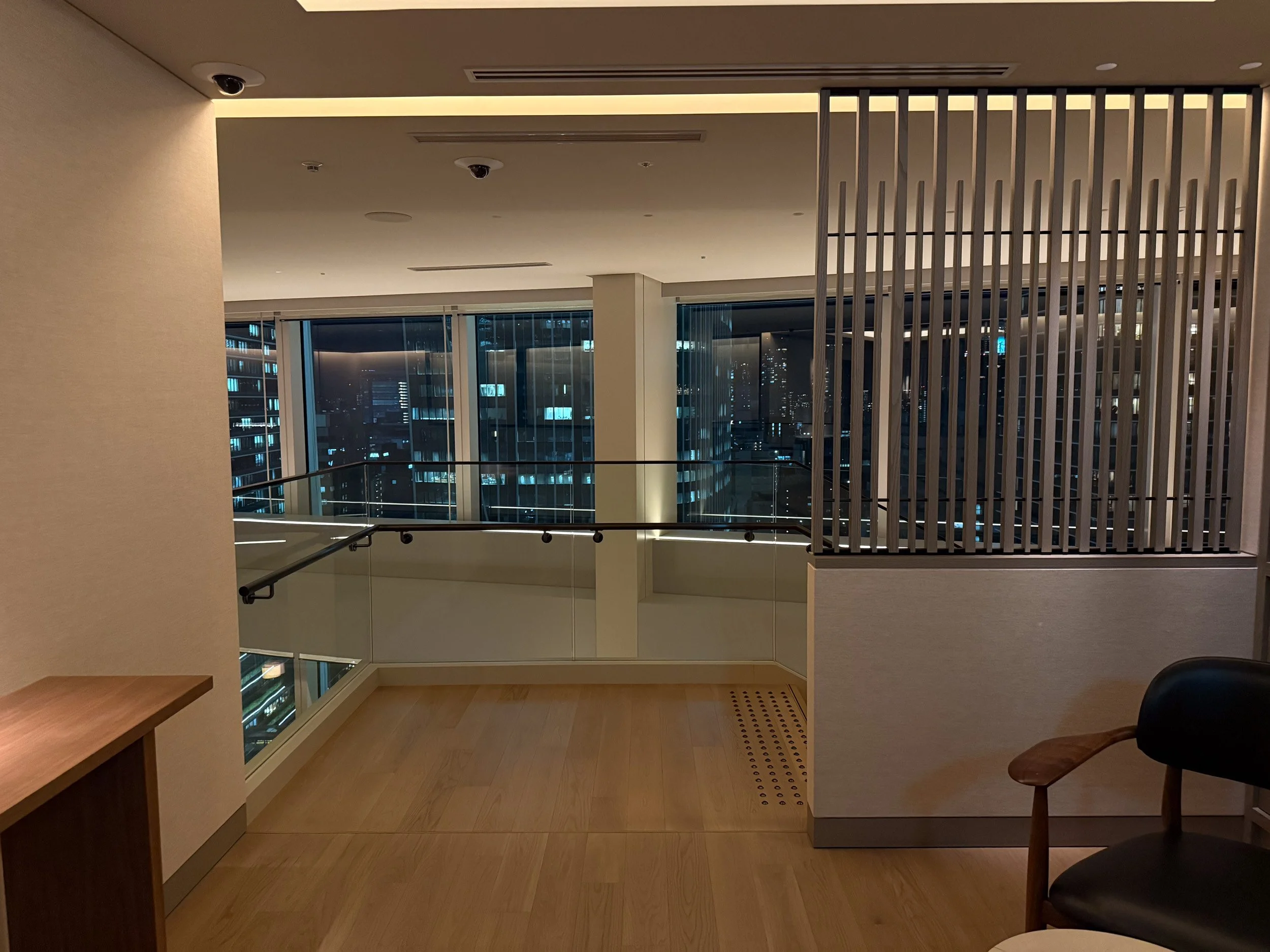
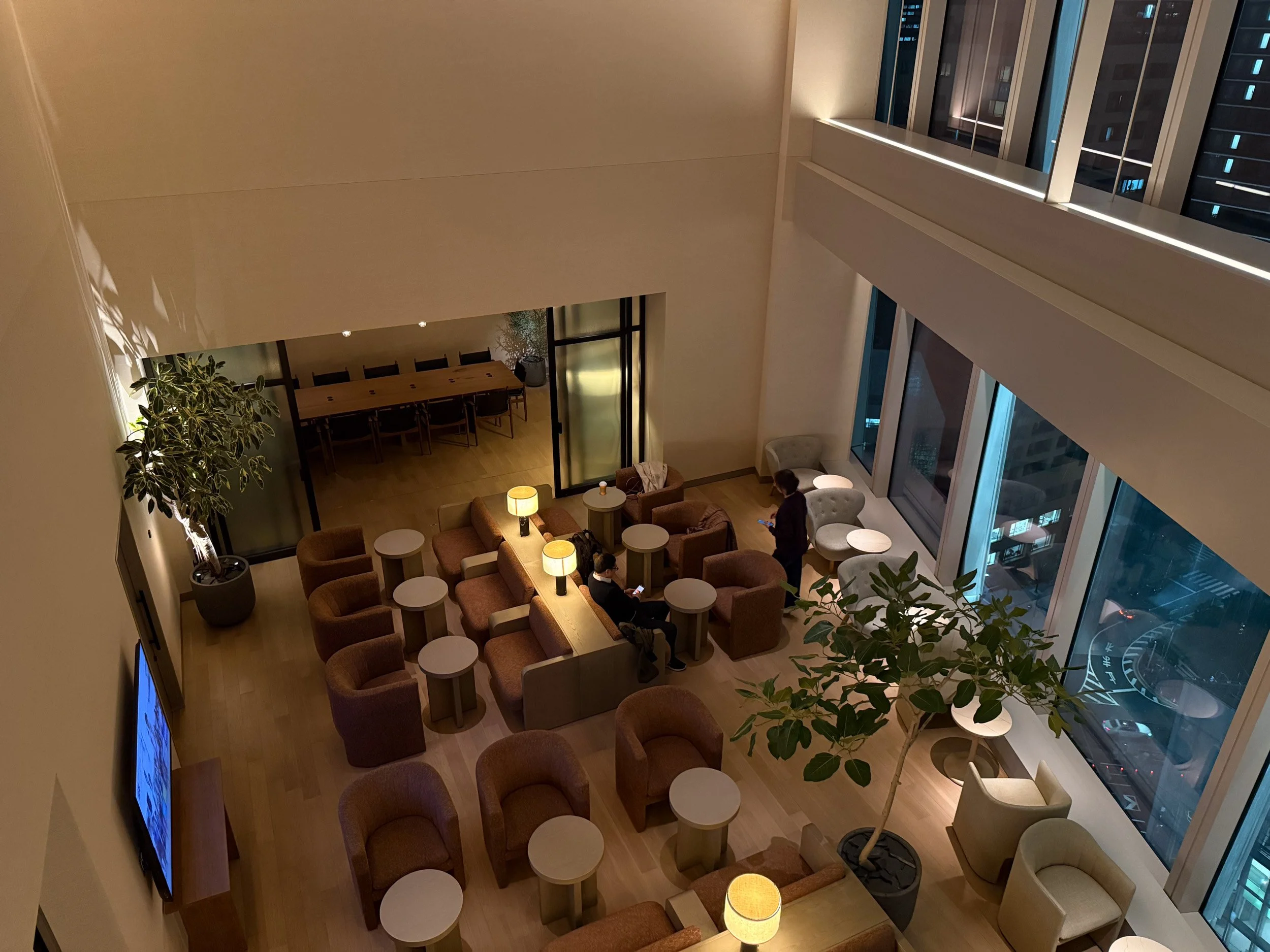
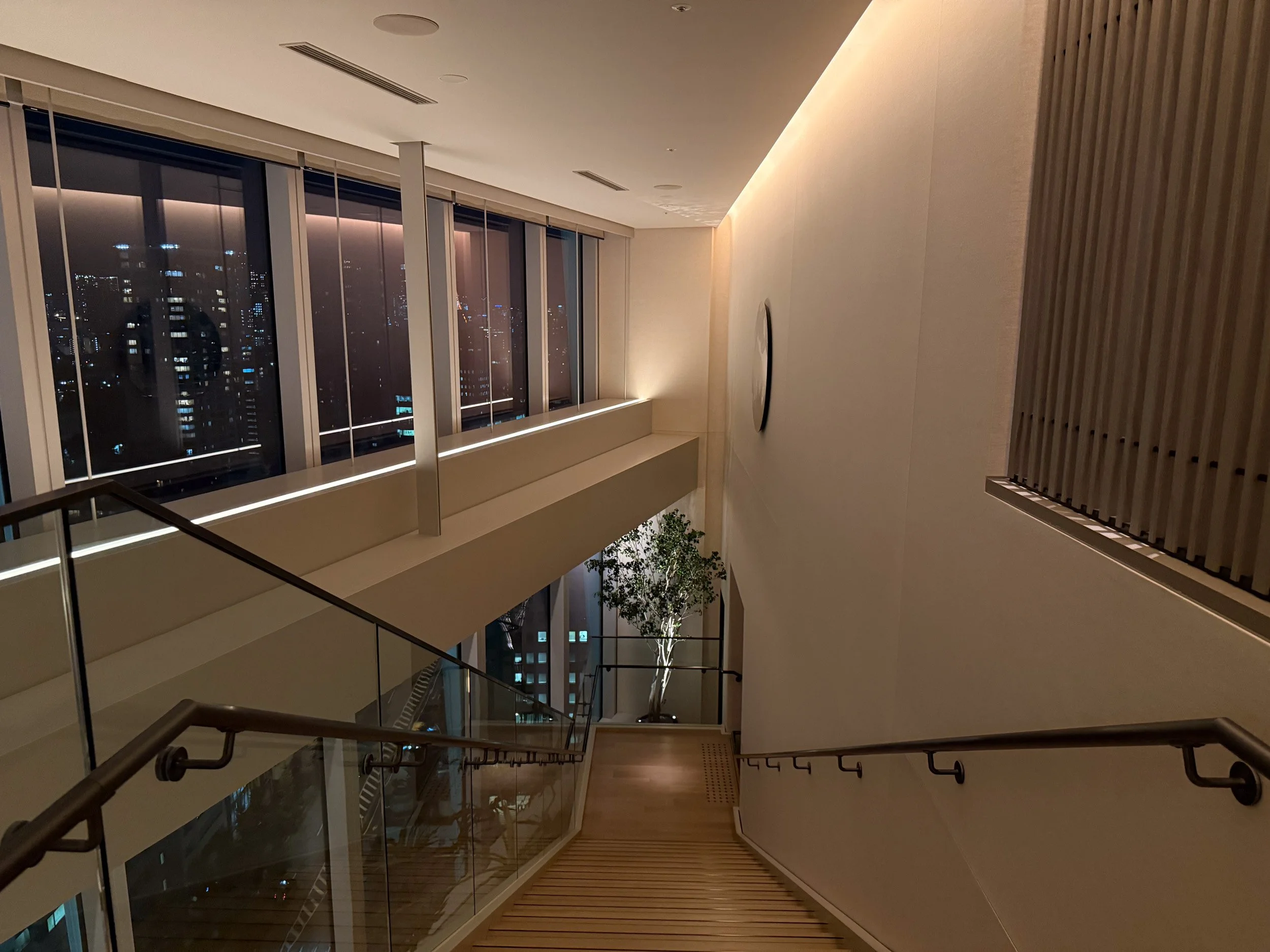
Many hotels provide a "lounge" as a simple value-add, often just a quiet room with a few tired newspapers and a coffee machine. However, THE LOUNGE Click to open side panel for more information at Hotel Toranomon Hills - The Unbound Collection by Hyatt Click to open side panel for more information is a radical departure from this norm. It is a 350-square-meter duplex sanctuary that serves as a masterstroke in logistics, designed specifically to solve the "limbo" that international travelers face when dealing with early morning arrivals or late-night departures.
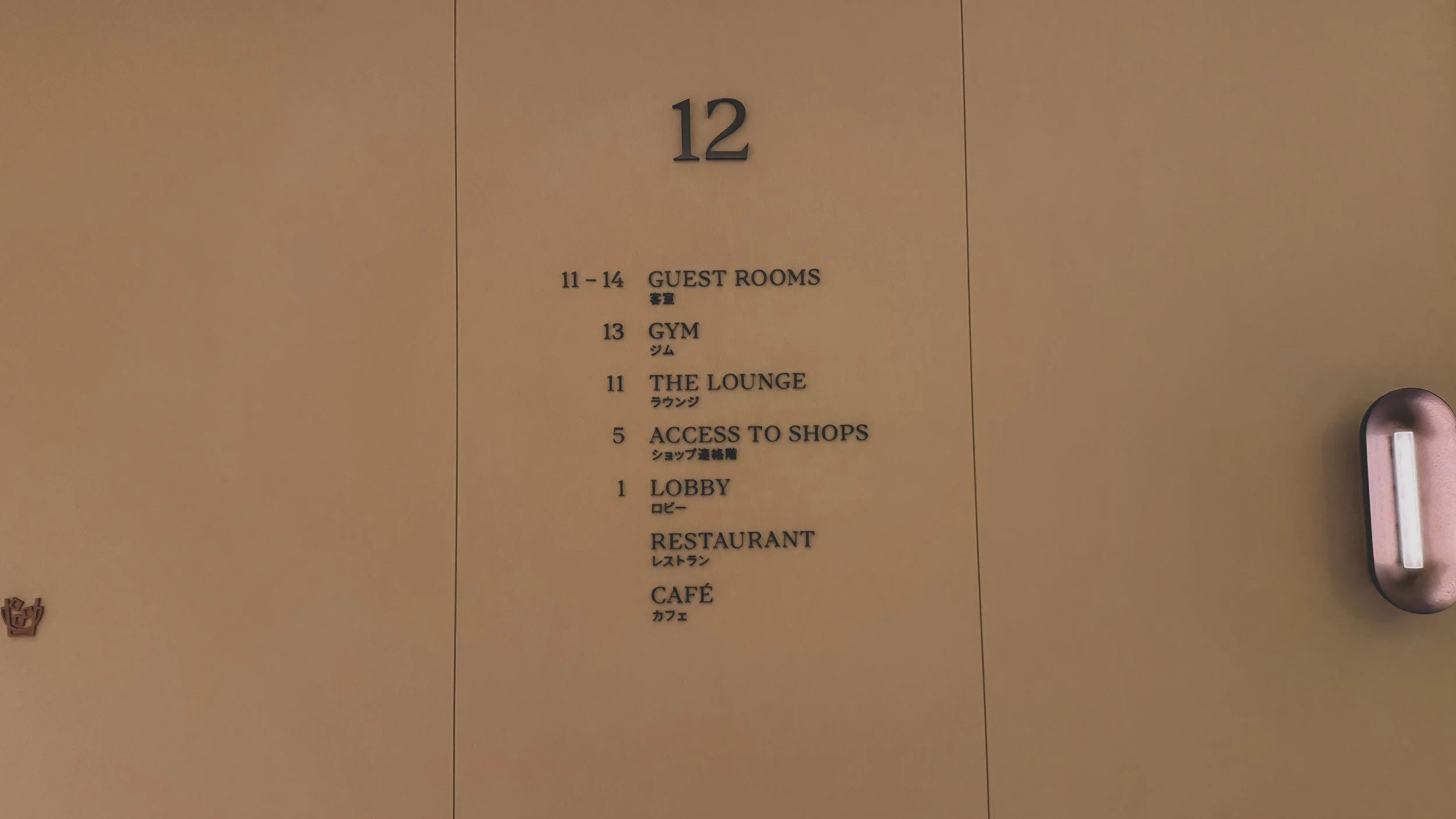
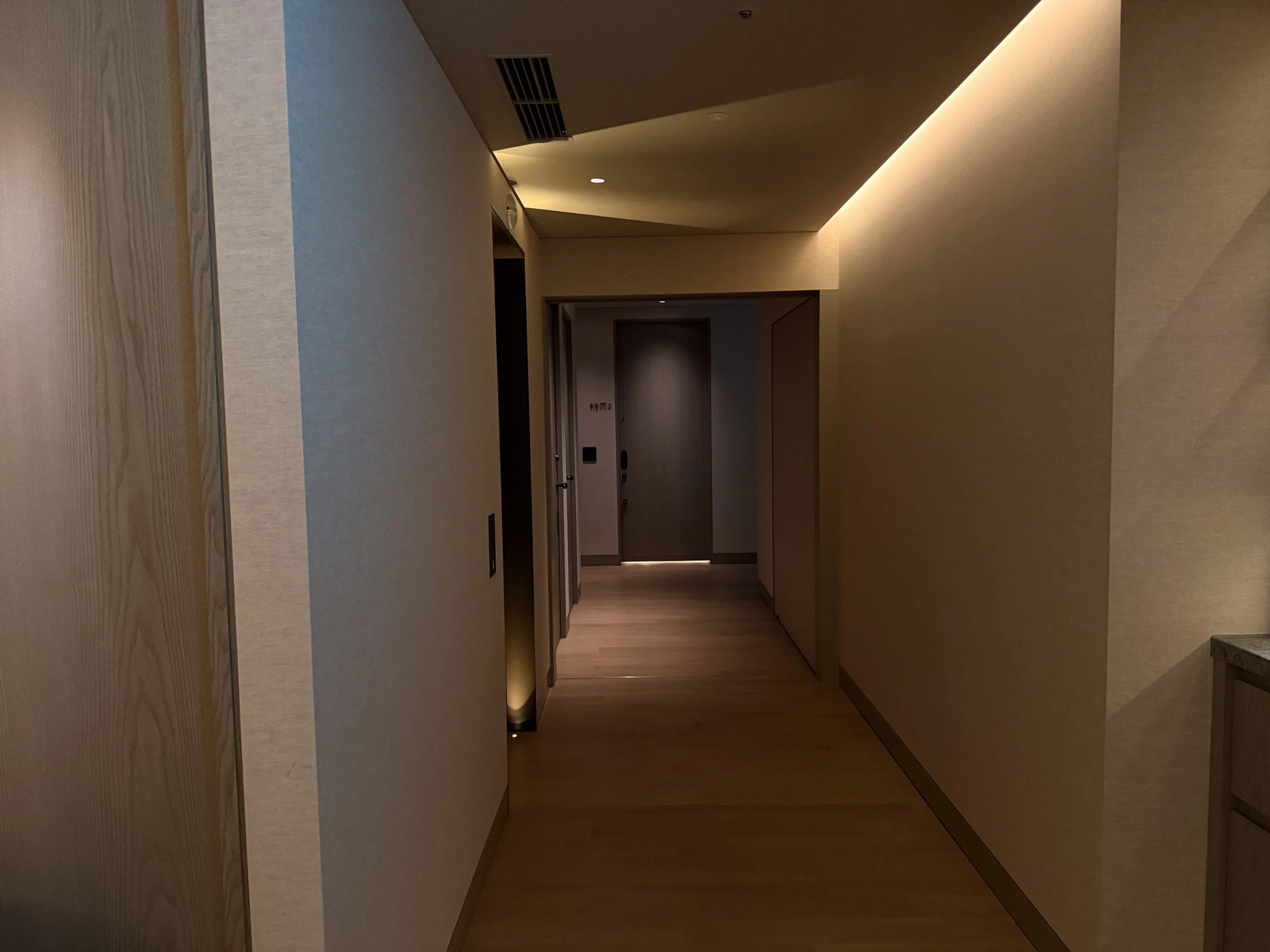
Spanning two floors, it offers nap rooms, shower facilities, and a co-working space for guests who arrive early or have late-night departures. This is "wellness" in a logistical sense—it acknowledges the physical toll of international travel and provides a dignified space to recover. It’s a unique, high-value feature that I wish more urban hotels would adopt.
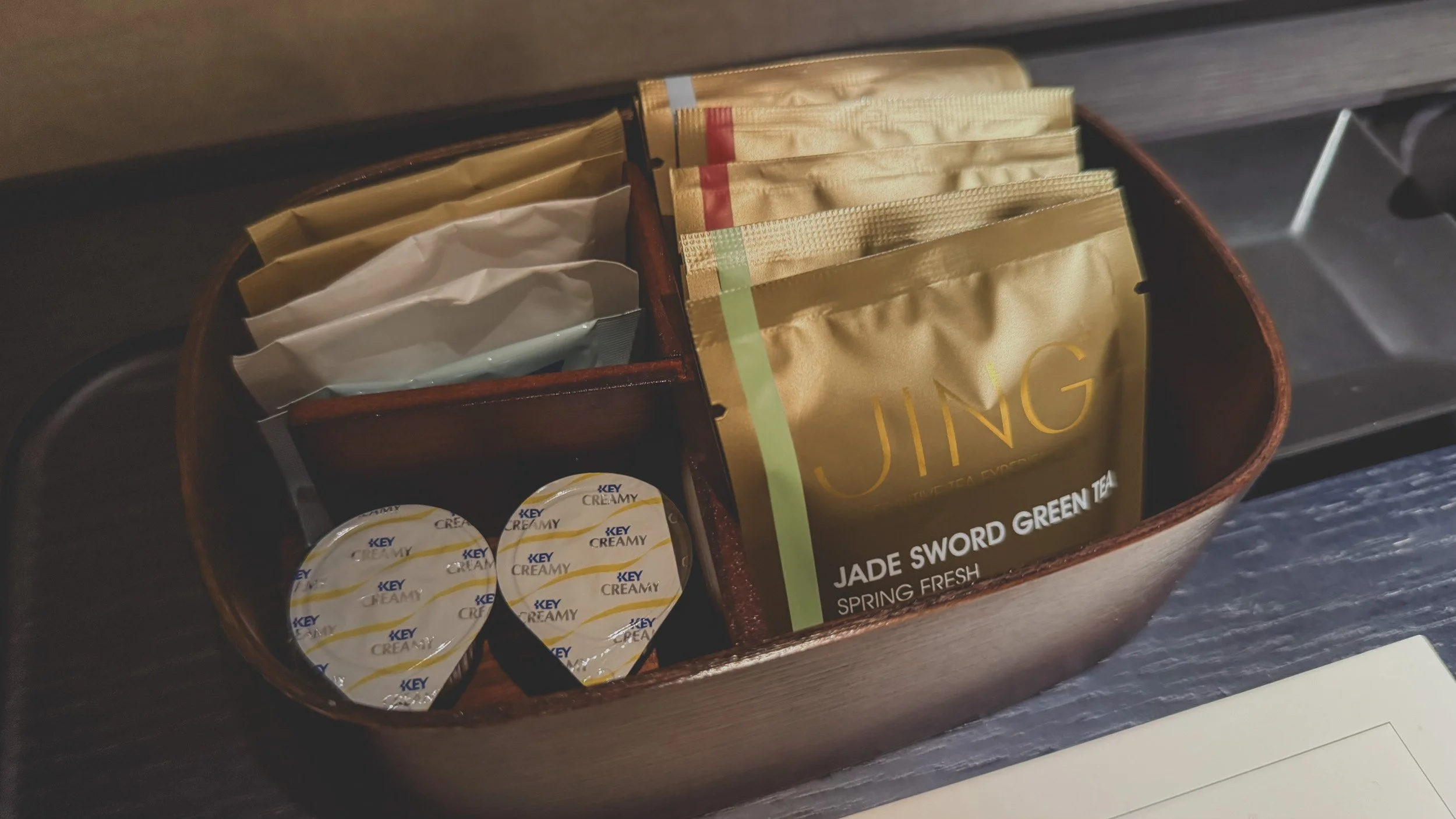
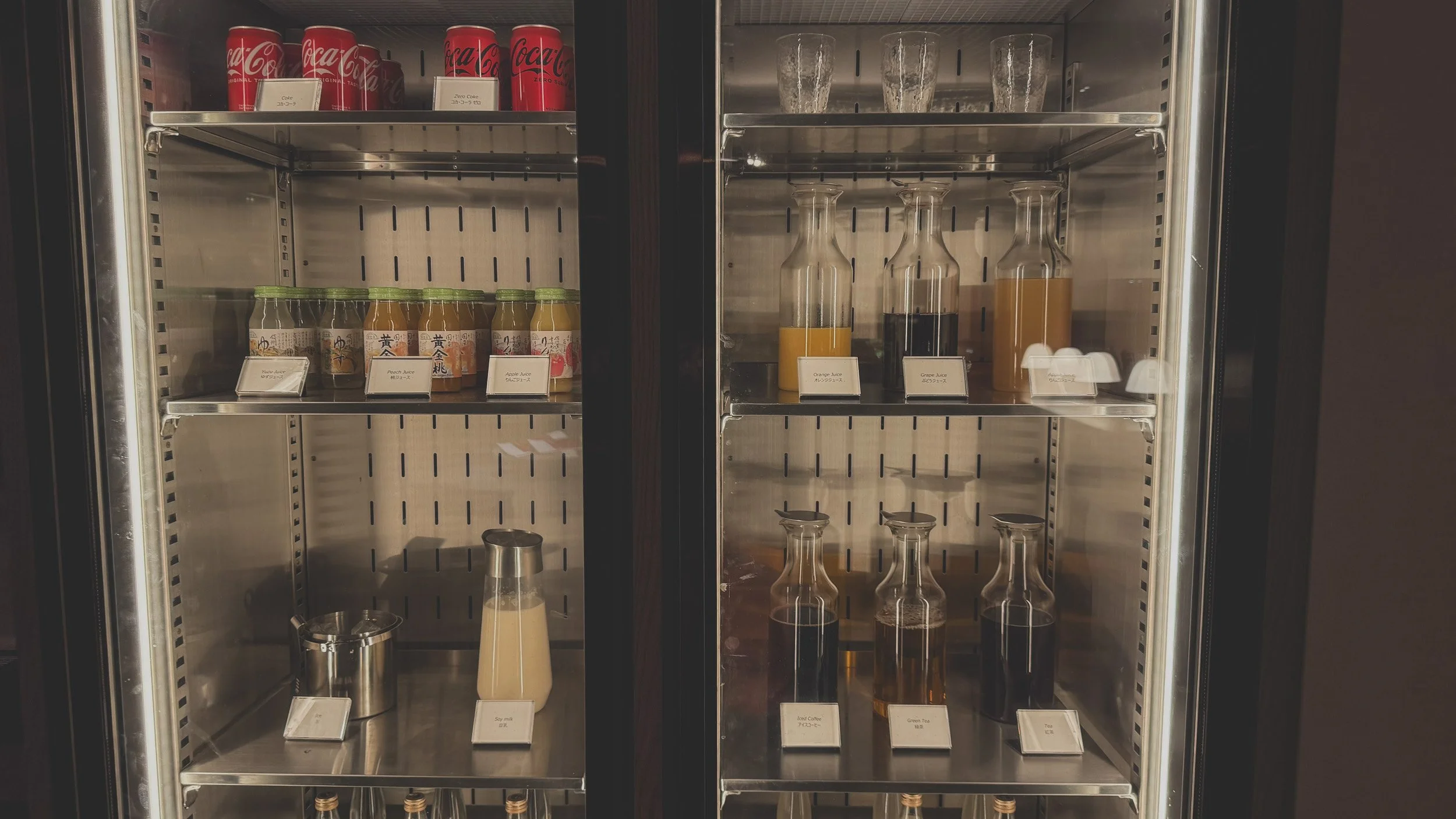
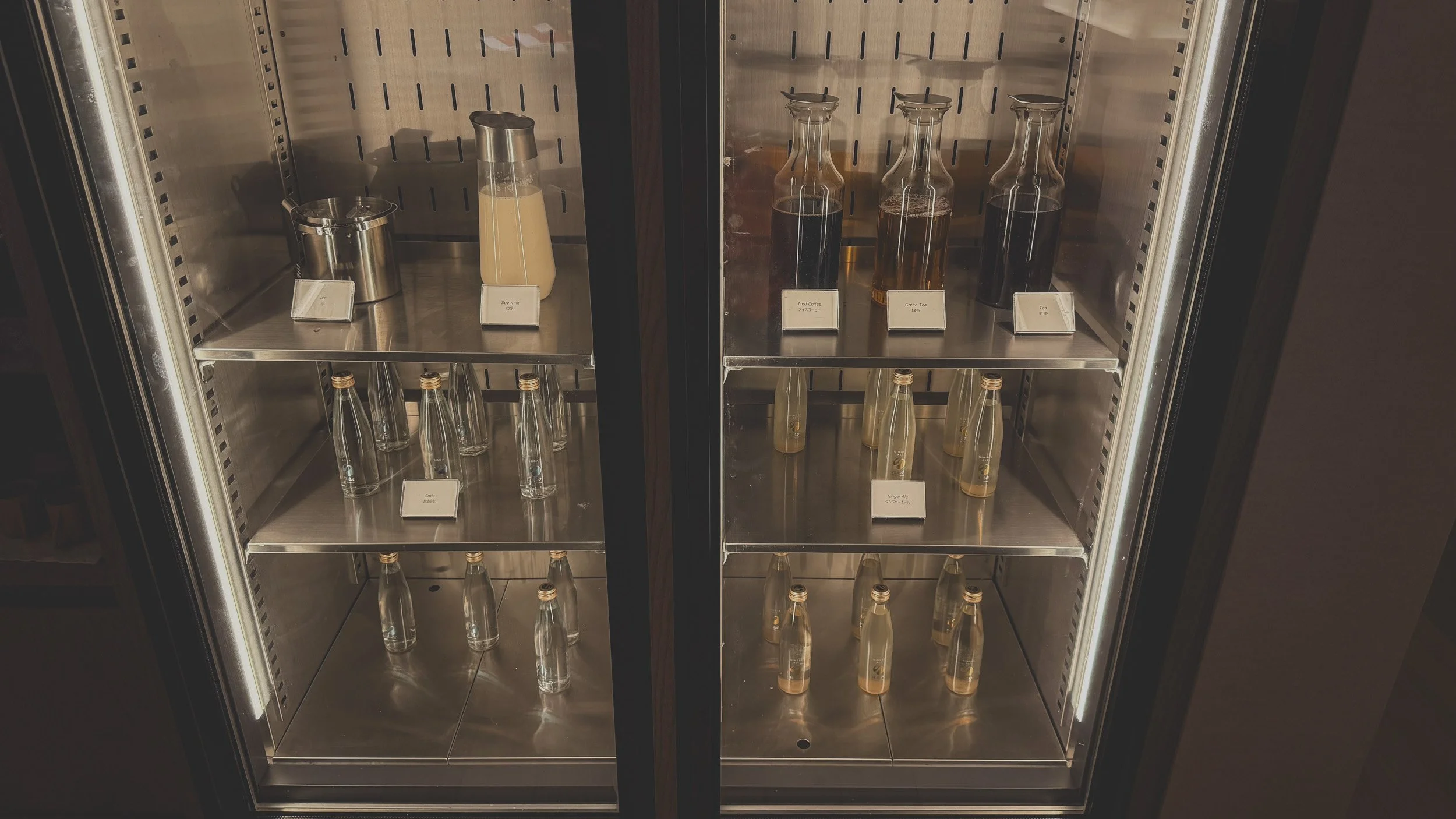
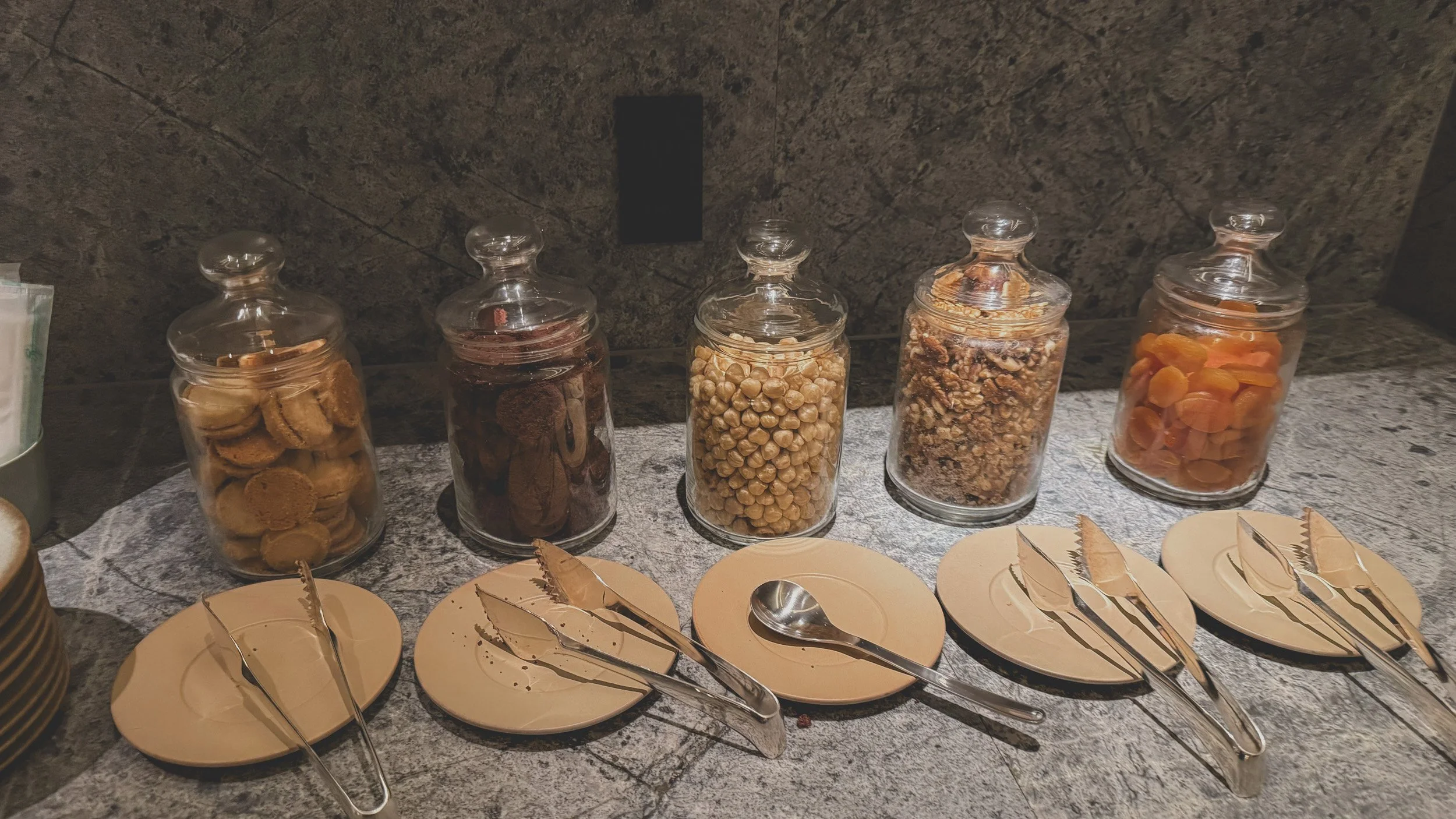
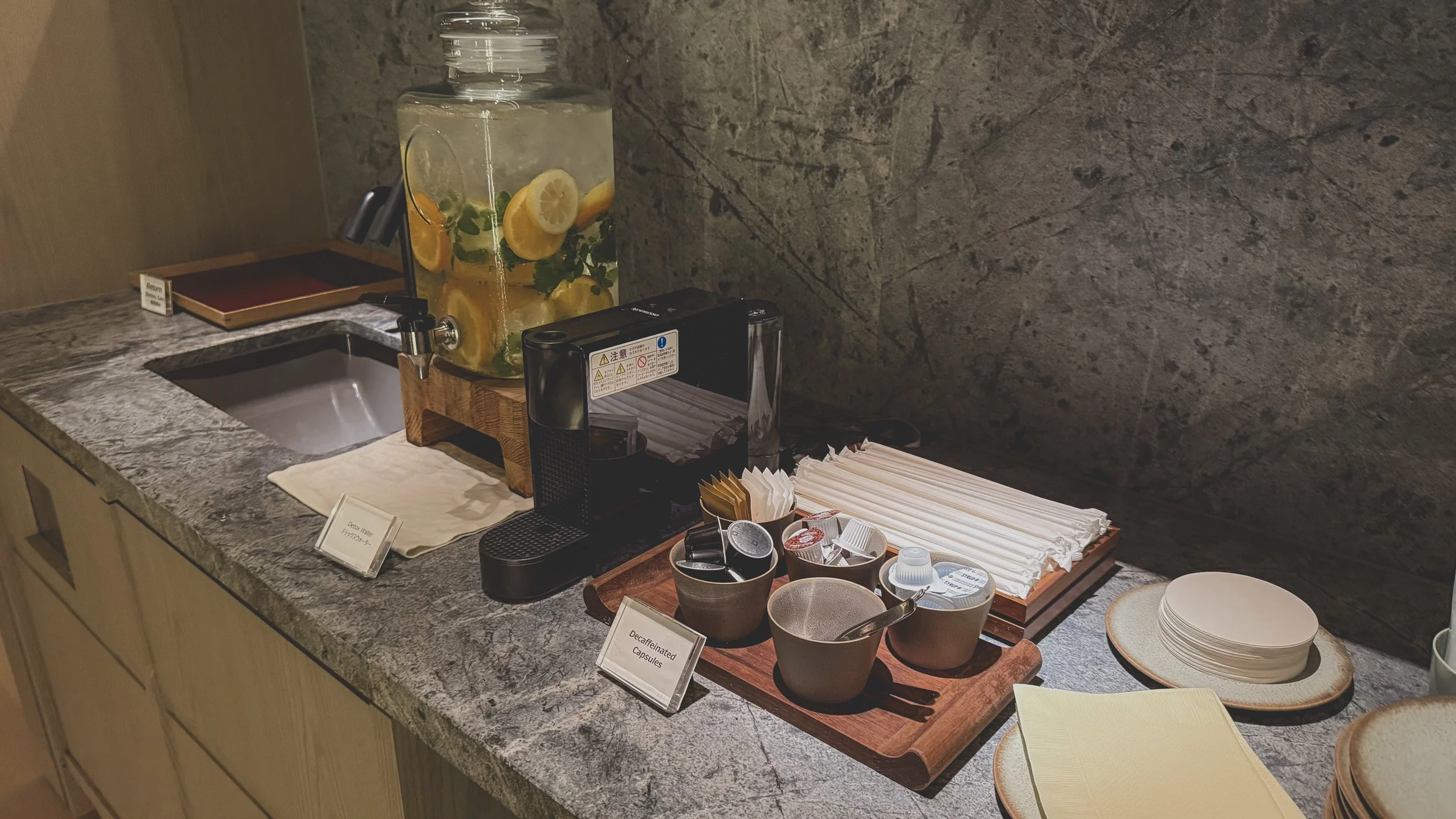
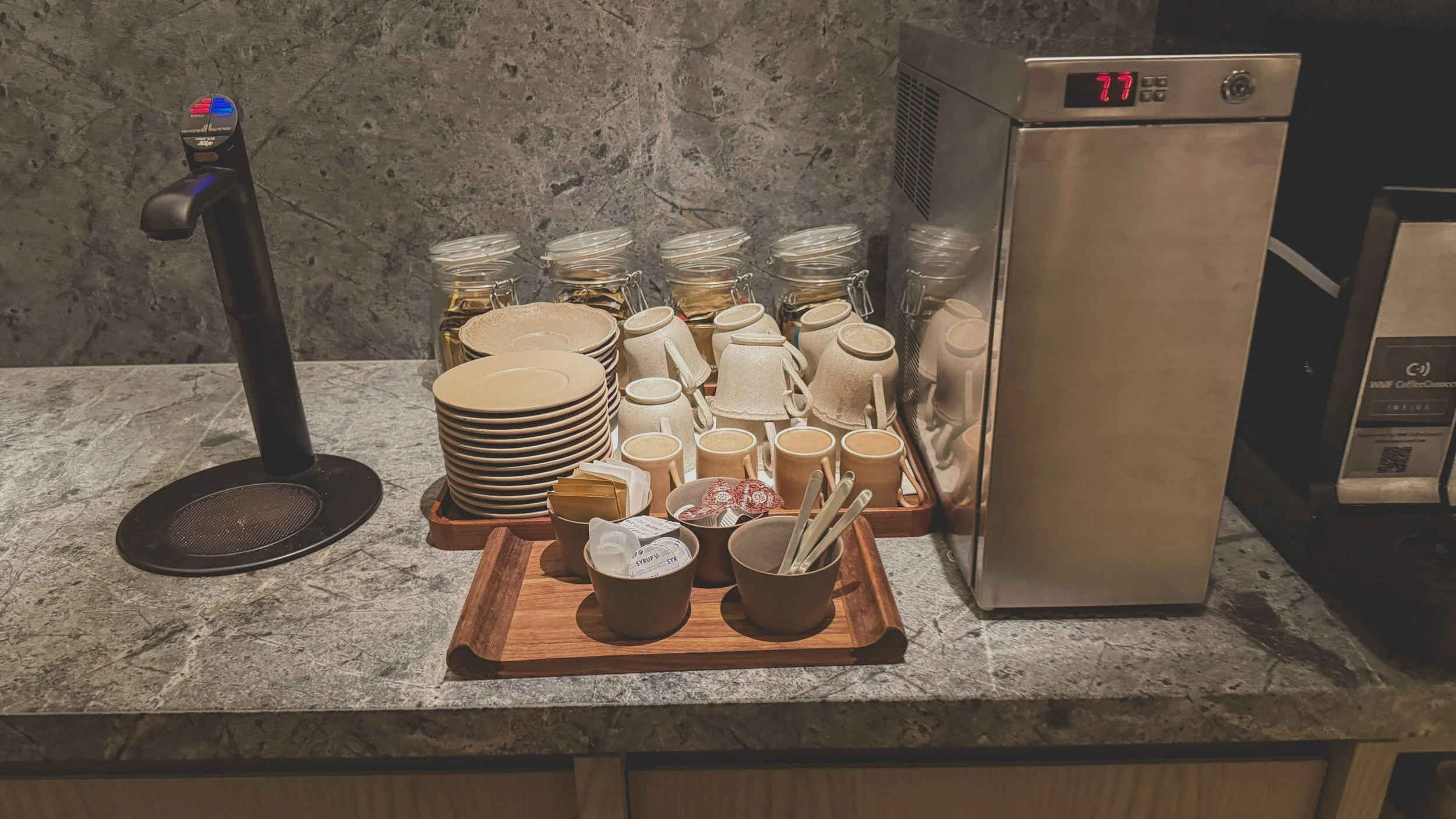
Beyond the "hard" utilities, the sensory experience remains premium. You have 24-hour access to a self-service selection of high-quality refreshments, including artisanal coffee, Japanese teas, and curated snacks like fresh fruit and local cookies. The inclusion of self-service lockers also means you can store your hand luggage securely while you continue to enjoy the space or explore the Toranomon Hills Click to open side panel for more information complex. It is a rare example of a hotel prioritizing a guest's comfort outside of their paid room nights, and in my book, that is the ultimate definition of modern luxury.
24-Hour Access: Fully available to all staying guests, even before check-in or after check-out.
Rest & Refresh: Features dedicated nap rooms and private shower suites to combat jet lag.
Business Ready: Includes a 12-person meeting room and discreet phone booths for private calls.
Fitness Center
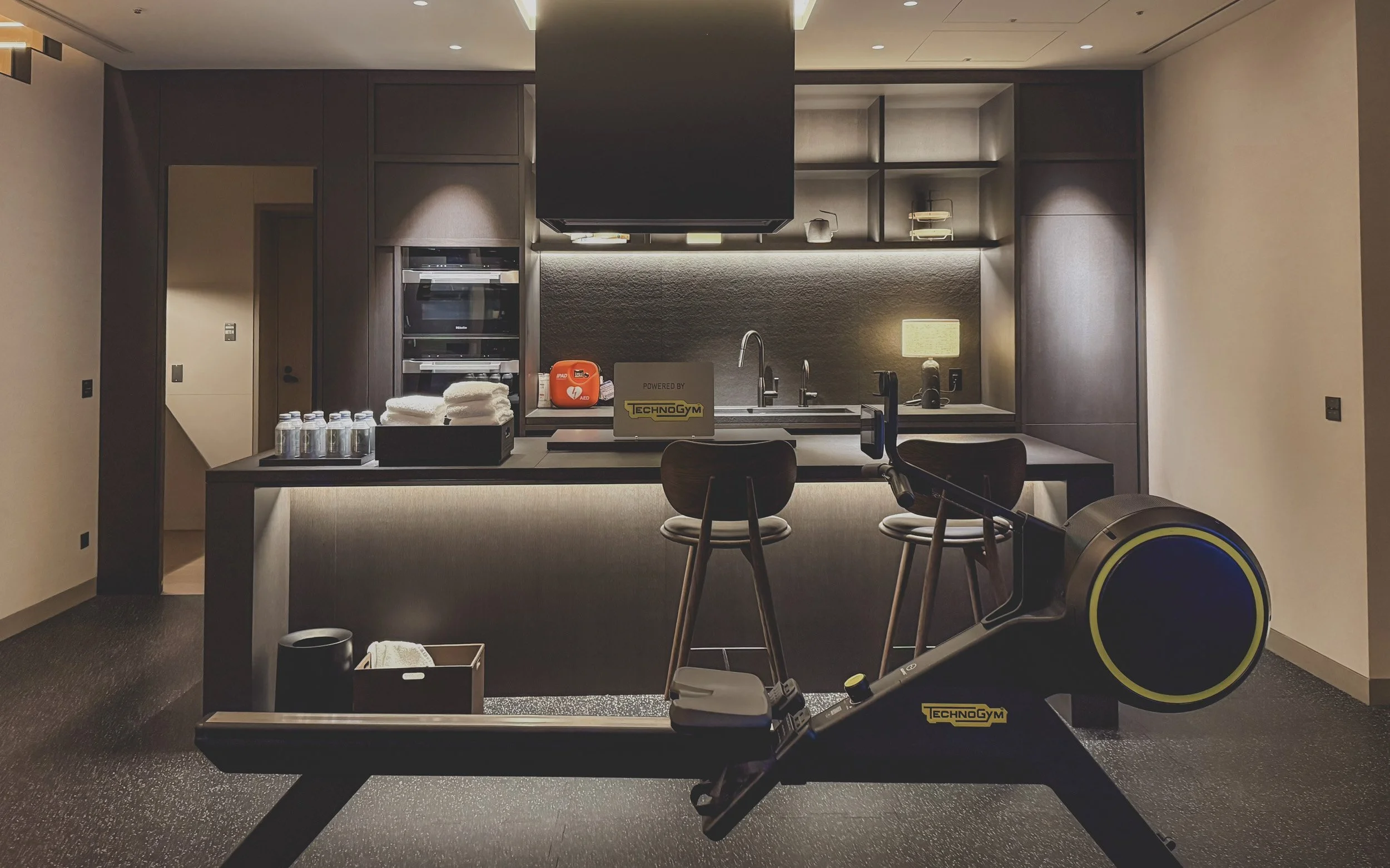
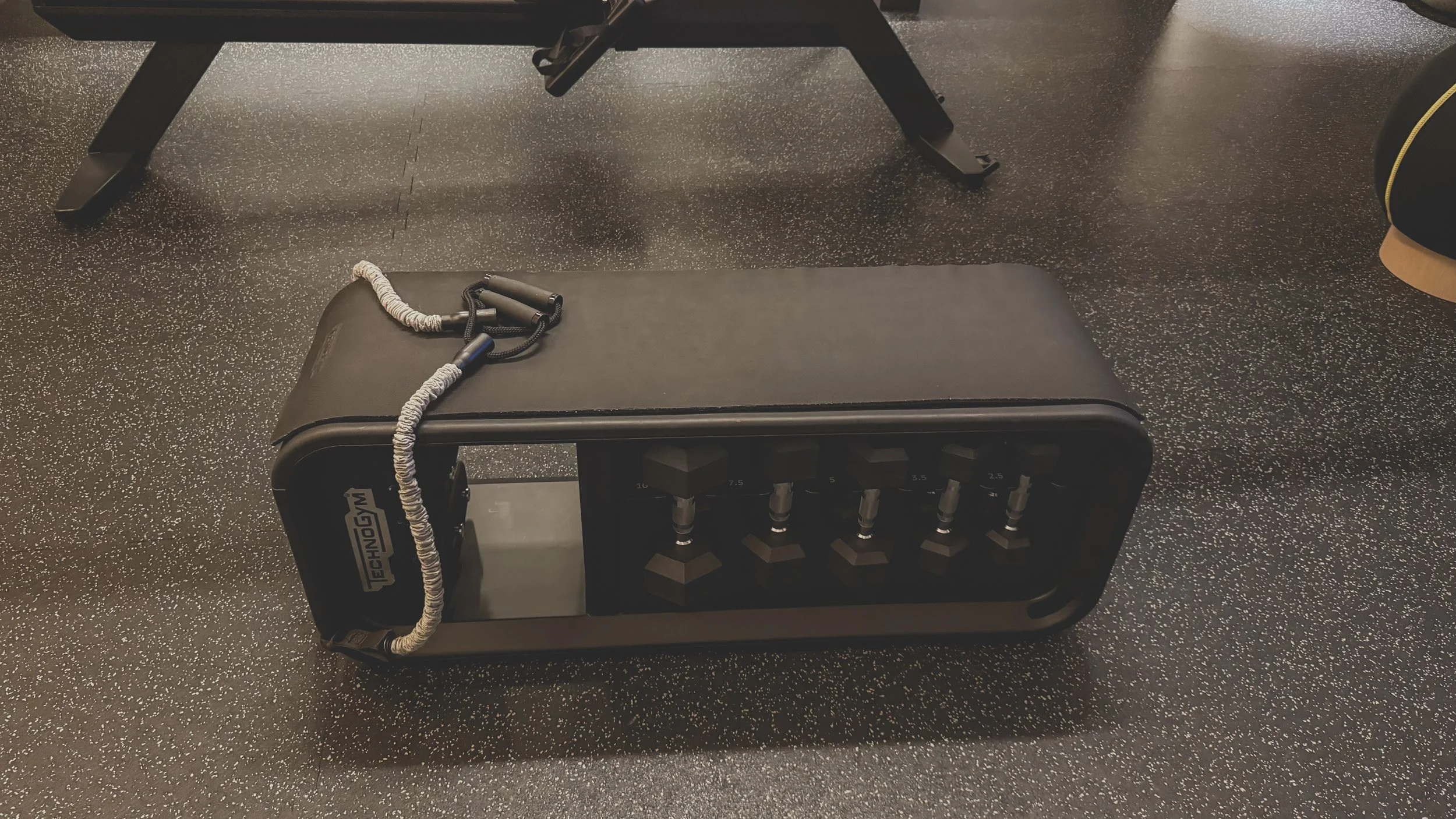
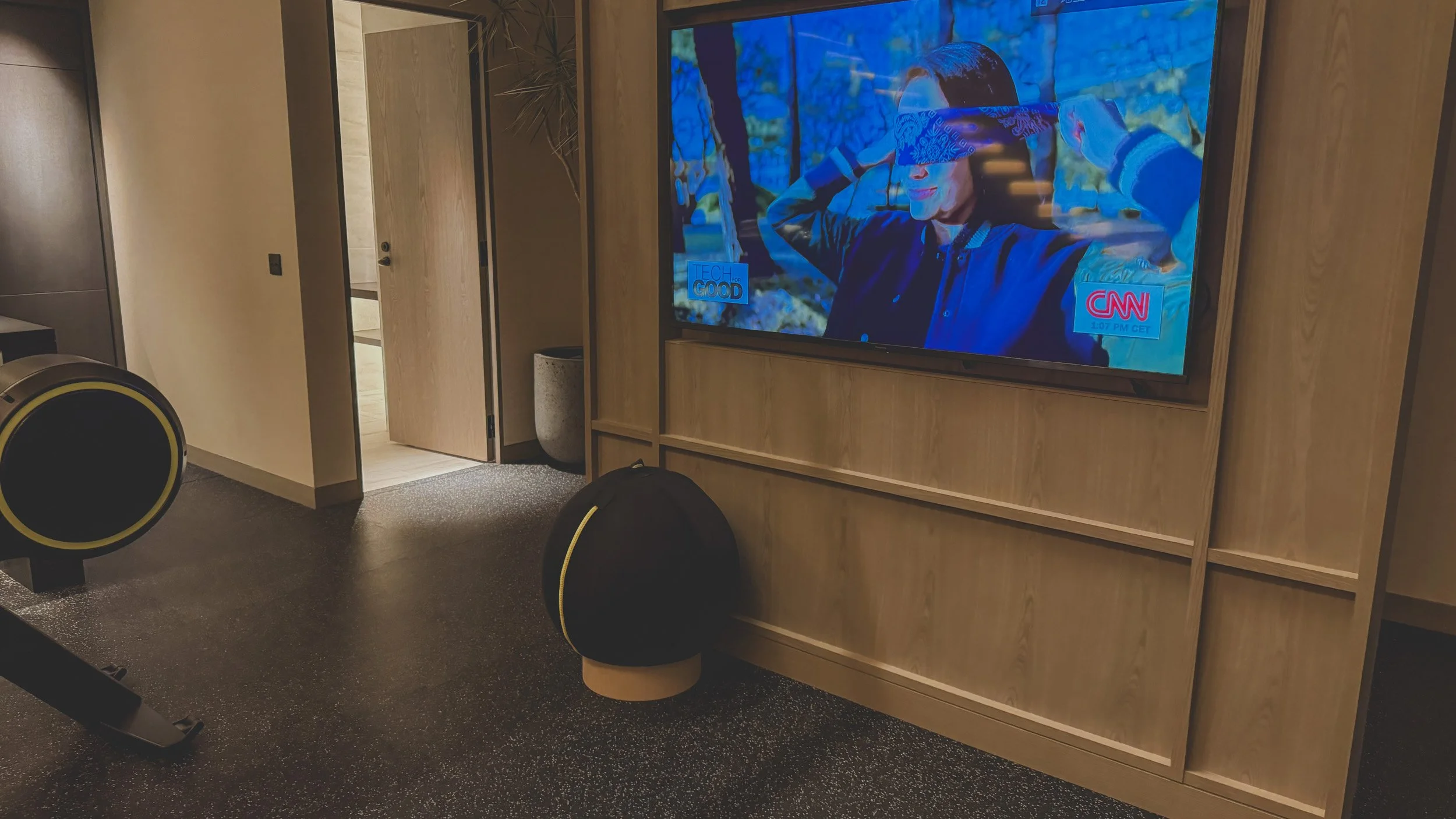
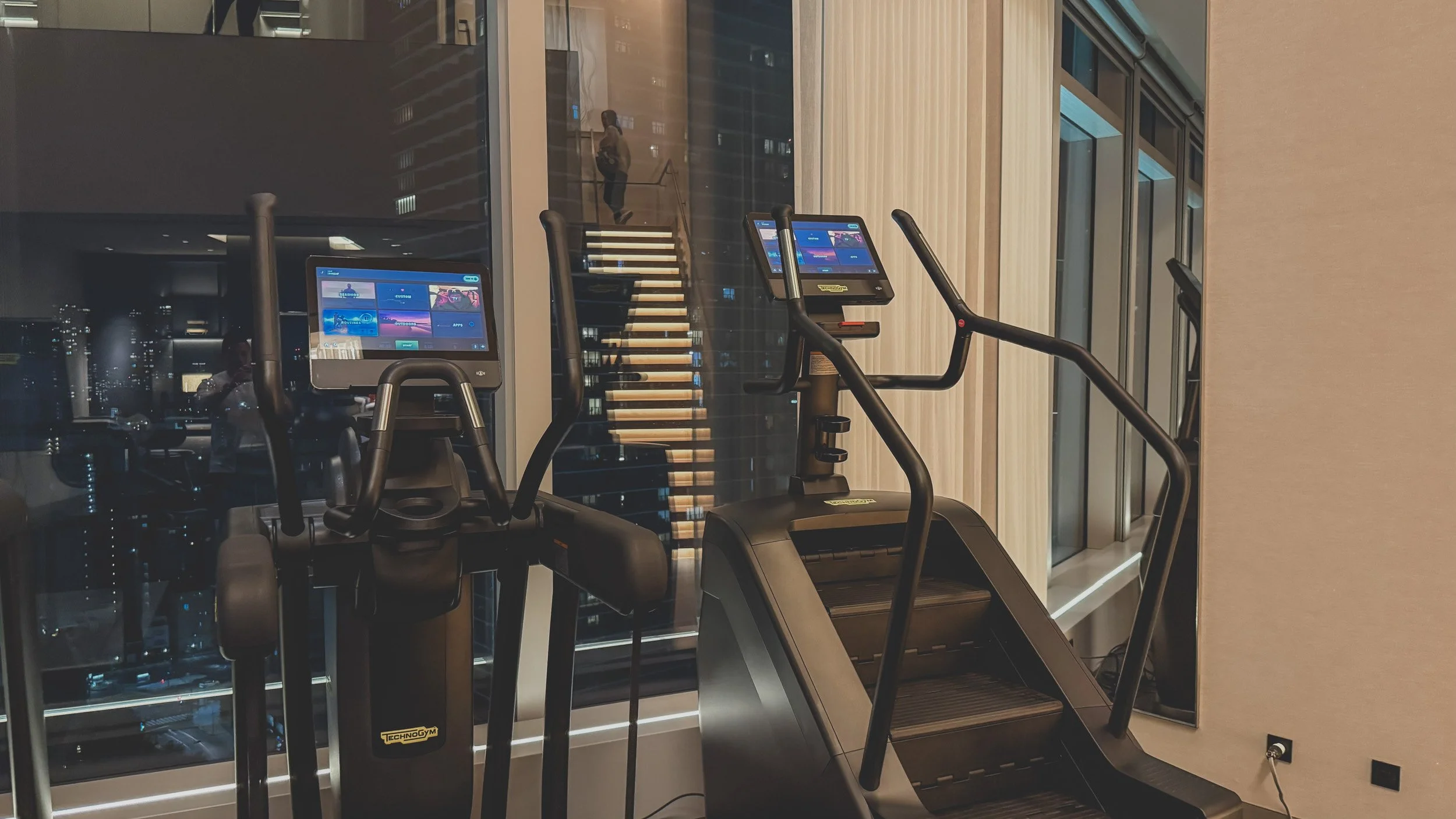
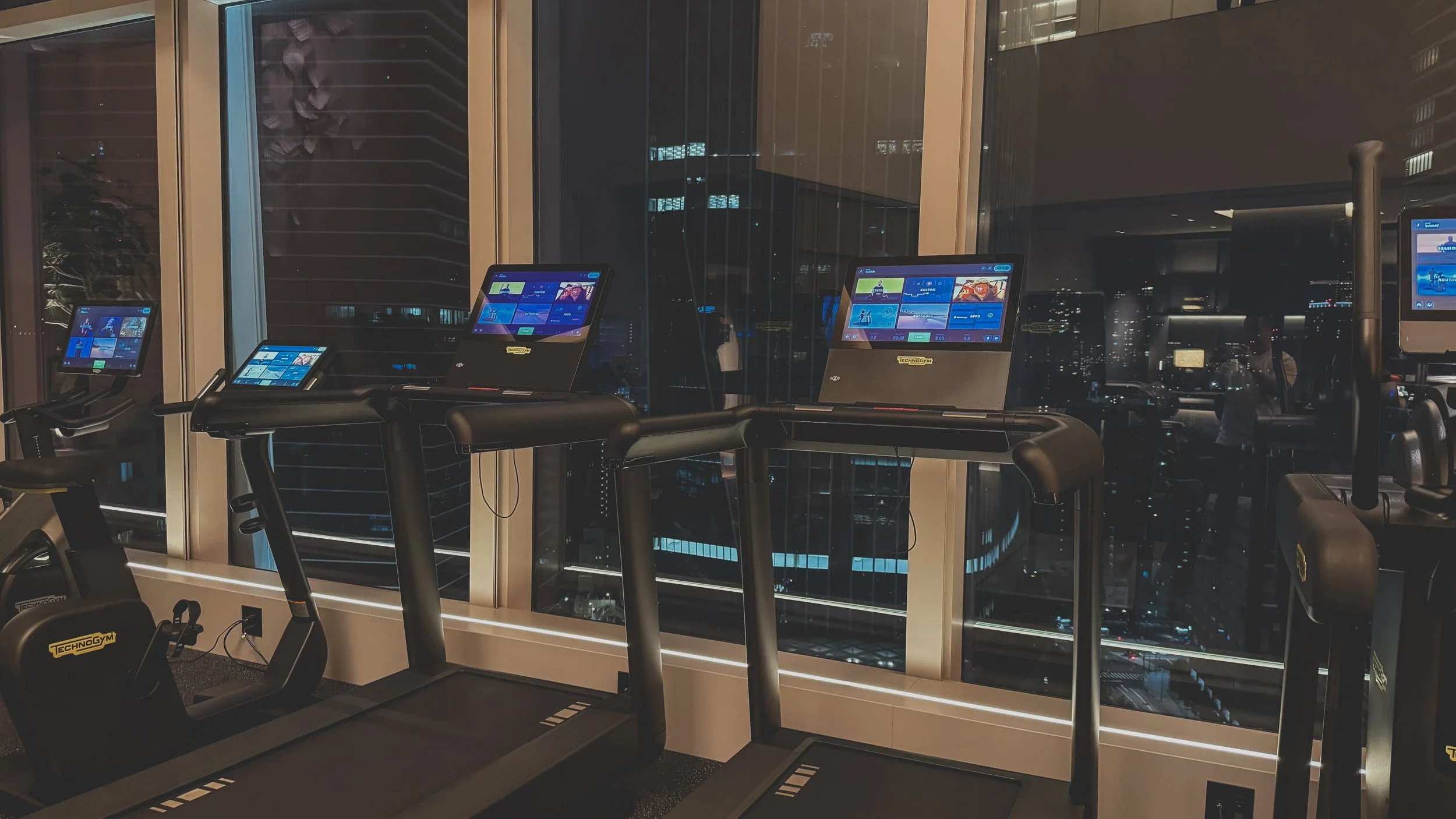
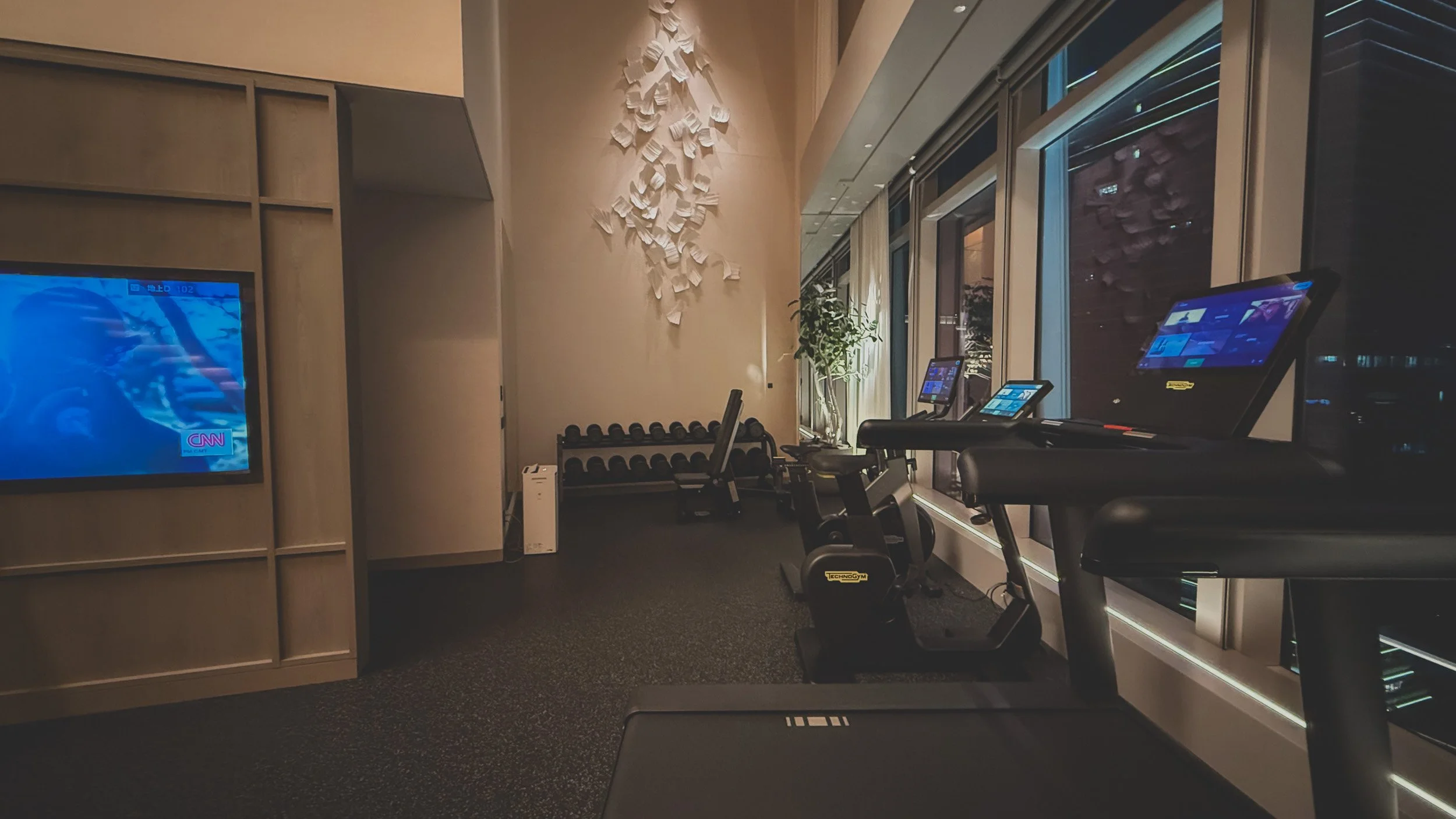
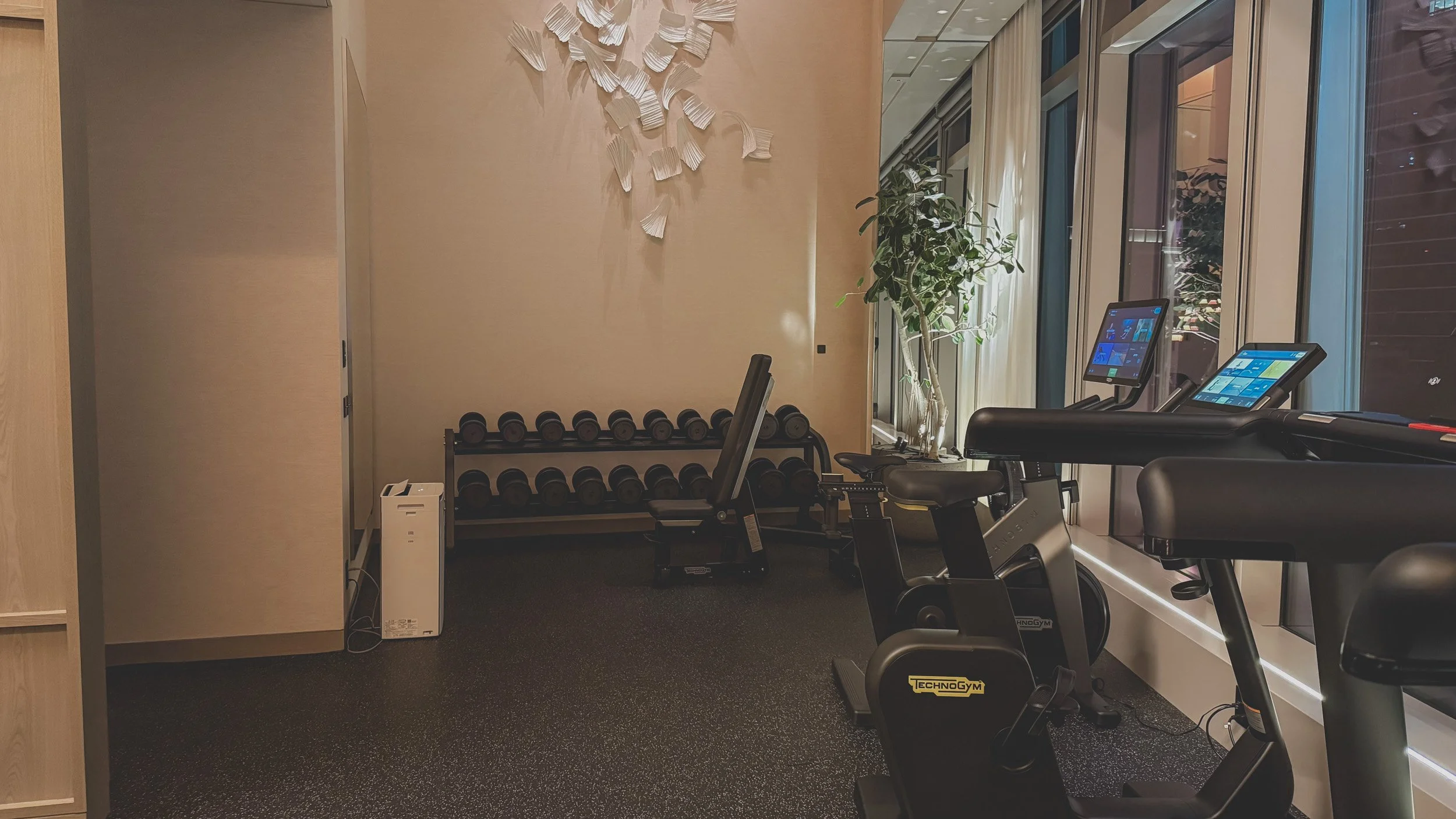
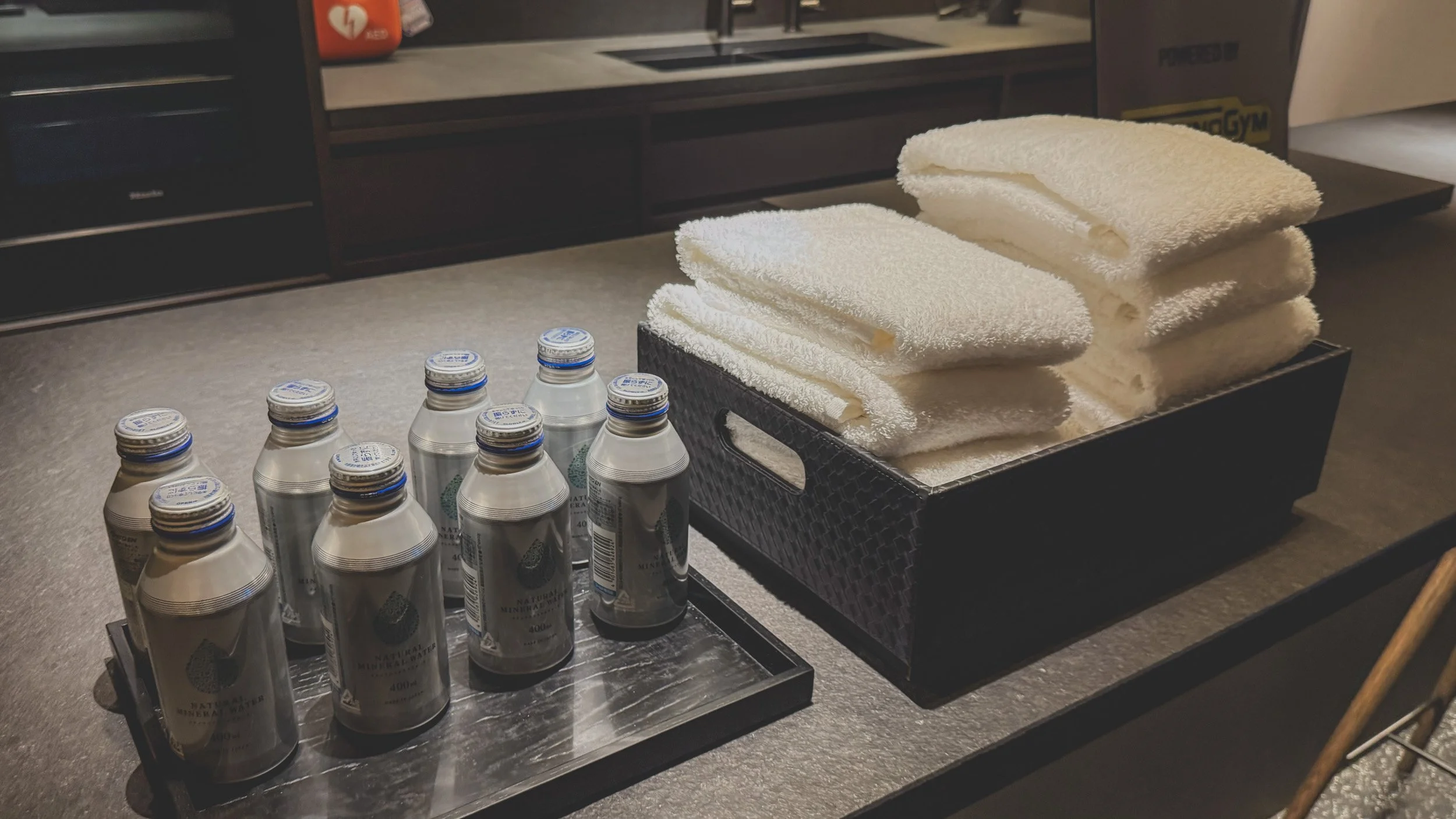
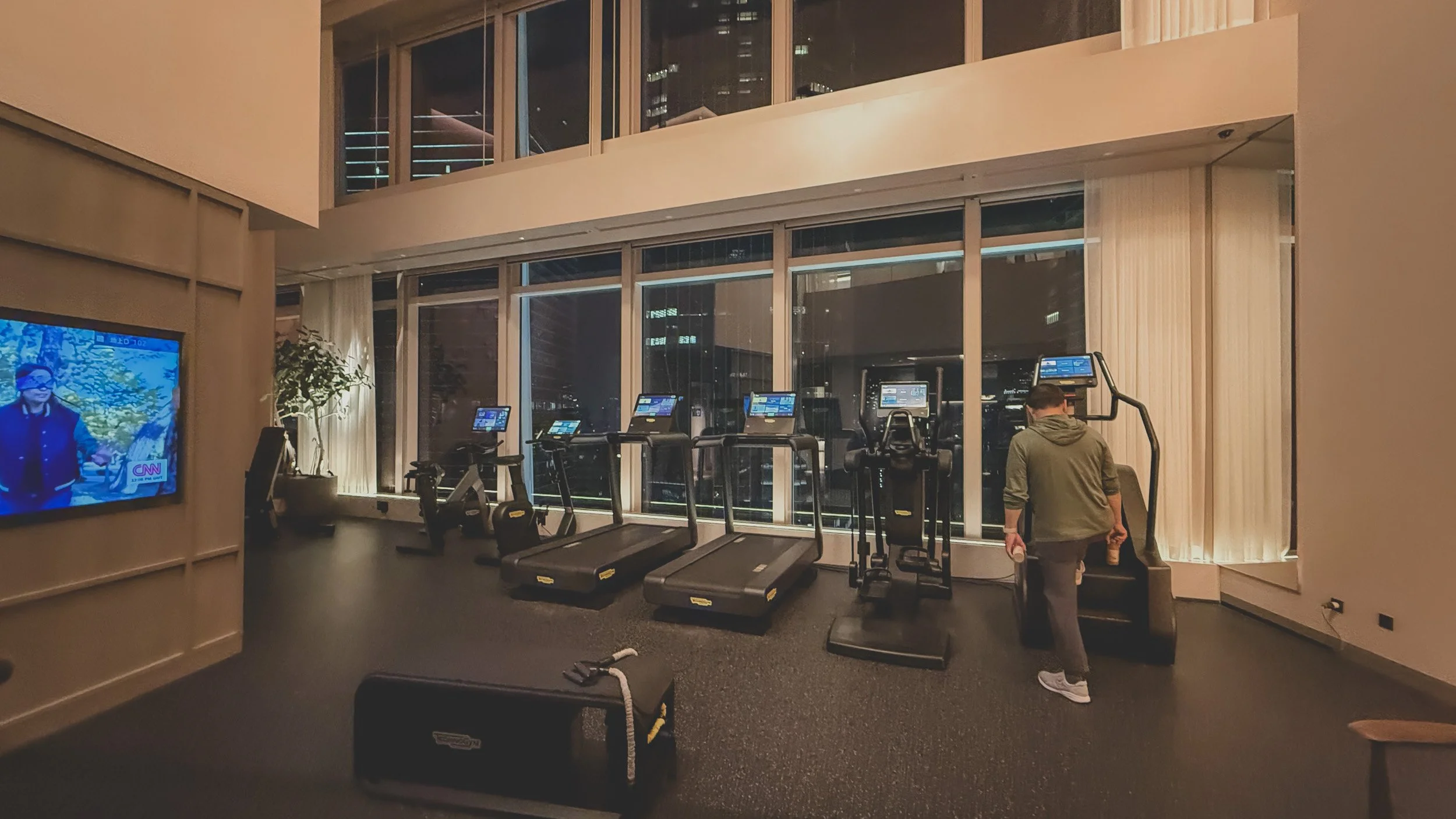
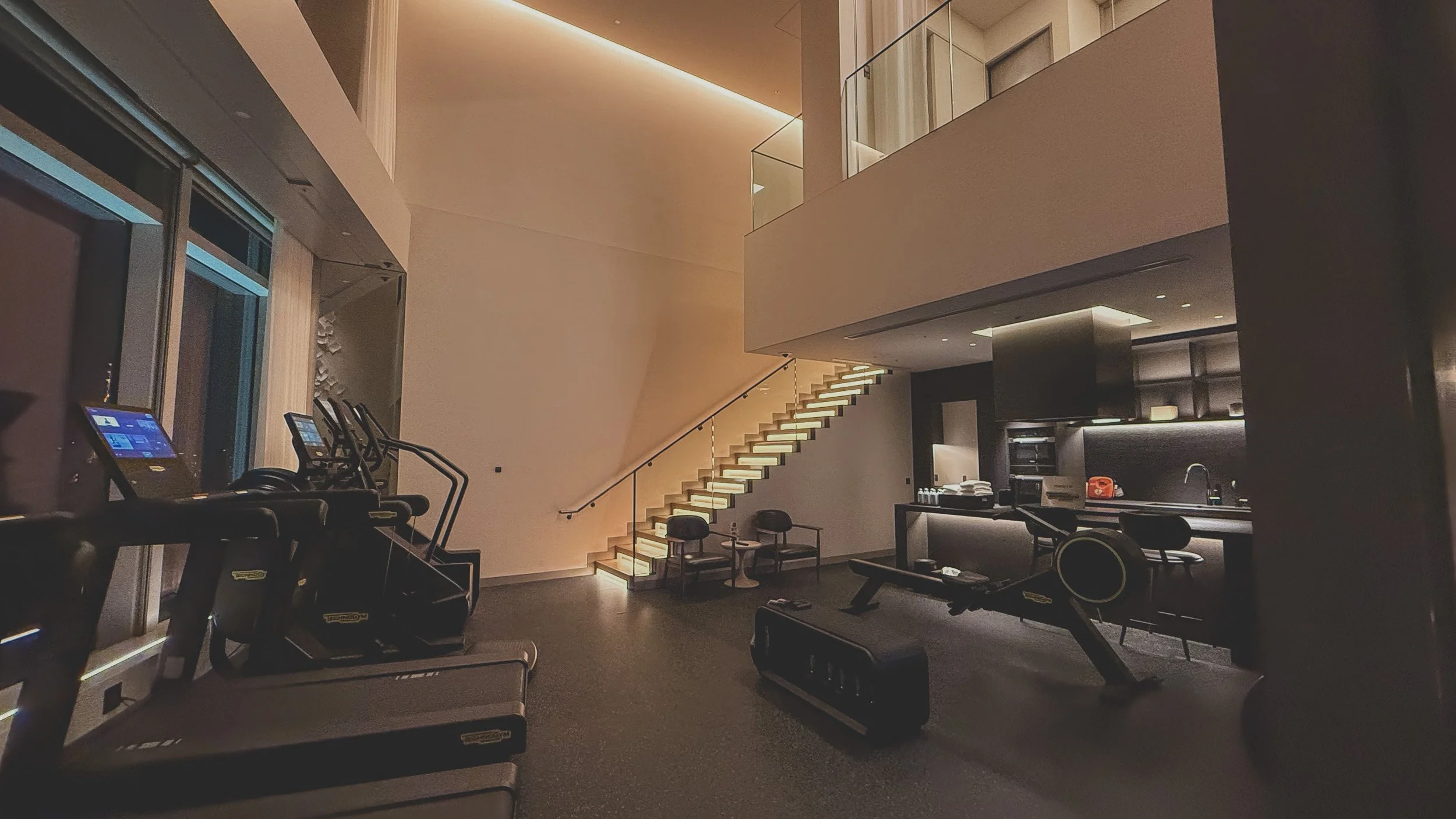
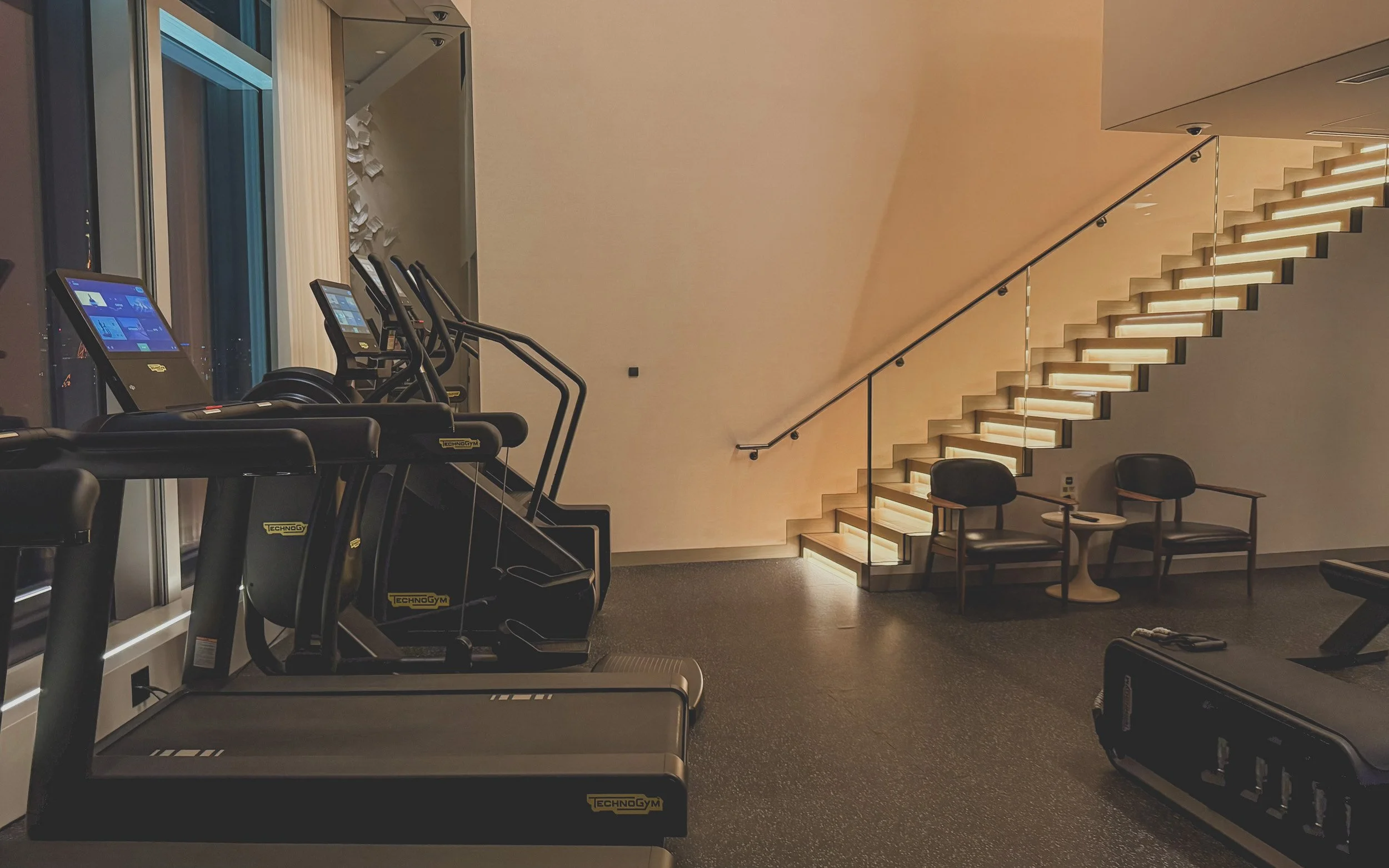
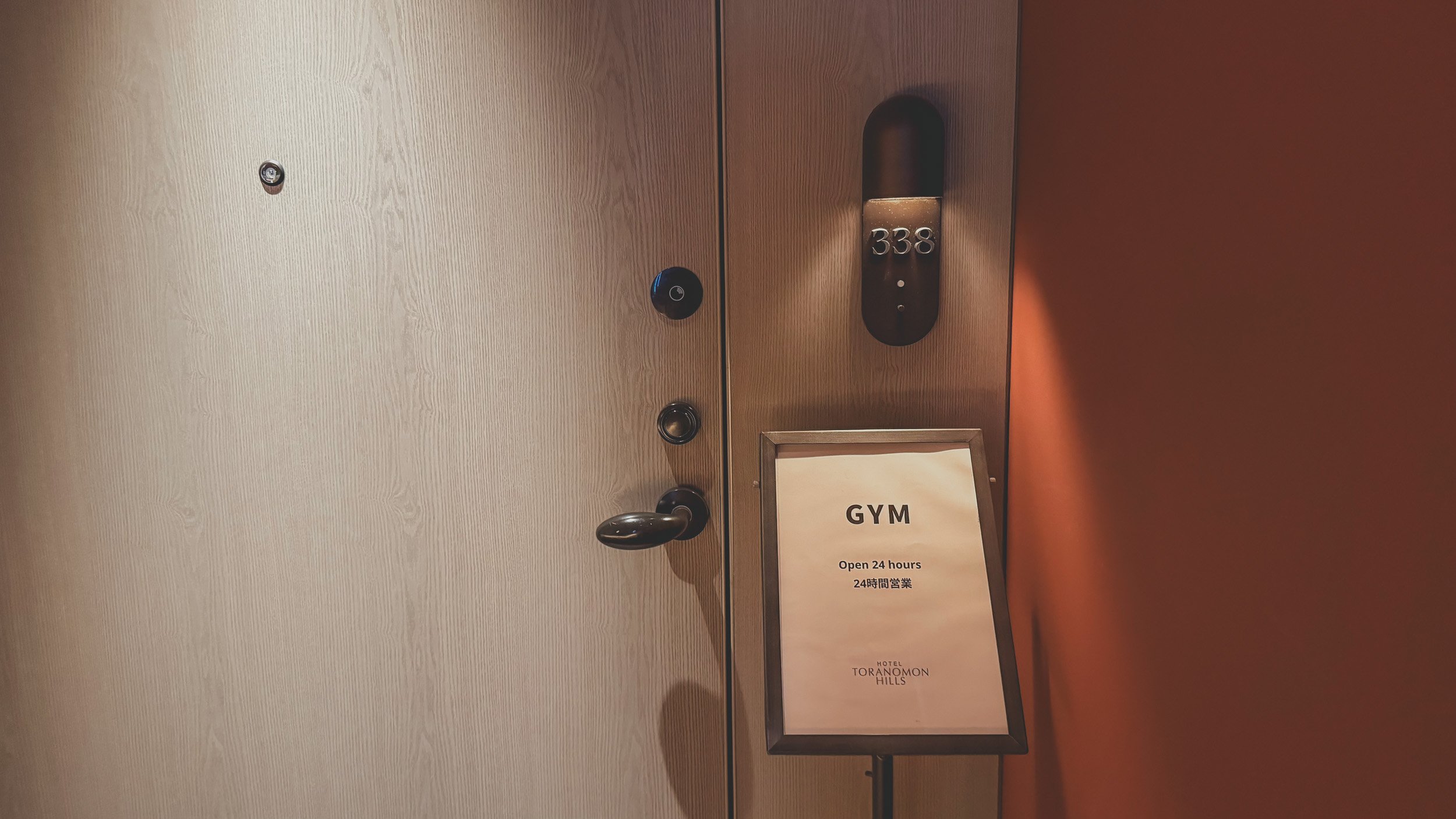
The in-house 24-hour fitness center is architecturally curious, designed as a duplex suite that mirrors the hotel’s vertical urbanity. It is a compact, multi-level space that feels more like a private residence’s high-tech gym than a sprawling hotel club. While it covers the essentials with state-of-the-art Technogym equipment and floor-to-ceiling views of the Tokyo skyline, its verticality is its signature. It’s perfect for a quick, efficient heart-rate spike between meetings, though serious lifters might find the free-weight selection a bit modest for a property of this caliber.
Restaurants
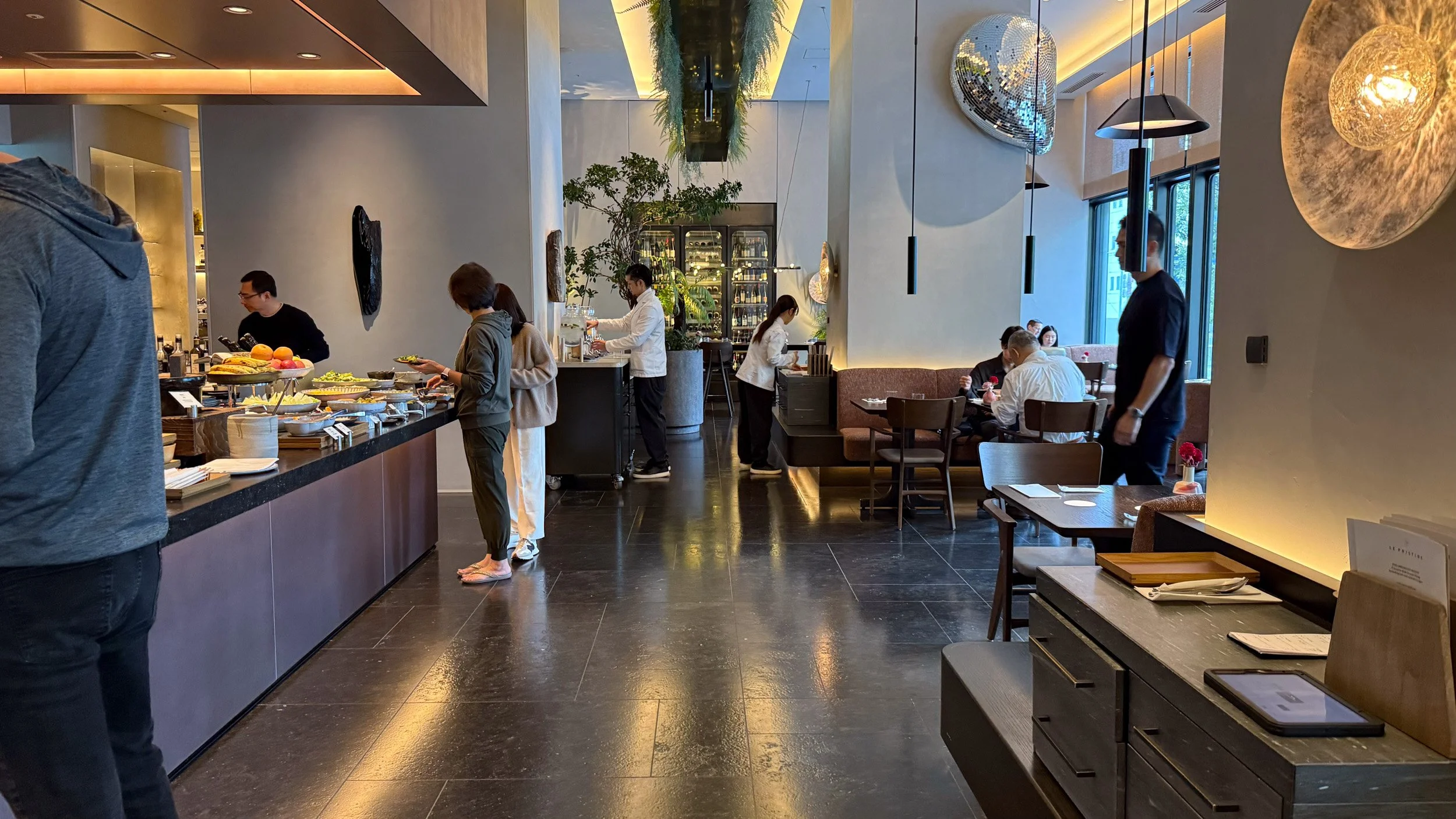
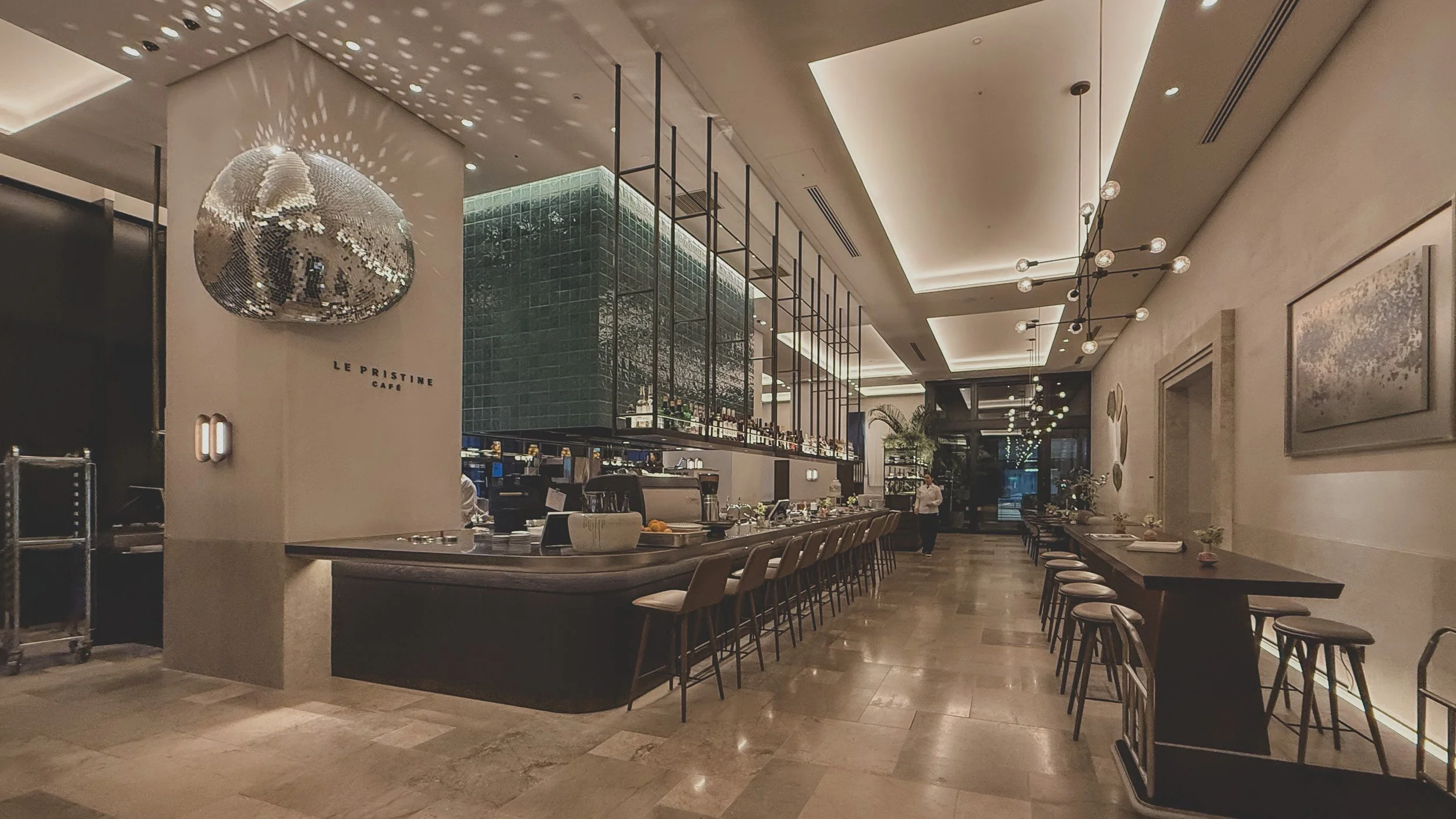
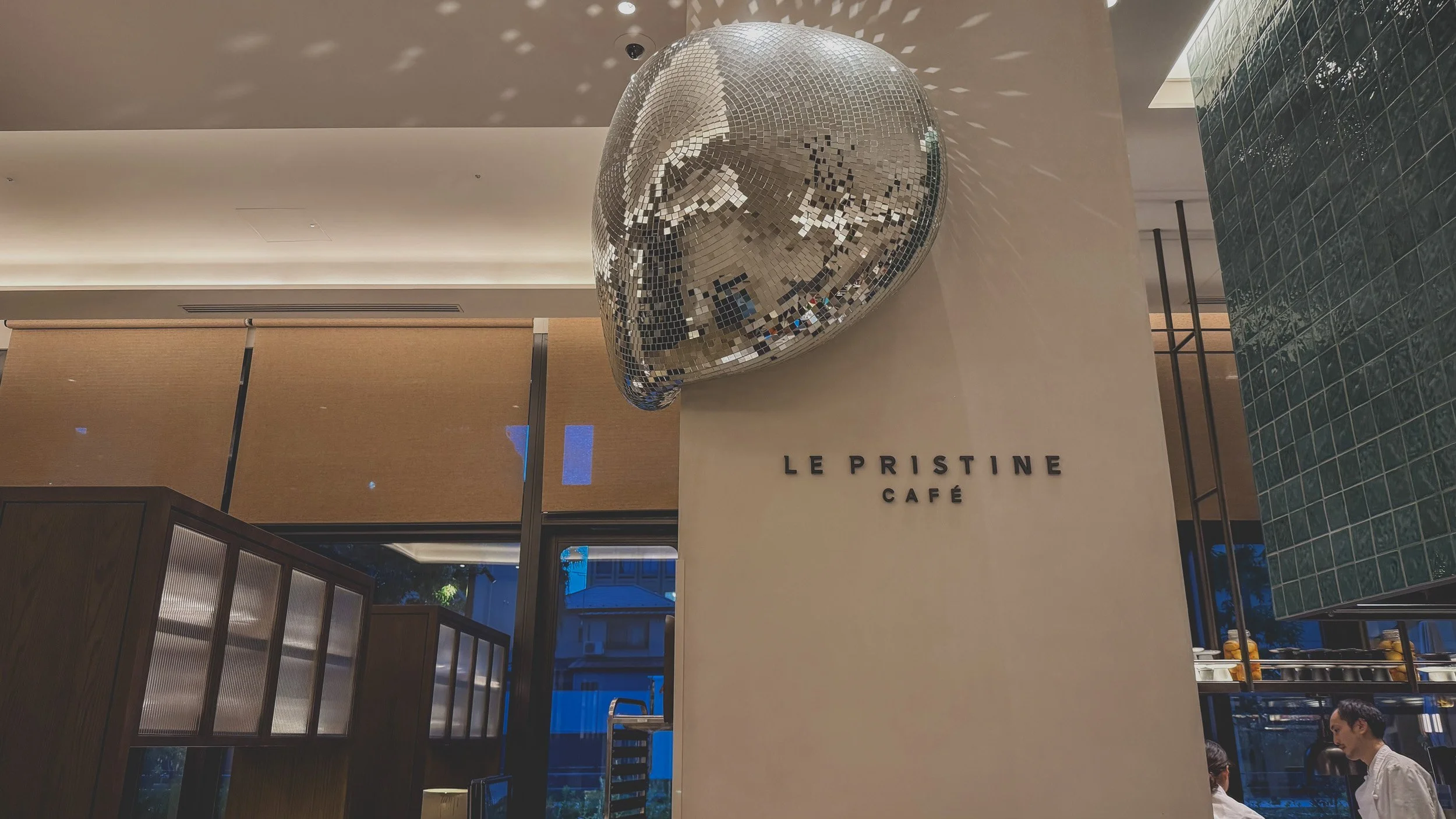
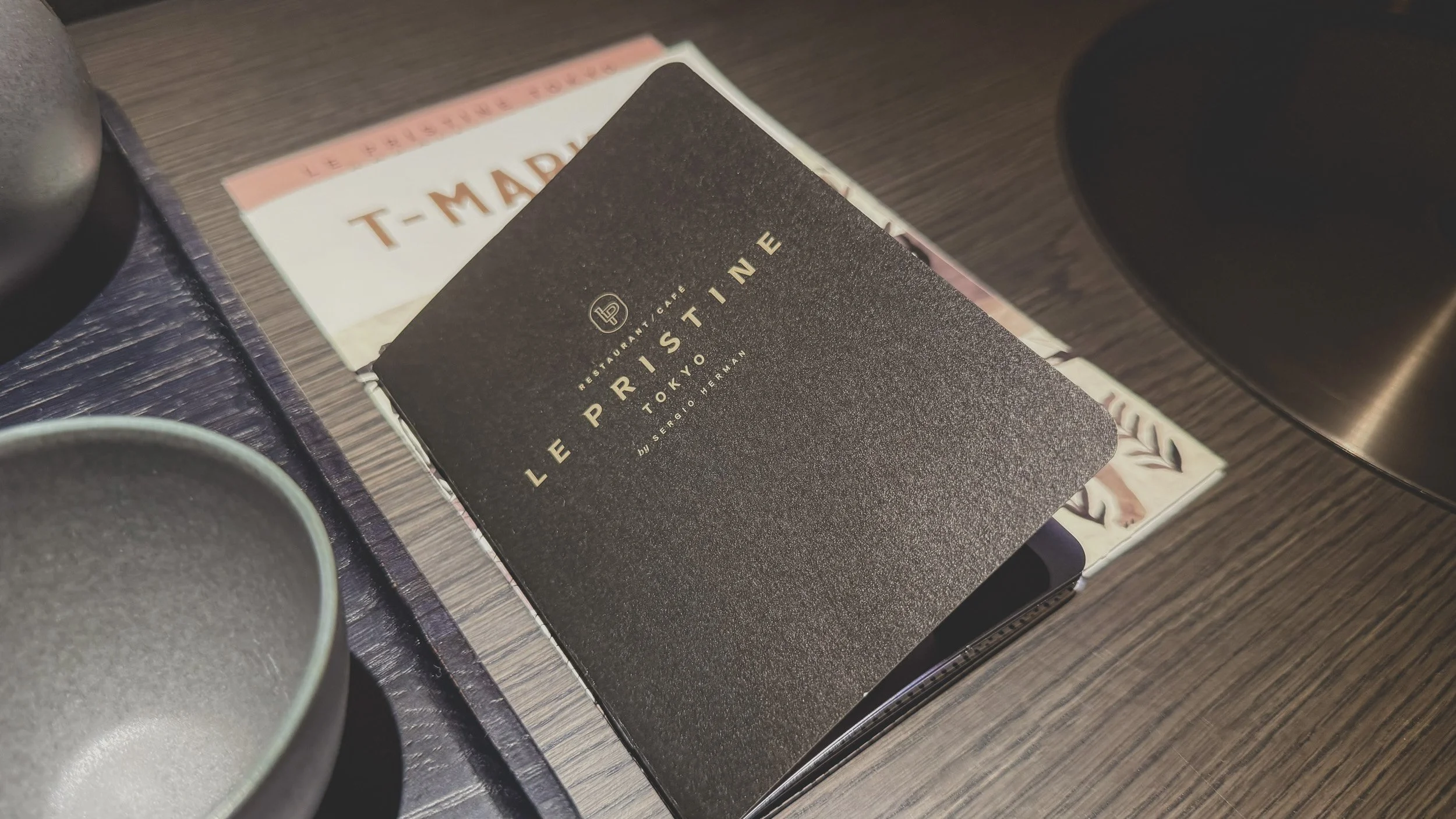
The culinary heart of the hotel is Le Pristine Tokyo, helmed by the legendary Dutch chef Sergio Herman. This isn't your typical, stuffy hotel dining room. It’s a vibrant, high-energy space serving "New Italian" cuisine with a heavy focus on Zeeland seafood and Japanese seasonal produce. The "melted disco ball" art on the walls sets the tone: it’s sophisticated, slightly rebellious, and undeniably cool.
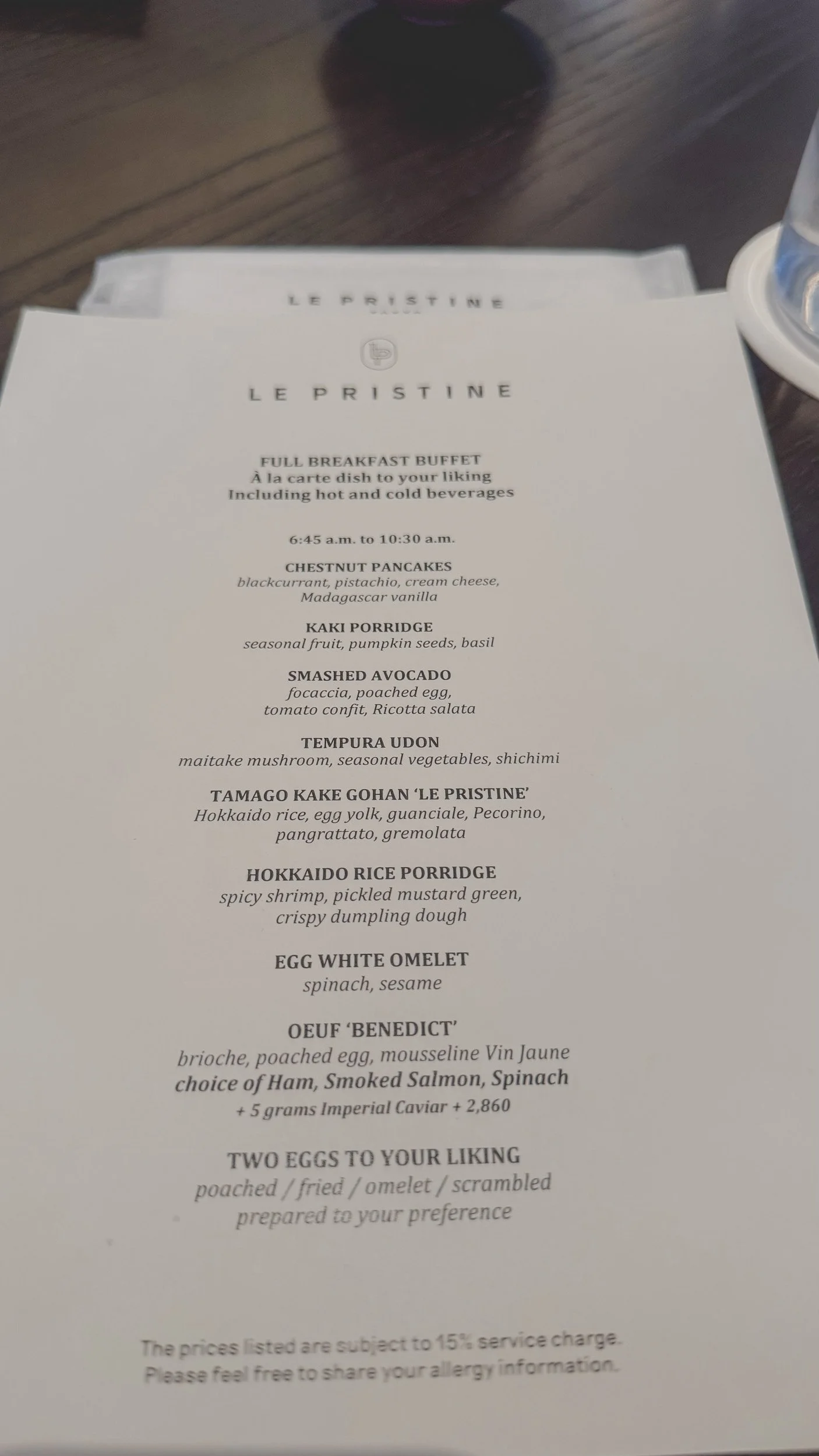
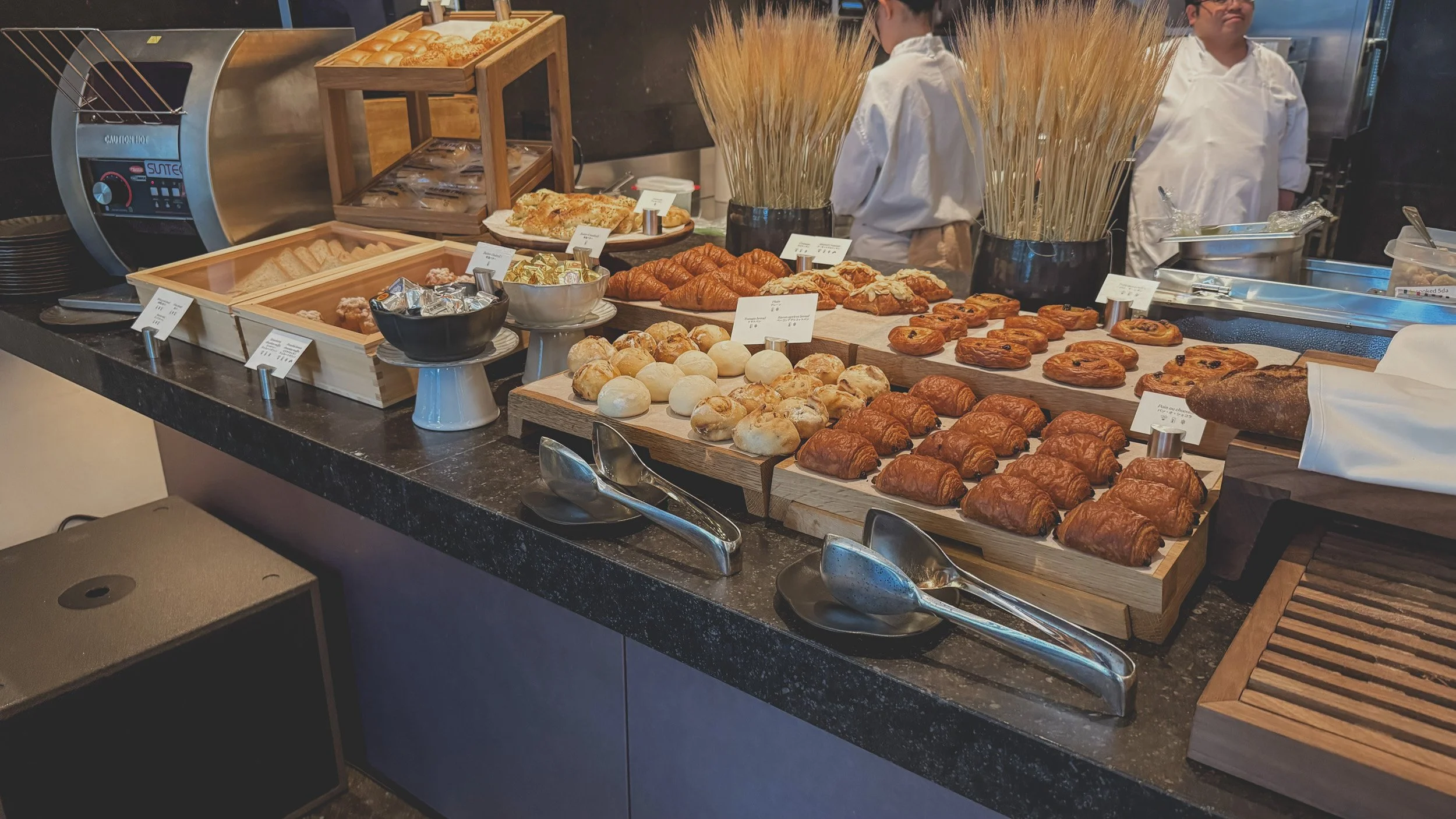
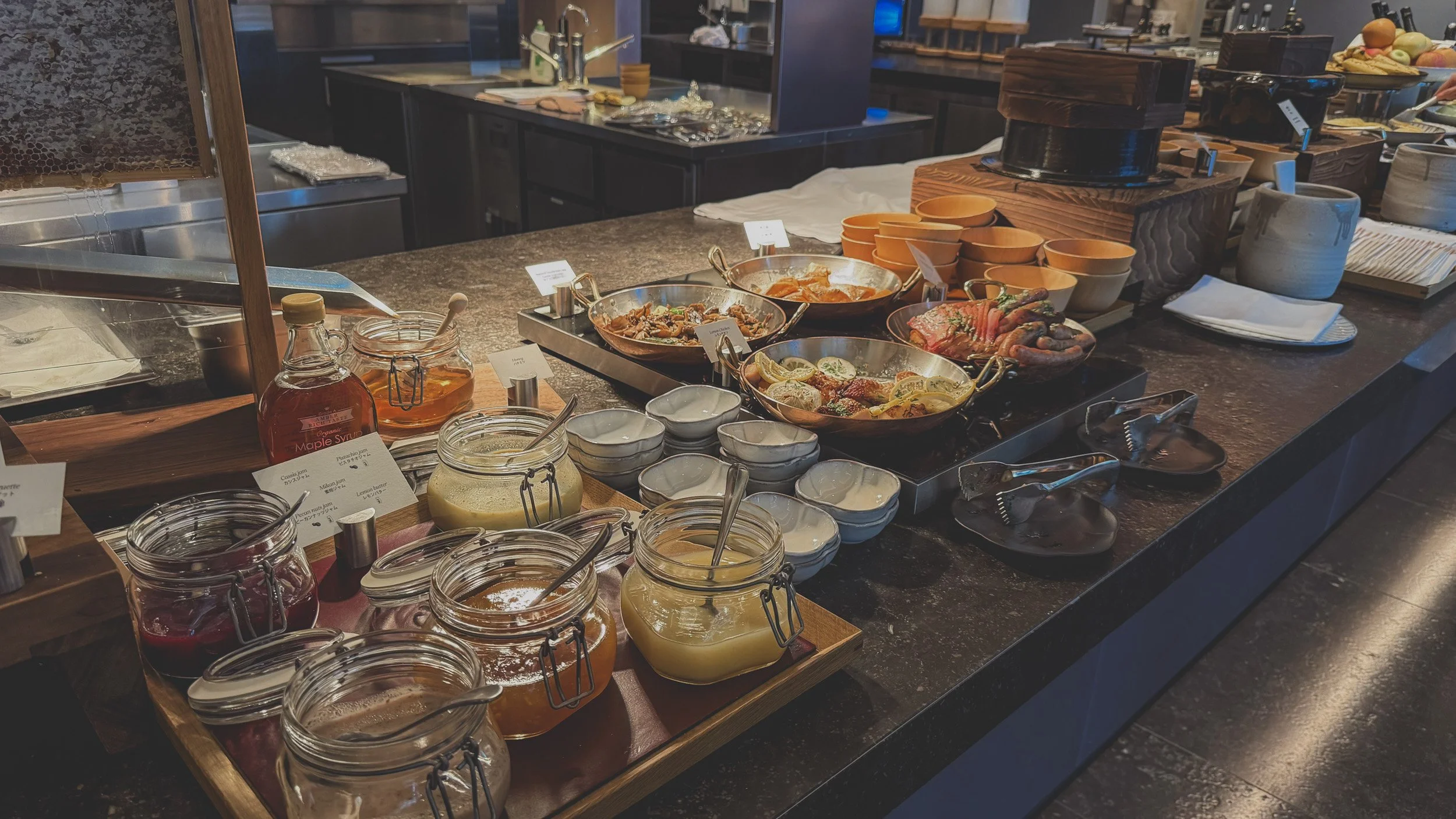
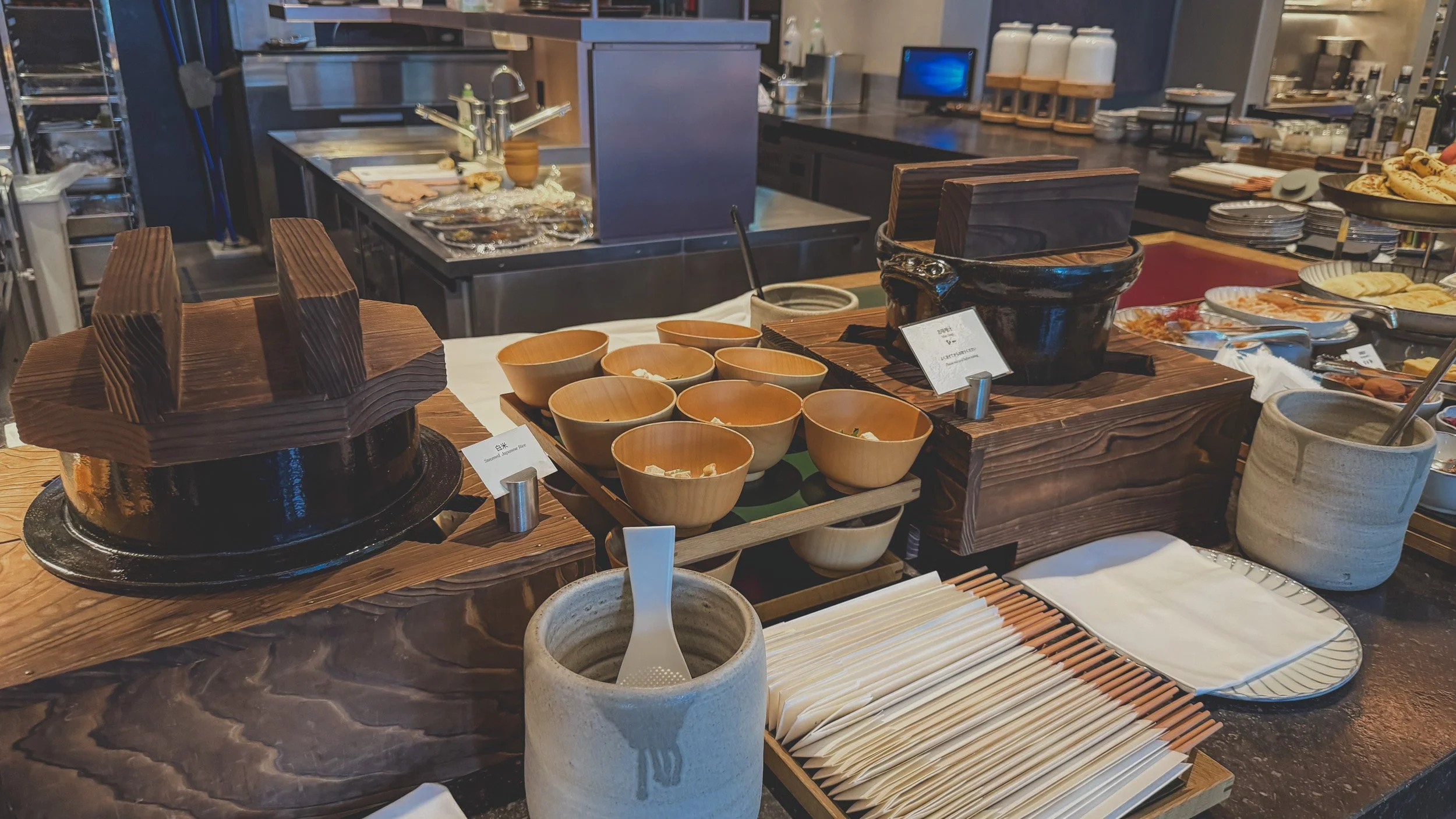
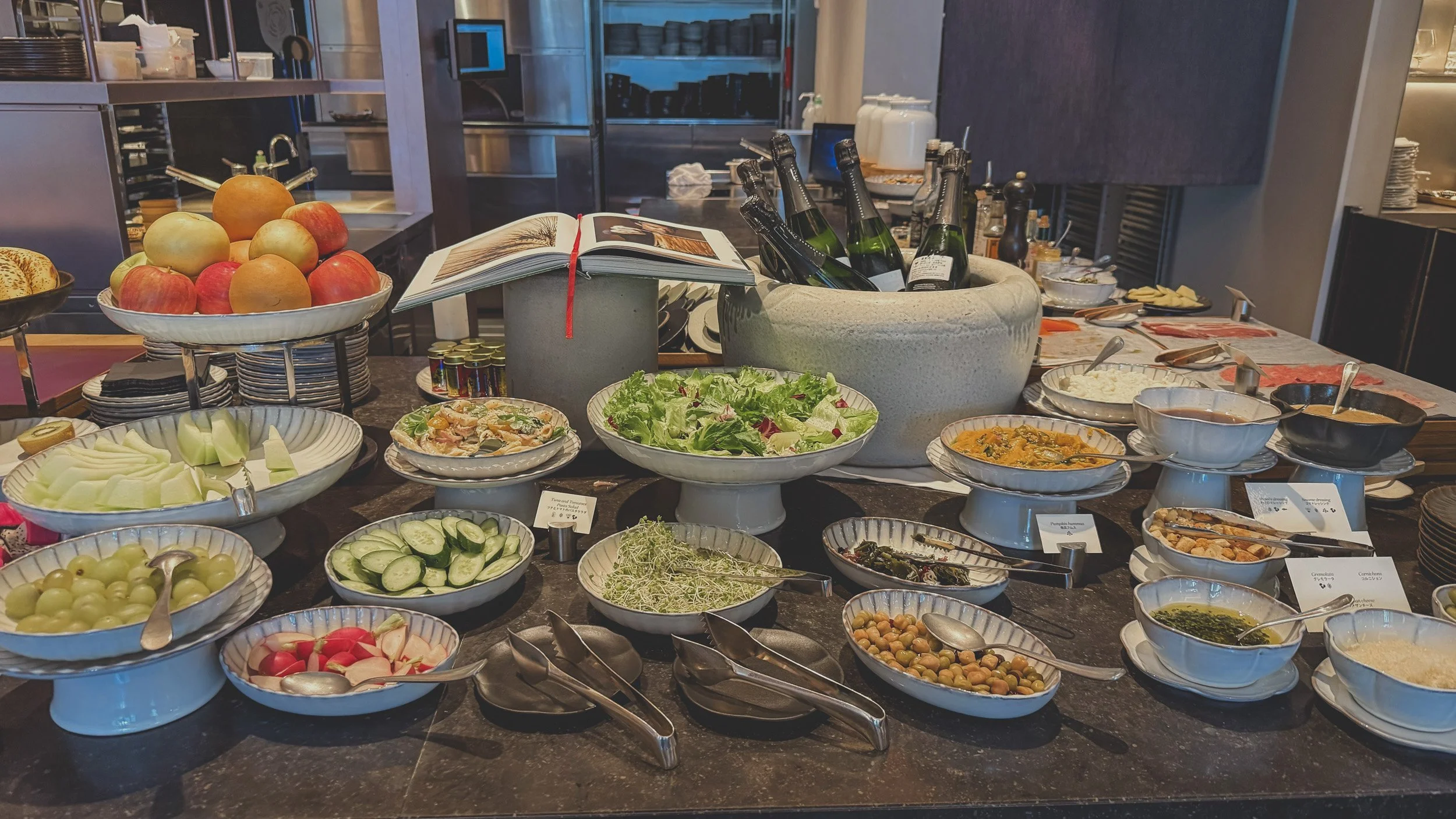
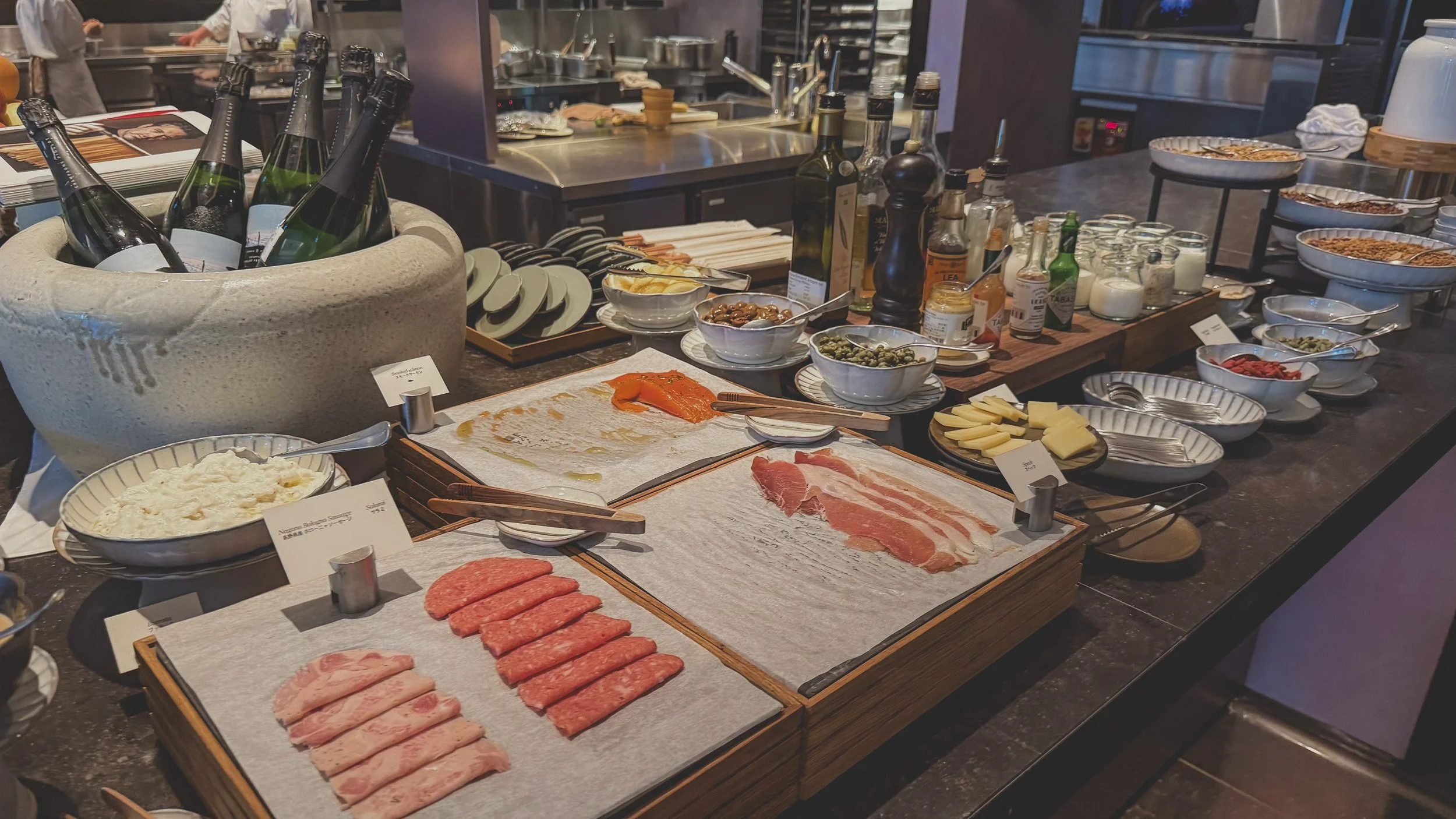
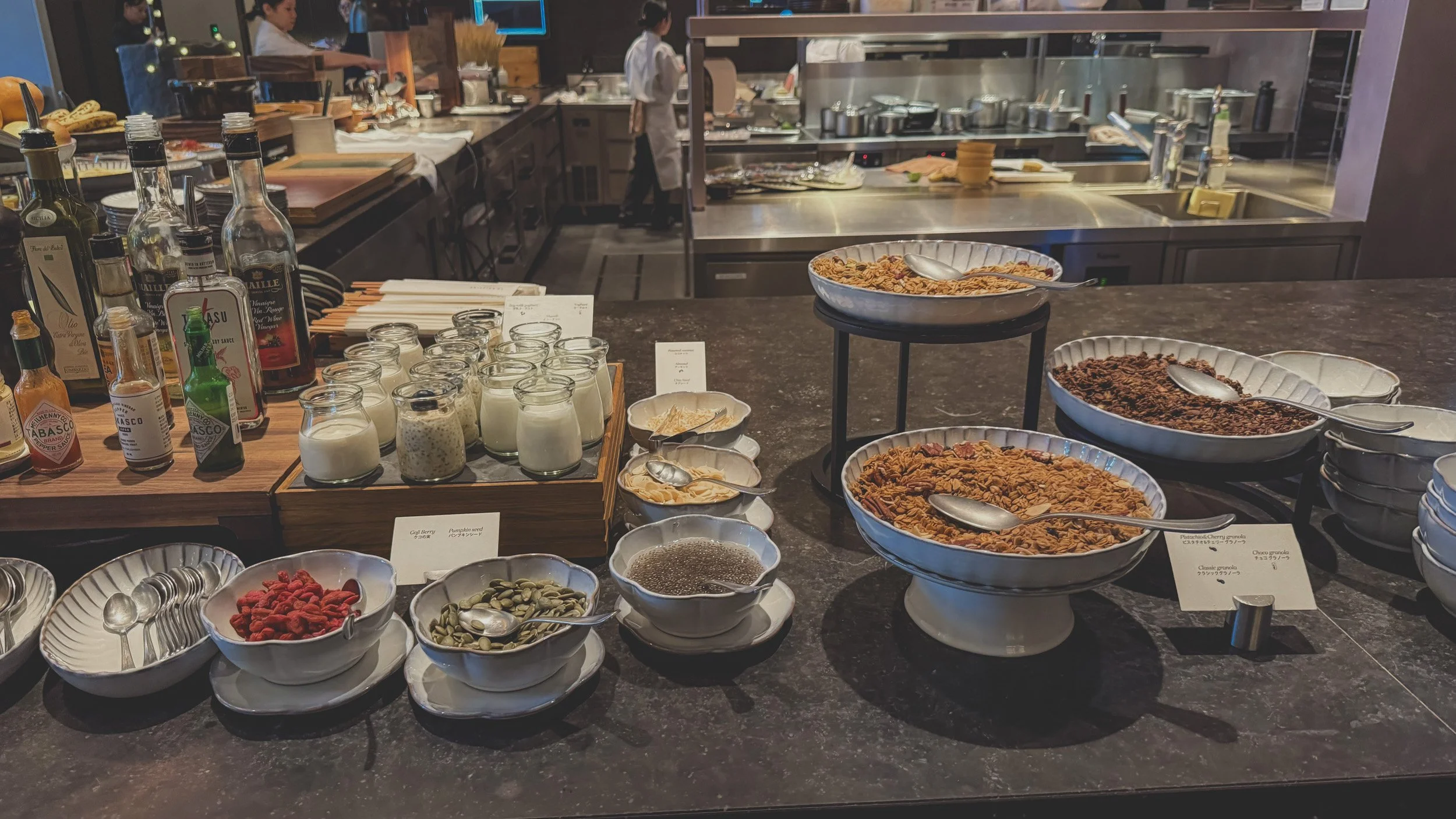
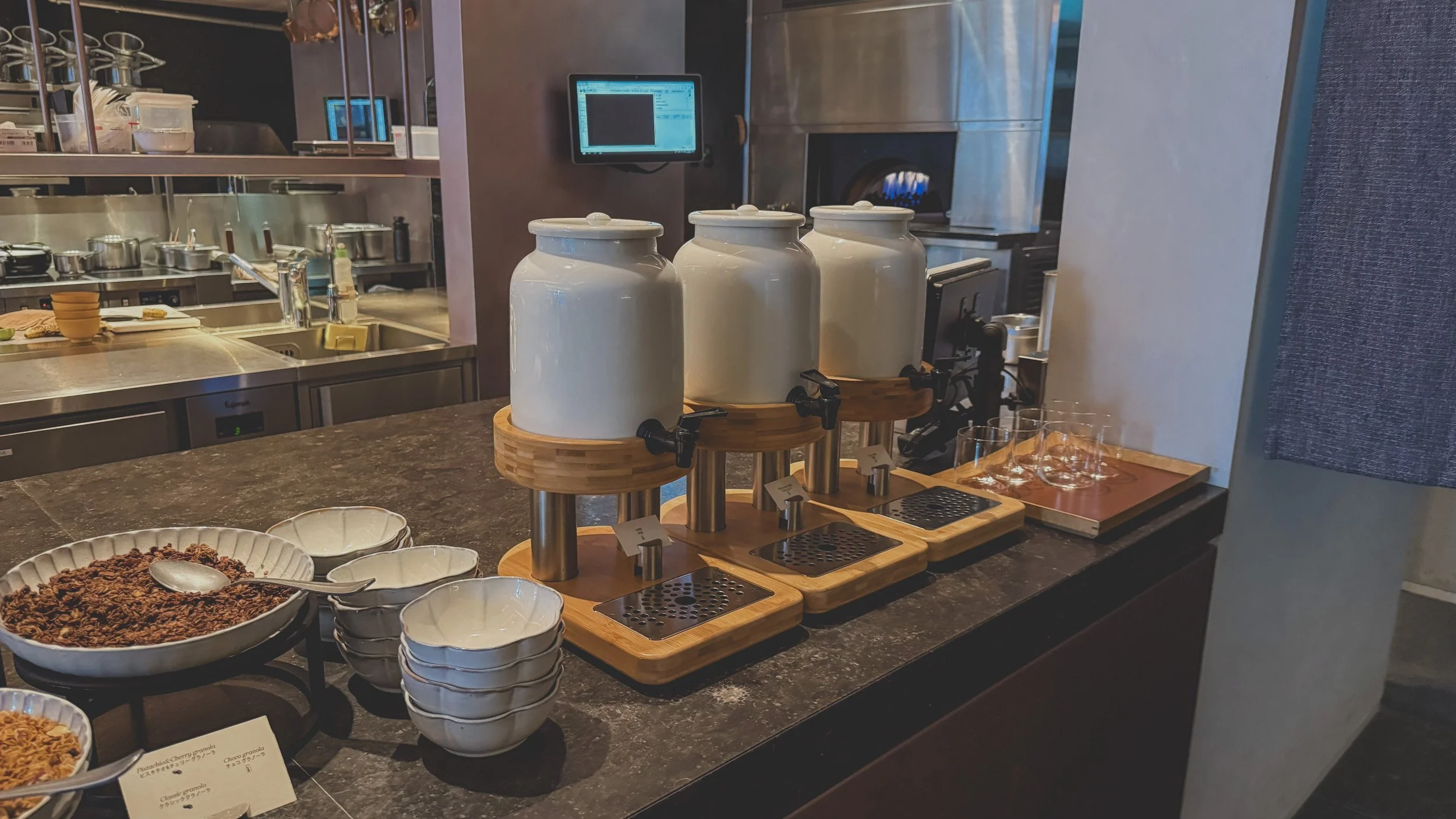
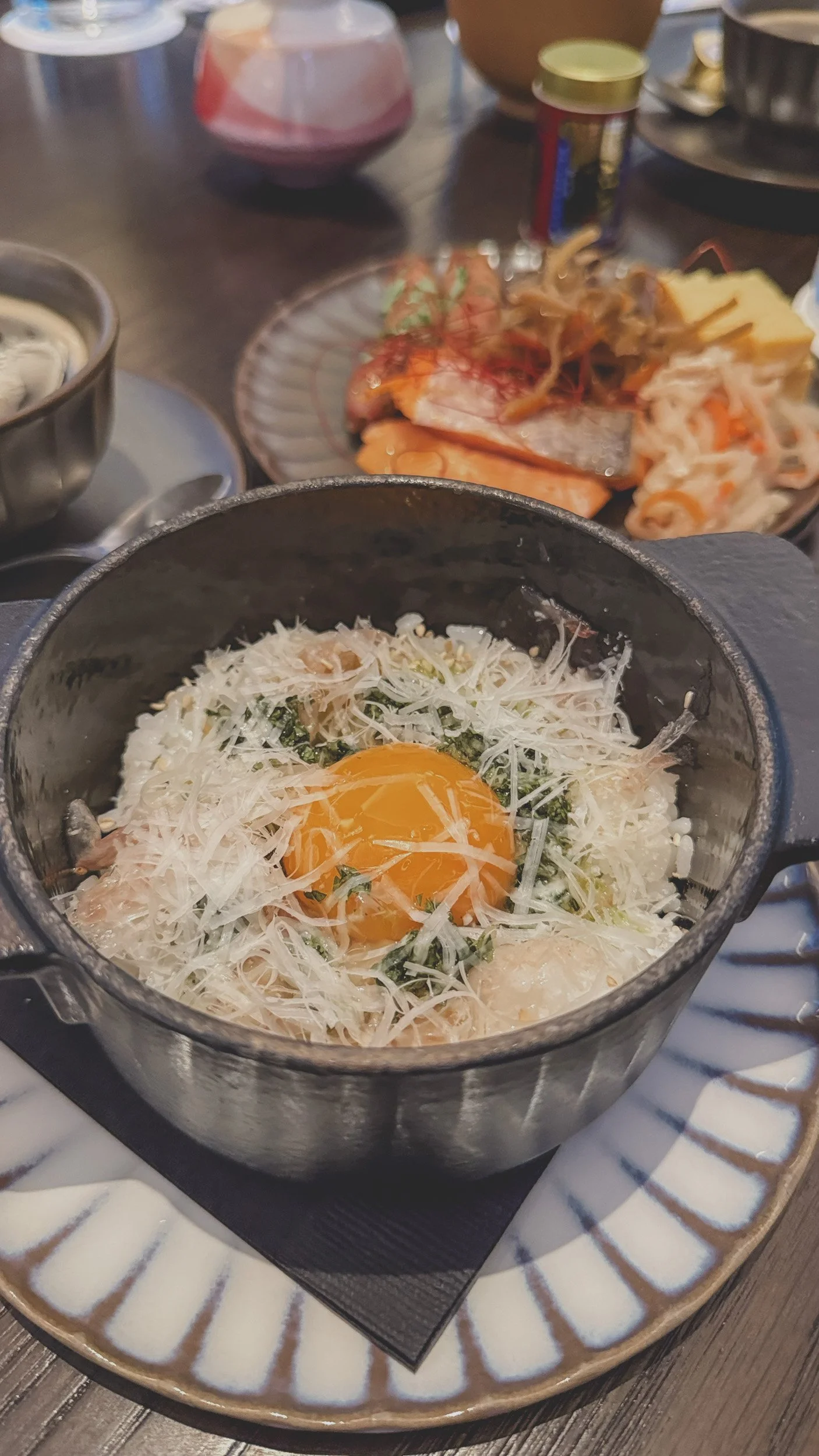
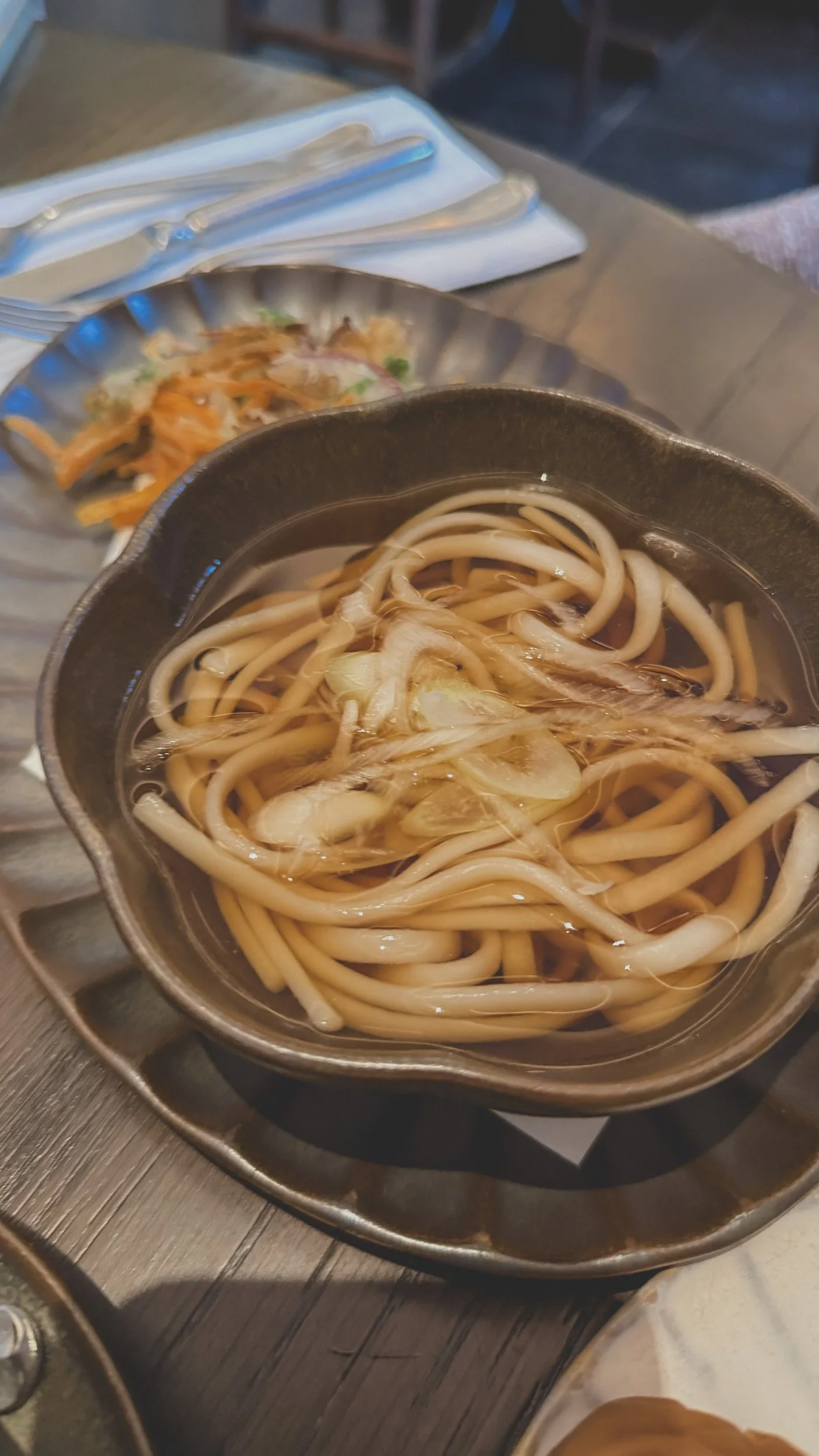
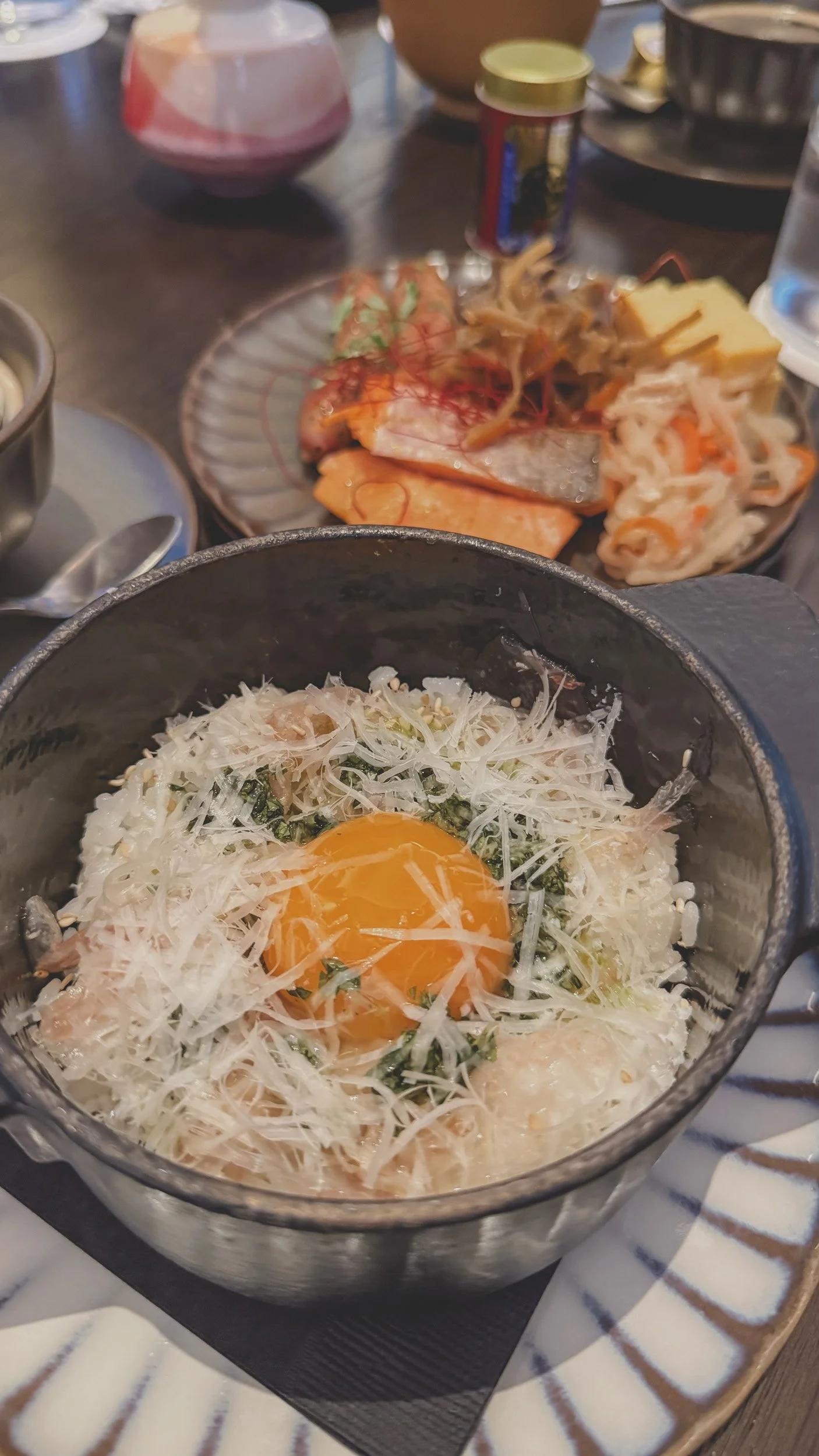
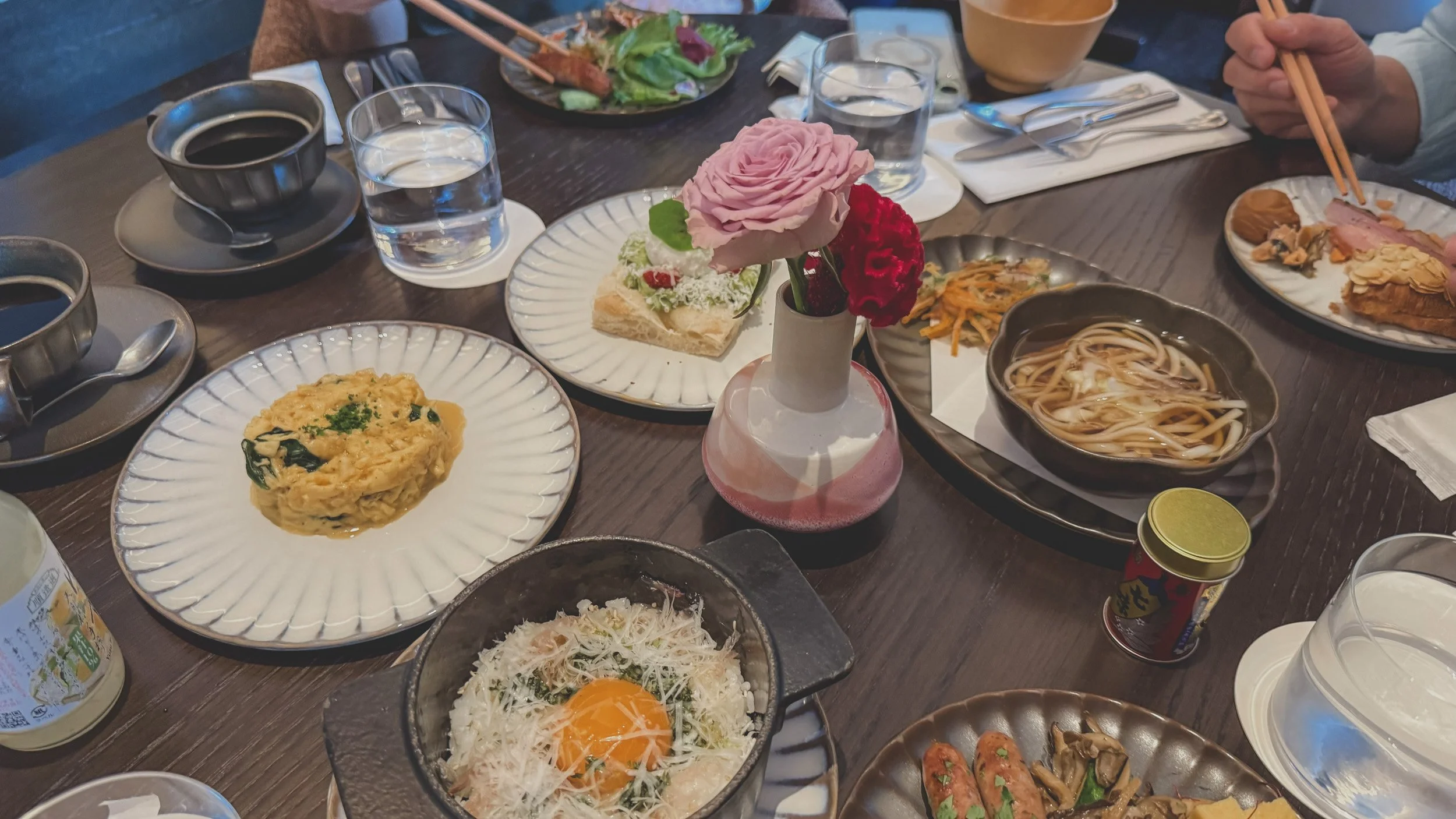
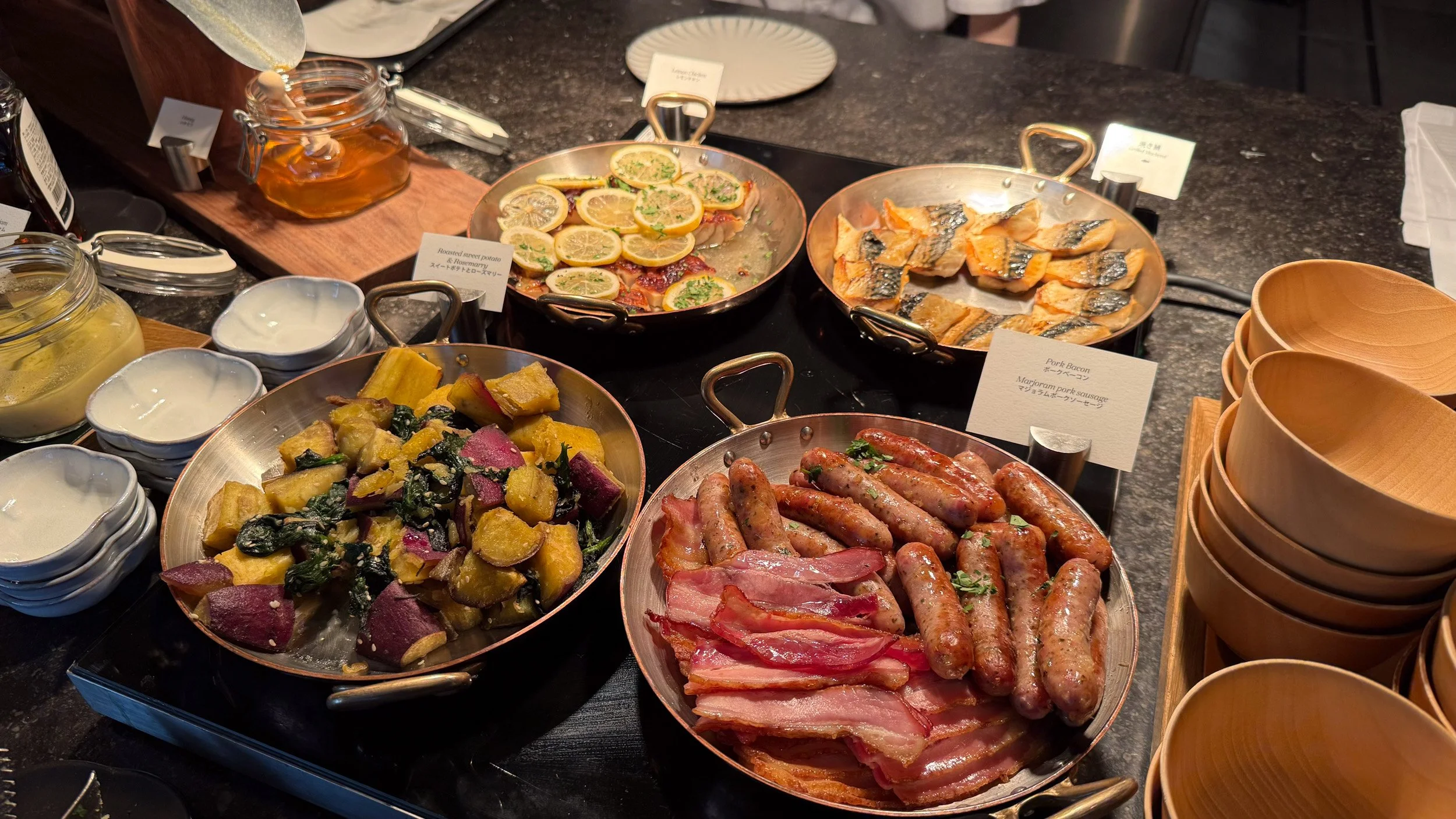
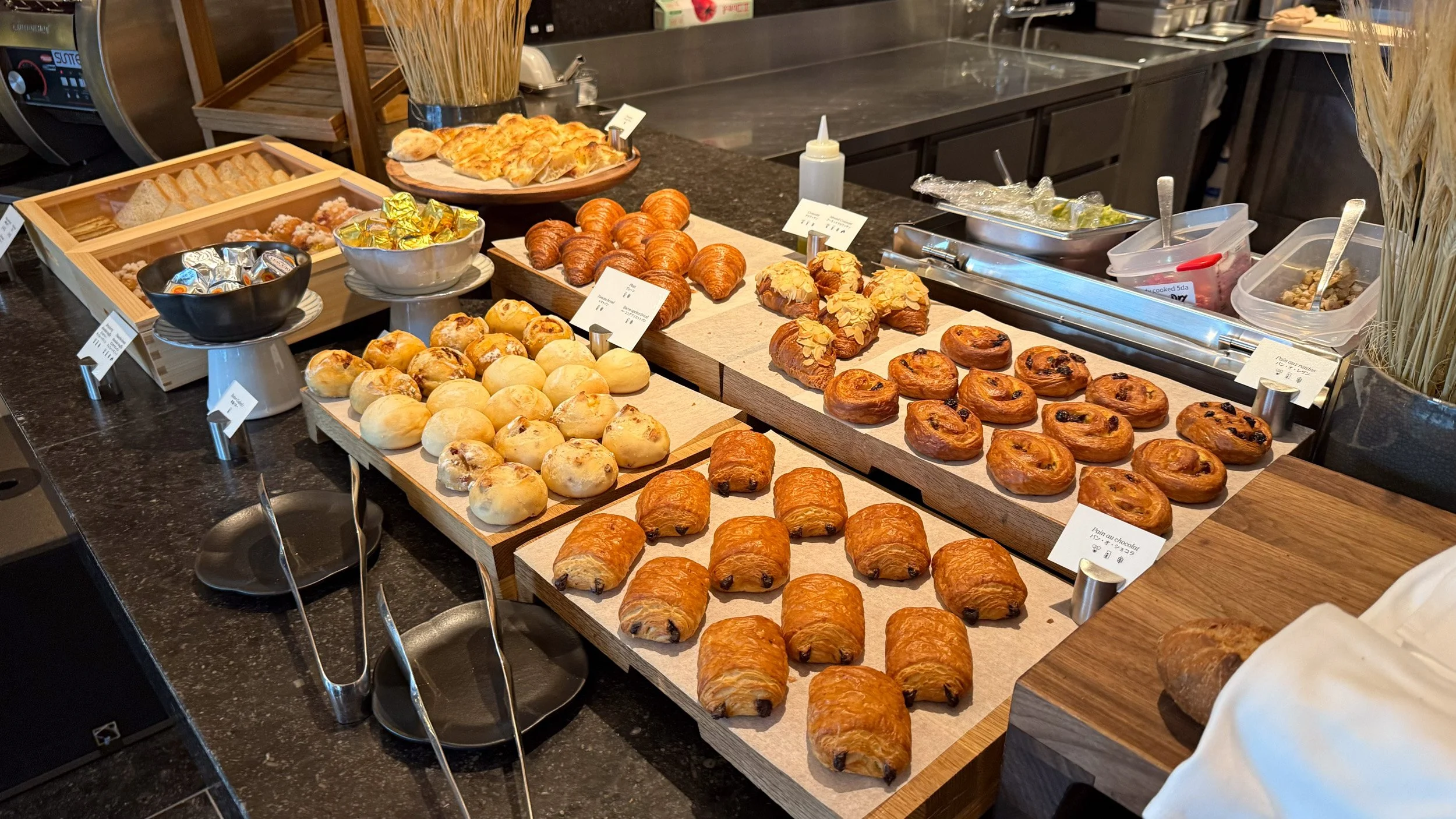
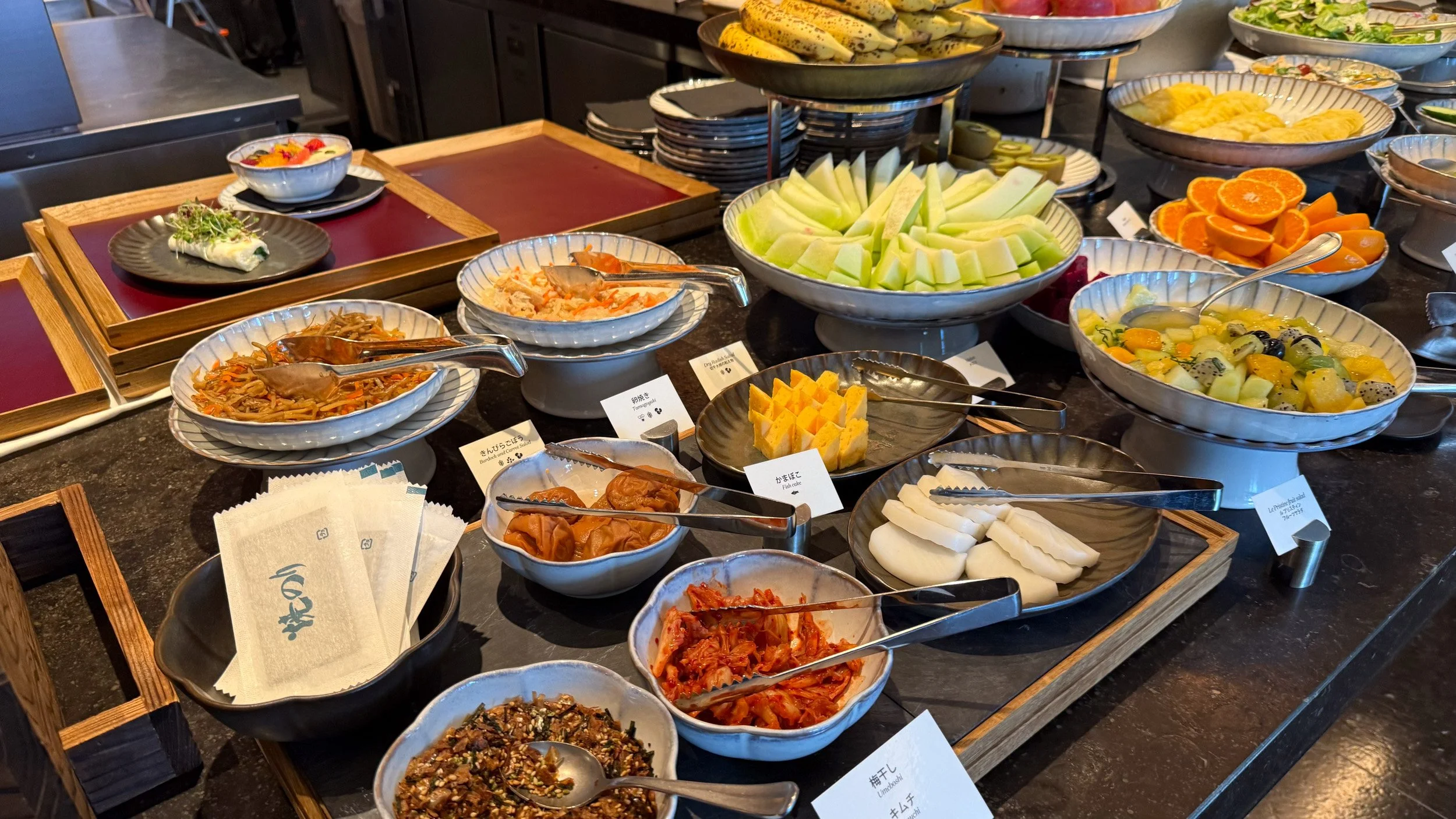
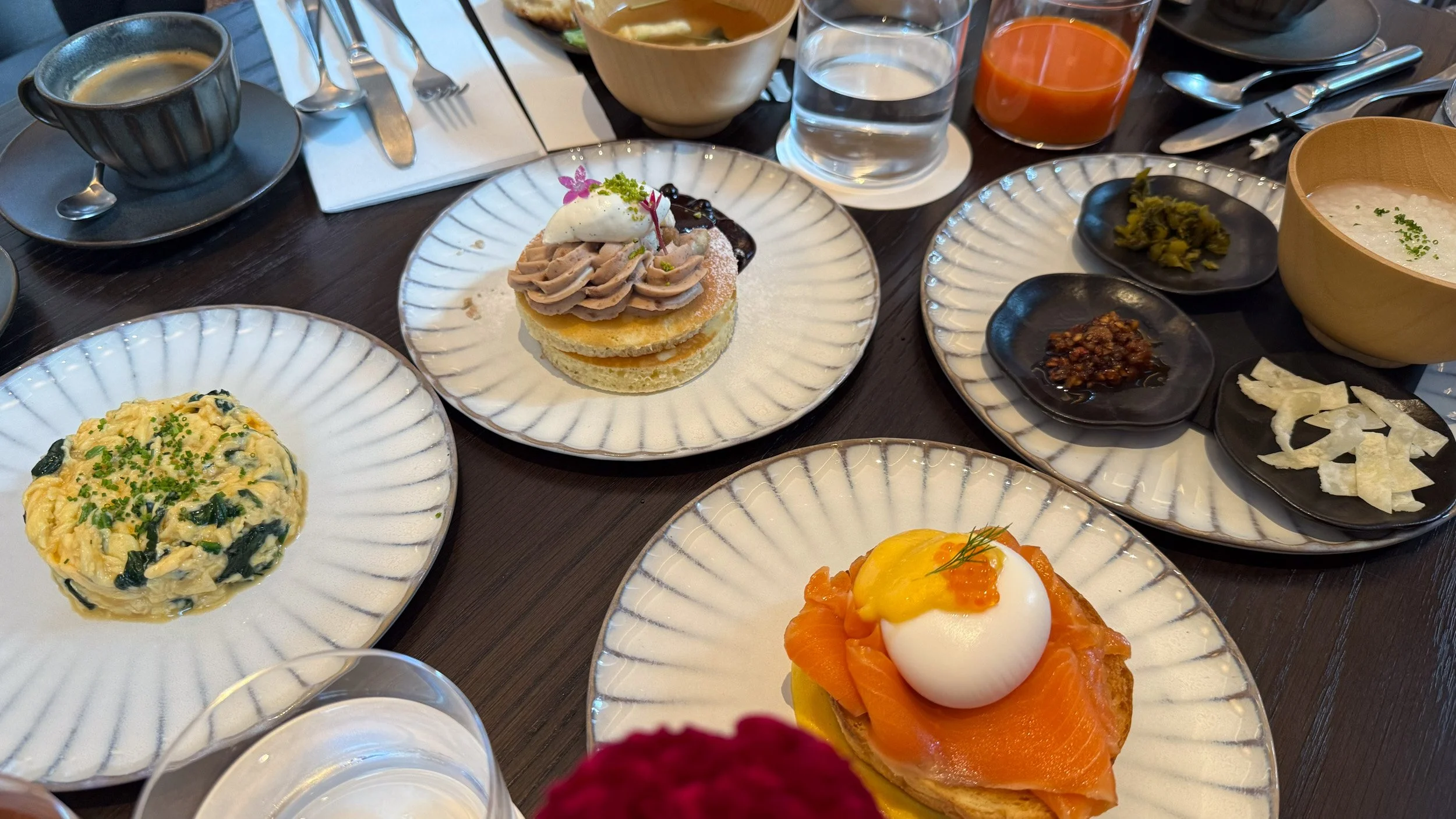
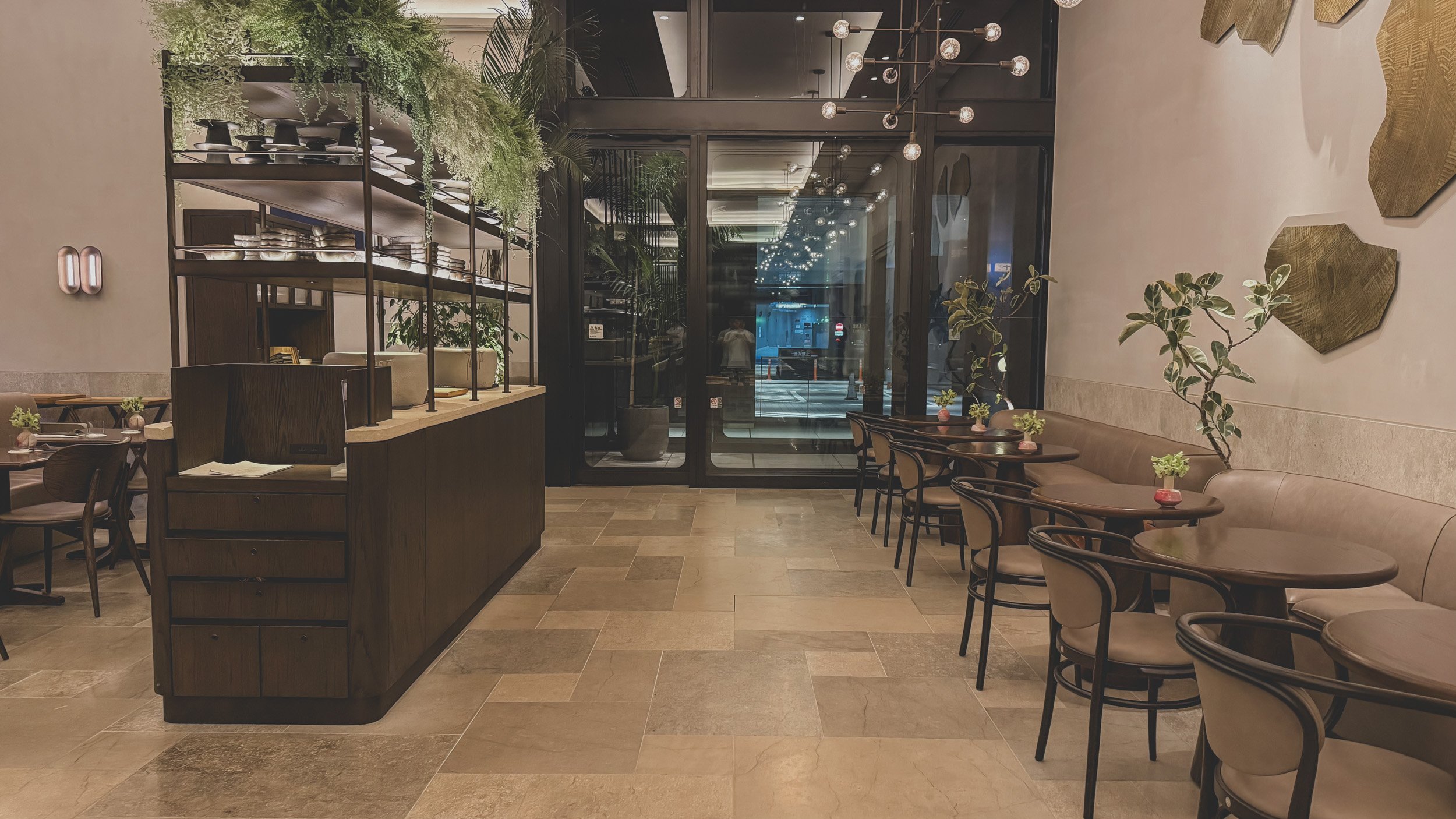
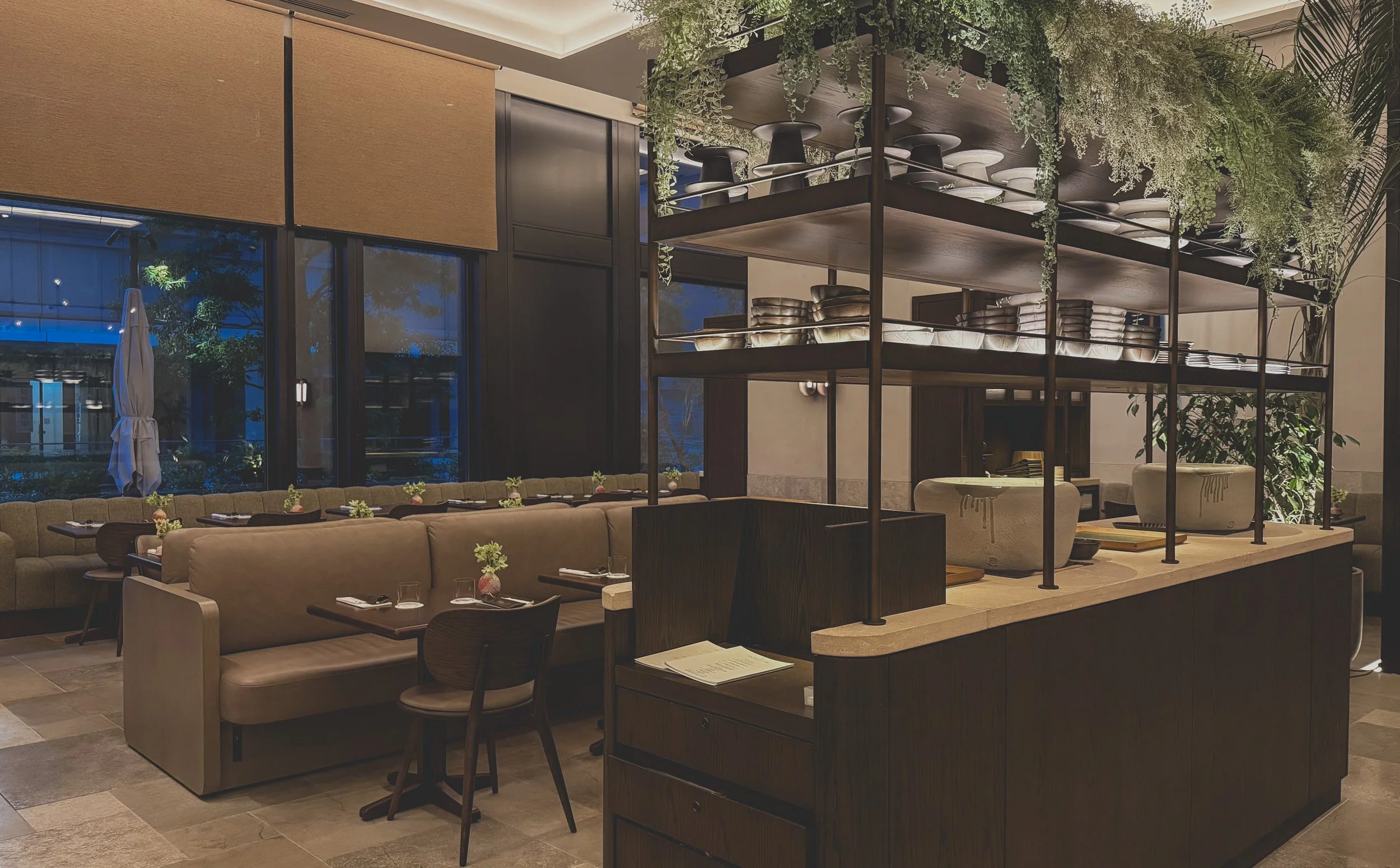
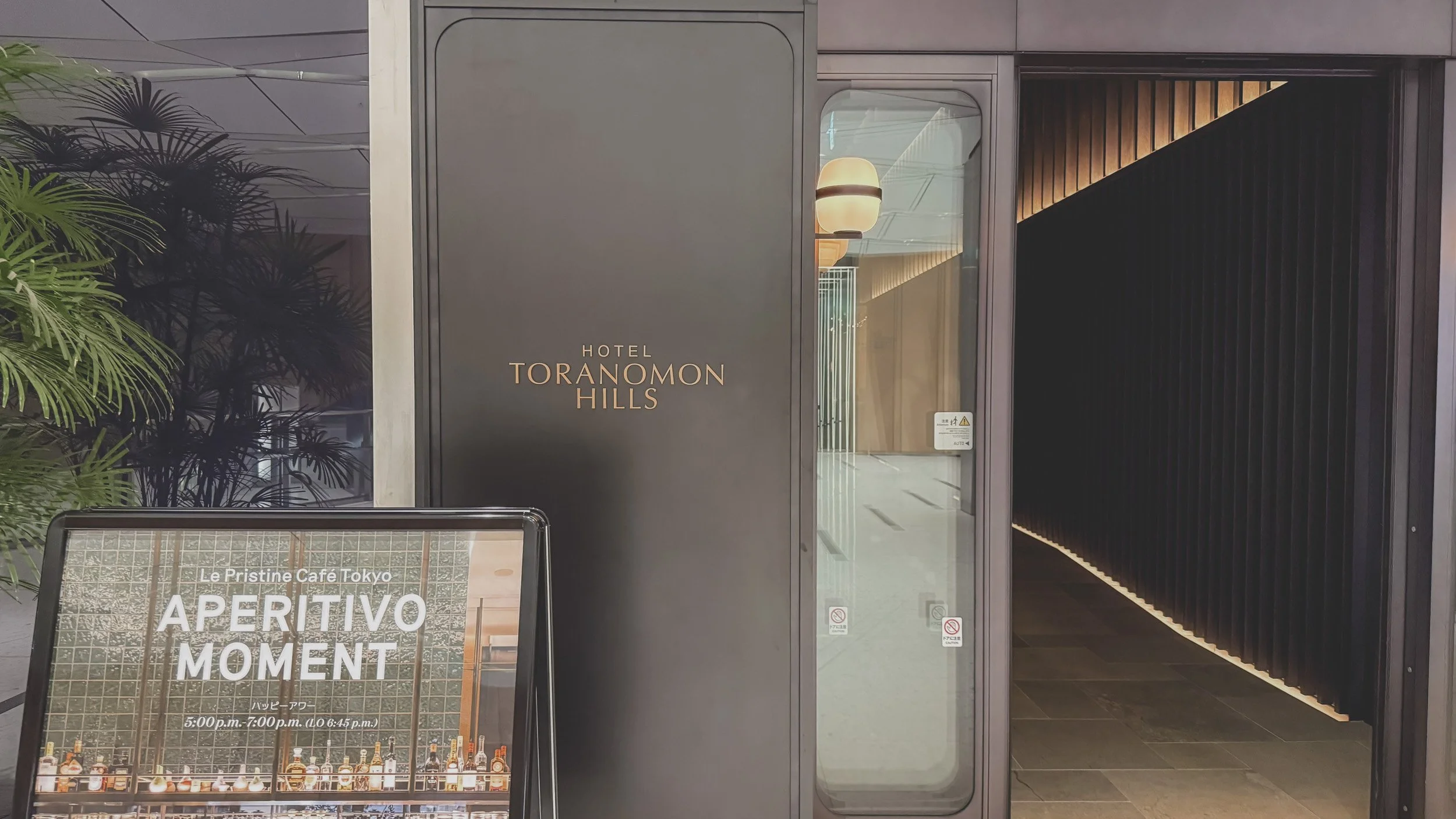
As a Hyatt Globalist, the breakfast experience at Hotel Toranomon Hills Click to open side panel for more information is a masterclass in curated quality over chaotic quantity. Since the property lacks a traditional club lounge, Globalists are treated to a full sit-down experience at Le Pristine Café Tokyo Click to open side panel for more information , the ground-floor outpost of Michelin-starred chef Sergio Herman. It’s a departure from the overwhelming, lukewarm buffets of many high-end Tokyo hotels. Instead, you’re greeted with a sophisticated hybrid: a "boutique" continental spread featuring artisanal pastries, local fruits, and premium Japanese staples like grilled salmon and miso, complemented by a refined à la carte menu. For the Globalist, this means a daily value of roughly $45–$50 per person is fully covered, including taxes and service, allowing you to focus on the flavors rather than the bill.
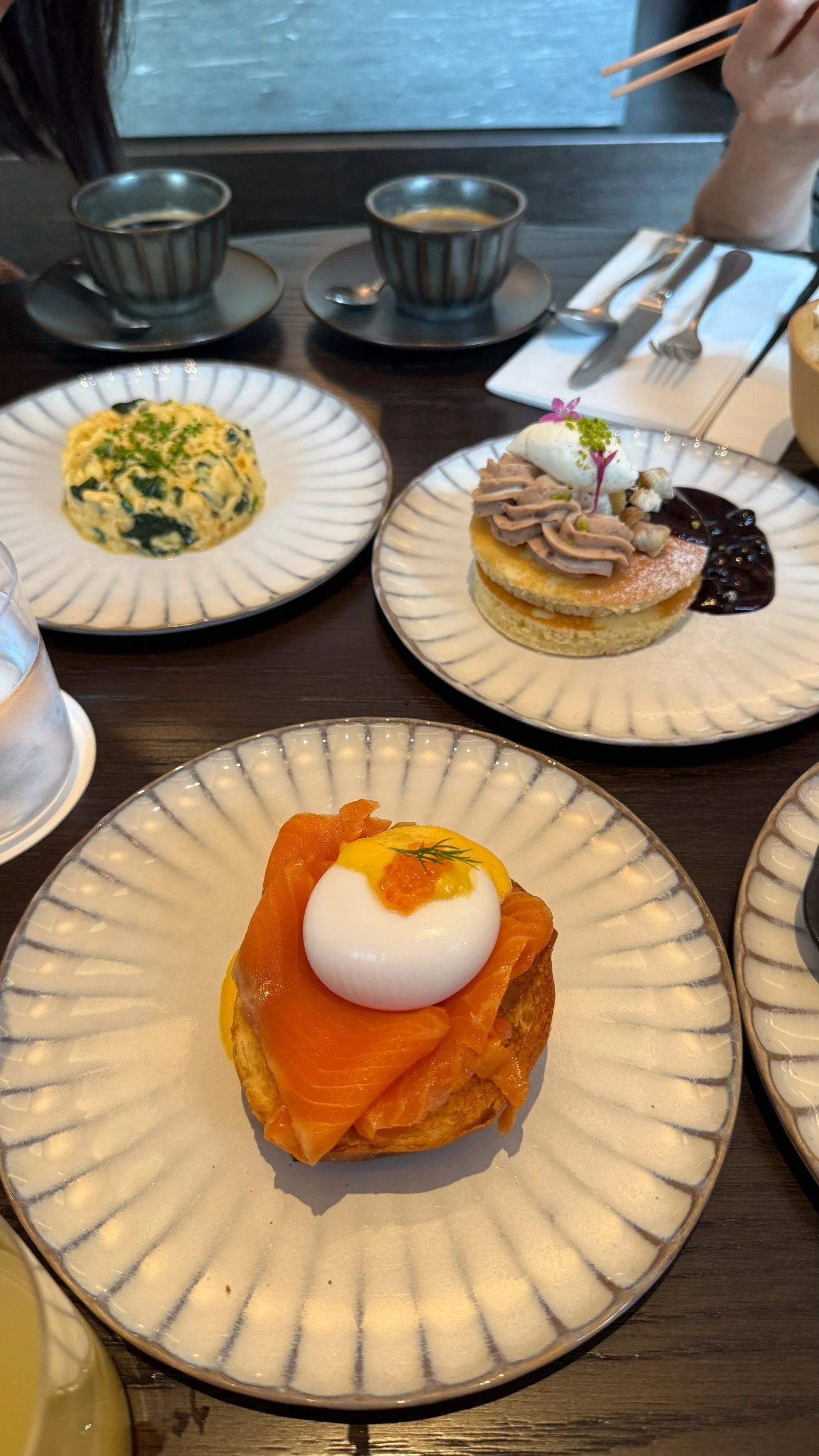
The food itself is where the "New Italian" philosophy shines, blending European technique with hyper-seasonal Japanese ingredients. While you can opt for classic eggs, the standout is the ability to order more adventurous dishes—think a perfectly textured rice porridge or even a decadent Chicken Katsu Sando that defies traditional breakfast logic in the best way possible.